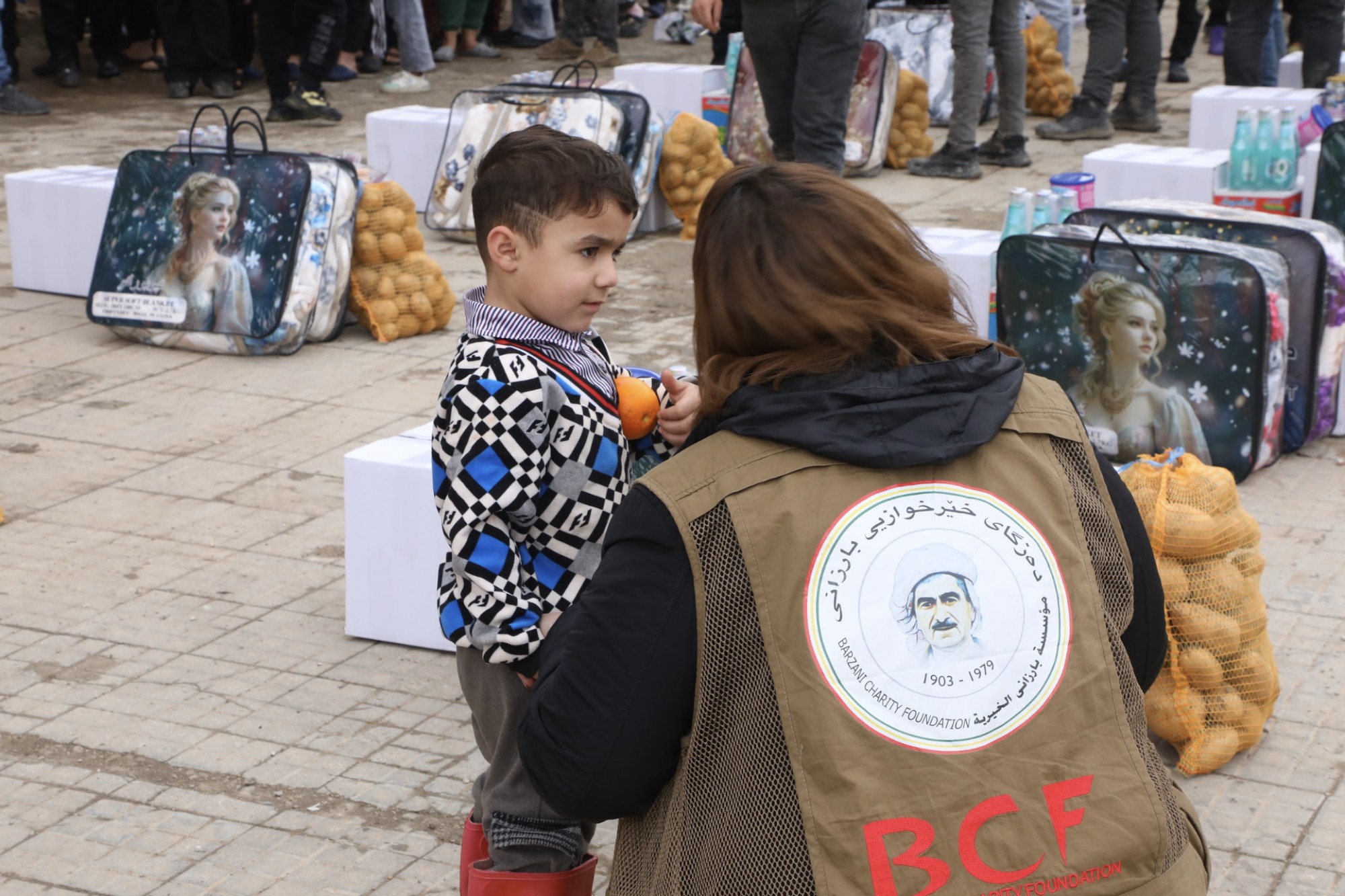
In humanitarian work, the difference between success and failure is often determined by the strength of internal administration and the readiness of operational systems on the ground. Recently, the Barzani Charity Foundation (BCF) demonstrated this principle by delivering urgently needed relief to civilians in Western Kurdistan (northeastern Syria) following clashes between Syrian government forces and the Syrian Democratic Forces in January.
During my 16 days directing BCF operations in Western Kurdistan, I learned a critical lesson: humanitarian assistance is defined not only by aid delivery, but by the efficiency and preparedness of the systems that enable it.
Establishing operational infrastructure
In humanitarian response, time is the most valuable resource for protecting or saving lives. Before the first shipment reaches those in need, operational infrastructure must be in place and fully functional.
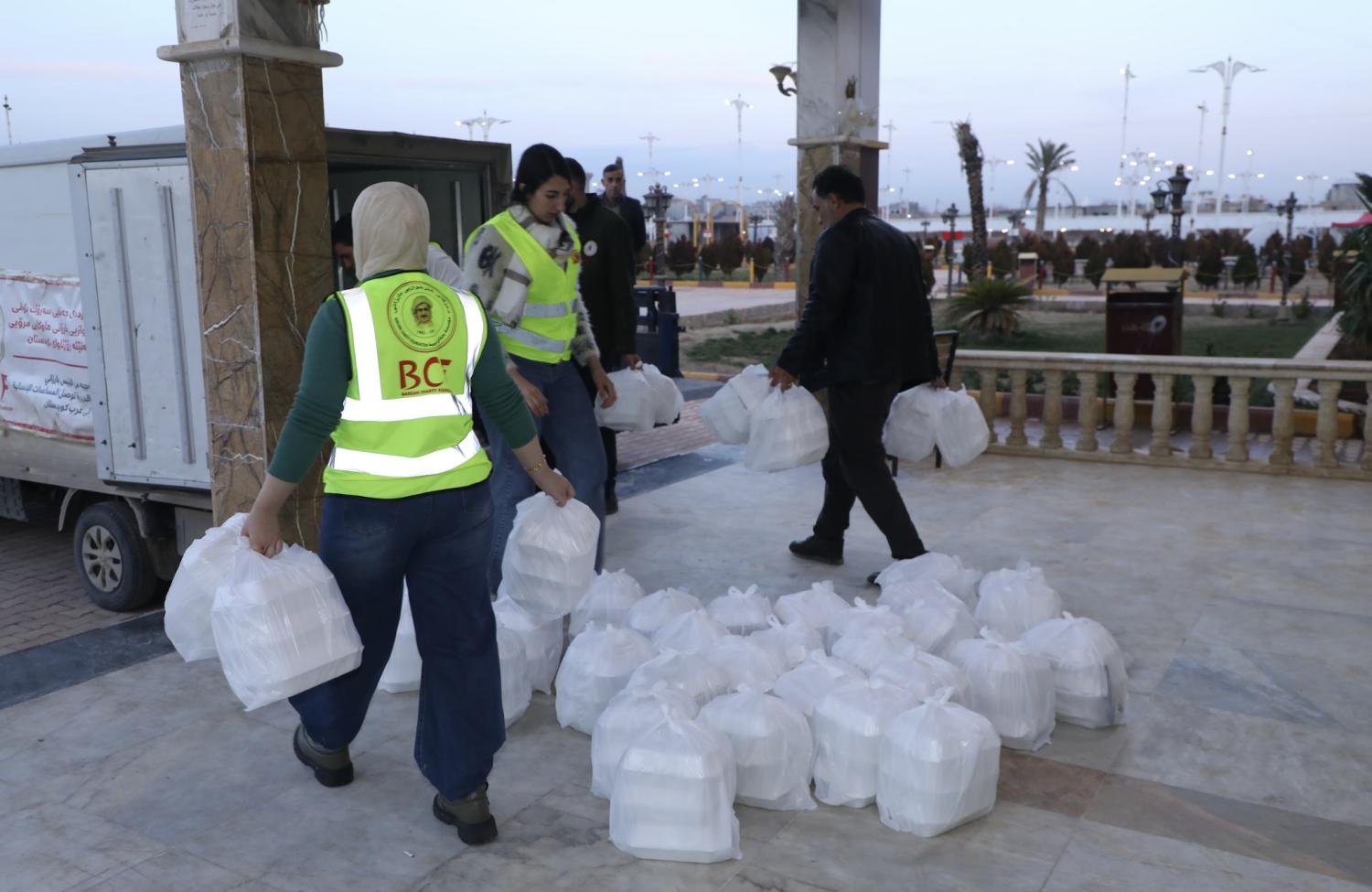
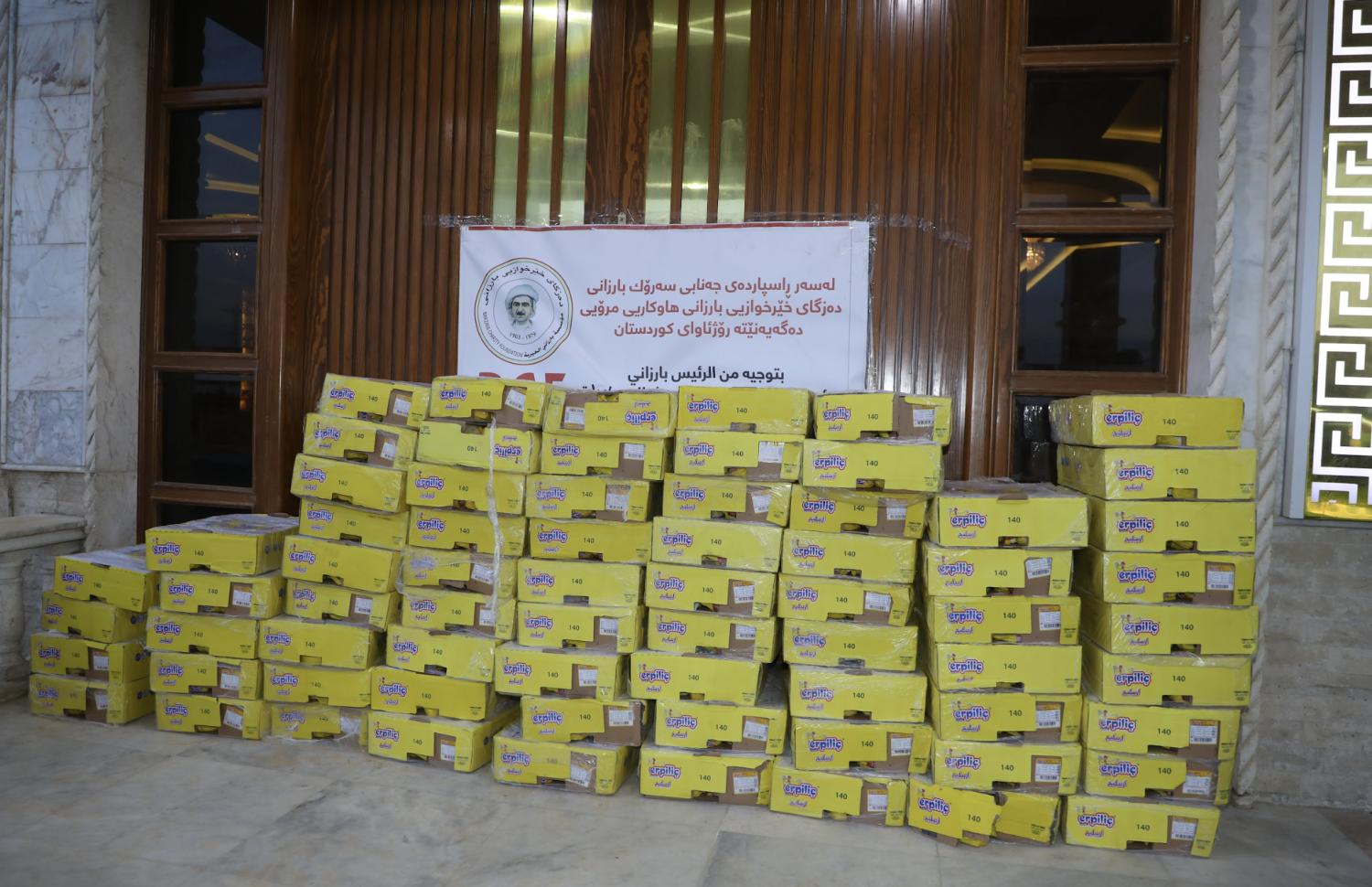
In Western Kurdistan, our foremost challenge was establishing this infrastructure rapidly. Within the first 24 hours, BCF established a functioning office and secured storage facilities for incoming shipments. Storage capacity is the foundation of any aid operation. Without secure storage and administrative coordination, effective and accountable distribution cannot occur. This achievement, accomplished with remarkable speed, reflected both decisive leadership and the institutional capacity to manage crisis conditions efficiently.
Strategic and phased planning
Once operational infrastructure was established, BCF implemented a structured, three-phase response plan.
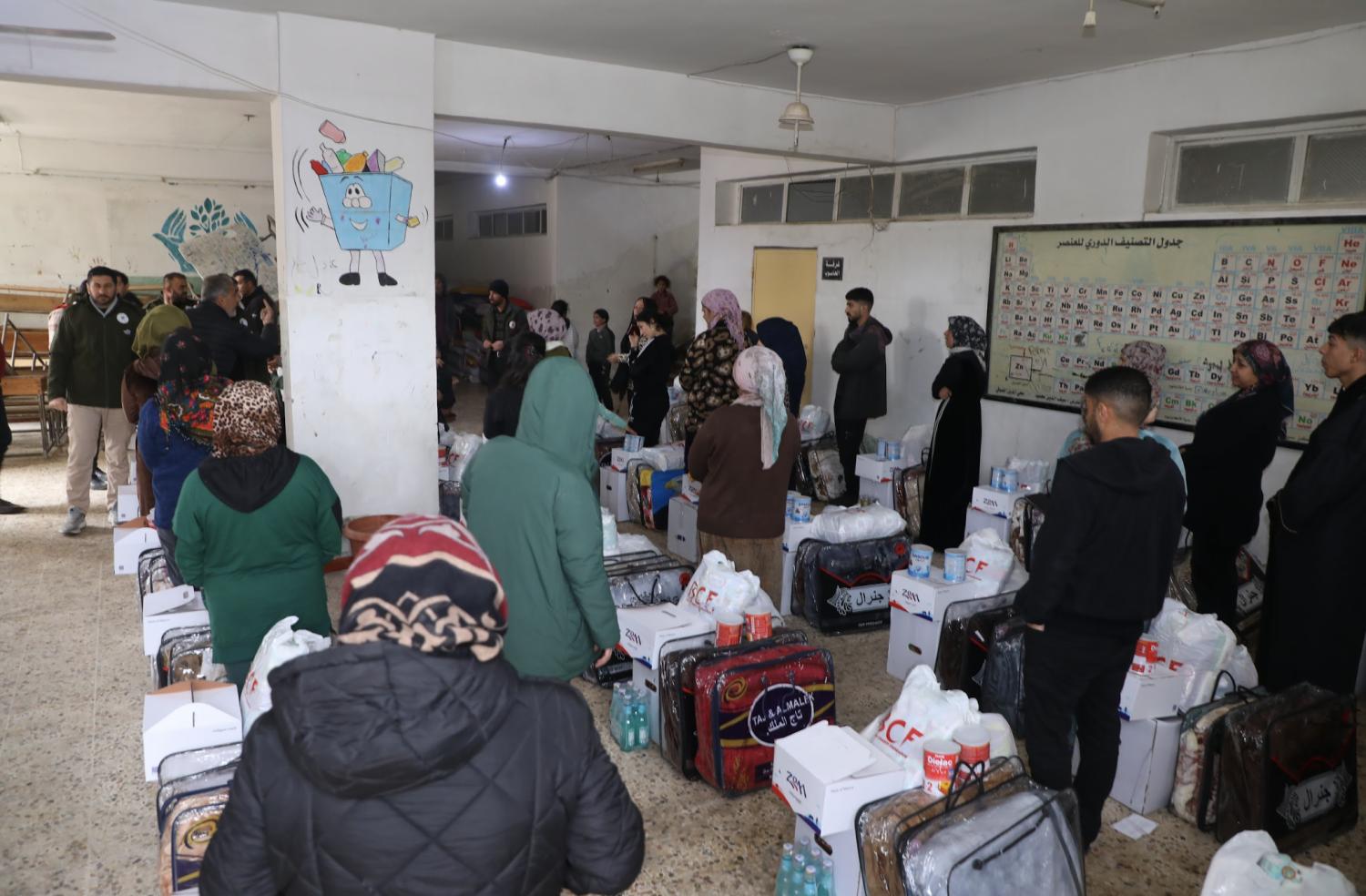
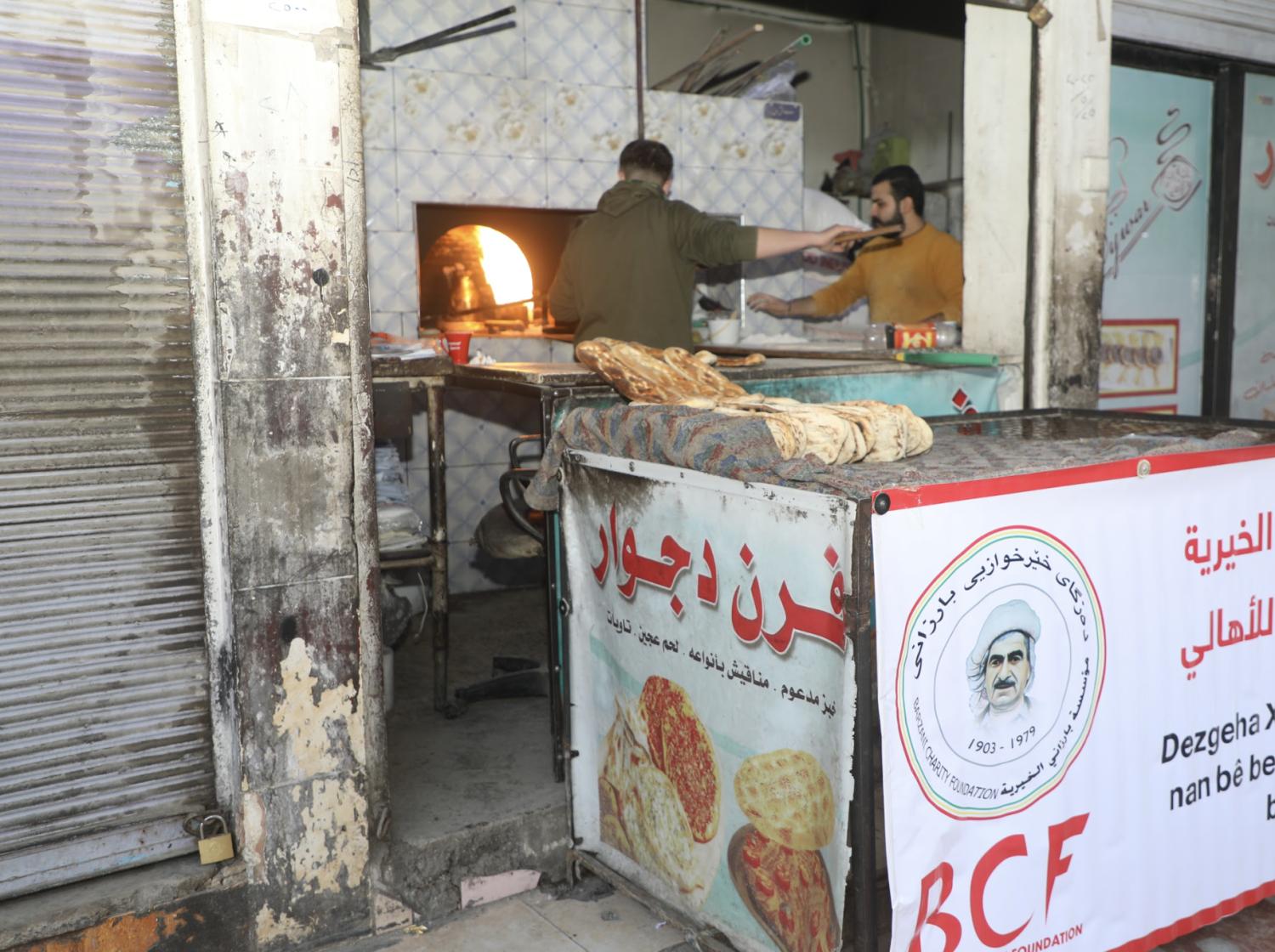
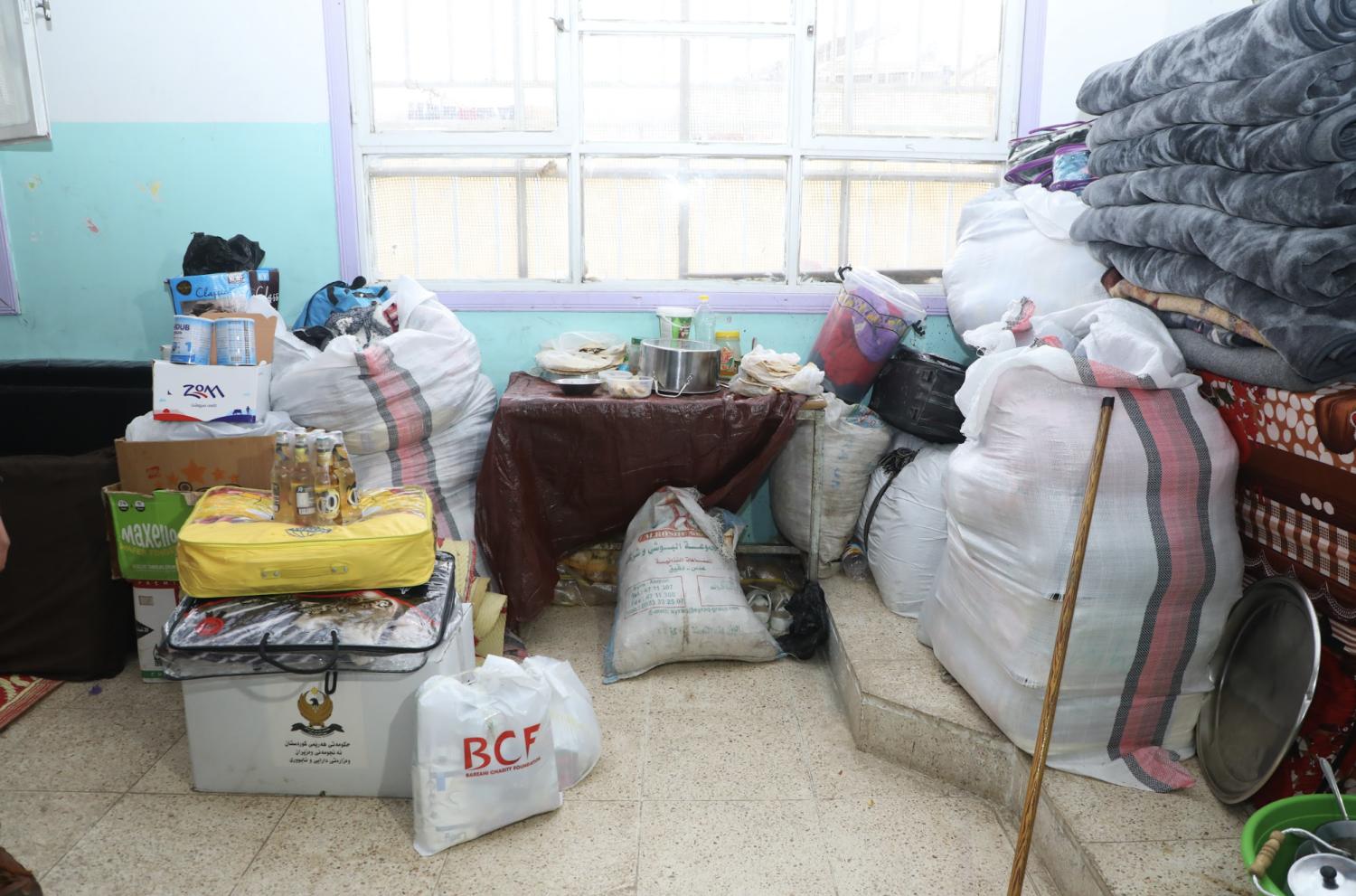
First, we provided immediate assistance to displaced individuals sheltering in schools and mosques, where large numbers of vulnerable families had gathered and required urgent support.
Second, our teams conducted systematic outreach to identify displaced individuals living outside formal shelters, especially those staying with relatives, friends, or in informal arrangements, to ensure no vulnerable group was overlooked.
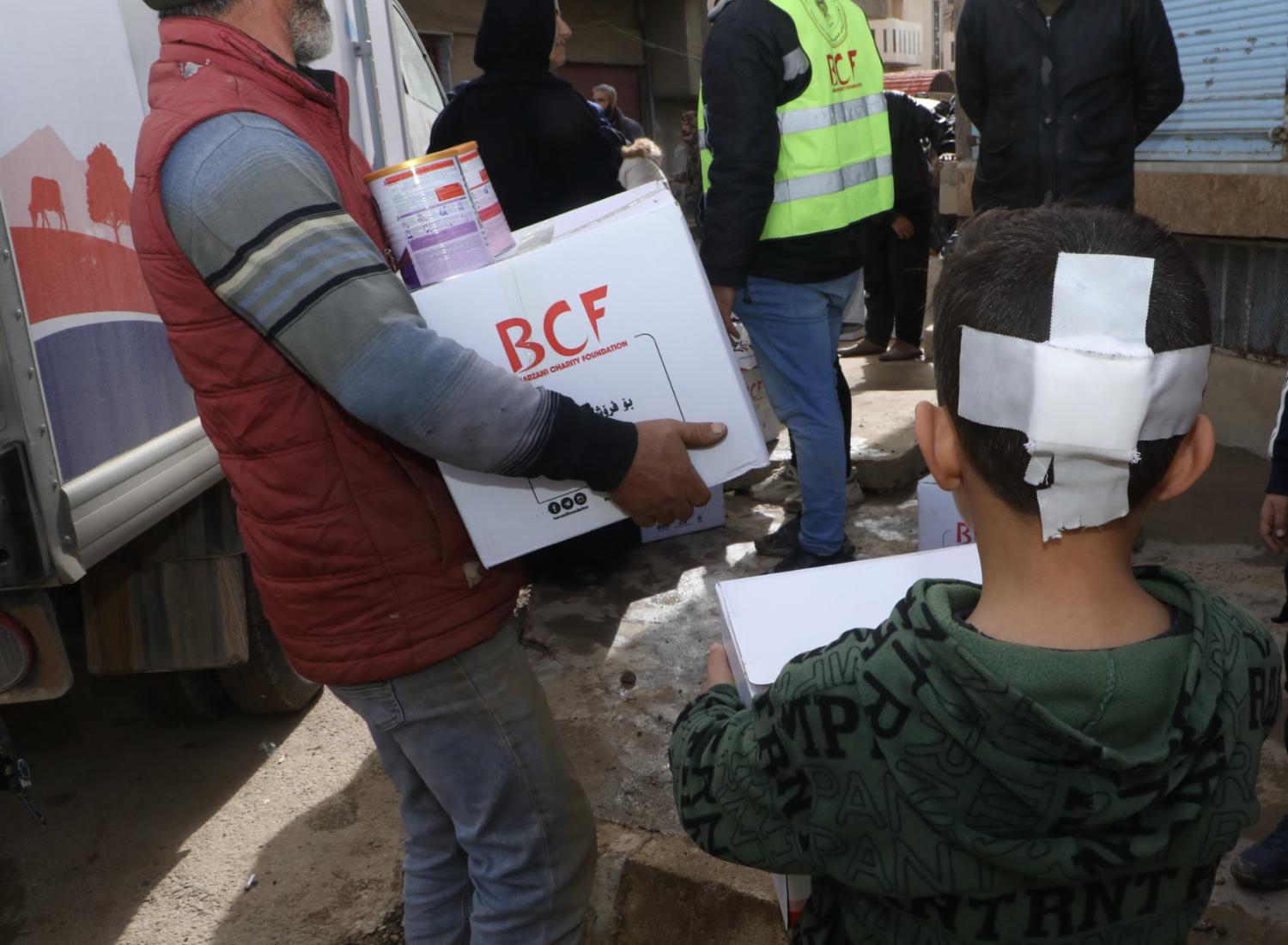
Third, we distributed aid to impoverished neighborhoods, remote villages, and rural communities hosting displaced persons. Supporting host populations was essential to maintaining social stability and assisting communities already under economic strain.
Comprehensive aid delivery and communication
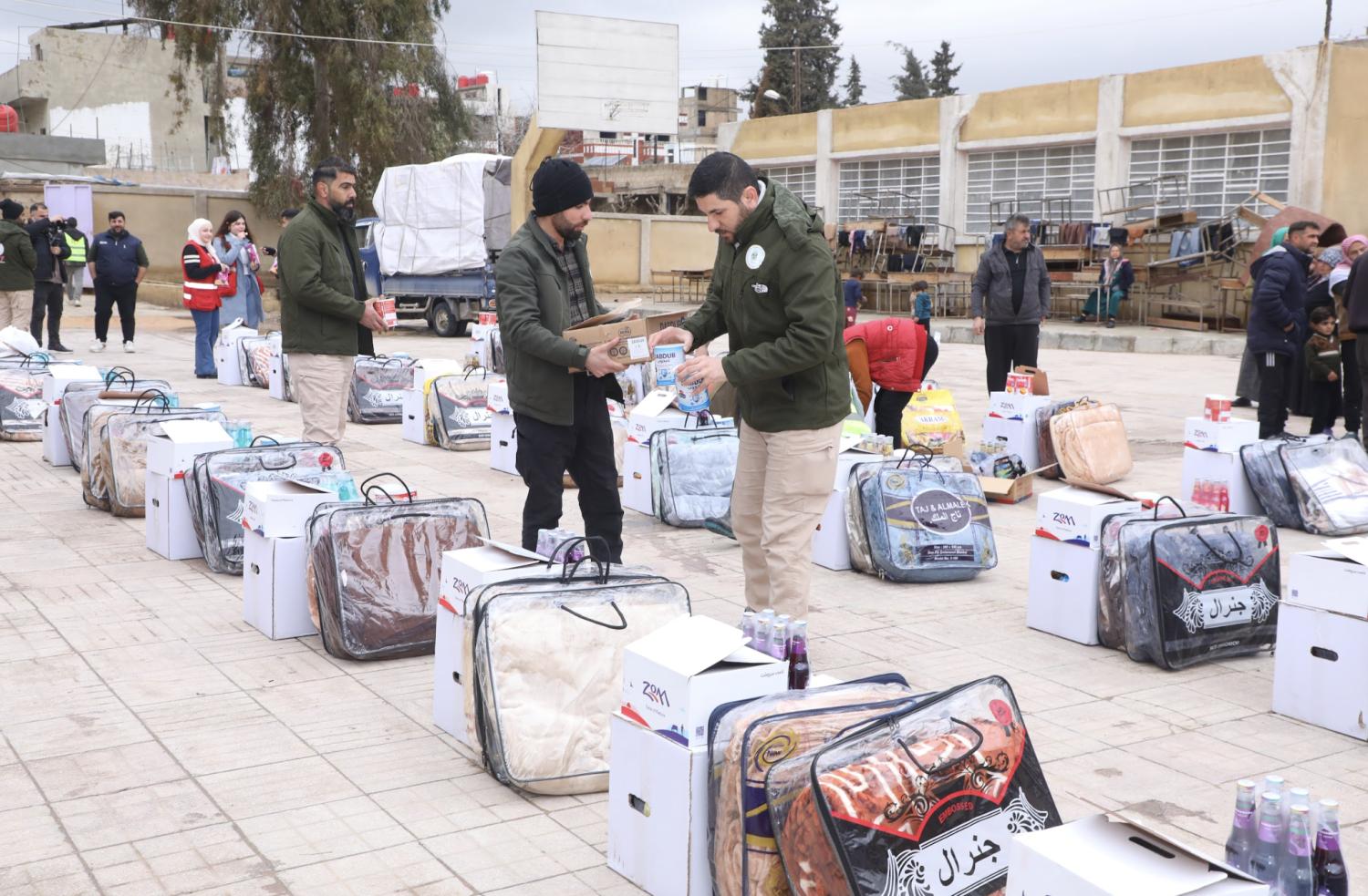
One of the BCF’s defining strengths is its ability to accurately assess and respond to diverse humanitarian needs. In Western Kurdistan, our assistance addressed a full spectrum of requirements, including winter supplies, fuel, food, and medical support.
Equally important was our coordination with local authorities and institutions. Humanitarian operations cannot succeed in isolation. Close cooperation with local and governmental institutions enabled our teams to access sensitive areas, ensure transparency, and distribute aid efficiently and responsibly.
Team dedication and operational discipline
No infrastructure or operational plan can succeed without dedicated personnel. During this mission, I witnessed exceptional professionalism and commitment from BCF staff.
Our teams worked up to 16 hours per day, demonstrating extraordinary discipline, resilience, and unity. Beyond their endurance, what stood out most was their unwavering sense of purpose. Despite the demanding conditions, they maintained professionalism and dignity in serving vulnerable populations.
The true strength of the BCF lies not only in the scale of aid delivered, but in the humanity, empathy, and professionalism of its staff. From leadership to field staff, every team member served with humility and commitment to the people.
Trust, transparency, and accountability
Alongside these operational achievements, one of the BCF’s most important responsibilities is safeguarding public trust.
Throughout the 16-day mission, the foundation served not only as an aid provider, but as a bridge between donors and beneficiaries. Contributions from the Kurdish people, both within the Kurdistan Region of Iraq and across the diaspora, were delivered transparently and responsibly.
The BCF maintained a structured reporting system, documenting aid distribution daily and ensuring that donor contributions were delivered responsibly. This transparency strengthened trust between donors, beneficiaries, and the foundation itself.
A lesson in institutional strength and human commitment
These 16 days were not merely an administrative assignment. They demonstrated that when strong institutional capacity is combined with dedicated personnel, meaningful humanitarian service can be delivered even under the most difficult conditions.The BCF’s work in Western Kurdistan reaffirmed a fundamental truth: effective humanitarian response depends not only on resources, but on institutional readiness, operational discipline, and the people willing to serve under pressure.
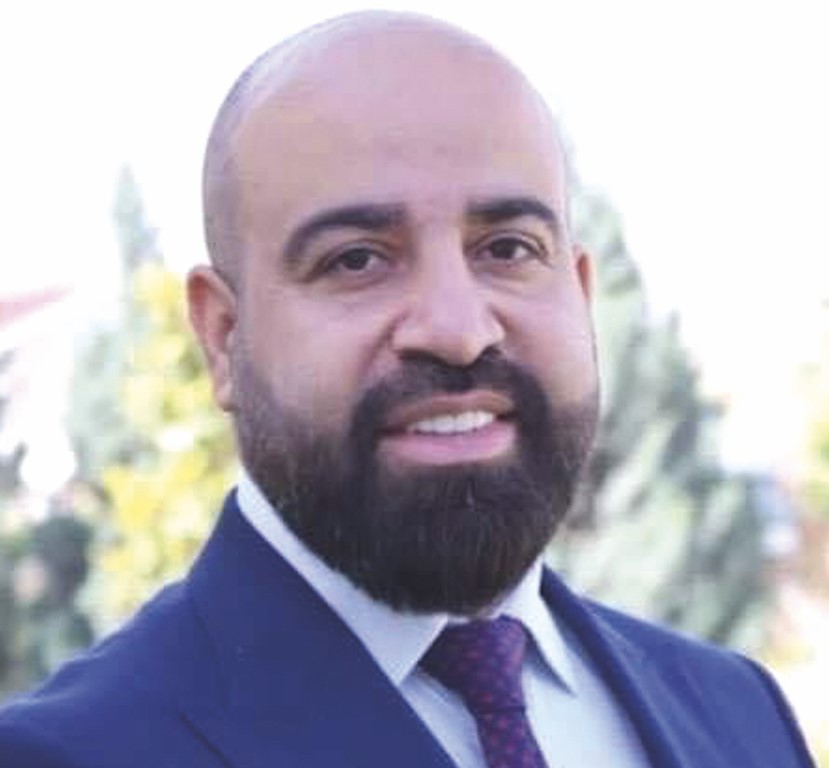
Administrative Board Member and Program Planning Manager at the Barzani Charity Foundation (BCF).