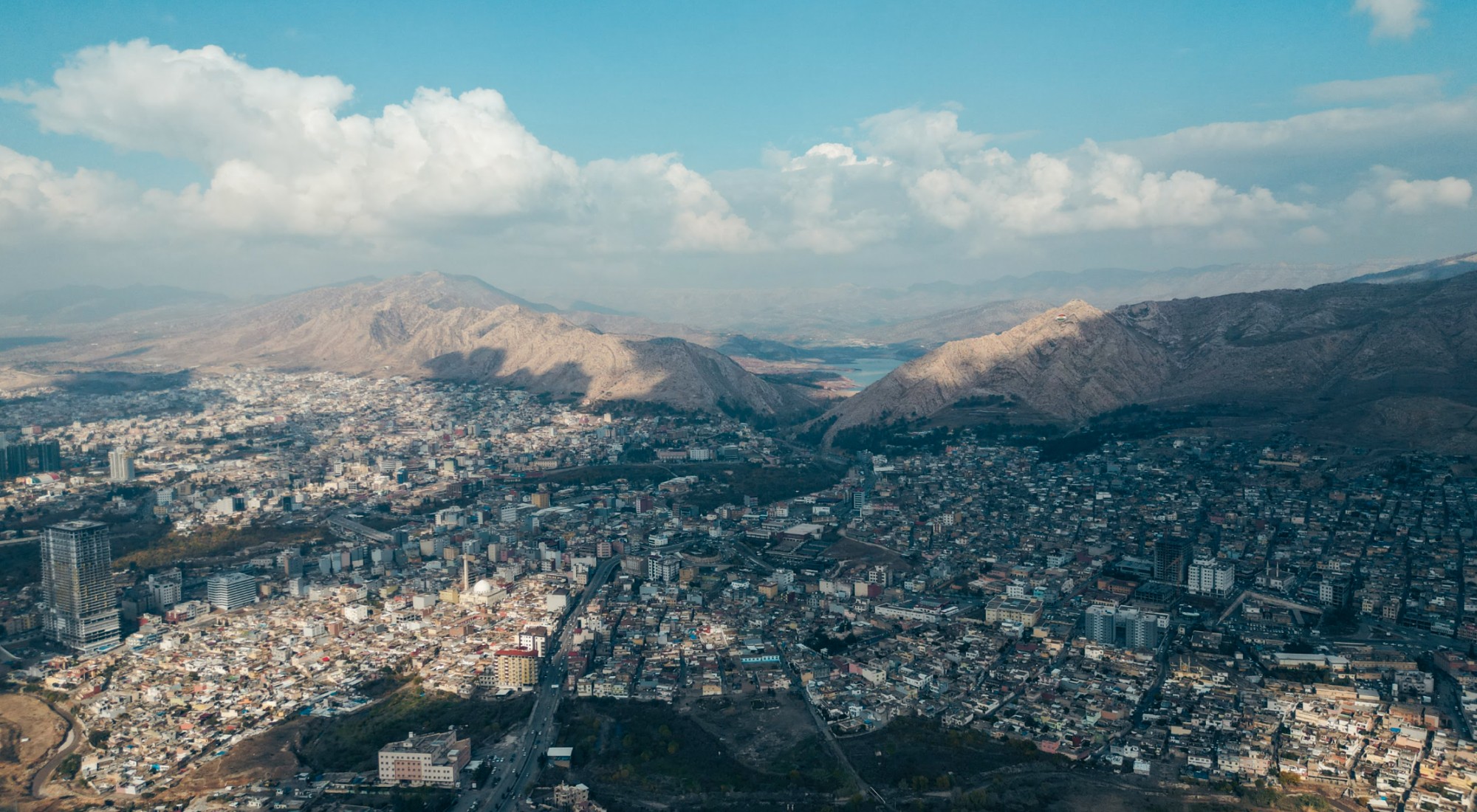
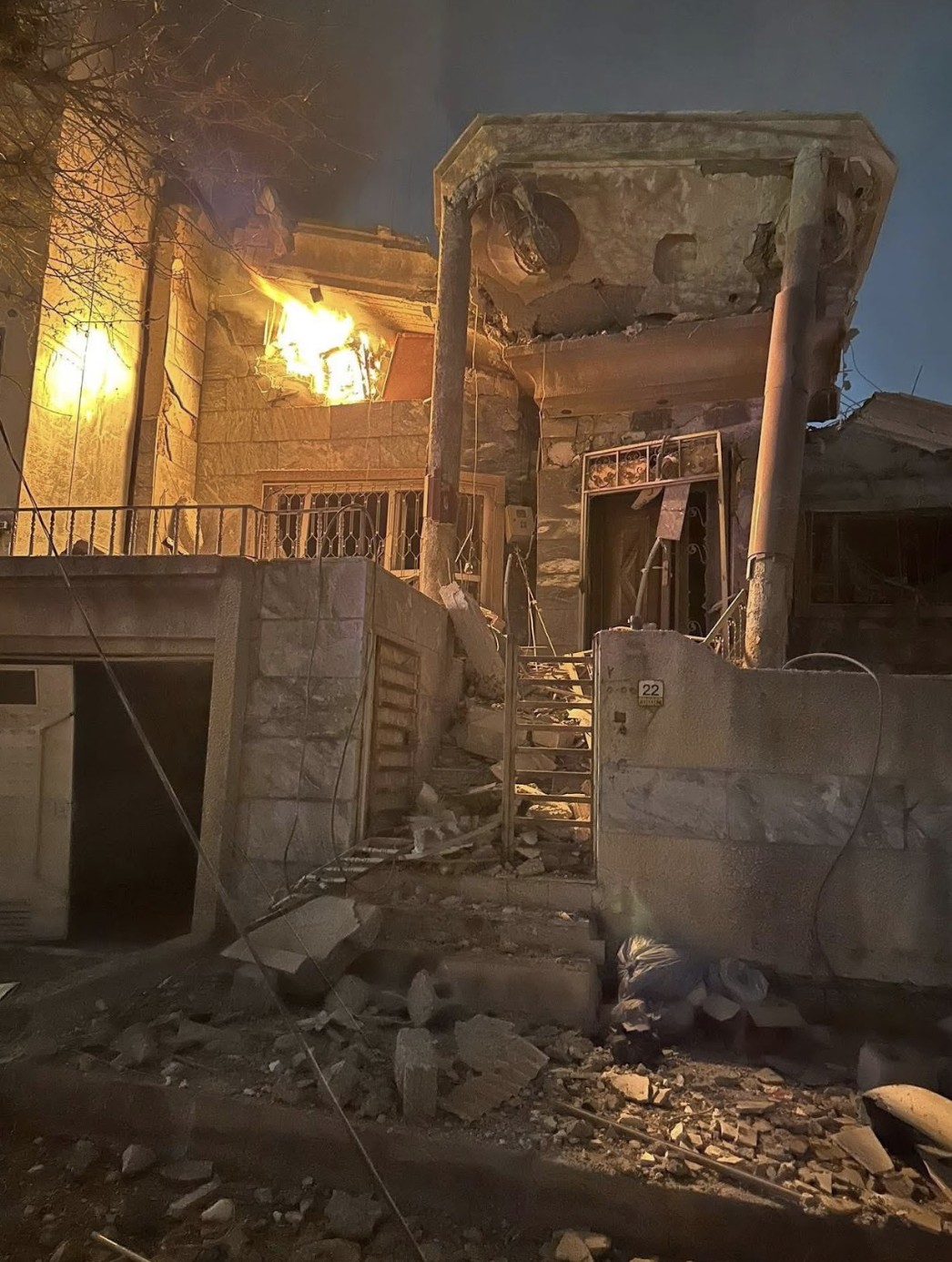
In the days following the ceasefire between Iran and the United States, a fragile quiet has settled over the Kurdistan Region. The drone attacks and precision strikes that blurred the line between military necessity and civilian intimidation have ceased. For the first time in several weeks, the atmosphere feels noticeably less tense. Yet, for those observing Erbil from the inside, this silence does not suggest a resolution. It suggests a pivot.
Regional experience suggests that such pauses are rarely the prelude to peace. Instead, they signal a shift in posture within a fragile environment, where confrontation is contained rather than resolved.
Against this backdrop, the Kurdistan Region once again finds itself in what can be described as the “Grey Zone” – a space where visible conflict recedes without the emergence of genuine stability, and the structural pressures of U.S.-Iran rivalry continue to reshape the region’s autonomy, more by indirect signaling than direct engagement.
Beyond the “conflict arena”
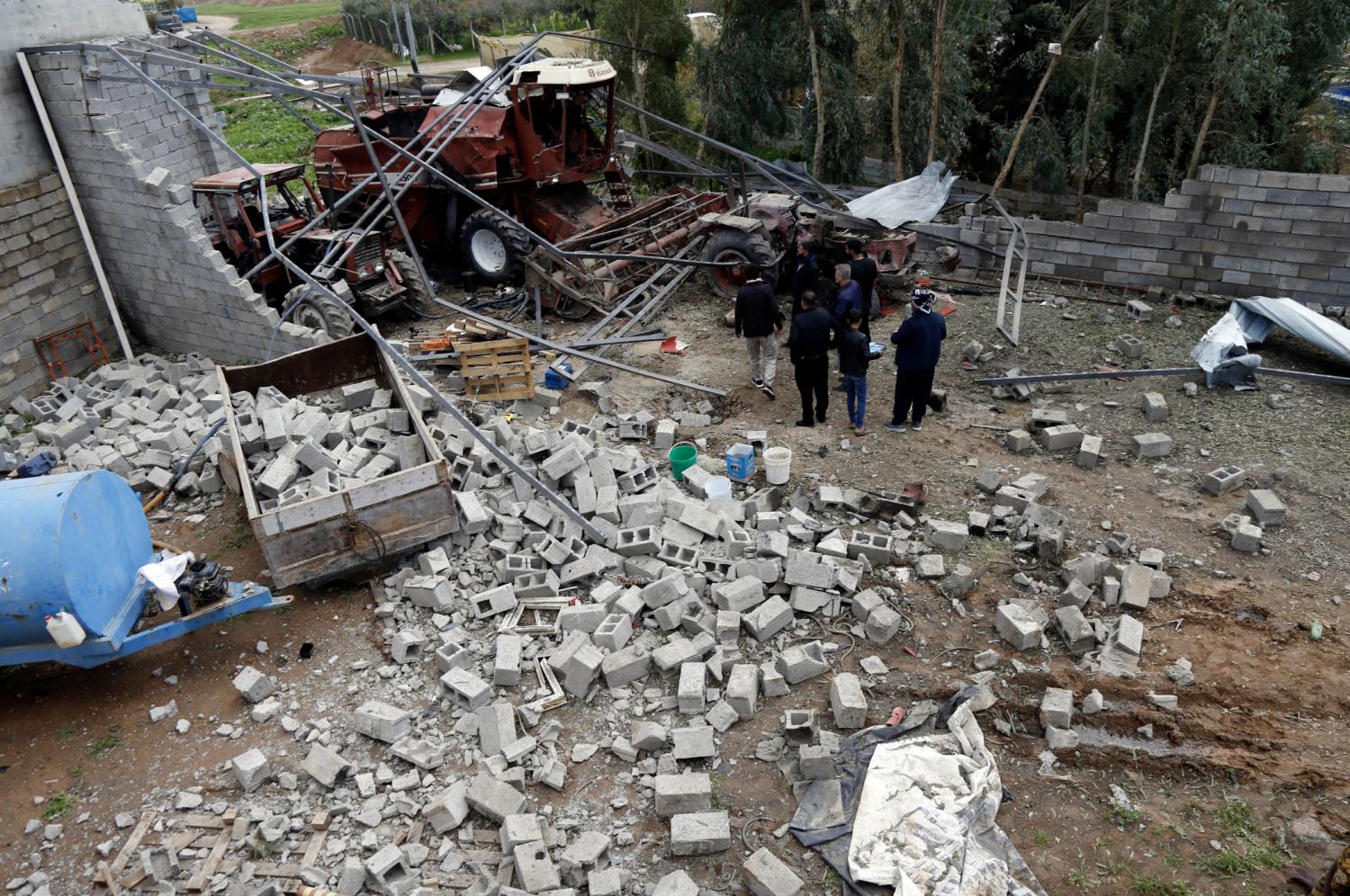
It is no longer accurate to view the Kurdistan Region simply as a traditional “conflict arena.” It has instead evolved into a space of strategic equilibrium shaped by two principal actors: the United States and Iran.
This position does not offer neutrality. Rather, it places the region at the center of intersecting security and political calculations. The United States remains a key security partner, particularly in the post-ISIS period. Iran, meanwhile, continues to exercise influence through a network of direct and indirect channels across Iraq.
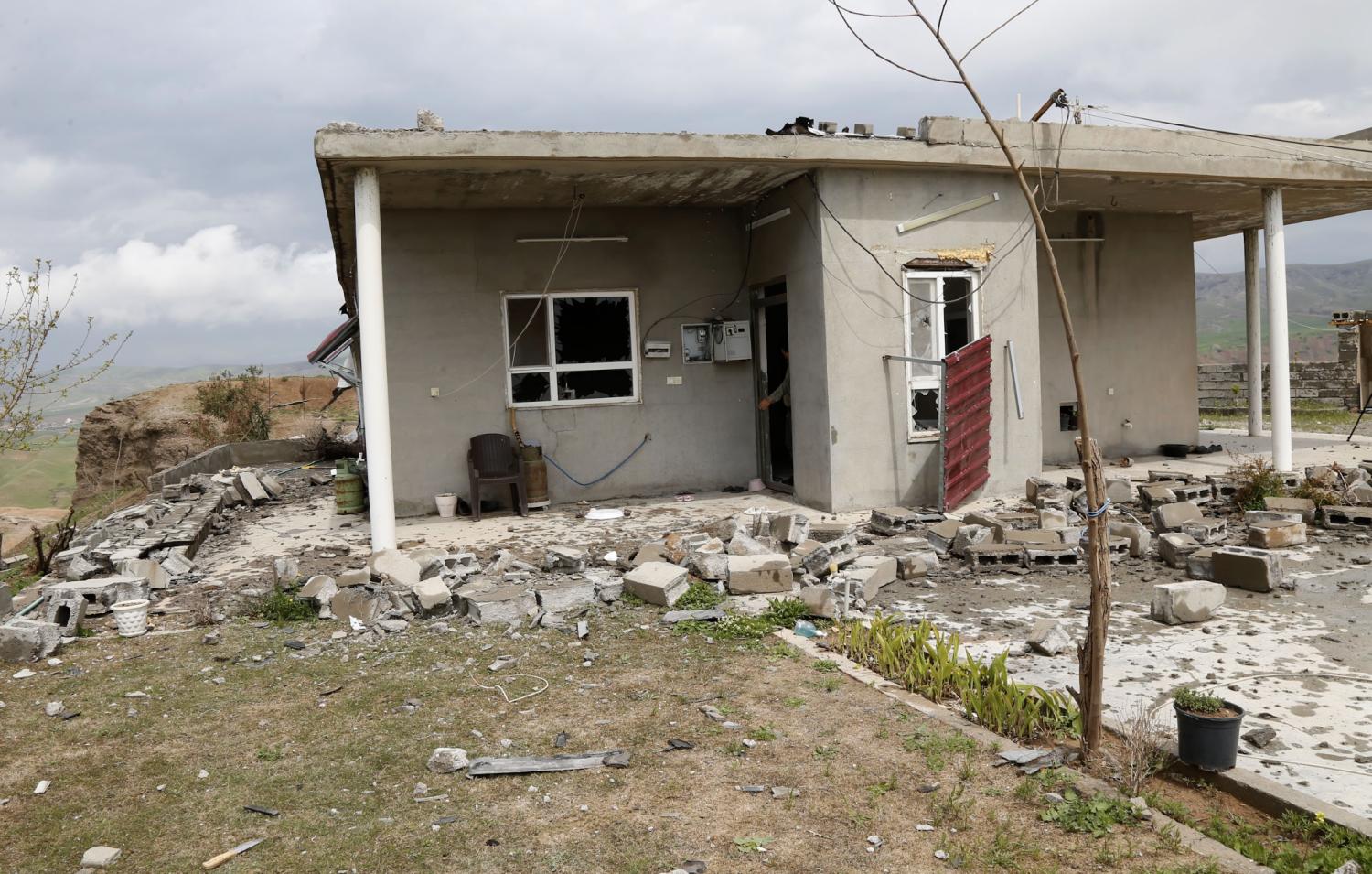
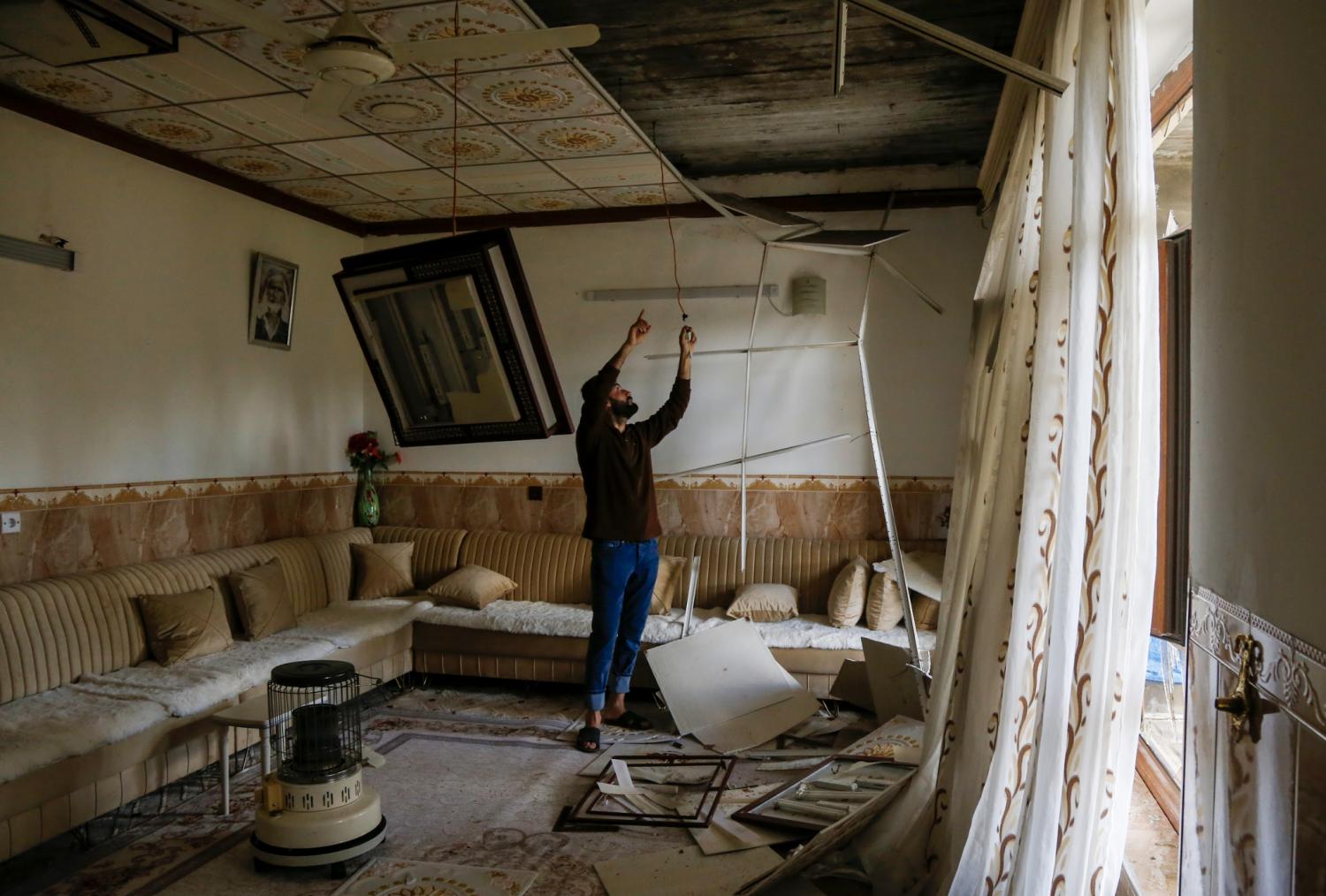
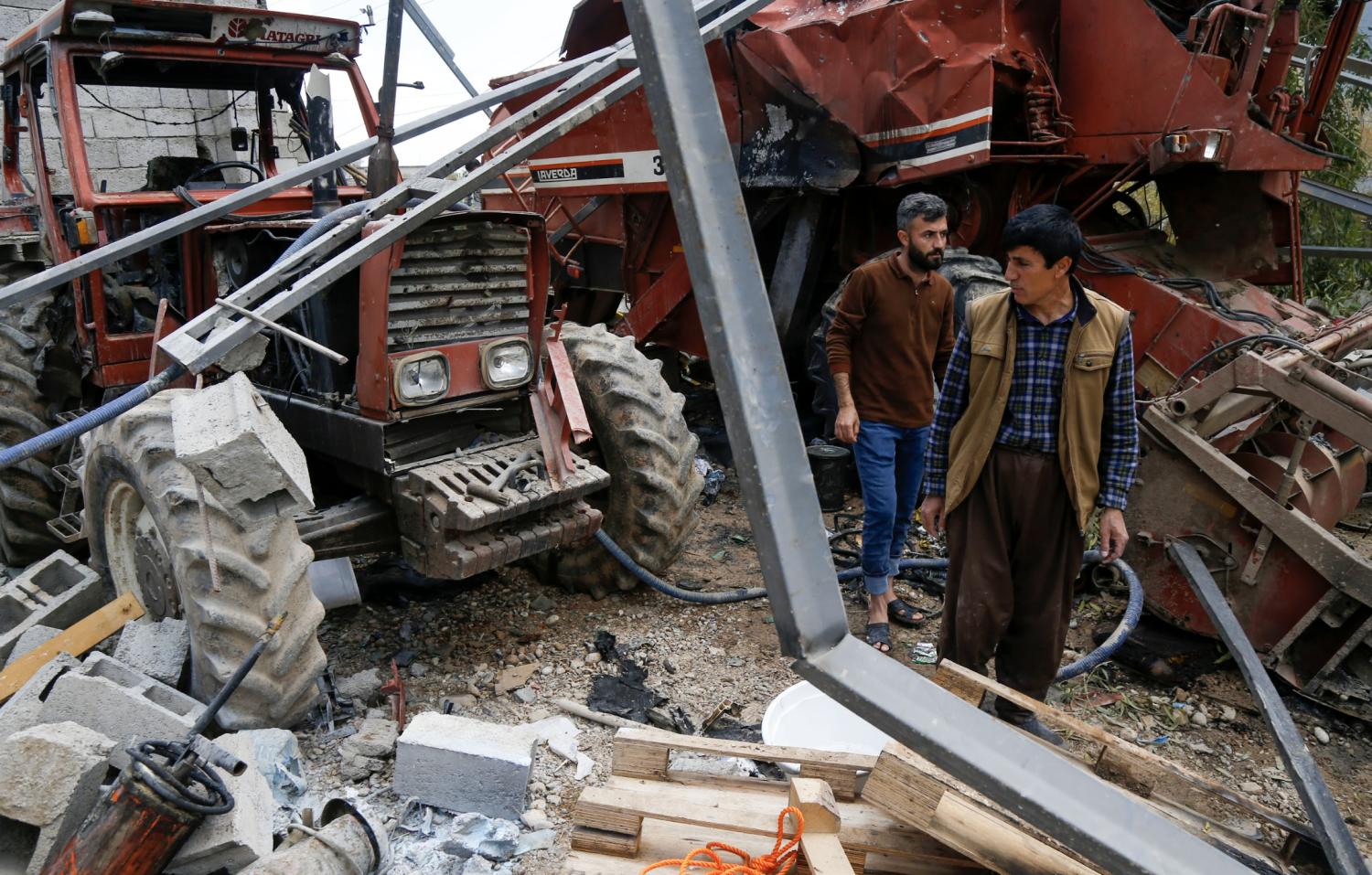
On the ground, this balance is reflected in everyday realities, from security conditions to investment decisions. Additionally, in recent years, the nature of conflict has shifted. Traditional warfare has gradually given way to more dispersed and less visible instruments: drones, precision strikes, and proxy networks.
In this evolving landscape, Kurdistan is no longer a theater of full-scale war. Instead, it has become a space for calibrated signaling. Instead of seeking territorial control, attacks on specific sites function as messages aimed at redefining influence, testing boundaries, and communicating strategic intent.
This has created a condition of sustained low-intensity pressure: a situation in which open war is absent, yet stability remains beyond reach. Pressure does not disappear; it simply changes form and becomes part of the environment.
Entangled regional dynamics
Within this configuration, Kurdistan cannot be understood in isolation from Baghdad, nor from the broader regional balance between Tehran and Washington. The United States continues to provide important security and political support, although its role is no longer that of an unconditional protective umbrella. Iran, by contrast, operates through multiple tools of influence – both direct and indirect – contributing to a regional environment defined less by stability than by shifting constraints.
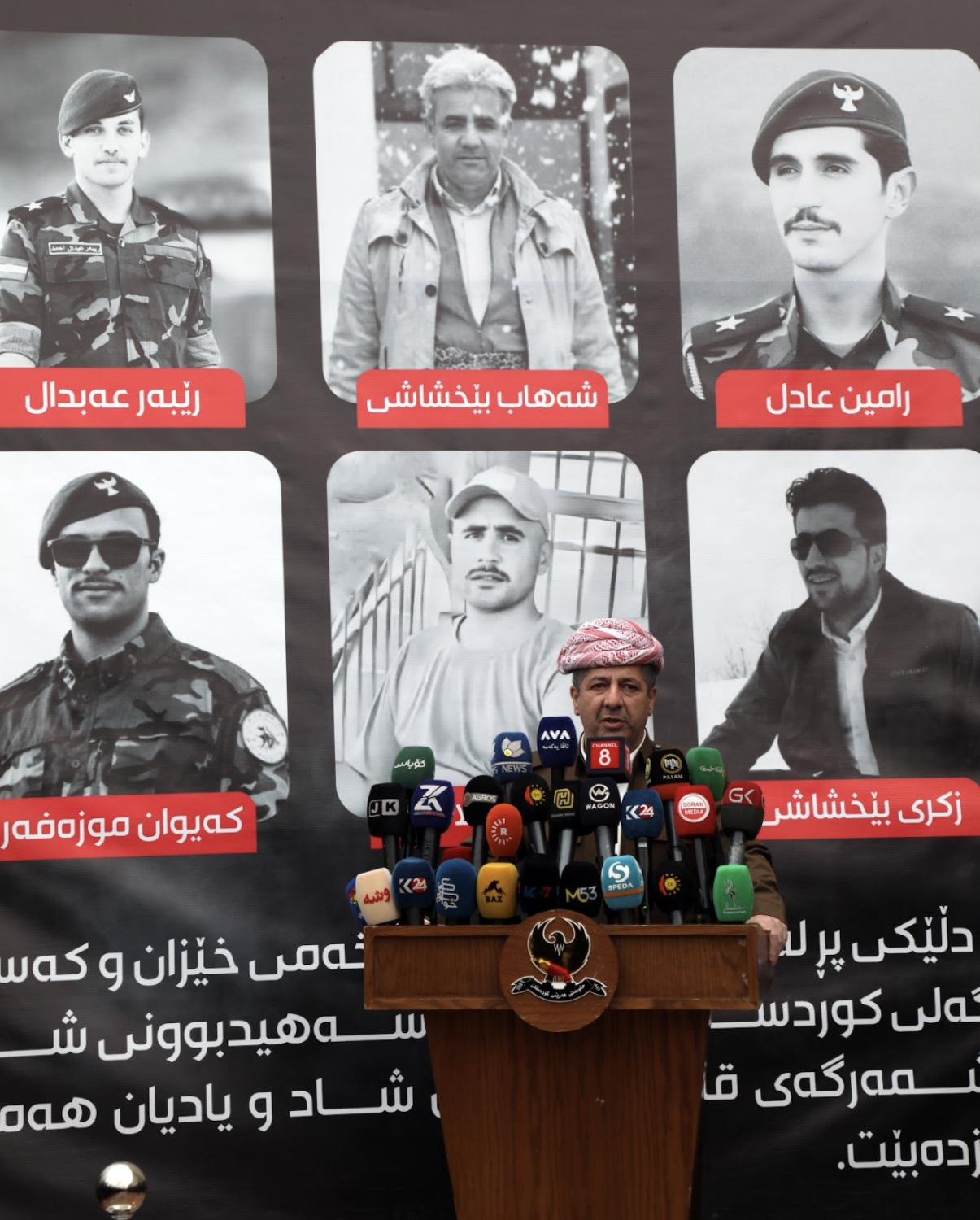
Domestically, the Kurdistan Region is engaged in a continuous balancing act between internal governance and external pressure.
Relative stability should not be confused with permanence. It reflects ongoing management of risk rather than its resolution. With each episode of regional tension, external dynamics are reflected in the internal political sphere – whether through party divisions, challenges in security governance, or fluctuations in public confidence about the future.
 A structural feature, not a phase
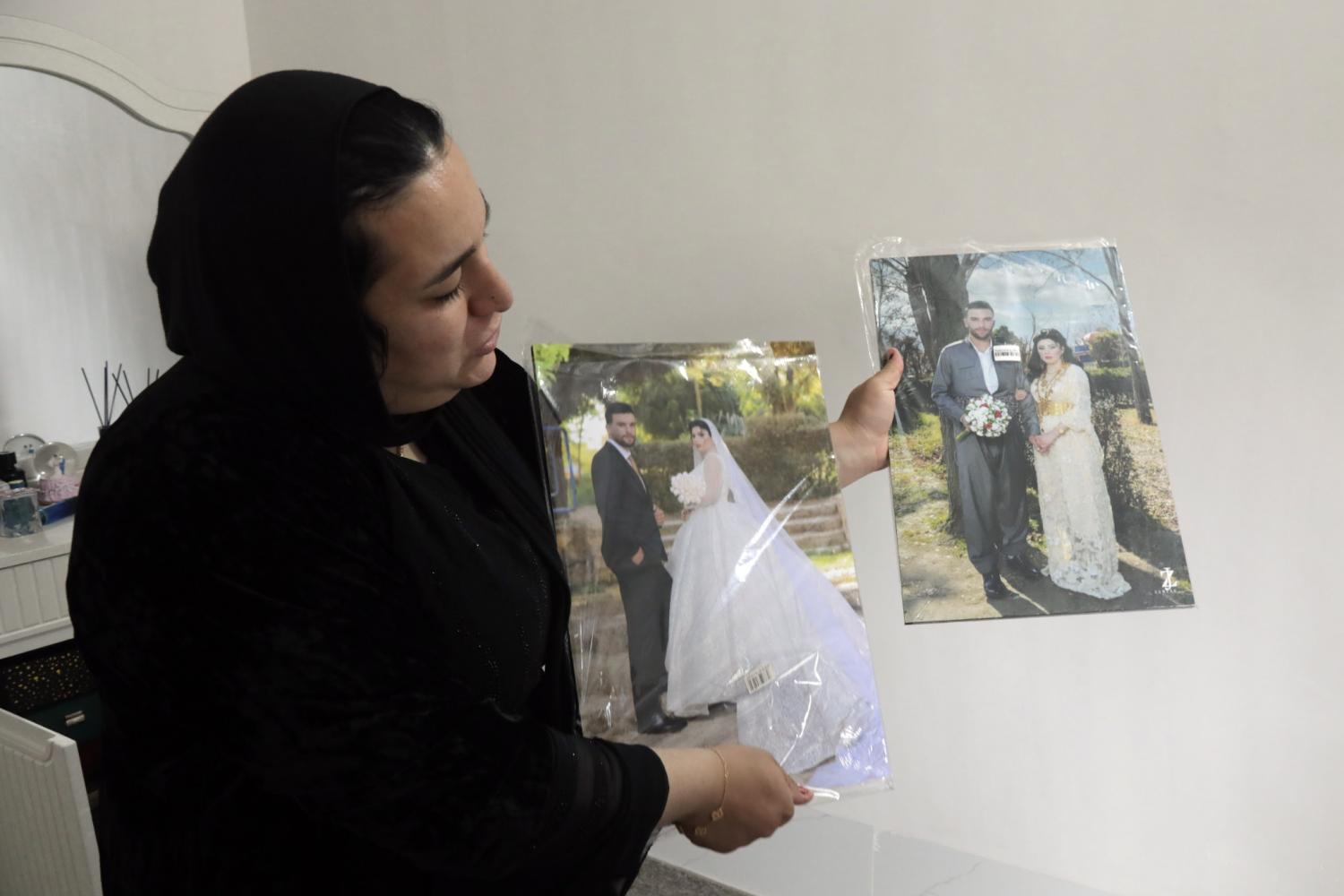
The most significant risk to the Kurdistan Region today is the normalization of this uncertainty. When low-intensity pressure becomes permanent background noise, it begins to erode public confidence and institutional resilience.
Kurdistan’s importance extends beyond its administrative position within Iraq. The region functions as a strategic intersection of broader international and regional interests by playing a role in energy geopolitics, counterterrorism efforts, and regional stabilization frameworks. This increases its strategic relevance while also exposing it to external volatility.
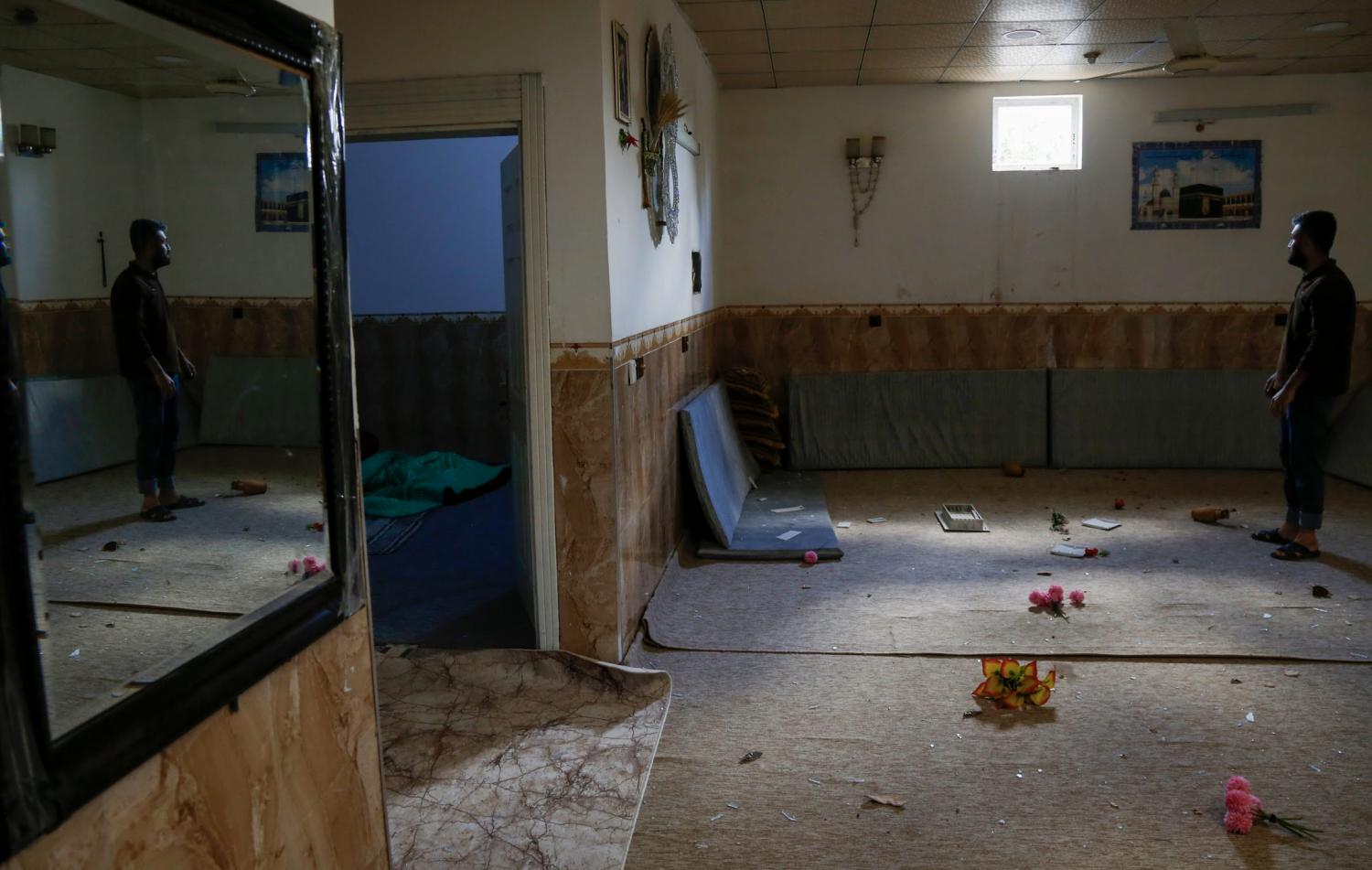
In the absence of a decisive regional settlement, the Kurdistan Region is neither moving toward consolidated stability nor toward open escalation. Instead, it remains within an intermediate state defined by continuous adjustment.
This condition is no longer merely transitional. It is increasingly becoming a structural feature of the regional environment, where tension is managed, not resolved, and equilibrium remains conditional, not fixed. Previous experience suggests that the most significant risk lies not in immediate events, but in what may emerge unexpectedly beneath the surface.
As we look toward the horizon, the question isn't whether the missiles will return. It is how Kurdistan can sustain its agency within a regional order that increasingly defines peace as merely the clever management of conflict. In the Grey Zone, the truce is not an end to the struggle; it is simply the struggle by other, quieter means.
is a Kurdish journalist originally from Syria. Based in Erbil, she works as a journalist and reporter for Al Jazeera media network.