Rethinking the origins of Kurdish political poetry through two of its most influential literary figures.
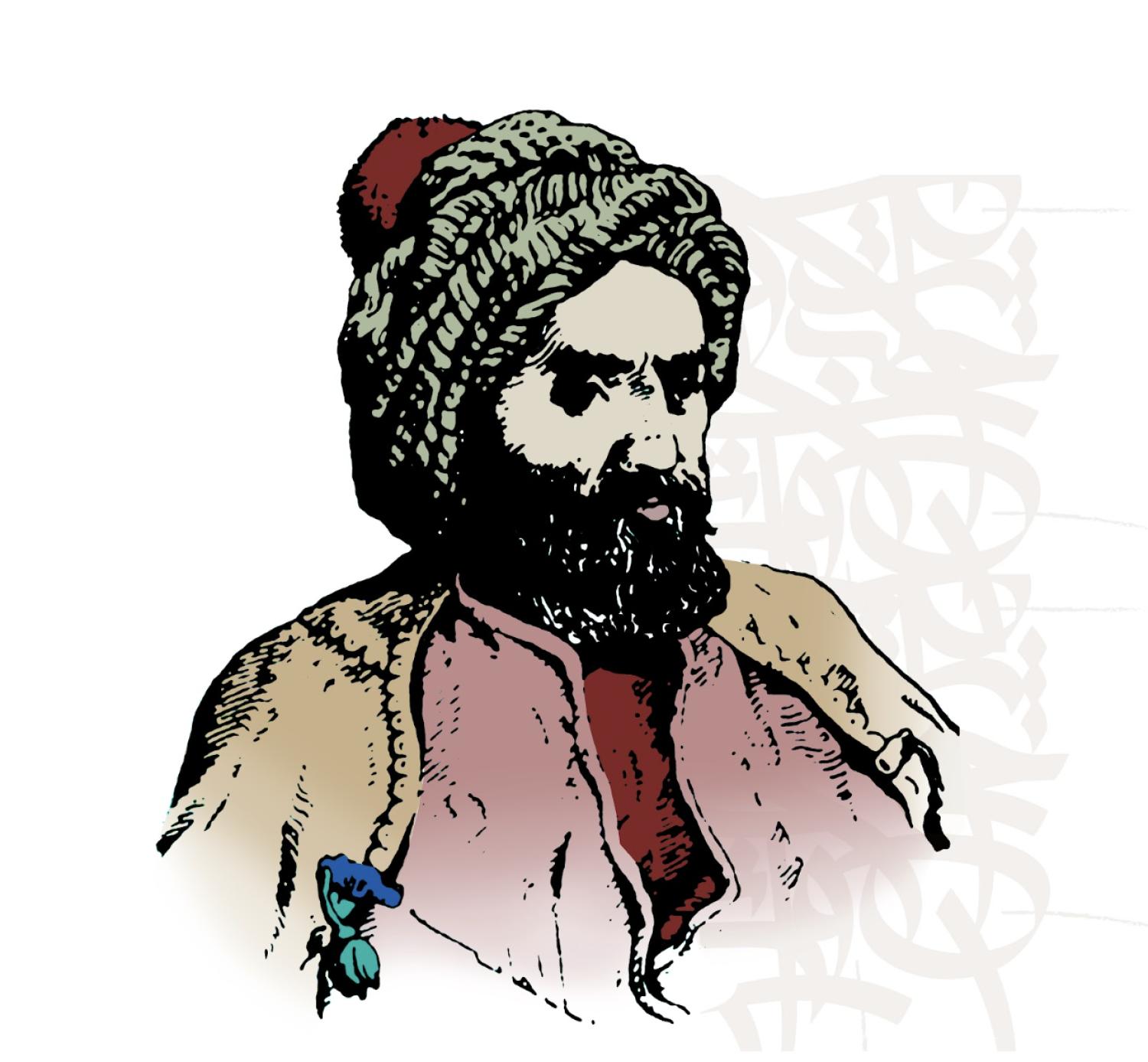
In Kurdish literary criticism, political poetry has often been conflated with patriotic or national verse, with almost any poem concerned with the homeland classified as political. This broad definition has shaped the history of the genre, with Haji Qadir Koyi (1817–1897) often recognized as the founder of Kurdish political poetry.
Koyi unquestionably played a major role in the development of Kurdish national consciousness. His poetry was primarily concerned with education, social reform, and national awakening. However, if political poetry is defined as literary engagement with sovereignty, political authority, statehood, and relations among political powers, its origins in Kurdish literature may reach much further back.
A close reading of Mem û Zîn (1692) suggests that Ahmad Khani (1650–1707), writing two centuries before Koyi, had already articulated a distinctly political vision centered on sovereignty and the position of the Kurds between competing imperial powers. His epic reflects a critical political consciousness directed not only toward local Kurdish emirs, but also toward the imperial systems of the Ottomans and Safavids.
The Emergence of Political Consciousness
Khani does not express his political views through direct ideological slogans. Instead, he articulates them through reflections on national subjugation, political oppression, territorial division, and the internal fragmentation of the Kurdish people. He understood Kurdish political autonomy as requiring two fundamental conditions: genuine unity among the tribes and regions, and a legitimate, centralized political authority capable of protecting both the land and the nation.
His vision rested on the hope that the Kurds, as a subjugated people, would one day produce a leader capable of overcoming their political fragmentation and restoring their collective dignity. In Khani’s work, questions of Kurdish identity, political authority, unity, and autonomy therefore emerge as recurring concerns.
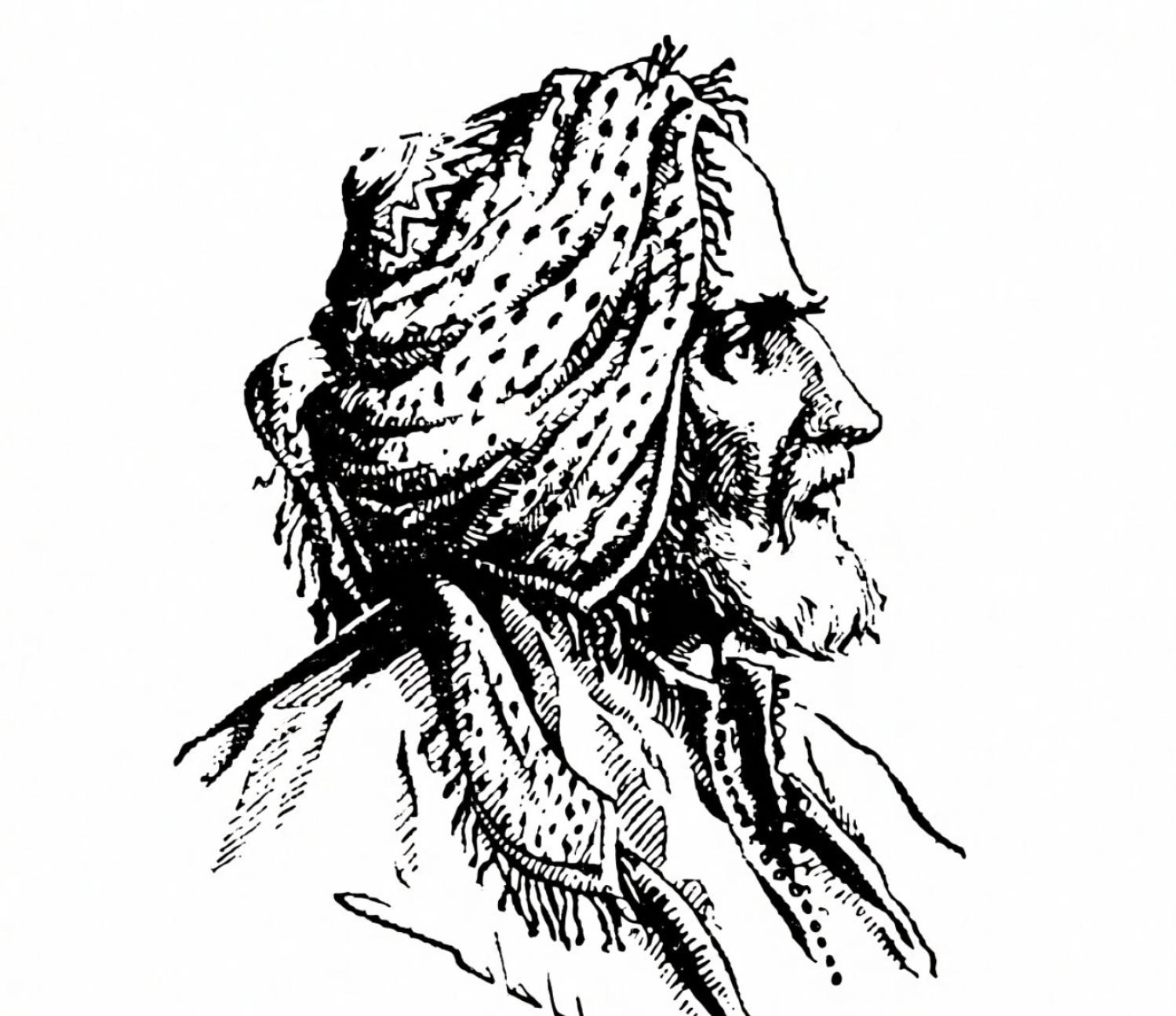
Khani and Koyi
The distinction between Khani and Koyi lies not only in when they wrote, but also in the character and origins of their political consciousness. Koyi’s poetry reflects an intellectual and national awakening shaped partly by his years in Istanbul, where exposure to new political ideas and reform movements in the Ottoman capital sharpened his critique of the social and educational conditions in Kurdish society. His work consequently emphasized education, national identity, and social reform.
Khani’s political vision emerged from a different setting. Writing two centuries earlier, he confronted the weakness of the Kurdish emirates, their internal rivalries, and the division of Kurdish lands between the Ottoman and Safavid empires. His political vision grew out of the fragmented Kurdish political landscape of the 17th century. His response therefore centered more directly on political authority: the need for unity, centralized leadership, and the ability to resist domination by outside powers.
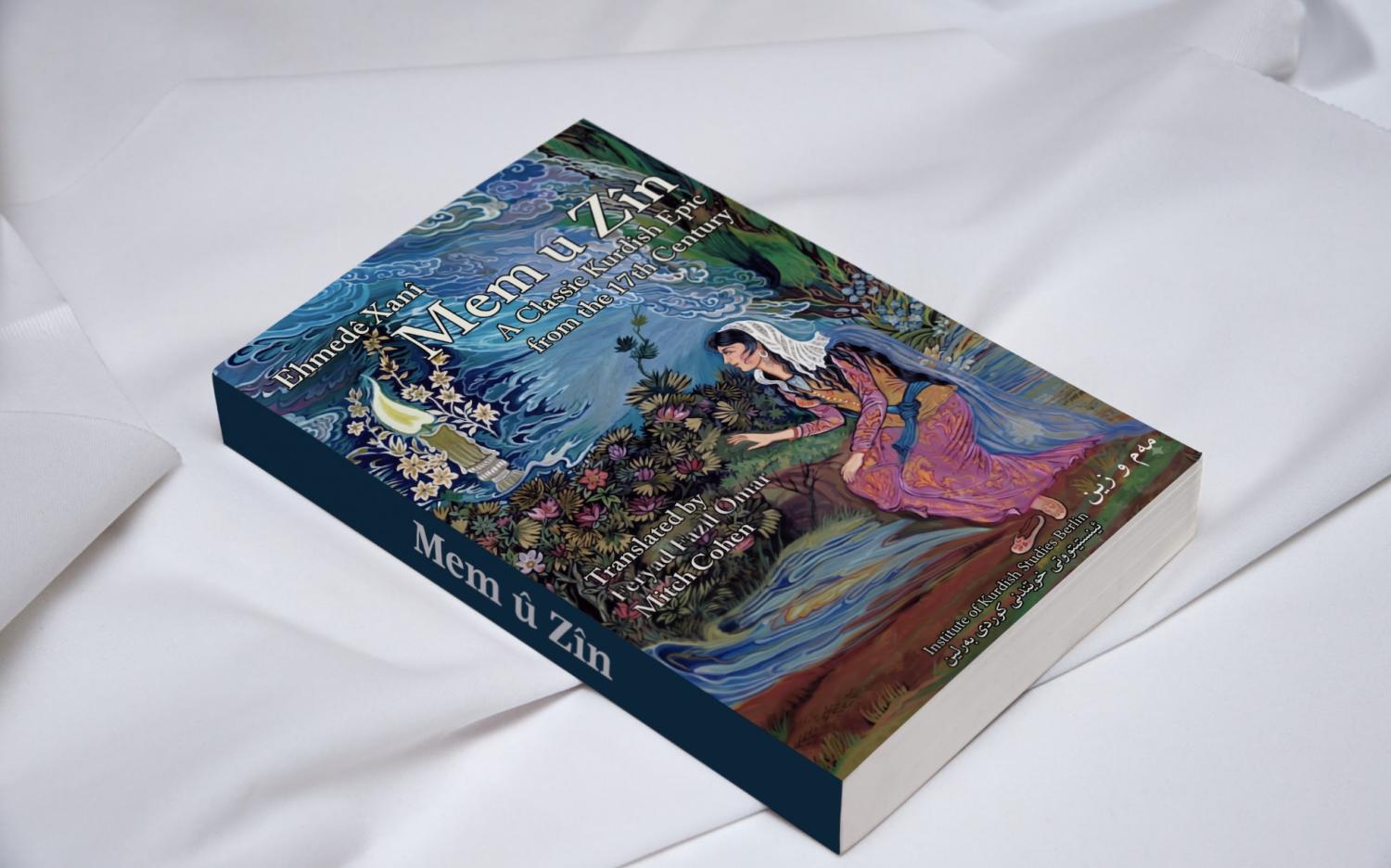
Politics in Mem û Zîn
Throughout Mem û Zîn, Khani turns literature into a vehicle for political thought. His calls for a unifying leader must be understood within both the religious worldview of his time and his keen political insight. Khani writes: “If fortune were to awaken and turn in our favor, a king would emerge from among us — a leader lofty, brave, and courageous.”
While Khani frames the appearance of a unifying king through the language of fate (bext) — a standard feature of traditional Islamic and Kurdish thought — he was not simply being fatalistic. As a scholar well-versed in the Qur’an, Islamic theology, and philosophy, Khani consistently backed his ideas with reasoned arguments. While acknowledging divine will, his link between an “awakening of fortune” and a just ruler uses religious phrasing to convey a concrete political goal.
In this reading, Khani’s king or emir represents more than personal rule or absolute power; he embodies the political authority through which Kurdish unity and autonomy might become possible. “Had we possessed a ruler of our own who favored wisdom and learning, the Turks and Persians would not have prevailed over us,” he writes.
Here, Khani directly links the absence of Kurdish political authority to domination by outside powers. Yet rulership alone was not sufficient; his political vision also depended on overcoming internal division.
“If only the Kurds could become one hand, one heart, and one purpose, they would break the chains of servitude and turn the tides of history,” he argues.
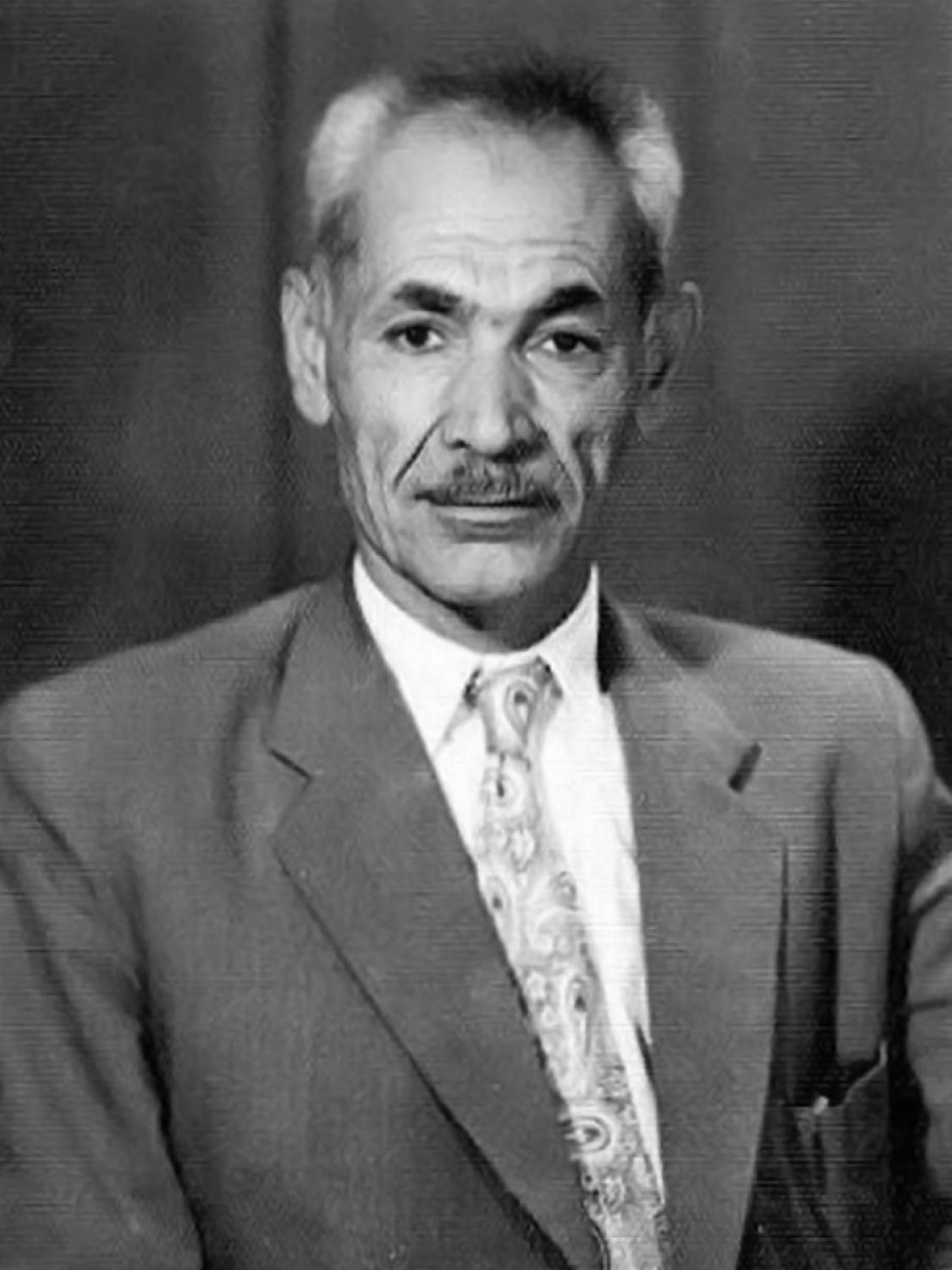
Khani’s appeal for the Kurds to become “one heart and one hand” is far more than a moral plea for brotherhood; it is a clear political strategy. He understood that without internal unity, the Kurds would remain subject to foreign rule. Long before the emergence of Kurdish nationalism, Khani was grappling with ideas that would later become central to Kurdish political thought: collective identity, political authority, territorial division, and unity.
The standard view in Kurdish literary criticism that political poetry begins with Koyi in the 19th century therefore deserves reconsideration. Koyi played a major role in expanding national consciousness during the late Ottoman period, but concerns with political authority, unity, external domination, and collective autonomy appear two centuries earlier in Khani’s Mem û Zîn.
Recognizing Khani as an earlier voice of Kurdish political poetry does not diminish Koyi’s significant legacy. Rather, it extends the chronology of Kurdish political thought and shows that Kurdish literature was grappling with questions of political authority and collective autonomy well before the emergence of modern Kurdish nationalism.
is an academic researcher, political writer, and author based in Erbil. Her scholarship examines the intersections of statehood, political theology, and regional power relations.