Patrick Woodcock returns to Kurdistan, channeling memory, landscape, and his experience across the world.
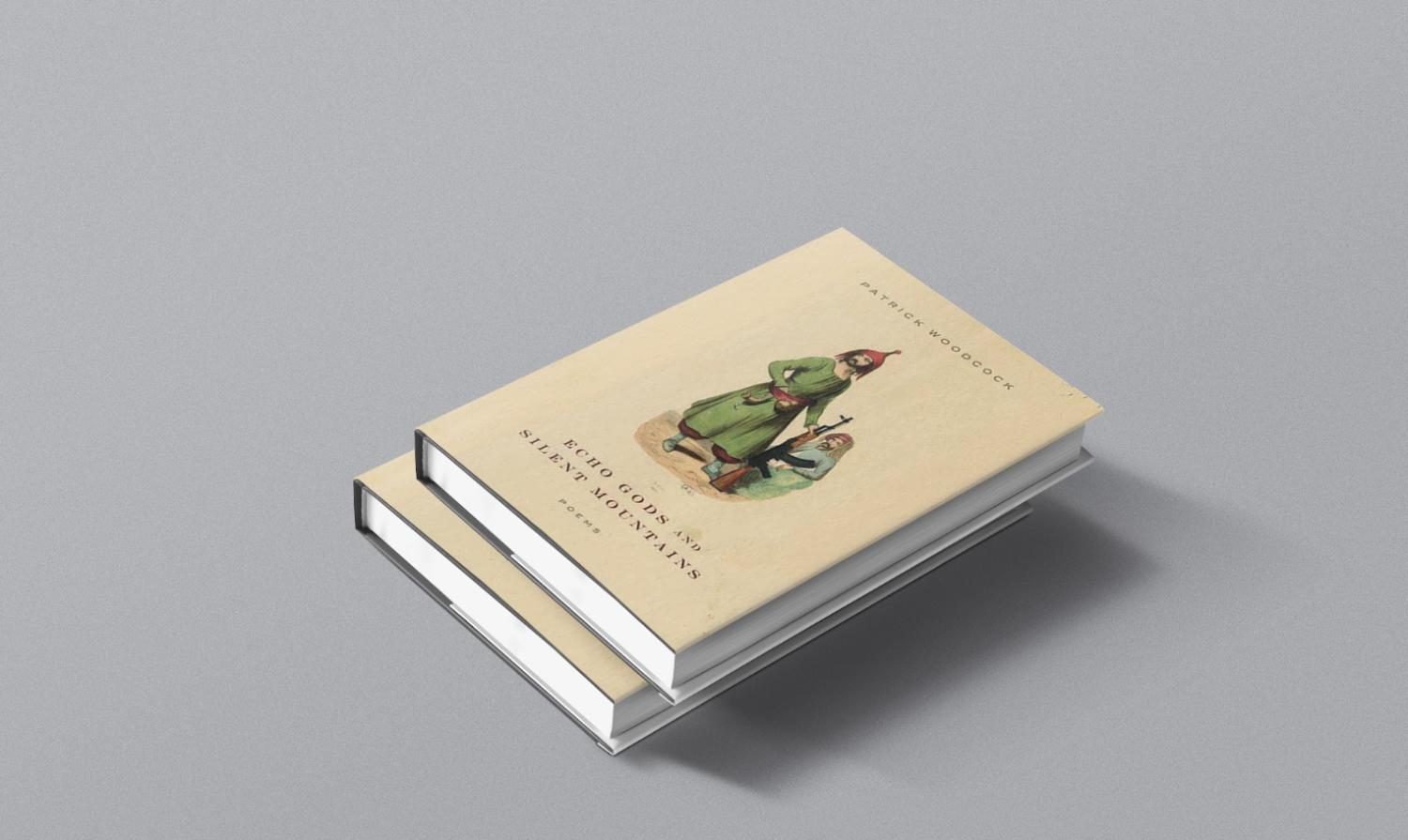
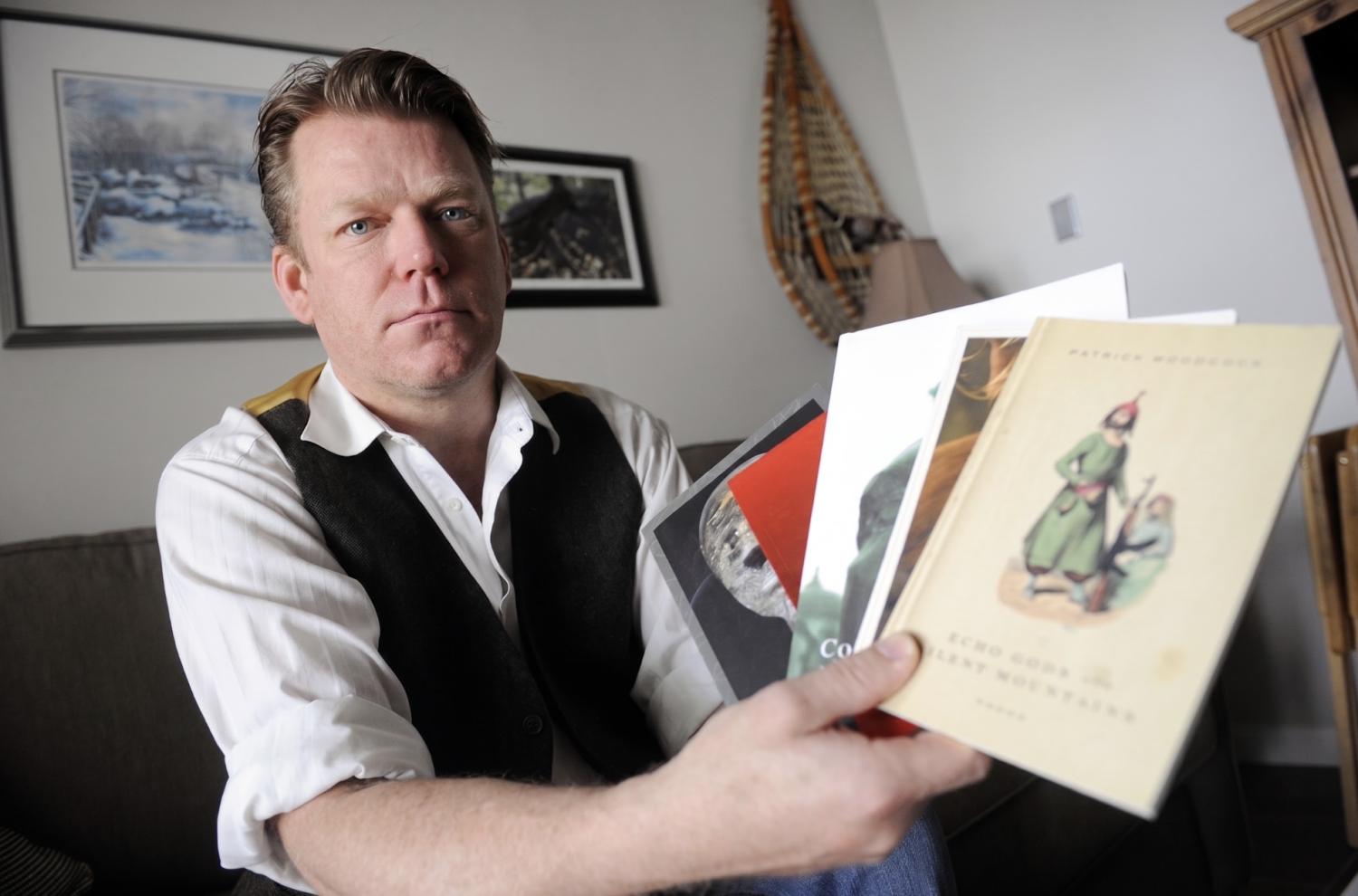
Patrick Woodcock has never been a poet content to observe the world from a distance. For more than three decades, he has built a remarkable body of work by living in the places he writes about and working alongside the communities he documents. His years in Southern Kurdistan (the Kurdistan Region of Iraq) were among the most formative of those experiences, serving as the central inspiration for Echo Gods and Silent Mountains and substantial sections of You Can’t Bury Them All. In Farhang Book Two, Kurdistan returns as one of the collection’s emotional foundations.
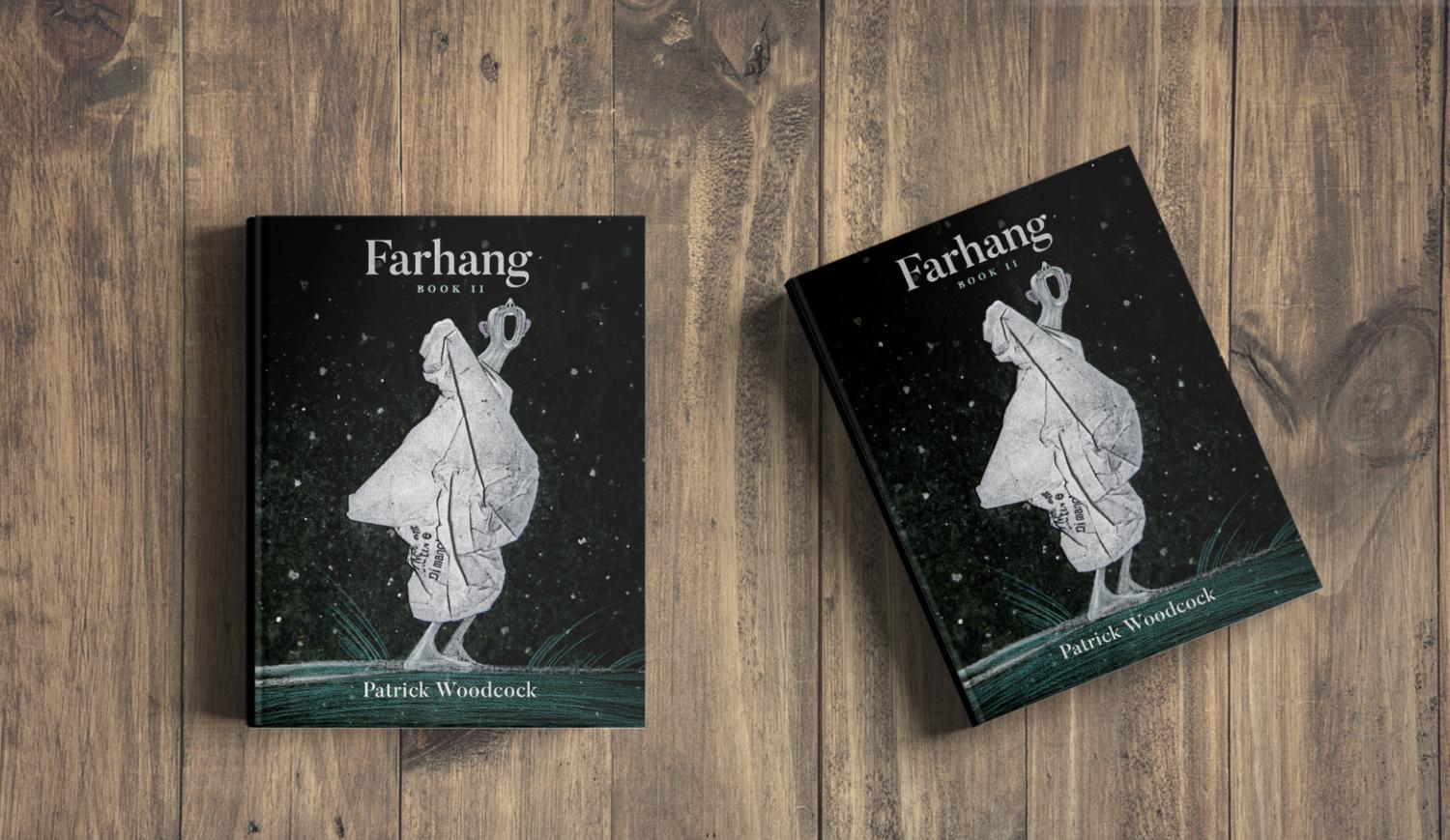
Although every poem in Farhang Book Two was conceived and written over two years in Iqaluit, the capital of Canada’s Nunavut Territory, the collection reaches across continents and decades of travel. Unlike Farhang Book One, which organized poems according to individual countries, this volume allows memories from more than forty countries to coexist within individual poems. Places are linked by memory and association rather than political geography. Kurdistan repeatedly emerges from this mosaic, not because it dominates the collection, but because of the weight it carries in Woodcock’s imagination.
Kurdistan in Memory
The title continues Woodcock’s engagement with Farhang, the central character in the Farhang Trilogy. The imprisoned figure introduced in the opening sequence is both an individual and a symbol of displacement and threatened identity. His story establishes several of the collection’s recurring concerns: violence, exile, memory, and survival. These themes have long informed Woodcock’s writing about Kurdistan.
What distinguishes Woodcock from many contemporary political poets is his refusal to reduce suffering to slogans or ideology or to simplify Kurdistan into heroes or villains. Instead, his Kurdistan is inhabited by rivers, winds, birds, abandoned villages, mountains, myths, conversations, weather, memory, and silence. Political catastrophe remains present, but it is absorbed into a wider landscape.
This is particularly evident in “A Halabja fish dreams and gazes at drifting clouds.” Halabja remains one of the defining tragedies of modern Kurdish history: thousands of civilians were killed in a chemical attack by Saddam Hussein’s regime in 1988. Woodcock approaches this history obliquely, using a fish as the observer. Rather than reconstructing the attack, the poem creates a dreamscape filled with poisoned skies, contaminated water, and death. The catastrophe is experienced through a disrupted natural world rather than direct historical narration.
Elsewhere, Lalish — the holiest site of the Yezidi faith — appears briefly within a sequence examining memory through photographs. For readers familiar with Yezidi history, Lalish evokes centuries of persecution as well as religious and cultural survival. Woodcock trusts such places to carry their histories without excessive explanation.
The same confidence appears in poems situated in Duhok, where a discarded umbrella, generators, ancient minarets, hailstorms, stray animals, astronomical societies, and the legendary Shahmaran occupy the same imaginative space. Folklore, contemporary life, history, and politics coexist naturally. Kurdistan consequently appears neither as a site of conflict nor as an exotic destination, but as a cultural landscape where ordinary life continues alongside the weight of history.
Landscapes of Memory
Readers familiar with Woodcock’s earlier writing will also recognize how his approach has evolved. Echo Gods and Silent Mountains often functioned as a form of poetic reportage, documenting people, places, and events with considerable immediacy. Farhang Book Two moves much further into symbolism and surrealism. The world remains recognizable, but it now appears through layers of dream, metamorphosis, mythology, and psychological transformation. Fish dream, trees remember poison, clouds become witnesses, bridges serve as emotional architecture, and landscapes dissolve into one another. The experiences Woodcock documented earlier in his career have not disappeared; they have been transformed by time and distance.
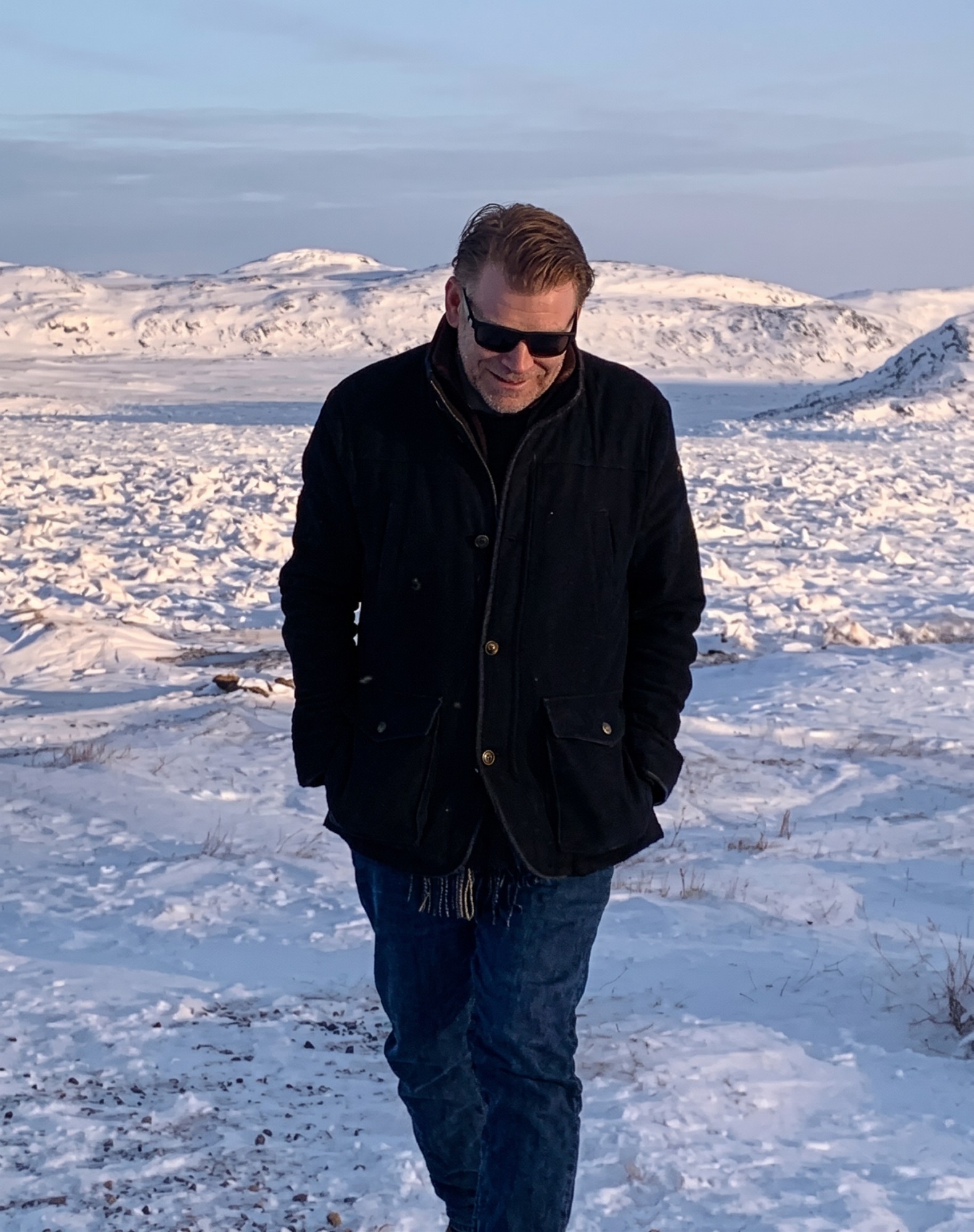
One of the collection’s most interesting features is the conversation it creates between Kurdistan and the Canadian Arctic. Written in Iqaluit, where Woodcock overlooked Frobisher Bay and walked along the Apex Trail, the poems bring Arctic ice, northern winds, sea smoke, sled dogs, narwhals, ravens, and tundra into dialogue with Kurdish mountains, rivers, shrines, villages, and deserts.
Woodcock finds unexpected affinities between these very different landscapes. Both emerge as places of endurance, isolation, memory, and survival. The Arctic does not replace Kurdistan, or vice versa. Instead, one landscape continually prompts memories of another: a wind in Nunavut recalls one crossing Kurdish mountains; a cemetery summons another cemetery; a boat, bridge, or cloud carries memory across continents.

This dialogue between landscapes reflects Woodcock’s own experience of living among geographically and culturally distant communities. Yet Farhang Book Two rarely reads like travel writing. The poems are less interested in describing foreign places than in exploring what remains after someone has left them. Geography becomes a framework for memory, with experiences from different periods and countries resurfacing unexpectedly in the present.
Woodcock’s language complements this approach. His long-lined poems unfold patiently, allowing images to accumulate until individual objects begin to carry meaning beyond their immediate surroundings. Birds, boats, bones, rivers, crosses, dogs, wolves, glaciers, and abandoned structures resurface throughout the collection, forming a recurring symbolic vocabulary. Their meanings shift as they appear in new geographical and emotional settings.
There is also considerable restraint in Woodcock’s treatment of violence and grief. He rarely foregrounds outrage. Instead, the poems tend toward observation, curiosity, melancholy, and occasional wonder. That restraint is especially powerful in the poems about Kurdistan, where the historical background is left implicit and the reader is allowed to encounter its consequences through landscape and memory.
The influence of Woodcock’s earlier work is clearly visible here, even as his approach has changed. The places he has lived and written about remain present, but increasingly as fragments of memory rather than subjects to be documented. Kurdistan is particularly important in this regard. It is no longer simply one geographical setting among many, but part of the imaginative vocabulary through which Woodcock approaches other landscapes.
In Farhang Book Two, borders matter less than the memories that cross them. Kurdistan, Nunavut, and the many other landscapes in the collection remain geographically distinct, yet repeatedly blend with one another through recollection and association. For readers familiar with Woodcock’s long engagement with Kurdistan, the collection shows how those experiences have continued to shape his poetry long after he left the region.
is a Kurdish academic and civil engineer living and working in Southern Kurdistan.