The contemporary Kurdish painter uses abstraction to explore identity, memory, and the enduring impact of violence on his people
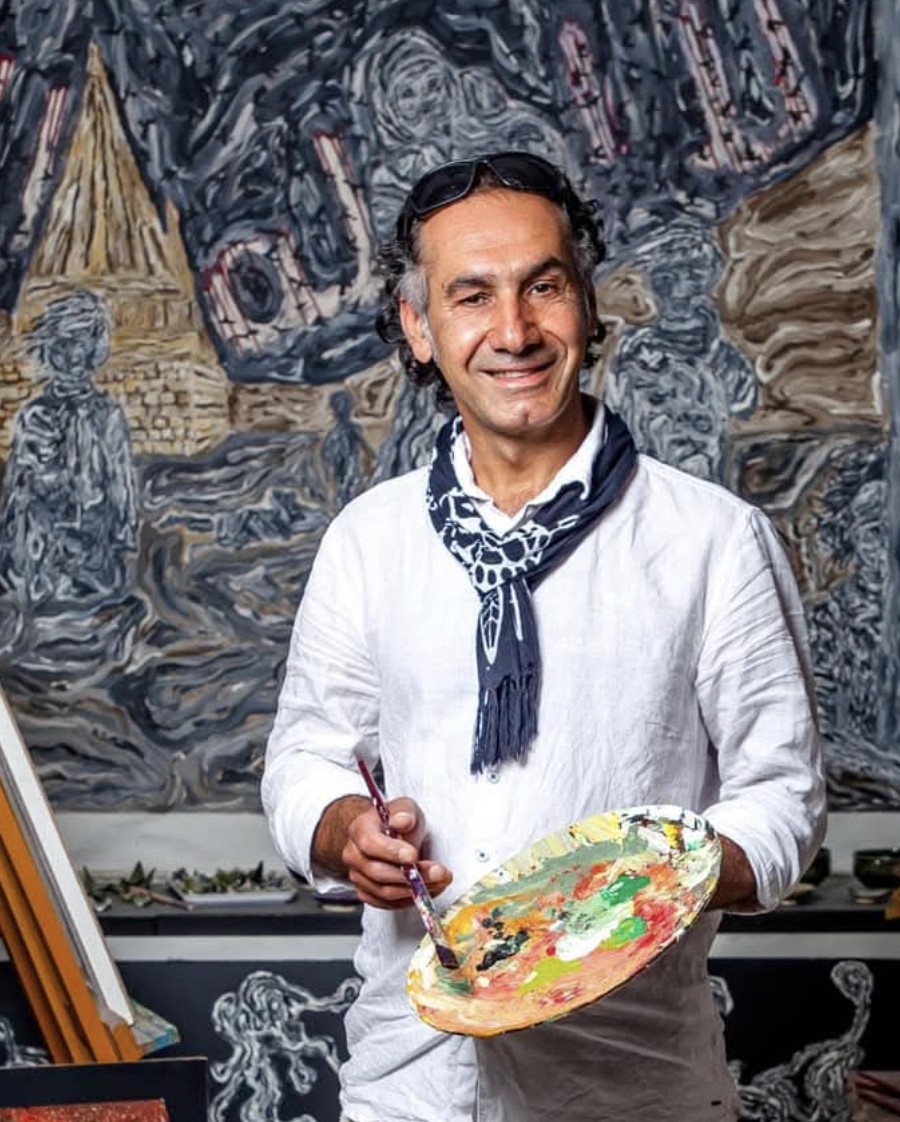
For Kawa Kafroshi, painting is more than an artistic practice. Through fractured figures, layered colors, and abstract forms, the contemporary Kurdish artist explores questions of identity, memory, and collective trauma. His work reflects the Kurdish experience while addressing broader themes of human dignity, loss, and remembrance.
Born in Kirkuk in 1970, Kafroshi completed his education there before exhibiting his work throughout the Kurdistan Region and internationally.
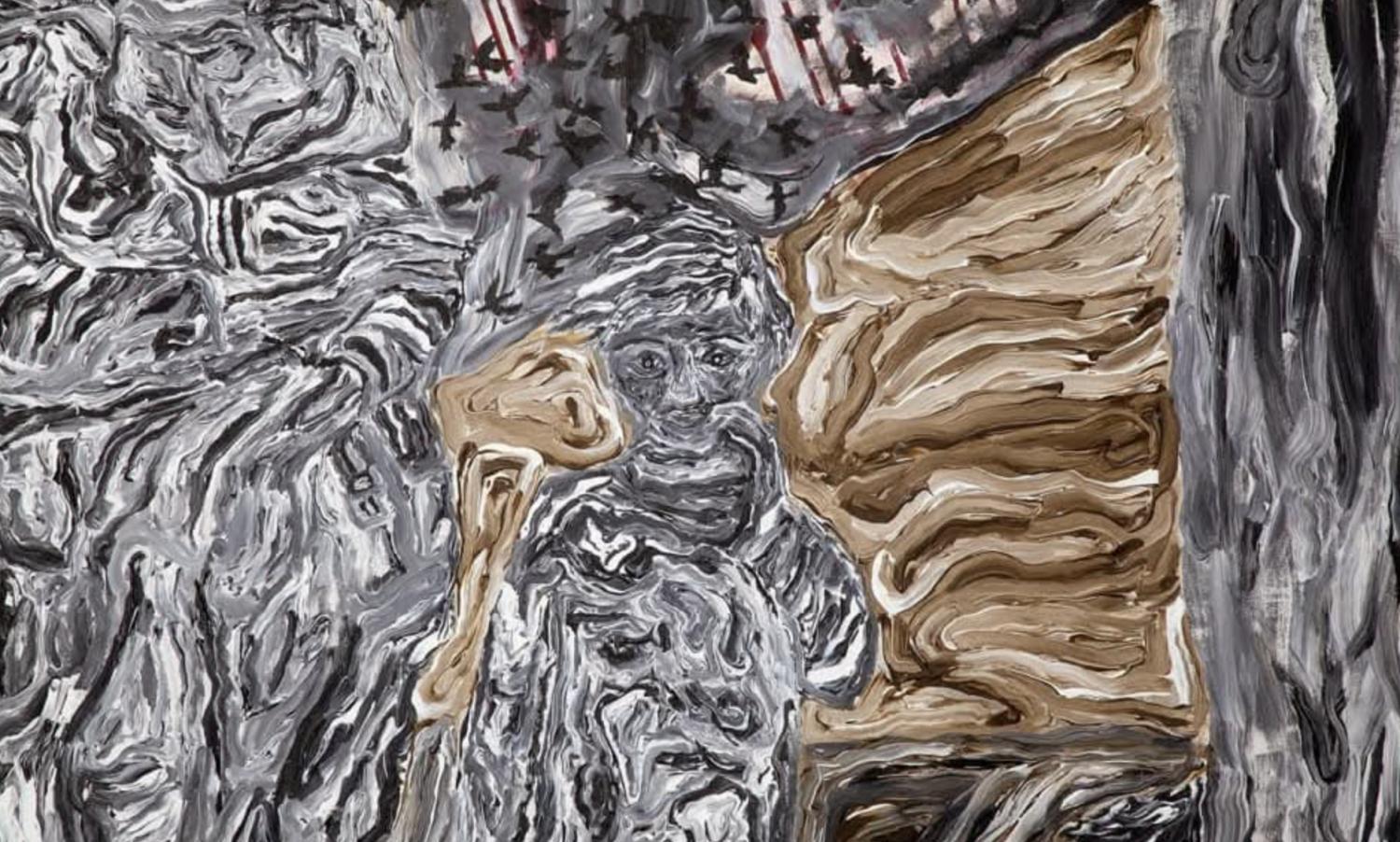
Kurdish identity lies at the center of Kafroshi’s work. His paintings depict the Kurdish experience of persecution, genocide, displacement, and exclusion, while examining how these forces have shaped individual and collective identity within the Kurdistan Region and across the diaspora.
Through fragmented figures and layered compositions, Kafroshi invites viewers to reflect on the nature of identity, tragedy, and the endurance of human memory. His work recalls the ideas of philosophers such as Emmanuel Levinas and Paul Ricoeur, both of whom understood identity as something formed through relationships with others.
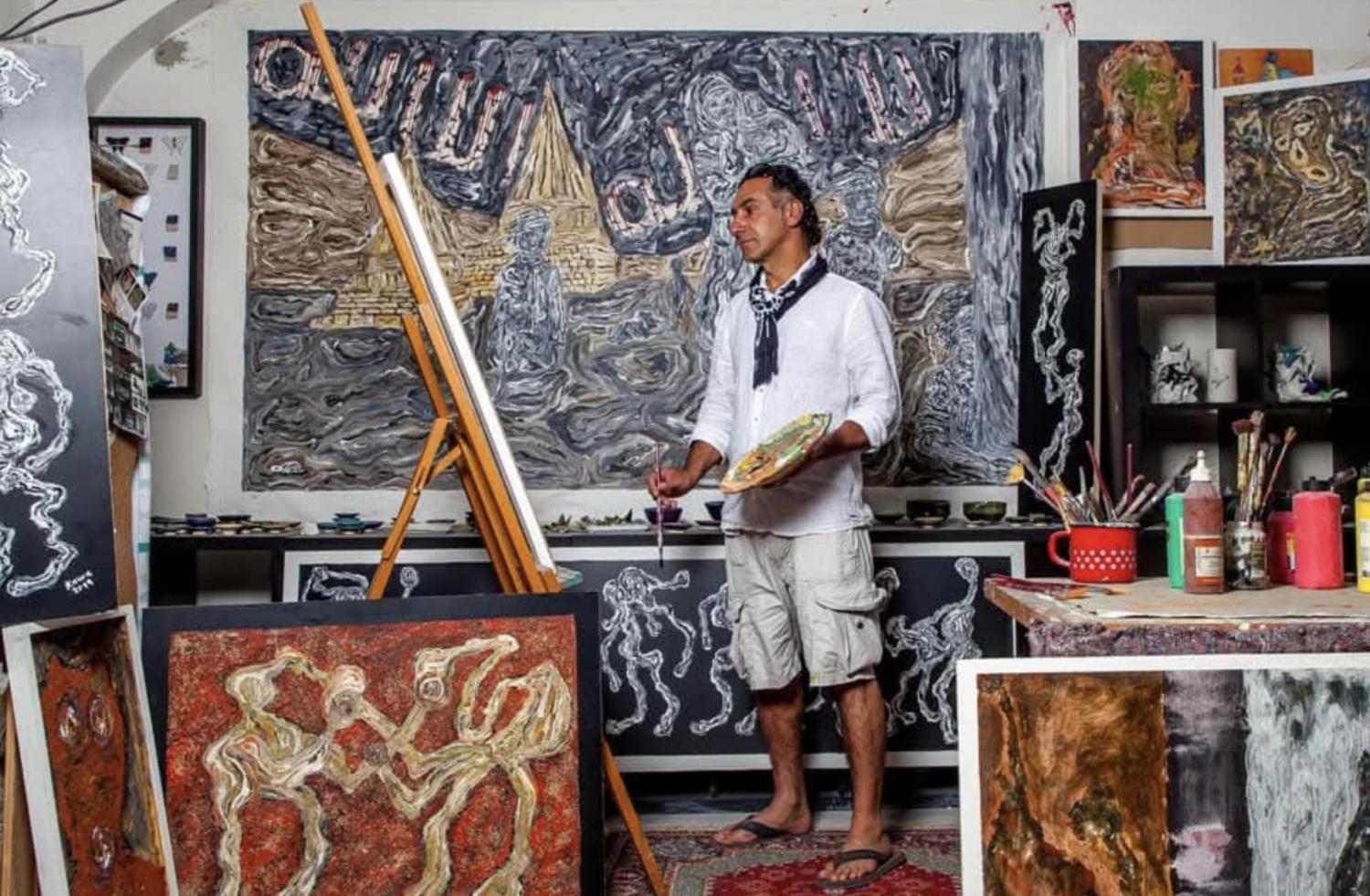
Identity as an Open Wound
Identity lies at the heart of Kafroshi’s work, though not in a narrow ethnocentric sense. Instead, his paintings portray the enduring wounds carried by the Kurdish people.
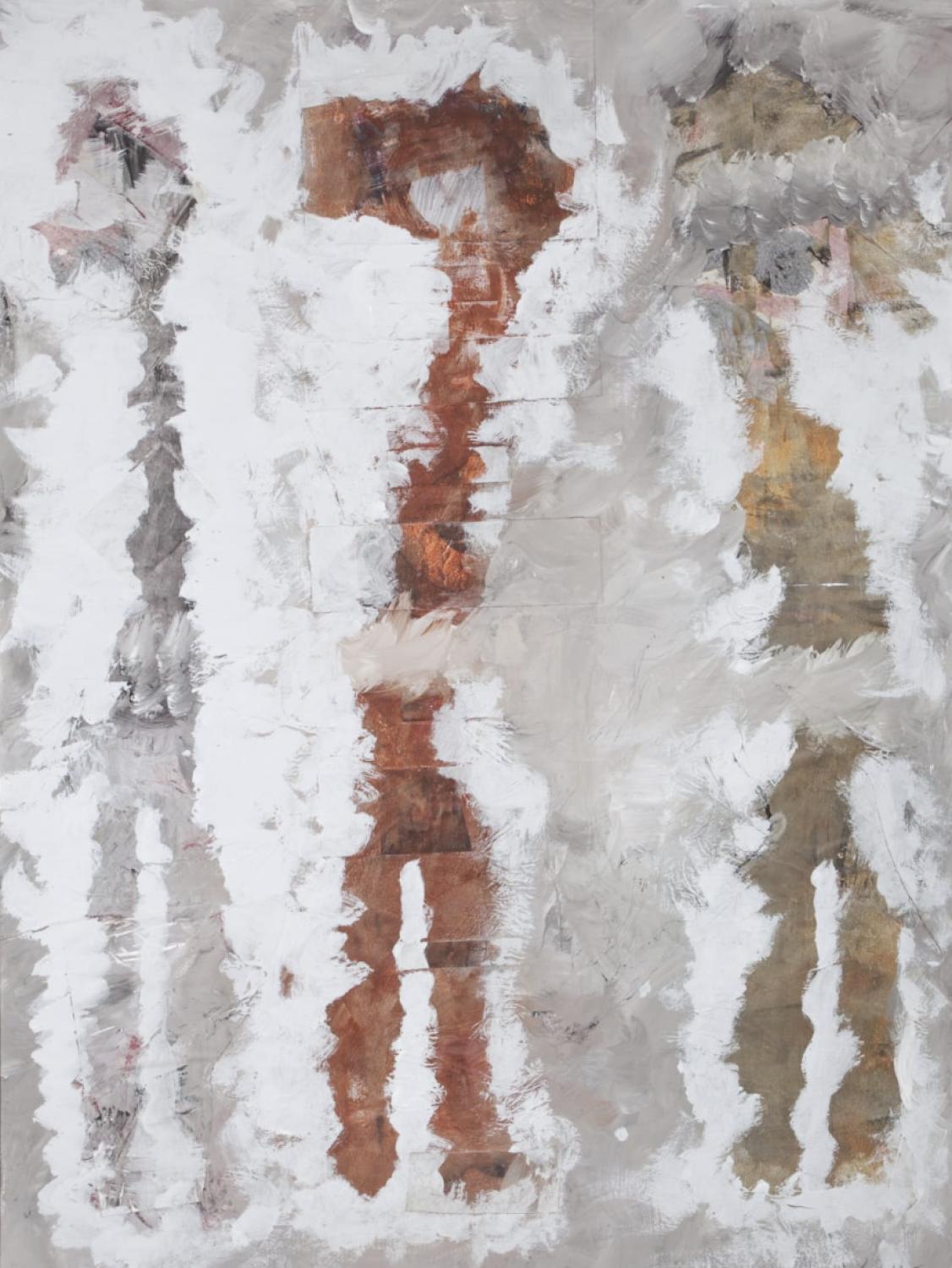
Kurdish figures recur throughout his paintings, but they appear fragmented, with blurred expressions and faces divided between shadow and emptiness. Through blurred features and fractured forms, he suggests that violence erases more than physical bodies. It also threatens identity, memory, and belonging.
His fractured figures recall the work of artists such as Francis Bacon, Willem de Kooning, and Anselm Kiefer. Yet Kafroshi’s paintings remain rooted in the Kurdish experience of violence, memory, and survival, giving form to a nation’s pain.
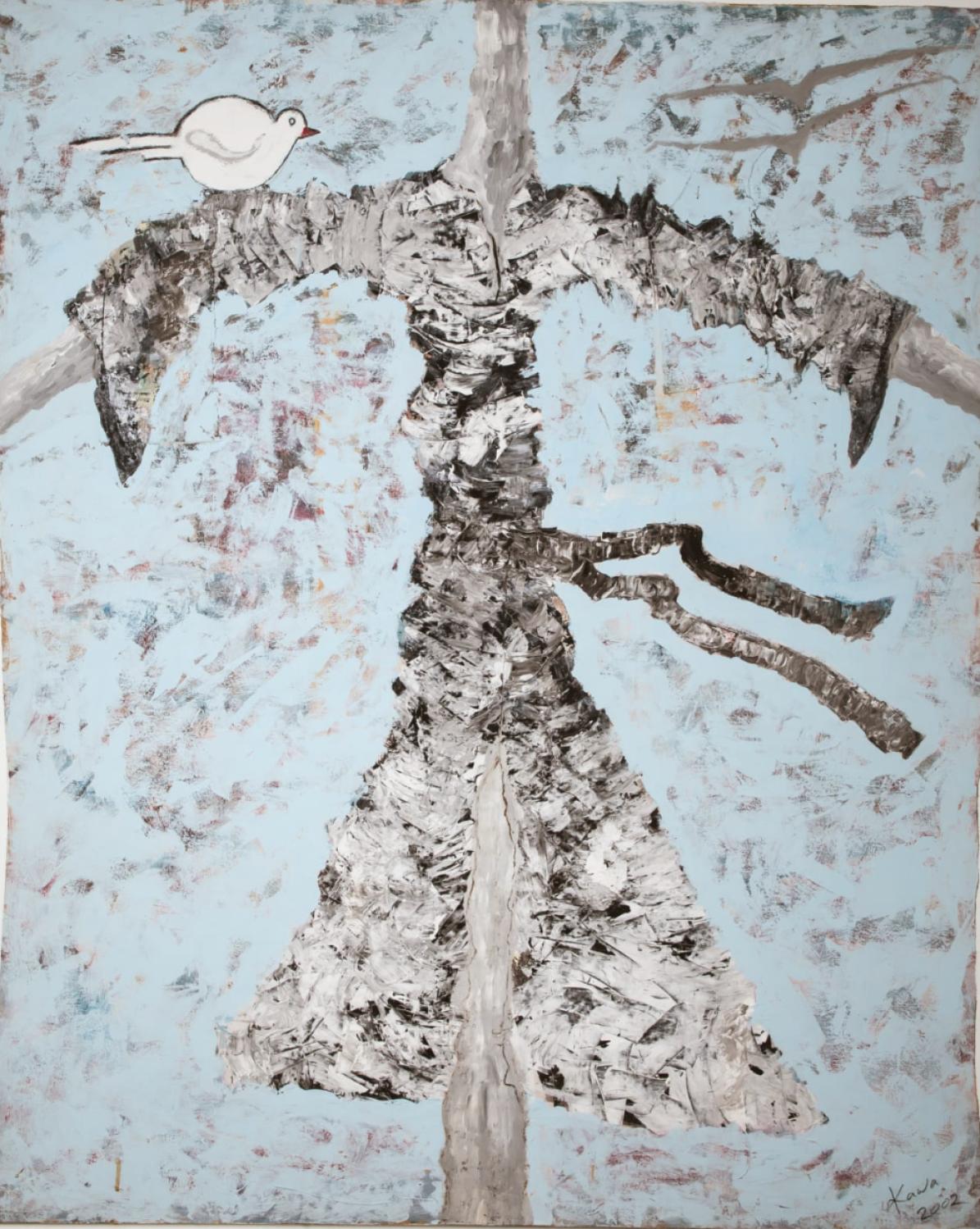
The Language of Abstraction
Kafroshi’s use of abstraction is not merely an artistic style but an ethical choice. Through this style, he aims to reveal the deeper dimensions of identity. While realistic details are of great significance, the artist uses broken lines, layers of color, and a silent emptiness that conveys grief, pain, and tragedy.
In these paintings, viewers recognize human figures, but rarely encounter complete or reassuring portraits. A hand may emerge from a single line, while the rest of the body dissolves into shifting colors and abstract forms. Rather than depicting people as they are, Kafroshi paints lives fractured by violence and loss.
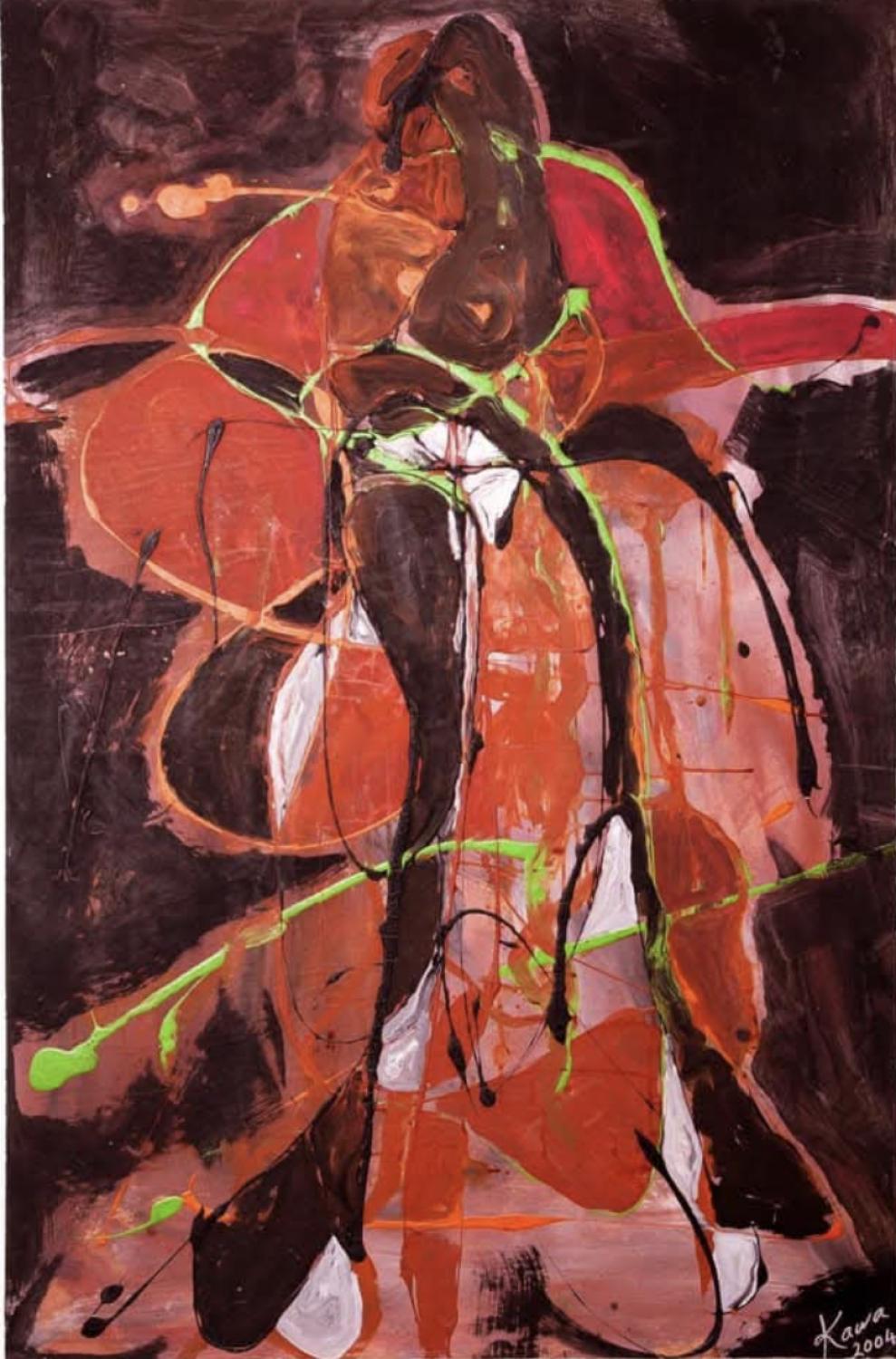
Kafroshi’s paintings bear witness to some of the defining tragedies of Kurdish history. The Anfal campaign, the chemical attack on Halabja, the genocide of the Yezidis, and other atrocities are not isolated events but interconnected episodes in a broader history of violence and remembrance.
In Kafroshi’s work, the perpetrators of violence — whether Nazi, fascist, Ba’athist, or ISIS — are united by a common rejection of human dignity. His paintings become acts of remembrance as much as works of art, bearing witness through memory.
From Kurdish Experience to Universal Questions
For Kafroshi, colors are essential elements that inspire reflection, with colors such as black, red, grey, and yellow carrying personal and historical meaning. Incomplete lines serve as visual symbols of lives fractured by violence and tragedy.
As a result, Kafroshi’s portraits function less as literal representations than as abstract expressions of memory. Thus, the observer both experiences a visual impression and is immersed in collective memory. The portrait depicts not just the subject matter, but also the open wound of history.
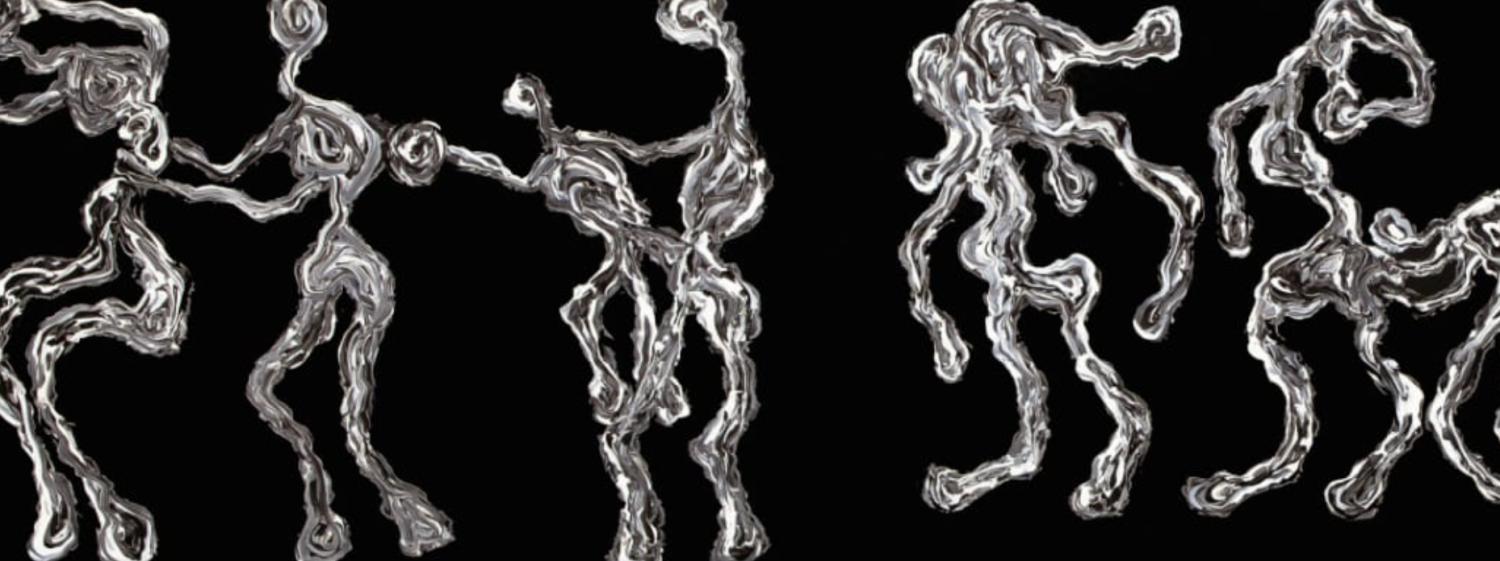
Beyond their artistic value, Kafroshi’s paintings give voice to the suffering of his people, the Kurds, while introducing that experience to a wider audience. Although rooted in Kurdish history, Kafroshi’s work ultimately speaks to universal questions of memory, justice, identity, and human dignity. His paintings transform the Kurdish experience into a broader meditation on violence, remembrance, and the enduring search for belonging.
In so doing, Kafroshi moves beyond a specific Kurdish narrative. His paintings become ethical testimonies to violence, memory, and the human cost of forgetting, inviting viewers around the world to confront questions of justice, identity, and remembrance.
is a prominent Kurdish writer and journalist with more than 35 years of professional experience.