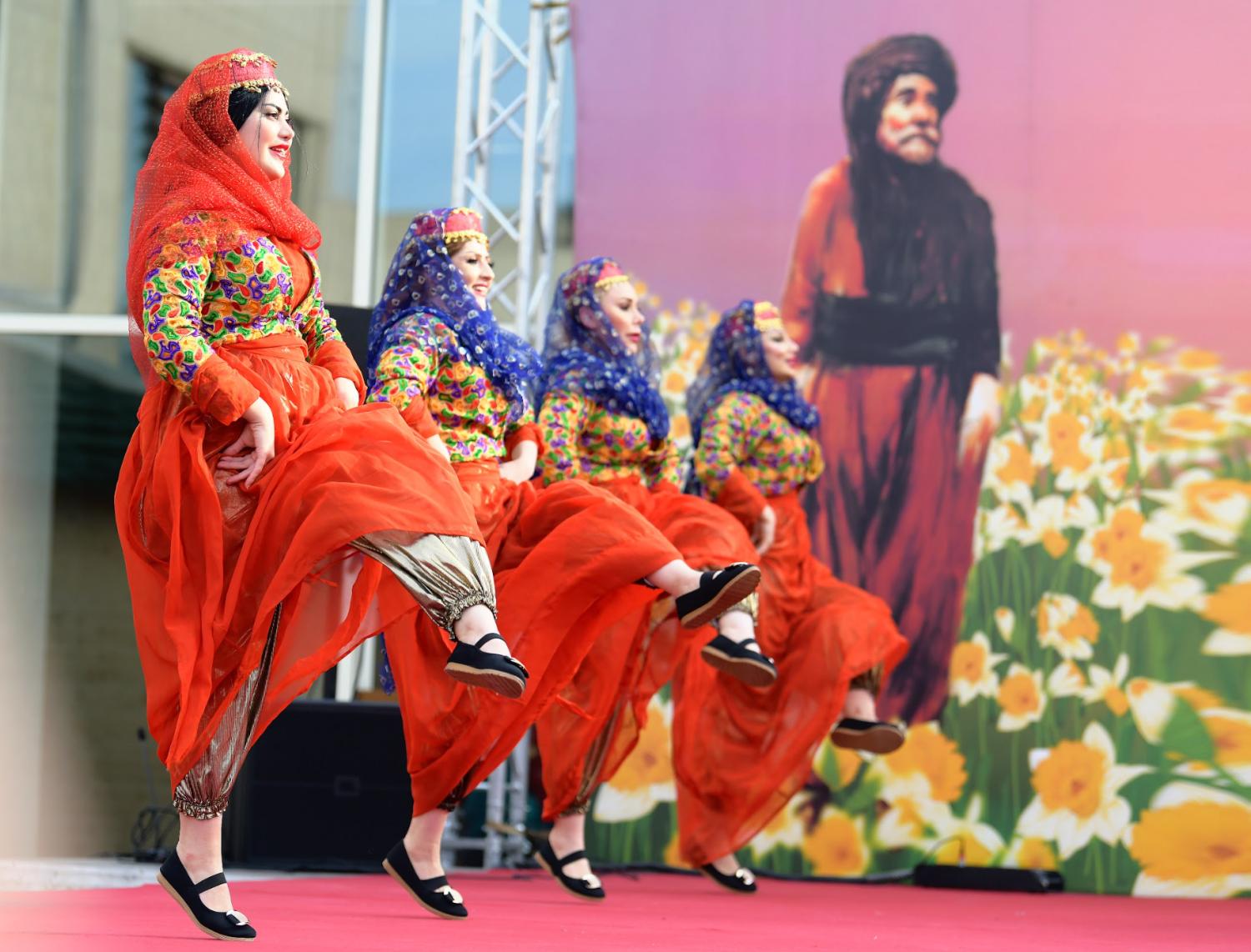
Kurdish dance, known locally as halparke, is one of the most expressive cultural traditions of the Kurdish people, a form of collective practice through which history, identity, and emotion are embodied and sustained. To an outsider, halparke may appear as a simple line or circle of dancers stepping in unison. For Kurds, however, it functions as a physical language that carries centuries of shared memory and social meaning. Performed at weddings, seasonal festivals, and community gatherings throughout Kurdistan, the dance is a social heartbeat and living affirmation of continuity and unity.
Regional variations
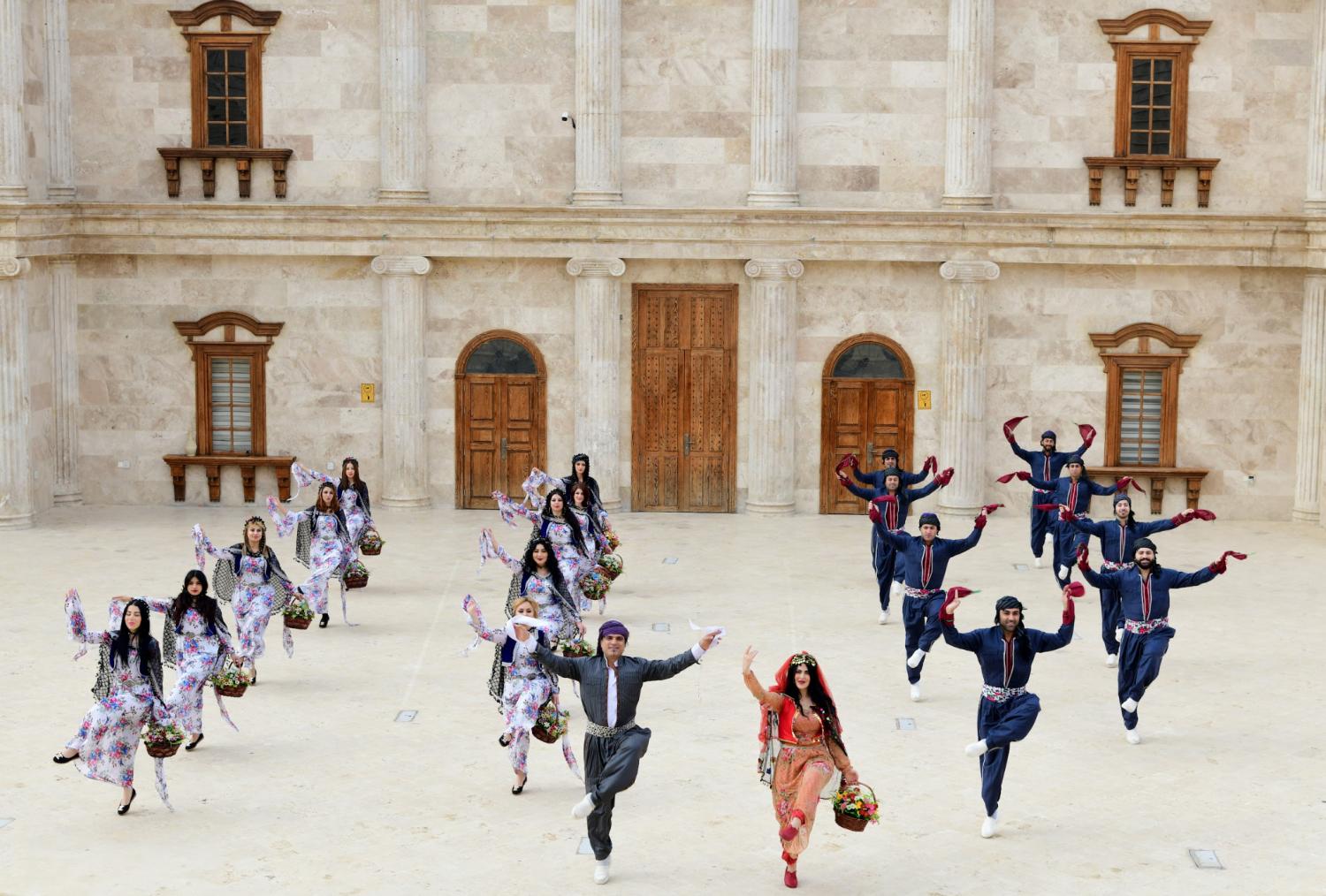
Across Kurdistan, different regions have developed their own interpretations of the dance, each carrying a unique local story. Slower, steady forms such as se peyi evoke older ceremonial rhythms, while faster styles like geryan and chopi reflect the dynamism of mountain celebrations. In other areas, dances such as sexani showcase distinctive shoulder and hip movements that mark local identity. Partner-based styles like helgeran, where two dancers often mirror each other or exchange shifting steps, add playfulness and coordinated footwork to the broader tradition. These variations form a cultural mosaic manifesting distinct Kurdish identities.
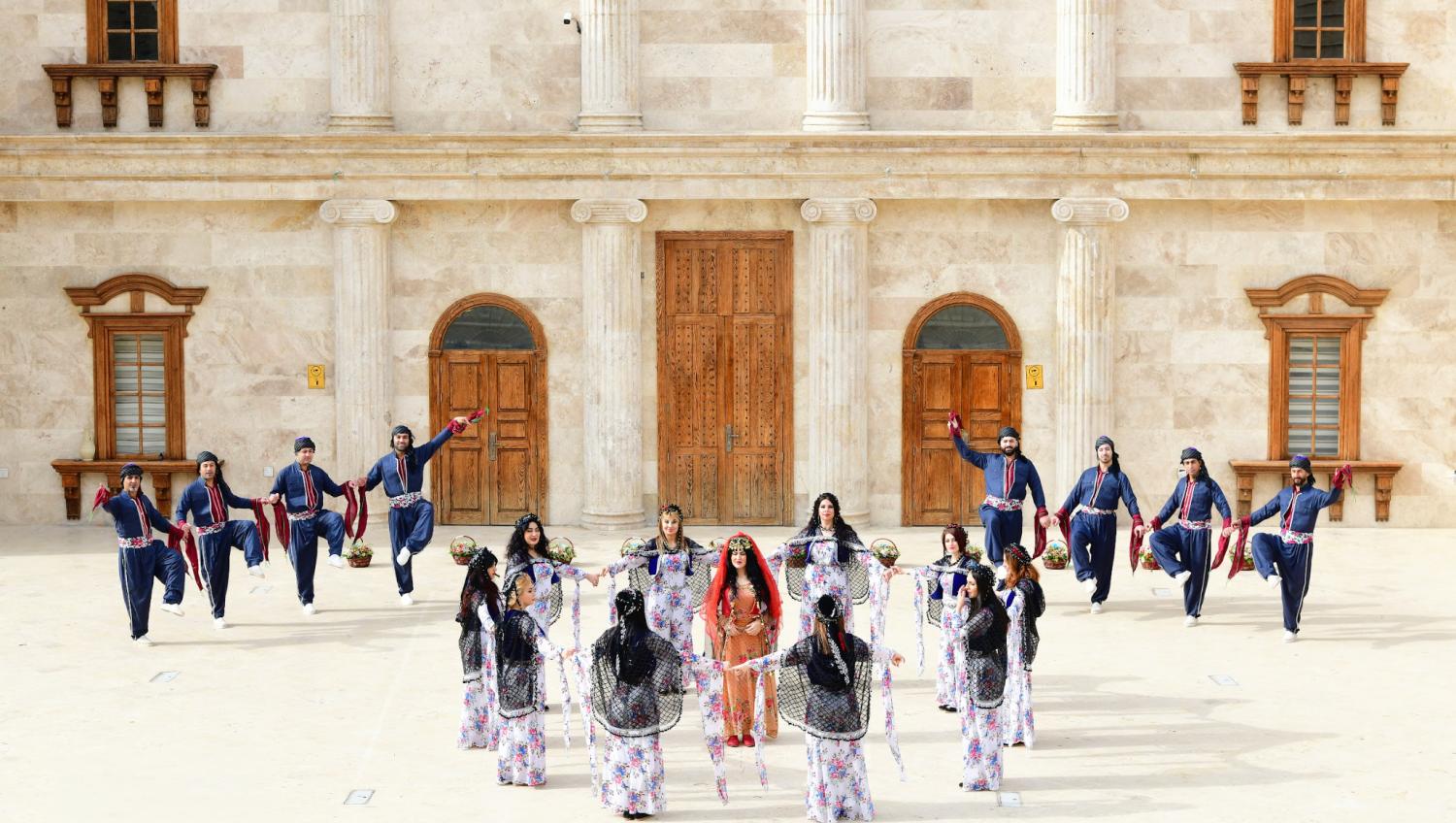
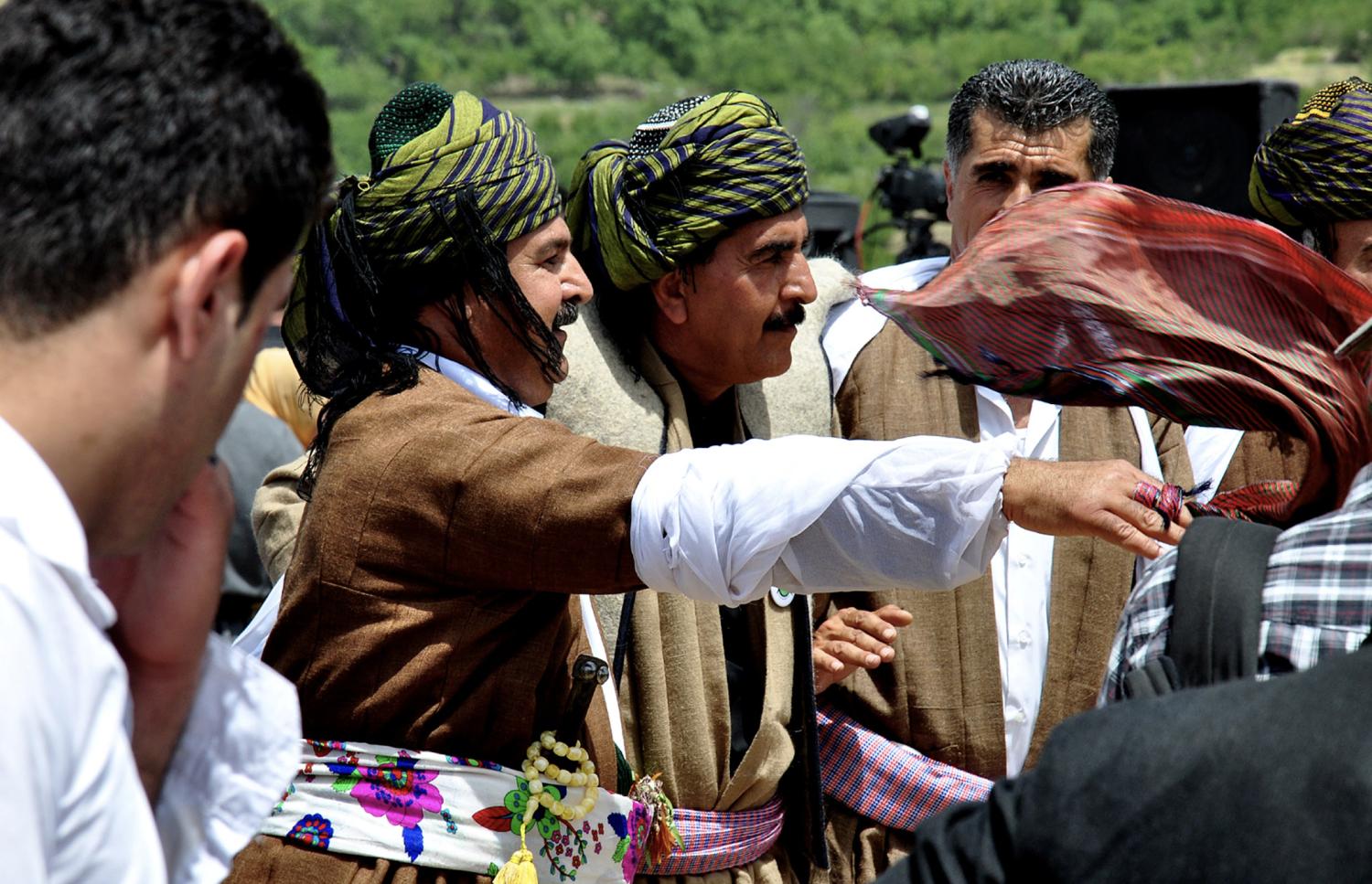
On a social level, what distinguishes Kurdish dance is its strong sense of togetherness echoing the spirit of harawazi, a Kurdish concept referring to collective cooperation toward a shared emotional or social goal – whether celebration, mourning, or victory. Dancers stand side by side, hands linked, forming a line or circle that moves rhythmically across the floor. This bond symbolizes the communal spirit that has sustained Kurdish society through generations of hardship.
At the head of the line stands the serchopi, the dance leader, who guides the tempo and mood by waving a colorful handkerchief. This small gesture carries symbolic weight, representing joy, pride, and cultural vitality. While the serchopi provides direction, the dance itself remains a shared responsibility, dependent on the responsiveness and coordination of all participants.
Embodied knowledge and role of touch
Beyond its symbolic dimension, the act of hand-holding plays a functional role for both social cohesion and rhythmic synchronization. From a theoretical perspective, it can be interpreted through the lens of embodied cognition, wherein the body itself functions as a repository and transmitter of cultural knowledge. When dancers link hands, they create a physical network that facilitates temporal and spatial alignment, allowing individual movements to converge into a cohesive collective rhythm, which to an outsider seems like a collaborative performance.
The dancers’ holding hands not only ensures coordination, but also encodes social memory: each touch, pull, or release is a subtle cue passed along the chain, carrying historical and emotional information across generations. The circle or line becomes a living archive, where memory, emotion, and cultural values are communicated nonverbally through harmonious patterns.
The role of music
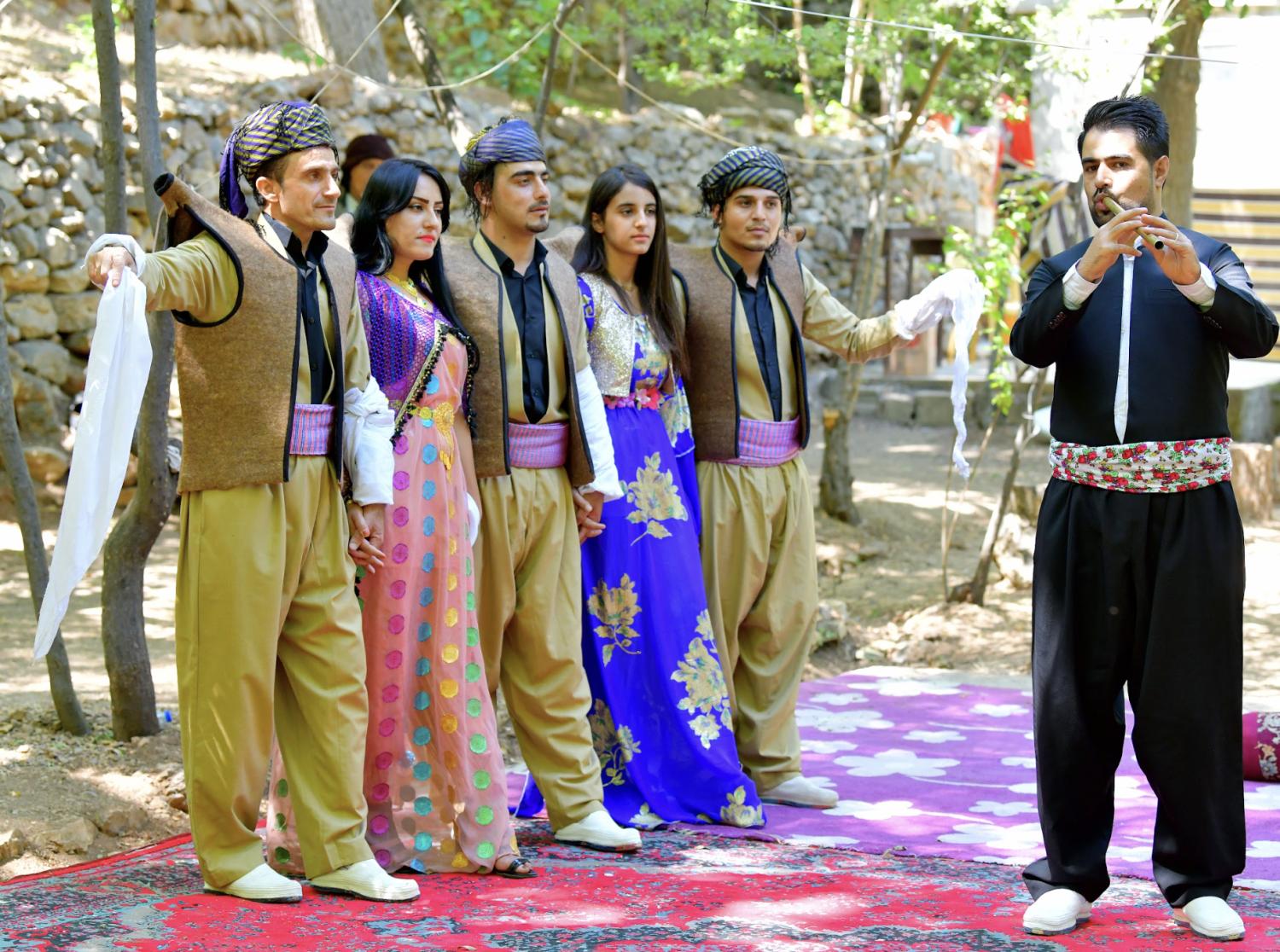
Music plays a central role in shaping the dance’s energy. Musical instruments like the shimshal, balaban, zurna, and the deep, pulsing dahol drum create a soundscape that is both exhilarating and ancestral. These instruments embody thousands of years of musical heritage passed down from one generation to another. Their rhythms guide the dancers’ steps, sometimes firm and powerful, sometimes soft and graceful, reflecting the diversity within Kurdish communities.
While men’s dances traditionally emphasize strength and precise stamping movements, and women’s dances highlight elegance and fluidity, the lines between these styles remain flexible and inclusive. Rhythmically, hand-holding establishes distributed timing, effectively functioning as a decentralized performance. The serchopi, for instance, is the leader and sets the tempo, but the flow of the dance depends on continuous feedback through linked hands, creating a dynamic system of entrainment. This entrainment allows dancers to adapt to shifts in tempo and musical motifs, and maintain collective synchronization, producing a performance that is simultaneously flexible and structured.
Dance, hierarchy, and collective governance
Historically dating to the time of the Medes, who were considered the ancestors of the modern Kurdish people, Kurdish dance includes men and women, the elderly and youth, and even children. This form of dance ensures the cultural survival of Kurdish traditions across generations.
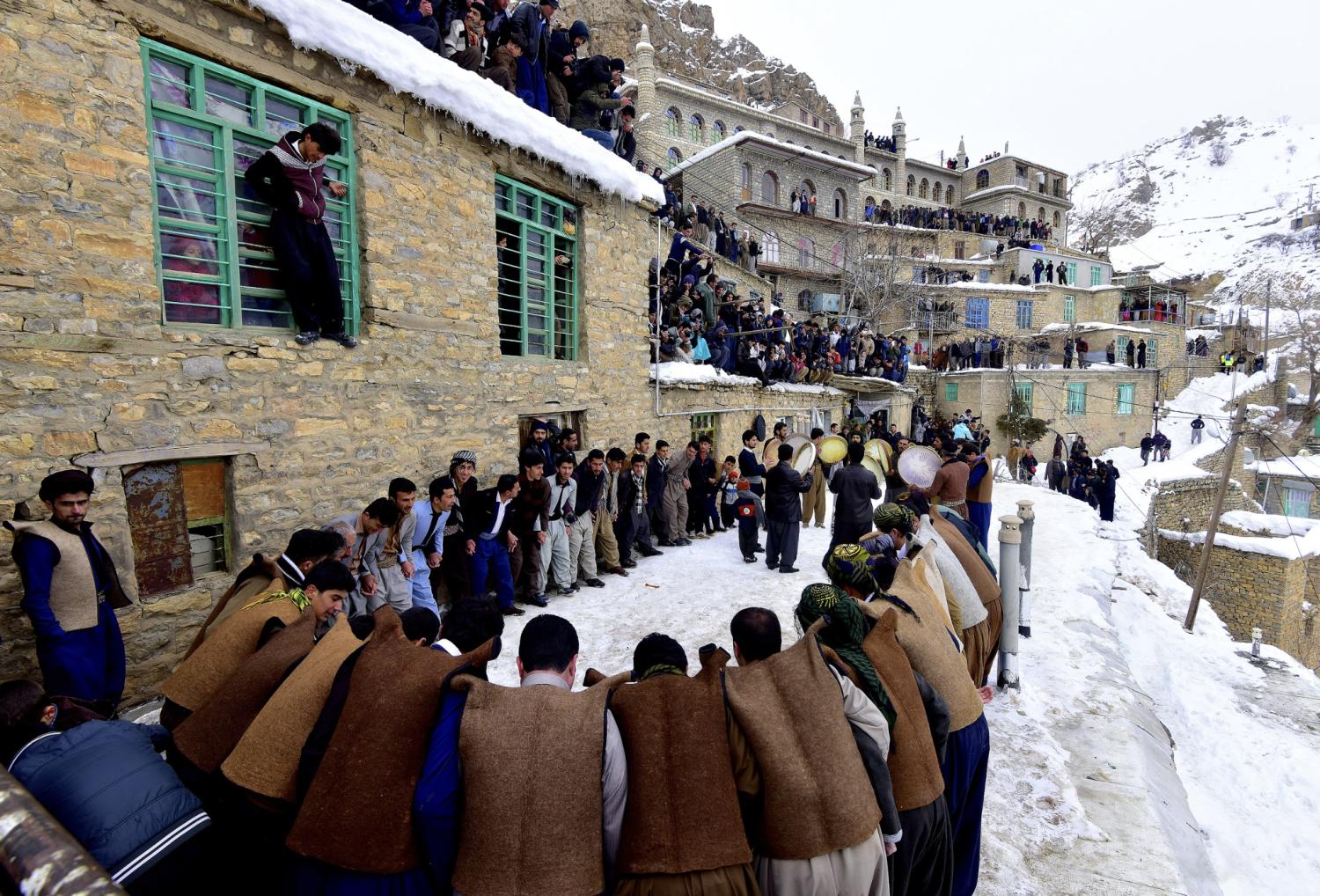
On a deeper level, Kurdish dance manifests several layers of hierarchy, from the most experienced, talented, or mature dancers to the youngest and least experienced at the tail, known as gawani – the last herd-protector or watcher. This structure echoes how Kurdish society, from ancient times, distributed roles according to skill and experience, reflecting a form of decentralized governance in which each participant contributes according to their abilities.
Moreover, Kurdish dance exemplifies how the interplay and intersections of touch, movement, and hearing intermingle, sustaining or re-creating a living tradition, where embodied action mediates the persistence of communal identity, which becomes part of a collective identity. Hand-holding, therefore, is not merely symbolic; it is the functional mechanism by which social cohesion, historical memory, and rhythmic integrity are maintained, making the dance a scientifically rich subject for studies of kinesthetic culture, collective behavior, and nonverbal communication.
Cultural and political significance
Beyond its aesthetic qualities, Kurdish dance holds deep cultural and political significance. For generations, especially in periods when Kurdish language and cultural expression were restricted, dance became a means of preserving identity without words, a nonverbal declaration of existence and resilience. It has served as an outlet for collective emotion, telling stories of struggle, longing, and heroism, but also of celebration, renewal, and the arrival of spring. The act of holding hands while dancing is more than choreography; it is a living symbol of unity, a quiet affirmation that the community remains connected despite political divisions or historical challenges.
Kurdish dance is far more than just a festive tradition. It is a living record of Kurdish history, a map of the region shown through movement, and a communal ritual that keeps identity alive through rhythm and shared steps. Its regional styles, musical foundations, embodied knowledge, and symbolic gestures reveal how Kurds understand themselves as a people defined by unity, diversity, and resilience. For outsiders, halparke is not only a way to experience Kurdish culture, but also a powerful example of how a community preserves its heritage by holding hands and moving together as one.
A Kurdish photographer and journalist.