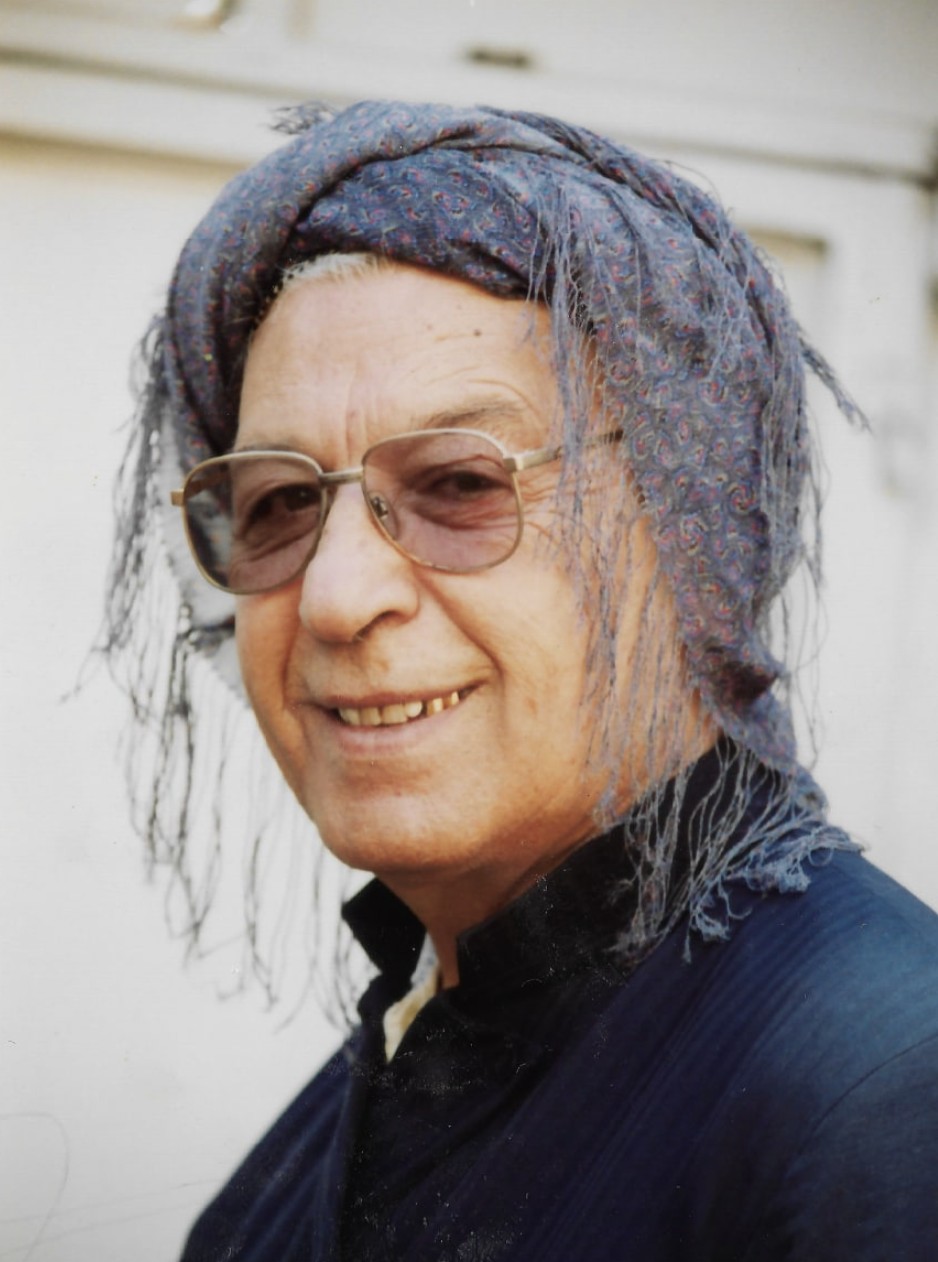
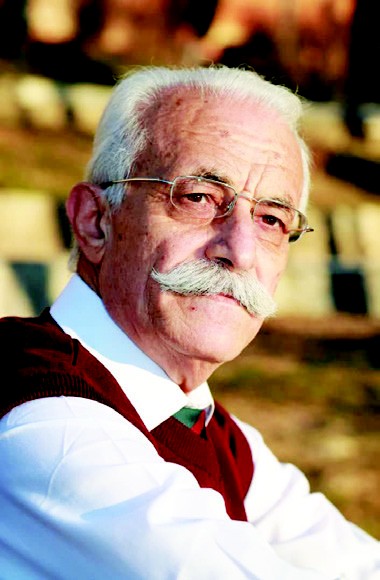
The life, art, and legacy of a Kurdish cultural singer and composer
One of Mamilê’s most famous songs opens with this heart-touching stanza:
Come, O lovesick nightingale,
Why has my flower not appeared?
Come, O lovesick nightingale,
Do not weep over the sorrow of the flower.
Lovers must learn from you
All the lessons of loyalty.
These words reflect the essence of Mamilê himself – a voice shaped by love, sorrow, devotion, and an unwavering loyalty to his people and their cultural heritage. Known as the nightingale of Eastern Kurdistan (northwestern Iran), he became one of the greatest preservers and performers of Kurdish musical tradition, leaving behind a legacy that continues to resonate throughout Kurdish cultural life.
Early life and musical roots
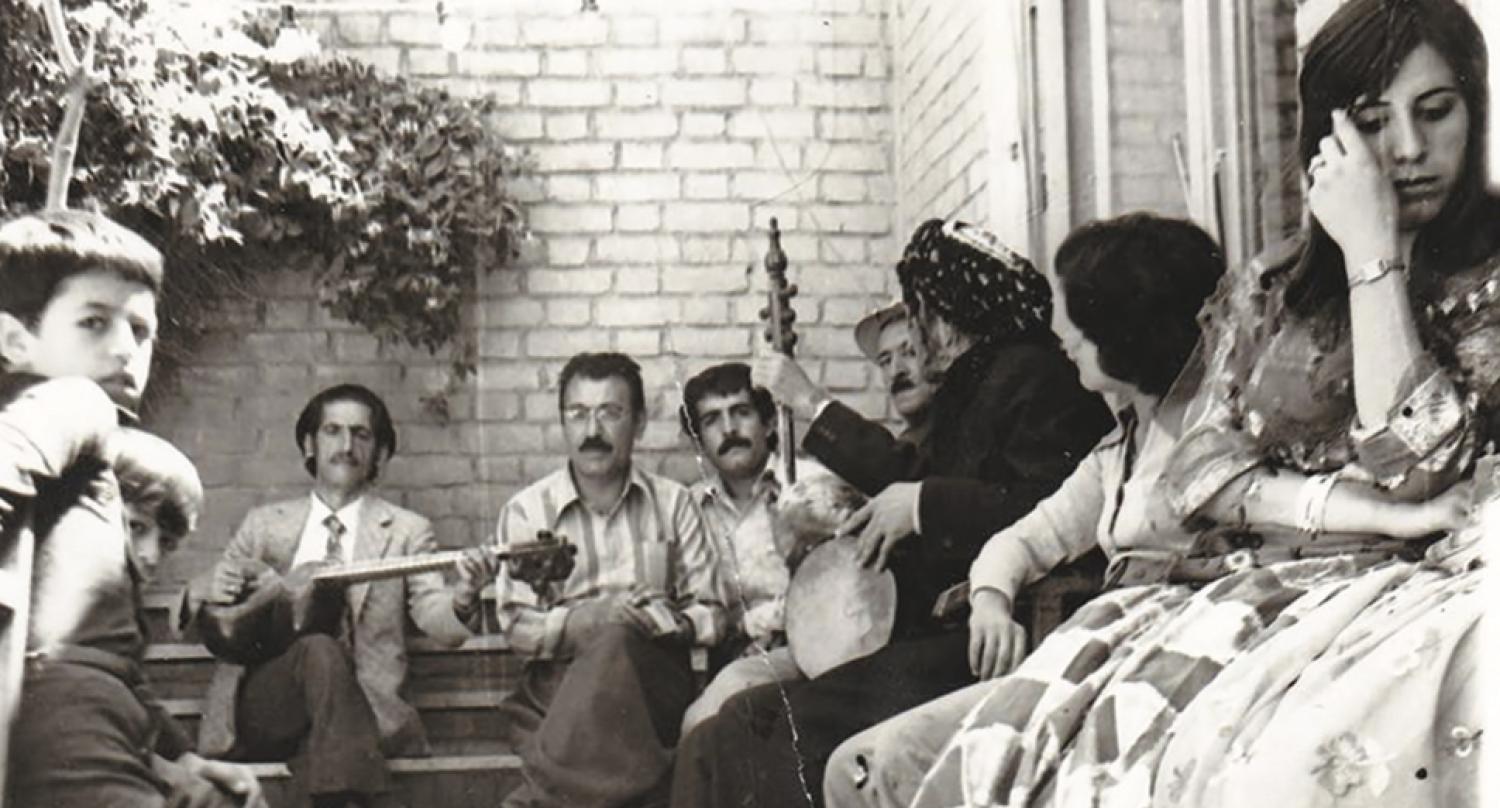
Mamilê, whose full name was Mohamed Sa’id Mamilê, was born in 1925 in the area of Mahabad in Eastern Kurdistan. He completed his elementary education at Sa’adat School in his hometown. From the beginning, music was an inseparable part of his existence. He grew up in a household filled with artistic expression, where singers, poets, and musicians regularly gathered. These gatherings often became vibrant arenas of musical and poetic exchange, nurturing his artistic sensitivity from an early age.
His father, Mam Said, played a decisive role in shaping his musical path. Mam Said was a close companion of Mamosta Wafayi, one of the most prominent Kurdish poets of the Mukriyan region in the late 19th and early 20th centuries. Both men were followers of the Naqshbandi Sufi order and deeply rooted in its mystical traditions. Recognizing Mam Said’s extraordinary voice, Mamosta Wafayi entrusted him with Wafayi’s mystical poems and encouraged him to sing them at gatherings and spiritual ceremonies in Khaneqah.
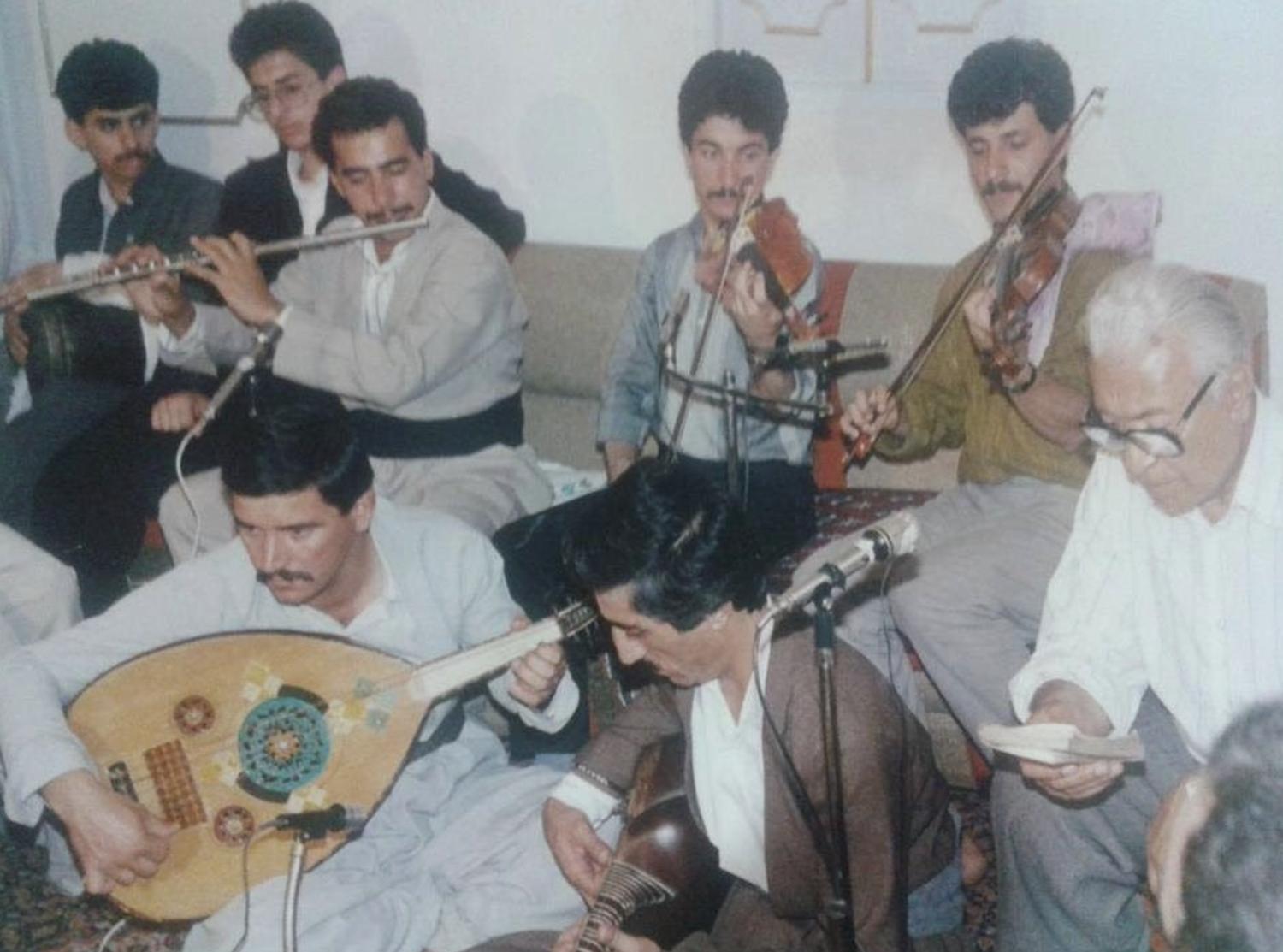
Mam Said belonged to a generation of singers whose voices carried spiritual and emotional depth. He performed duets in cultural gatherings alongside renowned Kurdish singers such as Said Asghar Kurdistani. Within this artistic environment, Mamilê grew up immersed in both the musical and spiritual dimensions of Kurdish culture.
Mam Said had six sons and one daughter, and although several of his sons inherited his musical abilities, Mohamed Sa’id Mamilê distinguished himself as the most exceptional among them.
Artistic career and cultural contributions
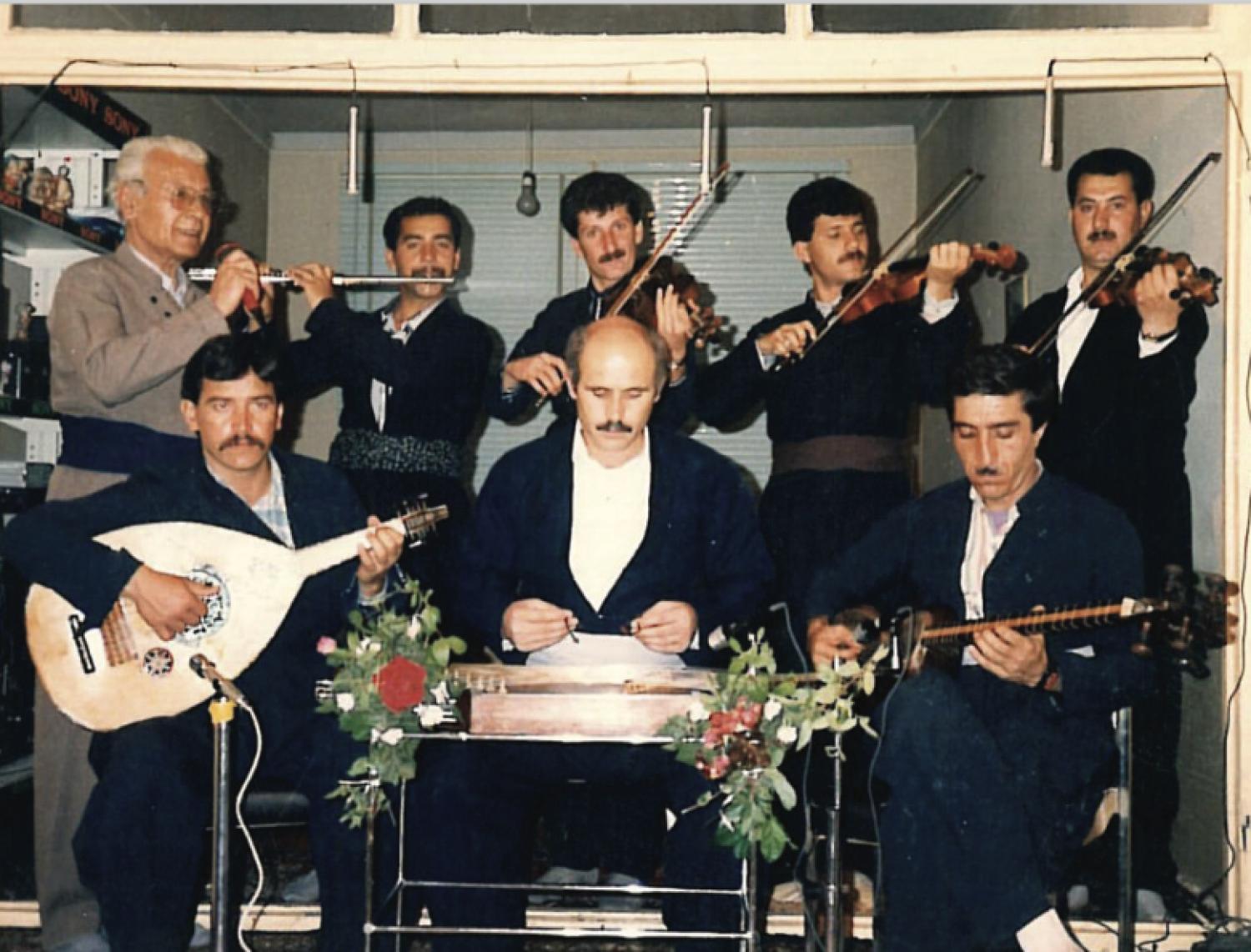
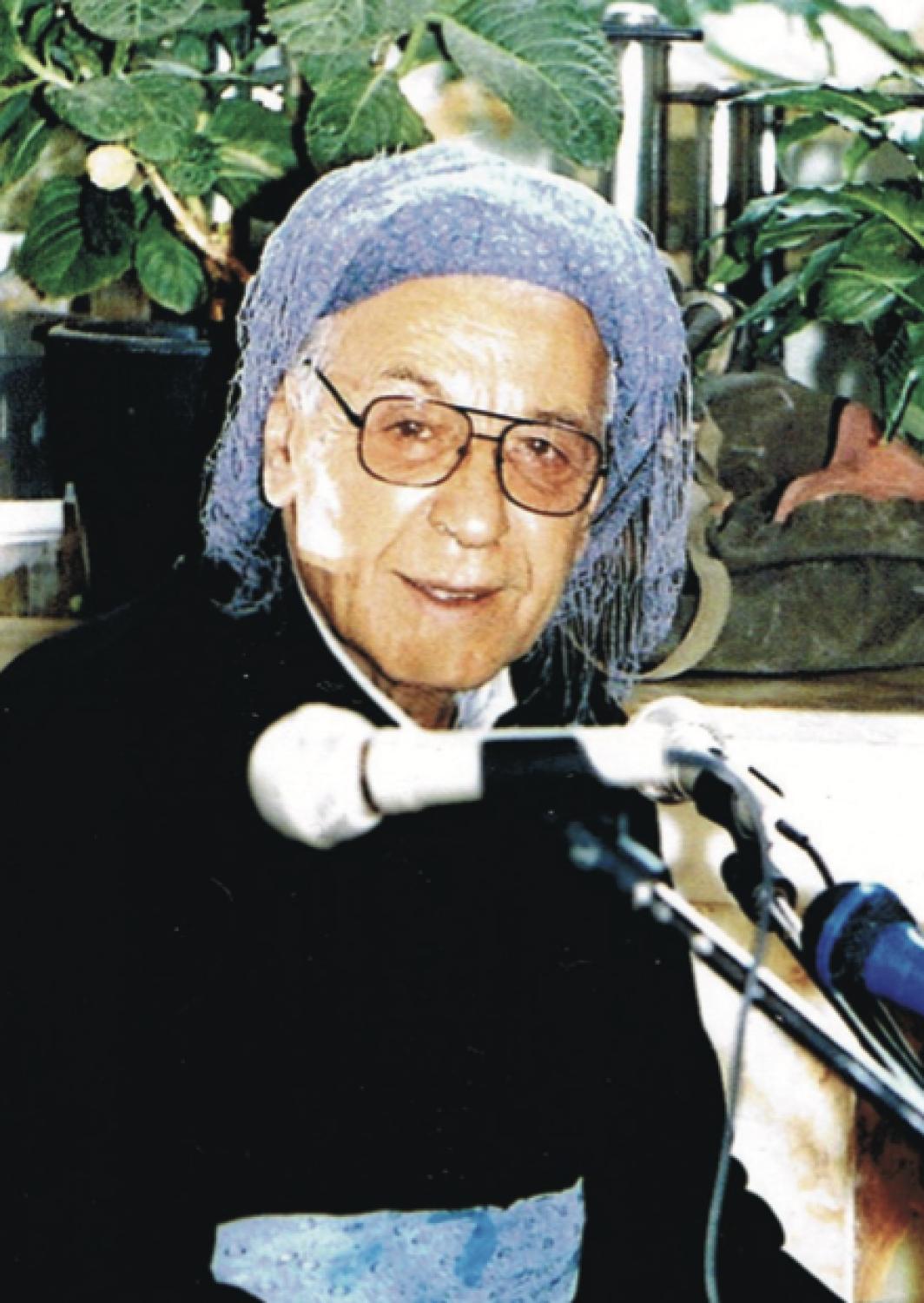
At the age of thirteen, in 1938, Mamilê recorded his first song, titled “Hewari Xali,” which was broadcast on Mahabad Radio. This marked the beginning of a lifelong journey devoted to music. Over the course of his career, he recorded more than 470 songs, in addition to countless performances in cultural gatherings and social settings.
Many of his recordings were made during live gatherings, preserving the authenticity and immediacy of Kurdish musical tradition. He recorded songs at Kermanshah Radio with the support of Mujtaba Mirzadeh, and at Tehran Radio alongside distinguished Kurdish musicians such as Hassan Zirek and Mala Husein Abdullazadeh. Approximately 47 of his songs were recorded and broadcast by radio and television stations in Mahabad. Tragically, many of his video recordings were erased during the upheavals of the 1979 Iranian Revolution, resulting in an irreplaceable cultural loss.
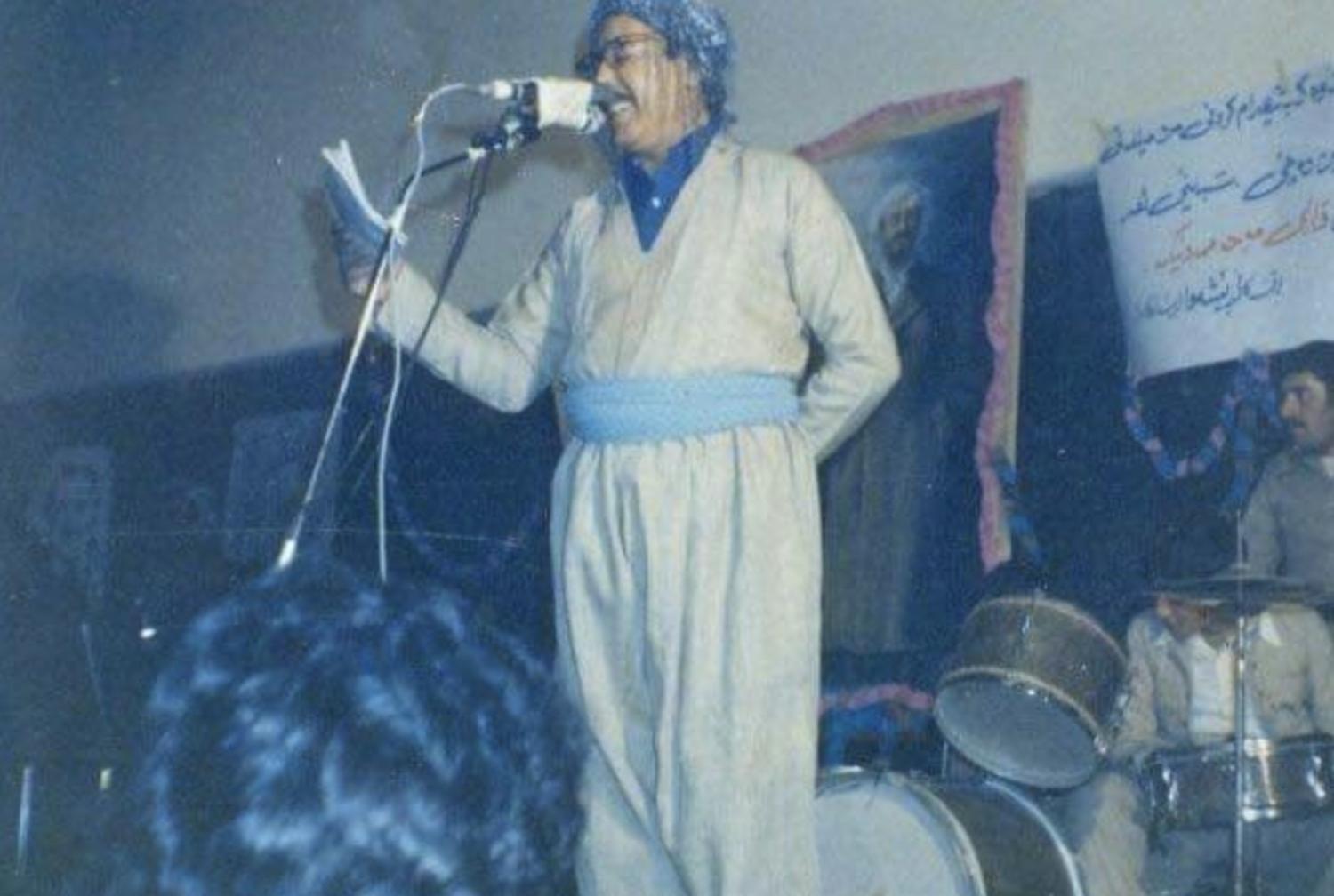
Beyond performing traditional folklore, he drew upon the works of some of the greatest Kurdish poets, including Abdullah Goran, Hejar, Hemin Mukriyani, Hashim Nanewa-zadeh, and Seyed Kamil Imami. Through his interpretations, he transformed poetry into living sound, deeply moving listeners and giving new life to Kurdish literary and musical tradition.
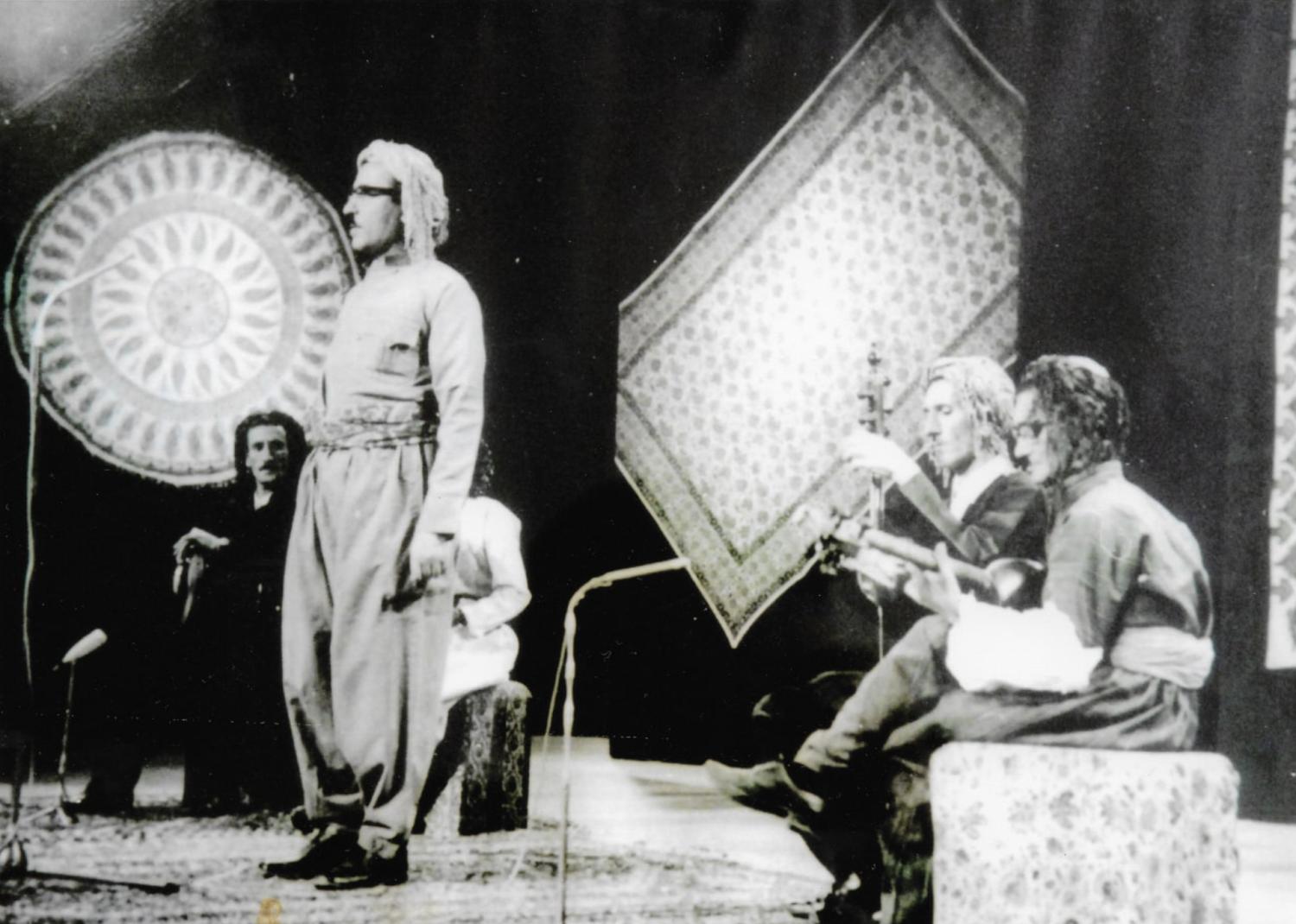
In 1974, his artistic excellence was recognized on a national stage when he participated in a major music festival in Iran. Despite having only three accompanying musicians, he delivered a powerful performance that surpassed larger and better-equipped groups. His voice, filled with emotional intensity and technical mastery, earned him first prize among all Iranian participants.
Public life and cultural standing
Despite his fame, Mamilê remained an exceptionally humble, gentle, and soft-spoken individual. His humility endeared him to ordinary people, and he maintained a close bond with the communities he served through his music.
In 1962, he settled for a time in the city of Qaladiza in southern Kurdistan (now the Kurdistan Region of Iraq). The people immediately recognized him and warmly welcomed him into their homes. Surrounded by admirers, he was frequently asked to sing, and he never refused, performing numerous songs in these intimate gatherings, some of which were recorded.
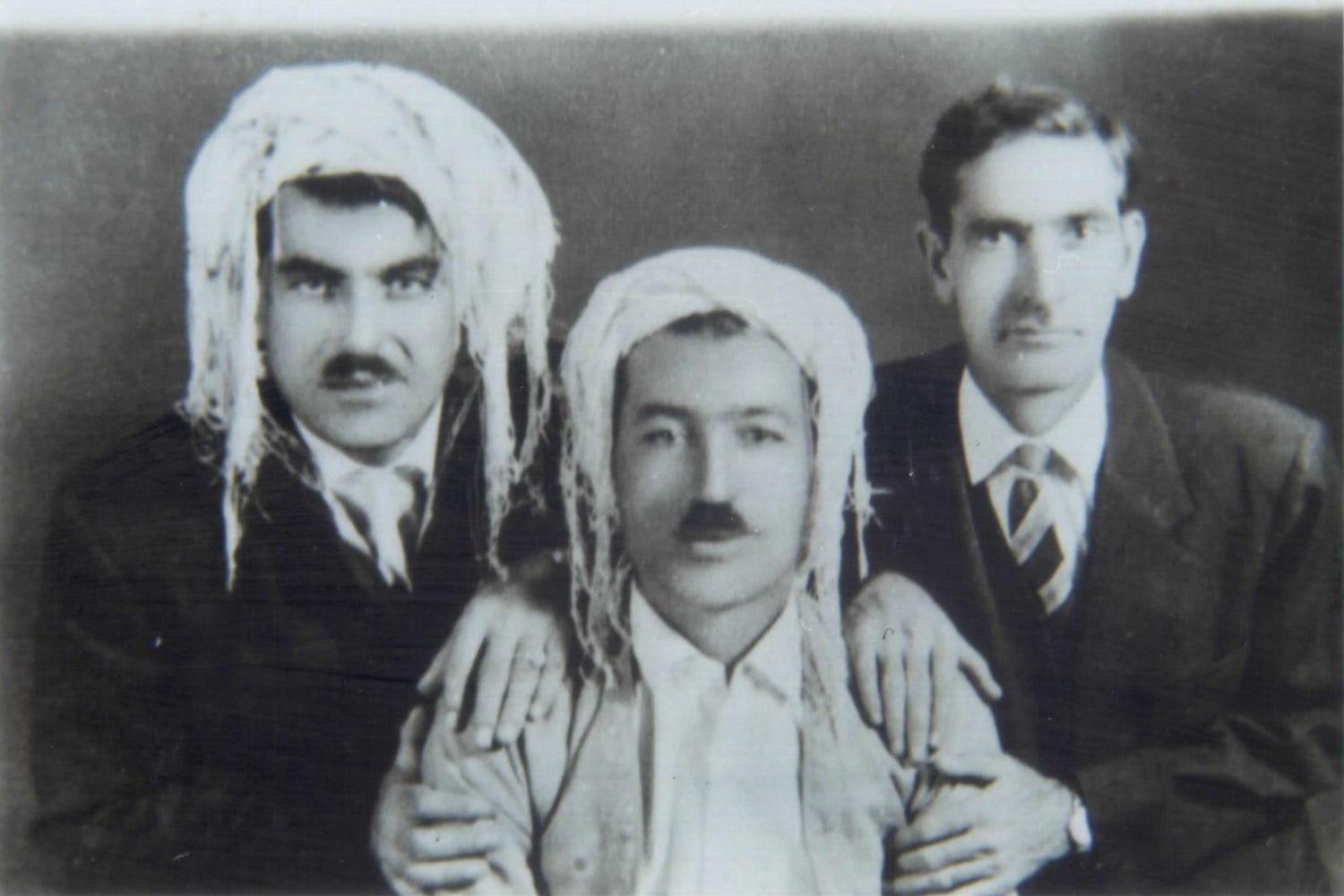
His reputation extended across all regions of Greater Kurdistan, transcending political borders. The renowned Kurdish singer Mamosta Tahir Tofiq once expressed his admiration, saying: “I wish I had seen Mamilê up close. I would have embraced and kissed him, because he … preserved hundreds of Kurdish songs and folkloric poems, saving them from being lost forever.”
When asked whether he had a favorite song among his many works, Mamilê replied with characteristic warmth and wisdom: “Can a father favor one of his children? My songs are like my children. Each was born in its own circumstance and condition.”

Political persecution and personal loss
From his youth, Mamilê possessed a strong political and cultural consciousness. His deep love for his homeland and his people shaped both his personal life and artistic expression. Because of his political beliefs, he was arrested and imprisoned multiple times by the regime of the Iranian Shah.
During one of his imprisonments, he composed two songs, “Baharan Khosha Zimziran” and “Hay Yar, Durim La Yar.” After his release, he recorded both songs, transforming his personal suffering into artistic expression.
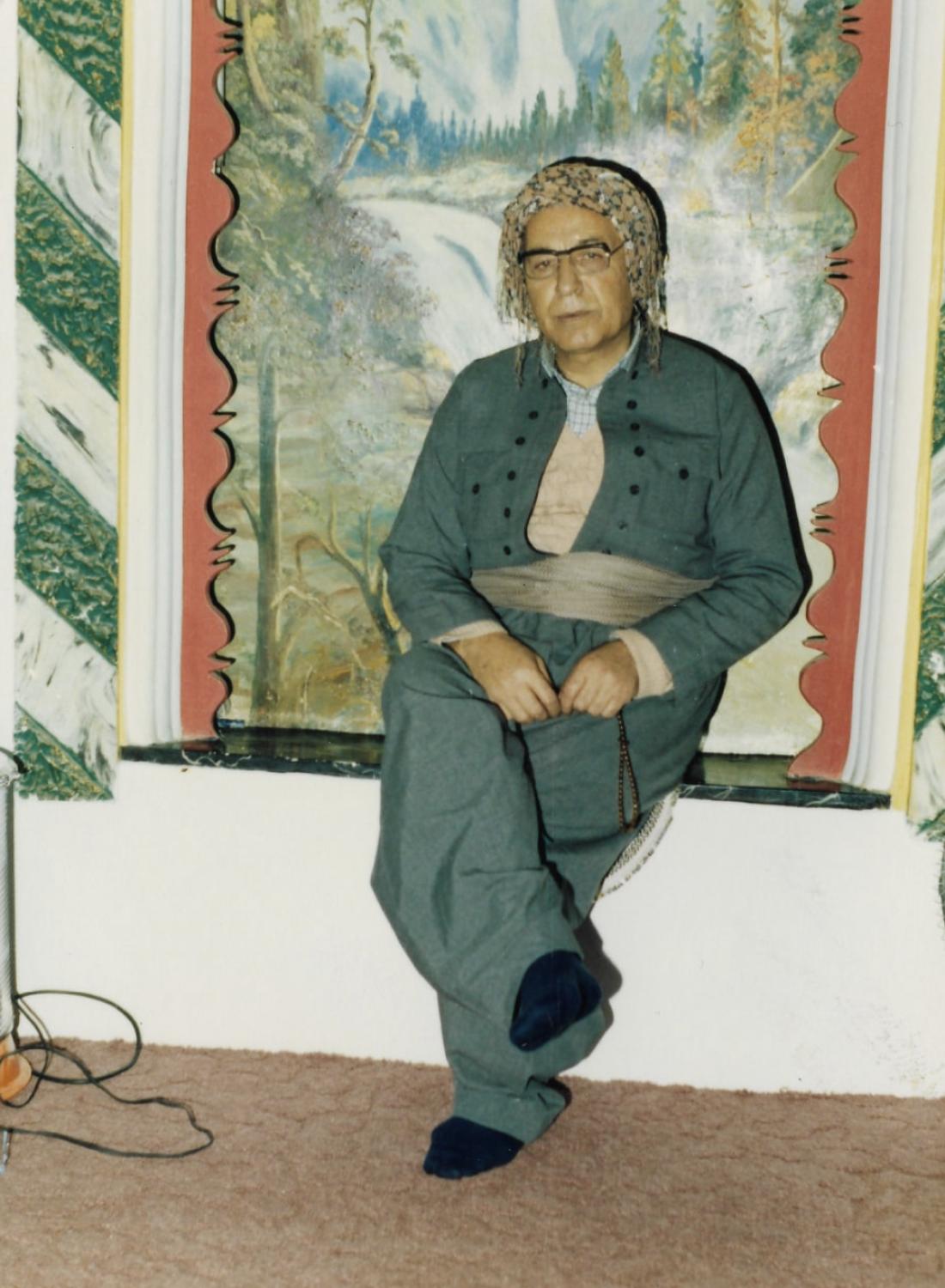
However, the greatest tragedy of his life came in the aftermath of the Islamic Revolution. His eldest son, Najat, was executed after being accused of involvement with Kurdish political parties. This devastating loss profoundly affected him. In Kurdish expression, it is said that such grief “breaks one’s backbone,” and for a time, he withdrew completely from artistic life.
Later, he returned to music, channeling his grief into artistic expression, including his famous song “Zamana?”:
Time snatched a flower from my grasp; it was taken away before I could breathe in its scent.
Legacy
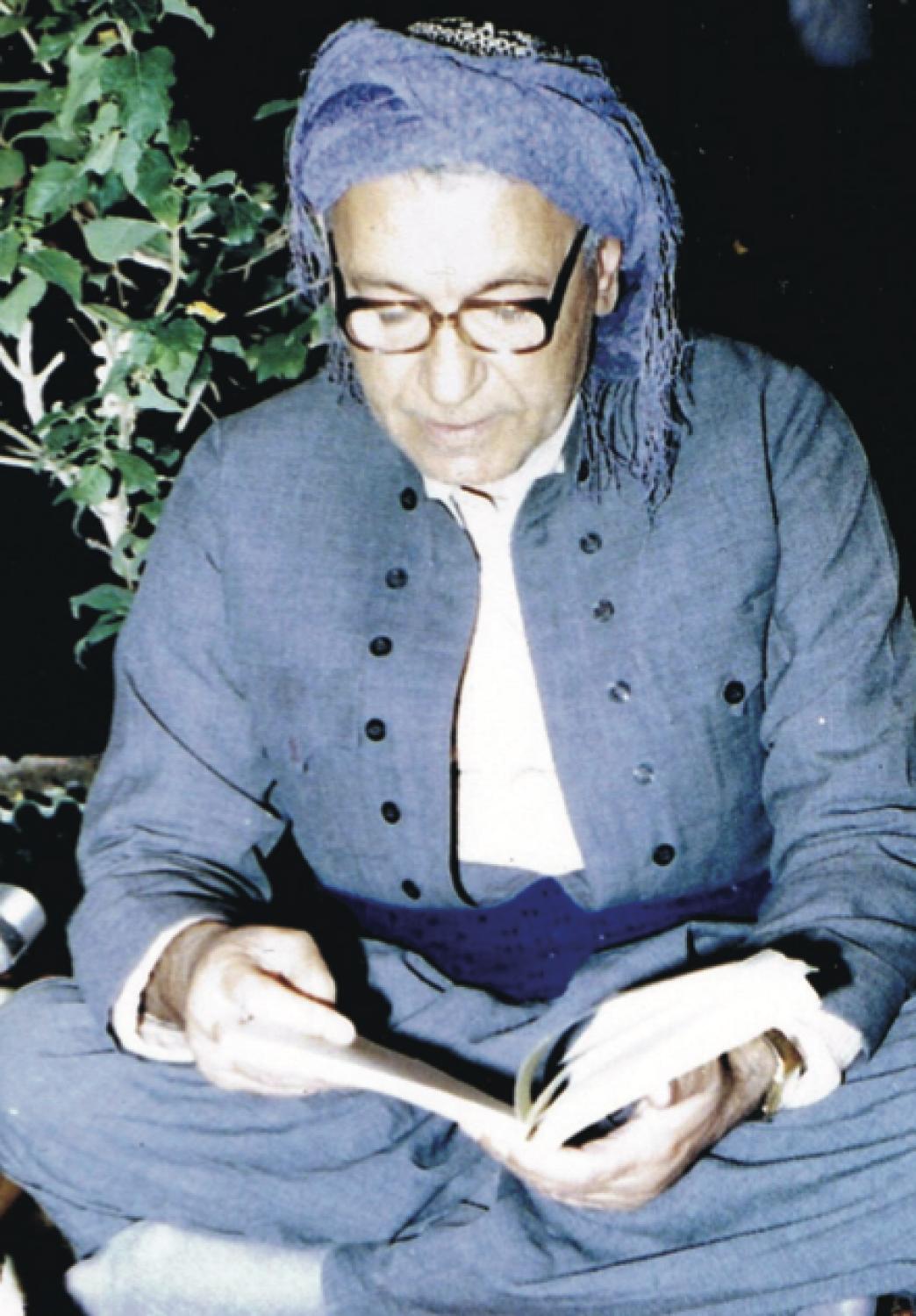
In his later years, Mamilê continued to contribute to Kurdish musical heritage. He recorded his final song in 1994, after which his health began to decline. On January 23, 1999, he passed away at the age of 74 in his hometown of Mahabad. He was laid to rest there in a ceremony attended by the people of the city whose cultural identity he had helped protect.
His voice carried the memory of generations and preserved a cultural heritage that continues to define Kurdish identity today.
is a Kurdish author and researcher with a focus on history and literature.