Zoroastrianism does not function as a ritual system centered on sacred fire alone. It operates as an ethical project grounded in freedom of choice and human responsibility. This project rests on the principle of Asha, the cosmic law that orders moral conduct as it orders the structure of the universe, as attested in the Gathas and other Avestan texts.
Zoroastrian thought locates light within human consciousness before it appears in the external world. Ethics becomes daily practice rather than abstract doctrine. This intellectual current emerged in the Iranian world and entered Arab culture through trade, migration, and sustained civilizational contact. It reached maturity during the Abbasid era through translation, philosophical inquiry, and scholarly debate.
This study asks the following question: How did Zoroastrian values enter Arab intellectual structures and contribute to the development of reason, justice, and ethical consciousness in Arab thought?
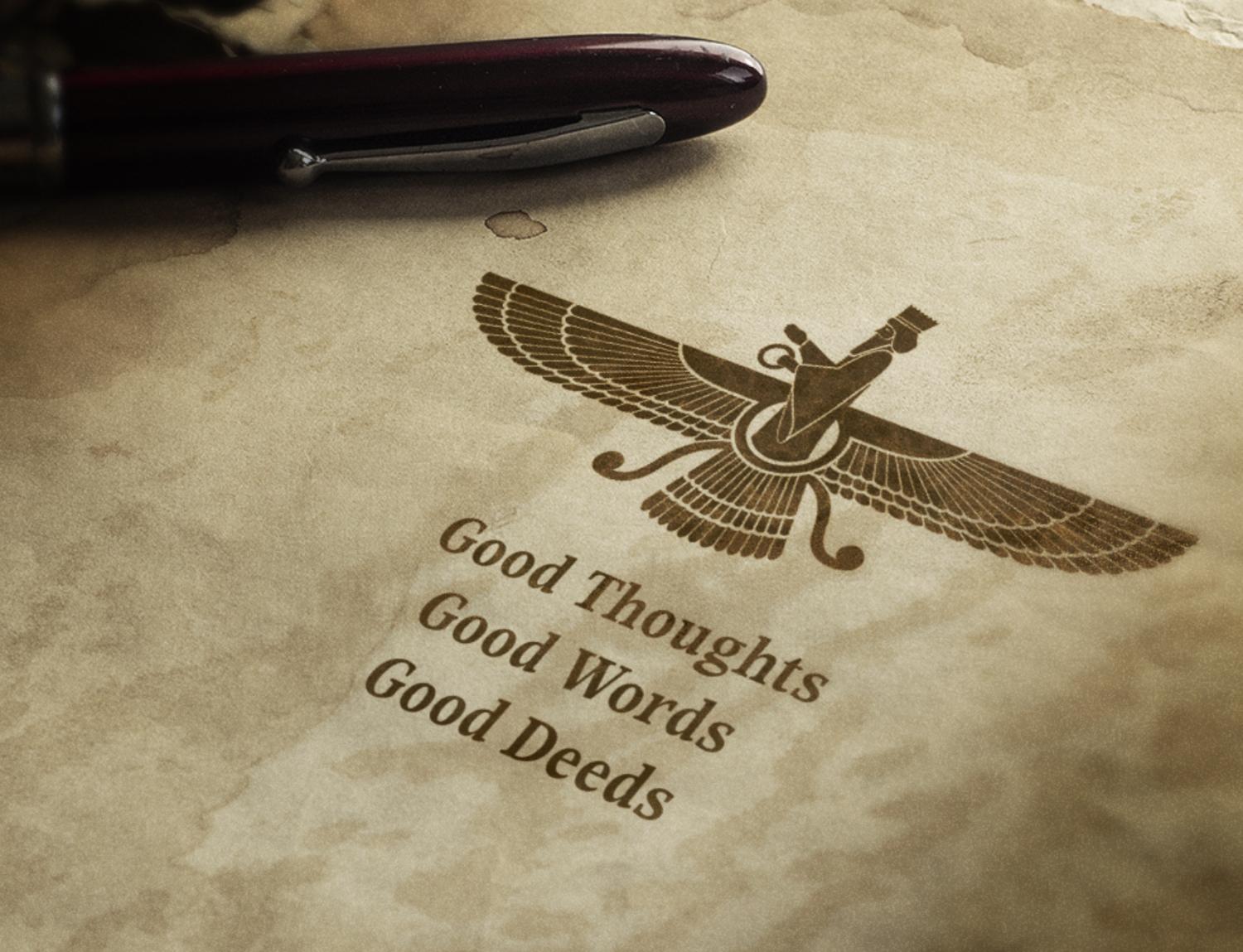
The myth of light and the ethics of word and action
Zoroastrian doctrine presents the world as a moral arena shaped by the tension between Spenta Mainyu, symbol of reason and light, and Angra Mainyu, symbol of chaos and ignorance. This tension unfolds within the human mind through free will and conscious choice, as emphasized in the Gathas.
Responsibility rests with the individual. Good and evil do not exist apart from human decision; they arise from daily choices. This framework resonated with pre-Islamic Arab values such as courage, loyalty, and generosity. It later appeared in the Quran’s elevation of the good word as the root of righteous action, emphasizing the connection between speech, thought, and moral conduct.
The Zoroastrian ethical principle unifies thought, speech, and action. This unity forms the basis of practical ethics within society and promotes social cohesion grounded in moral responsibility.
Additionally, Zoroastrian festivals and rituals emphasized practical charity and communal participation. Fire, as a symbol of illumination and purification, was central, not only in religious spaces, but in the consciousness of daily life. These practices provided early models of ethical engagement that influenced subsequent Arab philosophical and literary expression.
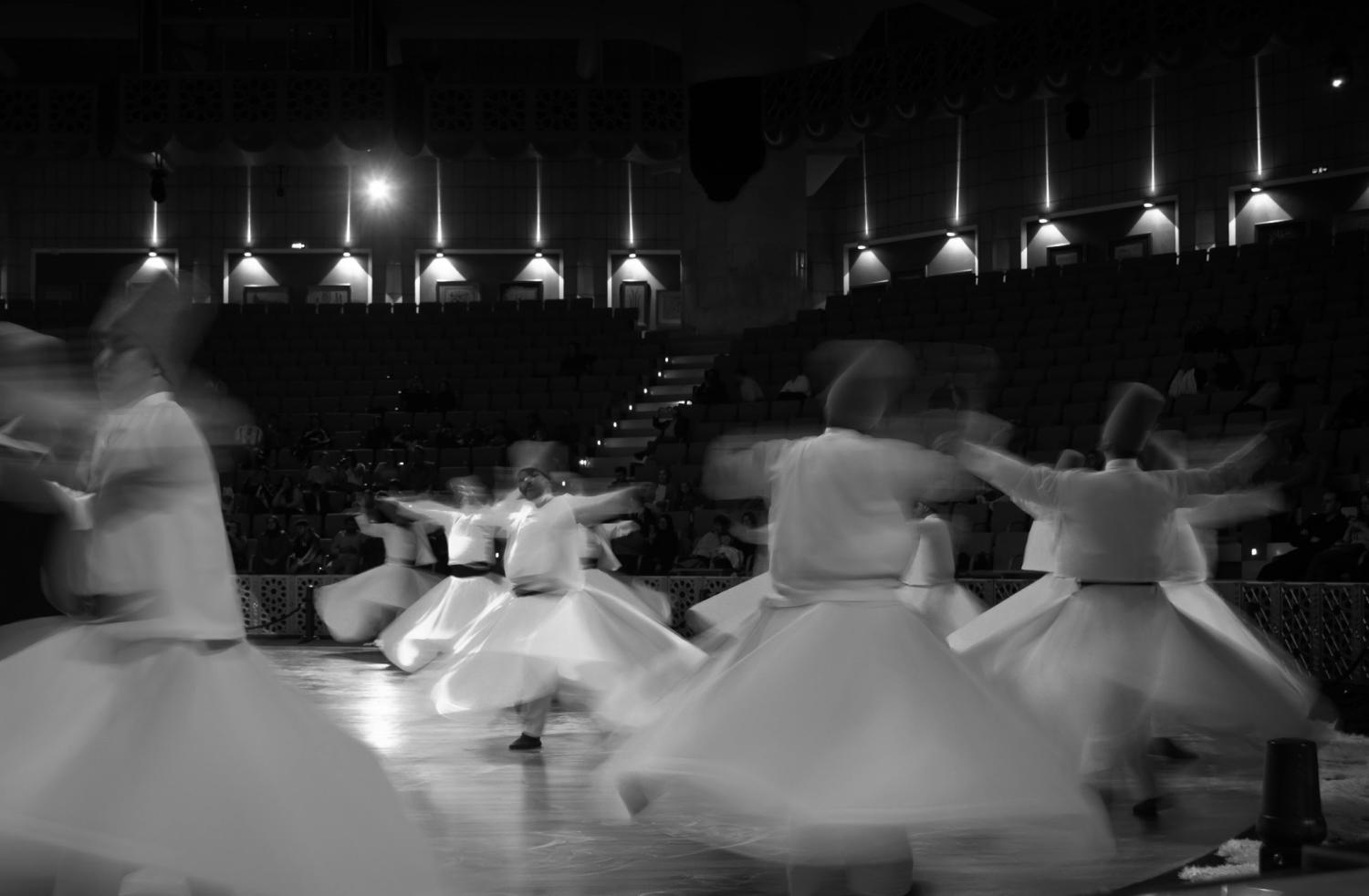
Justice and reason in Arab philosophy
With the rise of the Abbasid state, Zoroastrian ethical concepts entered Islamic intellectual life through philosophy. The principle of Asha reappeared in the form of divine justice within Mu’tazilite theology, reinforcing human accountability and moral agency.
The Brethren of Purity viewed the universe as a coherent moral system governed by rational and spiritual laws. This vision aligns with the ethical cosmology expressed in the Gathas, where order, reason, and morality remain inseparable.
Arab philosophy did not mechanically replicate Greek thought. It developed through interaction between Eastern ethical traditions, Zoroastrian moral concepts, and rational philosophical methods. Philosophers synthesized cosmology, ethics, and theories of human responsibility into comprehensive systems that guided governance, law, and education.
Furthermore, these ideas influenced Arab literature and poetry, where the virtues of courage, wisdom, and loyalty were consistently praised. Zoroastrian ethical principles became part of the cultural vocabulary, shaping Arab moral imagination for centuries.

Sufism and light
Persian philosopher Suhrawardi defined light as pure consciousness rather than a physical substance. In his work Hikmat al-Ishraq, light functions as the foundation of knowledge and existence, reflecting ancient Eastern symbolism of illumination.
This conception parallels Zoroastrian symbolism, where light signifies truth and darkness signifies ignorance. Islamic mysticism adopted and reformulated this symbolism into a spiritual language centered on inner awareness and personal ethical responsibility.
Through this process, Arab and Iranian intellectual traditions converged within a shared ethical space oriented toward truth rather than doctrinal division. The enduring metaphor of light became a bridge connecting philosophical inquiry, spirituality, and moral action.
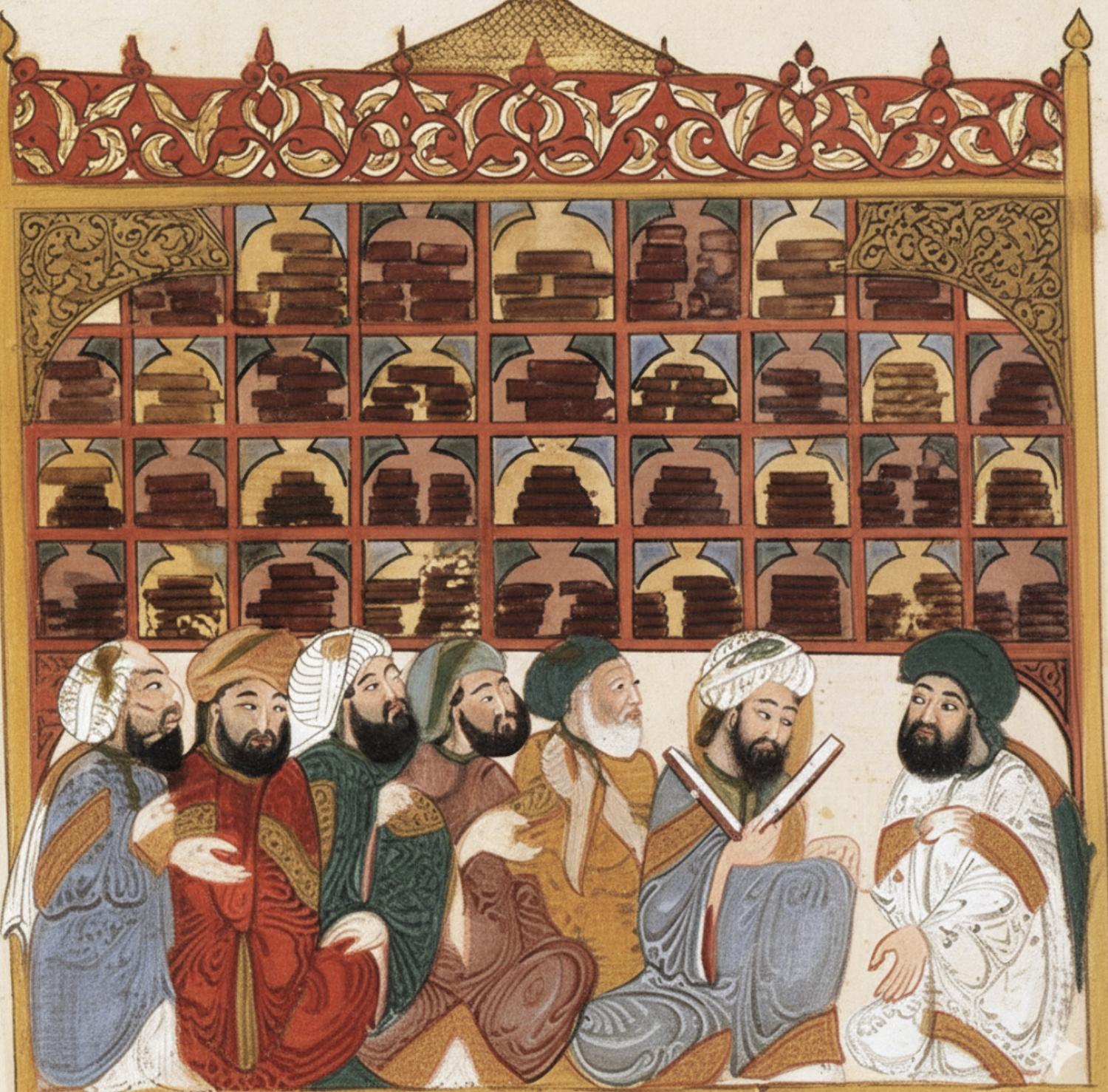
From cultural revival to modern consciousness
Zoroastrian ethical influence continued into the modern Arab Nahda (“Awakening”). Figures such as Abd al-Rahman al-Kawakibi associated freedom metaphorically with light, emphasizing the ethical imperative to act responsibly and choose wisely. Jamal al-Din al-Afghani called for the revival of reason as a sacred value, linking intellectual freedom with social reform. Both thinkers affirmed that human beings possess agency and the capacity to shape destiny.
This position reflects the Zoroastrian premise that choice forms the foundation of human dignity. Individuals do not enter existence as passive subjects; responsibility and moral awareness emerge through reflection and conscious decision-making.
In contemporary Arab societies, these principles remain relevant, promoting civic responsibility, ethical leadership, and cultural dialogue. Zoroastrian moral thought thus continues to inform the values of freedom, reason, and justice.

The Zoroastrian seminary as a cultural bridge
Zoroastrianism has begun to regain a cultural presence in today’s Arab world after centuries of marginalization. The Zoroastrian seminary in Iraq and Syria represents a contemporary intellectual model that reinterprets heritage as a renewable cultural and ethical resource rather than a closed past.
This process supports interreligious and intellectual dialogue grounded in shared values. Light thus becomes a universal language. Truthfulness, action, and justice function as foundations for human renewal rather than religious slogans.
Zoroastrianism does not belong to memory alone. It remains a living ethical message transmitted across consciences and civilizations.
Engineer and researcher of Zoroastrian philosophical and religion Representative, Zoroastrian Religious Seminary (Iraq and Syria)