Over the past decades, the Kurdish diaspora in Europe has developed into a vibrant cultural, artistic, and intellectual community. A Kurdish presence in Europe began to grow in the 1950s and expanded significantly after the 1980s. With them, diasporic Kurds carried collective memories, dreams, and aspirations. In European cities, these memories found new life, transforming into creative energy expressed through theater, visual arts, cinema, and literature.

Theater as a space for identity
For Kurdish playwrights, actors, and artists, theater has become a platform to express oneself, showcase cultural identity, reclaim lost memories, and uncover suppressed histories. Across Europe, especially in Germany, Sweden, the Netherlands, and Austria, Kurdish theater groups have emerged, blending memory with exile, nostalgia with revolt, and creativity with advocacy.
Notable among them is the Arta Theater in Berlin, founded by Kurdish artists from Syria and Iraq, which focuses on identity, freedom, and women’s issues. In Stockholm, the Nowruz Theater, one of the earliest Kurdish groups in the diaspora, staged performances inspired by Kurdish oral heritage, such as the epic Mem and Zin, adapted to contemporary forms that reflect alienation and exile.
In Vienna, artists Negar Hasib Qaradaghi and Shamal Amin established the Lalish Theater Laboratory, which has performed internationally, including at France’s Theatre du Pont, Switzerland’s Gotthard, Berlin venues, and Japan’s Yokohama Theater. The lab emphasizes intercultural communication and explores the voice as a source of energy and bodily expression, integrating singing into dramatic performance.
European Kurdish theater is not merely an extension of its homeland traditions; it serves as an aesthetic laboratory for experimenting with new philosophies of performance and directing, often influenced by avant-garde European practices. Director Fadel al-Jaf, for instance, has staged productions in Sweden, the UK, and Russia using techniques from Vsevolod Meyerhold’s theory of biomechanics. In Germany, Salah Hassan explores the unity between body and space, drawing inspiration from Antonin Artaud and Jerzy Grotowski.
Meanwhile, Kurdish theater groups in Stockholm, Gothenburg, and Malmo, such as Shanoya and Rosa, tackle themes of rape, domestic violence, child marriage, exile, and dual identity, extending feminist struggles familiar to Kurdish women in their homelands. In Sweden, these works thrive thanks to democratic freedoms and institutional support for immigrant arts.
Visual arts: Memory and symbol
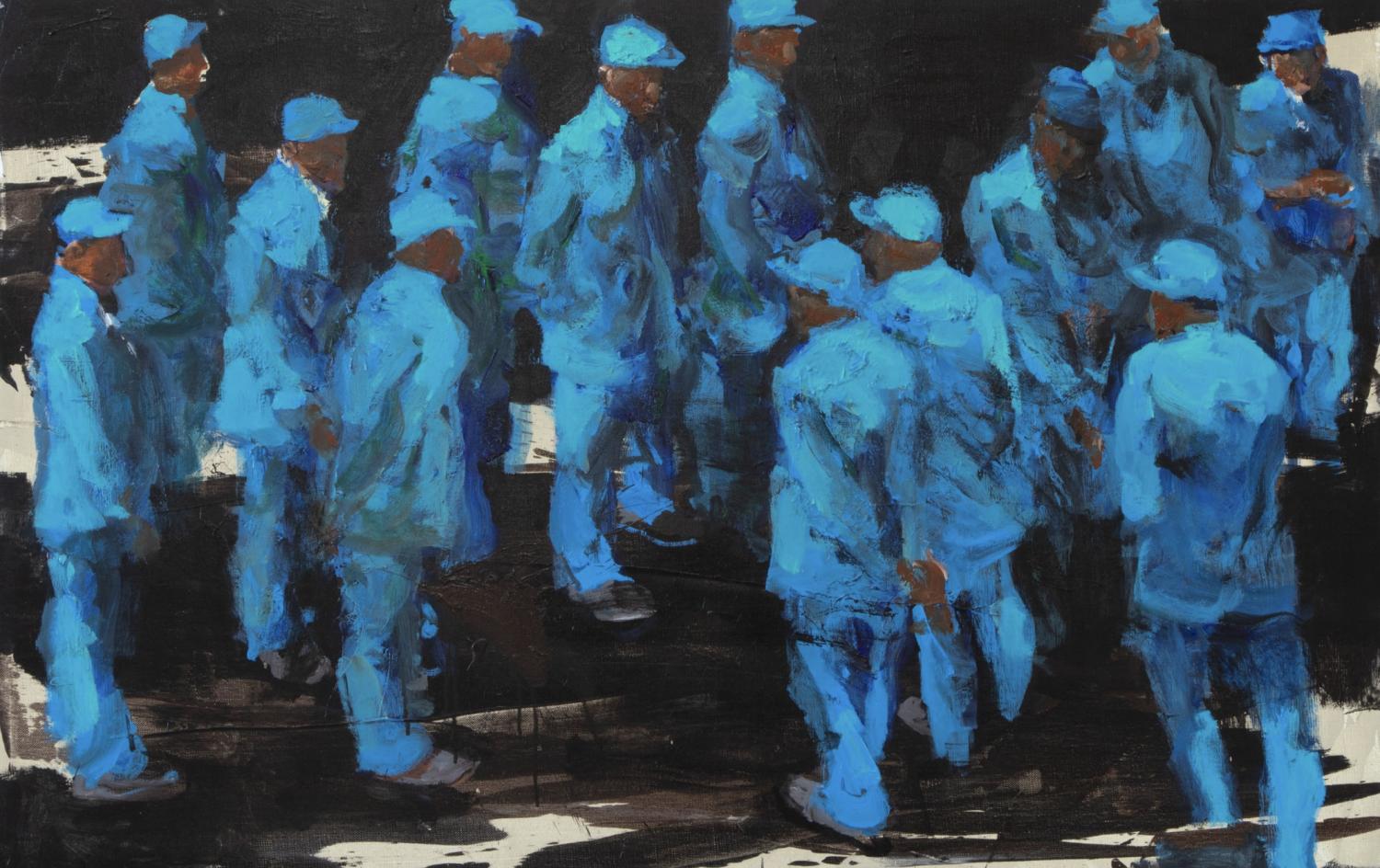
Kurdish visual artists in Europe have gained notable visibility in major galleries and international exhibitions. Drawing on Kurdish landscapes, earthy colors, and folk patterns, they have transformed cultural and national symbols into globally resonant visual languages.
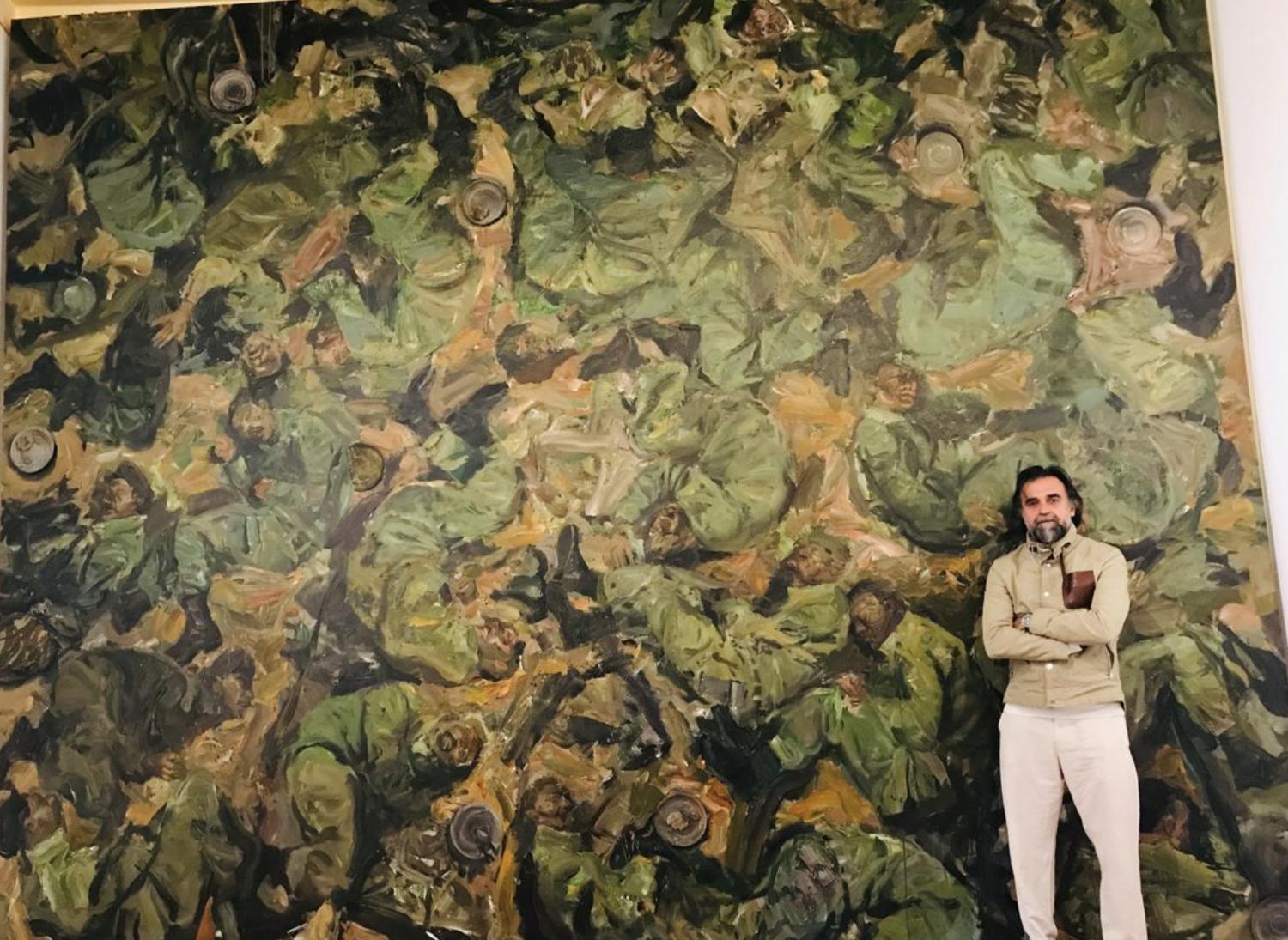
In France, for example, Shwan Ibrahim fuses traditional Kurdish symbols with modern techniques, creating dialogues between East and West. In London, Haifa Zankneh reinterprets Kurdish women’s memory through color and texture, turning the canvas into a space of resistance against erasure. Similarly, Sirwan Baran’s exhibitions confront the impacts of war on the body and memory, portraying the human tragedies of destruction and displacement faced by the Kurds throughout their history.
Cinema as lens on exile
Kurdish cinema, largely born in European exile, has become a powerful contemporary medium for expressing identity. Many Kurdish filmmakers graduated from film schools in France, Germany, and Belgium, producing internationally recognized works.
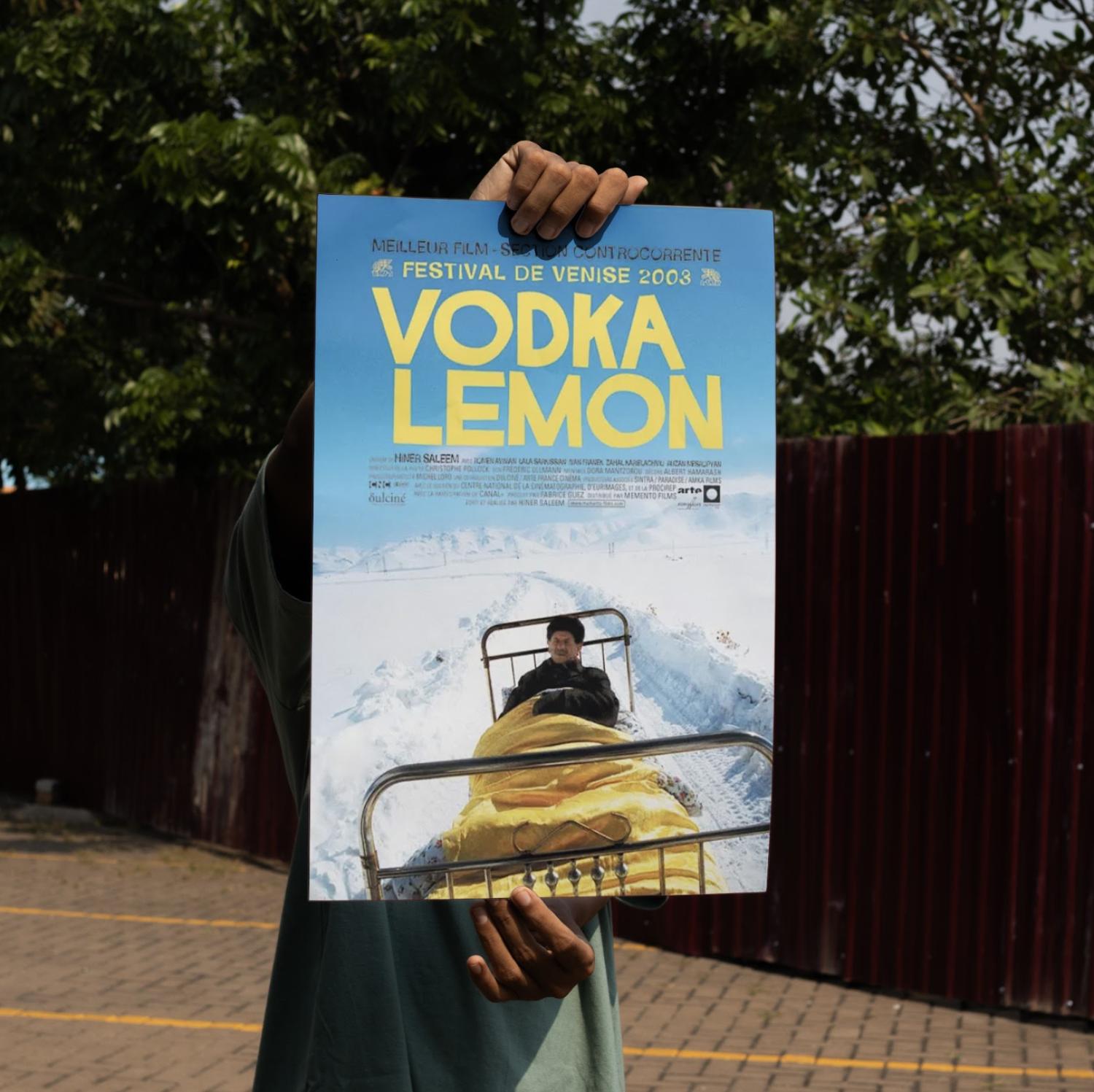
Among them, Huner Selim’s Vodka Lemon won awards at Venice and San Sebastian, portraying exile through a poetic visual language that blends local sensibilities with aesthetics familiar to the Western ear and eye. Moreover, Haval Omar has directed documentaries on the Syrian Civil War from a Kurdish perspective, while Shahina Bedek in Norway focuses on gender identity and the experiences of Kurdish women in the diaspora.
European Kurdish cinema benefits from access to modern technology and freedom of expression, tackling themes of war, displacement, authoritarianism, and the search for a new homeland. In this context, the Kurdish camera in Europe becomes both a mirror of exile and a visual archive of what history has attempted to erase.
Diasporic Kurdish literature and narratives
Kurdish voices in European literature are diverse and increasingly prominent. Many exiled writers have adopted languages such as German, Swedish, French, or English while maintaining distinctly Kurdish perspectives. Others continue writing in Kurdish or Arabic, with their works widely translated into European languages.
Salim Barakat, from Western Kurdistan (northern Syria), writes in Arabic. His works, including Jurists of Darkness and Rish, have been translated into French and English. Jurists of Darkness depicts Kurdish life in northern Syria through magical realism, blending humor, tragedy, and history. Rish offers an epic narrative of the Kurdish people’s tragic destiny, interweaving myth and daily life through the journey of Mem Azad, sent by his father to Cyprus to meet the enigmatic “Great Man.” The motif of feathers – appearing throughout houses, people, birds, and memory itself – symbolizes fragility, lightness, and a disconnection from roots.
Bachtyar Ali, from the Kurdistan Region of Iraq, immigrated to Germany in 1990 and writes in Kurdish about his homeland’s traditions, landscapes, animals, wars, and struggles. His novels – including Bender Fayli, The Last Man in the Castle, Death of the Only Second, The Last Pomegranate of the World, and The White City of Musicians – explore Kurdish history, genocide, revolution, war, and exile. Bender Fayli recounts the genocide of the Fayli Kurds, following the journey of a child raised in prison. In The Last Pomegranate of the World, a father searches for his three lost sons who share the same name, each caught in separate worlds. Critics such as Stefan Weidner have described Ali’s novels as “a bomb in every sense,” underscoring the distinctiveness of Kurdish literature in the global context.
Among Kurdish women writers, Maha Hassan – from Western Kurdistan (northeastern Syria) and exiled in France since 2004 – has published over a dozen novels, including Women of Aleppo, depicting the lives of women facing honor crimes, oppression, genocide, domestic violence, and sexual repression. Similarly, Sara Omar – from Sulaymaniyah in the Kurdistan Region of Iraq and now living in Denmark – writes in Danish. Her novels The Dead Washer and Shadow Dancer have been translated into French, Swedish, Norwegian, Serbian, and Macedonian. Omar’s work confronts patriarchal violence and the ongoing oppression of Kurdish women in conservative societies. Shadow Dancer, based on the life of the fictional Fermesk, portrays a girl trapped in a male-dominated society, facing dual curses at birth yet saved by the wisdom and courage of her grandparents. The novel won Denmark’s top literary award, the Golden Laurel, and became a bestseller with over 100,000 copies sold.
Kurdish cultural creativity in Europe spans theater, visual arts, cinema, and literature, transforming exile into a space for artistic freedom and social reflection. Across these fields, artists and writers preserve their roots while engaging with global audiences, ensuring that Kurdish memory, identity, and resilience continue to thrive far from home. European exile has not silenced the Kurdish voice – it has amplified it.
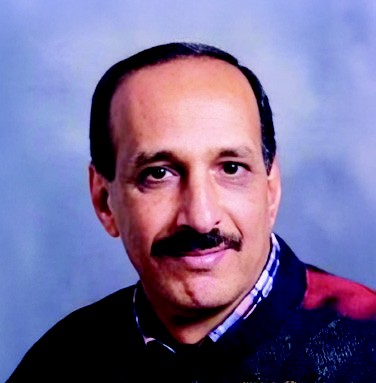
is a novelist, critic, and theater researcher originally from Kirkuk. He has penned 12 books on theater criticism and published eight novels.