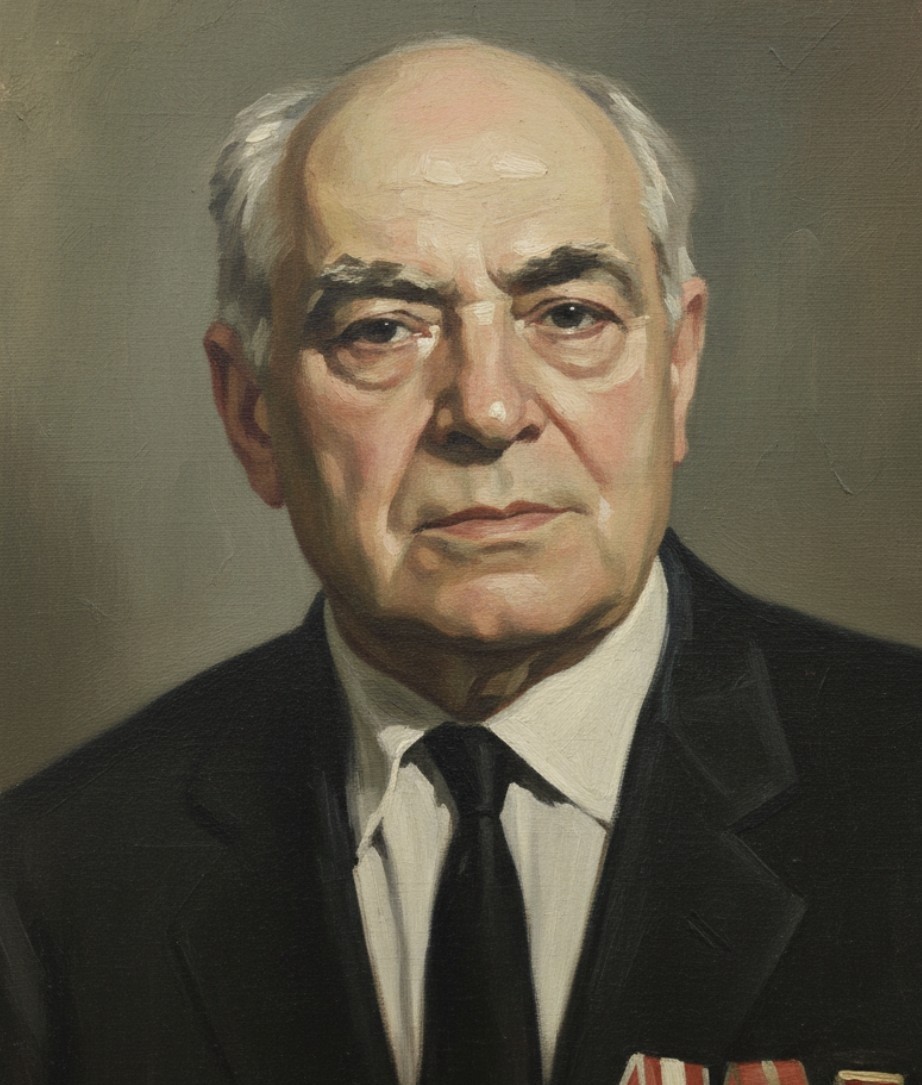
Poetry has long dominated Kurdish literature. Though shaped by Arabic prosody and strongly influenced by Arabic, Persian, and even Turkish literary traditions, the themes and concerns in classical Kurdish poetry were deeply rooted in Kurdish society of the day.
In the early 20th century, however, Kurdish prose began to emerge as a distinct literary form, allowing Kurdish writers to move beyond the constraints of poetic meter and rhyme. This shift culminated in the publication of The Kurdish Shepherd by Arab Shamo (also known as Arab Shamilov), widely regarded as the first Kurdish novel.

The novel
The Kurdish Shepherd was penned in 1929 but published in 1935, marking a turning point in Kurdish literature. An autobiographical work of fiction by a Kurdish Yezidi writer, it was later translated into several languages, including Russian, French, English, Armenian, Turkish, Azerbaijani, and Sorani Kurdish.
The novel recounts Shamo’s early life as a shepherd boy, following his father throughout the mountains as they tended villagers’ livestock. Through this narrative, Shamo portrays the hardships faced by ordinary Kurds, including exploitation by tribal chieftains, landowners, and sheikhs who used religion to oppress the people.
The work also traces Shamo’s political awakening following his encounter with the Bolsheviks. It provides a vivid portrayal of Kurdish society during a period of profound transformation, particularly in regions formerly under Russian rule, as the collapse of the tsarist regime and the rise of the Bolsheviks reshaped political and social structures.
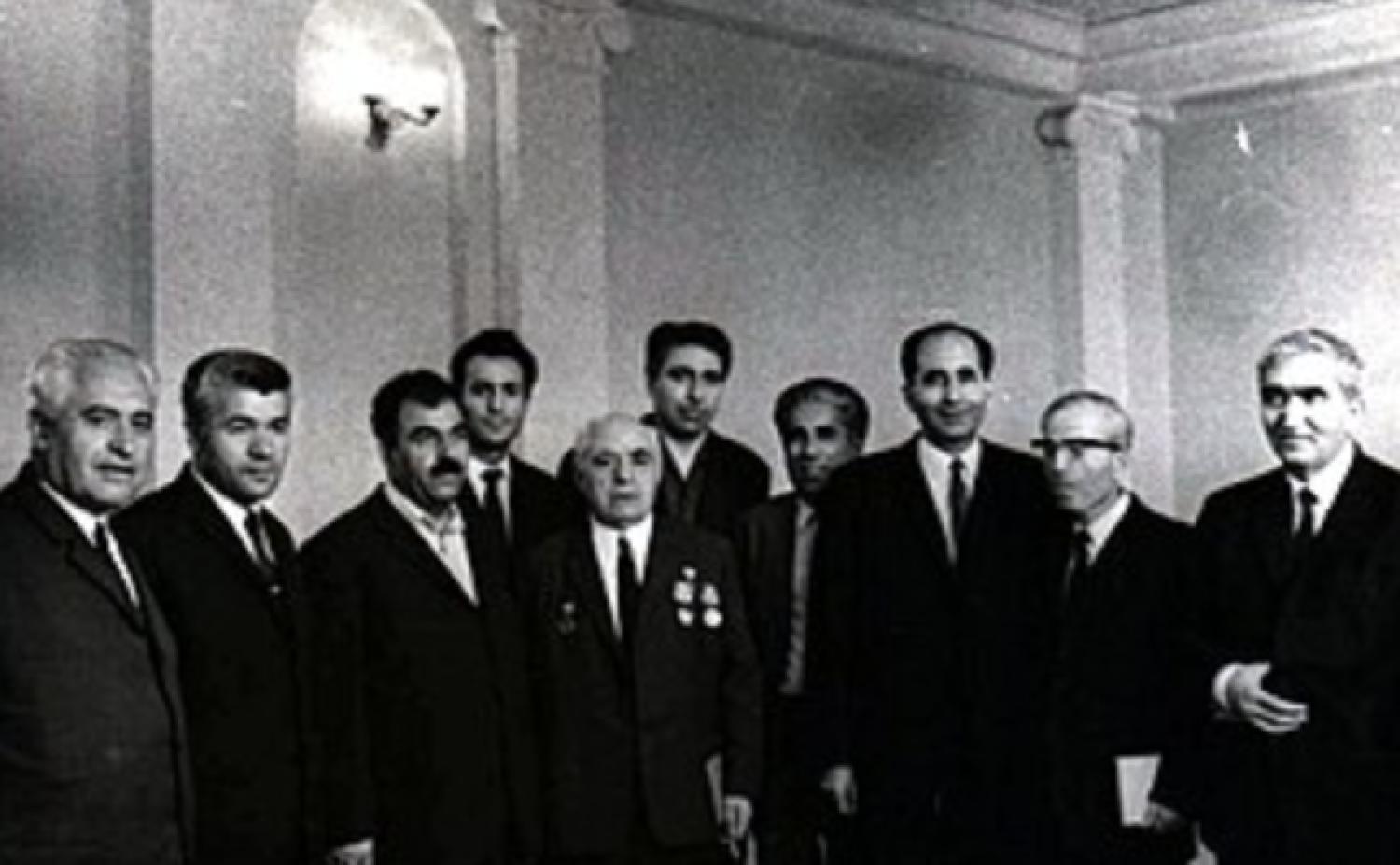
In the early Soviet period, the Kurds were still a semi-nomadic people, practicing agriculture in primitive conditions. Illiteracy was widespread, and traditional tribal and feudal systems continued to dominate social life. By documenting this environment, the novel reflects the transition of Kurdish society from a largely feudal structure toward participation in the new Soviet social and political order following the Bolshevik Revolution of 1917.
Shamo’s life changes dramatically with the advent of socialism. He becomes politically active, travels extensively, and participates in movements and conflicts that influence the future of his community. Along the way, he loses many comrades but remains committed to the belief that revolutionary change can improve the conditions of the oppressed.
Since its publication, The Kurdish Shepherd has also been the subject of scholarly debates. Some sources claim that the novel was first written in Cyrillic and later converted into Latin script, while others suggest it was first composed in Russian and later translated into Kurdish. However, original manuscripts discovered later have proven that the text was first written in Kurdish using Latin letters.
The novel also received recognition from prominent literary figures. When Soviet writer Maxim Gorky visited the Armenian Soviet Socialist Republic, he met Shamo and received a handwritten copy of the novel. Gorky read the manuscript, held it up, and praised it, saying: “The Kurds speak in the language of their writer Arab Shamilov now.”
Speaking to Kurdistan Chronicle, Kurdish poet and novelist Jan Dost described The Kurdish Shepherd as “one of the foundational works of Kurdish literature that has become a landmark for those studying the history of the Kurdish novel.”
“It is a novel about Kurdish social transformation in the context of the establishment of the Soviet Union,” he added. “It belongs to the tradition of socialist realism, to which the Kurds of Armenia and the Soviet Union were committed.”
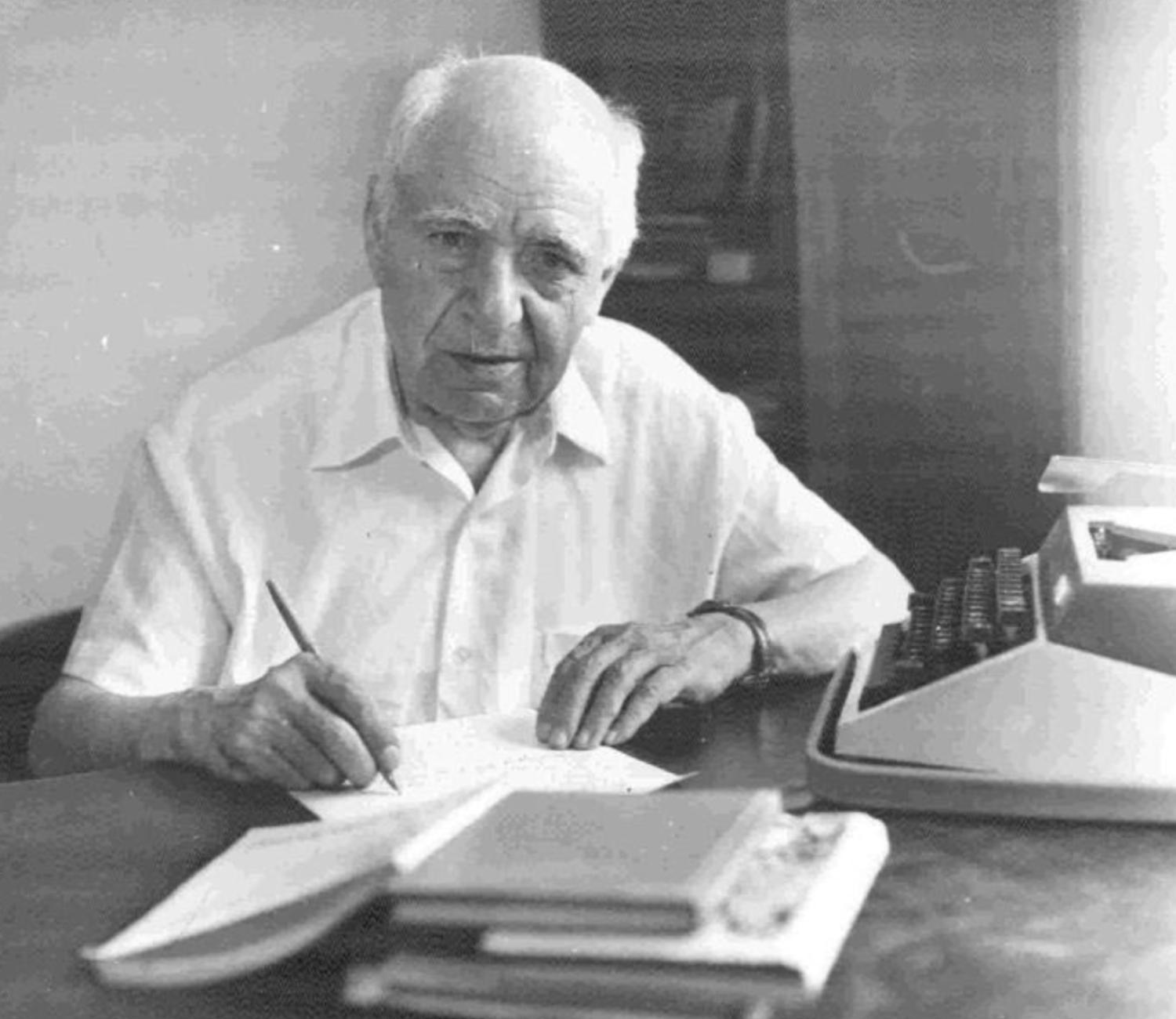
The writer
Arab Shamo was born in 1897 in the village of Susuz in Kars Province in present-day Turkey. He participated in the Russian Civil War from 1917-1923. From 1920-1921, he served as the head of the Secret Operations Department of the All-Russian Extraordinary Commission (VChK), commonly known as the Cheka, in the city of Quba, Azerbaijan.
During the 1920s, he worked as a journalist and contributed to several newspapers, including Zarya Vostoka, Ria Taza, a Kurdish publication printed in Yerevan, Armenia, and Sovetsky Kurdistan, a regional Kurdish-language newspaper published in Soviet Armenia.
In the late 1920s, in collaboration with Isaak Marogulov, Shamo also helped develop a Latin-based Kurdish alphabet, which later became known as the Marogulov-Shamo alphabet.
At the height of his intellectual and literary career, Shamo became a victim of Stalin’s Great Purge. Arrested and exiled to Siberia, he endured 19 years of forced labor and harsh conditions. He was permitted to return to Armenia in 1956 following the Khrushchev Thaw.

Following his return, Shamo resumed his literary work. His novel Fajr (The Dawn) is believed to have been written or conceived during his years of detention in Siberia. He also published other major works, including Jiyana Bextewer (Happy Life) in 1959 and the historical novel Dimdim in 1966.
Arab Shamo died in 1978 at the age of 80. He was buried in the Komitas Pantheon in Yerevan. A marble plaque in Russian commemorating his life was later placed on the wall of his residence on Abovyan Street, bearing the inscription: “In this house lived the Kurdish writer and public figure Arab Shamoevich Shamilov from 1963 to 1978.”
Kurdish journalist and translator besed in Erbil, Kurdistan Region.