Many strong leaders around the world have been subjected to assassination attempts or have survived them. A recent example is the series of attempts on the life of U.S. President Donald Trump, with four publicly confirmed cases since he began his presidential campaign in 2015. Throughout U.S. history, four sitting Presidents have been assassinated.
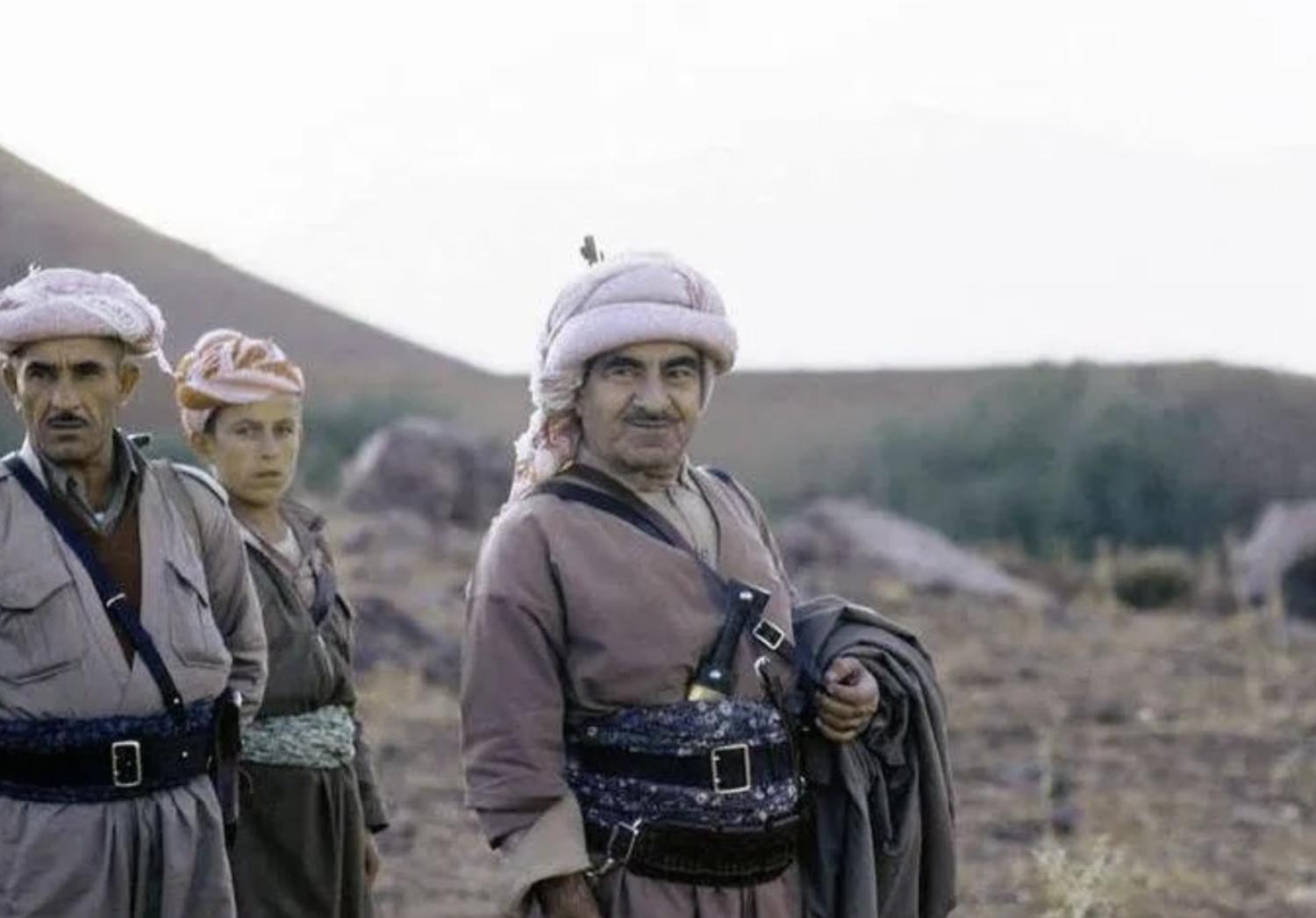
Kurdistan’s legendary leader, General Mustafa Barzani, likewise survived numerous assassination attempts. Paradoxically, many of the principal plotters against him were later killed, often by their own colleagues or comrades-in-arms.
Several of the most consequential attempts on Barzani’s life were widely reported by international media or documented through official sources. These records provide insight into the character and conduct of successive Iraqi leaders from the founding of the state to the end of the Ba’ath regime, as well as into Barzani’s challenges in dealing with them. While many assassins around the world have been non-state actors, every known attempt on Barzani’s life was publicly directed by the Iraqi state.
Targeted early
General Barzani’s intelligence, skill, determination, vision, and natural leadership distinguished him from a young age, drawing the attention of both allies and adversaries. On September 29, 1931, upon King Faisal’s return to Baghdad, the Iraqi government organized a major reception that included delegations from across the country. In a report dated October 9, 1931, the Legation of the United States in Baghdad described the moment: “As the various delegations and prominent chieftains from different sections of the country passed through the tent in which King Faisal was stationed in order to pay homage to their sovereign, the attention of the crowd was focused on Mulla Mustapha Agha [Barzani].”
During the Second Barzan War in 1932, Barzani faced Ottoman-, German-, and British-educated officers and generals, defeating them all. General Rowan Robinson, Inspector General of the Iraqi Army, was wounded in the fighting. On April 6, 1932, Royal Air Force Commander Edgar Rainey Ludlow-Hewitt openly described the dire condition of the defeated Iraqi Army. It was during these campaigns that Barzani’s military talent became unmistakable. Donald Bruce Disney Jr., Lieutenant Commander in the U.S. Navy, wrote in his 1980 master’s thesis: “Another interesting factor in this revolt was the first appearance of Sheikh Ahmed’s brother, Mullah Mustafa Barzani, as a very successful leader of men.”
Barzani’s success and influence generated many enemies. The first known Iraqi government assassination attempt occurred in mid-1936 in the Mosul Governor’s Office, where Barzani’s coffee was poisoned. After weeks of treatment, he survived. The period was marked by turbulence among Iraq’s founding military leaders. General Jaʿfar al-Askari was killed by the henchmen of General Bakr Sidqi on October 30, 1936, during Iraq’s first military coup. Sidqi himself was assassinated on August 12, 1937. Both were Ottoman-trained officers whom Barzani had previously defeated in the 1931-1932 conflict.
Escalating attempts: 1943-1963
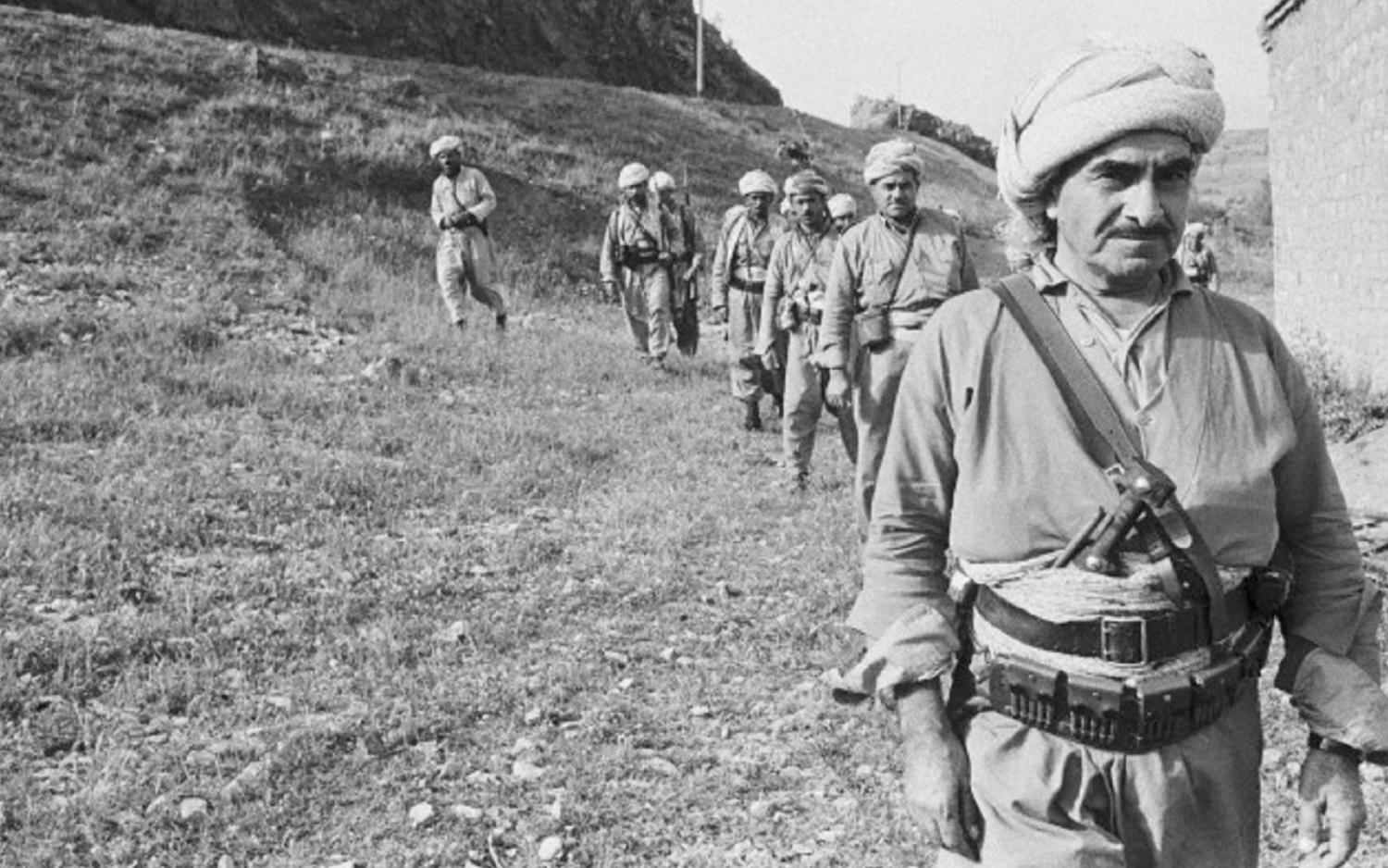
A second attempt came in 1943 under Prime Minister Nuri al-Said, another of Iraq’s founding statesmen. On November 18, 1943, U.S. Envoy Extraordinary and Minister Plenipotentiary Loy W. Henderson reported to the Secretary of State that the Iraqi government had offered a reward of 1,000 Iraqi dinars (approximately $85,000 today) for General Mustafa Barzani, “dead or alive.” According to the U.S. Legation report, the Kurdish movement responded forcefully on December 24, 1943, declaring that “Sheik Mustafa is one of our beloved personalities… [and] the Sheikh Mustafa incident rouses the Kurdish nation, which is now indignantly watching these provocative activities on the part of the Iraqi forces.”
King Faisal II, Crown Prince Abd al-Ilah, and Nuri al-Said – the leaders who endorsed the bounty – were all killed during the military coup on July 14, 1958. Their deaths were brutal; their bodies were mutilated.
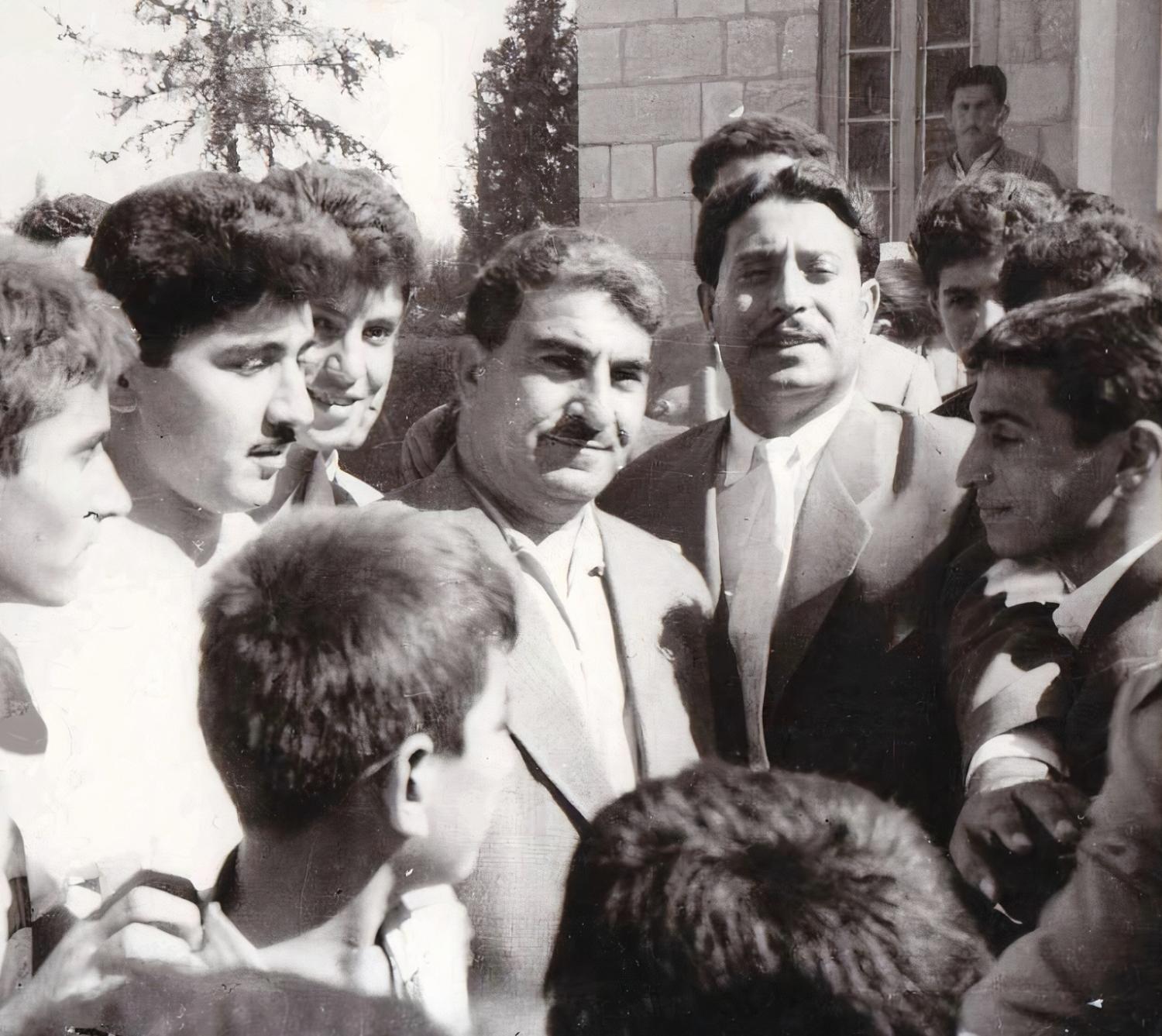
General Abdul-Karim Qasim, Iraq’s leader from 1958 to 1963, also attempted repeatedly to kill Barzani. One plot stands out. On March 17, 1962, Qasim dispatched two military officers ahead of a peace delegation to a designated meeting site in the liberated areas of Kurdistan. Barzani changed the location at the last moment and sent Peshmerga to escort the officer to the new site. Shortly thereafter, Qasim ordered four warplanes to bomb the original location, knowingly placing his own officers in harm’s way.
Whether Qasim believed his own repeated claims that Barzani had been killed, or intended the declarations merely as psychological warfare, is unclear. As Washington Post correspondent David Lancashire reported on February 8, 1963: “…despite the most recent claims that Barzani has been killed – Baghdad newspapers report his death every few months – observers believe Barzani will be leading the determined Kurdish forces.” He was proved correct.
Qasim himself was executed in February 1963 by his former comrades-in-arms, including Abdul Salam Arif, with whom he had overthrown the monarchy in 1958.
The Arif era and the Ba’ath ascendancy
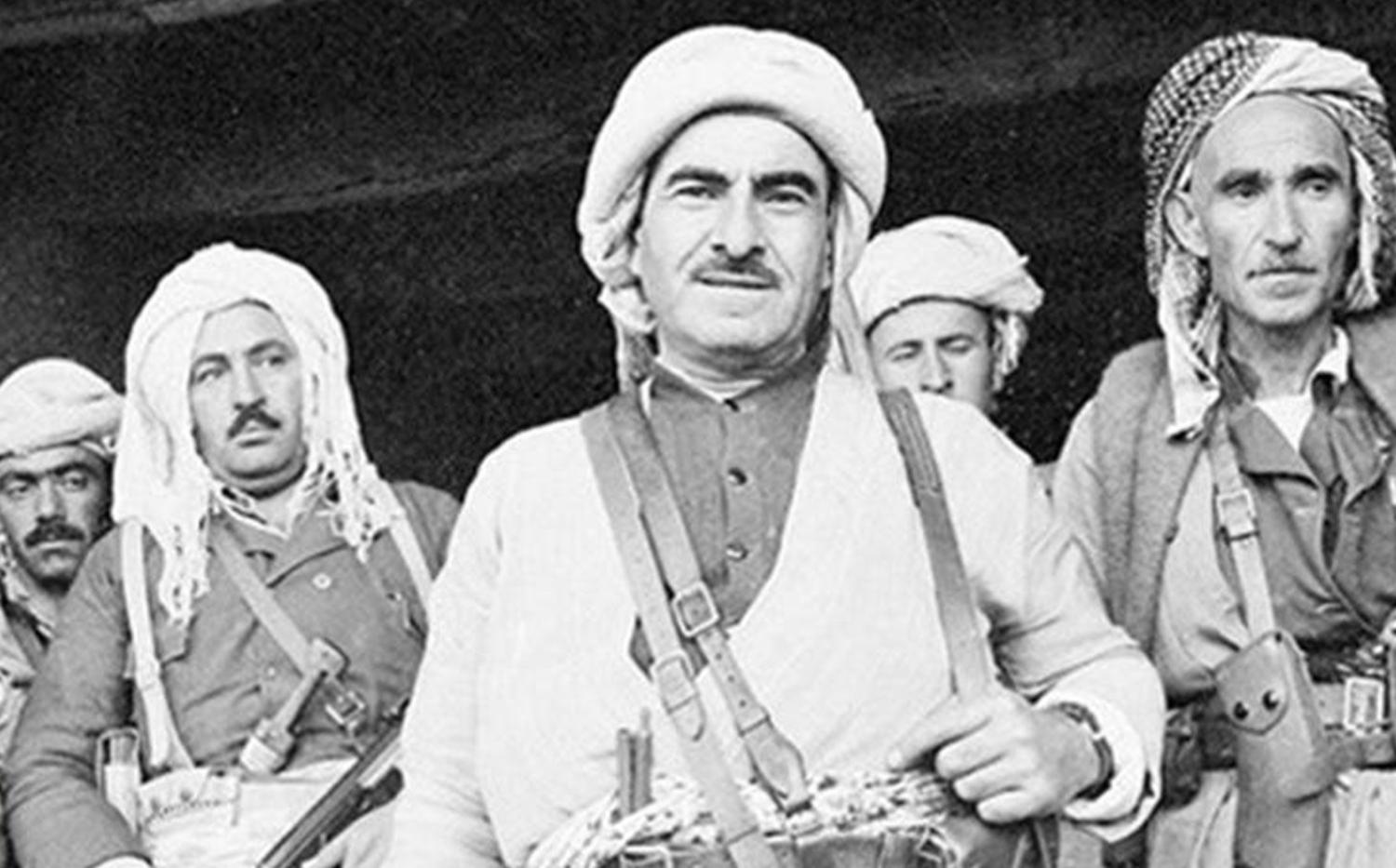
On June 12, 1963, Le Monde reported that Baghdad Radio had announced a reward of 100,000 dinars (approximately $3 million today) for the killing of General Barzani. However, President Abdul Salam Arif died in a helicopter crash on April 13, 1966, the cause of which was suspected to be sabotage. His brother, General Abdul Rahman Arif, succeeded him but was widely regarded as ineffective. On July 17, 1968, Saddam Hussein and the Ba’ath Party overthrew him. Arif went into exile; several of his colleagues were tortured to death.
Saddam Hussein emerged as the regime’s dominant figure and assumed direct oversight of Kurdish affairs. He quickly proved the most ruthless of all Iraqi leaders in his dealings with Kurdistan, including in efforts to assassinate Barzani, even after signing the March 11, 1970 peace accord.
One of the most elaborate and dangerous attempts occurred on September 29, 1971. The Iraqi government sent nine religious leaders to Barzani as ostensible peace envoys, ensuring they were not thoroughly searched. They arrived in two vehicles: one carrying more than 50 bombs and grenades, the other rigged with rockets disguised within taillights. One cleric carried a tape recorder intended to capture Barzani’s conversation, but it was in reality a remote-controlled explosive. When he pressed the “record” button, it detonated, killing four of the envoys instantly. Barzani survived. A firefight followed, and the second explosives-laden vehicle detonated later than intended, again sparing Barzani. International media reported extensively on the attack.
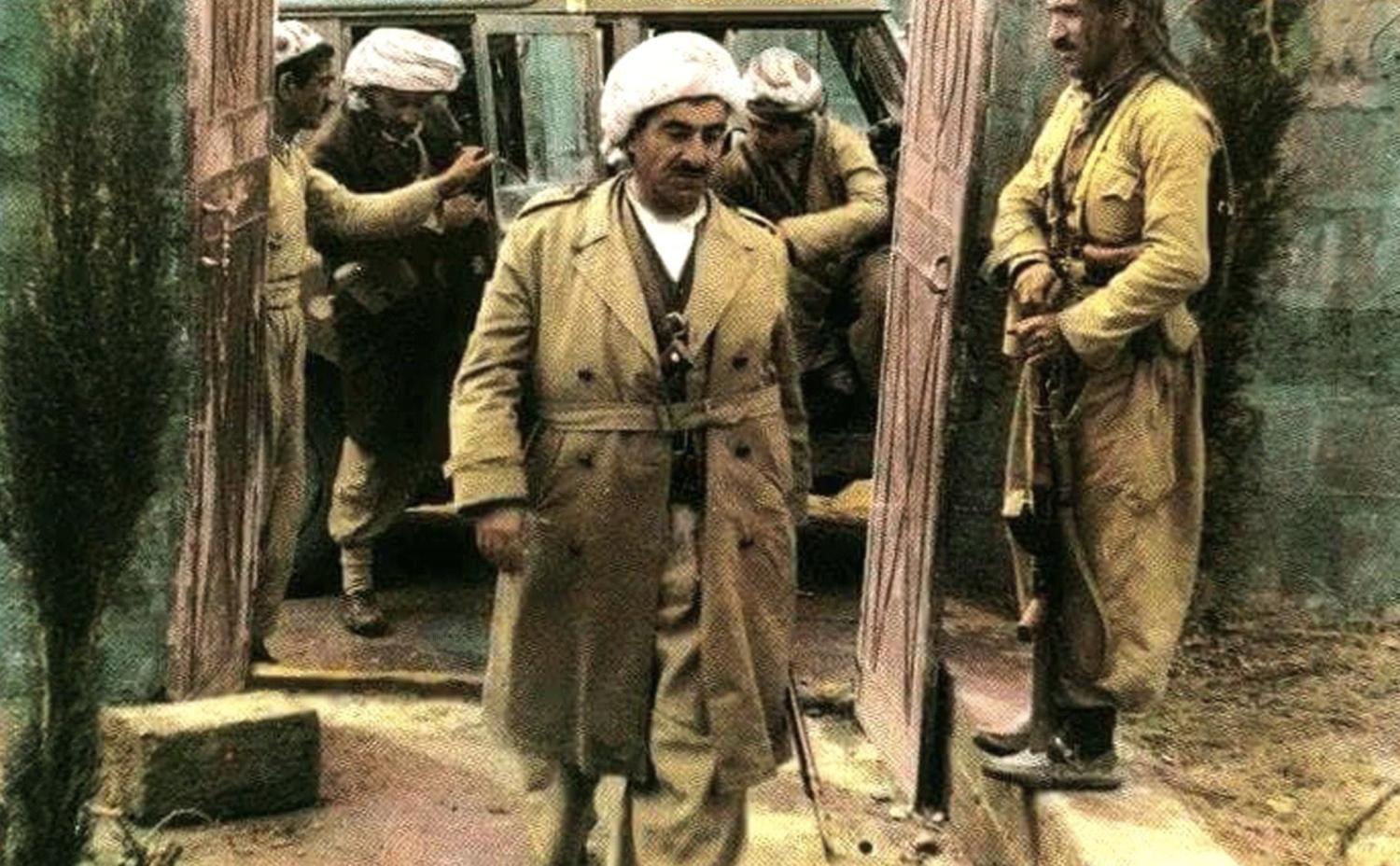
Despite this failure, assassination attempts continued. On June 17, 1975, The Washington Post reported that at least three attempts had been made on Barzani’s life in recent weeks.
Aftermath
Saddam Hussein was captured by U.S. forces on December 13, 2003, without resistance. U.S. President George W. Bush stated that Hussein would face “the justice he denied to millions.” He was convicted by an Iraqi court and executed on December 30, 2006. Unlike many of his predecessors, he at least received a trial.
From the founding of Iraq through the end of the Ba’ath era, the country’s leaders repeatedly killed their superiors, comrades-in-arms, and political colleagues. From Nuri al-Said in the 1940s to Saddam Hussein in the 2000s, Iraqi leaders routinely made public commitments to recognize Kurdish rights yet consistently violated both their statements and written agreements. Instead, they intensified their assassination attempts against Barzani, without success.
Barzani, for his part, never attempted to assassinate any political opponent, Kurdish or Iraqi. His most prominent Kurdish rivals, including Ibrahim Ahmed and Jalal Talabani, survived their political disputes with him, an enduring testament to Barzani’s principles and stature.
One might well ask whether any reputable institution would have entrusted leadership responsibilities to the Iraqi rulers who repeatedly engaged in treachery, brutality, and political murder.
MLIS., MADR is General Manager/Director of Barzani National Memorial.