I traveled to Kurdistan in early December, moving between Erbil, Zakho, Duhok, Sulaymaniyah, Halabja, and Hawraman. The experience was more than a journey across cities and mountains, but a passage through poetry, cinema, ritual, memory, and the living continuity of Kurdish culture.
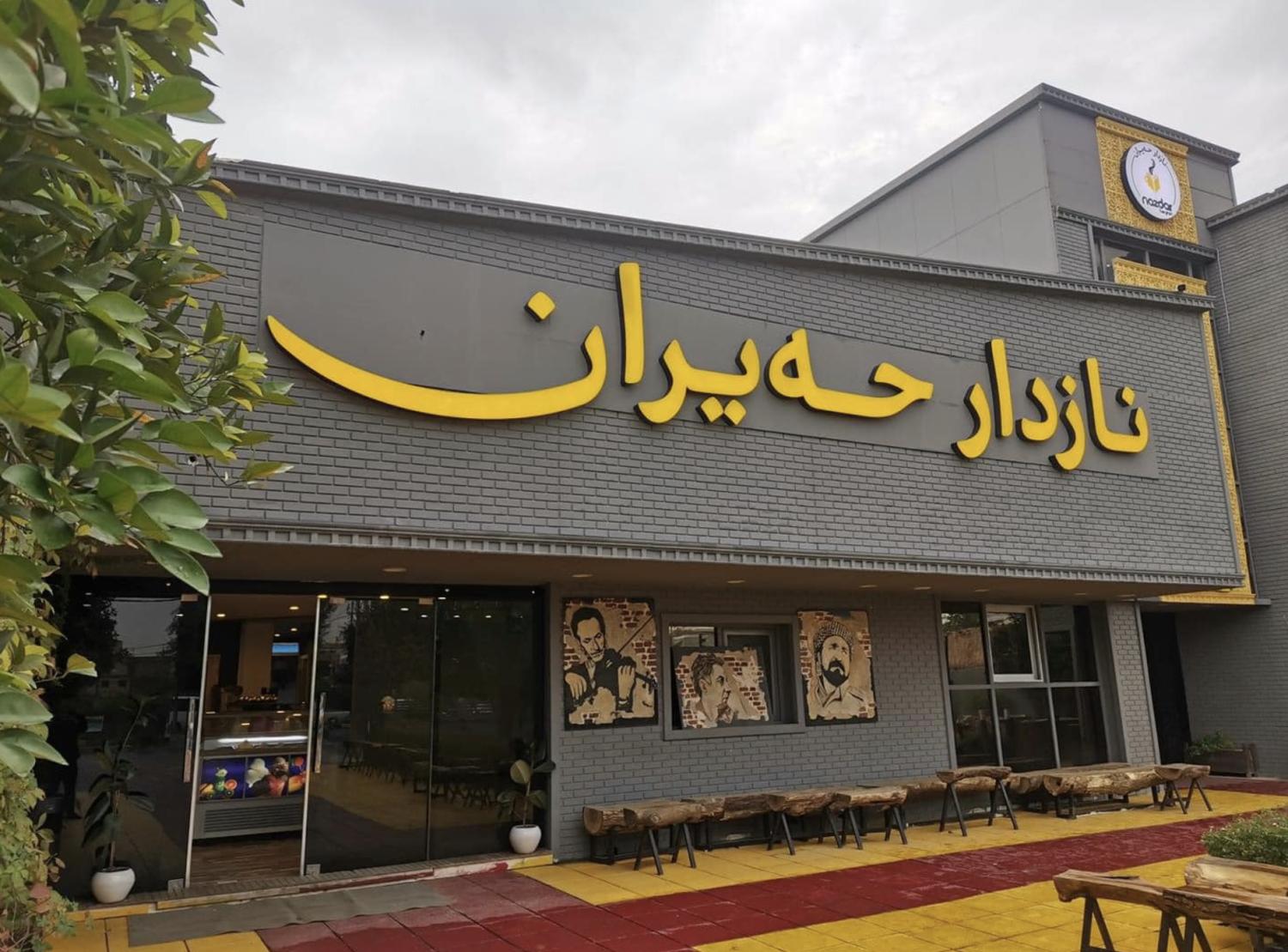
I began in Erbil with a poetry recital by the renowned Kurdish poet Qubad Jalizada at Nazdar Hayran Cafe. The cafe itself is a cultural hub, unfolding across multiple rooms that function as a library, art space, performance venue, and gathering place. The recital room overflowed with people sitting on the floor and standing shoulder to shoulder, a quiet but powerful reminder that poetry remains central to Kurdish cultural life. The walls of the cafe honor artists and intellectuals from across Kurdistan, creating an environment where memory, language, and art coexist naturally.
During my time in Erbil, I also met Rebwar Siwaili, and our conversation about his research on Zainab Khan and her contributions to feminism and Kurdish nationalism felt like a continuation of the same impulse I had witnessed at the poetry reading: the insistence on preserving and re-examining Kurdish intellectual history.
Duhok and Zakho: Cinema and vertical landscapes
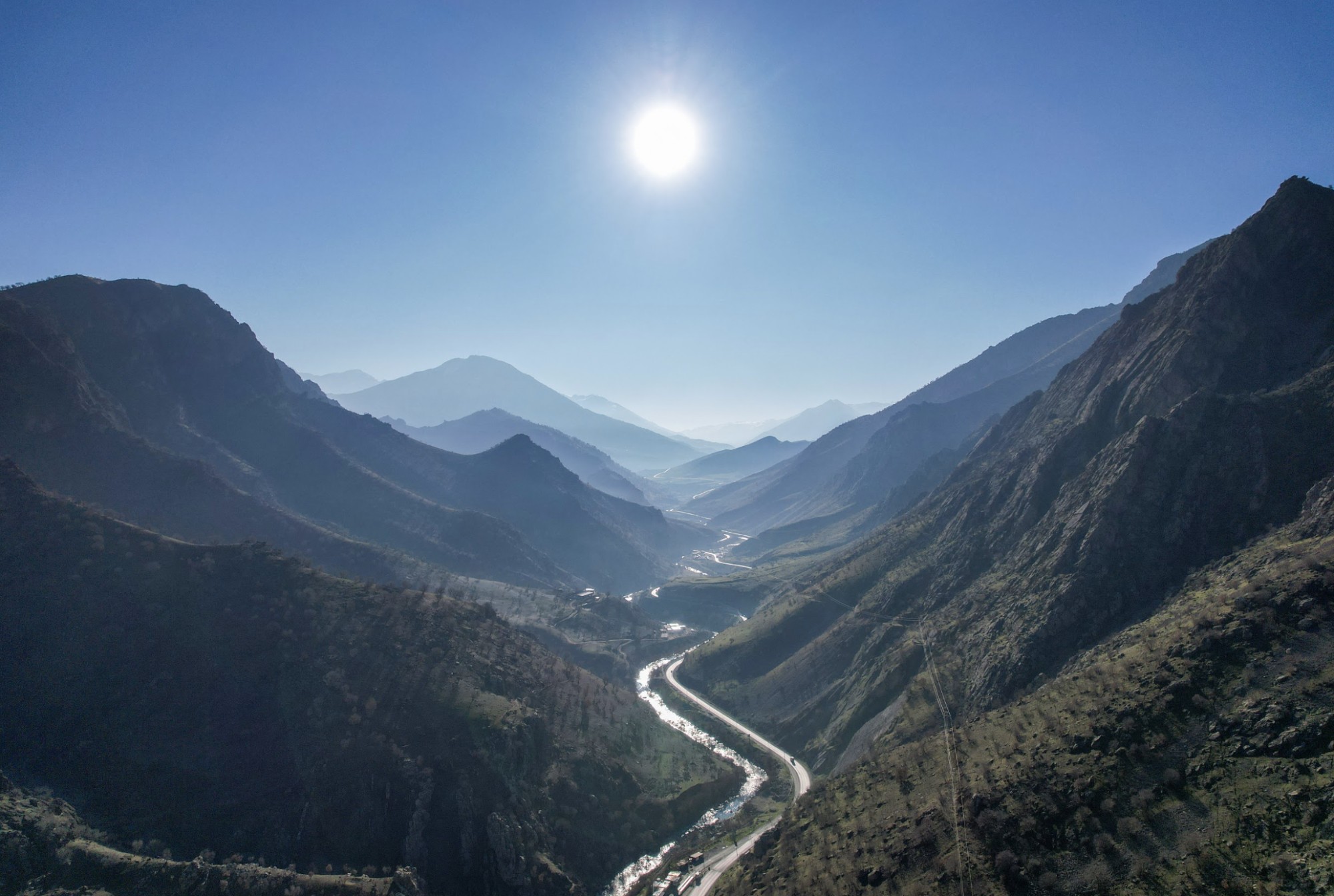
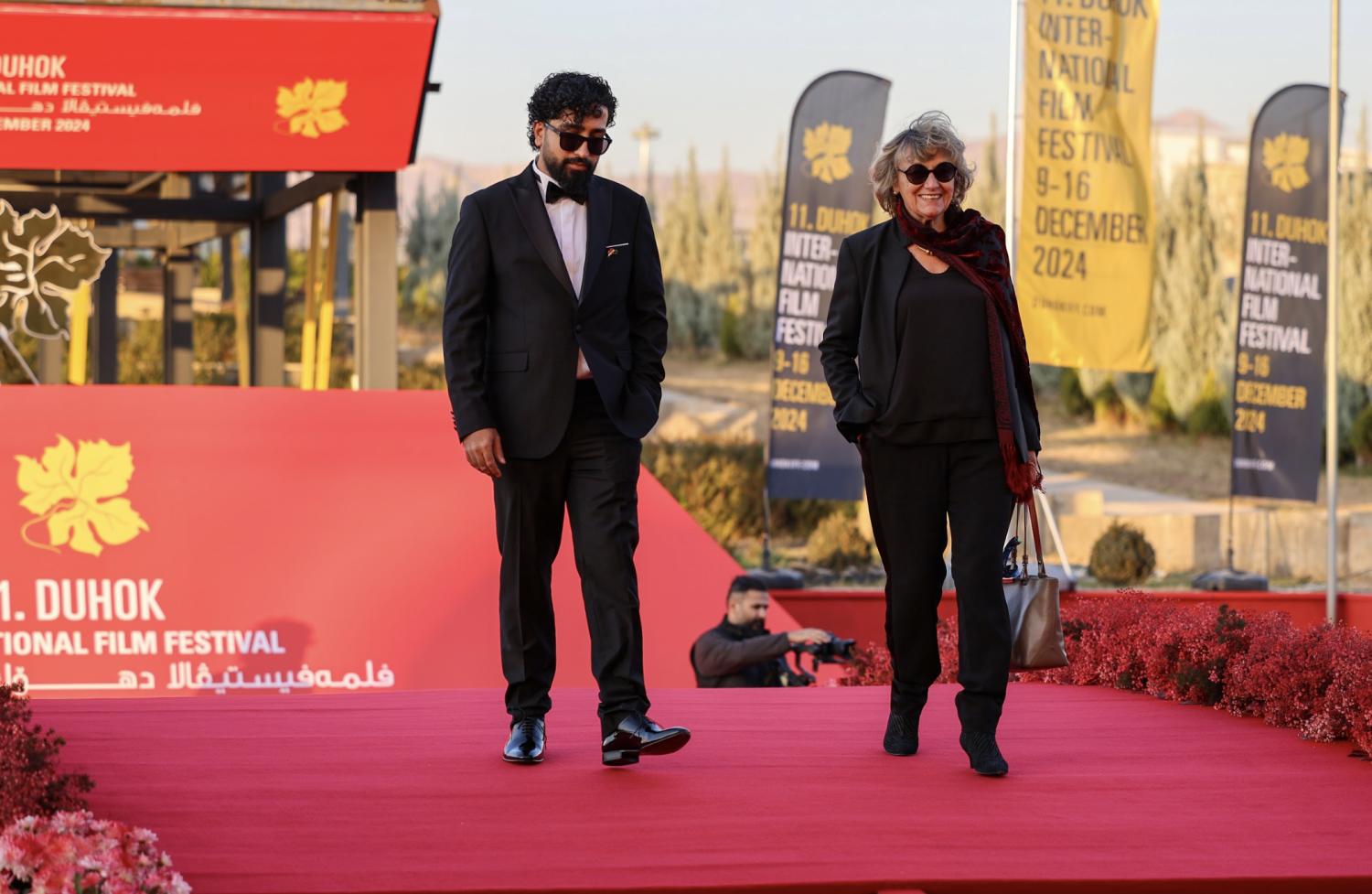
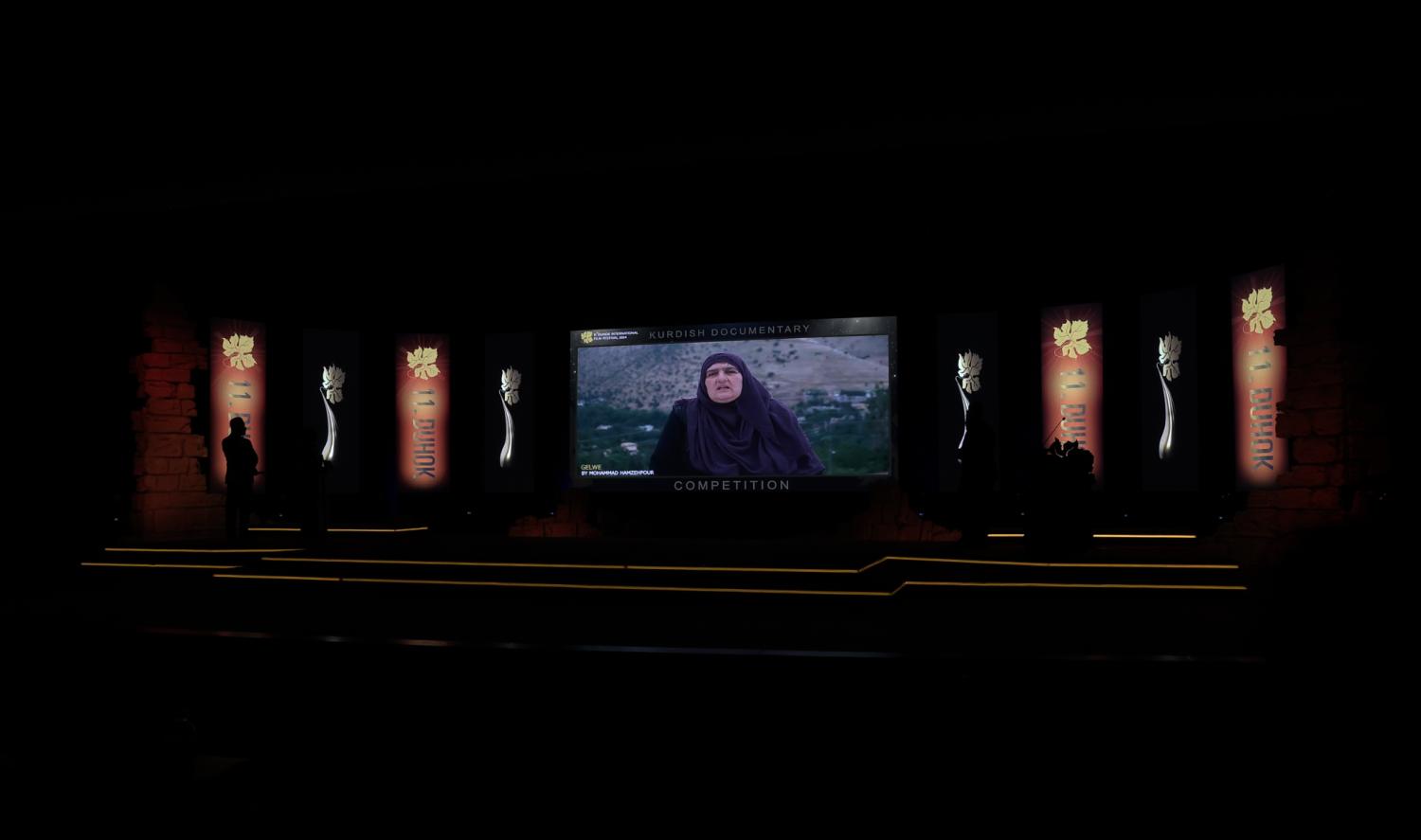
From Erbil, I traveled north to Duhok and Zakho to attend the Duhok International Film Festival, a vital platform for Kurdish and international cinema. The festival functions as a meeting point of histories, aesthetics, and political memory. Actor and filmmaker Mozaffar Shafeie – now an advisor to the 10th edition of the New York Kurdish Film Festival (NYKFF-10) – consistently grounded our conversations in Kurdish historical context, adding depth to the screenings. One evening, while visiting Zakho, I was struck by its quiet enchantment and the way its mountains seem to invite you upward. Like Duhok, Zakho feels vertical, urging visitors to climb and look outward. I promised myself that on my next visit, I would accept that invitation.
Returning to Erbil, I joined the wedding celebrations of human rights lawyer Rez Gardi and Aryan Barzani. The multi-day festivities felt like a Kurdish tale unfolding in real time. The henna night, in particular, awakened childhood memories: dresses with red-centered designs, adorned with traditional accessories, women circling the bride and groom with candles, singing, chanting, and dancing together. What moved me deeply was the care with which this tradition was honored. Friends from the West wore Kurdish clothing, learned Kurdish dances, and entered the rituals not as spectators but as participants. Culture here was not staged or performed; it was shared, lived, and offered generously.
Sulaymaniyah: Archives and prisons
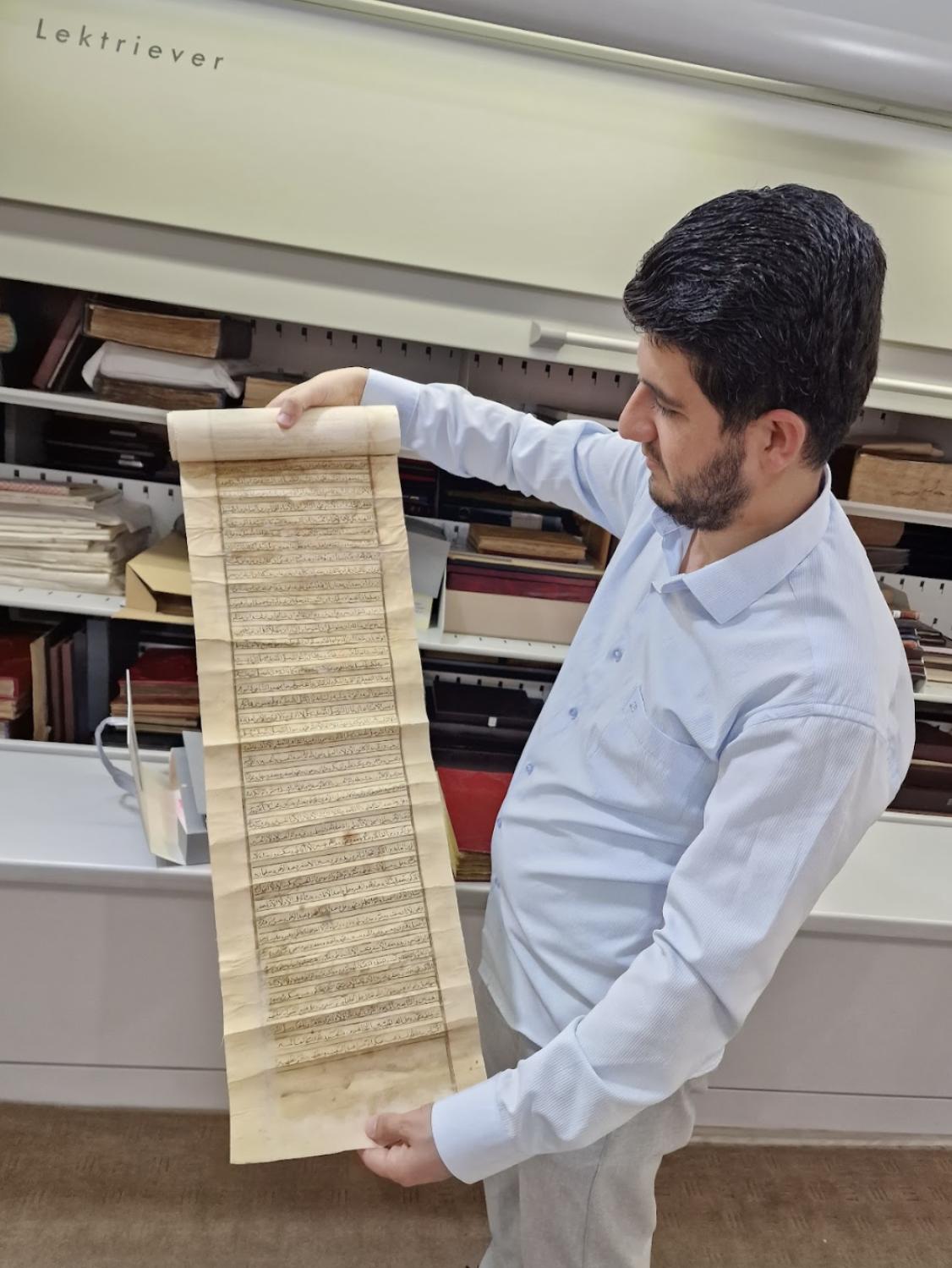
In Sulaymaniyah, my mornings began with strong Kurdish tea at Khaje Khanm Bakery, accompanied by fresh bread, cheeses, honey, eggs, olives, and homemade preserves. These simple flavors carried a sense of rootedness that stayed with me throughout my time there. My first visit was to the Zheen Center for Documentation and Research, founded in 2004 by Kurdish intellectuals in response to decades of archival loss and political repression. The center houses a public library, a vast digitized archive of historical documents, and a publishing house. Walking through its rooms, I felt the quiet determination of those committed to safeguarding Kurdish history, language, and literature against erasure.
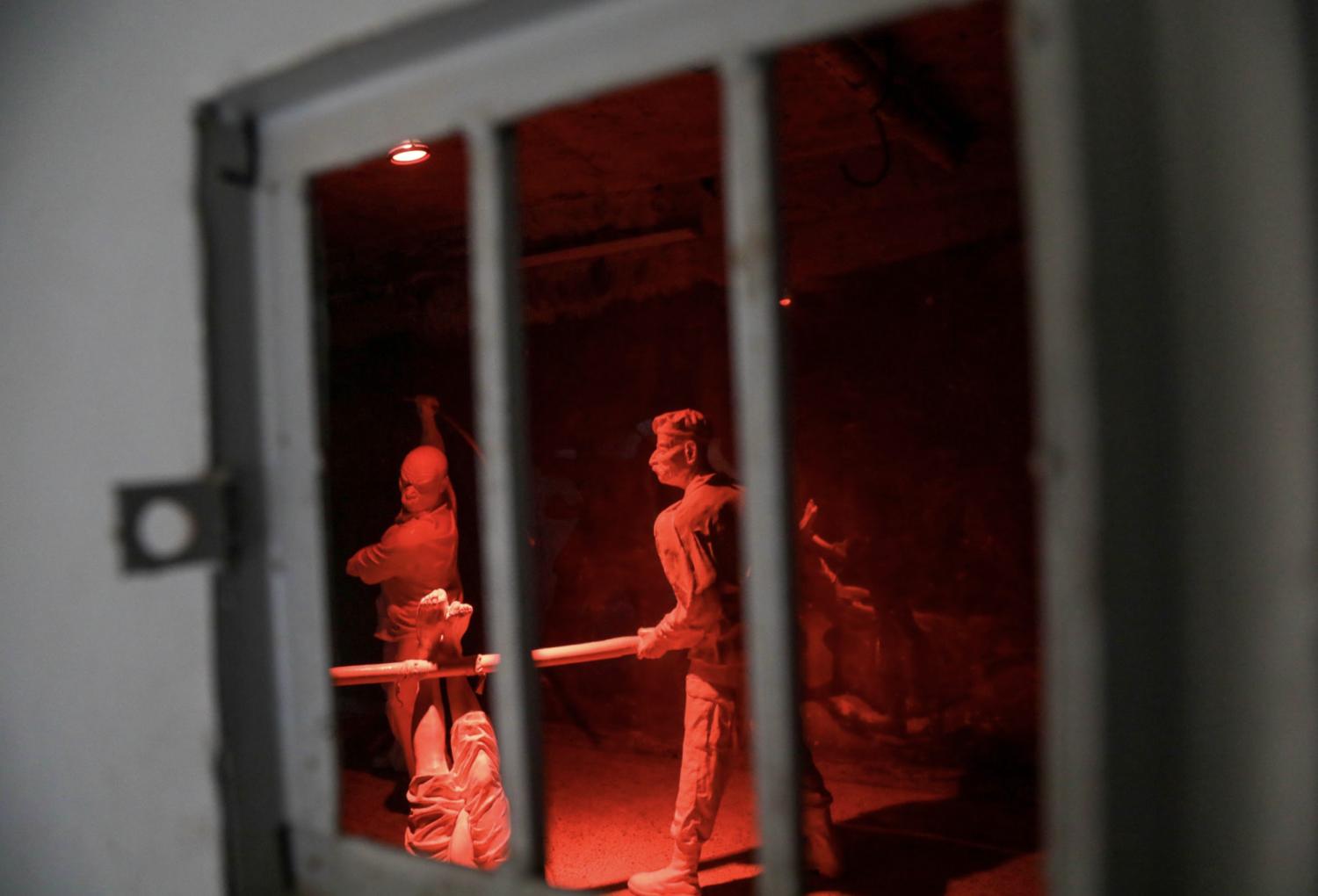
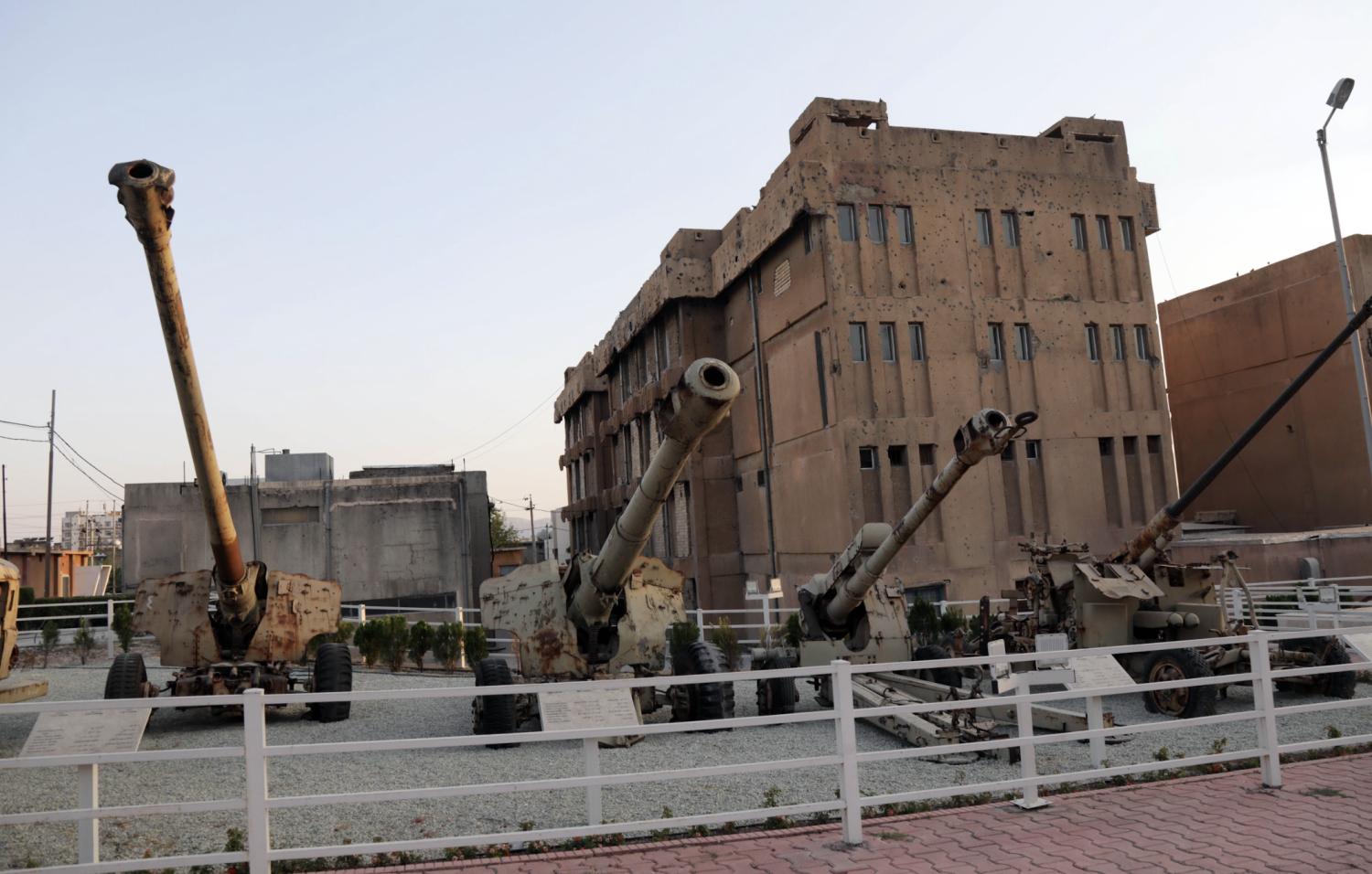
From there, I visited Amna Suraka, the Red Prison. The museum’s director, former Peshmerga and artist Ako Ghareb Maroof, guided us through the space. Within minutes, I realized I was standing inside the prison my friend Sherko Abbas had depicted in his artwork. Years earlier, we had spoken at length about his work on this site when I presented his contemporary art. To be physically present inside the space, which has been transformed into a museum, cinema, and historical monument, was overwhelming. Bullet marks remain visible on the exterior walls, stark evidence of what the Ba’ath regime inflicted on the Kurds. The Anfal Room, designed by Hero Ibrahim Ahmed, the former first lady of Iraq, is especially haunting: broken mirrors reflecting lives lost, lights marking villages destroyed. Other rooms document ISIS atrocities and the landmines that still scar Kurdish soil. When it came time to enter the actual prison cells, the cold corridors and heavy gray doors became too much. I stepped outside.
Ahmed also founded Kurdsat TV, where I later joined a live interview to speak about the work of the New York Kurdish Cultural Center – our language classes, book club, and the NYKFF. The following day, we visited the University of Sulaymaniyah and VIM Production, continuing conversations about culture, media, and responsibility.
Halabja and Hawraman: Memory and continuity
On Tuesday morning, we traveled to Halabja. At the Halabja Monument, we were guided by the head of the museum, Mohammed M. Saed, himself the only survivor of the massacre in his family. Sixteen pillars rise to mark March 16, the day Saddam Hussein’s regime dropped chemical weapons on Kurdish civilians, killing more than 5,000 people – mostly women and children – and permanently injuring thousands more. The silence there felt heavier than words.
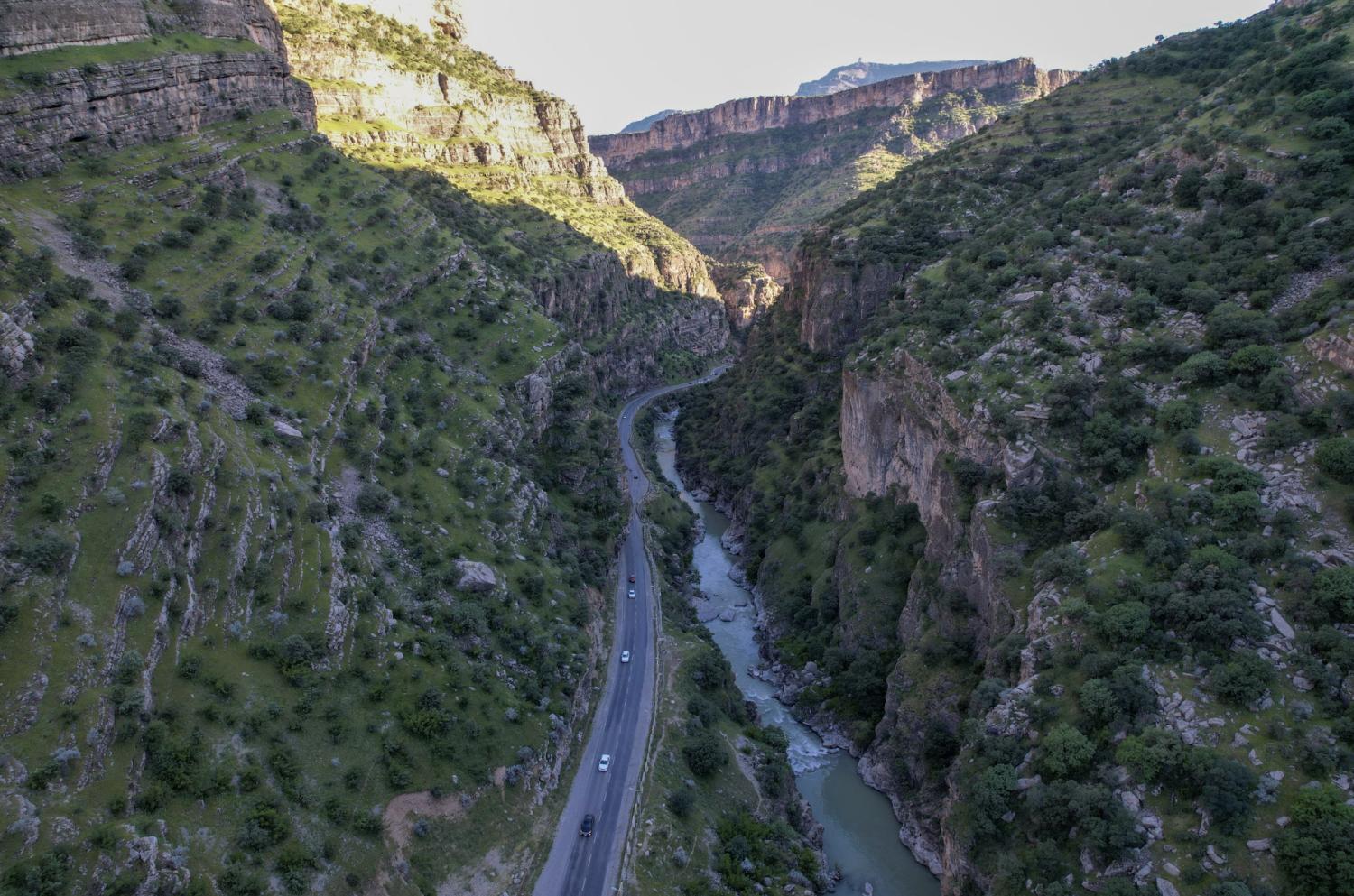
Before returning to Erbil, we stopped in Hawraman, an ancient area nestled into the folds of the mountains. Timeless and quietly radiant, Hawraman felt like a gentle conclusion to a journey shaped by endurance and remembrance. I wandered through small shops selling pomegranate-themed jewelry, kezwan necklaces, Kurdish shawls, handmade cups, and vibrant traditional dresses. We walked to the famous stream where clear running water flows continuously, symbolically merging Eastern Kurdistan (northwestern Iran) and Southern Kurdistan (Kurdistan Region of Iraq). Sitting with a glass of black tea, watching the water move without interruption, I felt the idea of a united Kurdistan not as a slogan, but as a lived experience.
Back to Erbil: Coexistence and daily life
I returned to Erbil by traveling east through Sulaymaniyah and Dokan, along the newly built highway that has made the journey smoother and shorter. The city greeted me with signs of the approaching holidays; Gulan Street glowed with lights and Christmas trees. Early the next morning, I joined a live Rudaw Kurmanji interview, where we spoke about how NYKCC uses art as a means of dialogue and how unity remains at the center of our work. Later, I returned to Erbil’s historic bazaar, a place where you can find almost anything – books, spices, fabrics, memories – before visiting Mohammed Fatah’s exhibition at Medya Gallery. His warmth and generosity mirrored what I had encountered throughout the journey.
As I packed for my early-morning flight, I reflected on the contrasts and harmonies of Southern Kurdistan: Duhok, Zakho, Sulaymaniyah, and Hawraman shaped by mountains, and Erbil flatter, more commercial, yet deeply historic. Everywhere I traveled felt safe. Women walked freely, without harassment or fear. Shop owners left their stores unattended to run errands. In the bazaar, money exchange stalls displayed stacks of currencies openly, without anxiety. Taxi drivers asked what language or music I preferred – Kurdish, Arabic, Turkish – without hesitation. I was struck by a society that has suffered profoundly yet has chosen coexistence, forgiveness without forgetting.
I cannot take credit for what my Kurdish sisters and brothers have built. What I can do is extend an invitation: come, visit Kurdistan, walk its streets and mountains, drink its tea, listen to its poetry, and experience a homeland that is not only a place, but a living archive carried forward by its people.
Founder & President of New York Kurdish Cultural Center & New York Kurdish Film Festival