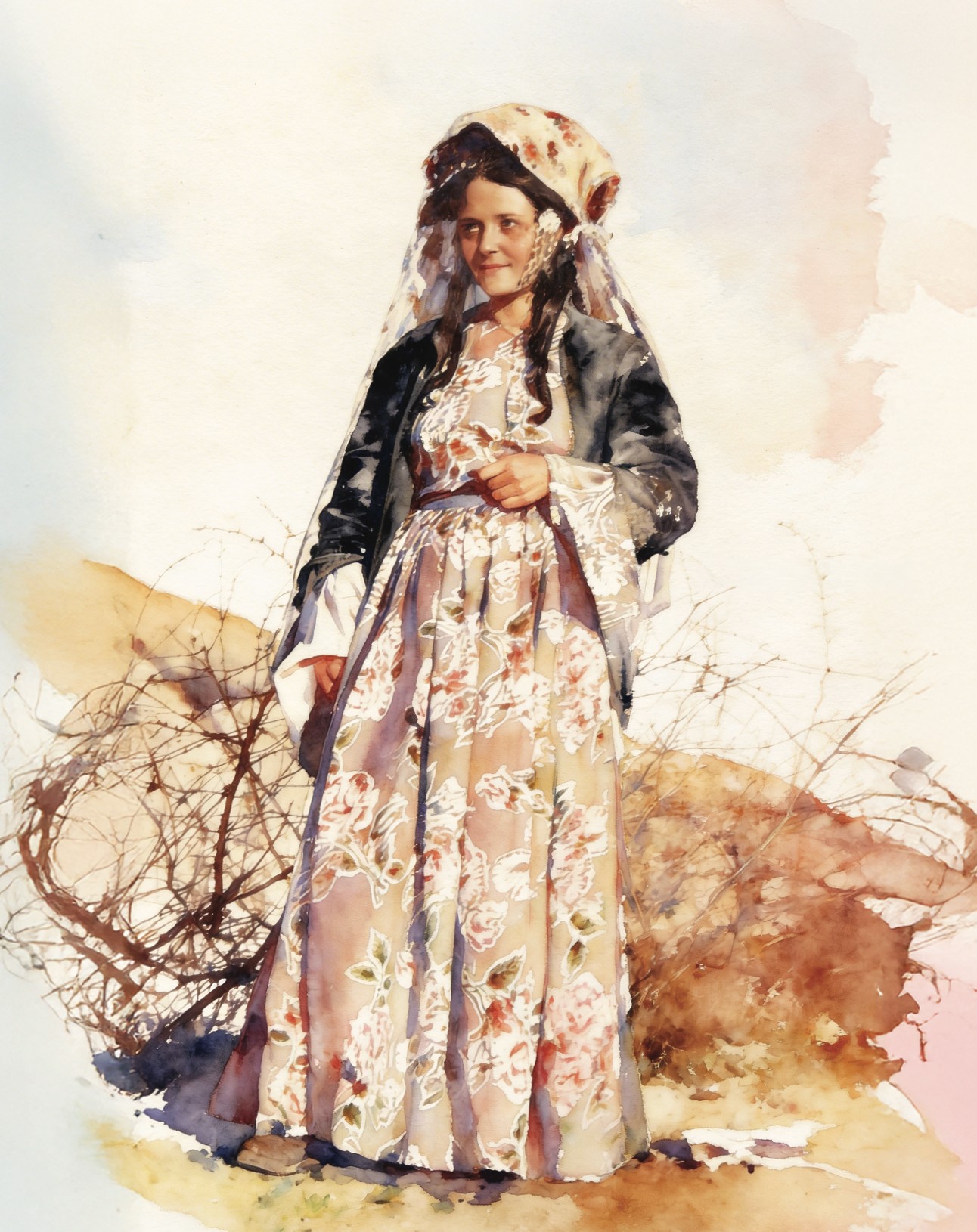
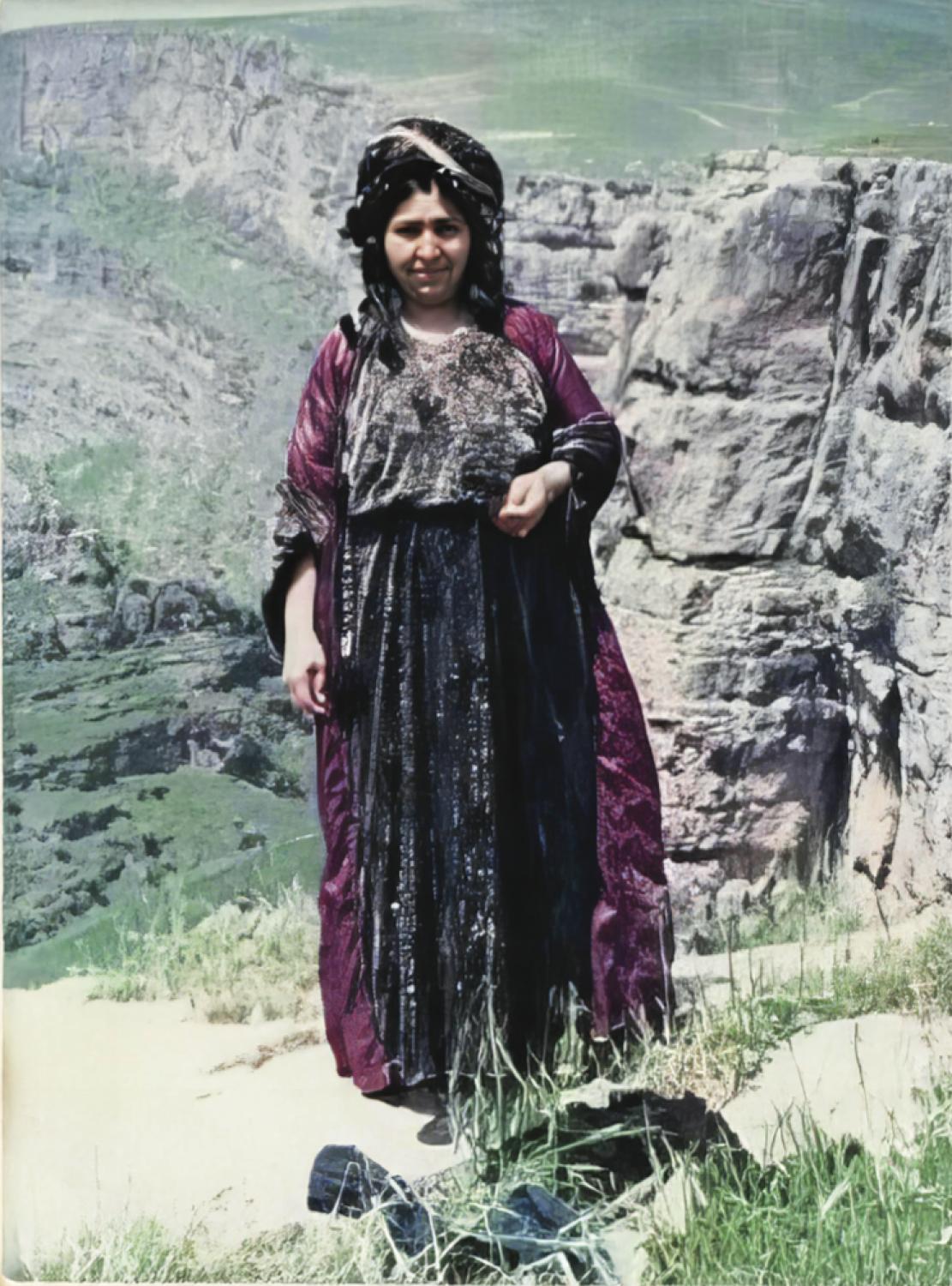
Lajan almost never appears without her traditional Kurdish dress. Now in her seventies, she sees her outfit as an inseparable part of her character. At almost any time, a long dress patterned with neat floral designs and an embroidered coat flows from her shoulders down her back. A pair of long sleeves is also tied behind her neck, allowing her hands to move freely for daily chores. A soft silk headscarf usually falls over her shoulders, unless a social occasion requires her to cover her hair.
Lajan is not an exception: she is one of the millions of Kurdish women who proudly wear traditional clothing all day and every day, keeping a crucial part of their national identity alive.
Clothing as identity
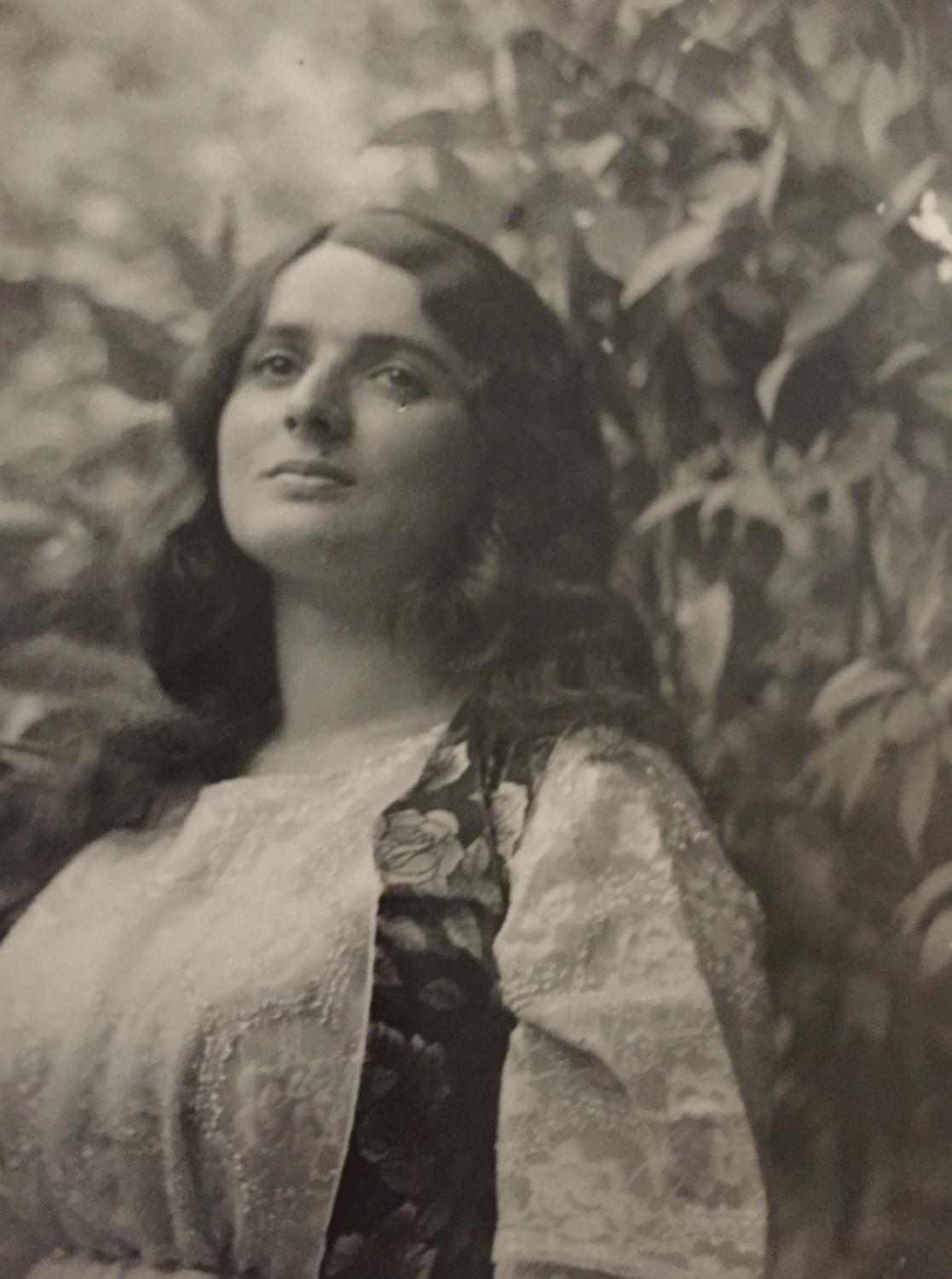
Clothing is a powerful symbol of national identity for the Kurds. In fact, it distinguishes the Kurds from other nations in the same region. Their dress reflects traditions, beliefs, and values, while also being adapted to local geography and climate. It is diverse in color, design, and material, mirroring the cultural diversity of this large nation scattered between Iraq, Iran, Turkey, and Syria.
The history of Kurdish dress is not well recorded. However, relief carvings from the Achaemenid Empire depict male and female figures of the Medes in costumes that many historians believe resemble today’s Kurdish dress. The Medes, who ruled areas of northwestern Iran and parts of Mesopotamia, are widely thought to be the forefathers of the modern Kurds.
Traditional Kurdish women’s clothing evolved over centuries to adapt to the fashions of the day. Researchers believe that the most noticeable evolution took place during the Ottoman Empire’s rule in today’s Turkey, Syria, and Iraq, and the Qajar Dynasty’s rule in Iran. During this period, more colorful fabrics became accessible to people from the middle and lower classes. Even with this leap, however, many traditional features of the costumes remained intact.
Anatomy of the outfit
As mentioned earlier, Kurdish costumes differ slightly in design and fabric from one region to another, and each has its own beauty and characteristics. In this article, we focus on the design features of Kurdish women’s clothing worn in the Rawanduz area of the Kurdistan Region. This mountainous town once served as the center of a powerful political and cultural emirate of the Kurds during the Ottoman Empire’s rule.
The traditional outfit for women consists of several pieces, some of which are optional or specific to special occasions. The main components are listed below:
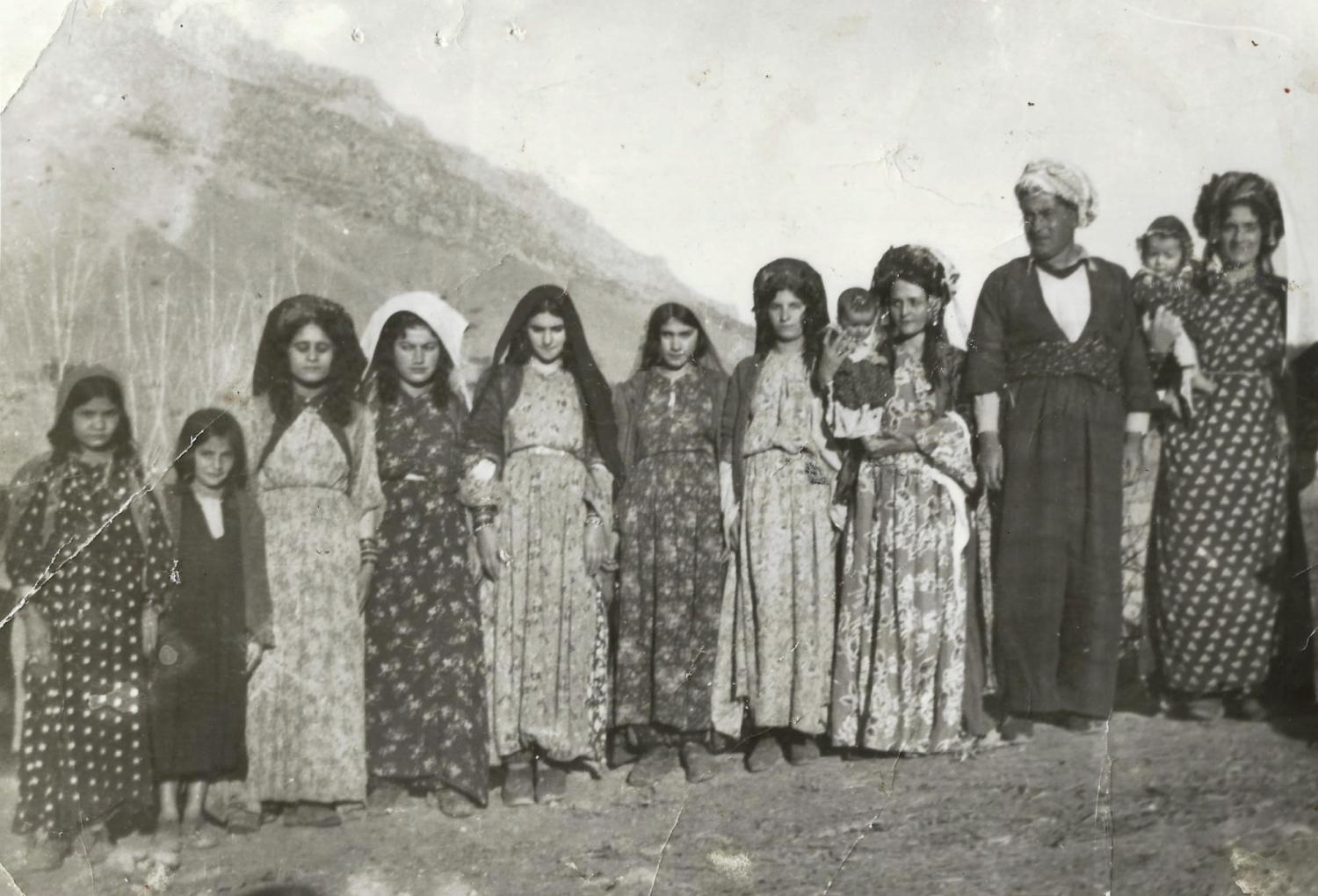
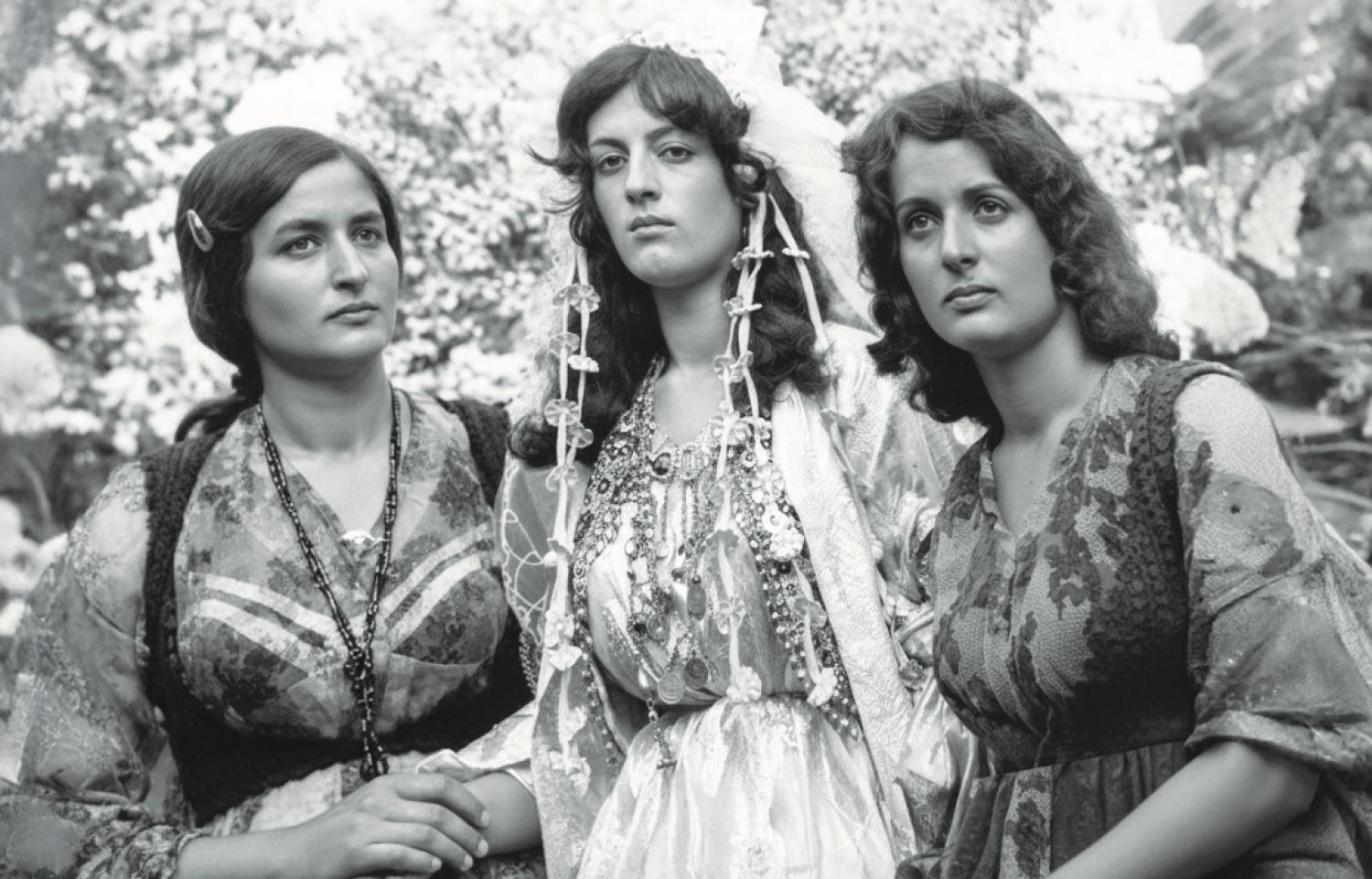
Kiras: The primary piece of traditional Kurdish women’s clothing, the kiras is a long dress that covers the body from the neck to the ankles. It is typically made from lightweight fabric, decorated with floral or patterned designs. Its most distinctive feature is its long, pointed sleeves that extend beyond the arms and are tied behind the neck.
Kawa: A long, flowing coat often embroidered with intricate designs. Usually made of a thicker fabric compared to the kiras, it is worn over the main dress and usually paired with a colorful belt.
Daling: A baggy pair of pants with elastic around the ankle. Since it is worn under the main dress and is therefore not visible, the daling is usually made of a soft, light solid color fabric that matches the main dress. In some cases, however, it may be made from a more sophisticated and colorful fabric as a complementary piece.
Charog: A rectangular scarf that covers the shoulders and the back, fixed in place with a knot on the chest.
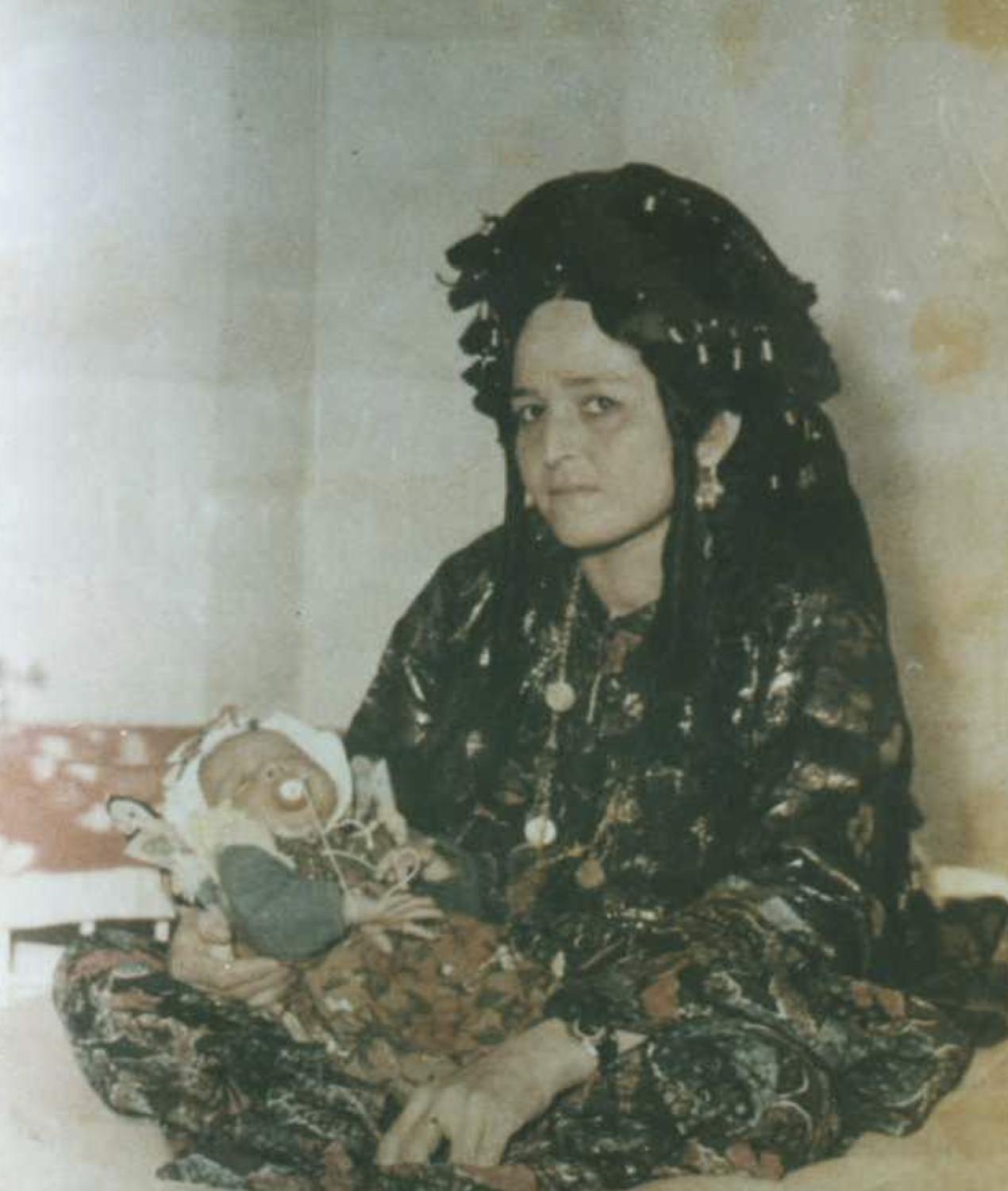
Klaw: This traditional head covering varies by region and can be an ornate, richly decorated part of a woman’s attire, symbolizing social status and personal style. However, it is not considered a main piece in Kurdish costume and remains an optional garment worn according to personal taste or for special occasions.
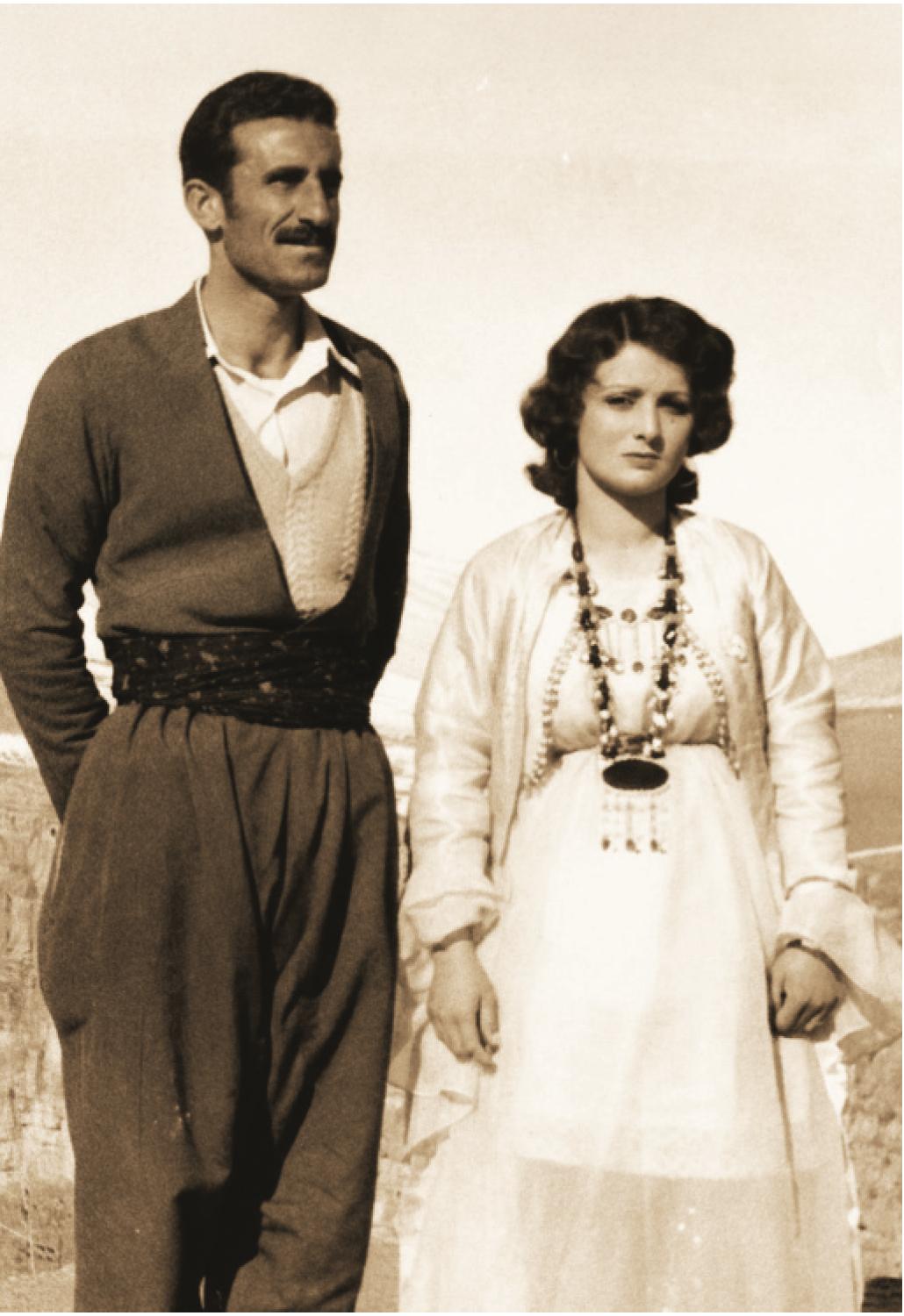
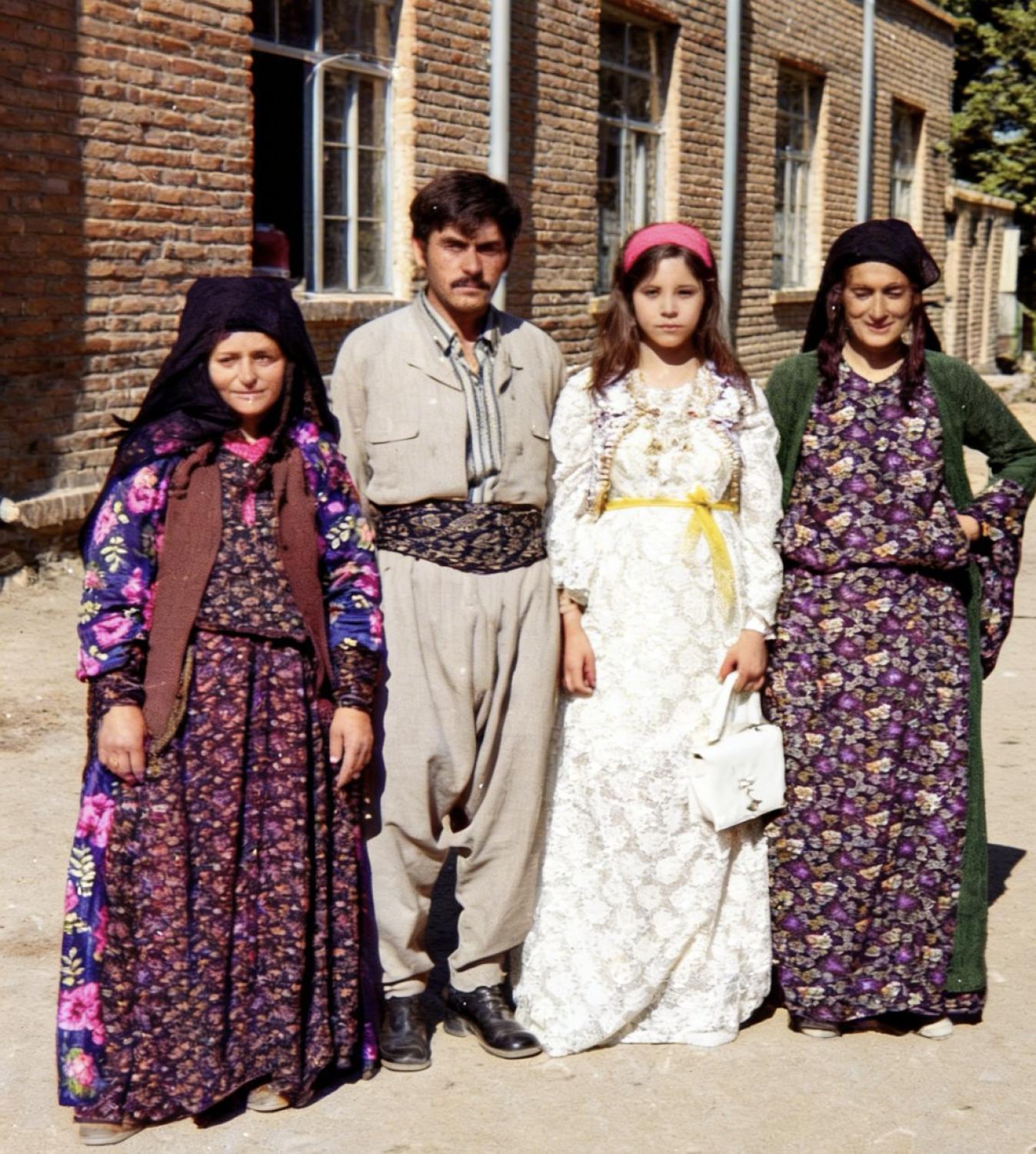
It is worth noting that while the garments work to complement each other, the overall design and color are a personal choice highly affected by the occasion and environment. For instance, black remains the primary color for funerals, while brighter tones are worn at weddings and celebrations.
In the past, the way that clothes were styled could convey different meanings. For example, tying the stretched sleeves of the kiras behind the back – without fixing them on the shoulders to go behind the neck – could indicate that the woman was unmarried.
Tradition meets modernity
Today, Kurdish society is evolving quickly, and so are its cultural elements. Kurdish fashion designers have found their way to international stages to present their history and culture mixed with a creative touch of modernity, but the core characteristics of the costumes remain intact.
While many Kurds wear traditional dress on a daily basis, more still celebrate their roots every year on March 10 by wearing Kurdish clothes to work, shopping centers, restaurants, resorts, and other public spaces. However, the occasion is officially named National Costume Day, allowing other ethnic groups to celebrate their traditional dress as a symbol of centuries of peaceful coexistence in the same region.
Last but not least, as a young Kurdish woman familiar with today’s trends in fashion and design, I often go to work, attend official meetings, and spend time with friends while wearing Kurdish clothing. It may require adjusting one’s movements and following a few additional rules of etiquette, but the elegance and pride it conveys make the extra effort entirely worthwhile.
is a Kurdish journalist based in Erbil, Kurdistan Region.