What can an unassuming field in the Erbil plain teach us about empire? Can buried layers of soil reveal the rise and fall of a civilization, and what happens when the next great power emerges?
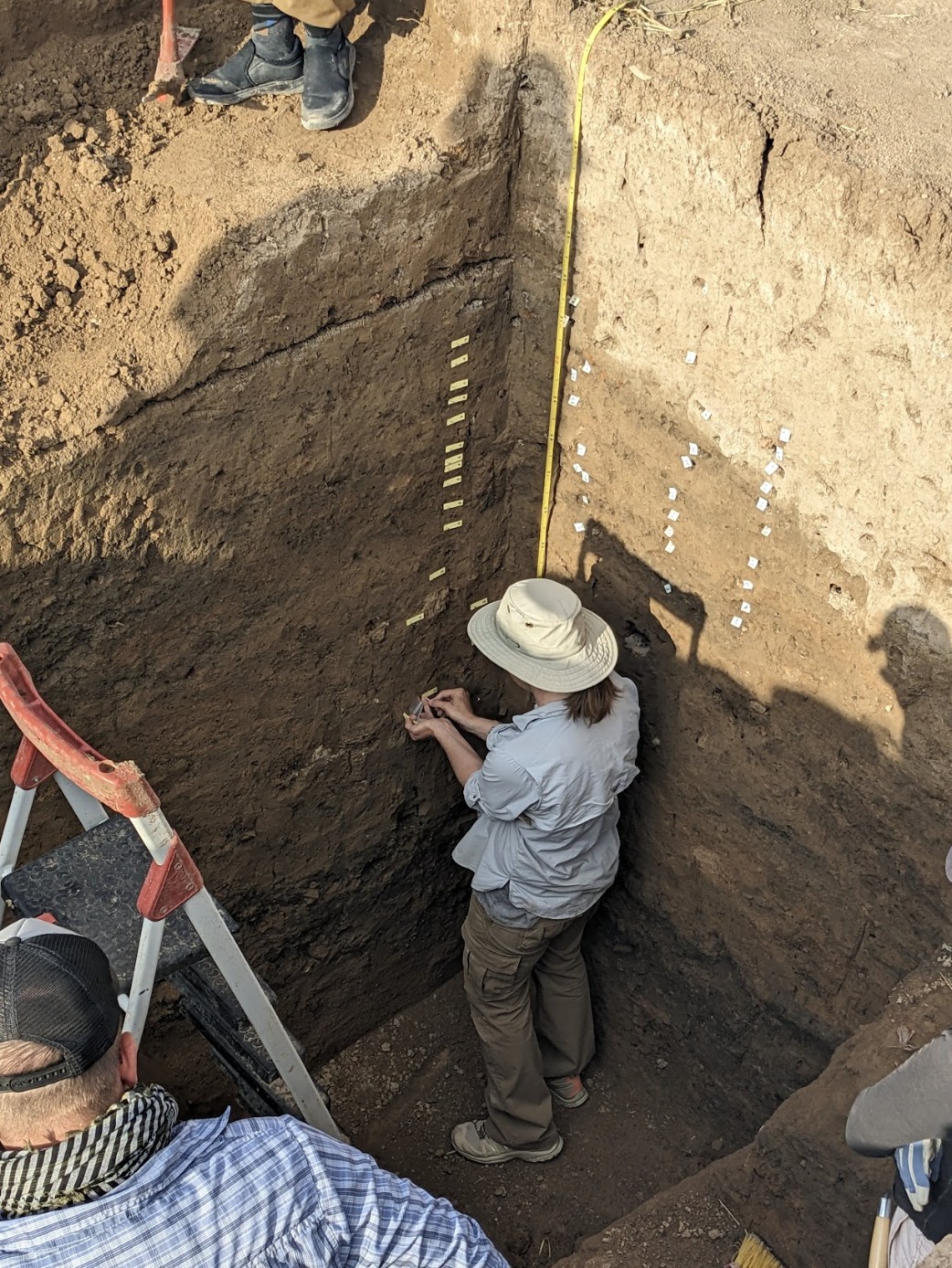
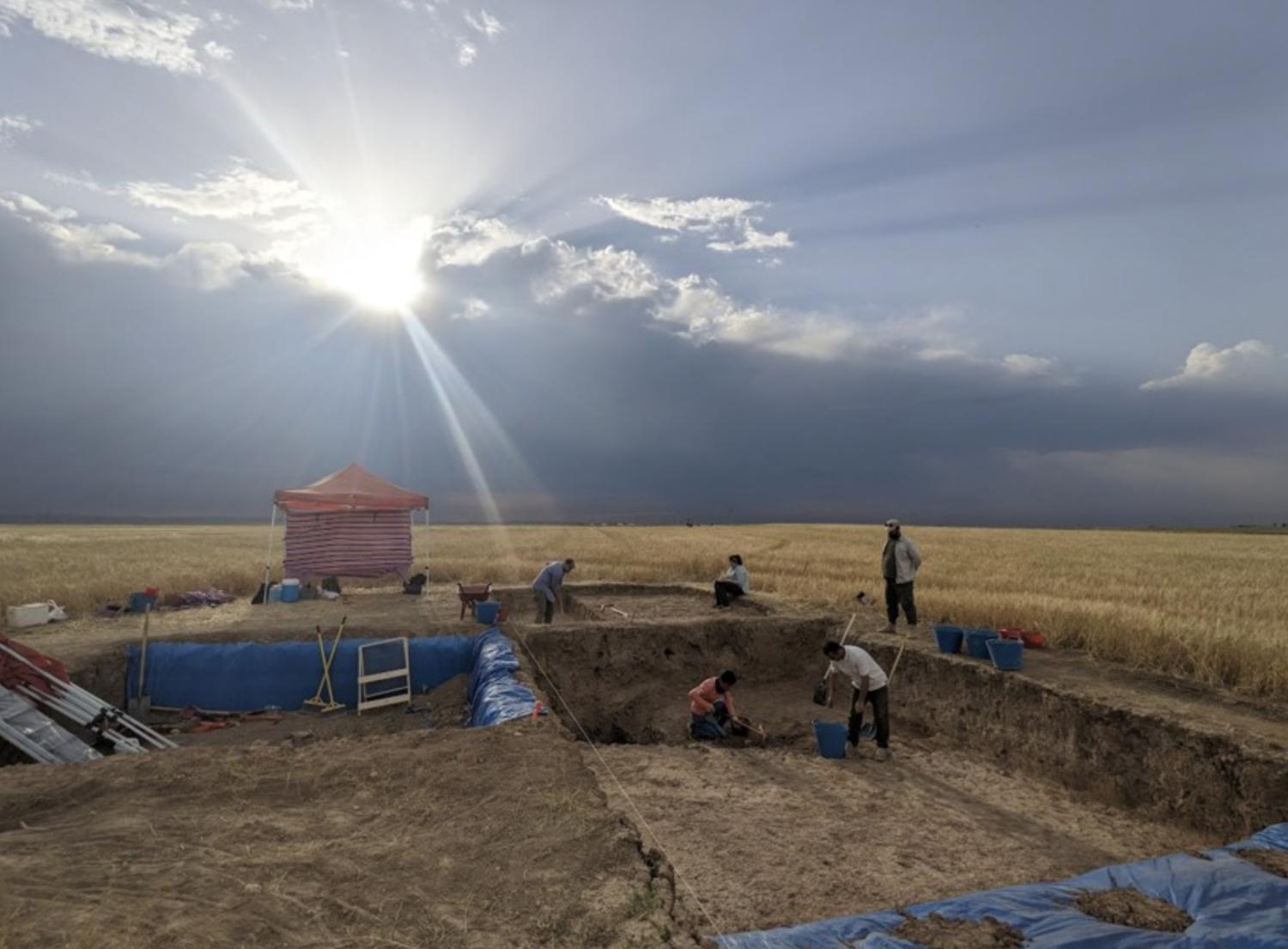
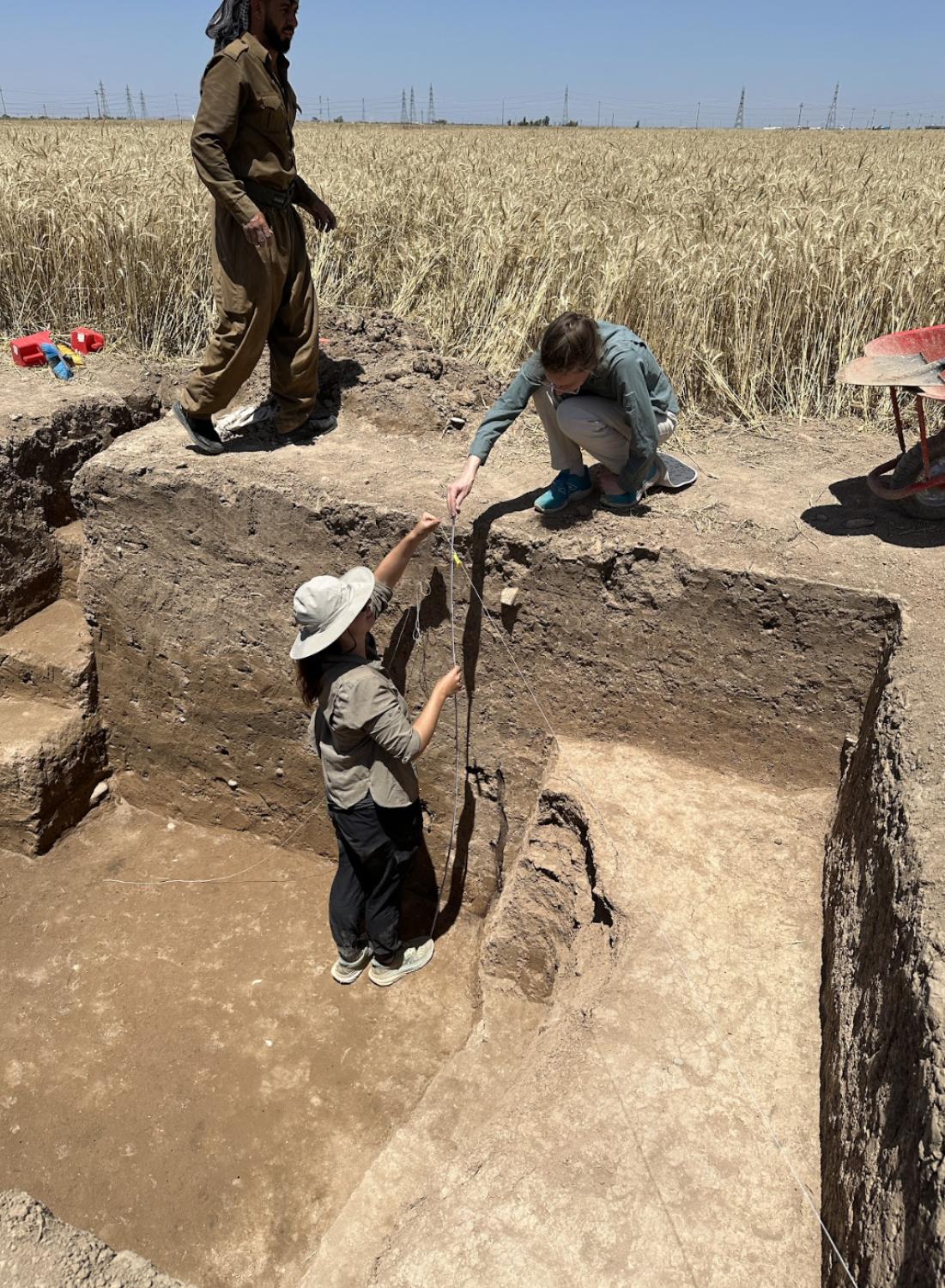
Petra Creamer, an American archaeologist, has been working for four years at Qach Rresh, located near the village of Turpe Spian about 15 kilometers south of Erbil. This dig site, a collaboration between Emory University, the Erbil Directorate of Antiquities, and the locals of Turpe Spian, was an unexpected discovery. Many in the Kurdistan Region see the ancient hills, known as tells, scattered across the fields and rightly assume they hold historical significance. Yet few realize that even the flat fields beneath their feet may hide ancient sites, quietly waiting to be rediscovered.
In the Kurdistan Region, just about everywhere you go is a potential archaeological site. Some claim there is one for every square kilometer. Thanks to recent stability and the foresight of the Kurdistan Regional Government, the area has been undergoing an exciting resurgence in archaeology. And as teams like Creamer’s uncover new findings, Kurdistani society’s appreciation for and desire to preserve this heritage are growing.
More than an ordinary site
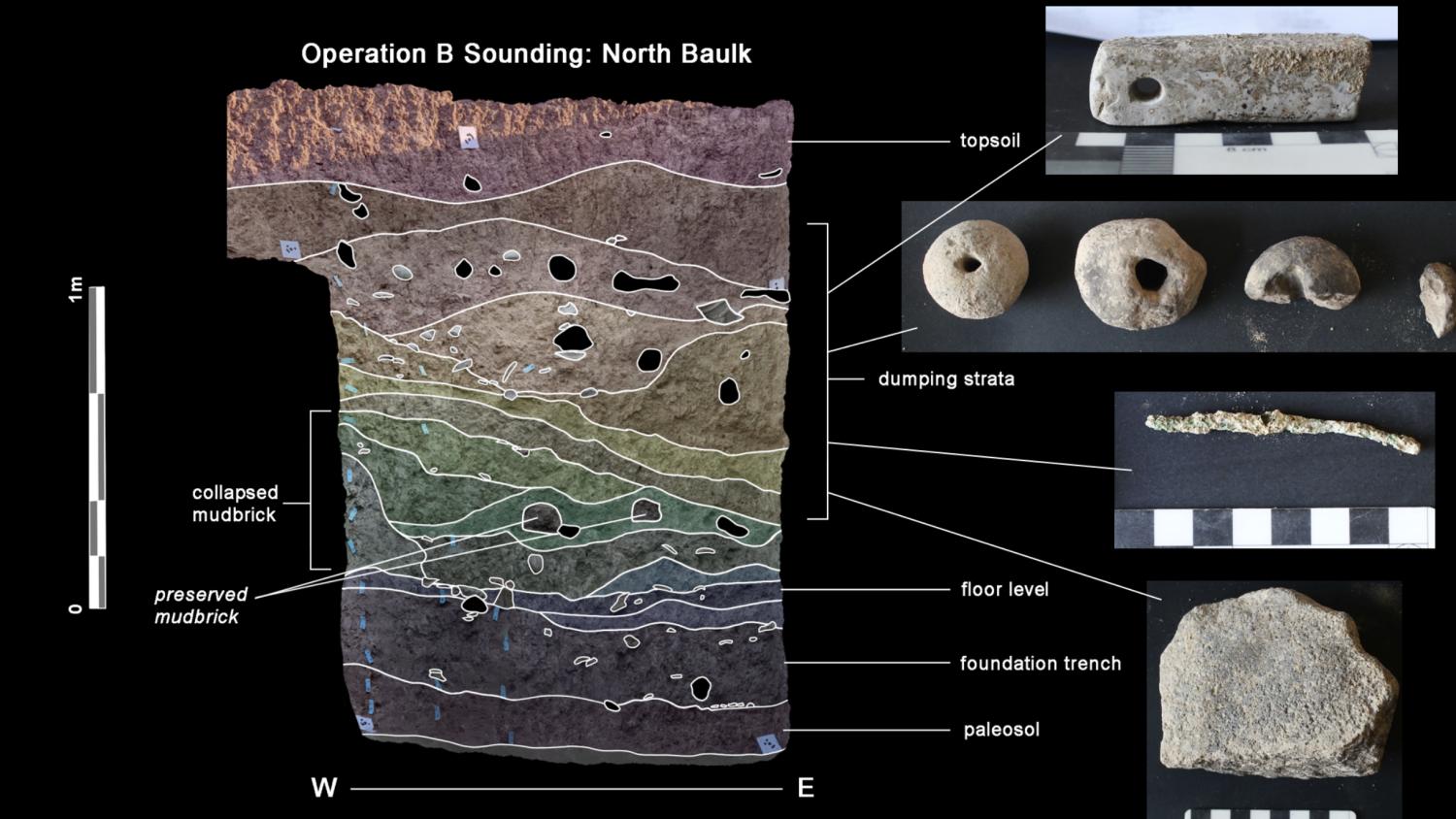
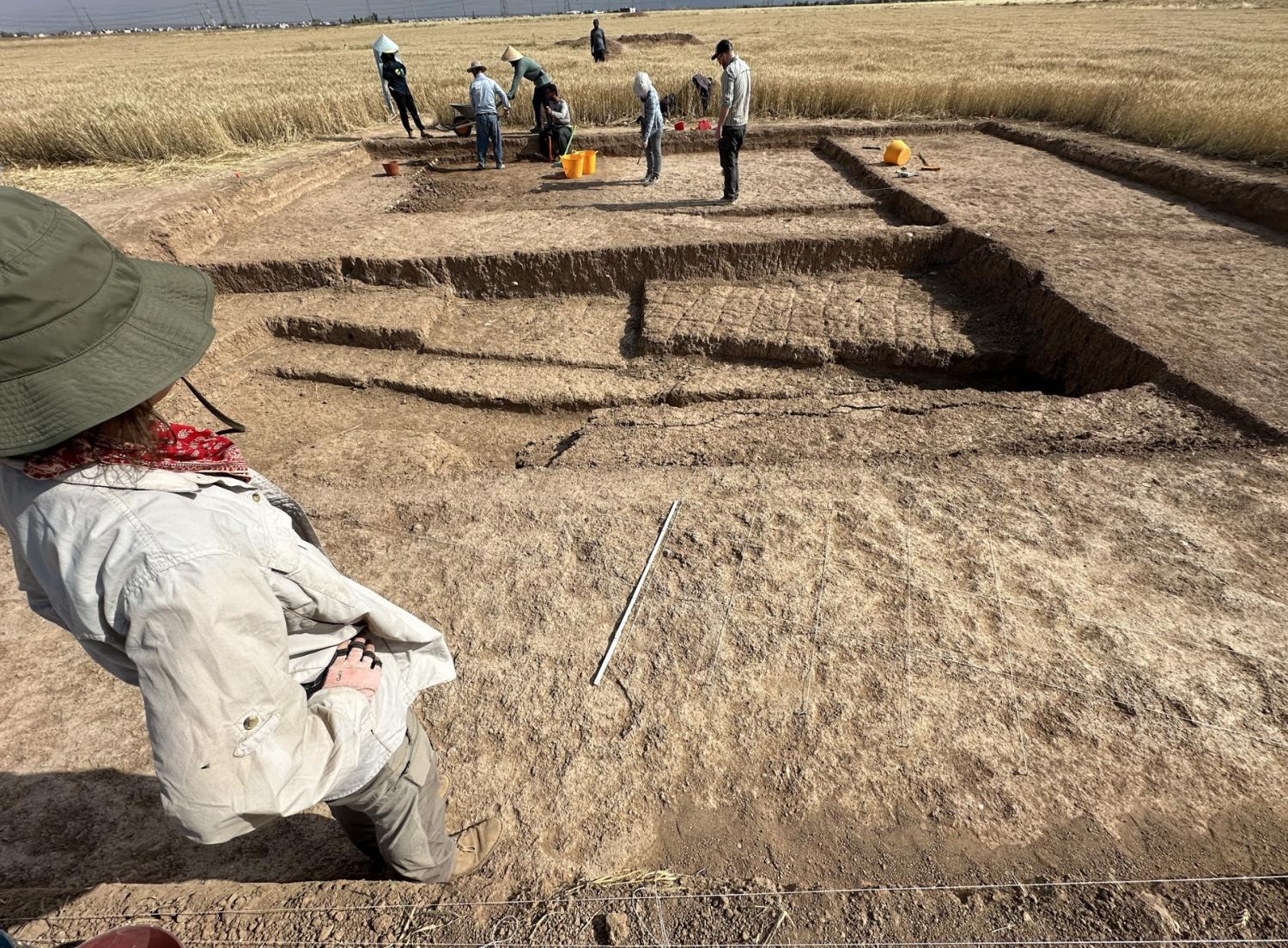
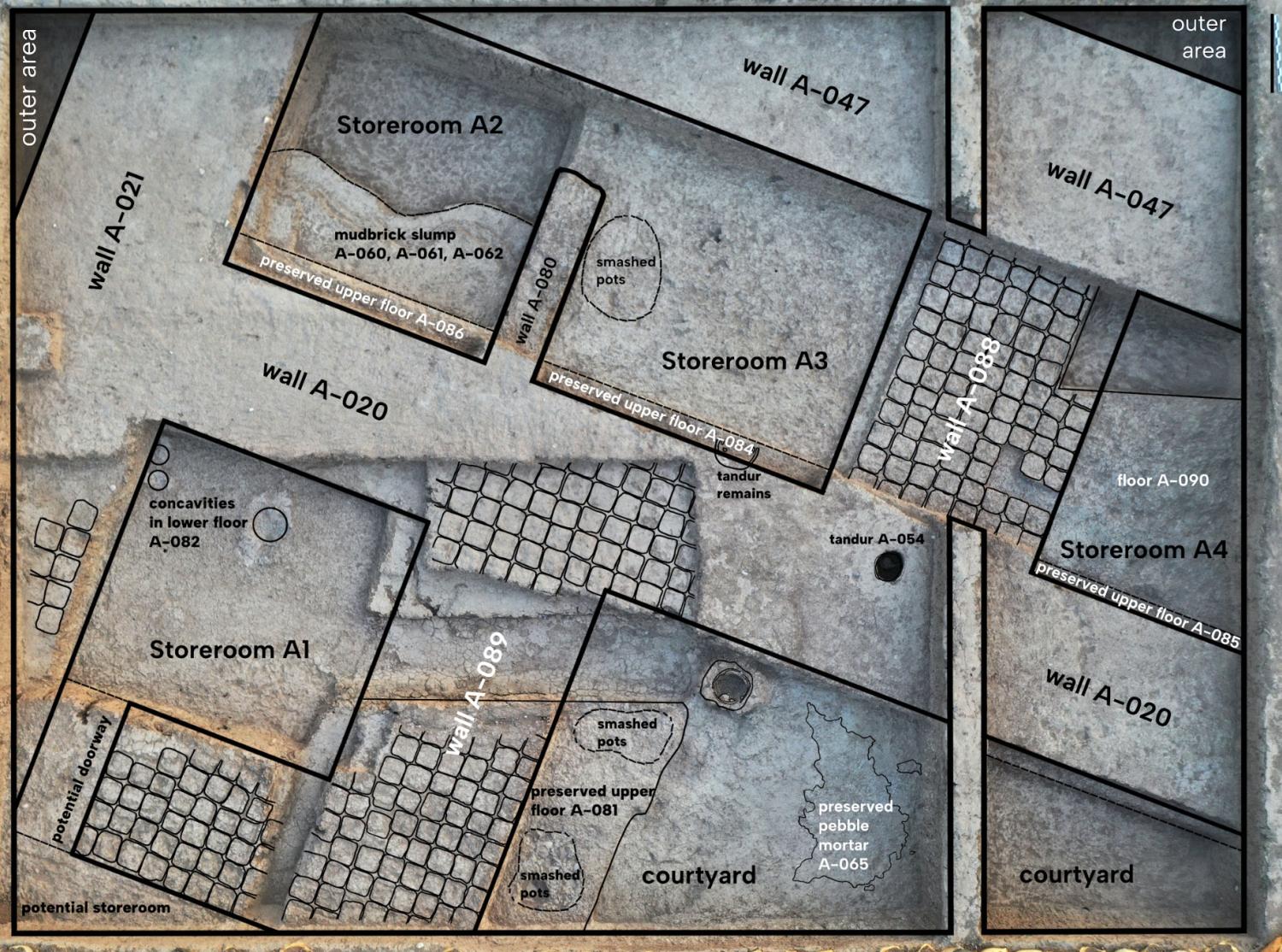
The site of Qach Rresh was first identified during Harvard’s 2017 Erbil Plain Archaeological Survey, using Cold War-era satellite imagery. Photographs revealed unusual soil patterns, which were later confirmed using magnetometry – a technique involving sensors that detect magnetic signals from objects beneath the soil. This revealed large structures, which would later turn out to be mudbrick walls and even ancient tandoor ovens like those that Kurds still use to make flatbread. The scale of these findings signaled that Qach Rresh was more than an ordinary site and held something significant.
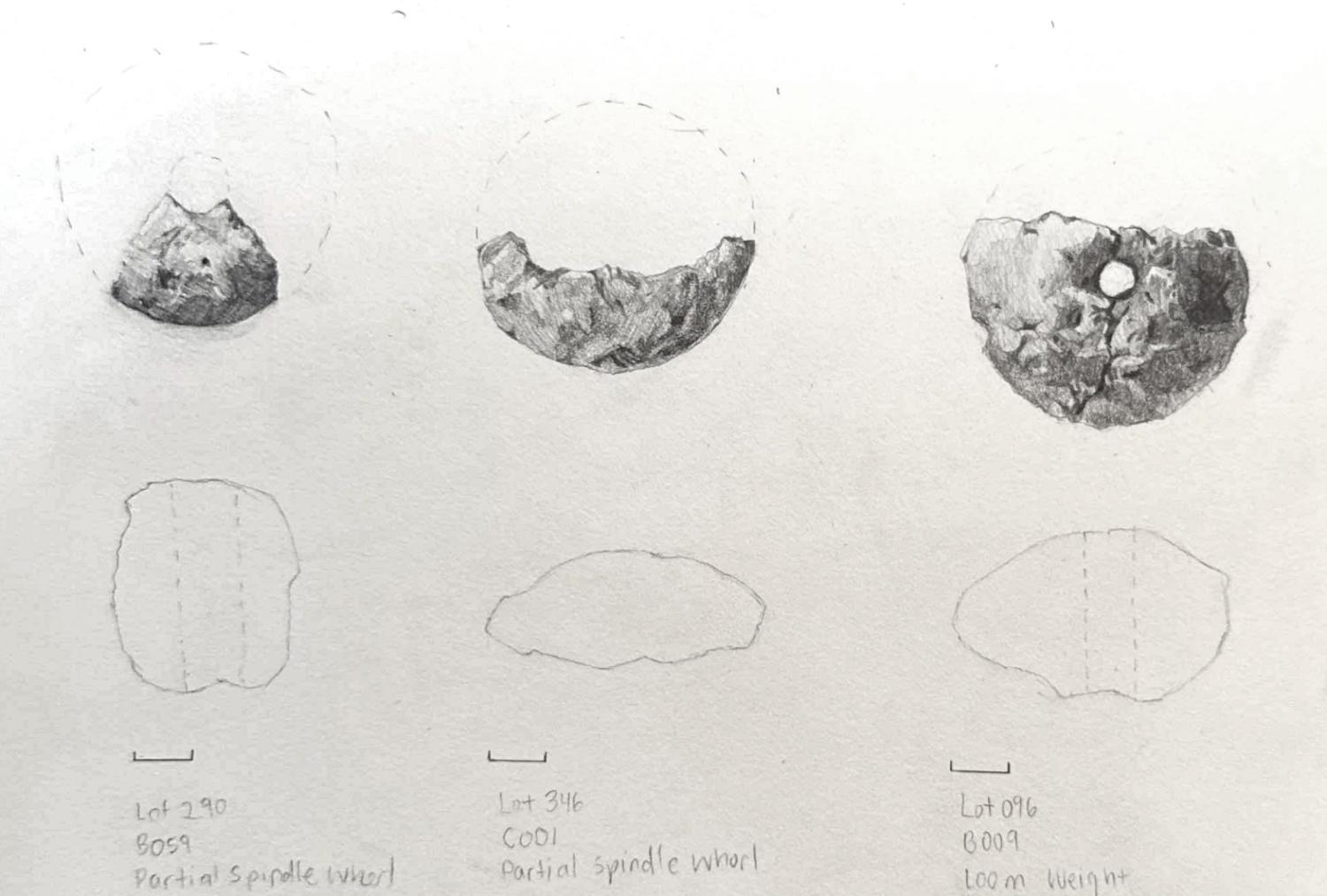
As Creamer and her team dug, the story of Qach Rresh emerged. Around 2,700 years ago, during the Neo-Assyrian Empire, the site was home to a large multistory building next to a village. The area, primarily agricultural, was part of the Assyrian heartland, where much of the empire’s food was grown for the royal cities of Arbela, Assur, Nimrud, and Nineveh. The discovery of such a large building in the fields was puzzling, but the explanation is surprisingly modern: as Assyrian cities grew, so did their demand for food. Therefore, the empire embarked on an extensive program to establish farming villages, managing them with a firm hand.
During the late Neo-Assyrian Empire, the number of agricultural villages like this one increased by 30-40%, often populated by people relocated from conquered lands. In a manner comparable to Saddam Hussein’s forced resettlement of Kurds into controlled camps and towns, the Assyrians deported up to 4 million people, placing them in areas where they could be more easily controlled, assimilated, and made to serve the empire. The biblical text of 2 Kings 18:11 describes how this very thing happened to the Jewish residents of Samaria: “The king of Assyria carried the Israelites away to Assyria and put them in Halah, and on the Habor, the river of Gozan, and in the cities of the Medes.”
The Assyrians aggressively repurposed almost all land in the Erbil plain for agriculture, focusing on crops like wheat and barley and cultivating grazing land for livestock. This mass agricultural development nearly caused the disappearance of certain local plants, as evidenced in the soil layers at Qach Rresh. In this context, a large structure like the one discovered was likely used to ensure these agricultural projects and their migrant laborers were dutifully following orders and meeting their quotas, all while being visibly reminded of the empire’s power.
A post-imperial healing
But then, in 612 BCE, the Assyrian Empire suddenly fell. A coalition of the Medes and Neo-Babylonians overthrew Nineveh, signaling the collapse of the superpower. While this spelled disaster for the elite in the cities, the agricultural villages, in fact, fared better in the aftermath. The migrant workers, once tightly controlled, were now free to farm for themselves. At Qach Rresh, this is reflected in the changes in the soil layers. Post-Assyrian strata reveal a notable increase in pig bones, for example, likely demonstrating a shift in the animals being raised as farmers gained more freedom over their land and turned to more practical livestock and crops.
Even as the large administrative building at Qach Rresh sat abandoned, the farmers seemed to thrive. Local plants reappeared, signaling the land’s healing. This situation continued for around 80 years, until the rise of the next great power that left its mark on Qach Rresh – the Achaemenids.
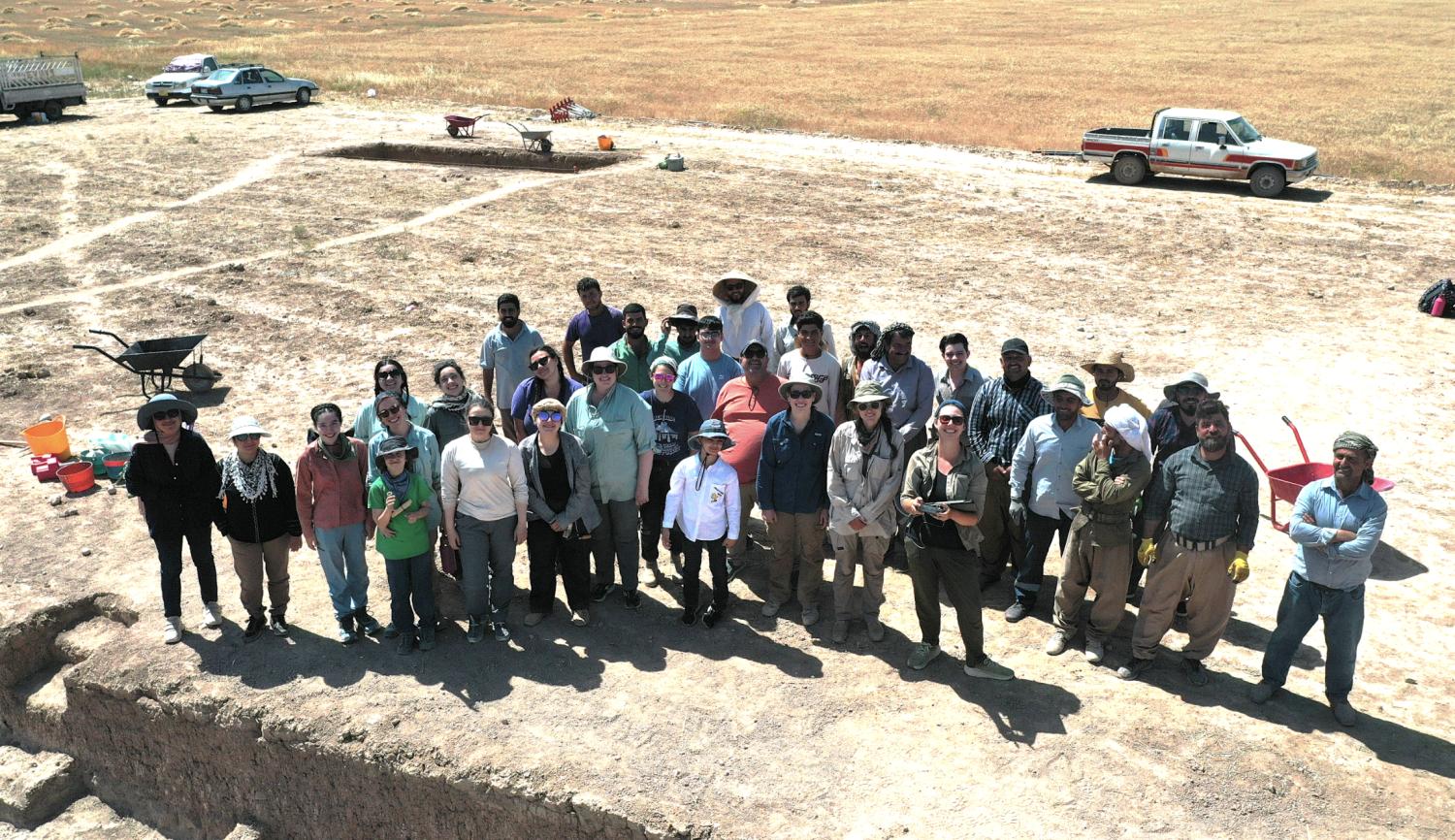
When the Medes and Persians arrived, they found the Qach Rresh building still structurally intact. They refurbished it and put it to use, marking this as the first site with archaeological evidence of the Medo-Persian presence in the Erbil plain. This was significant because it provided the first tangible proof of their rule in the region, confirming what ancient written sources had long said.
The Achaemenid Empire’s approach differed greatly from the Assyrians’. In fact, they allowed many to return to their homelands. Some did, but others remained, preferring to farm their new land under the less heavy-handed rule of the Persian shahs. Could some of today’s Turpe Spian residents be descended from these very same migrant farmers?
What the soil can tell us
History has value for its own sake, but there are also lessons we can cautiously glean from the stories of ancient texts or ruins. What can we learn from Qach Rresh? Here, I’m struck by several reflections related to the rise and fall of empires, the effects on those at the “bottom” of society, including the migrants and laborers, and even wisdom regarding our relationship with nature and work.
First, Qach Rresh whispers that even the greatest empires are temporary. Superpowers come and go, but the legacy of how a system treats its most marginalized will live on. Thus, good leaders should prioritize the prosperity of all, not just the elites. Second, the aggressive agricultural policies of the Neo-Assyrians nearly led to the disappearance of certain local plant species. This mirrors a similar modern tendency to exploit our own natural environments for short-term profit, often undermining both the local environment and long-term human well-being in the process.
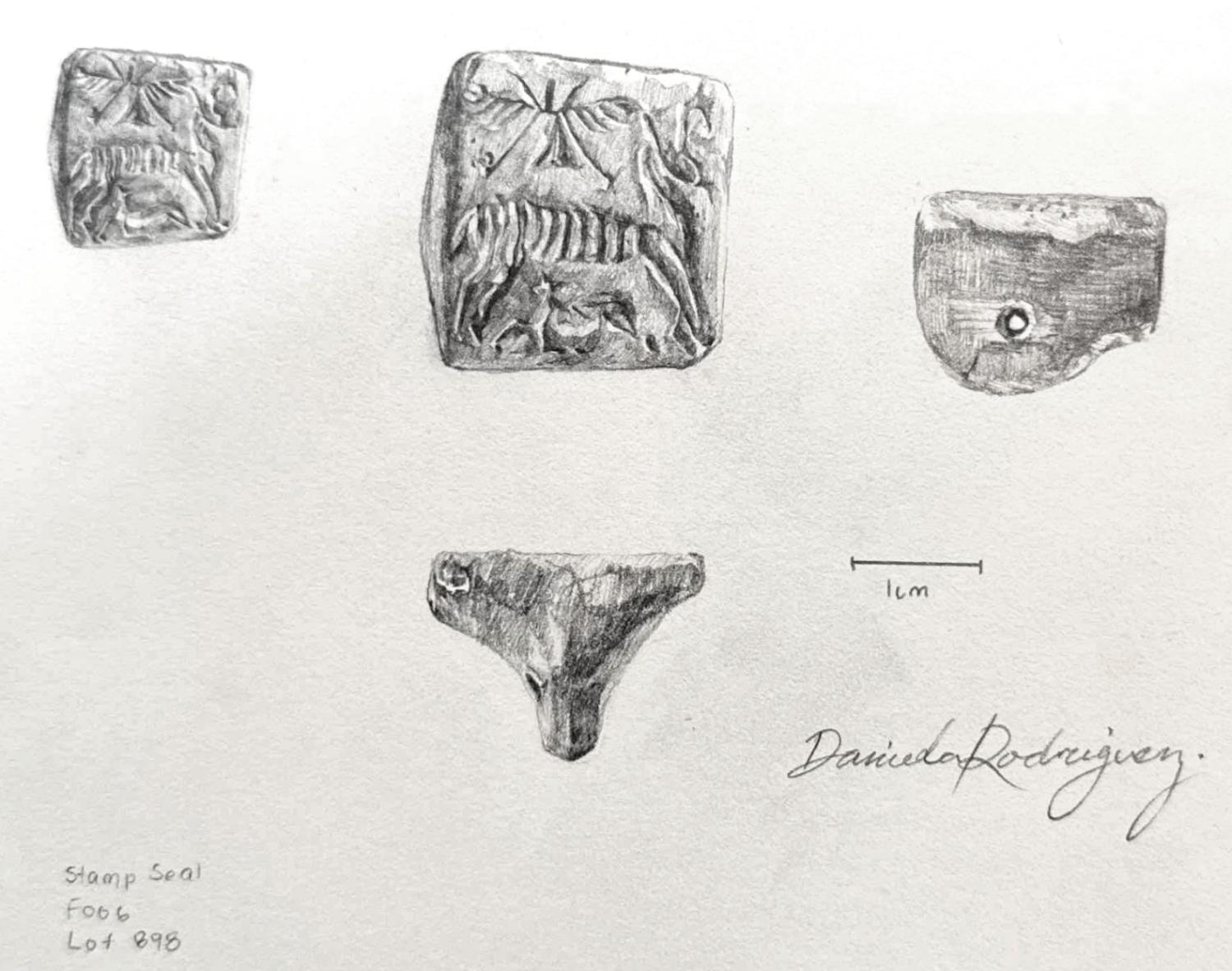
Finally, the post-Assyrian prosperity at Qach Rresh shows that when given freedom and control over their work, humans tend to thrive. The shift toward farming for the benefit of an individual’s family and community, as opposed to meeting imperial quotas, led to greater success. Today’s leaders might take a valuable lesson from this: allowing workers more creative freedom and a greater share of the rewards often leads to more productivity all around.
Qach Rresh tells a 2,700-year-old story of empire, our relationship with our environment, and human creativity. As I reflect on my visit to the site, walking along the mudbrick walls, examining ancient horse bones, and peering into the remains of old tandoor ovens, it becomes clear that Kurdistan is sitting atop an incredible, world-shaping history. This is both an inheritance and an opportunity to steward well, for the benefit of all.
The ancient residents of Qach Rresh may be long gone. But through these ruins, they still have stories to tell, lessons to teach us. If we pay attention, we may be amazed by what the soil can tell us.
A researcher and educator who has worked in Kurdistan for a decade.