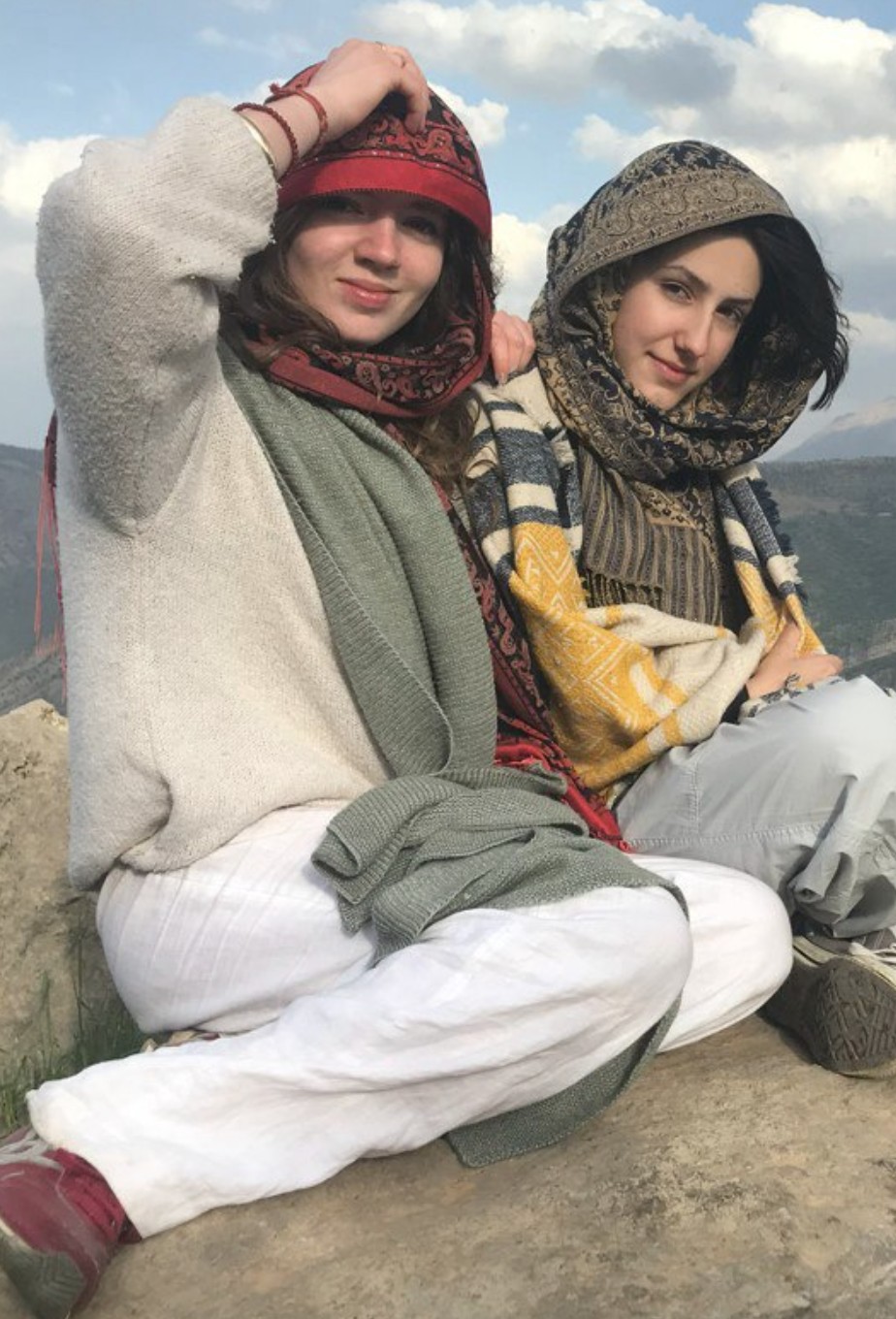
We are Zelal and Ines, two tenth-grade students brought together by curiosity, friendship, and a shared fascination for Kurdish culture. For Zelal, this connection runs deep, rooted in her family history and belonging to the Kurdish-French diaspora. For Ines, it began in middle school, when she started learning her first words in Kurmanji Kurdish from Zelal, catching her first glimpses of a land and a story that felt both distant and familiar.
The journey begins
In April, we had the chance to travel to the Kurdistan Region of Iraq for a journalistic project dedicated to documenting the experiences of its youth. The project was made possible with the help of Zelal’s father, a Kurdish linguist at the University of Rouen, and Ali Dolamari, the Kurdistan Regional Government Representative in France, whose vision of a documentary on Kurdistan first sparked our adventure.
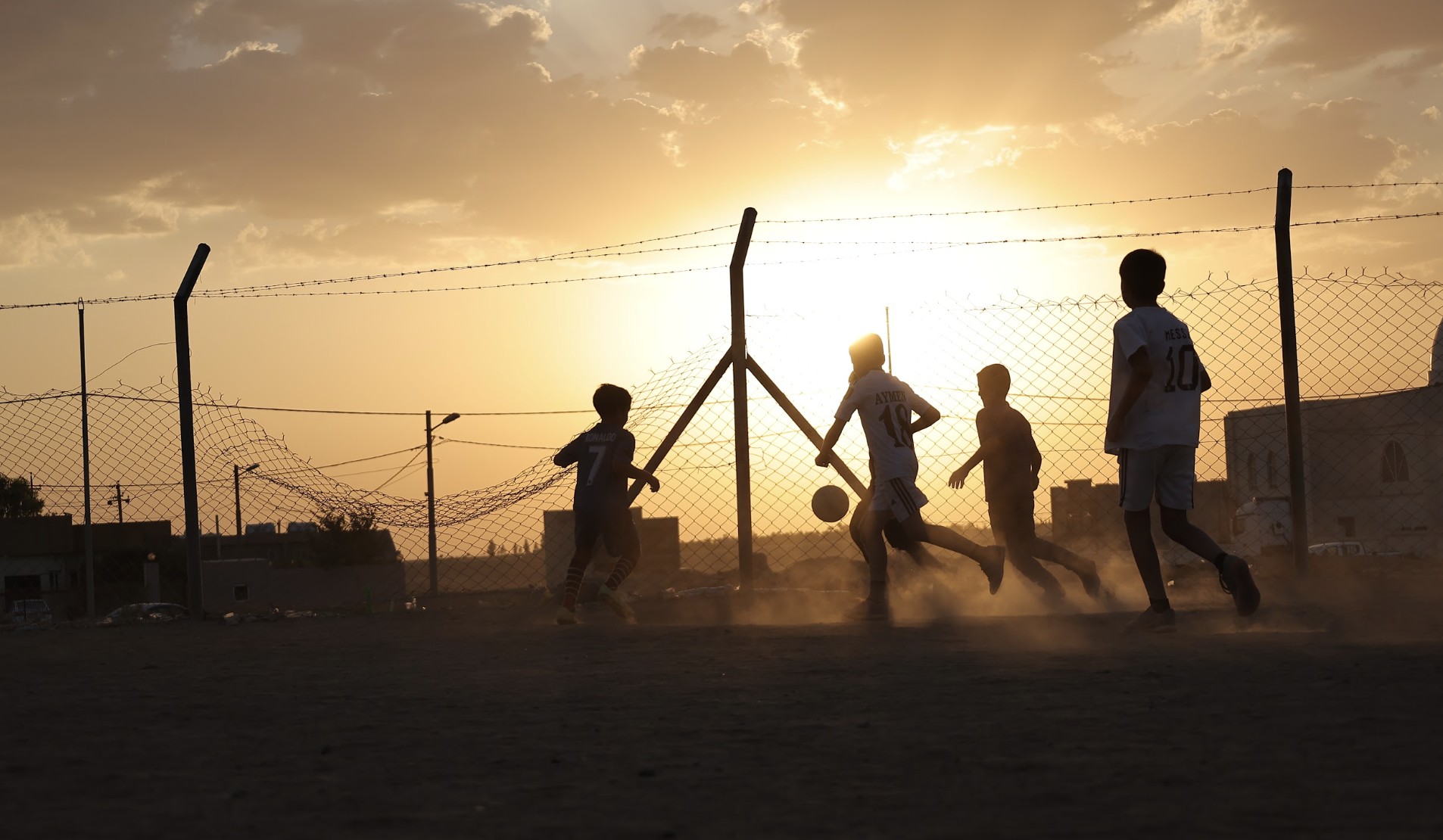
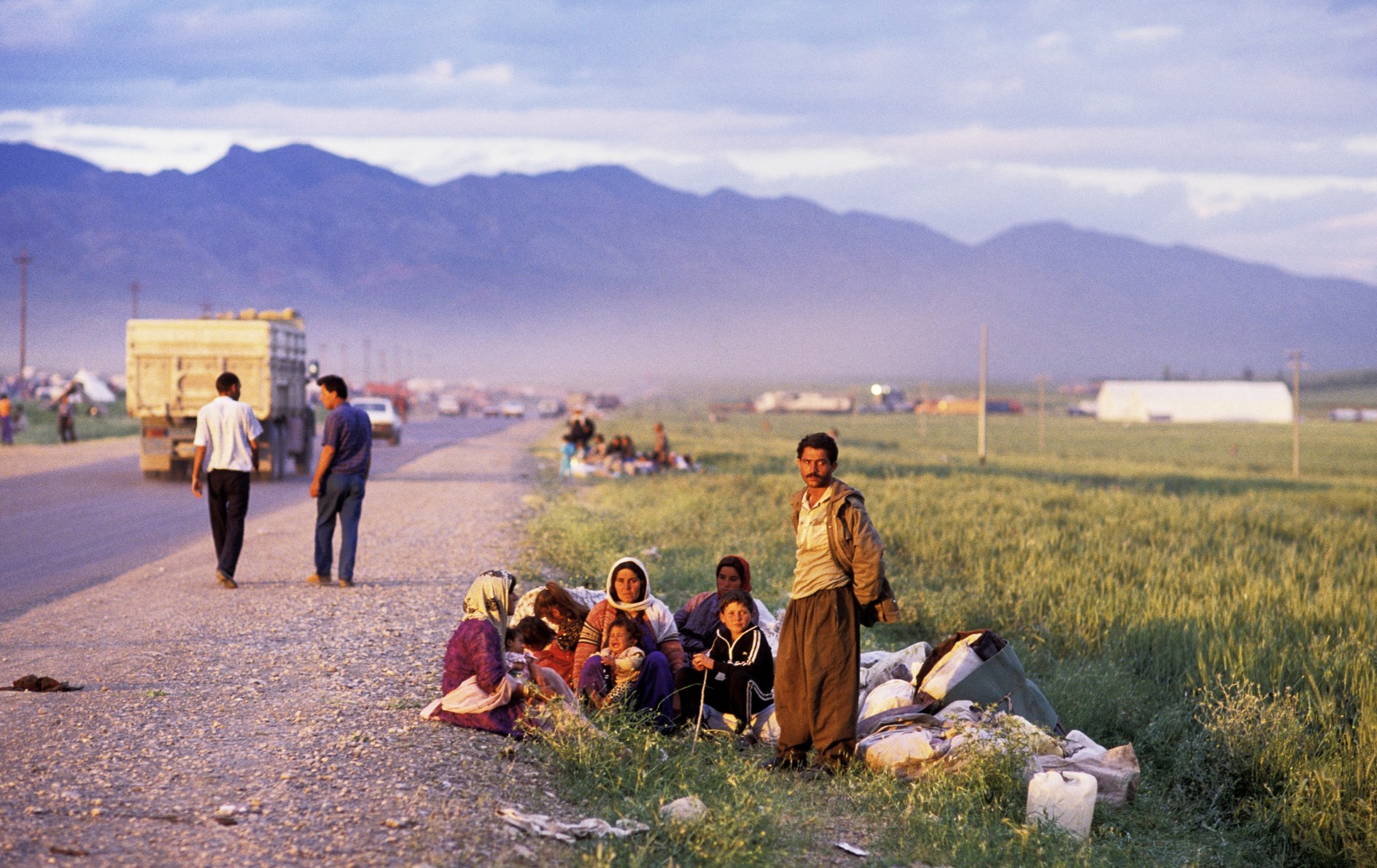
Our goal was to portray Kurdistan through a different lens. Too often, the region is known for its geopolitical struggles, wars, divisions, and its fearless Peshmerga. We wanted to hear the voices of its young people, those who live between the weight of history and the promise of renewal. Being teenagers ourselves, one of us from the Kurdish diaspora, this felt both intimate and necessary.
Asking the right questions
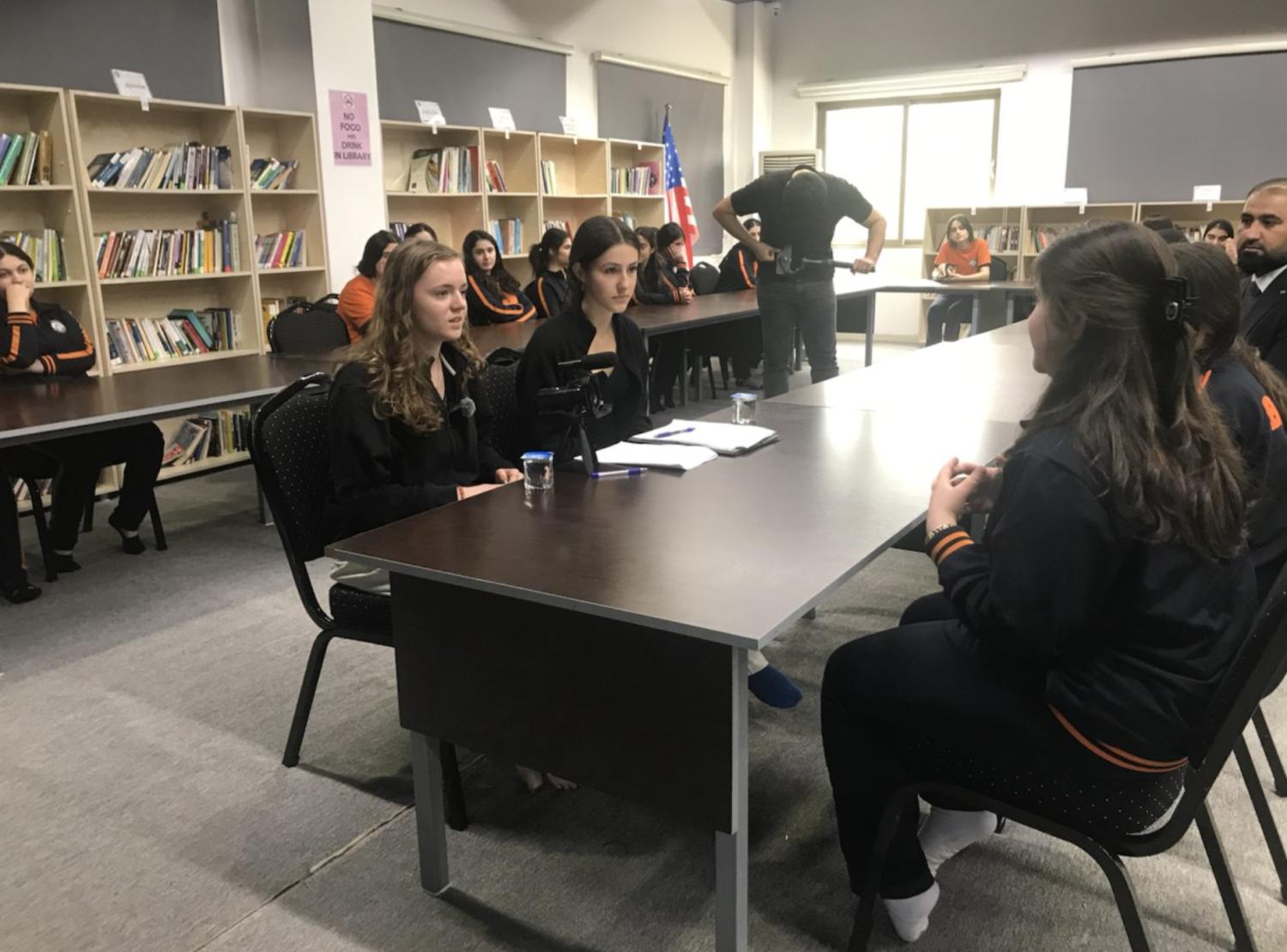
Before our first interviews, we were filled with questions, and perhaps a little fear. Kurdistan, despite its autonomous status within Iraq, still bears the scars of long years of oppression. Its language, culture, and identity have all been challenged and silenced at different times. We wondered:
How do young Kurds feel about who they are?
Are they proud of their identity?
How do they relate to their country’s past, and do they see themselves in its future?
To keep our approach spontaneous, we contacted schools in advance but asked that students volunteer on the spot. We wanted conversations that felt unrehearsed and would capture the first, honest thoughts that came to mind.
What we heard
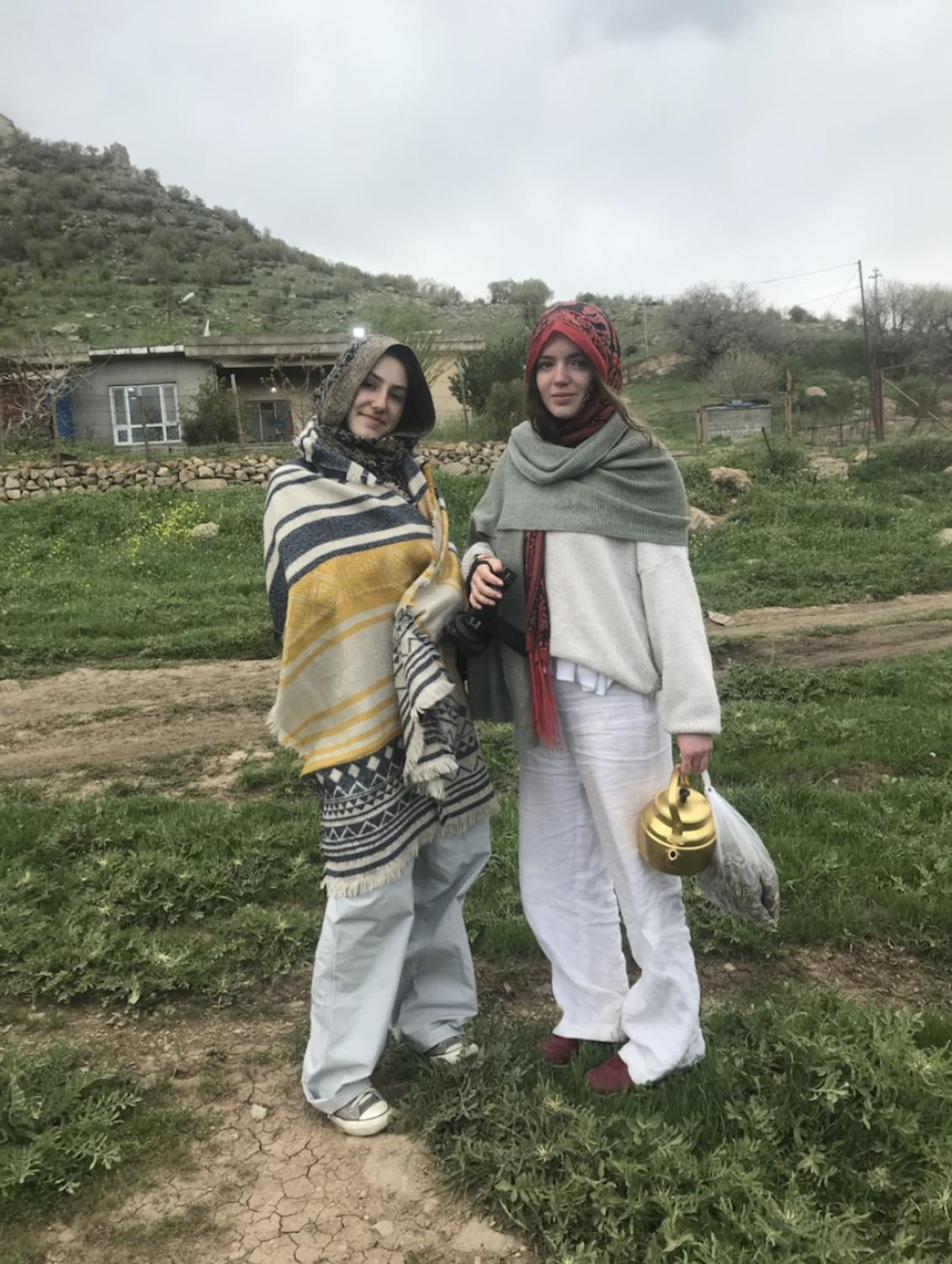
What we found was deeply moving. Far from the apathy that some adults describe, we met a generation who were aware, engaged, and fiercely proud. Many spoke about their desire to preserve the Kurdish language and culture, a love that persists despite the obstacles.
We also discovered how complex the question of language can be. The Kurdish language is rich in dialects, and communication between speakers of Kurmanji and Sorani, for example, can be difficult. In this context, English had naturally become a bridge. Many young Kurds told us how English opens doors to knowledge, to the world, to possibility. And yet, they knew that every step toward globalization risks pushing their own language further into silence.
That paradox stayed with us. Every young person we met expressed the same quiet determination: “We don’t want to lose who we are.”
Encounters along the way
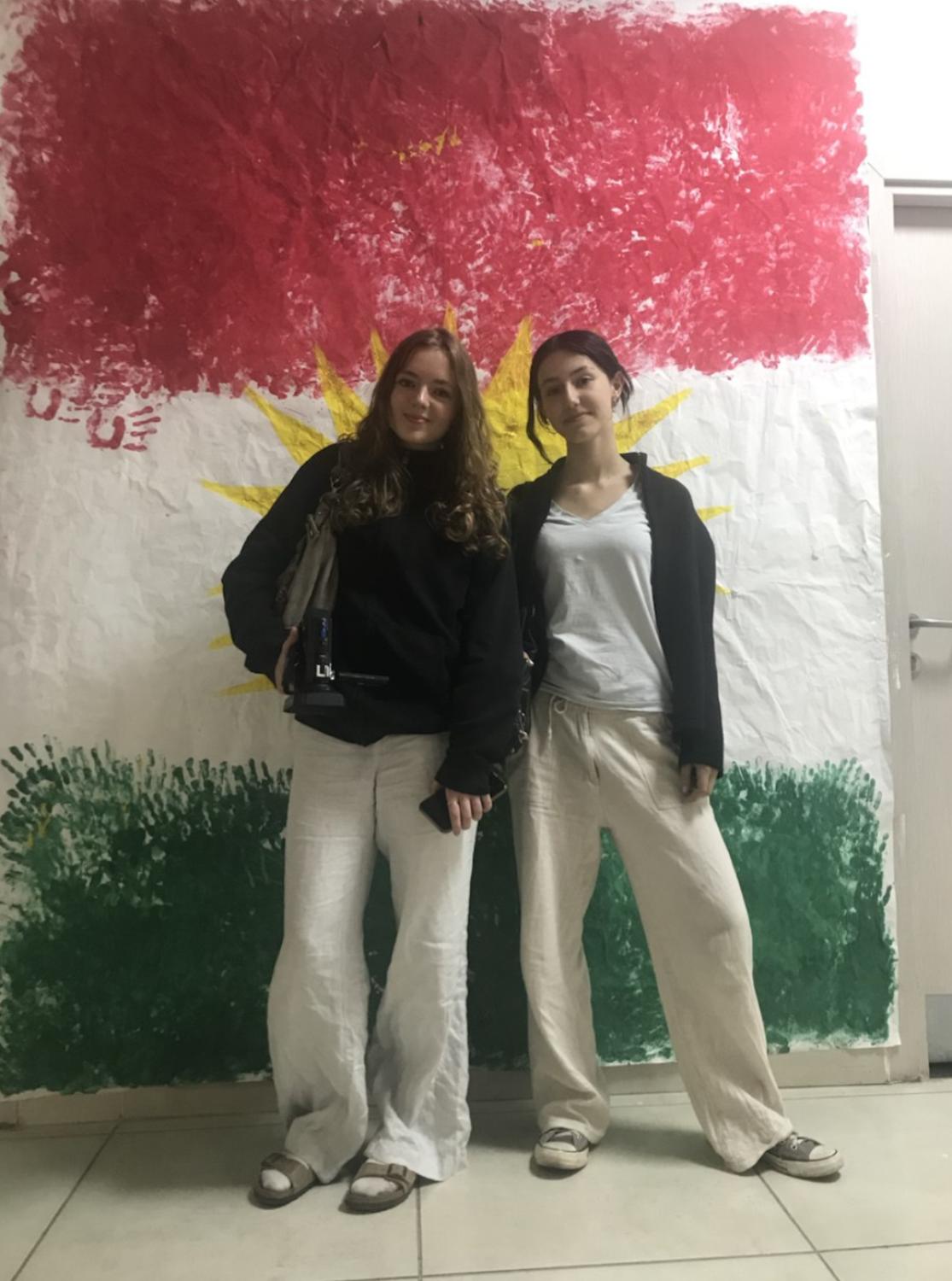
Throughout our journey, we were welcomed with a warmth that felt almost familial. Conversations would often continue beyond our interviews, from classrooms and cafes to city streets and homes. People of all ages shared their experiences as Kurds, their memories of struggle and celebration, and their hopes for the generations to come.
We had the privilege of visiting the Erbil Citadel during its restoration, and of meeting inspiring researchers at the French Institute for the Near East. Each encounter added a new layer to our understanding of Kurdistan – not as a single story, but as a living mosaic.
We also faced small surprises: for instance, realizing that most Iraqi Kurds speak Sorani, while we spoke Kurmanji. This language difference led us to communicate mostly in English, which many spoke fluently, and reminded us of how diverse yet connected this land truly is.
Again and again, we heard the same wish: for a Kurdistan united beyond dialects and geography, carried by a shared sense of belonging.
A lasting echo
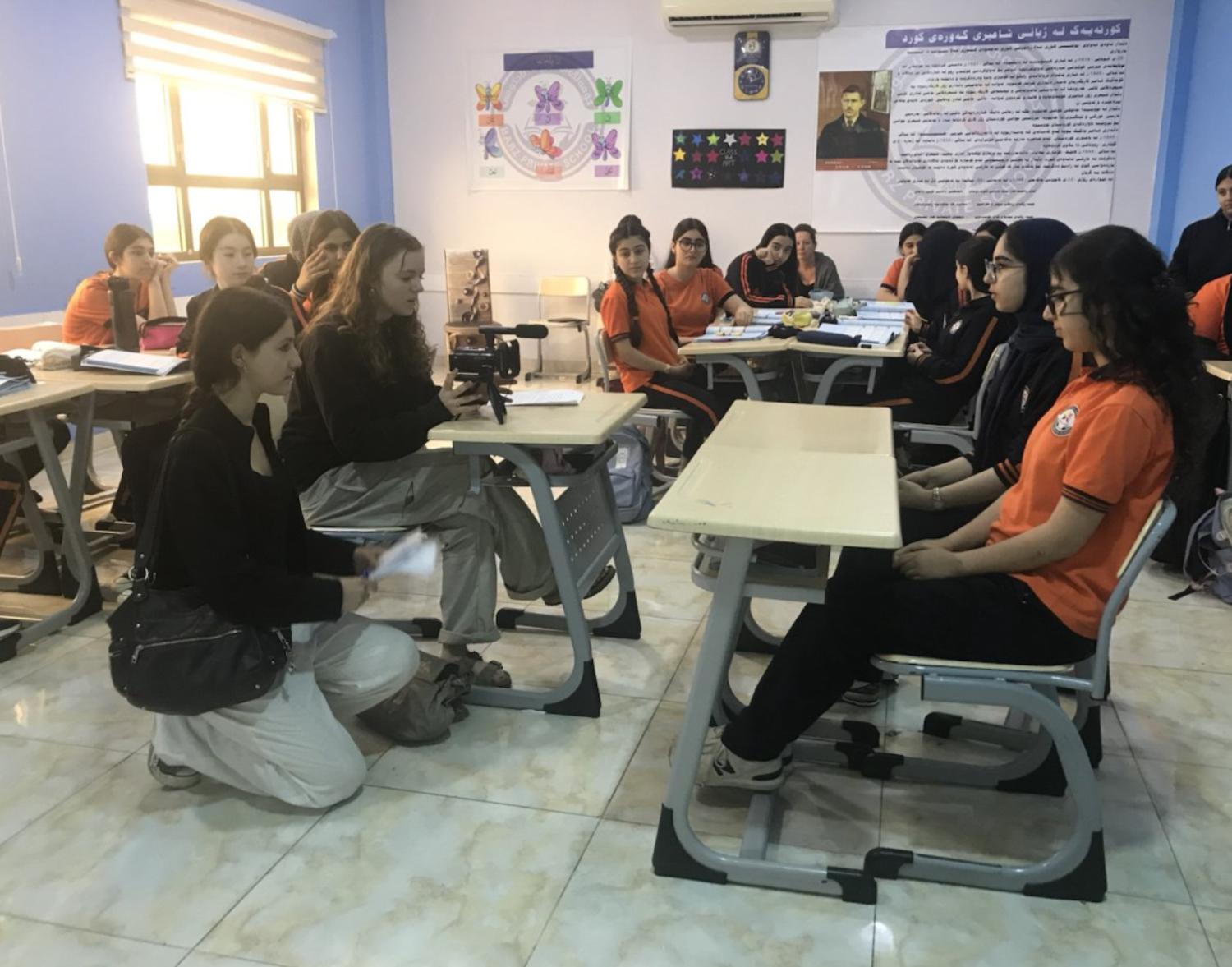
When we look back on this journey, it feels less like a project and more like a turning point. It showed us that identity is not just inherited – it’s chosen, nurtured, and renewed by each generation. The young Kurds we met were living proof of that: aware of their challenges, yet still full of hope.
Their words, their pride, their resilience will stay with us. This trip gave us stories to tell, but it also gave us a deeper understanding of what it means to belong, to dream, and to believe in a culture that refuses to disappear.
We would like to express our heartfelt gratitude to Ali Dolamari, Bryar Baban, and all those who supported and welcomed us. Their kindness turned our journey into an unforgettable experience, one that continues to shape the way we see Kurdistan and ourselves.
two French students interested in the Middle East, especially Kurdistan