Kurdish women turn a symbol of dignity into an act of global defiance
It begins with a braid.
In a grainy, widely shared video, a militant claiming to belong to the Syrian Arab Army walks into a small shop, smirking as he raises a severed plait like a prize. “This is the hair of a haval,” he says, using the Kurdish word for “comrade.”
The man filming him asks, with a cruel edge: “Why did you cut her hair?”
The reply is chillingly casual: “She was already dead.”
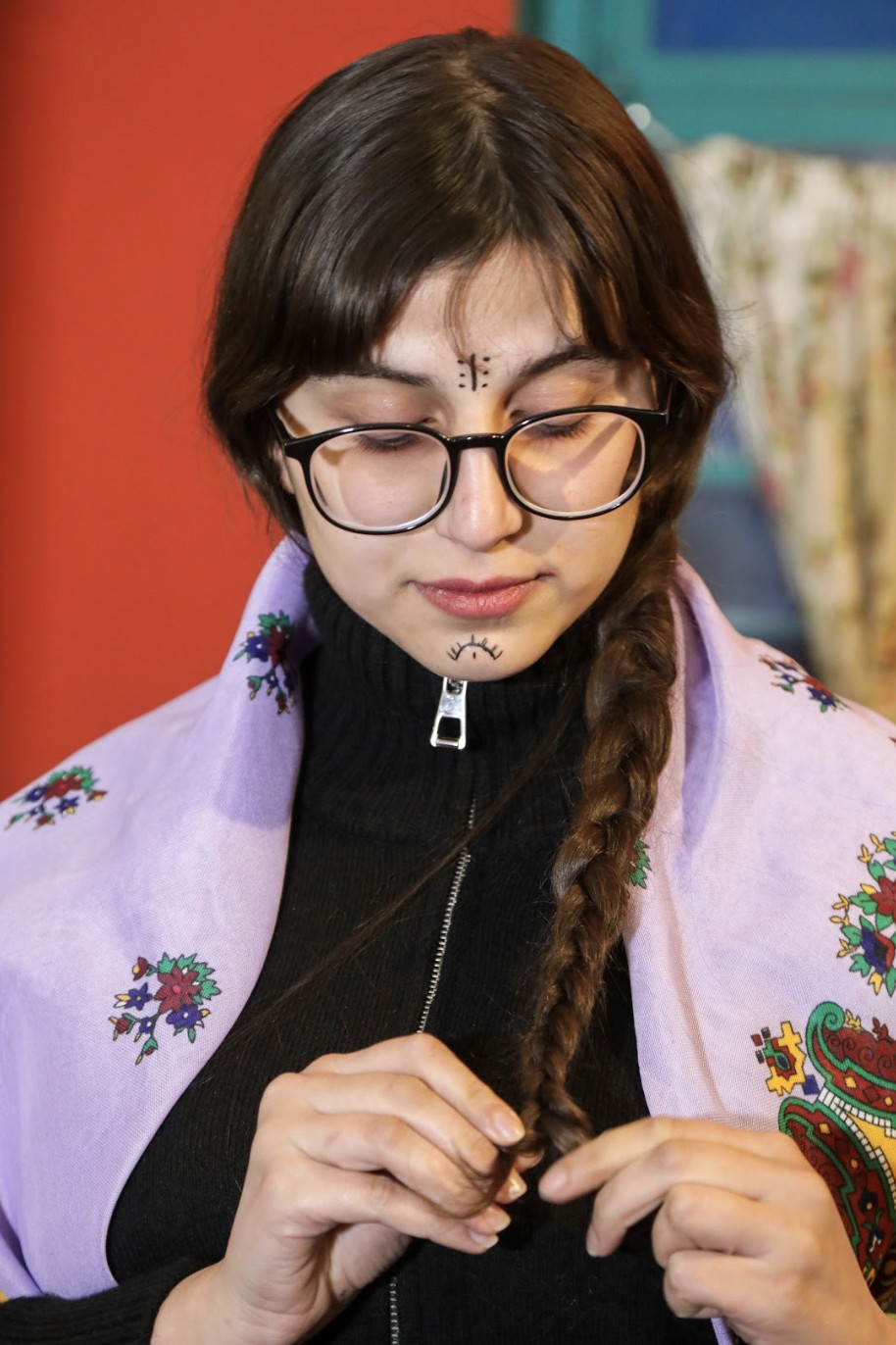
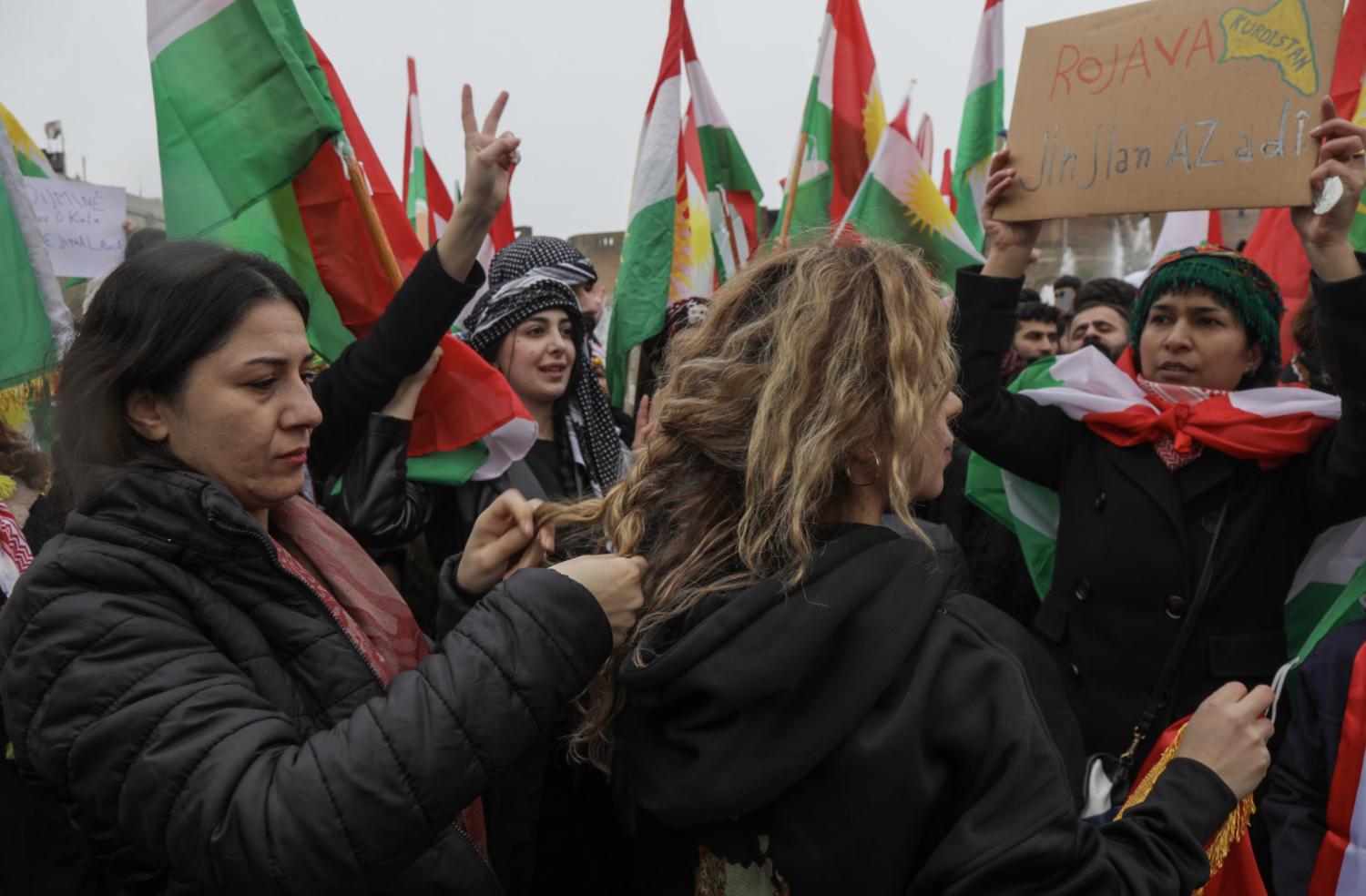
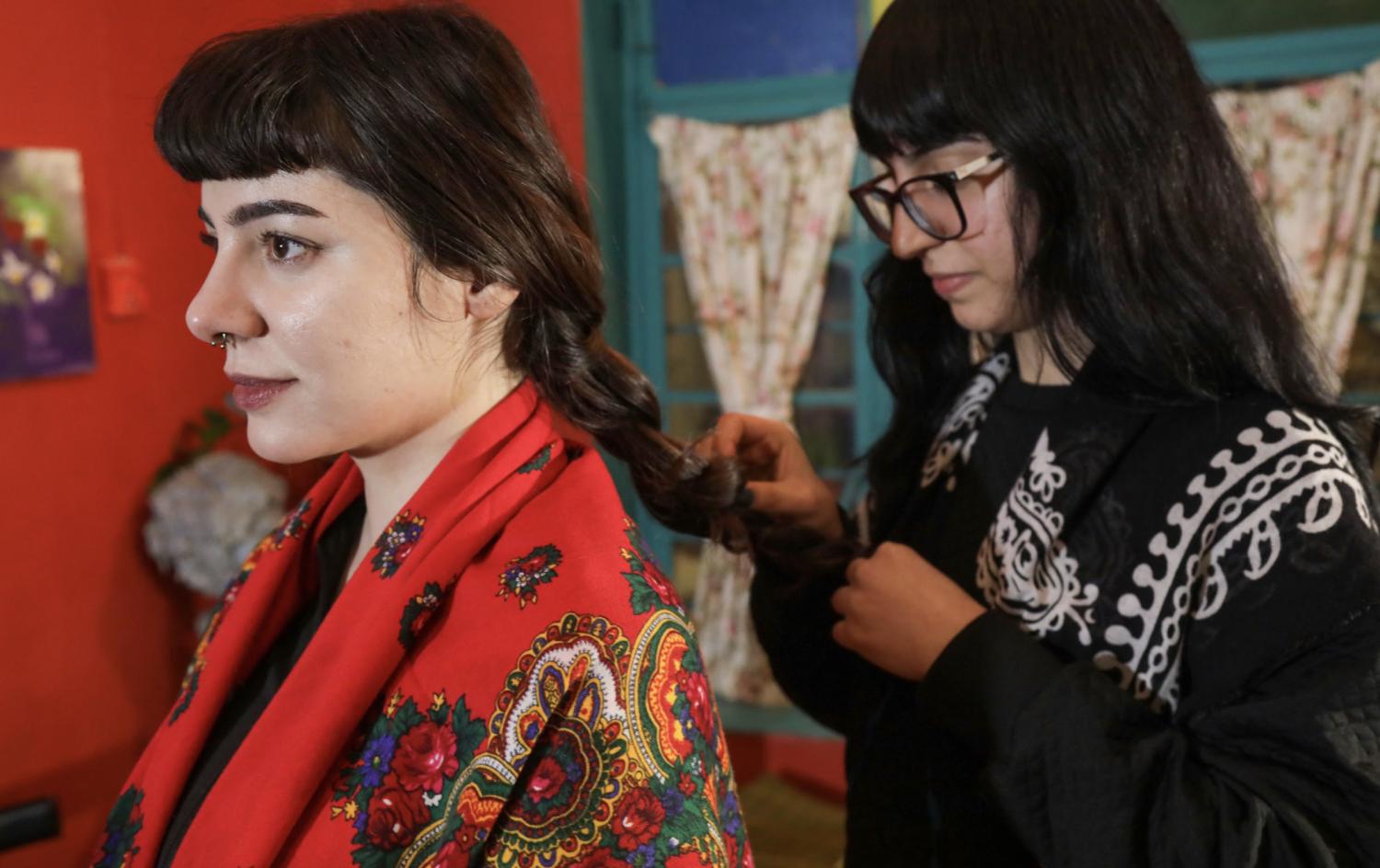
For many Kurds, the clip did not simply document an insult to a fallen female fighter. It struck at something deeper – a cultural symbol, a braid not of hair, but of memory, identity, and grief. Within days, Kurdish women in Kurdistan and across the diaspora answered with an unexpected form of protest: they braided their hair.
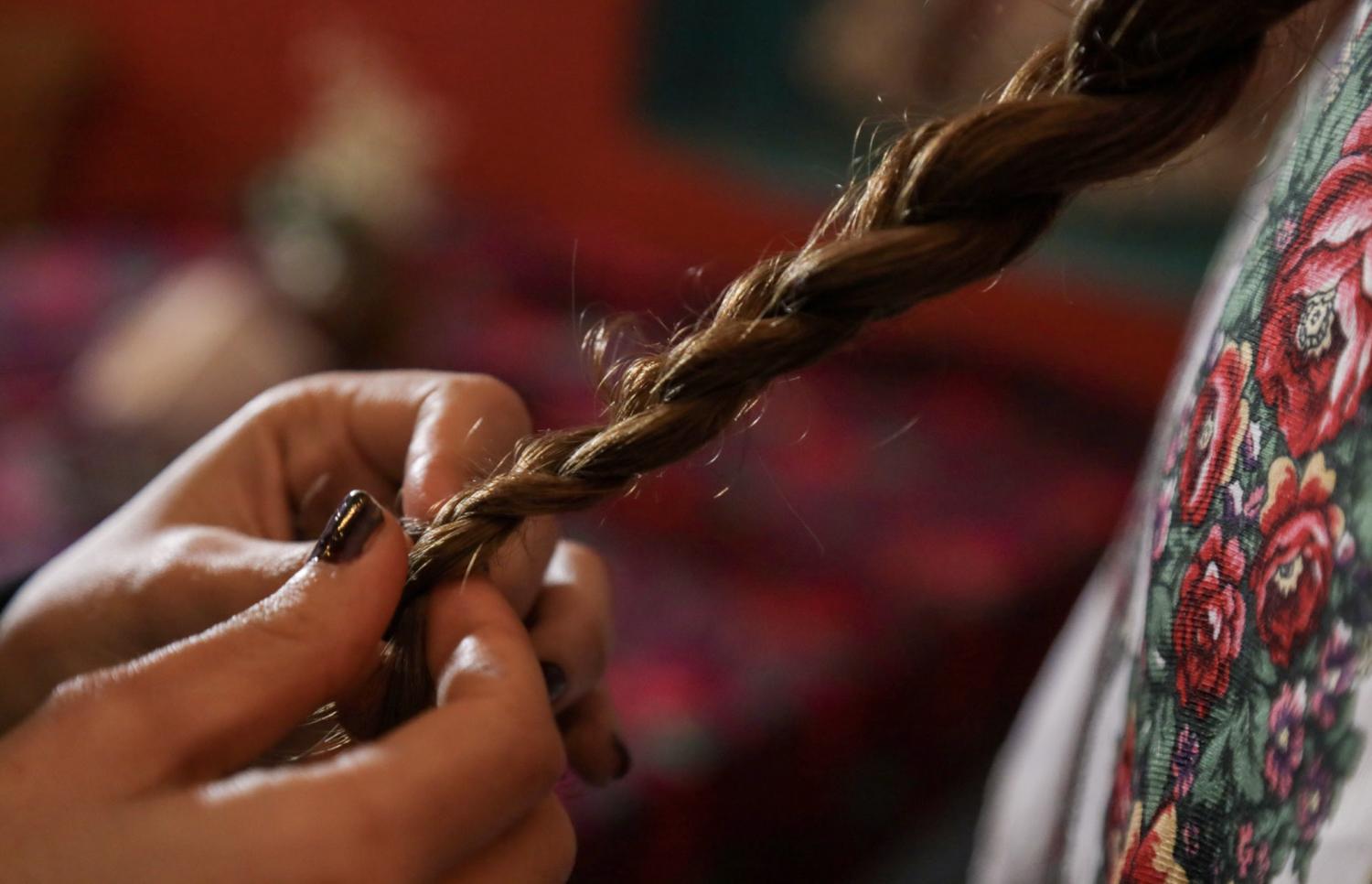
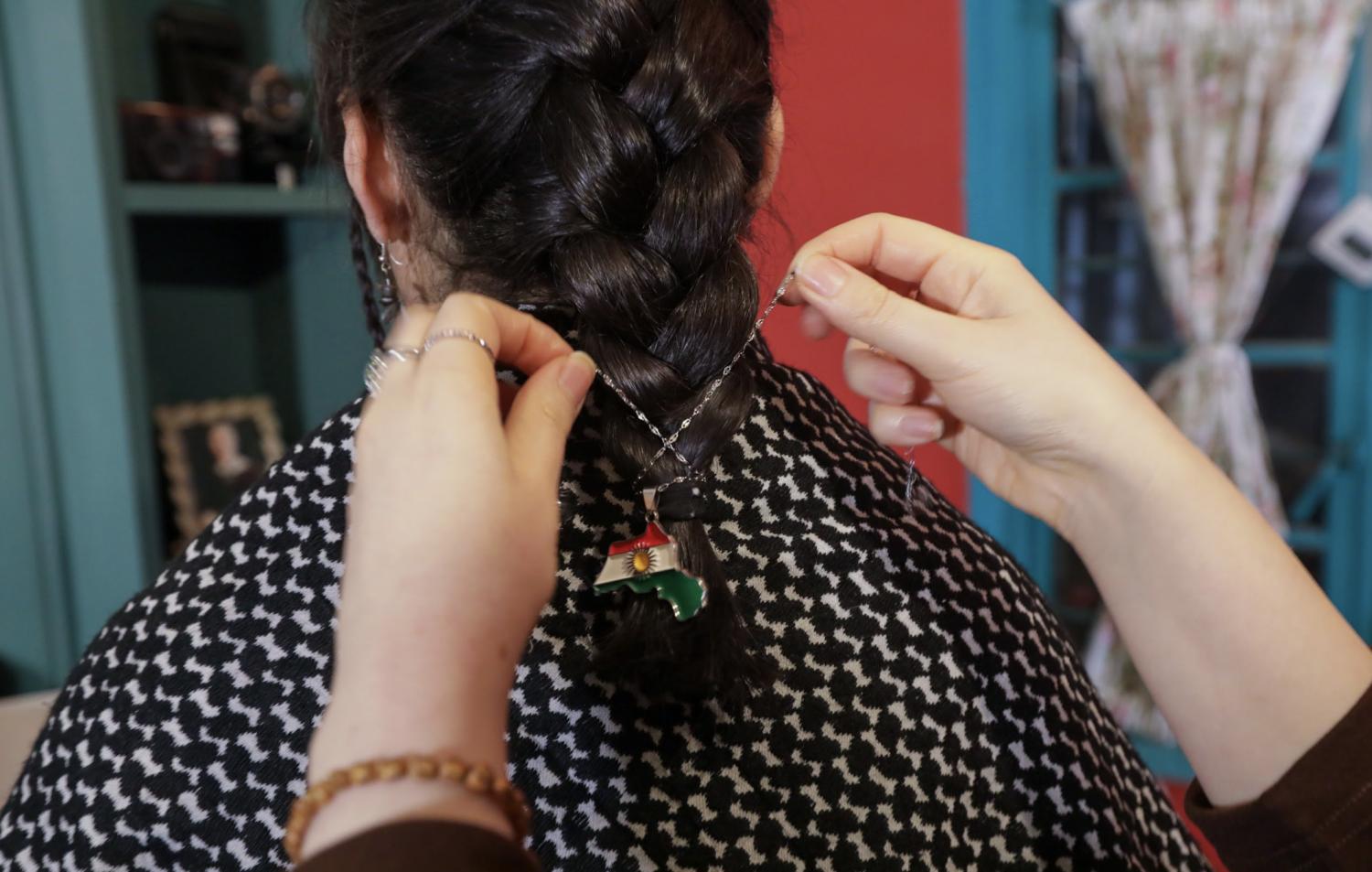
On social media, thousands of videos appeared: young women braiding each other’s hair; mothers plaiting their daughters’ hair with care; fathers braiding their girls’ hair in quiet solidarity. Some pinned Kurdish flowers into the braids; others wove the Kurdistan flag and traditional fabrics through the strands. In a gesture that spoke to the movement’s reach, some families even named their newborn girls Kazi, the Kurdish word for “braid.”
The message, repeated in captions and whispered into phone cameras, is simple: you cannot humiliate us into silence. For many Kurds, this is not a fleeting online trend; it is a movement.
Dignity and beauty
For 20-year-old Banaz Nishtiman, the choice to braid her hair was instinctive and intensely personal. “The day I saw the video… it made me very angry and sad,” she told Kurdistan Chronicle. “As a protest and to show my support, I began braiding my hair. Since then, I go to protests every day with my friends to condemn this heinous insult.”
She braided not only her own hair, but her family’s, too. “I braided my mom’s hair and my sister’s,” she says. “The braid is the dignity and the beauty of Kurdish women.”
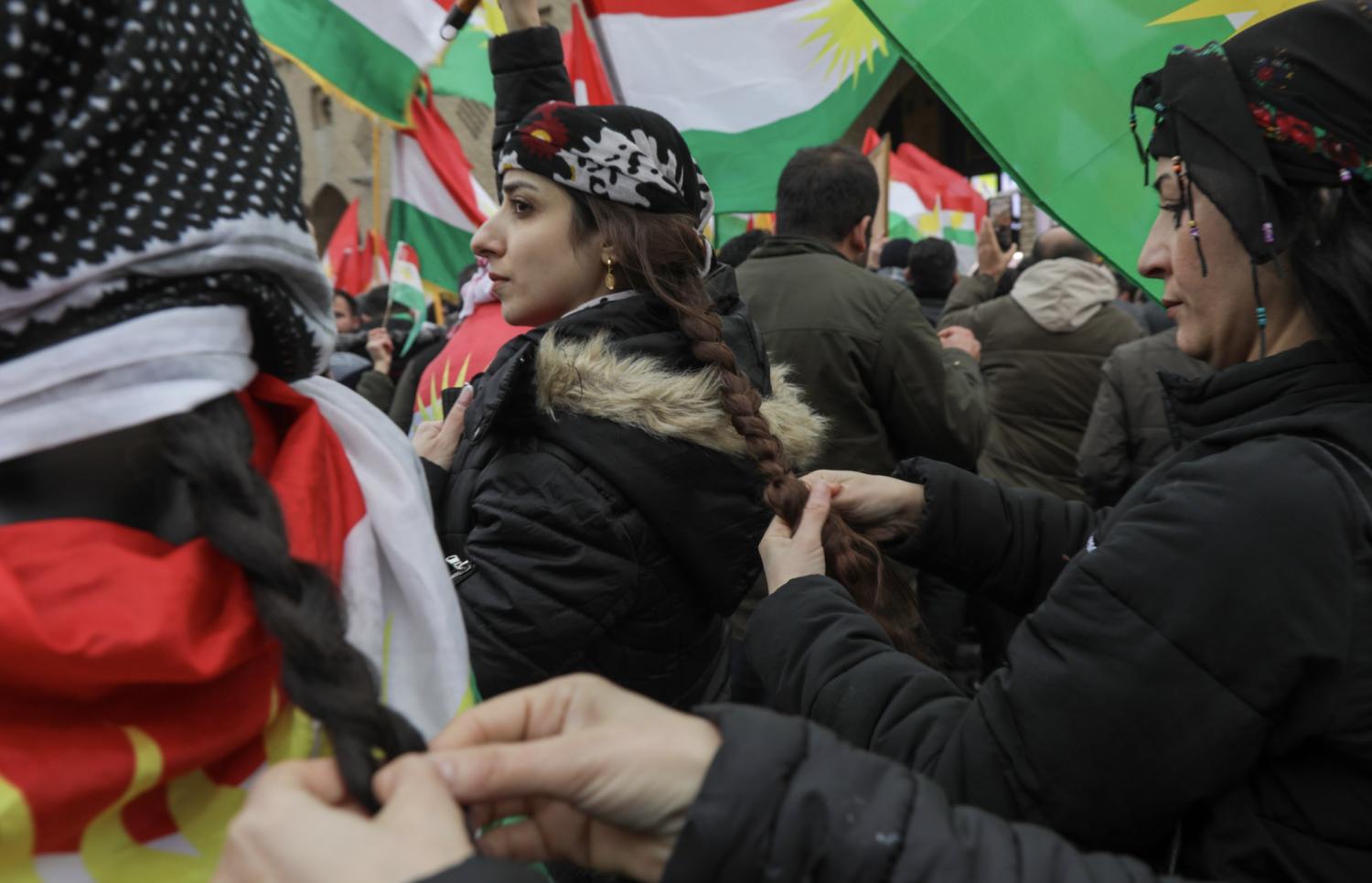
Like many, Nishtiman connects the braid to a lineage of resistance and to the women fighters who have become powerful symbols in Kurdish political life. “I am deeply proud of our female fighters; they are fighting for our rights against the darkness,” said Nishtiman, noting that her own mother was a Peshmerga fighter in the 1980s against Saddam Hussein’s regime.
Zhino Muhammad, 24, says the braid has long served as a key symbol of how Kurdish women see themselves. “For Kurdish women, the braid means bravery and unity,” she says. “It is our identity.” For Muhammad, braiding hair is about readiness. “For many, when a girl braids her hair, it signals readiness to fight and defend the land and her people. Women can also be on the front lines.”
Why this is more than a trend
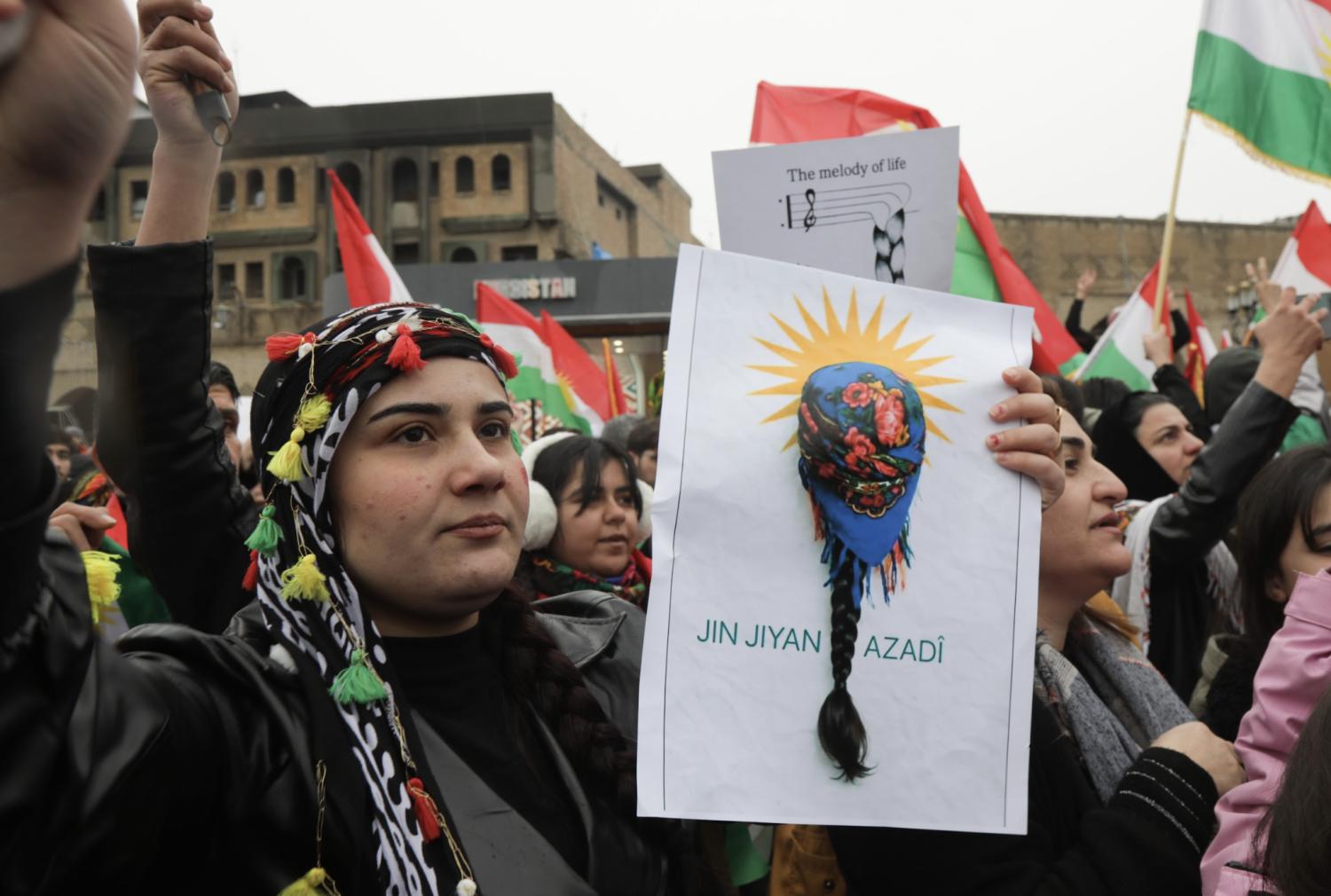
Liva Adel Sharif, an assistant lecturer at Tishk International University in Erbil, argues that the word “trend” misses the gravity of the movement. “A trend changes. Today it’s fashionable, tomorrow it’s forgotten,” she says. “But this is different. This has philosophy. This has suffering inside it.”
In Kurdish culture, she explains, hair has signified strength, patience, and dignity for generations. “To have a braid, you need long hair, and to have long hair you need to wait,” she says. “So, it becomes patience. It becomes power.”
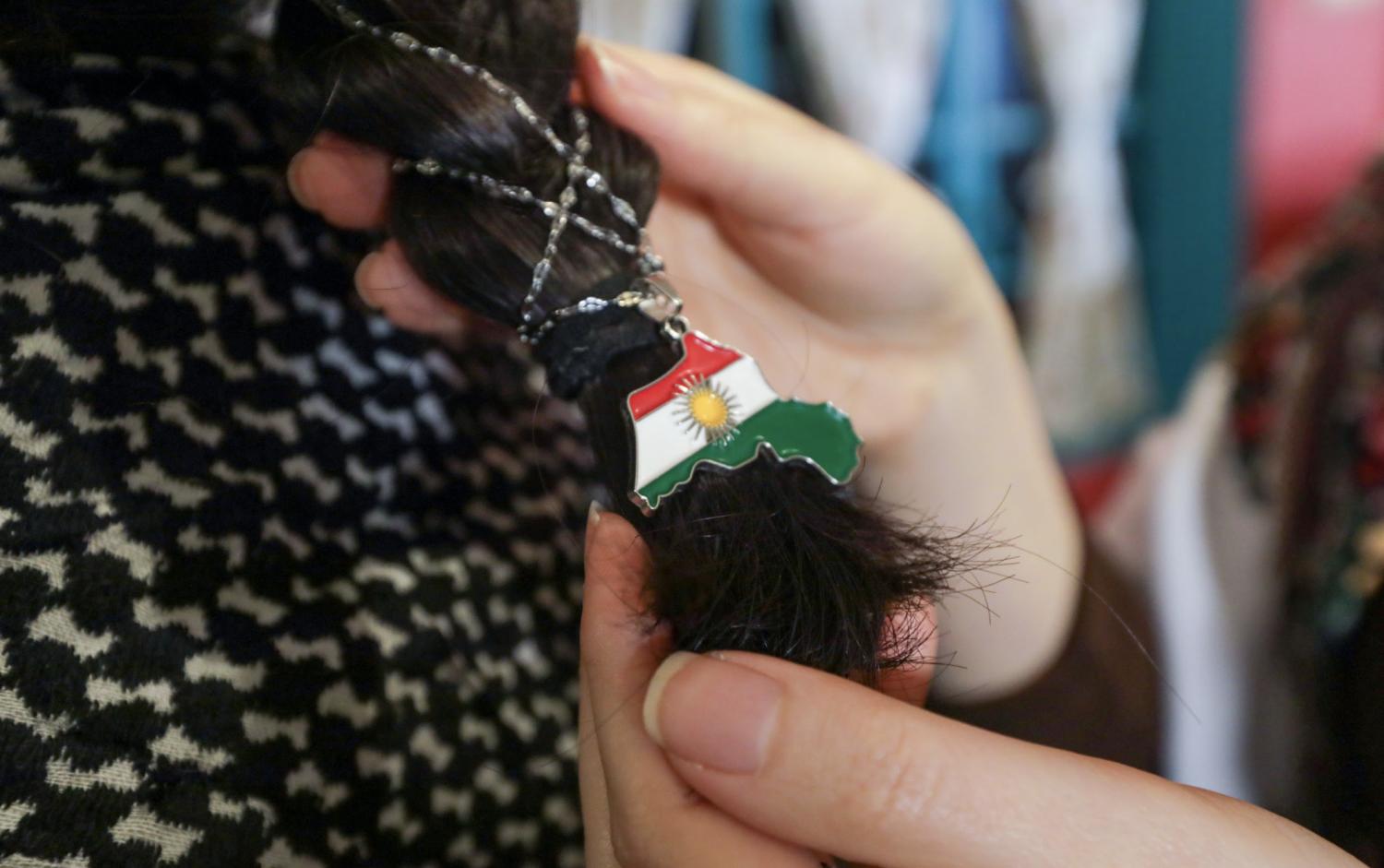
But for Sharif, the braid’s deepest meaning is emotional and rooted in the intimacy of family. “When we are kids, we turn our backs to our mothers or grandmothers, and they braid our hair. So, it becomes trust. Inner peace. An emotional connection.”
She remembers the moment she saw the militant holding the severed plait. The anger came quickly, she says, but it was a single, heartbreaking thought that stayed with her: “Who braided it for her?”
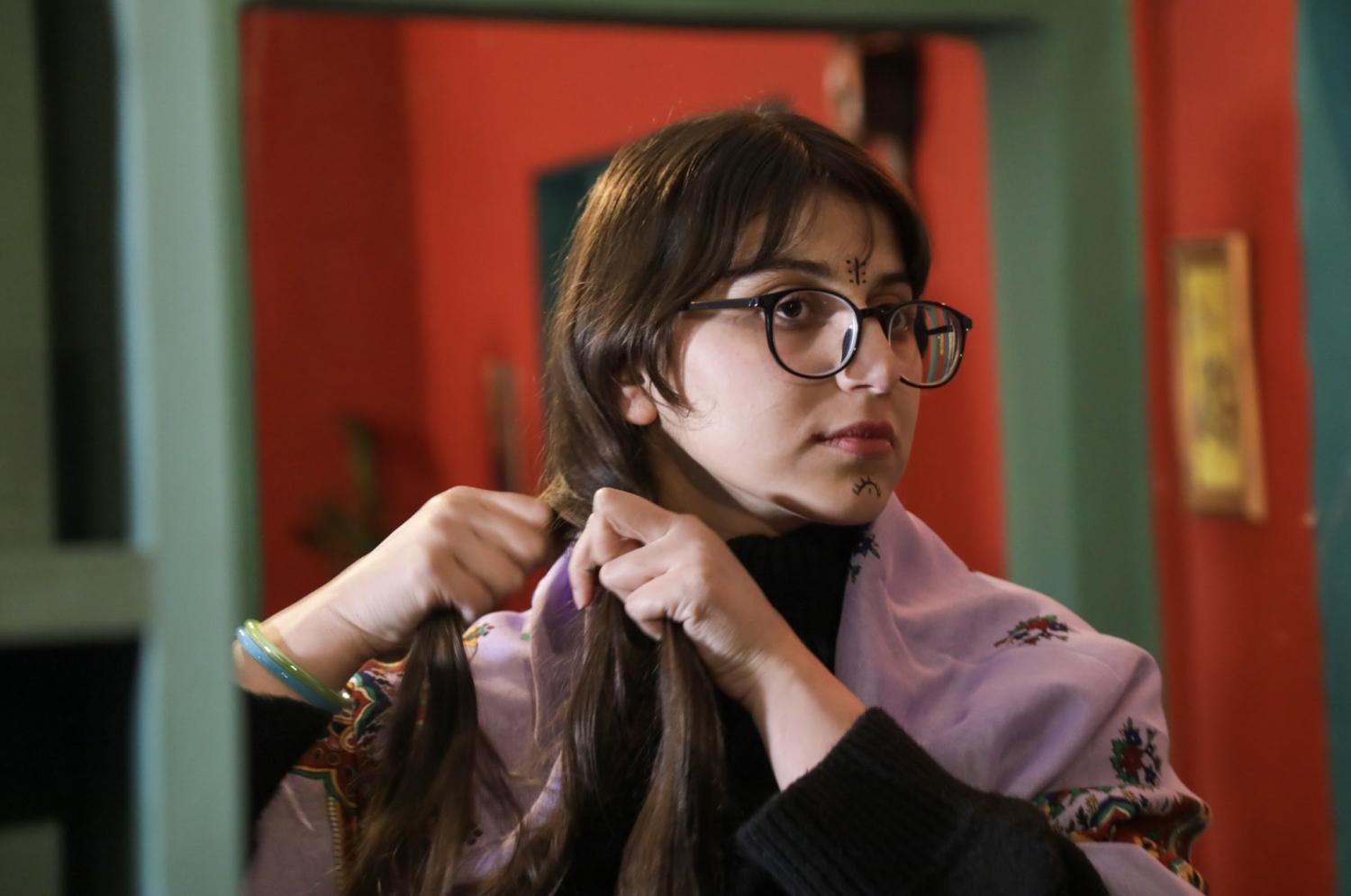
“She must have been thinking about the night she would unbraid her hair and sleep,” Sharif says. “But she never got the chance to undo that braid.”
By turning the act of braiding hair into a public protest, Sharif believes Kurdish women are seizing control of the narrative. “We always complain that history was not fair to us. But now we have tools. This is our opportunity to write history in the way that we want.”
An existential symbol
Ghiath Naqshbandi, a researcher with an MA in International Studies, describes the braid as an “existential symbol” of Kurdish womanhood, something closer to honor than ornament. “Historically speaking, for Kurdish women, the braid was her dignity,” he says.
In stories passed down through generations, cutting a braid could signal profound grief or a sacred vow. “A woman would cut her braid to express deep love or profound grief,” Naqshbandi says. “It is woven deeply into our culture.”
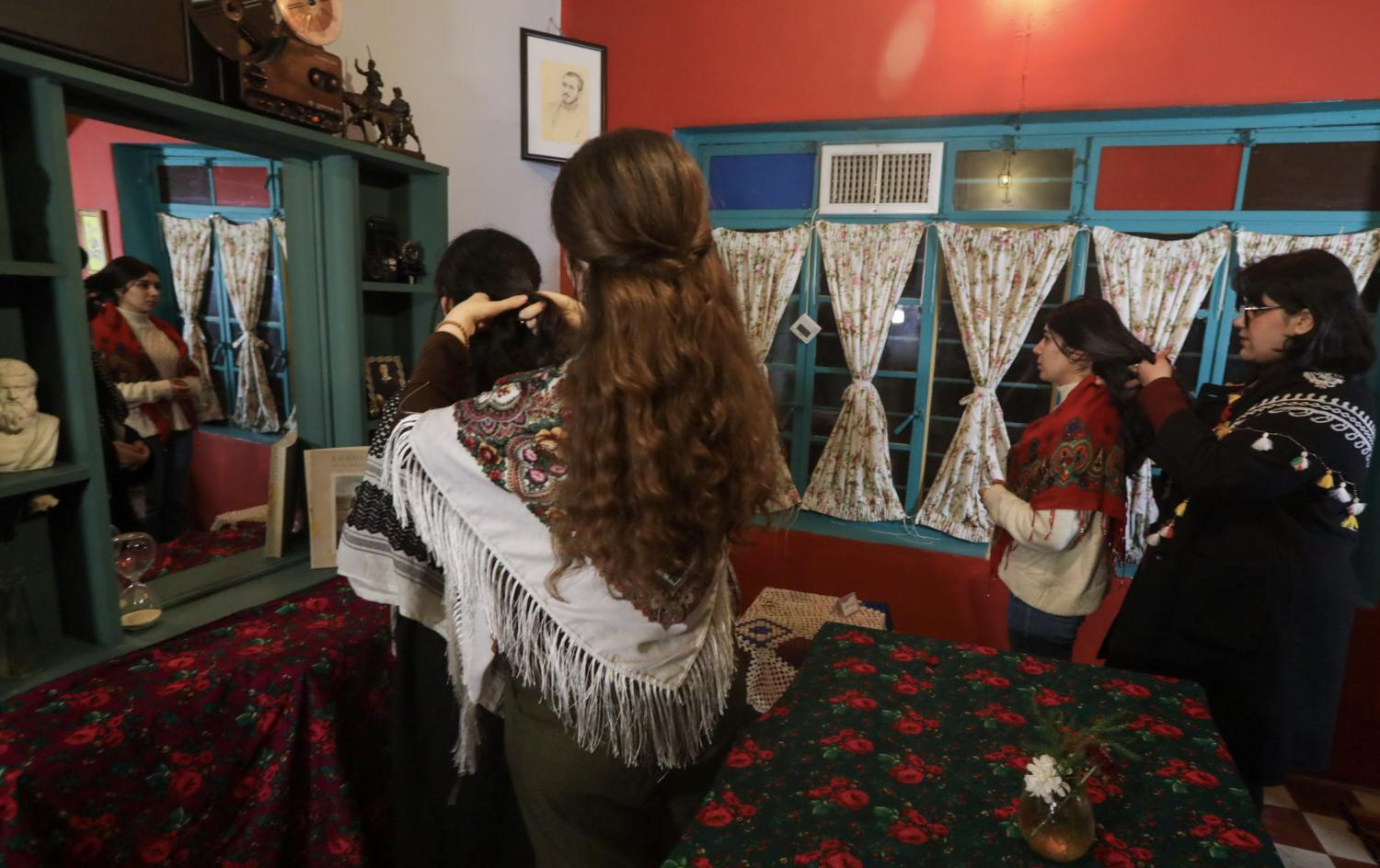
Outsiders often misunderstand that weight, seeing only hair rather than what it represents. That, Naqshbandi believes, is why the criminal in the video miscalculated. “He did not know what the braid means. He thought it was only beauty. He did not expect that one act would unite Kurds across borders in Iraq, Syria, Turkey, and Iran.”
The braid also holds public power; it is a marker of honor that Kurdish women invoke with the same seriousness men reserve for their own symbols. “Kurdish women swear on their braid,” Naqshbandi says, “just as men traditionally swear on their mustaches.”
He adds a final warning to those who would try to shame them: “When you cut a braid, you are not cutting hair. You are touching identity. And identity does not disappear. It multiplies.”
In video after video, the camera stays close as fingers divide strands into three – left, middle, right – pulling them together again and again, tightening what cannot be undone. A simple act, repeated thousands of times, has become a collective vow:
If you cut one braid, we will weave a thousand.
A Kurdish journalist with 15 years of experience in media development in Iraq. He has contributed to both local and international media outlets.