For Kurdish youth, whether in the homeland or abroad, identity is carried with pride. However, the modern political history of Kurdistan, its leaders, its sacrifices, and its contributions to civilization are still not taught through a single, unified narrative. As the Kurdish nation becomes increasingly global, the absence of a standard modern history textbook grows more evident.
Under the leadership of Kurdistan Regional Government (KRG) Prime Minister Masrour Barzani, appointing a panel of respected professors of history from all parts of Kurdistan is a national necessity. Their collective mission would be to produce a unified, academically grounded account of the modern history of the Kurds, one that millions of Kurdish youths could rely on, whether they are studying in Duhok, Erbil, or London.
“If we do not write our history, others will write it for us.”
For the first time, Kurds across all four parts of Kurdistan and the diaspora would learn the same modern history. For decades, Kurdish history has often been misrepresented by external powers, making it essential that Kurdish scholars define our story. Equal access to accurate history is also crucial so that a student in London or Germany learns the same narrative as a student in Duhok or Erbil. Central to that history is General Mustafa Barzani, the defining leader of the Kurdish struggle for dignity and self-determination, who shaped a national vision rooted in unity, sacrifice, and resilience. His principles became the foundation of the Kurdish national movement.
Yet too many young Kurds today know only about his actions, not about the political discipline, diplomacy, and strategic leadership that guided them. Ensuring that his legacy, and the legacy of those who fought alongside him, are properly understood is vital for those who now carry the responsibility of protecting Kurdistan’s future.
The advent of artificial intelligence (AI) as a source of knowledge is clearly an advantage to many aspects of human endeavor. However, I feel very strongly, as an 18-year-old, that it may become a danger to our nation, its identity, its history, and its very being – especially because we have never had a standard and unified account of our modern history. Already, AI chatbots often provide unreliable and superficial information about our past. As everybody knows, AI draws from inconsistent and variable sources, which can misrepresent historical truth. This could erode our national identity and weaken the rightful claim to nationhood held by a long-suffering people.
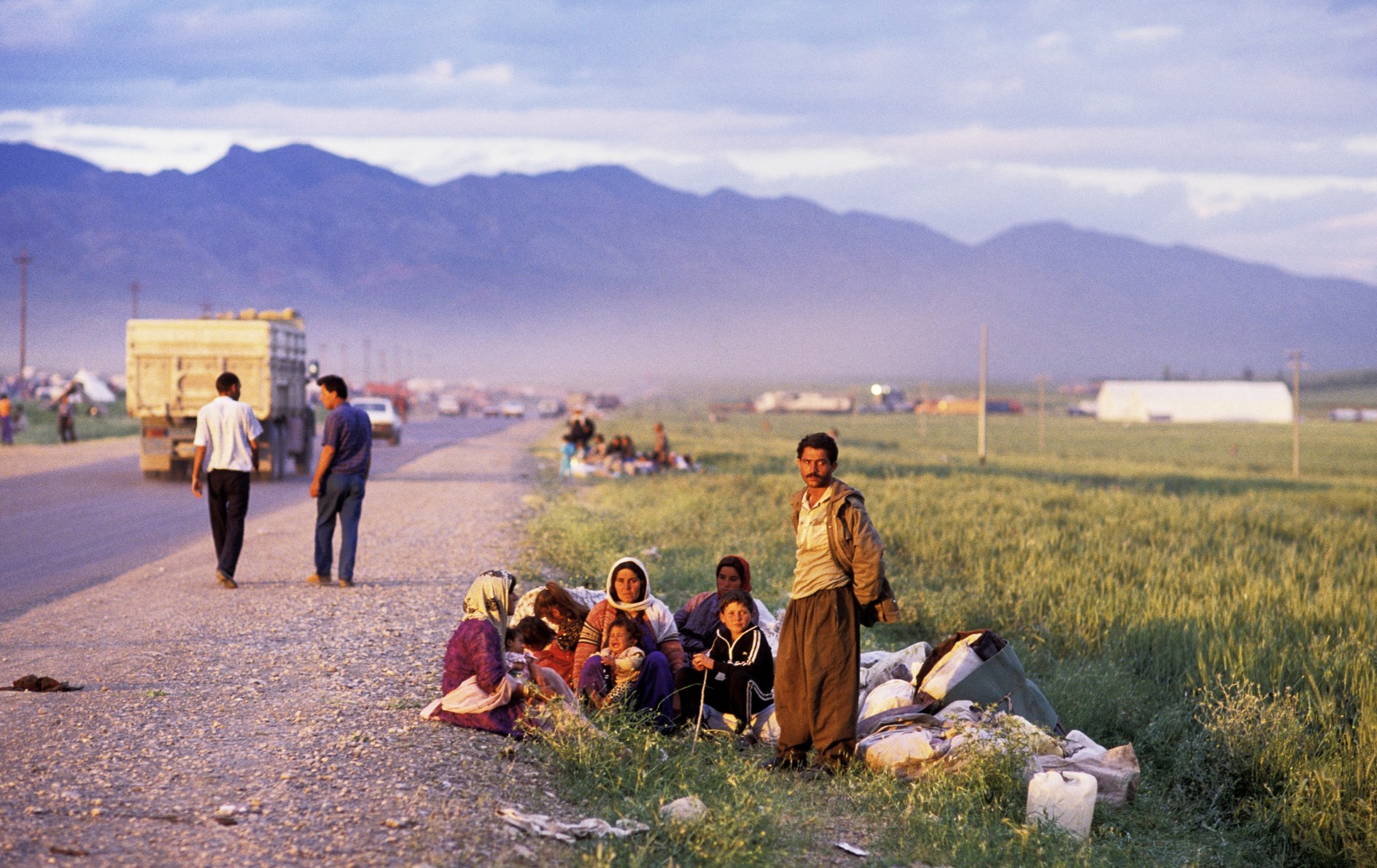
The Anfal campaign, Halabja, the Great Exodus of 1991, the heroic march of General Barzani after the collapse of the Mahabad Republic, the many uprisings, and the countless acts of bravery, as well as the sacrifices and contributions of our poets, artists, and writers, are already becoming distant memories for many young Kurds today. Within just one more generation, the heroes of the Kurdish movement who, through unshakable faith, ingenuity, and courage, saved our people from extinction and protected our culture from erasure may be forgotten. This is especially concerning because they stood against vindictive regimes determined to eradicate Kurdish identity from the Middle East.
Born and raised in London, I have always been shaped by the Kurdish values and traditions I was brought up with. My family ensured that Kurdistan never felt far away, and our frequent visits helped maintain that connection. Music also played a significant role in my life; listening to famous artists served as a daily reminder of my roots and the culture I belong to. At the same time, living abroad revealed an important truth: Kurdish history is not taught uniformly everywhere, and many young Kurds learn about their heritage in very different ways depending on where they grow up.
During his official visit to London, Prime Minister Masrour Barzani attended engagements at the Royal Military Academy Sandhurst. I had the opportunity to briefly meet him in Knightsbridge, where he emphasized the importance of education, professionalism, and cultural identity in shaping the future of Kurdistan. His message was clear: progress for our nation must be built on knowledge as well as heritage. To him, the successes of Kurds living abroad reflect the strength of our people, and every achievement in a host community also symbolizes a victory for Kurdistan.
Kurdish identity has survived because of resilience and sacrifice, but the next phase of our national development requires clarity. A unified textbook will allow young Kurds to understand their country’s journey with accuracy, pride, and purpose. As a Kurdish student abroad, I have always carried my identity confidently. However, I also recognize how essential structured historical knowledge is not just for me, but for all Kurds, wherever they live. The future of Kurdish identity depends on how well we preserve and teach our past. By appointing a panel of historians to collaborate on a standard modern history textbook, Prime Minister Barzani can ensure that Kurdish youth worldwide inherit a unified, accurate, and dignified account of their nation’s history.
I am puzzled that in the 33 years since the establishment of the KRG, neither the Ministry of Education nor the previous nine cabinets have given proper attention to this fundamental pillar of nationhood: the creation of a standard, unbiased, and academically rigorous textbook on the modern history of the Kurdish people. I therefore appeal to Prime Minister Barzani – whose achievements in agriculture, industry, construction, road development, and water resources over the past four years have surpassed those of his predecessors – to recognize the urgency of this issue.
Our region’s stability, relative prosperity, and freedom of thought and movement have made it a place of opportunity for people from across the Middle East. However, unless our history and our suffering are documented in a single official and objective curriculum, the fractious nature of our politics and the multitude of Kurdish parties, intellectuals, and viewpoints will leave our youth without the clarity they deserve. As the popular adage goes, if we do not write our history, others will write it for us. If we allow foreign authors or emerging technologies to define our past for us, we risk losing our identity within a generation.
Kurdistan lives in our hearts. It is time our history lives in our education, too. Her biji Kurd u Kurdistan.
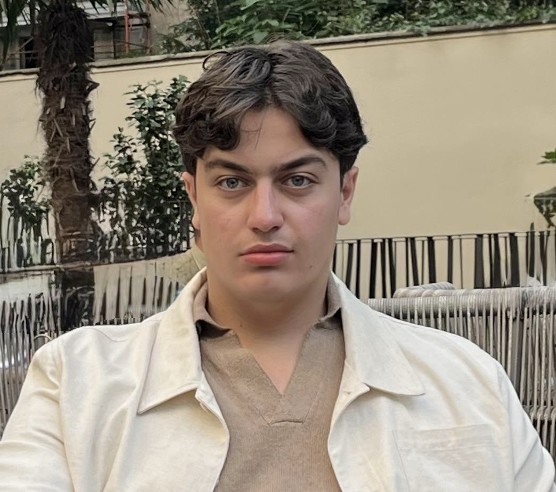
London-born Kurdish student passionate about diplomacy and international affairs.