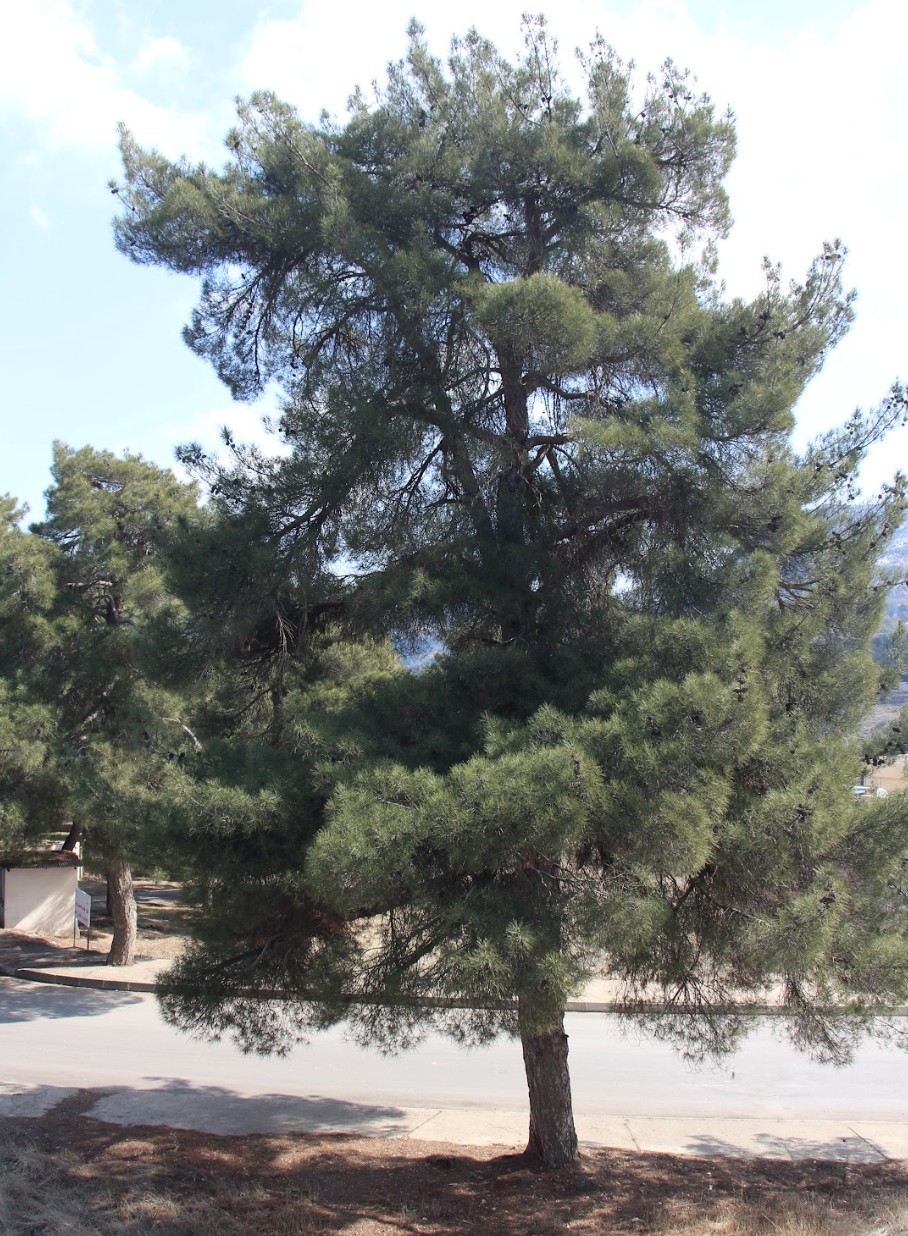
In the northern reaches of Duhok Governorate lies Zawita, a town surrounded by towering pine forests that locals refer to as their greatest treasure. These woodlands draw visitors from across Iraq and the Kurdistan Region, but are also a lifeline, a source of cool air, a fine view, and, above all, a source of identity and a living memory for the people of Zawita, who have made it their mission to protect them.
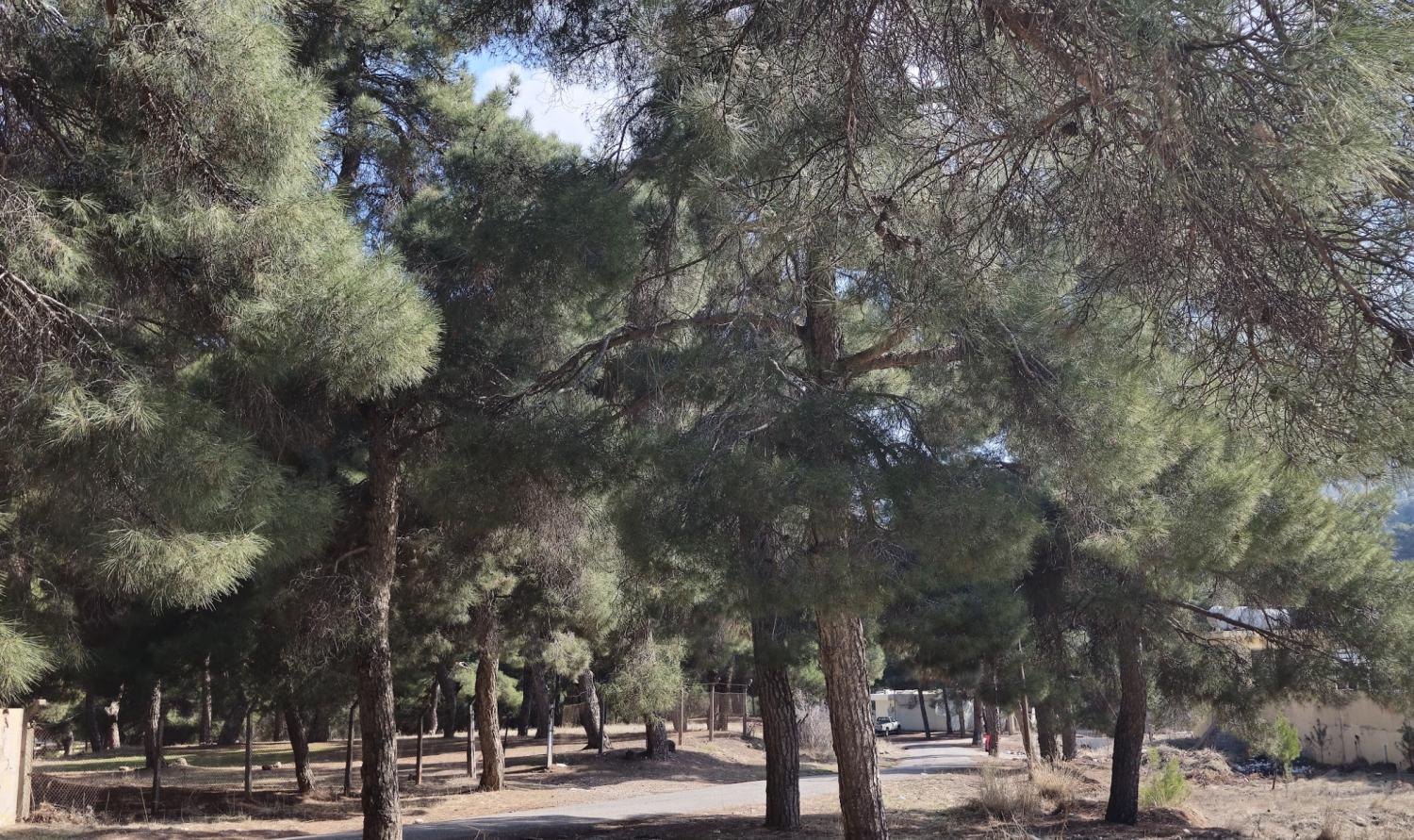
Just 15 kilometers north of Duhok city center, the old town of Zawita sits enveloped by a dense forest of pine trees, their wide branches providing cool shade. In summer, when much of the country suffers due to heat, Zawita offers relief: temperatures rarely rise above 39°C, and its elevation of 885 meters above sea level brings steady breezes that reduce humidity and make conditions feel significantly cooler than the thermometer suggests.
A vital and resilient ecosystem
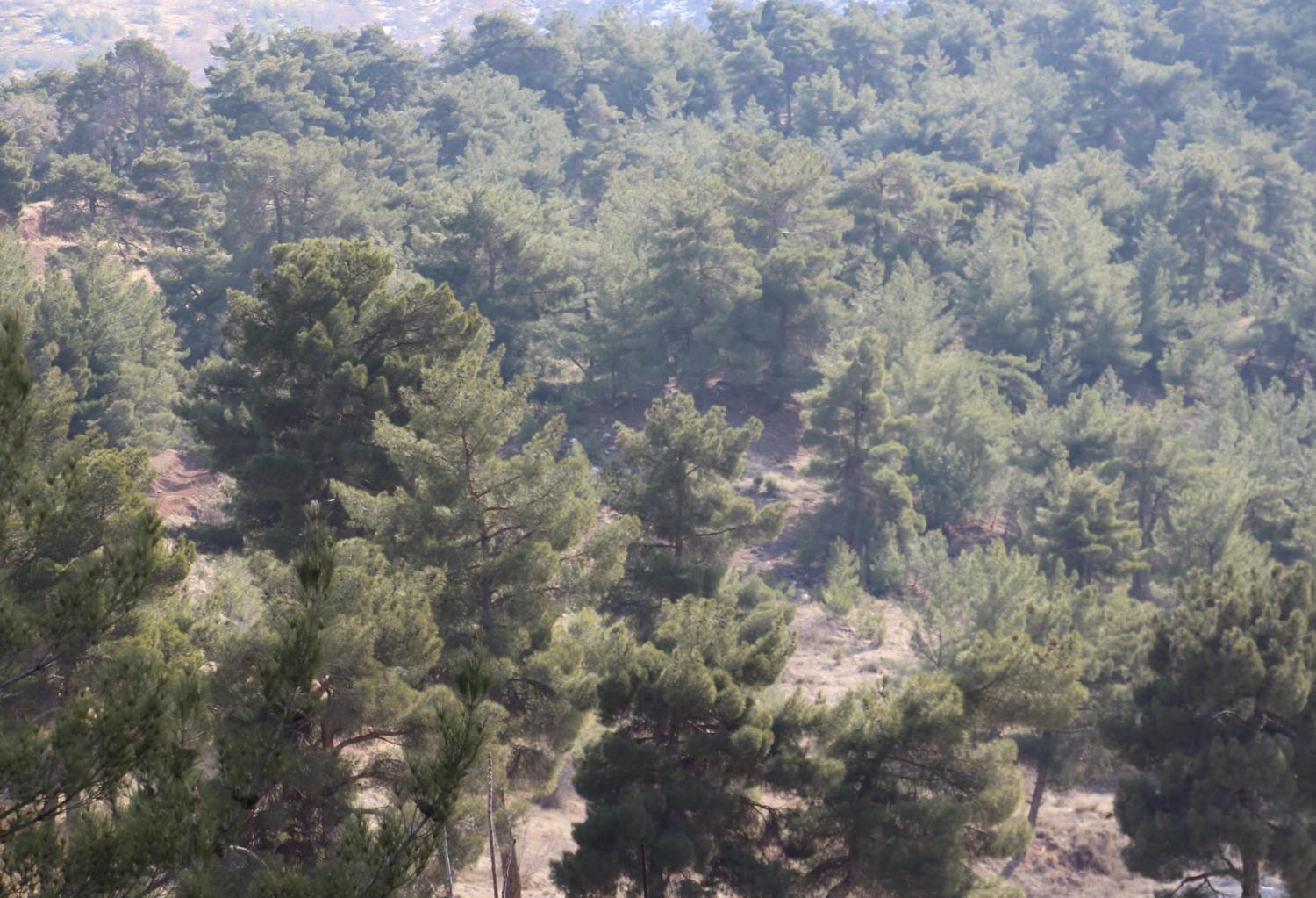
The view from Zawita is enchanting: the slopes blanketed with green and surrounded by natural springs and paths winding into the heart of the woods give it a biblical Eden-like feeling, especially for those escaping the oppressive heat of Iraqi summers.
For the people of Zawita, the pine forest is their lungs, providing pure oxygen and sustaining daily life. It has also made the town a destination, welcoming dozens of visitors each day who come in search of calm and clean air. Locals know this value well, which is why they see themselves as guardians of the forest, standing together against fire and encroaching threats.
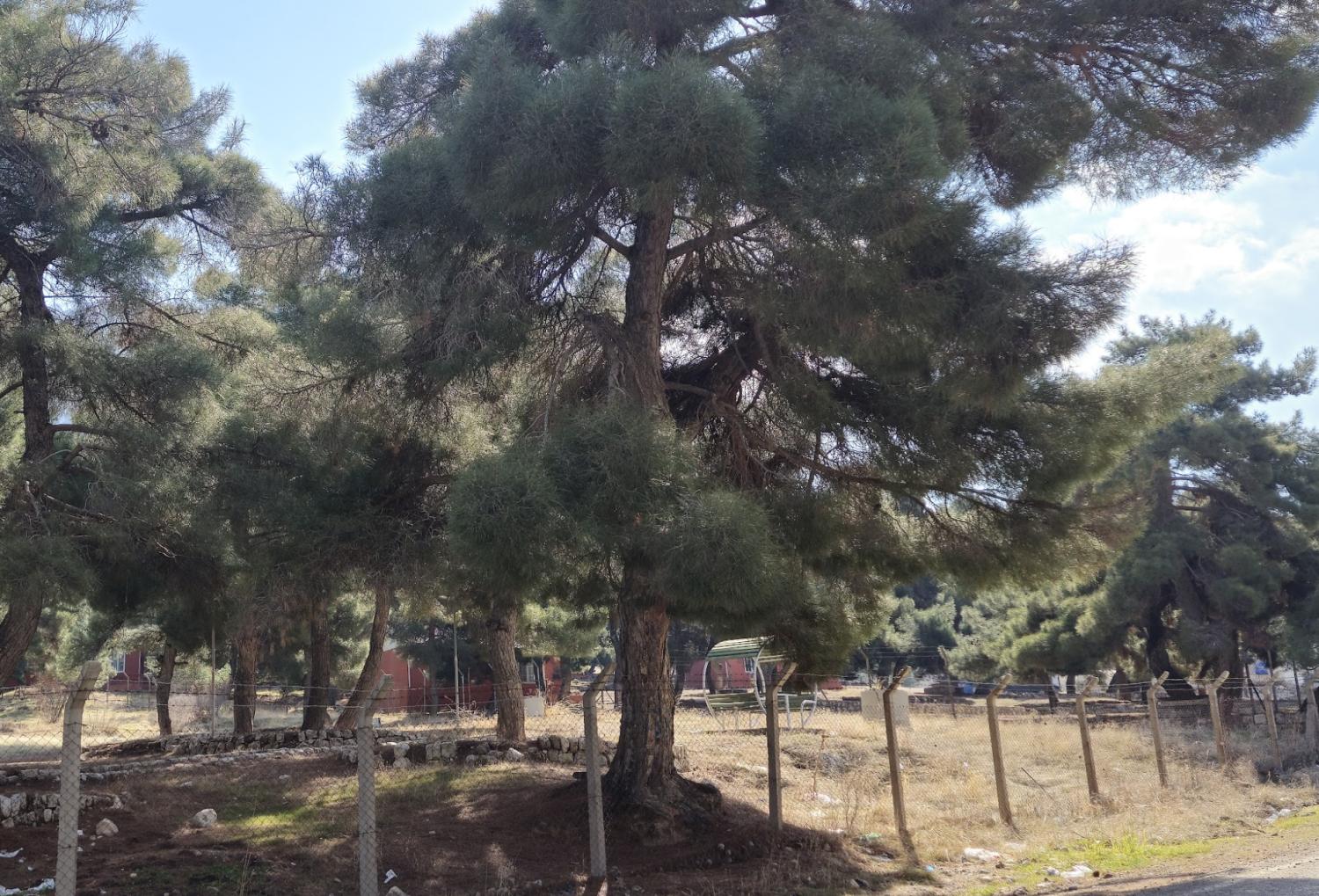
The forest stretches across more than 300 hectares with some trees hundreds of years old. Their species, Pinus brutia, is native to the eastern Mediterranean basin and can grow up to 35 meters tall with trunks reaching a meter in diameter. These trees constitute a vital and resilient ecosystem that has long defined the region’s landscape.
Preserving the pines
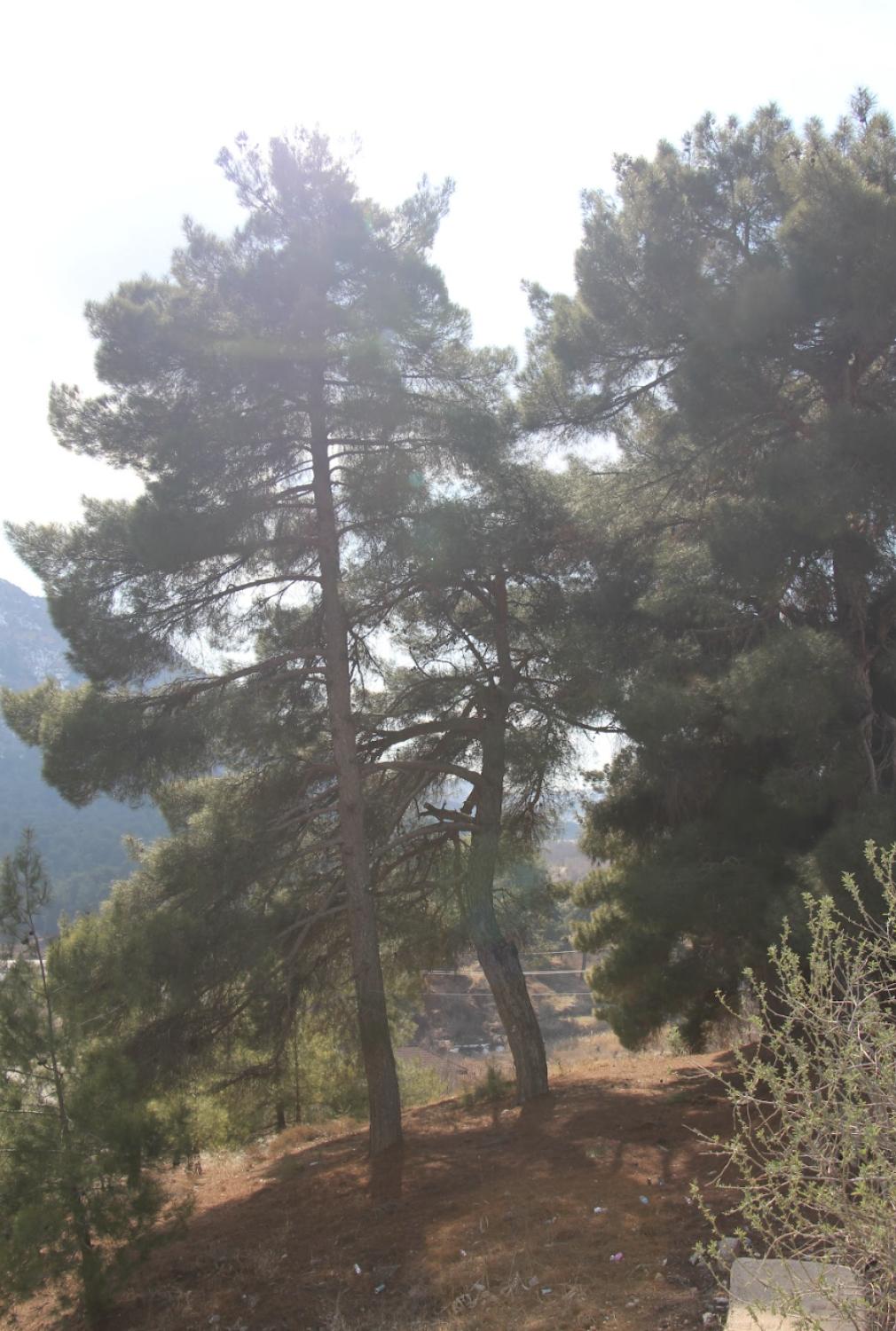
Among the people most devoted to preserving the pine forest is Ahmad Jamil, a son of Zawita who has spent over 25 years caring for it, mostly as a volunteer walking its tangled trails several times a week. Some paths are dark and confusing to first-time visitors, but Ahmad knows them all well. He designed and marked an 11-kilometer hiking route through the forest, the first of its kind in the region and Iraq, complete with signage to encourage safe walking and eco-tourism.
Ahmad has also written scientific studies on the forest’s environment, underlining its role in human health and happiness. Each week, he organizes activities to raise awareness of the forest’s importance. “The people of Zawita are happier and healthier than those in many other areas,” he says, crediting the clean air, abundant oxygen, and the surrounding beauty.
This sense of responsibility runs through the community at large. When danger threatens, whether fire or other hazards, the townspeople respond together. “The forest is our life,” Ahmad says, echoing a widely shared sentiment.
A teeming ecosystem
Zawita’s pine forests are more than a collection of trees. They are an ecological system teeming with life. Over 30 natural water springs are scattered throughout, nourishing a wide range of plants, reptiles, and animals. Ahmad has documented this richness in photos and videos: wolves, foxes, rabbits, wild goats, hedgehogs, and an array of birds. Migratory species like storks, moorhens, and the golden eagle soar overhead, while native birds of Kurdistan nest deep within the branches.
Experts, too, stress the forest’s value. Dr. Ramadhan Hamza, a specialist in water strategy and climate change, explains that pine trees emit essential oils that cleanse the air of germs and pollutants. They stabilize soil, protect against erosion, and support biodiversity, creating a microclimate suitable for people and wildlife alike. “This strengthens eco-tourism and the local economy while preserving natural and cultural resources,” he notes.
For many visitors, however, the meaning of Zawita’s forest is simpler and more personal. “This is the lung we breathe with,” says 30-year-old Sarbest Hamid, who came with his family to enjoy a quiet day in the woods. His words capture the spirit of a community whose history and memory are entwined with the pines.
Both nature and heritage
The broader region of Duhok is rich in forests. Natural woodlands cover about 100,000 hectares, while human-planted forests account for 850 hectares.
Authorities in Duhok are working to expand and protect these areas. Kawa Sabri, the Director of the Forestry Department of Duhok Governorate, describes ongoing efforts: distributing pine seedlings free of charge to citizens, planting hundreds of thousands of trees each year, and enforcing legal measures against those who damage the woodlands. He highlights the pine trees’ importance in resisting harsh climates, preserving soil, and contributing to industries such as resins, fertilizers, and even certain medicines.
Zawita’s pine trees are both nature and heritage. Generations of inhabitants have walked, celebrated, and built their lives around them. In their shade lie stories of resilience and belonging, a reminder that the Kingdom of Pines is not only a sanctuary for the body, but also for the heart.
is a Kurdish journalist writing for local, Arabic, and international media.