As the Middle East once again welcomed a papal visit – this time with the apostolic journey of Pope Leo XIV to Lebanon and Turkey – many in Iraq and the Kurdistan Region are reminded of a turning point from only a few years ago: the historic visit of the late Pope Francis in March 2021.
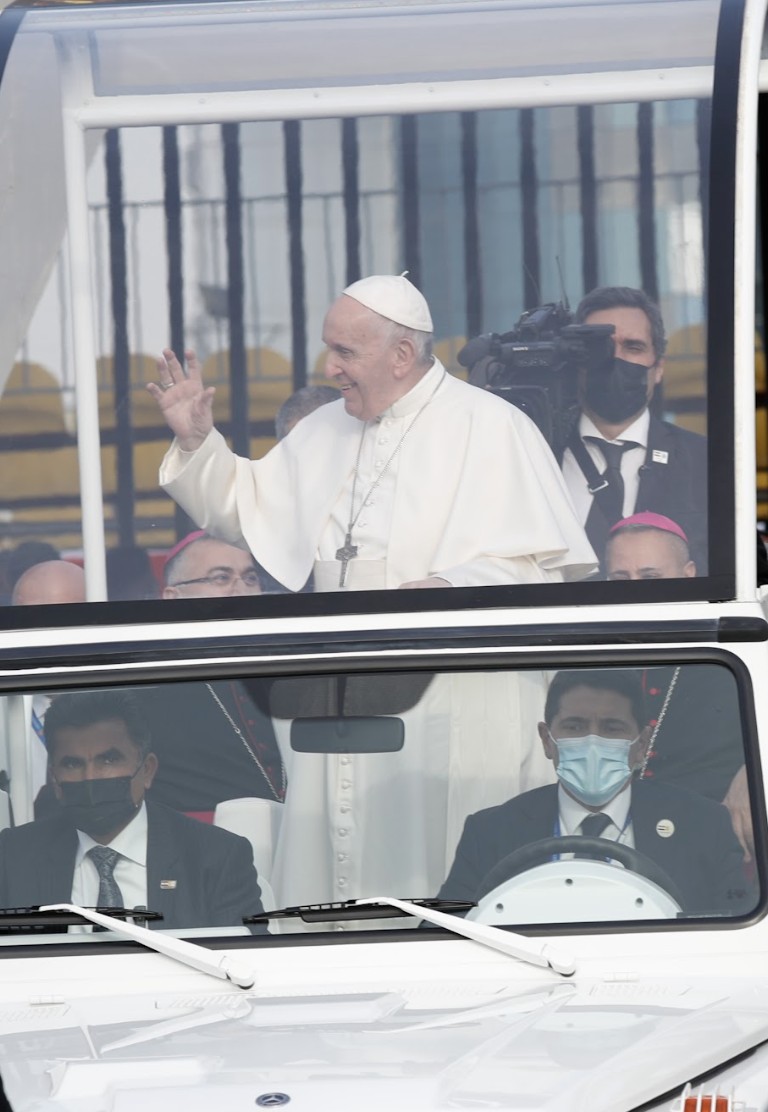
That visit was more than a diplomatic gesture; it became a sacred moment in the collective memory of a people who had endured war, displacement, persecution, and uncertainty. Pope Francis arrived carrying not only the spiritual authority of the Catholic Church, but also a global message of peace, healing, and dignity for all communities, especially those who had suffered under the brutality of ISIS.
During his time in Erbil and the Nineveh Plains, Pope Francis stood among Christians, Yezidis, and Muslims, recognizing their pain and honoring their resilience. He prayed for the martyrs, the displaced, and those whose homes and churches had been destroyed. Yet the heart of his message was not centered on loss; it focused on rebirth.
His Mass in Franso Hariri Stadium in Erbil, held in the presence of the President of Kurdistan Region, brought together tens of thousands of people from all backgrounds under a single banner: peace is possible. The image of Pope Francis blessing the people of Kurdistan became a symbol of spiritual encouragement and international solidarity. The world watched as he emphasized coexistence, mutual respect, and the rich mosaic of cultures and faiths that define the Kurdistan Region.
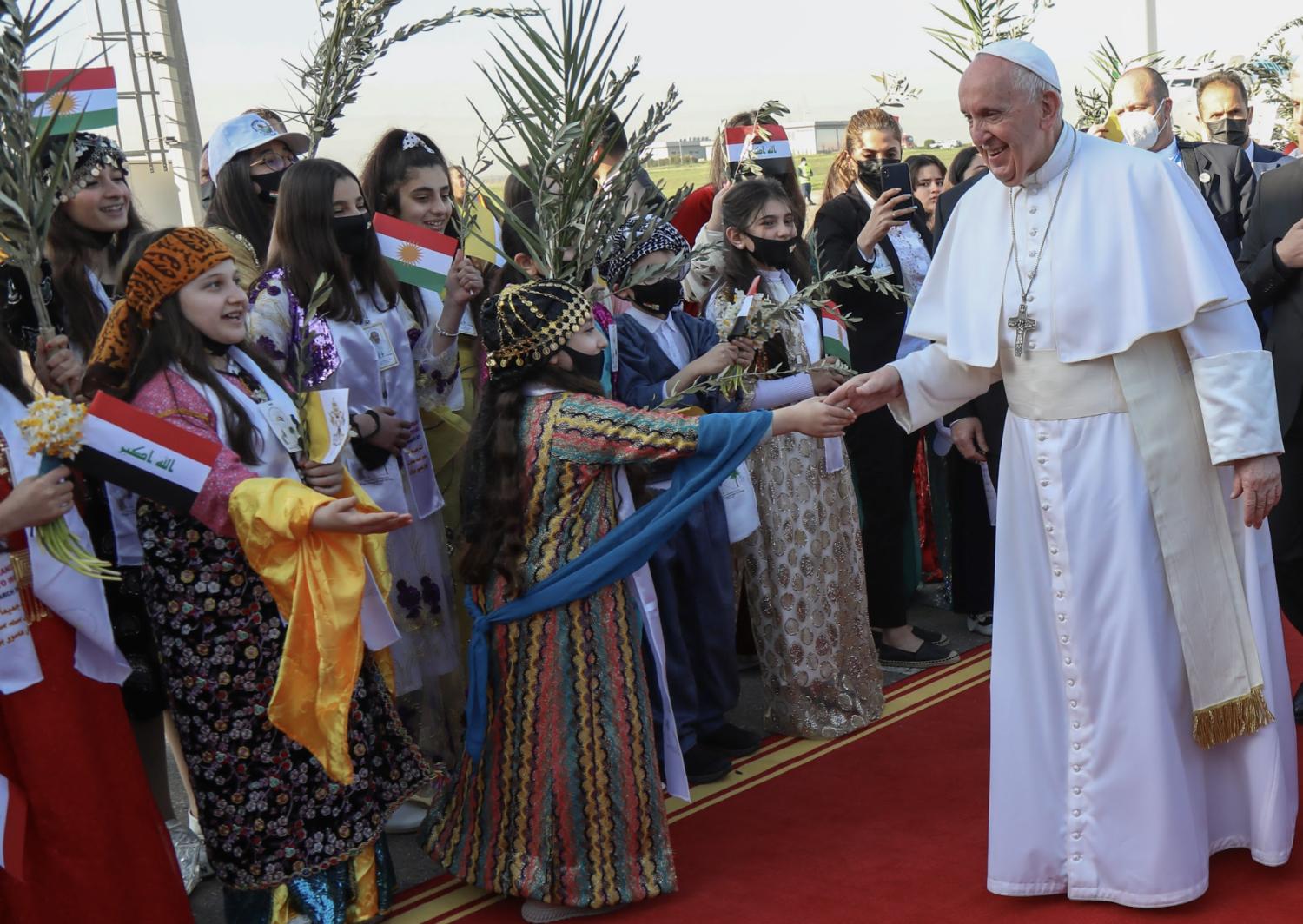
The pursuit of peace
Four years after that landmark visit, its message still resonates. In many towns across the Kurdistan Region and the Nineveh Plains – the only Christian-majority region in Iraq – reconstruction has moved forward. Schools, churches, homes, and community centers have been rebuilt with the help of local authorities, humanitarian organizations, and international partners. Most importantly, families have gradually returned to their ancestral lands, determined to preserve the language, identity, and spiritual heritage that extremists once tried to erase. This year, four new churches have been opened.
For the people of the region, Pope Francis’ visit remains a reminder that the world has not forgotten them. It strengthened the belief that the protection of pluralism and diversity in Iraq is not just a national responsibility, but also an international one.
As Lebanon welcomed Pope Leo XIV on December 1, the echoes of Pope Francis’ mission in Iraq resurfaced. The region still faces political tensions, economic hardship, and social divisions, and stands in need of renewed encouragement. Lebanon, like Iraq, is a land of ancient Christianity, rich traditions, and multicultural coexistence. The challenges it faces are immense, but so is its spiritual and cultural importance.
Pope Leo XIV’s visit aims to bring healing, unity, and hope – values that mirror the message Pope Francis shared with Iraq. The two journeys are connected by a single thread: the determination of the Catholic Church to stand with all peoples of the Middle East, regardless of faith or ethnicity, in the pursuit of peace.
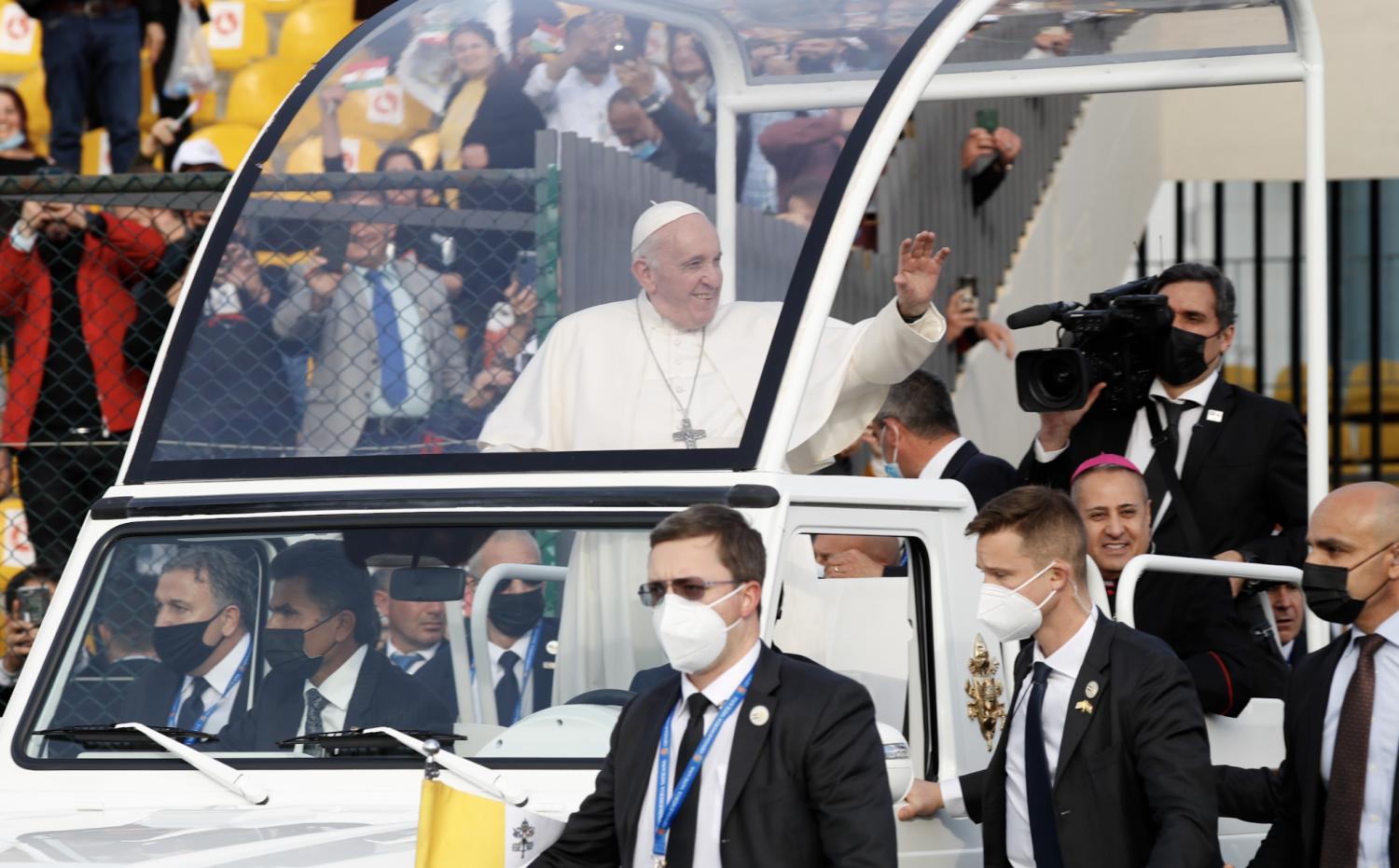
A region of faith, civilization, and shared humanity
Both the Kurdistan Region and Lebanon are home to some of the oldest Christian communities in the world. In recent decades, migration, war, and extremism have endangered these ancient roots. Pope Francis’ visit to Erbil helped revive the determination to protect the Christian presence in Iraq. Pope Leo XIV’s visit seeks to reinforce the same commitment for Lebanon.
Together, these papal journeys carry the powerful message that the Middle East is not only a place of conflict; it is a place of faith, civilization, and shared humanity.
As we reflect on the milestones of the past and look forward to the promise of the future, the impact of Pope Francis’ visit remains a guiding light. It was a moment when the world turned its eyes to Iraq not because of war, but because of hope.
The message remains clear and timeless: peace can be built, dignity must be protected, and coexistence is the only path forward.
Head of Department of Ethnic & Religious Components -The Presidency of Kurdistan Region-Iraq.