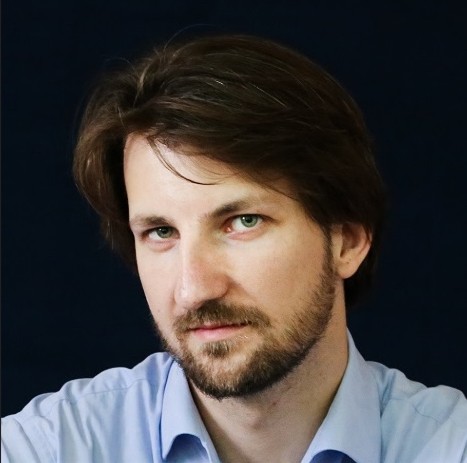
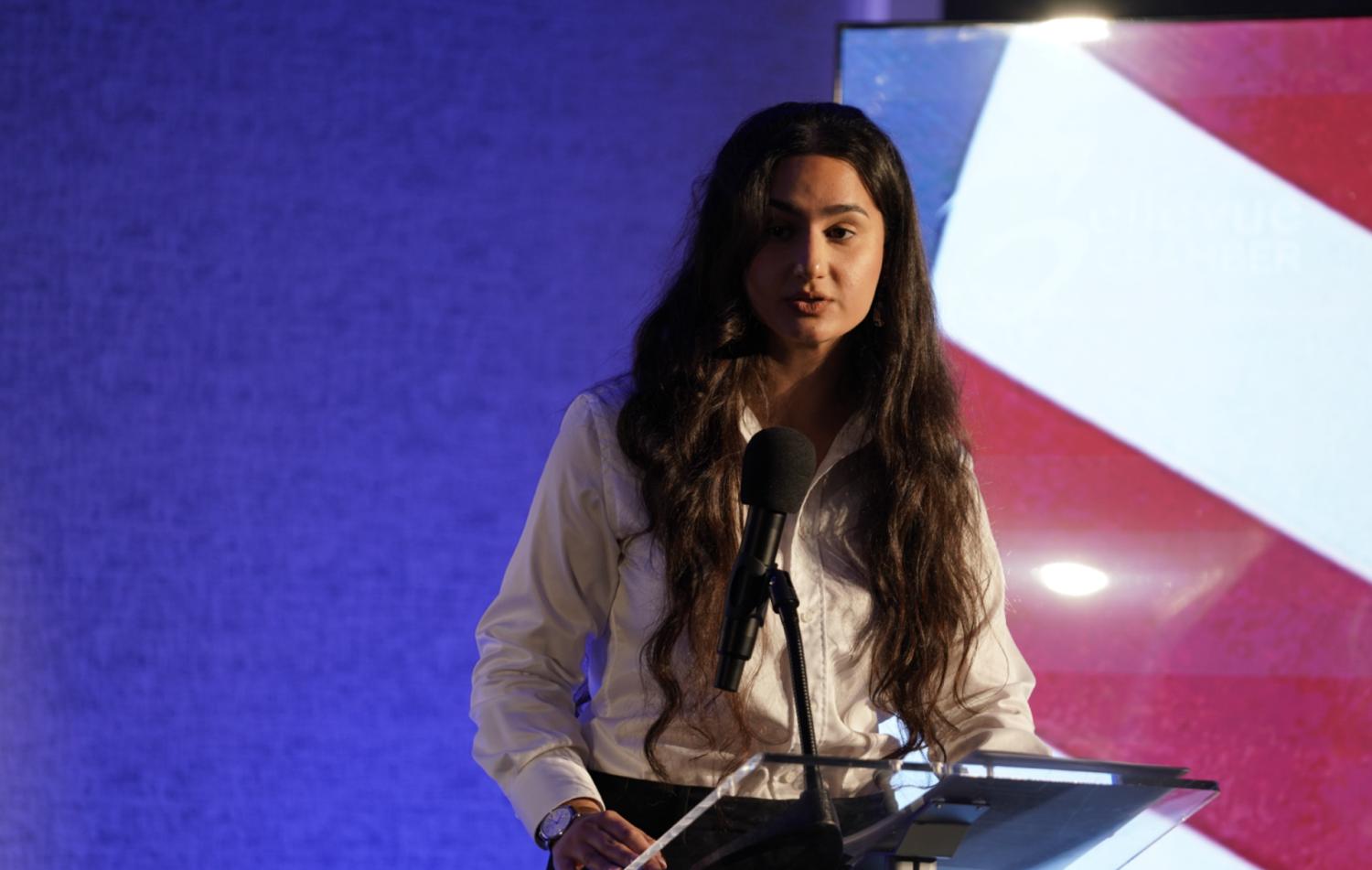
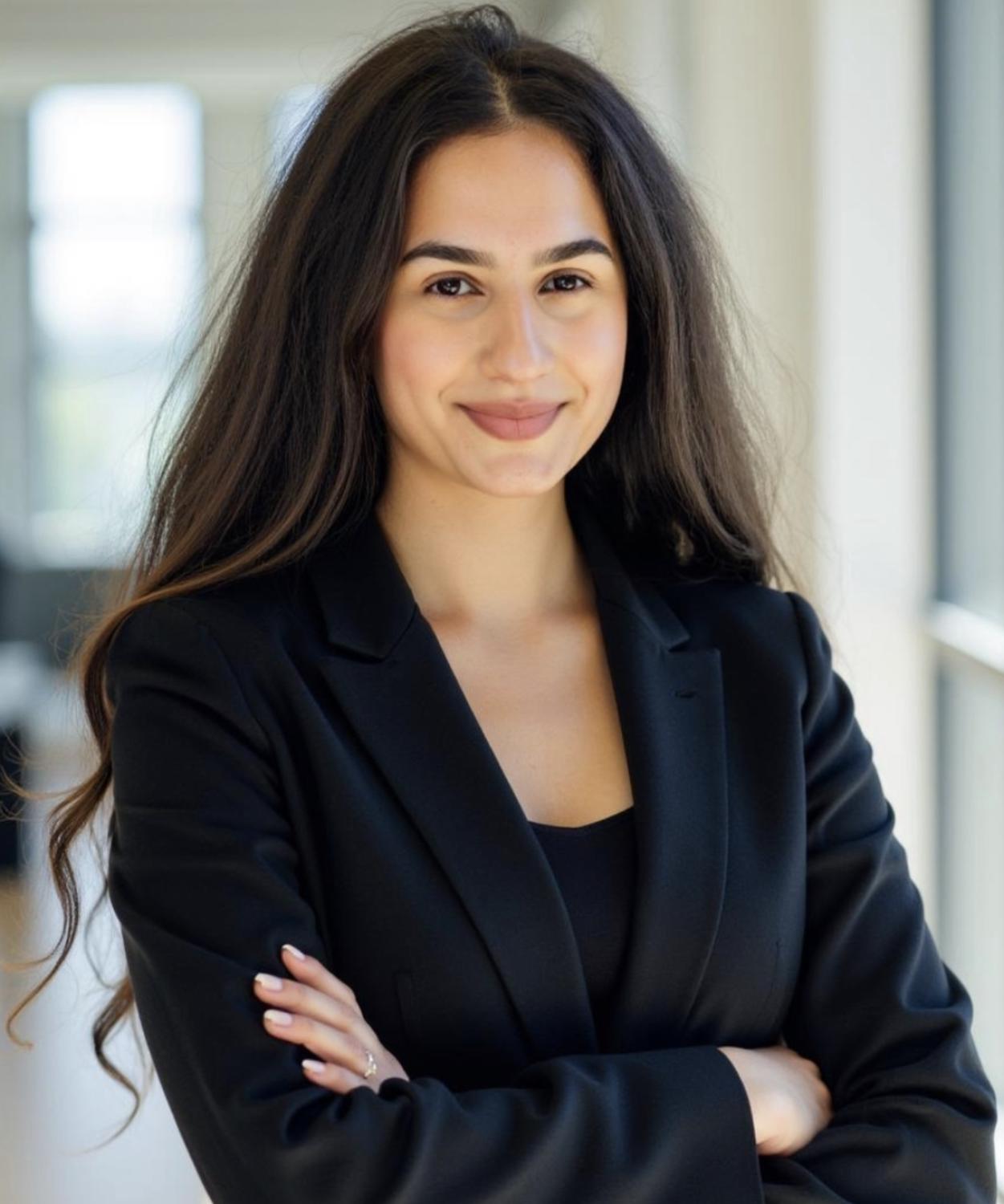
Naren Briar, a young woman whose family hails from Halabja in the Kurdistan Region, made history as the first Kurdish-American woman to be elected to office as part of the Bellevue City Council in the U.S. state of Washington on November 4. She was officially sworn into office on December 4.
“My only ambition is to serve the people of Bellevue to the best of my ability,” she told Kurdistan Chronicle, after she was sworn into office. “I am now bound by a sacred obligation: to earn the confidence of those who withheld their support and to justify the faith reposed in me by those who granted it.”
A privilege to serve
During the elections, she – a relative newcomer – defeated longtime Bellevue Councilmember and former mayor Conrad Lee. “I don’t see it as a defeat for him so much as a necessary transition for Bellevue’s new era – one that is technologically advanced, walkable, safe, and cutting edge,” she said. “I hope this election serves as a reminder to invest in young leaders and our capacity to lead. It also underscores that public office is not handed to us – it’s a privilege to serve, not a right or a job we’re entitled to hold indefinitely.”Briar was born and raised in Dallas, Texas, and graduated from Boston College. “I was born in the little suburb of Wylie. It’s where the TV show ‘Dallas’ was filmed,” Briar said.“I grew up in a house just two minutes away from where the TV show was filmed. My parents came to the States in 1996 after fleeing Saddam Hussein, and I was born a few years after that. I had the privilege of earning a full scholarship to Boston College where I earned a Catholic-Jesuit education that shaped my character and resolve for justice. I studied political science and dabbled in Russian literature.”
Fleeing Saddam
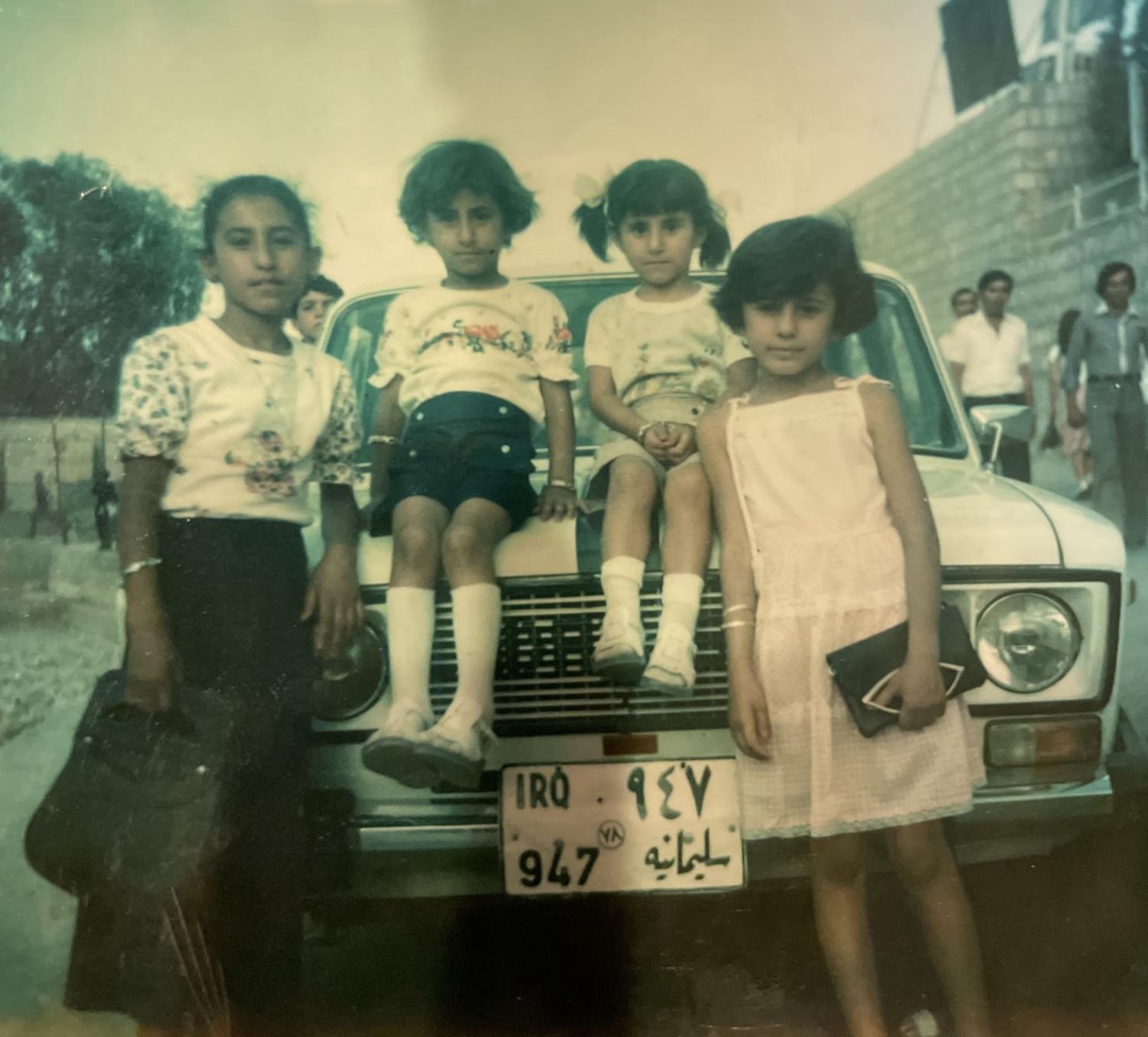
Briar’s family fled Saddam Hussein’s regime in 1996 through a series of harrowing ordeals, from crossing the Iranian border on foot to enduring refugee camps in Turkey, where they faced abuse at the hands of Turkish officials and soldiers. Even as they fled genocide, they still faced discrimination for being Kurdish. “My mother comes from a long line of Sulaymaniyah inhabitants, and my father is from Halabja,” Briar said.
“The stories I grew up hearing shaped everything. From my uncle picking up an AK-47 and fighting against Saddam’s regime while sporting a Che Guevara haircut when there wasn’t food to eat or electricity to power the street lights, to my grandfather who was blinded by Saddam’s chemical gas attacks on Kurdish civilians in Halabja,” she added.Her father and extended family narrowly escaped the mustard gas attack that Hussein’s regime unleashed on Kurdish civilians in Halabja in 1988, in which an estimated 5,000 people were killed.
“Some of my extended family members didn’t survive,” she said.“From a young age, I understood that governments can either devastate you or serve as a resource for justice. I became committed to building the latter. I couldn’t fathom then – and still can’t – that innocent civilians would be targeted with chemical weapons simply because of their ethnicity. This reality horrified me. It fueled a sorrow and rage, but also a clarity: we don’t know the importance of equality until it is absent,” she underlined.In 2018, while at Boston College, Briar visited Halabja again. “I attended my relatives’ grave sites, the memorial to all victims of the genocide, the museum, and walked through neighborhoods where empty chemical mustard gas containers had been repurposed as vases for flowers.
“The impact was too great to properly articulate in words. It was metaphysical. Every feeling, concern, or emotion I had experienced up until that point felt futile. I was a product of their survival. I was standing there because they had endured hell. My dejection wasn’t an option anymore. My fate had been written before I was born.”
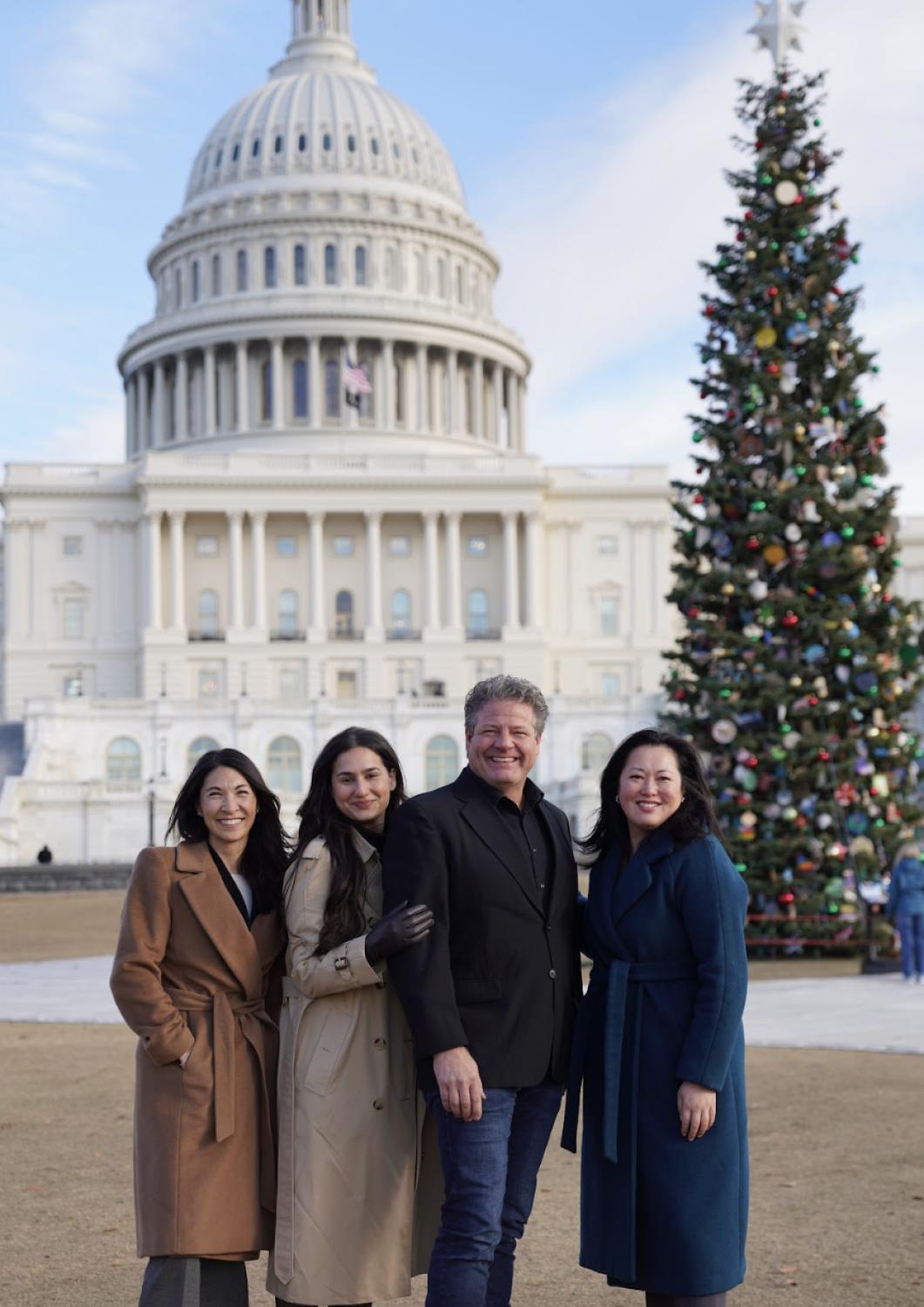
Her path to politics
Briar said that, before she ran for the Bellevue City Council, she worked in politics with Congressman Joe Kennedy in Massachusetts, and then later at the international level. “I had the privilege of having my work recognized by Senator Elizabeth Warren, guest lecturing at Boston College, and presenting at Harvard and other institutions. Eventually, I transitioned into working on the intersection of ethics and AI at Meta.”
Furthermore, Briar also did humanitarian work in Western Kurdistan (northern Syria) and the Kurdistan Region of Iraq when she was still a student.“My work in Syria and Iraq wasn’t separate from this commitment – it was part of it,” she said. “The Kurdish community, like any community I’m connected to, deserves advocacy and support. But I don’t compartmentalize my service by identity or geography. Justice is justice, whether it’s in Bellevue or Kurdistan.
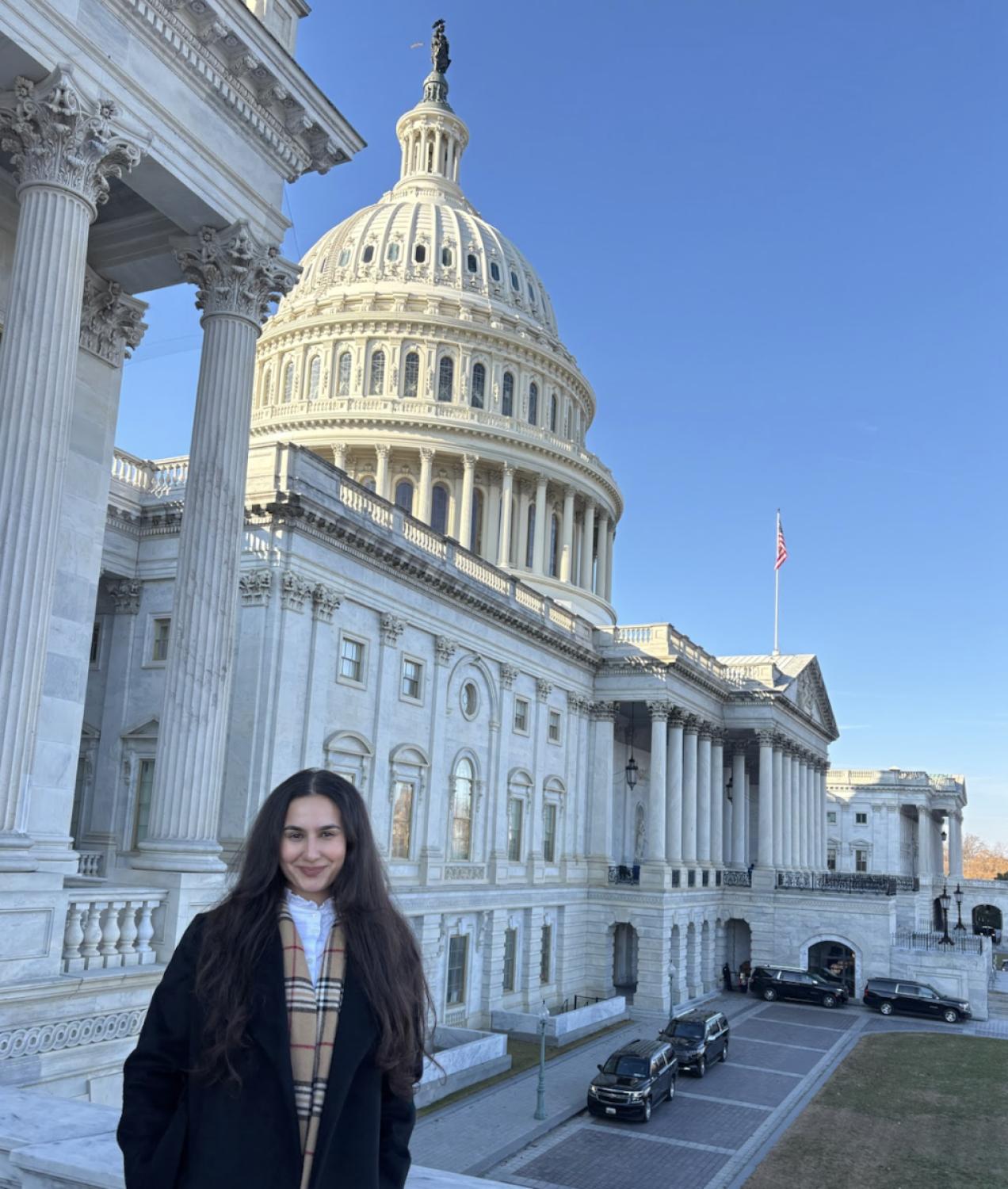
“I see my political involvement as an extension of the work I’ve always done,” she said about her decision to run for the Bellevue City Council. “I’ve always centered people – whether advocating for privacy rights at a large tech company or installing solar panels for schools in refugee camps. I don’t view serving others as a career; it’s a core duty and part of the human condition. If we don’t leave places better than we found them, how do we ever make the world better?”
When Briar first arrived in Bellevue, she said she “was struck by what an incredible city it was. I realized I wanted to make a local impact here. I loved this community and saw an opportunity to serve it directly, bringing everything I’d learned to the place I now call home.”Briar also underlined that she does not believe identity alone is a sufficient basis for a campaign at any level. “We often fall into traps of marketability and vanity projects in politics, and I wanted to set that strategy aside from the start. Whether it’s my Bellevue neighbors, senior citizens I volunteer with, the eager high school students I advise on college applications, or the religious and ethnic minorities of the Middle East – I will always be there as a source of guidance and help if I can. Not because it’s a career or my next project, but because it’s how we ought to serve one another.”
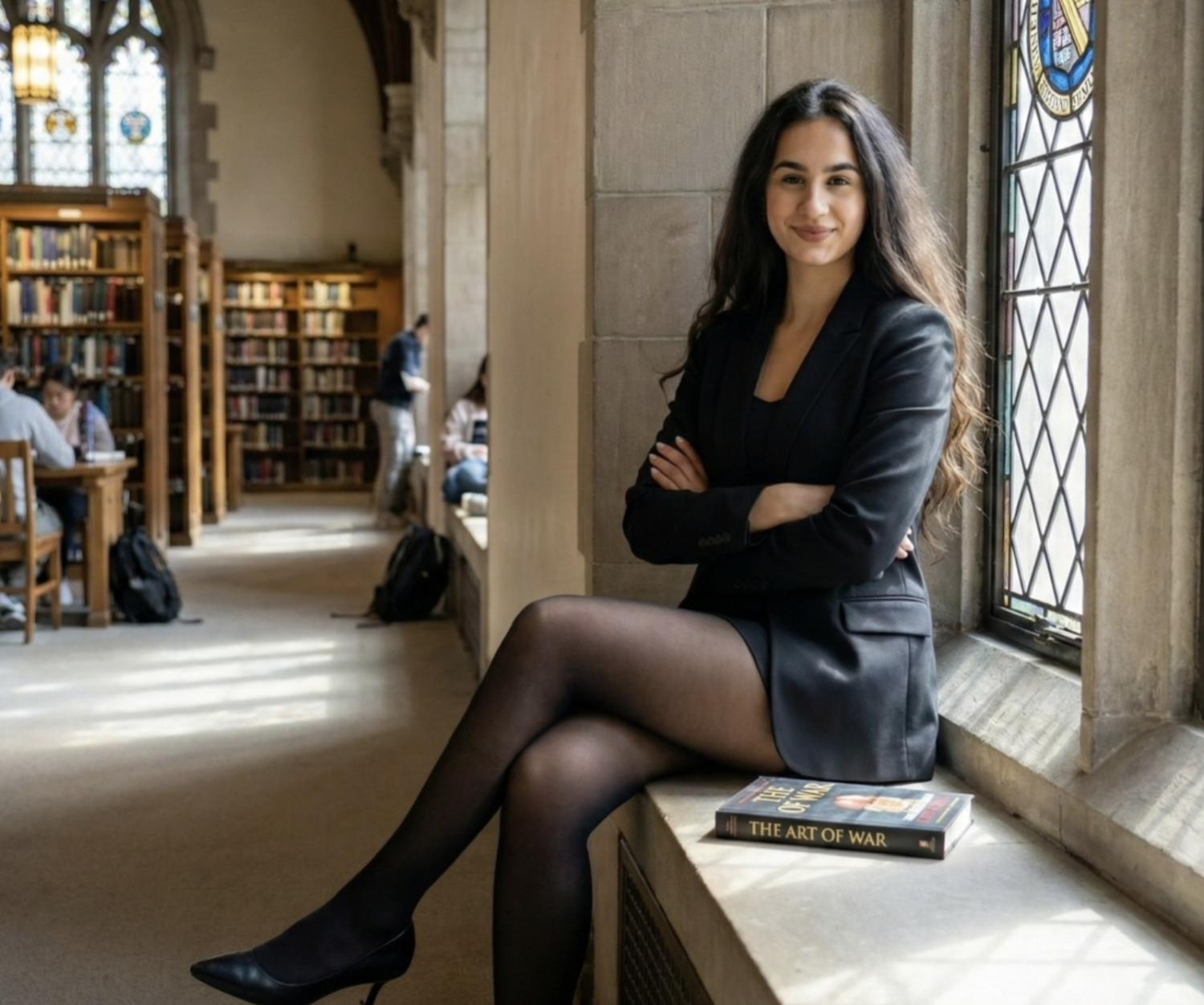
Briar also had a special message for Kurdish youth, sharing a Hawrami quote from the holy Yarsani book of the Yarsani Kalam-e Saranjam: “Qadam w Qadam, tawa manzulga, yari chwar chewan bawar-e waja, paki, rasti, nisiti, w rada. Qadam w Qadam, awa manzulga.”
In English, Briar translated this as: “Step by step, toward the final destination, follow the four pillars: be truthful, be clean, have no ego, and be kind to others. Step by step, you will arrive.”
Briar went on, “Life is not one huge milestone but a series of consistencies that lead you toward virtue,” she added. “Chase comprehensive well-being: physical health, mental health, and spiritual health. The rest will fall into place. And lastly, take radical accountability for all failures in life. They will shape you and allow you to forge your destiny far more effectively than any success ever could.”
A seasoned reporter and analyst who specializes in Kurdish affairs.