Each January during the World Economic Forum (WEF), one pavilion has become a familiar name in Davos: Kurdistan House. Under the auspices of Kurdistan Regional Government (KRG) Prime Minister Masrour Barzani, the initiative was launched in 2024 to present the region’s potential on the global stage as a hub for investment, innovation, and partnership.
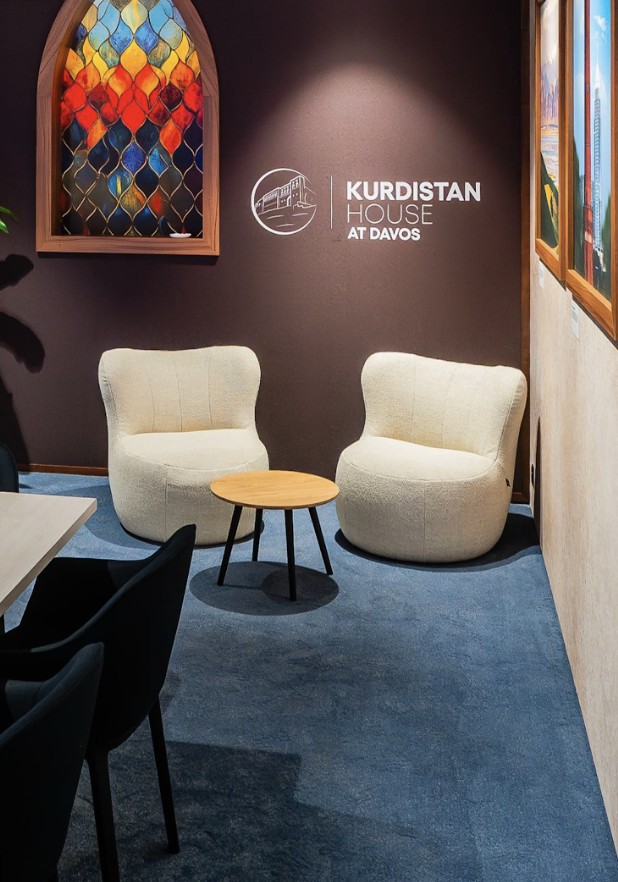
Through Kurdistan House, Prime Minister Barzani aims to highlight economic opportunity, foster international cooperation, and encourage meaningful dialogue. Located on Promenade Street, a short walk from the main Congress Center, the pavilion has evolved into a recognized venue for engagement, strategy, and cultural representation.
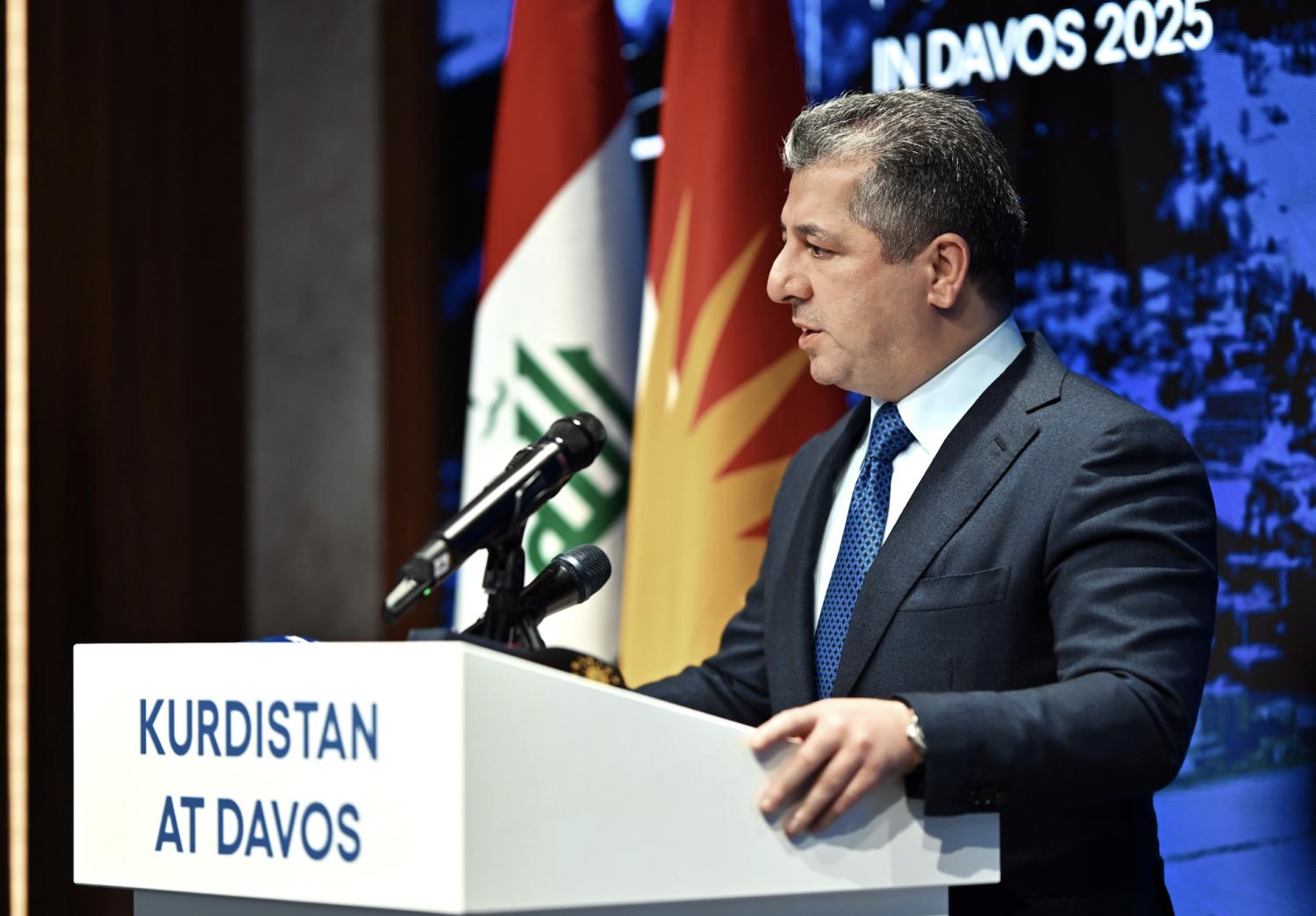
As an initiative of the Office of Initiatives and Communications (OIC) in partnership with Invest Kurdistan, the pavilion brings together Kurdish business leaders and international stakeholders for panels, roundtables, private meetings, media engagements, and open discussions. Now in its third year, Kurdistan House is a space where conversations begin, perspectives are exchanged, and partnerships take shape over thoughtful dialogue and a cup of Kurdish tea.
From 2024 to 2026: A journey of intention
The development of Kurdistan House reflects a broader transformation in the region’s international engagement. With each edition, the platform has gained depth and structure through defined programming, wider participation, and increasingly strategic outcomes. The long-term goal is to position Kurdistan as a recognized global presence by building partnerships, expanding economic opportunities, and sharing narratives of reform and resilience. What began in 2024 as a pilot presence in Davos has grown into a signature initiative with lasting momentum.
2024: Establishing presence
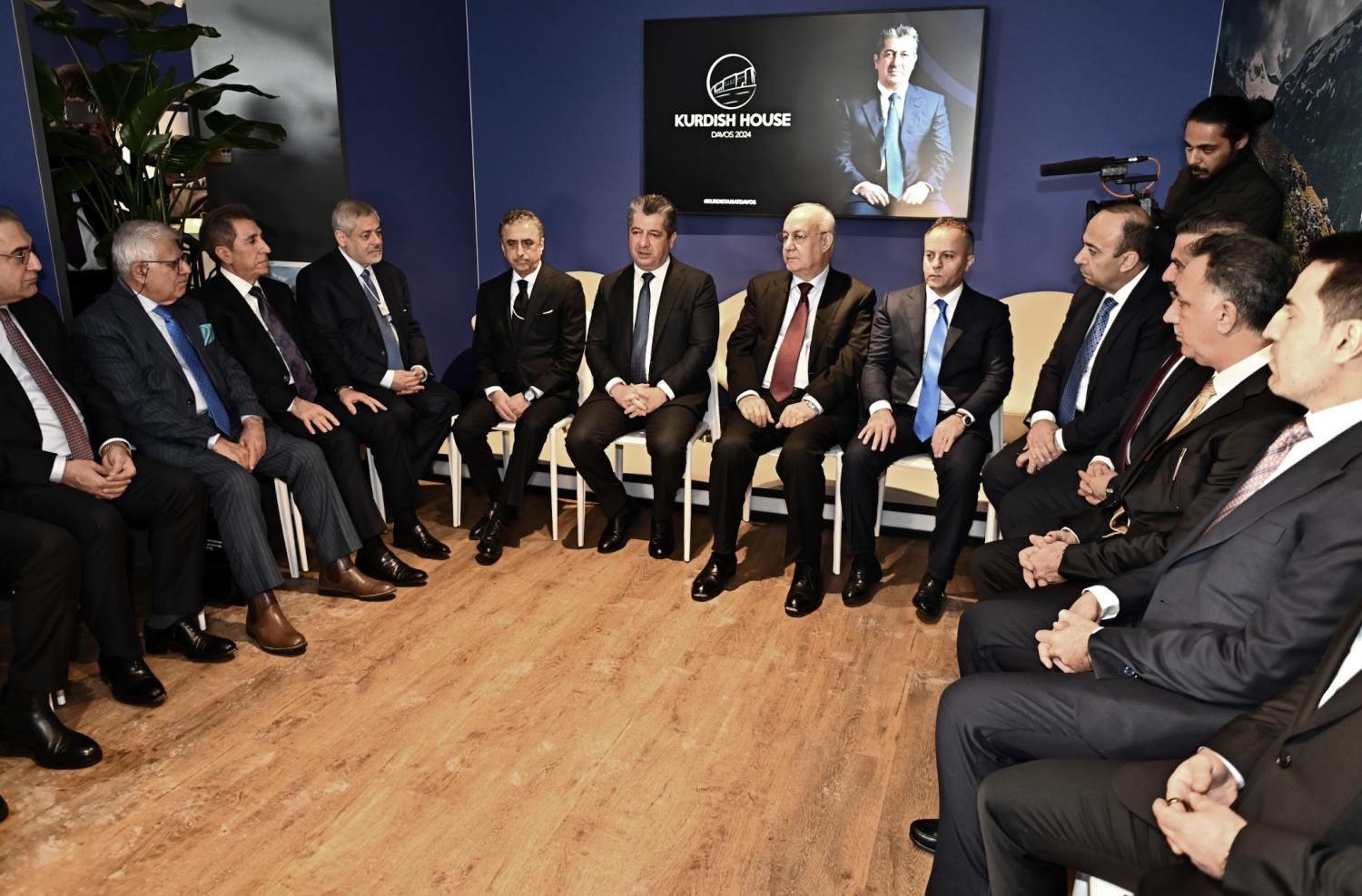
Kurdistan House opened in 2024, marking the region’s official entry into the WEF sphere beyond the Congress Center. The pavilion immediately attracted international attention, beginning with a press conference led by Prime Minister Barzani that drew major media networks, including Reuters, The Guardian, The National, Al-Monitor, Al Hurra, U.S. News, BNN Breaking, SwissInfo, and others.
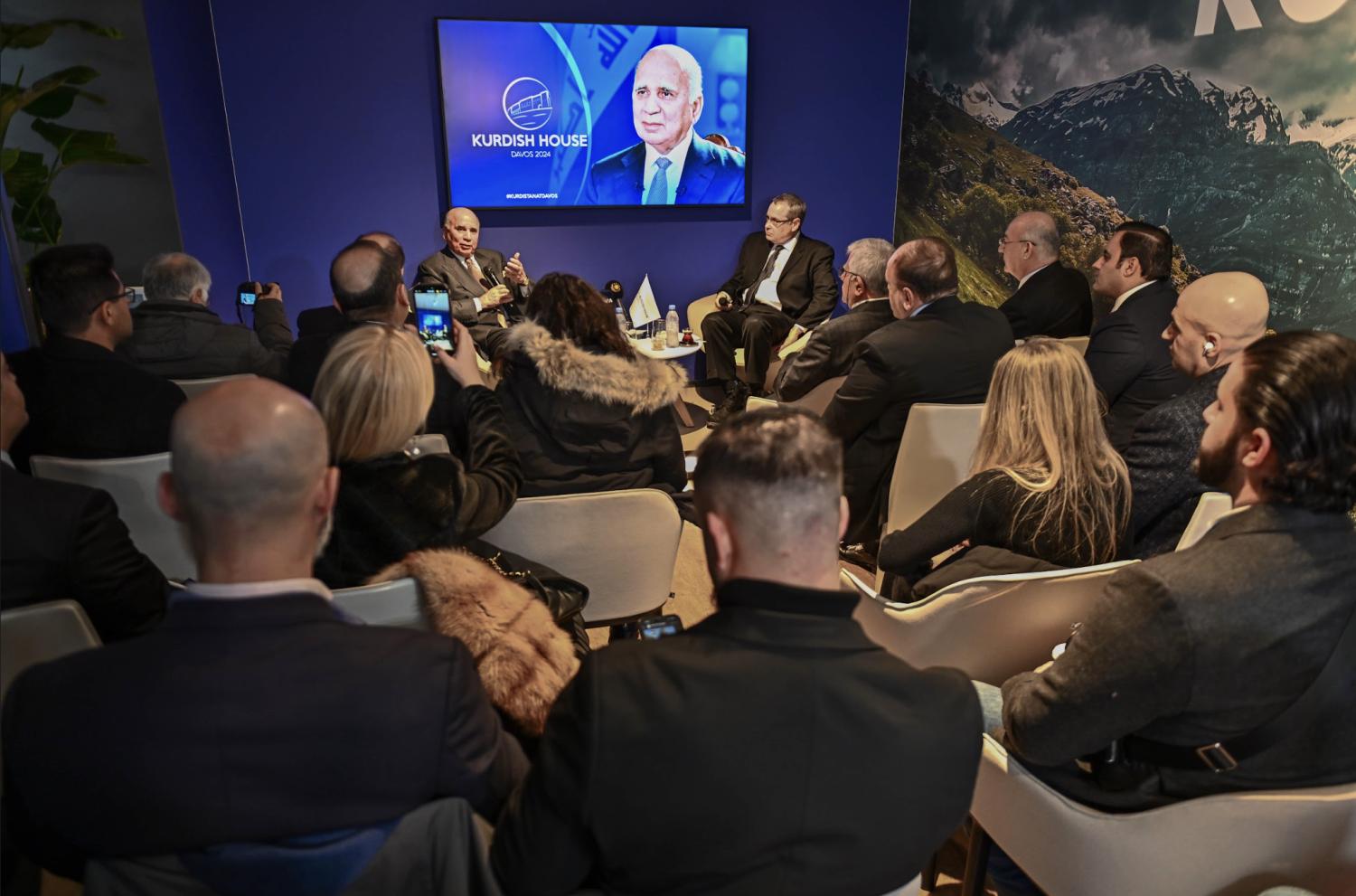
Over five days, Kurdistan House organized 17 panels and roundtables addressing economic development, renewable energy, peacebuilding, displacement, and humanitarian coordination. A key moment was a high-level discussion between Fuad Hussein, Iraq’s Minister of Foreign Affairs, and Andrew Parasiliti, former President of Al-Monitor, which offered insight into regional diplomacy and long-term strategic interests.
Another highlight was the roundtable titled Empowering Tomorrow: Navigating the Energy Transition with Green Solutions. Speakers included Lisa Wilson, Managing Director at XTCC; Vijay Nirani, Managing Director at MRN Group; Gold Darr Hood, Founder and CEO of Full; and Marco Funk, CEO at Decarb.earth. The participants examined ways that green technologies, carbon markets, and climate-focused investment can advance sustainable energy development in the region. The session was moderated by Basima Abdulrahman, Founder and CEO of KESK.
Private-sector participation played a central role in the inaugural edition, with 12 regional sponsors, including Hemn Group, Kar Group, Hewa Holding, UB Holding, Qaiwan Group, Dutch Flower, Khoshnaw Group, Mass Group, North Light Holding, Green Iraq, and Pioneer. These partners supported the pavilion and engaged in direct business discussions. The OIC also facilitated connections that enabled Kar Group to become the first corporate partner from Iraq at the WEF. In coordination with the KRG Board of Investment, Kurdistan House facilitated dozens of meetings and business agreements, an impressive outcome for its first edition.
The message was clear: Kurdistan had perspectives to share, partnerships to build, and momentum to build on.
2025: Expanding scale and influence
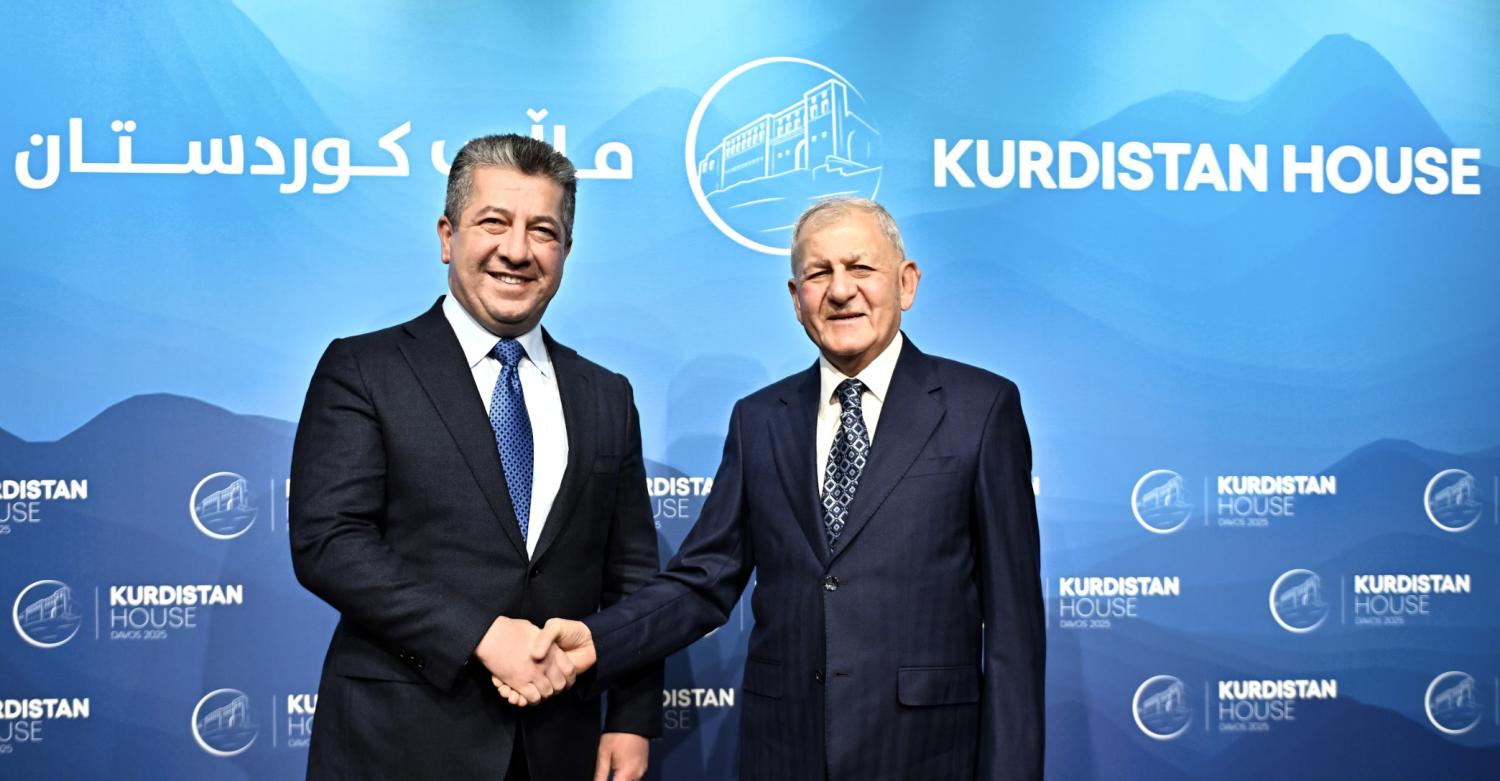
The second edition of Kurdistan House moved to a larger venue thanks to a leading partnership with Khalid Khoshnaw of Hemn Group, whose support was central to making the expansion possible. Once again inaugurated by Prime Minister Barzani, the pavilion welcomed Iraqi President Abdul Latif Rashid, along with senior officials and high-level delegations from public and private sectors.
Kurdistan House 2025 was further strengthened by a group of regional private-sector partners who supported the pavilion’s operations and programming. Empire World, Qaiwan Group, South Kurdistan Group, Dutch Flower, Hewa Holding, Kolak Group, Darin Group, Galiawa Group, and MJ Holding played an important role in supporting access, hospitality, and engagement throughout the week of the WEF.
A key highlight was a conversation with Safeen Dizayee, Head of the KRG Department of Foreign Relations, moderated by Richard Quest, CNN’s leading international business correspondent and host of Quest Means Business. The session attracted a broad audience and provided valuable insights into Kurdistan’s evolving diplomatic engagement and long-term strategic positioning.
Youth participation took center stage during a collaborative panel with QatarDebate. The session featured Ahmad al-Naimi, representative of QatarDebate and youth delegate of the Qatar Ministry of Foreign Affairs; Maha al-Kuwari, General Manager of the Doha Forum; and Bina Qeredaxi, OIC Advisor. The discussion, which highlighted the role of emerging voices in reshaping regional narratives and fostering cooperation, was moderated by Tara Shwani, OIC Communications Manager, and delivered fresh perspectives on diplomacy and youth-led change.
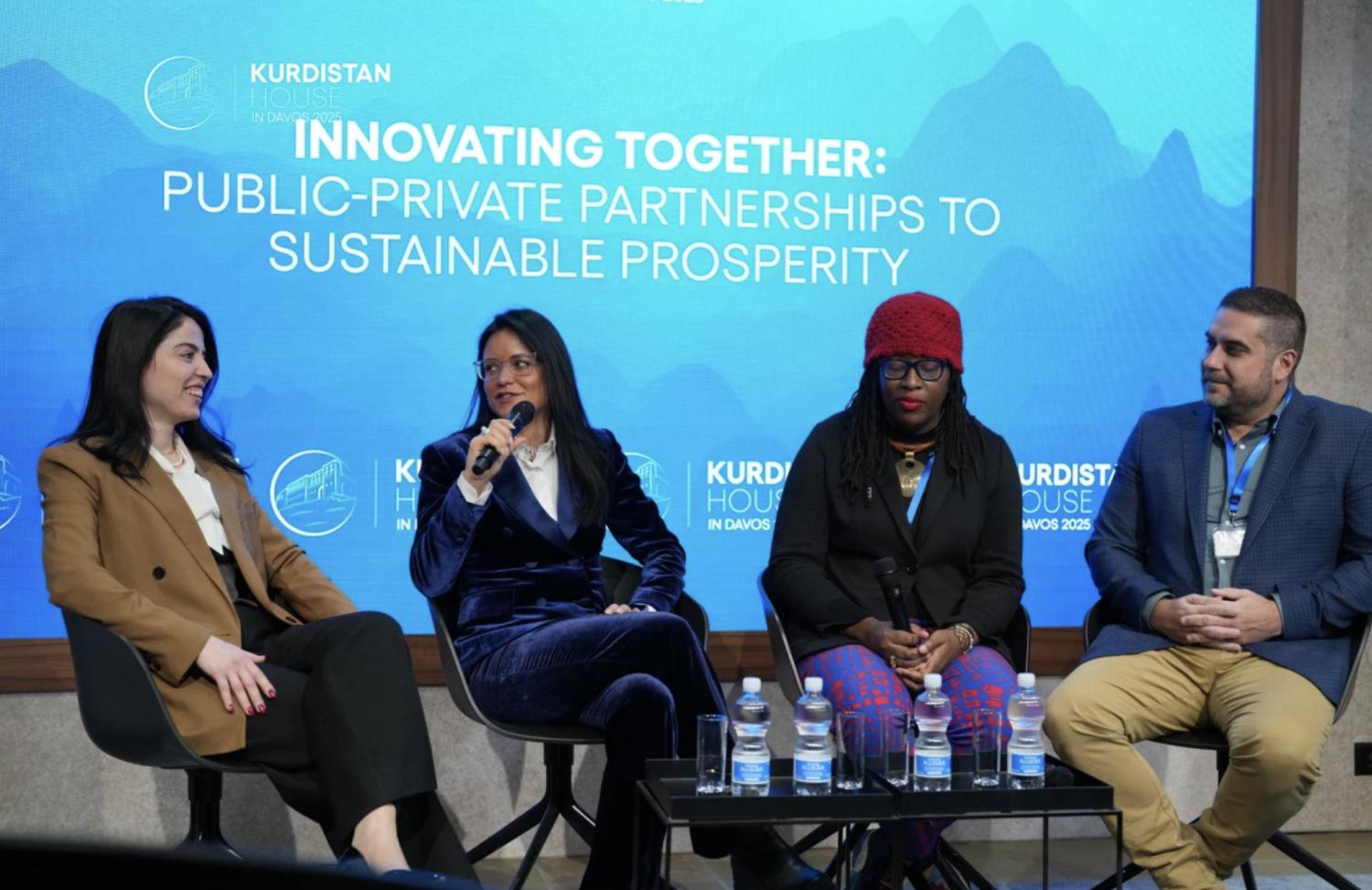
Another session explored the intersection of innovation and long-term development. The panel titled Innovating Together: Public-Private Partnerships for Sustainable Prosperity featured Tommy Baltzis, CEO of WhiteHaven Canada; Aurora Chiste, Head of Strategy and Transformation at Actual; and Jacqualyn Omotalade, Climate Investments Expert. Moderated by Basima Abdulrahman, CEO and Founder of KESK Company, the discussion focused on how cross-sector partnerships grounded in technology, climate solutions, and responsible investment can contribute to sustainable prosperity in Kurdistan and across the region.
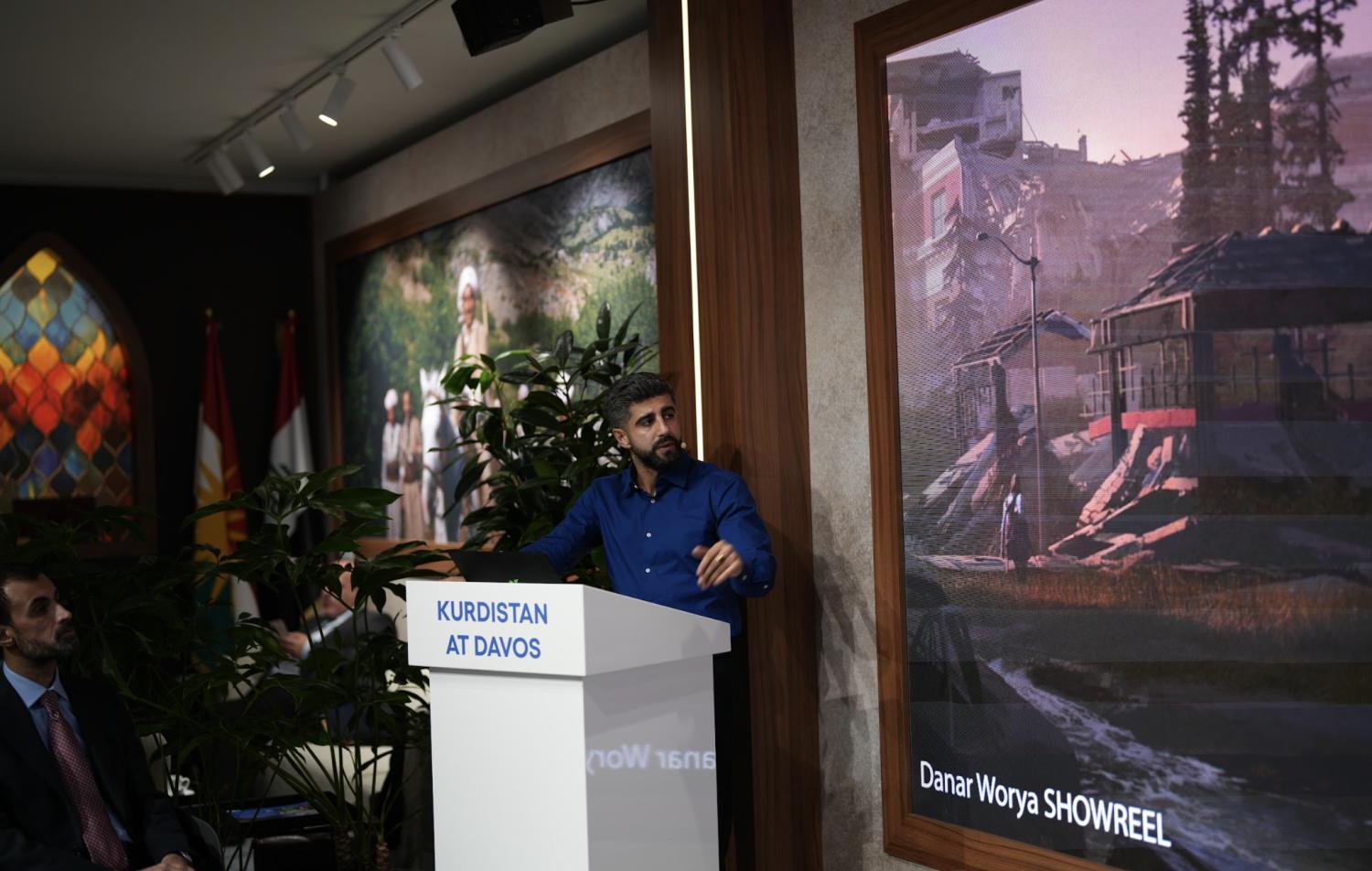
A forward-looking discussion explored the potential of the gaming industry and interactive media as emerging drivers of economic diversification. Featuring Danar Worya, CEO and Founder of Bright Winter Studio, the conversation examined how the region can position itself as a hub for digital innovation and creative industries. With global gaming revenues exceeding $180 billion annually, surpassing film and music combined, the session emphasized the growing influence of interactive media as a major economic engine.
Another panel titled Unlocking Investment Potential in Kurdistan: Opportunities and Challenges brought together Roj Peshraw Agha, Chairman of Empire World; Khalid al-Shuaibi, President of the Oman National Program for Private Sector and Foreign Trade Development (Nazdaher); and Sarchiya Omar, Head of Research and Development at the KRG Board of Investment. Mustafa Mala Hasan, Economy News Anchor at AVA Media, moderated the session. The discussion identified priorities for improving regulatory frameworks, enhancing cross-border partnerships, and advancing private-sector growth.
In 2025, strategic communication and media collaboration expanded significantly. A partnership with The Banker (Financial Times) resulted in a special Invest in Kurdistan edition, distributing more than three thousand copies throughout Davos. Private-sector support broadened, visibility increased, and credibility strengthened, reinforcing Kurdistan House as a platform for investment narratives, media outreach, and international engagement. These early successes created the foundation for a more mature and strategic presence in 2026.
2026: Mature, refined, and strategic
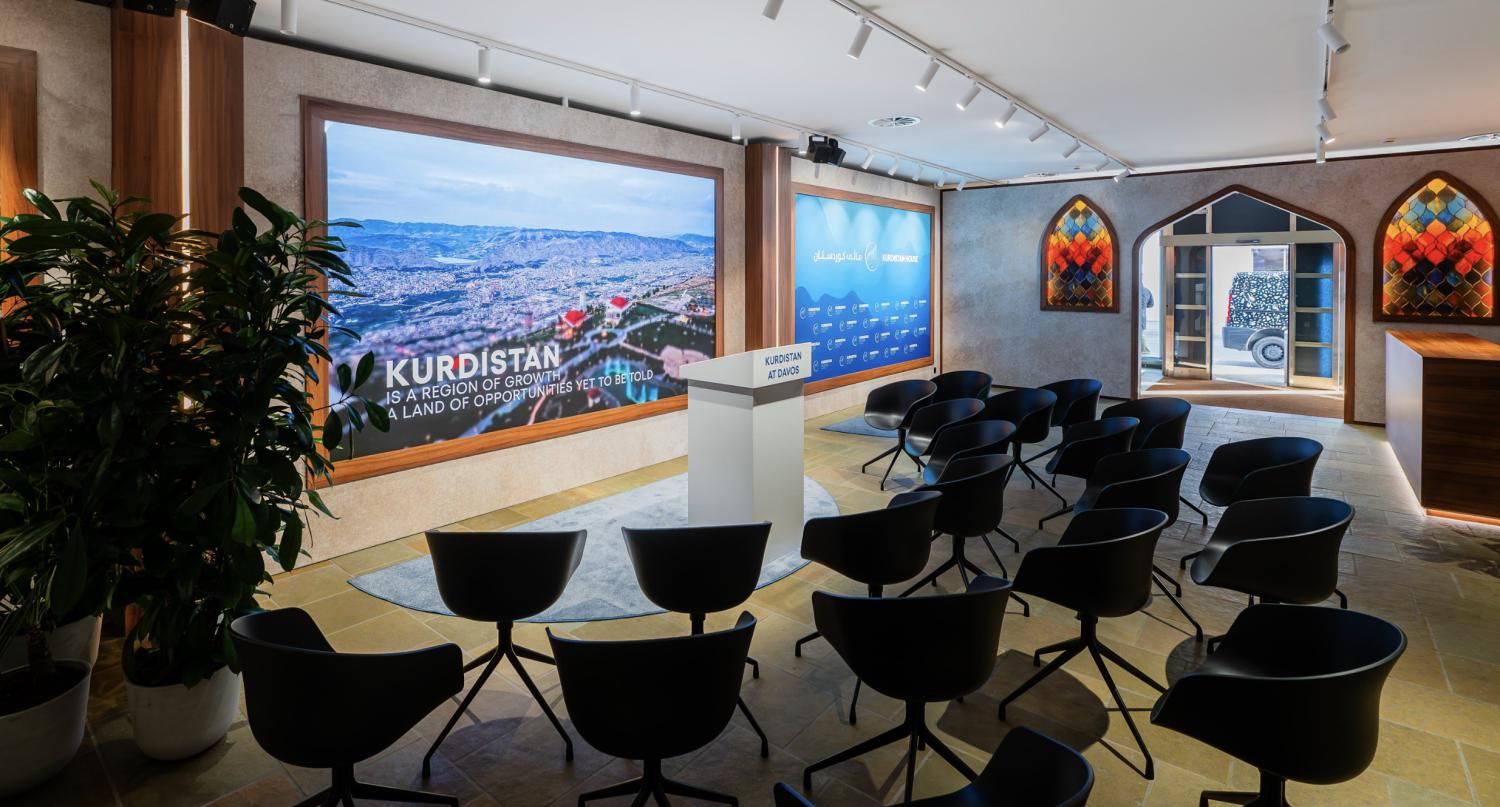
Kurdistan House returns in 2026 with focus and upgraded capacity. The design reflects three years of learning, stronger programming, smoother operations, and a deliberate environment for confidential conversations and high-level decision-making. Guests experience a familiar combination upon entering the pavilion: a professional space shaped by global priorities and complemented by authentic regional hospitality.
Kurdistan’s business community: The driving force behind Kurdistan House
Kurdistan House is distinguished by its private-sector presence. Each year, local business leaders join the pavilion not merely as supporters, but as active participants who believe Kurdistan must be represented authentically and professionally on the global stage.
For the 2026 edition, this commitment is reflected in the support of Faruk Group, Galiawa Group, Hewa Group, Kar Group, Kolak Group, South Kurdistan Group, Qaiwan Group, Dutch Flower, MJ Holding, Empire World, Darin Group, Kavin Group, Pulk Company, Shinal Group, CISK, Cihan Group, North Light Holding, and Address Erbil. Their presence illustrates a shared belief that Kurdistan’s economic story should be shaped by the people and companies building it every day.
Inside the pavilion, they take part in panels, roundtables, and high-level meetings that directly contribute to shaping economic narratives and investment pathways. Their participation strengthens the credibility, opens direct pathways to global partners, and ensures that discussions in Davos translate into tangible outcomes at home.
Beyond their presence within the pavilion, these Kurdish business leaders are fully registered participants in the WEF’s Open Forum, allowing them to take part in public discussions and engage directly with global audiences. They also visit other national pavilions along the promenade, fostering cross-border relationships, exchanging expertise, and exploring opportunities for collaboration. As part of the 2026 program, they will additionally attend a joint session with the UAE Pavilion reflecting Kurdistan’s growing role in regional economic dialogue and international cooperation.
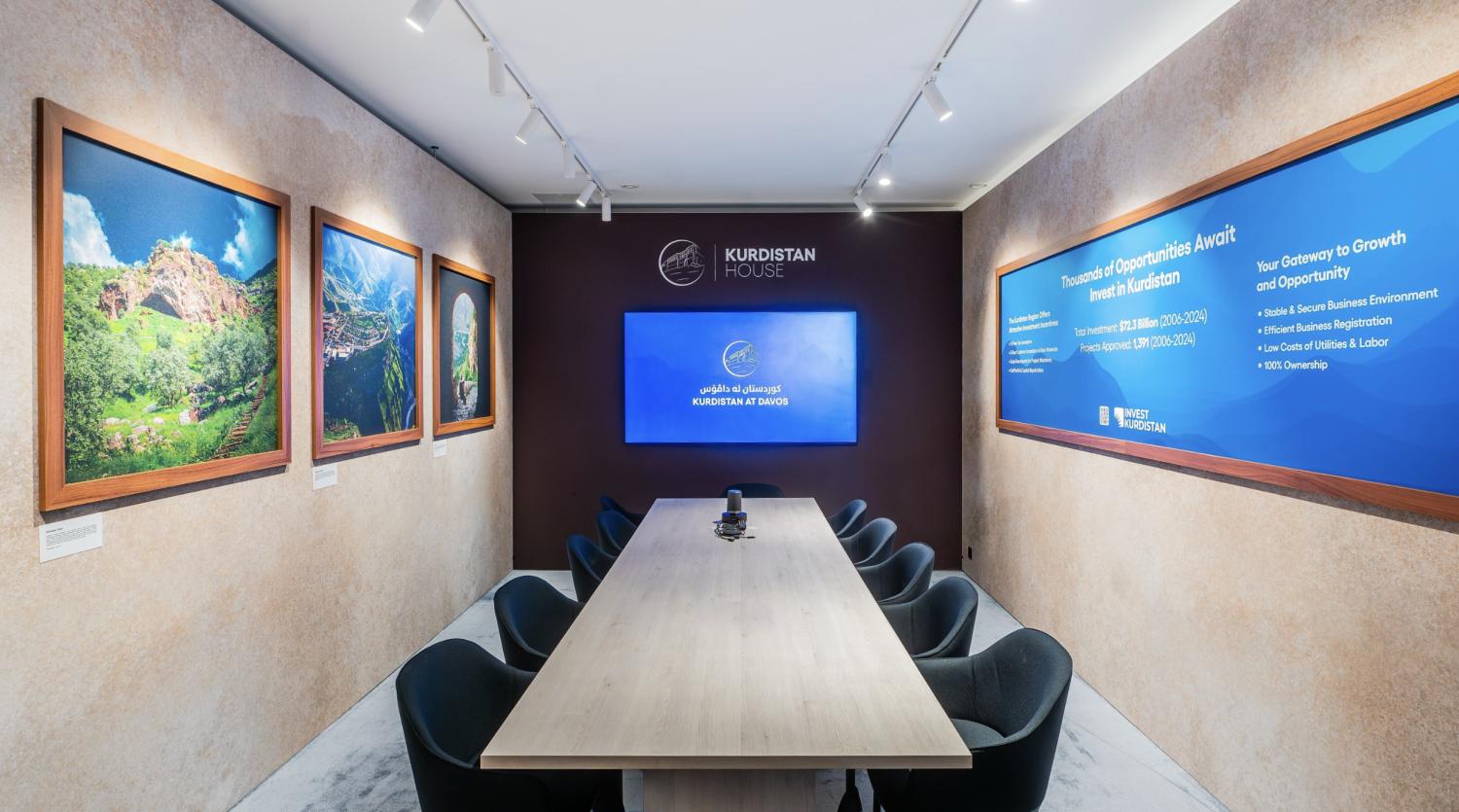
Invest Kurdistan: Connecting capital to opportunity
Alongside government representatives, Invest Kurdistan serves as a central pillar of engagement. The role is practical and results-oriented, presenting priority sectors with verified data, introducing potential partners to decision-makers, and coordinating follow-up beyond Davos. In a week where time is limited, clarity matters.
In 2026, Invest Kurdistan will highlight project portfolios in energy, industrial zones, logistics, and digital infrastructure, supported by investment roadmaps linked to ongoing reforms and structured meetings for international delegations. International partners from Europe, North America, and the Gulf continue to show interest in Kurdistan House, reflecting the region’s growing visibility in international conversations on energy, innovation, and strategic investment.
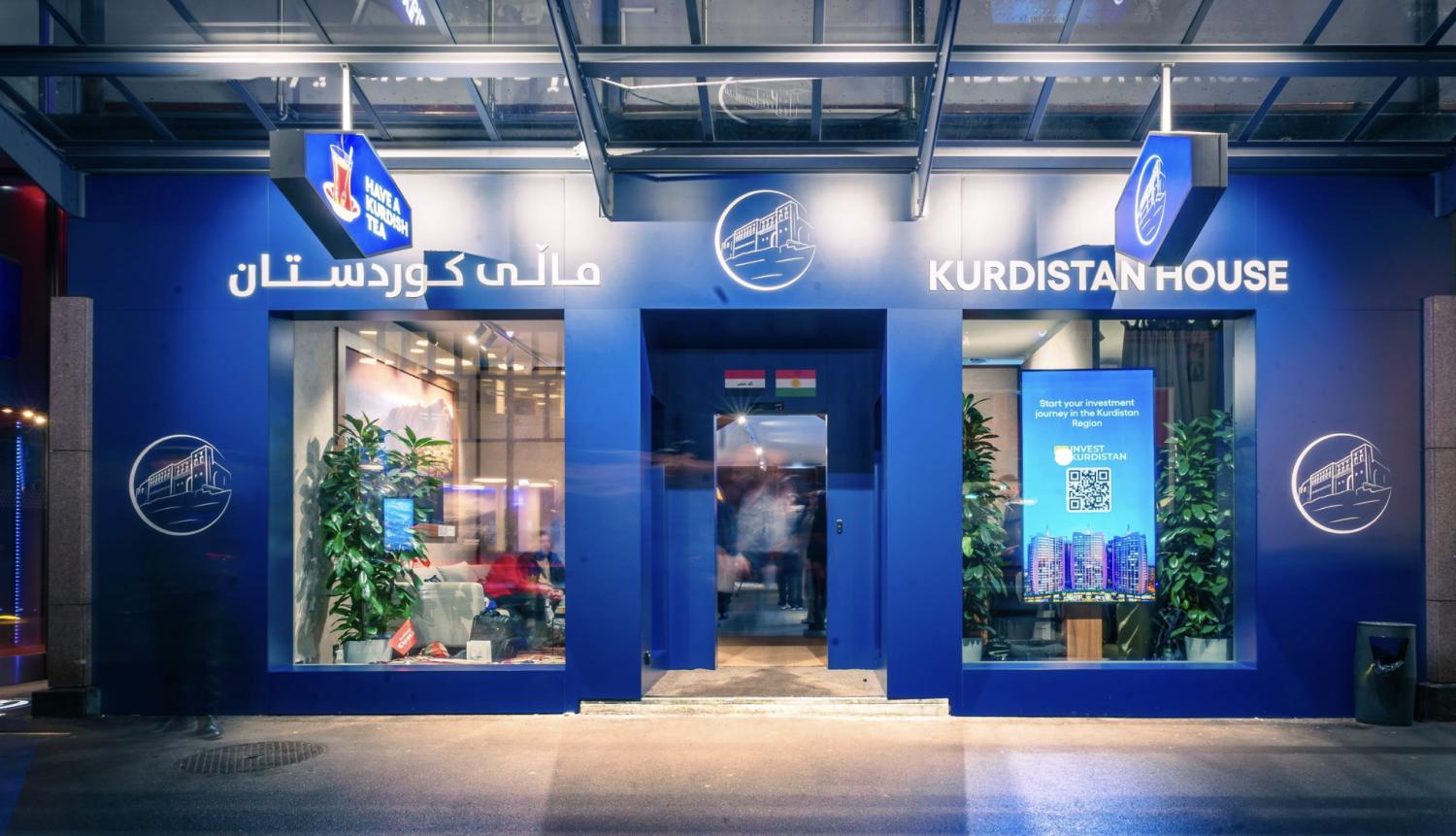
Visit Kurdistan: A window into the region’s identity
If Invest Kurdistan explains why companies should invest, Visit Kurdistan shows why people should come. The presence inside the pavilion brings a narrative built on history, heritage, and the texture of everyday life.
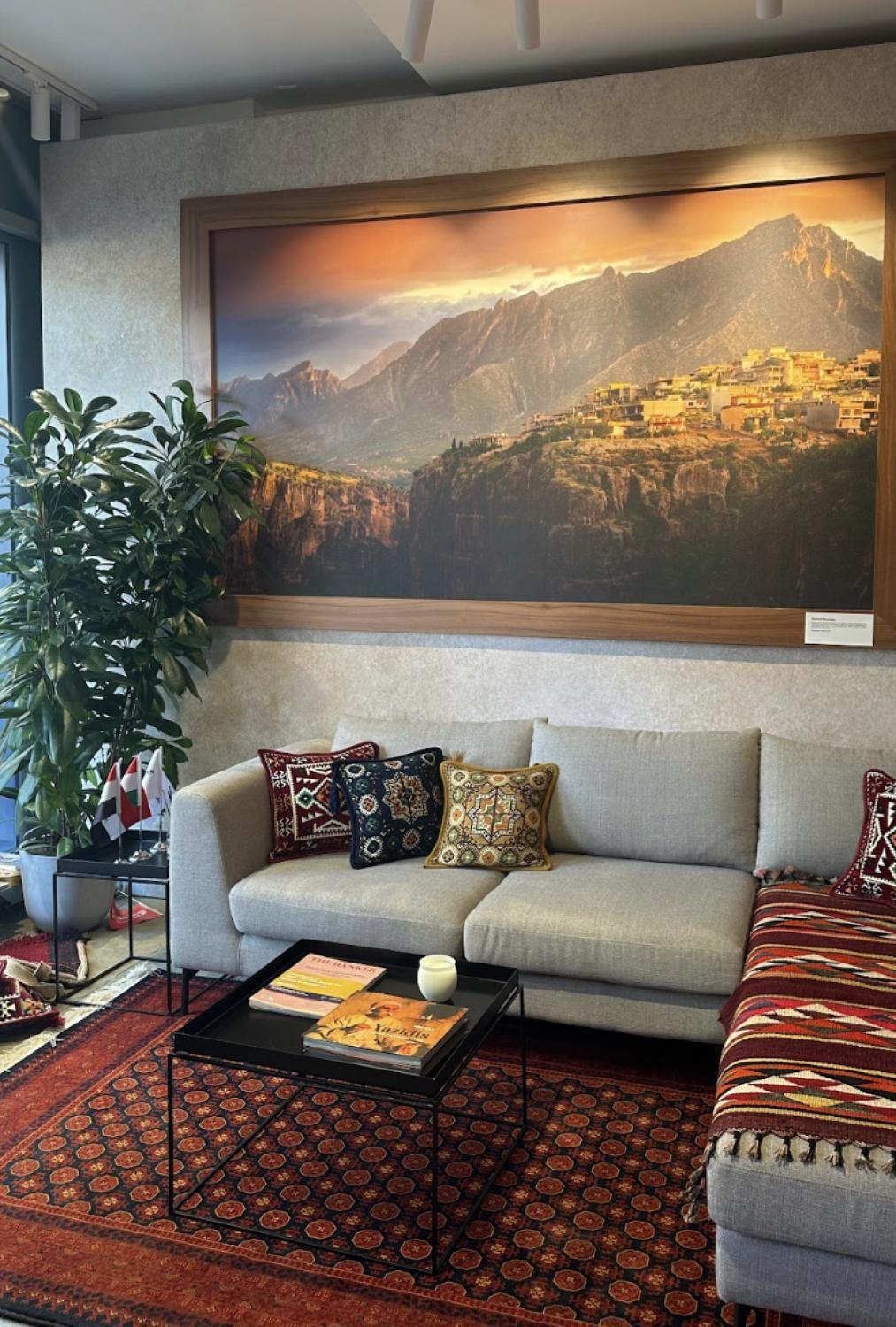
Visitors will experience distinctive landscape photography, screens showcasing heritage sites and city life, and guides linking cultural heritage with modern hospitality. The presentations feature archaeological sites, mountain resorts, natural parks, Kurdish cuisine, and historic pathways across Erbil, Sulaymaniyah, Duhok, and Halabja. Together, they communicate a cohesive message: Kurdistan is both an investment destination and a place to experience.
Kurdistan House operates as both a platform and a setting where diplomacy, business, culture, and hospitality converge naturally. Formal bilateral meetings take place alongside curated discussions, while presentations and cultural elements create opportunities for informal engagement. Within the pavilion, guests can move seamlessly from conversations on investment frameworks to a discussion about heritage, tourism, or culinary traditions. The result is a dynamic flow that encourages meaningful dialogue and lasting partnerships. Here, Kurdistan’s story is not simply told, but shared through meaningful exchange.
Initiatives Project Manager, Prime Minister’s Office of Initiatives and Communications, and Lead Organizer of Kurdistan House at Davos