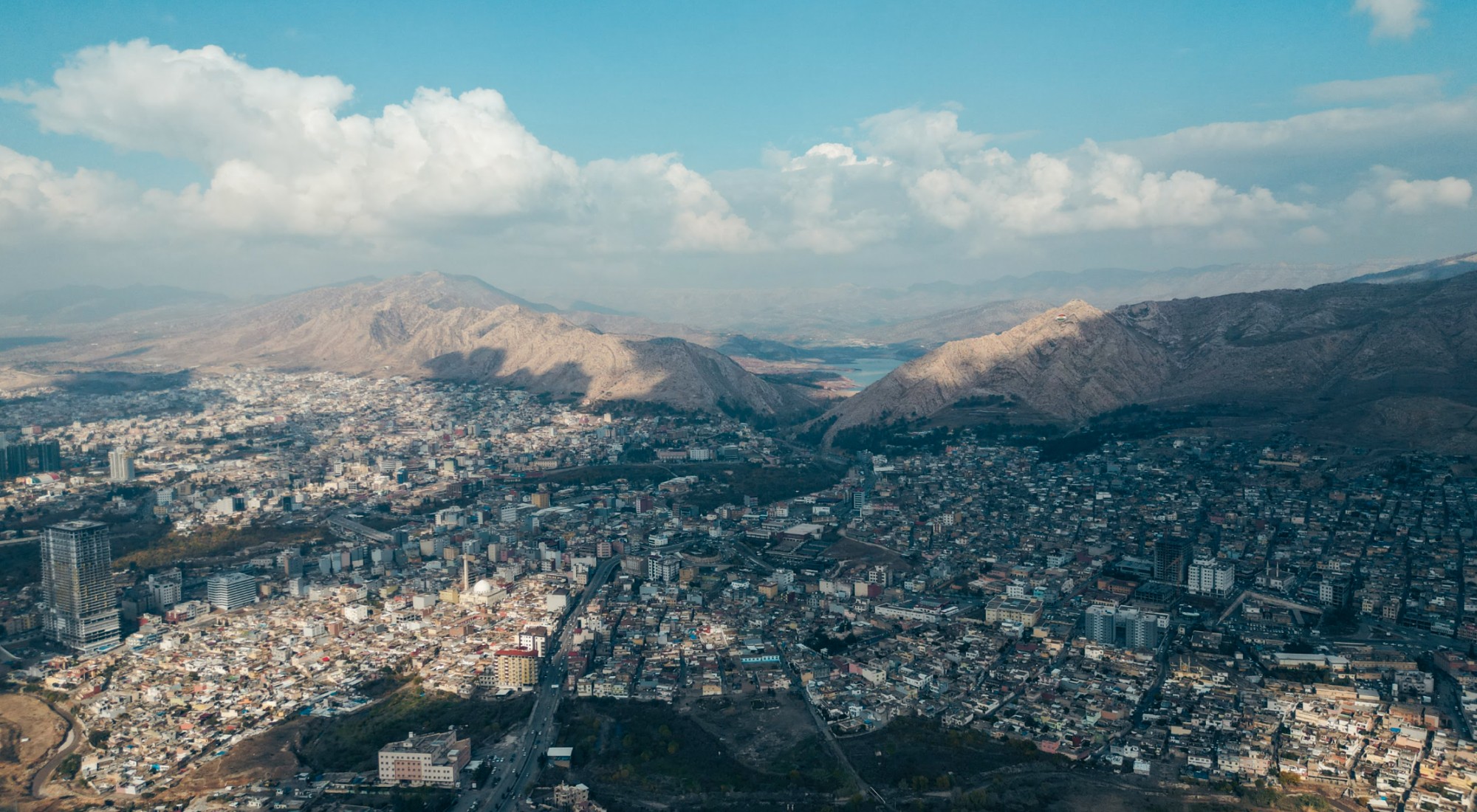
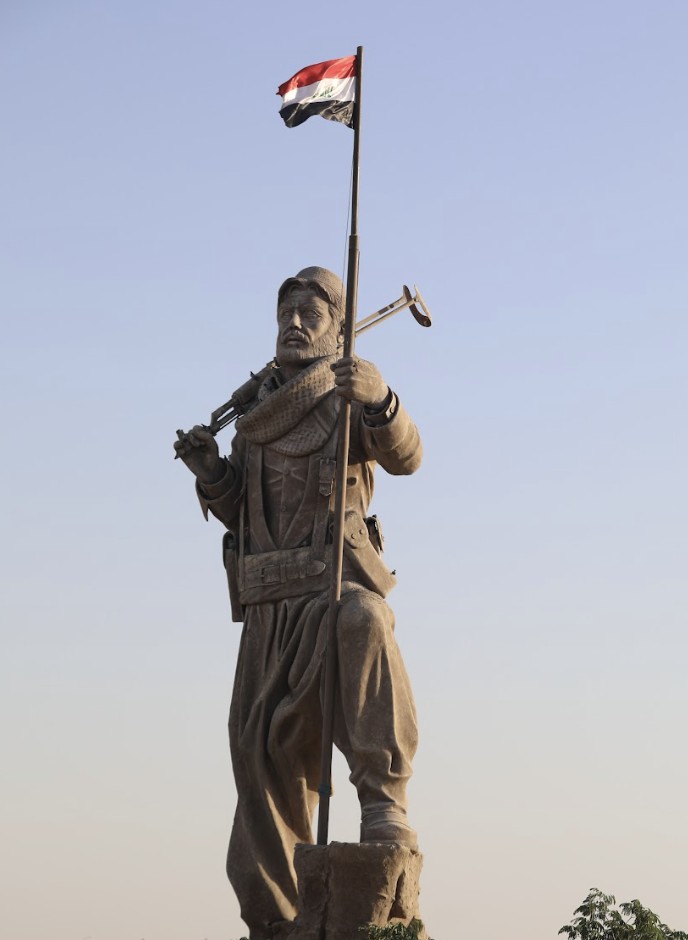
Drought and desertification – twin challenges long haunting Iraq – have now converged into an environmental crisis reshaping lives across central and southern Iraq. Families are being driven from their homes, forced into collective displacement. Yet in Kirkuk, this ecological emergency collides with an older unresolved struggle: Arabization.
This warning comes from Mahdi Mubarak, former director of Kirkuk’s agricultural authority and a researcher in water and soil management. He argues that Kirkuk’s agricultural wealth – fertile soil, strategic crops, and access to water – makes it particularly vulnerable to demographic engineering.
As drought deepens across Iraq, the city risks becoming a magnet for Arab settlers, and Kurdish farmers face dispossession once more, as if caught in a continuous cycle.
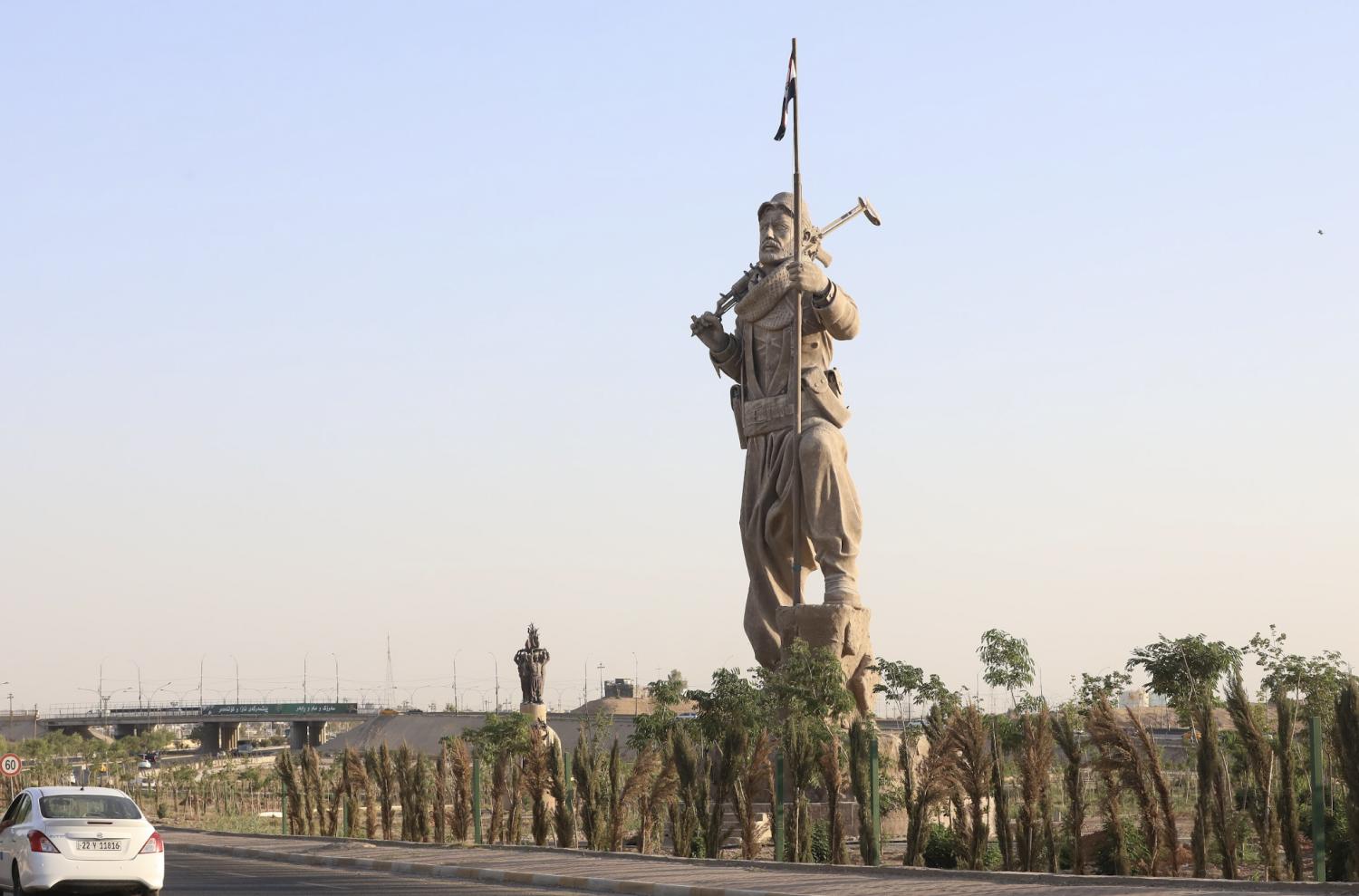
Unequal irrigation access
Kirkuk has around 1.05 million hectares of farmland, including nearly 450,000 hectares of irrigated land and 800,000 hectares of rain-fed land. The soil is fertile, and the climate supports both winter and summer crops, especially staples like wheat, barley, and maize. However, irrigation infrastructure is distributed unevenly throughout Kirkuk.
South of Kirkuk, where Arabs are the majority, two major irrigation projects supply water to hundreds of thousands of hectares, supplemented by more than 3,000 wells. This ensures year-round cultivation. In the north, however, where Kurds predominate, nearly 800,000 hectares of farmland depend entirely on rainfall. No irrigation projects exist there, leaving Kurdish farmers exposed to the growing unpredictability of declining rains.
The wider national water crisis feeds directly into this threat. Rainfall has declined, groundwater levels have dropped, and upstream interventions have dramatically reduced river flows. The Euphrates has lost about 70% of its water, while the amount of water the Tigris brings into Iraq has fallen by more than 50%. Turkey and Iran have built new dams on both rivers and their tributaries, accelerating this decline.
Reports from the UN Environment Program and the Food and Agriculture Organization consistently warn that reduced flows – due to upstream dams in Turkey and Iran and compounded by climate change and inefficient water management – pose risks for Iraq’s agriculture, water security, and socio-economic stability. Kirkuk’s fertility relative to central and southern Iraq ironically heightens its vulnerability. The scarcer water becomes elsewhere, the more attractive Kirkuk becomes for state-driven demographic resettlement.

The legacy of Arabization
Such a scenario has happened before. Under the Ba’ath regime, Kurdish villagers in northern Kirkuk were displaced, their lands seized and redistributed to Arabs. Even today, many of these lands have not been legally restored, and many Kurdish villages remain depopulated.
Mubarak warns that environmental pressures will entrench this legacy, as more Arab settlers will attempt to restore the privileges they enjoyed under the Ba’ath regime. Baghdad’s response, Mubarak argues, is shaped more by sectarian politics than strategic planning. Instead of negotiating fair water-sharing or investing in infrastructure, the government is turning once more to demographic policies. In Khanaqin, Tooz, Kirkuk, and Makhmur, Arabization is being used as a substitute for genuine solutions. “The government is increasingly facilitating the settlement of Arabs in abandoned villages and districts,” he says.
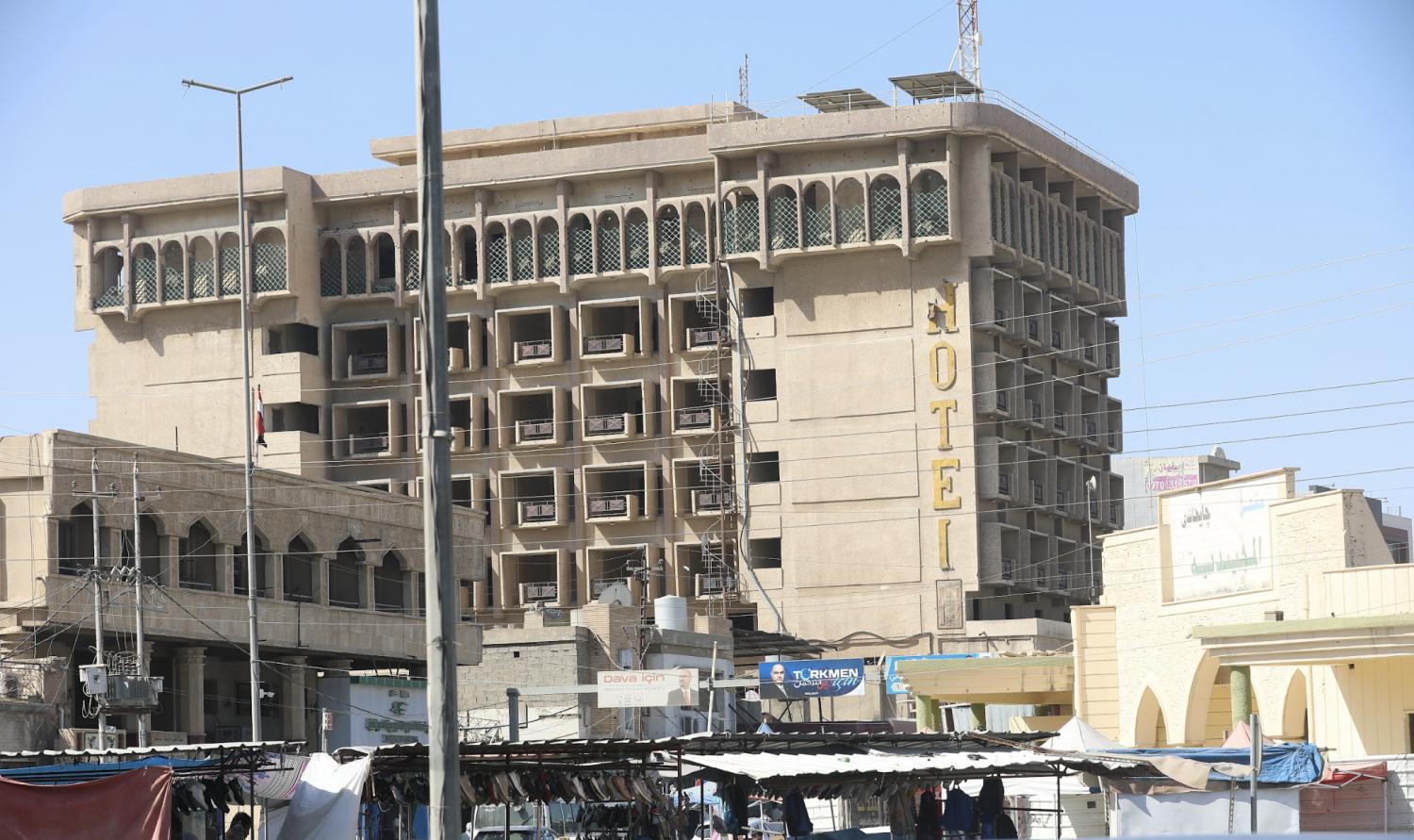
Proposals and pathways forward
The former agricultural director has not limited himself to critique. He has outlined proposals at both the national and regional levels. Nationally, Iraq must negotiate binding agreements with Iran and Turkey over river flows, design long-term irrigation networks, and shift agricultural policy toward less water-intensive crops. Water-hungry cultivation should be phased out where feasible.
Regionally, he calls for the implementation of Article 140 of the Iraqi Constitution, the reversal of Ba’ath-era Arabization, resistance to new demographic changes by local authorities, and greater support for Kurdish and Turkmen farmers. Mubarak names specific subdistricts – Daquq, Dibis, Sargaran, Topzawa, and Laylan – that could become the stage for a new round of Arabization. What once were Kurdish farmlands risk being rebranded as “alternatives” for displaced Arab families, turning drought into a political instrument. In his view, every failed crop and every dried riverbed opens the door wider for demographic manipulation.
A precarious future
Mubarak’s conclusion leaves little room for ambiguity. To confront drought with Arabization is to mistake the symptom for the cure. Such a policy cannot heal Iraq’s wounds, it can only make them deeper by creating division where cooperation is needed most.
Kirkuk thus remains suspended between two forces: the fertility of its soil and the fragility of its politics. Rich in promise yet precarious in its future, Kirkuk reminds us that when environmental collapse merges with sectarian design, it reshapes not only landscapes but destinies.
is a Kurdish journalist from Kirkuk.