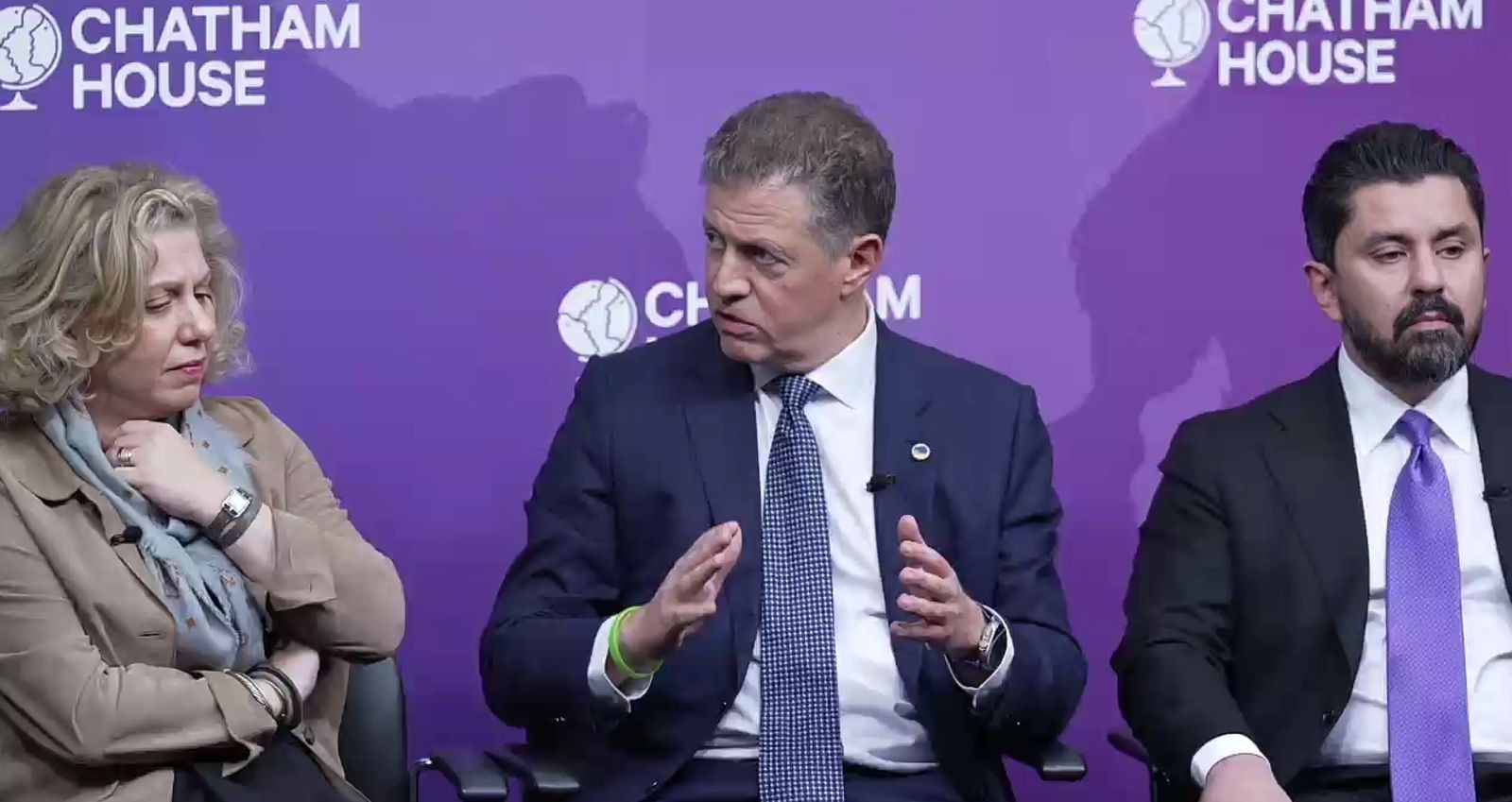
On Wednesday, Crescent Petroleum CEO Majid Jafar underlined that the Iraqi government needs to prevent attacks on the Khor Mor Gas facility in the Kurdistan Region of Iraq, following a drone attack targeting the field on November 8.
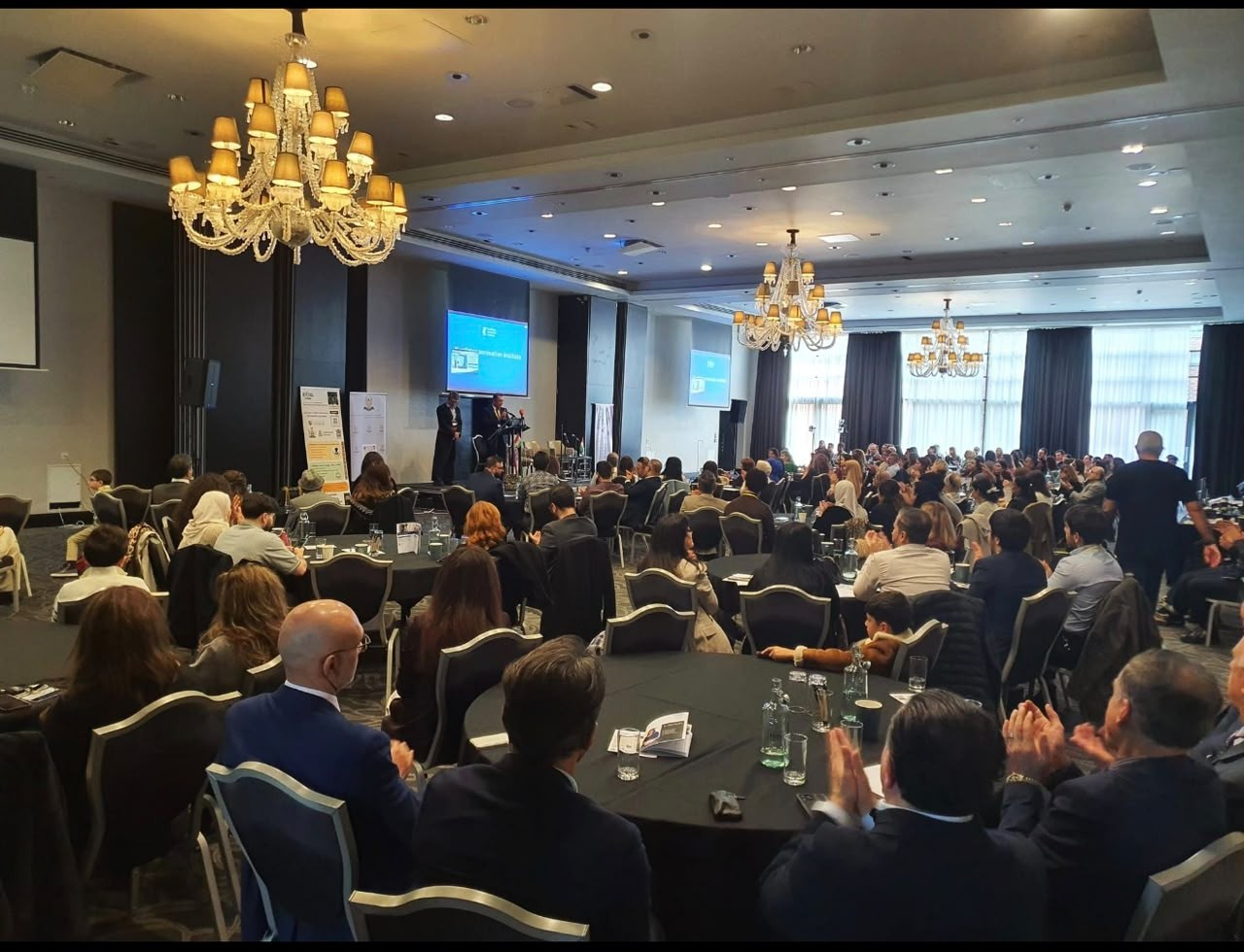
“We received an official letter from the Iraqi federal government, and all the operators did, assuring of that protection,” he said during a Chatham House conference on Iraq held in London.
In June, the Iraqi federal government and Kurdistan Regional Government (KRG) reached an agreement aimed at protecting oil companies. In August, Iraq’s Oil Minister Basim Mohammed Khudair stated that Baghdad would provide compensation to oil companies if attacked from inside Iraq.
“This time we hope to see, unlike the previous attacks, concrete steps for protection and for identifying and holding accountable the perpetrators, exactly as Iraqi Prime Minister Ali al-Zaidi said this afternoon.
”On Wednesday, Iraqi Prime Minister al-Zaidi ordered an expedited investigation into the November 8 attack on the Khor Mor gas field, which is run by a consortium headed by Dana Gas and Crescent Petroleum.
“I remember when ISIS was threatening the Kurdistan Region, all the international oil companies went to the airport, even those that didn’t have operations, just offices in Erbil. We stayed, and we were the closest to where they were coming from,” Jafar said.
“Not even one of our expats left, and we have 90% local staff. We are committed for the long term, but we have employees, and we have to care for their safety, their security, and also the facilities themselves are so important and strategic and need to be protected.
“Our resilience has been praised by the Kurdistan Region leadership, and by the leadership in the Iraqi government,” he stated.
Read More: Terrorist Attack Targets Khor Mor Gas Field: KRG
On November 8, a drone attack on Khor Mor gas field reduced electricity in the Kurdistan Region by 2,800 MW and increased cooking gas prices in the Kurdistan Region.
On Monday, KRG Prime Minister Masrour Barzani met with his Iraqi counterpart al-Zaidi, during which both sides strongly condemned the drone attack on the Khor Mor gas field and agreed on the need to put an end to attacks targeting the Kurdistan Region’s economic and energy infrastructure.
During the KRG Council of Ministers meeting on Wednesday, the KRG Council of Ministers strongly condemned the attack and stressed that “such attacks must be brought to an end.”
During the meeting, the KRG Minister of Electricity and the acting Minister of Natural Resources Kamal Mohammad Salih said that the KRG Ministry of Electricity was working to compensate for part of the electricity shortfall through power generation plants operating on heavy fuel oil, diesel, hydropower, and flared gas.
During the Chatham House event on Wednesday, Hoshyar Zebari, a senior member of the Kurdistan Democratic Party, also shared his concern over the control of weapons and putting the arms of the government under the control of militias.
“We in the Kurdistan Region suffer more than any other parts of the region from attacks from these militias on our oil installations, oil companies, and infrastructure,” he said.
The Iraqi state has given armed non-state actors the deadline of June 30, 2027 to give up their weapons to the state and promise to stop attacks on neighboring countries.
President of Iraq’s Supreme Judicial Council Judge Dr. Faiq Zaidan stated during the Chatham House event that the armed factions in Iraq have no more excuses to not give up their weapons after the withdrawal of all foreign troops on September 30.
“There is no justification then for any parties to take up or to carry weapons outside the control of the state,” he said.
A seasoned reporter and analyst who specializes in Kurdish affairs.