Kurdish athletes and fans are gaining global visibility despite having limited official representation in international sport.
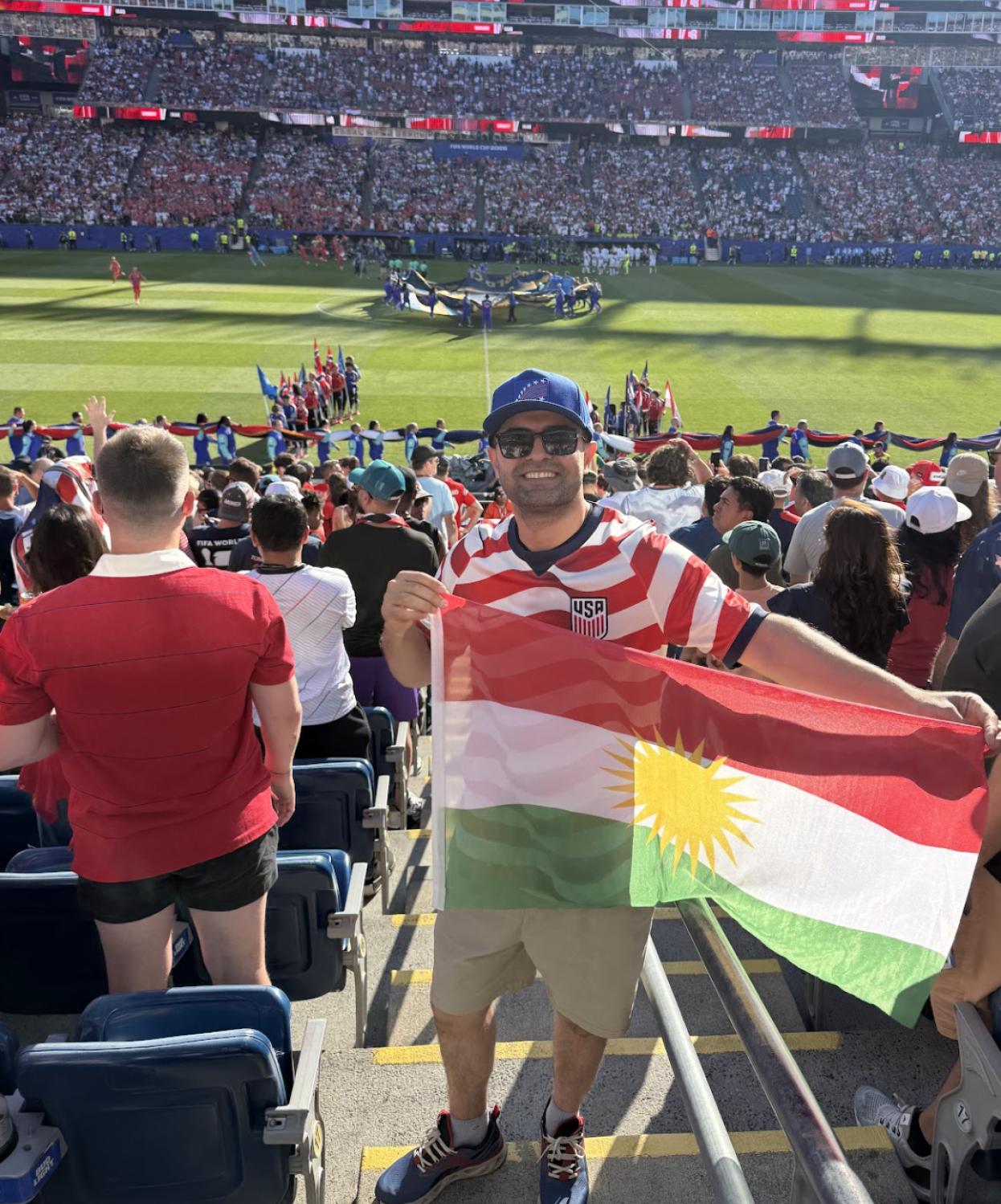
During the 2026 World Cup, a group-stage match between Iraq and Norway brought crowds flocking to Gillette Stadium in the suburbs of Boston, Massachusetts. Among the sea of jerseys in the stands, a familiar sight stood out: the vibrant red, white, and green of the Kurdistan flag, its blazing golden sun held proudly aloft by several spectators.
When one passionate fan was asked if she and her young son, who had traveled all the way from Chicago, were there to support the Iraqi national team, the boy’s response was immediate and firm: “No, I am Kurdish, not Iraqi. I am just here to get the vibes.”
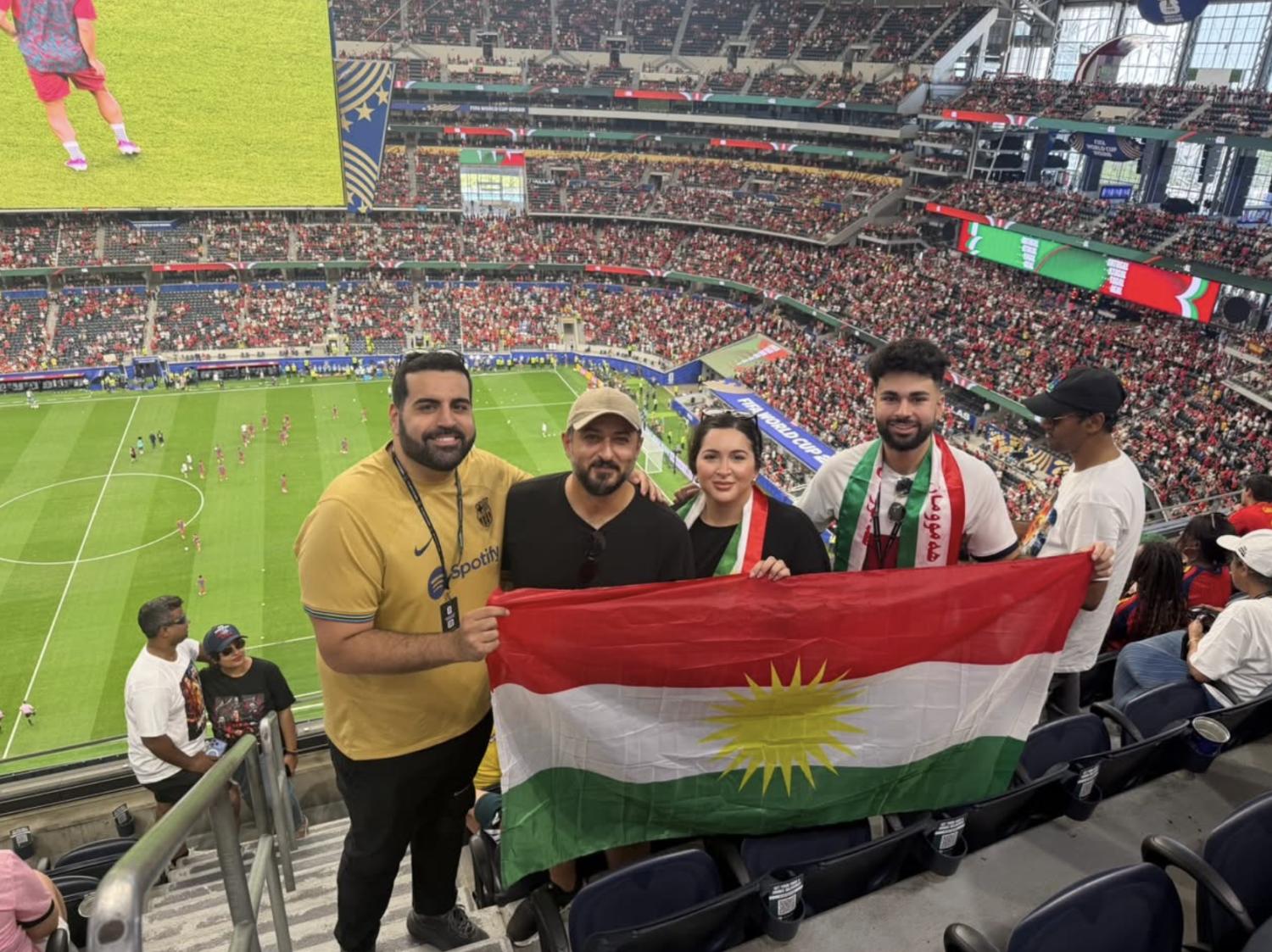
It was a small but telling moment that captured a much larger reality. Kurdistan is not a member of FIFA, leaving its representative teams to compete in the Confederation of Independent Football Associations, a body that hosts tournaments for non-sovereign states, minorities, and stateless regions. Yet, despite having no official seat at the global sports table, the world’s approximately 50 million Kurds are increasingly commanding global attention through the talent, grit, and passion of their athletes and fans.
Across the Diaspora
This deep-seated longing for representation is felt strongly across the diaspora. In Texas, Bakhtiar Dargaliy, whose family history is closely tied to the Kurdish liberation movement, reflects that legacy; his father, grandfather, and uncles all fought in the Kurdish revolutions led by General Mustafa Barzani.
Watching the World Cup reminded Dargaliy that the people of Kurdistan remain denied what he calls “God’s gift to humanity: freedom.”
“How unfair is it for nations that number less than half a million people to be represented, yet the Kurdish people, who number 50 million, are not there with their flag?” Dargaliy asked.
His children attended multiple World Cup matches proudly carrying the flag of Kurdistan. “We love America. We love the American flag,” Dargaliy noted. “But we are also proud of our Kurdish background and heritage.”
For many Kurdish Americans, raising the flag at the World Cup is a vital message to the world that the Kurdish people exist, that they dream of freedom, and that the flag represents their collective soul. “Someday, sooner or later, the Kurdistan flag will be at the UN and at FIFA games,” Dargaliy said. “Then the sons and daughters from all parts of Kurdistan can shout from the mountaintops and streets of their homeland: free at last.”
Kurdish Stars at the World Cup
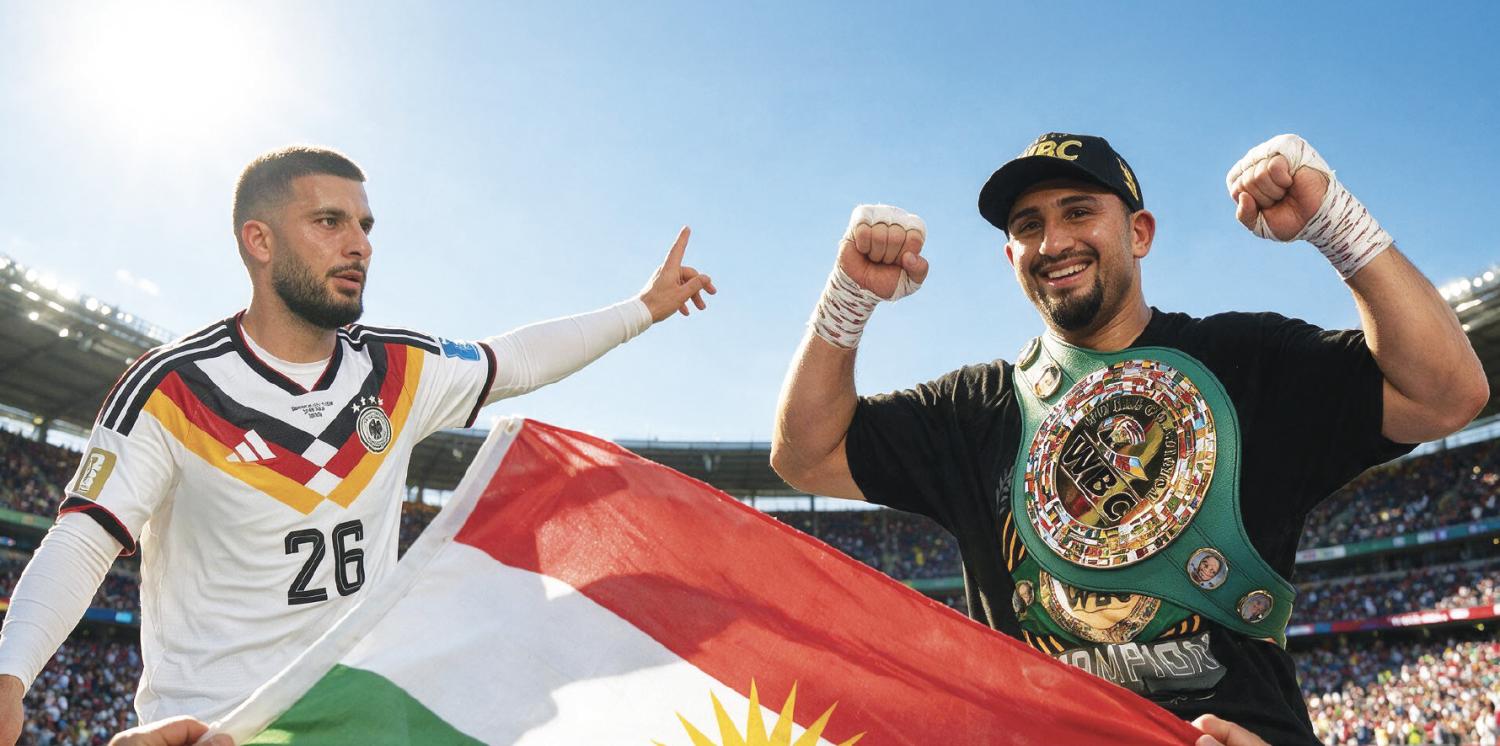
The 2026 World Cup was a historic stage for Kurdish representation. Ten Kurdish players represented four different national teams: Iran, Iraq, Türkiye, and Germany. Standing out among them was German forward Deniz Undav.
Born in Achim, Germany in 1996 to Kurdish Yezidi parents, Undav has captivated football fans worldwide. His performance on the pitch is complemented by his deep cultural pride, as he openly asserts his Kurdish identity on the world stage.
Undav’s impact at this tournament has secured his place in football history. During a group-stage campaign, he scored three goals, including a 94th-minute goal to seal a thrilling 2-1 comeback victory over Côte d’Ivoire, officially securing Germany’s spot in the knockout rounds.
This performance made Undav the second substitute since 1966 to score twice and assist twice in a single World Cup match. For Kurdish fans watching globally and celebrating across social media, Undav’s historic moments on the pitch transcended sport, becoming a deeply emotional collective victory.
Conquering the Ring and the Cage
The world can no longer view Kurdish athletes through a single lens. Beyond football, Kurdish fighters are reaching the highest levels of combat sports in their respective divisions while proudly representing their heritage.
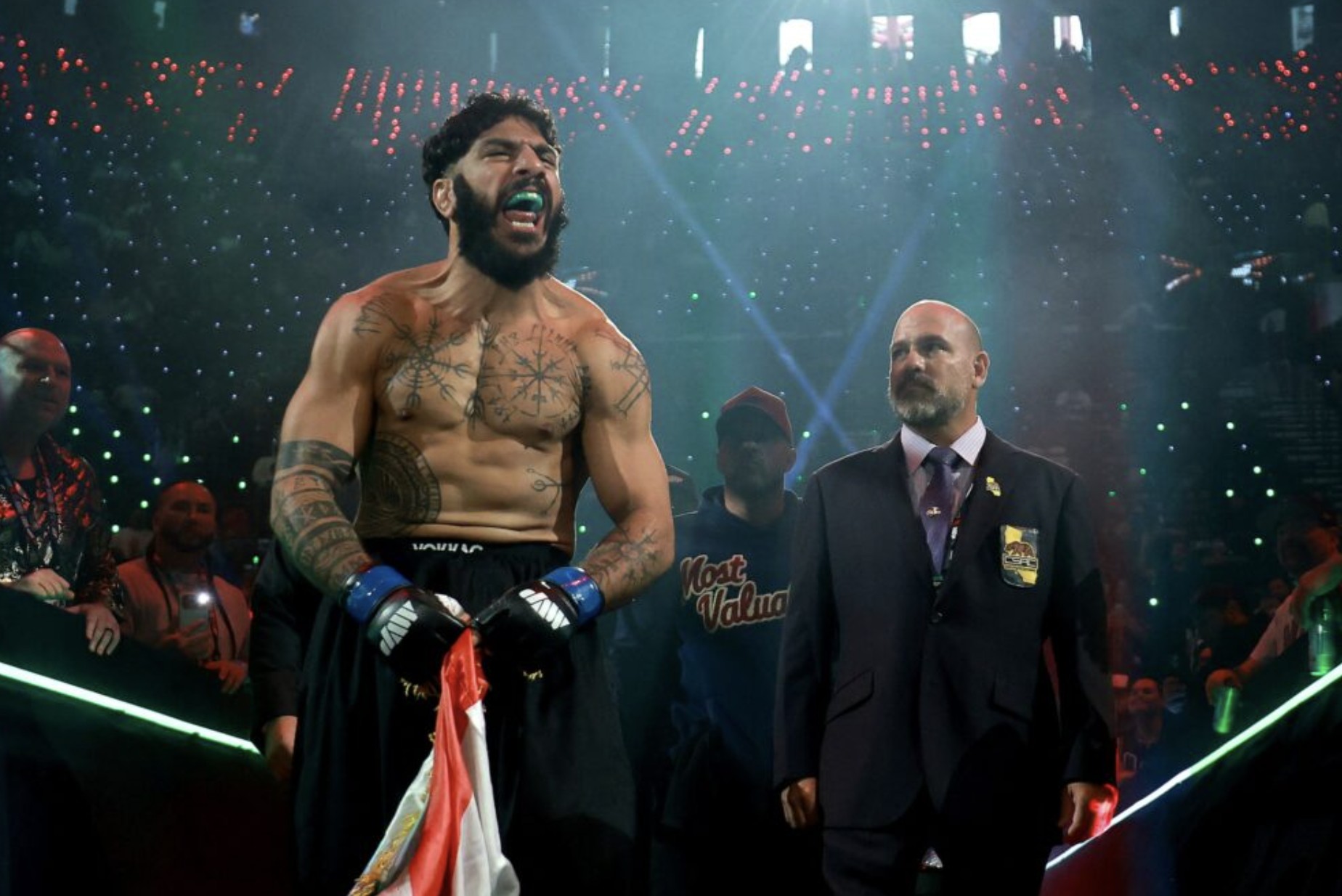
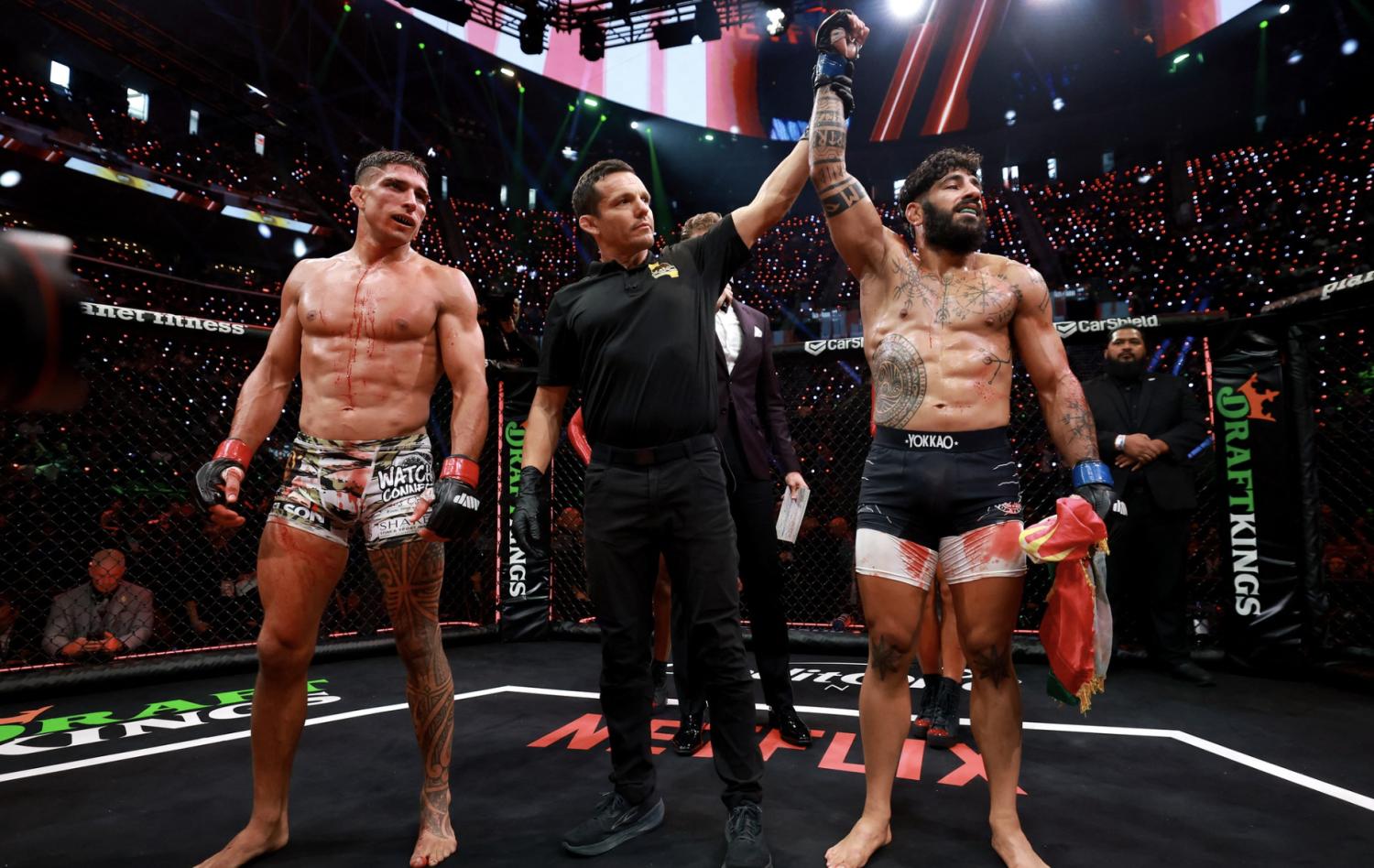
Take Namo Fazil, a professional Kurdish mixed martial arts (MMA) fighter competing in the welterweight division. Known to his fans as “the Grandson of Saladin,” Fazil recently captured international headlines with a performance at the MVP MMA 1 event in Los Angeles, where he defeated American fighter Jake Babian via a second-round submission.
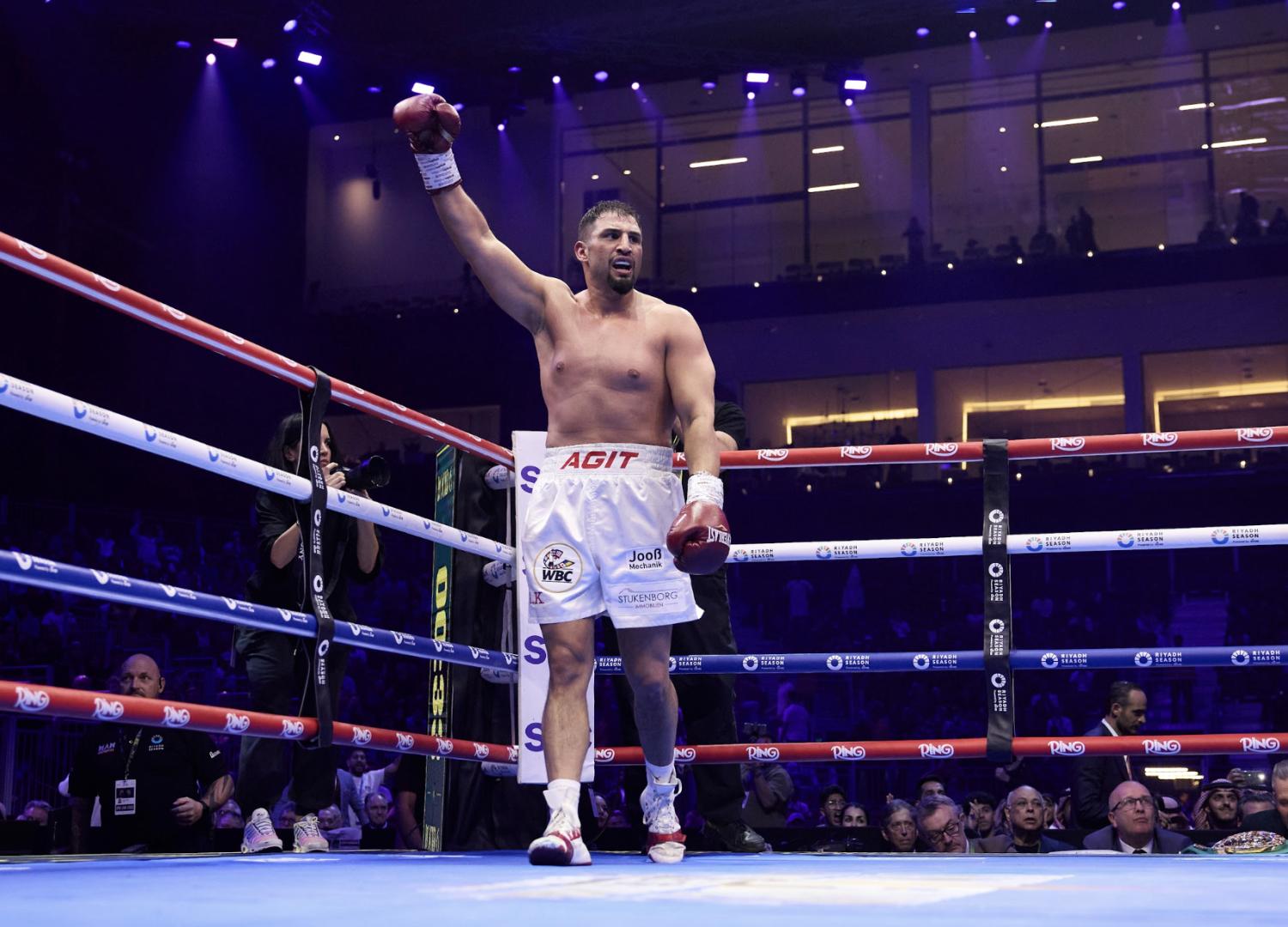
Meanwhile, in professional boxing, Agit Kabayel has reached the summit of the heavyweight division. The undefeated Kurdish powerhouse was officially elevated to WBC Heavyweight World Champion after Oleksandr Usyk vacated his titles. Kabayel’s rise to the throne is a testament to years of quiet perseverance — proving that, even without a state sponsor, Kurdish athletic brilliance cannot be denied.
More Than a Club: Zakho and Amedspor
While individual athletes shine globally, football clubs across the Kurdish regions are proving that sports can be a powerful platform for cultural representation, regional pride, and solidarity.
In Türkiye, the Diyarbakır-based club Amedspor, widely regarded as a symbol of Kurdish identity, recently achieved a historic milestone. Following a dramatic 3-3 draw against Iğdırspor, Amedspor secured a second-place finish in the league, officially earning promotion to the Turkish Super Lig, the highest tier of Turkish football. For a club that has long endured political pressure and hostility, this promotion was a powerful affirmation of identity, sparking massive celebrations among Kurds worldwide.
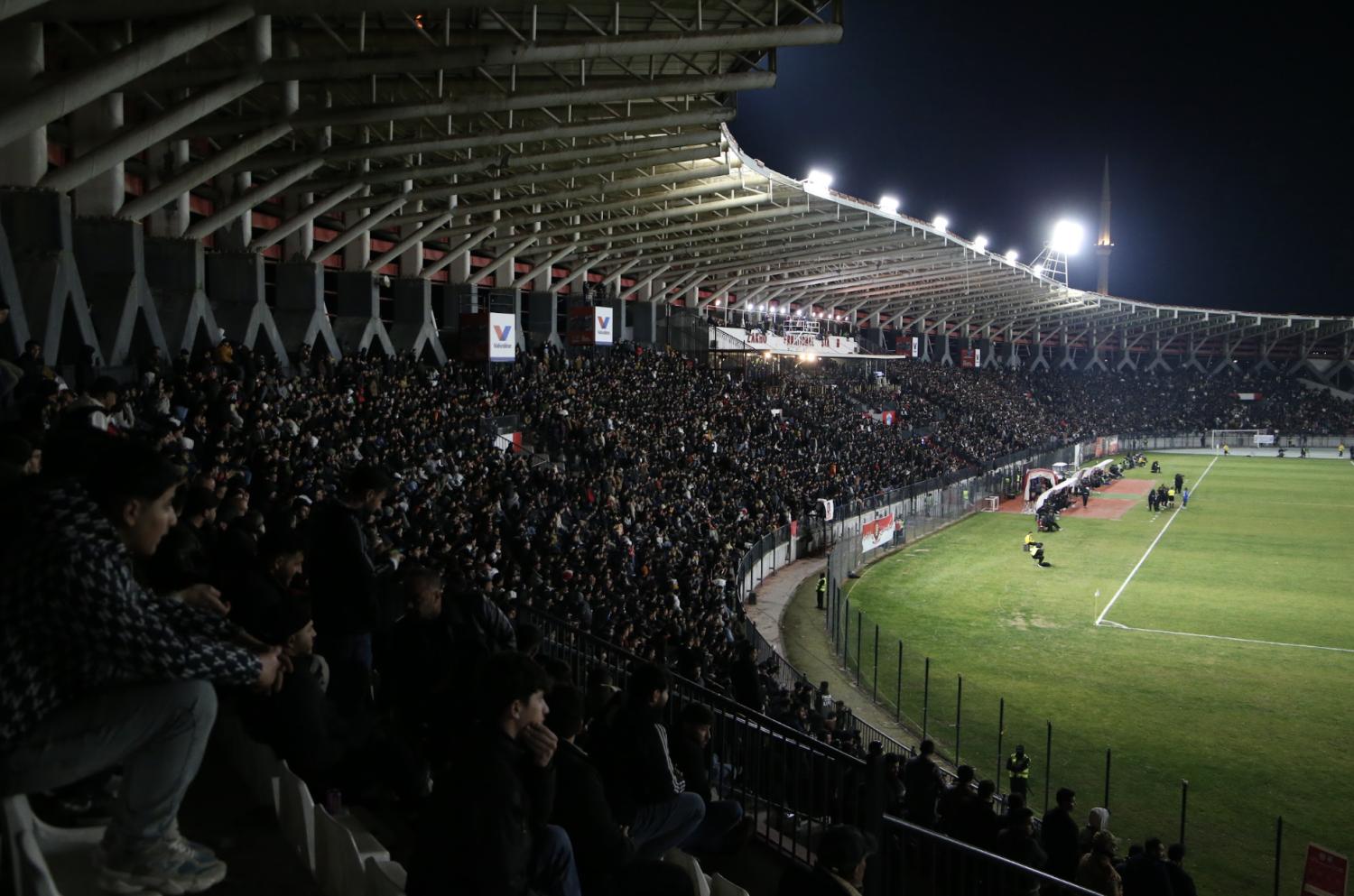
In the Kurdistan Region, the supporters of Zakho Sports Club showed the world the depth of Kurdish compassion, earning the prestigious FIFA Fan Award 2025. The global footballing body honored Zakho supporters for an extraordinary humanitarian gesture: ahead of a match, thousands of fans threw stuffed toys onto the pitch to be collected and distributed to hospitalized children. Kurdish fans proved that, while they may not have a nation-state, they possess one of the biggest hearts in global sport.
A Kurdish-American journalist overseeing the US Desk at Kurdistan Chronicle.