Halkawt Mustafa’s acclaimed wartime thriller honors the Kurdish women fighters who turned extremist ideology against ISIS.
The 83rd Venice International Film Festival brought together leading filmmakers from around the world to present their latest work. Among them was No Paradise If You Are Killed by a Woman, a wartime thriller by Kurdish-Norwegian filmmaker Halkawt Mustafa that draws on the extraordinary role of Kurdish women in the fight against ISIS.
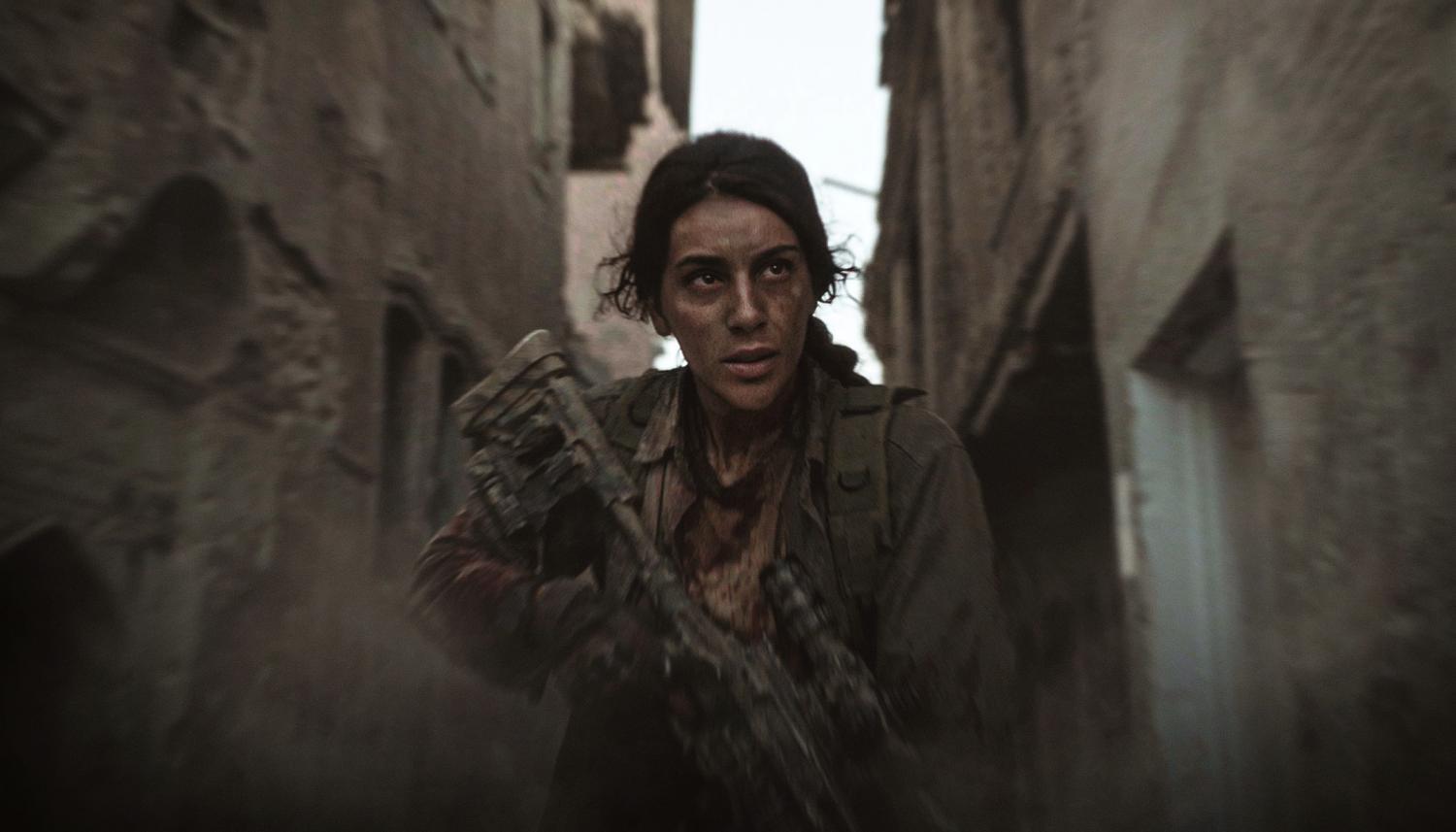
The film premiered out of competition on September 7, days after it was selected as Iraq’s official submission for the Academy Award for Best International Feature Film. It follows Vyan, a Kurdish woman sniper who learns that her younger sister, believed lost during ISIS’ 2014 assault, may have been abducted by ISIS and may still be alive in Mosul. Returning to a city devastated by war, Vyan embarks on a rescue mission that also forces her to confront the trauma she has spent years trying to suppress.
Behind that fictional story, however, lies Mustafa’s encounter with the real Kurdish women who fought ISIS, and the unusual psychological weapon their presence on the battlefield provided.
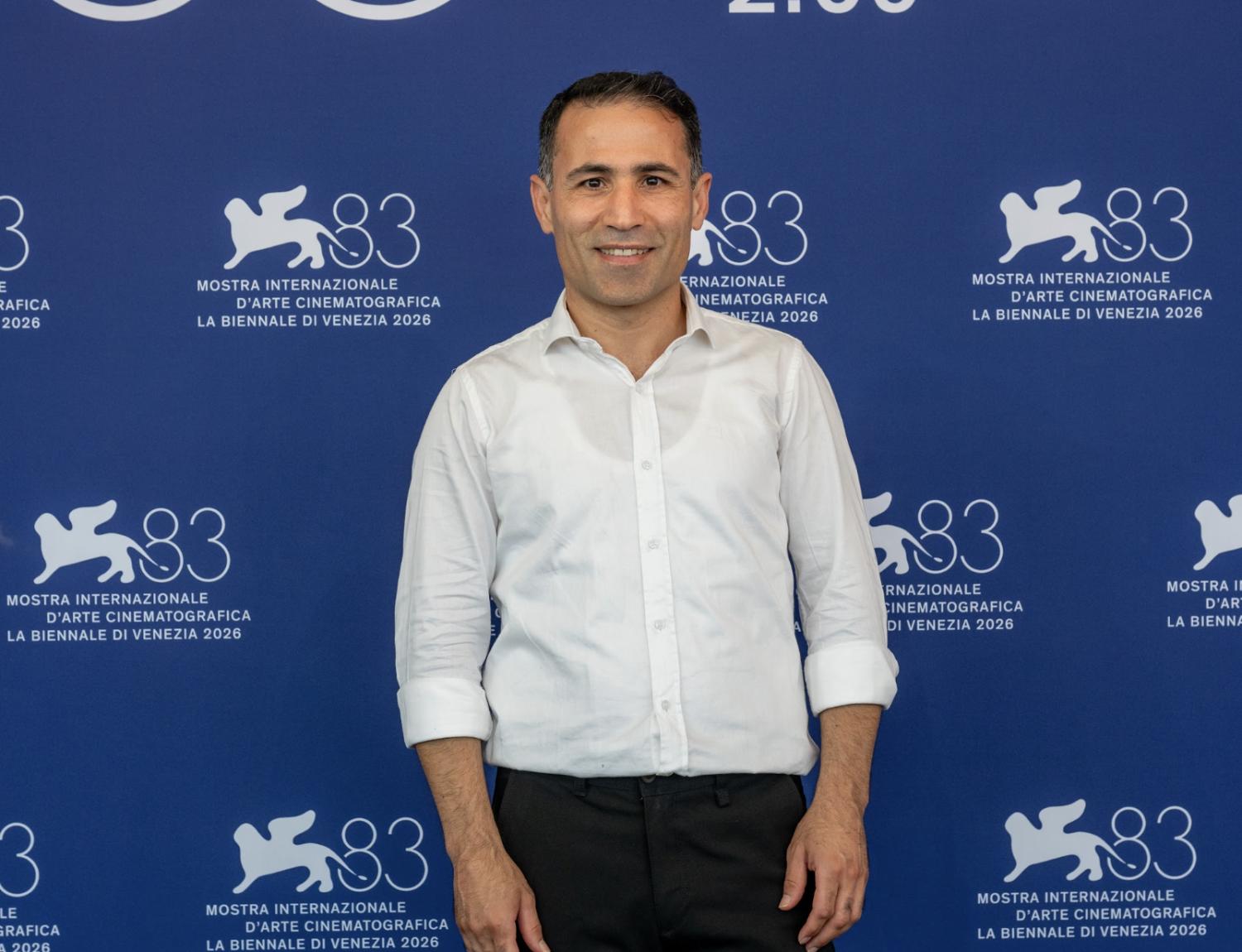
The Title
The film’s provocative title holds the key to the story.
During the war against ISIS, reports emerged that some militants believed being killed by a woman would deny them entry into paradise. As a result, some were actively avoiding confrontation with Kurdish women fighters. That fear offered them a psychological advantage: their presence on the battlefield could exploit the extremists’ own ideology against them.
Mustafa originally intended to present the film’s title as an opening text before the first scene faded in. A veteran producer working on the film with him, however, urged him to make it the title, believing its jarring ambiguity would immediately capture the audience’s attention. The reaction to the film in Venice vindicated that decision.
“I spoke to many journalists whose first question was about the title,” Mustafa told Kurdistan Chronicle.
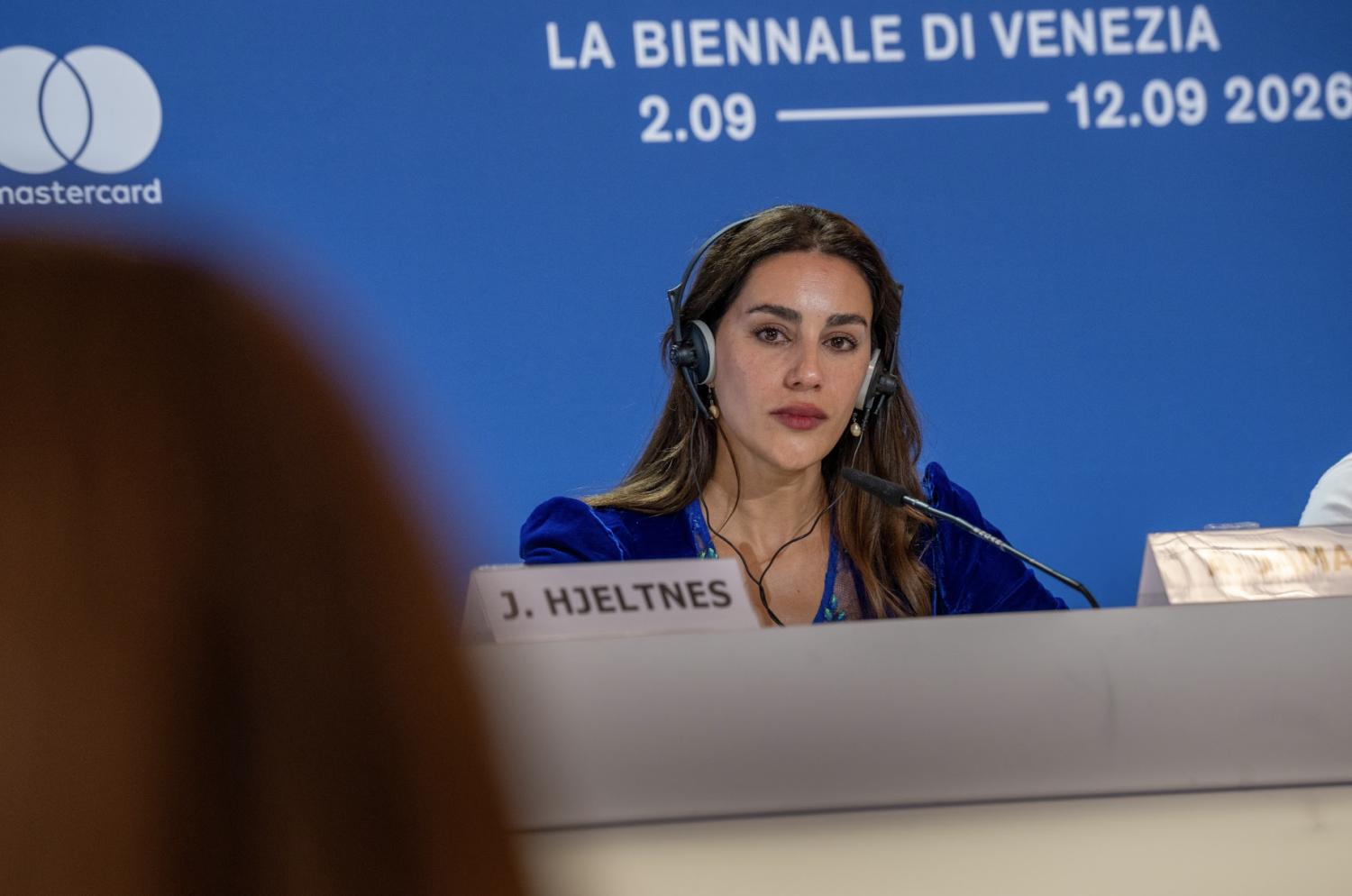
The Story
The project dates to 2014, when ISIS swept across Iraq and Syria, carrying out brutal attacks against civilians. While the group’s violence shocked much of the world, Mustafa encountered a different story emerging from the Kurdish women fighters confronting ISIS on the ground.
Working as a journalist at the time, Mustafa experienced the reality of the war firsthand, when he found himself embedded on an all-women frontline with Kurdish Peshmerga forces.
“Those days, the world was in shock and, of course, in panic when they saw the barbarism of ISIS. But these women were extraordinarily brave. They handled a frontline and protected us all.”
This experience left a permanent mark on Mustafa. The film is, in part, his attempt to capture that courage on film and honor the legacy of the Kurdish women who fought ISIS.
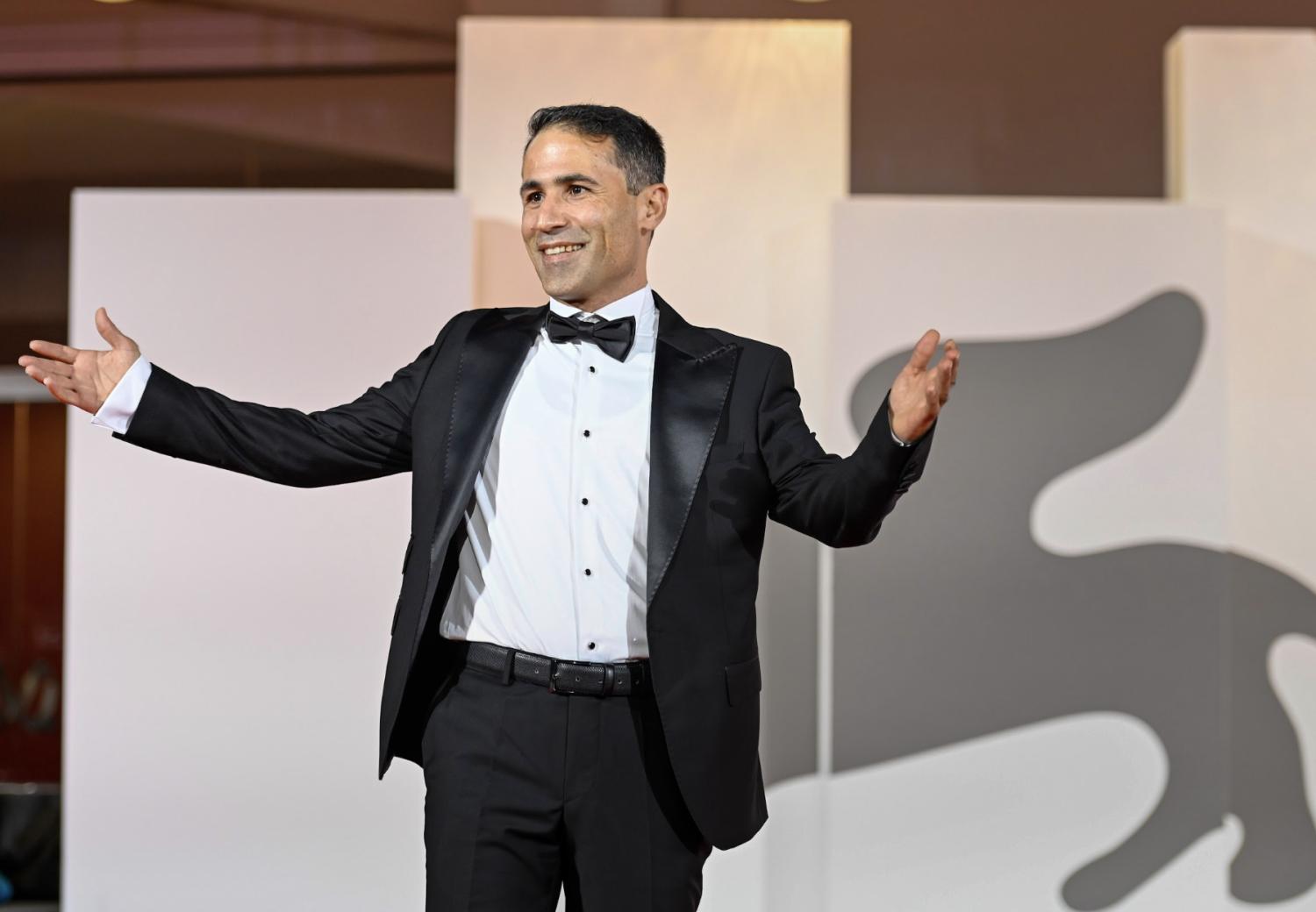
The Production
The film took more than ten years to develop from the initial idea to the final cut. While that might suggest technical or financial difficulties, Mustafa said the lengthy process was largely deliberate, reflecting his creative and ethical approach to filmmaking.
“Before taking action, I give an idea a few years to mature and then I will decide whether I will make it or not,” he explained. “For me, it is enormously important to define my ethical position on the story and then I will try to tell the story in a new cinema language, or new storytelling.”
For Mustafa, finding that cinematic language was essential. With thousands of high-quality, technically accomplished films reaching festivals and theaters every year, he wanted No Paradise If You Are Killed by a Woman to offer something distinctive enough to reach an international audience while remaining authentic to the story he wanted to tell.
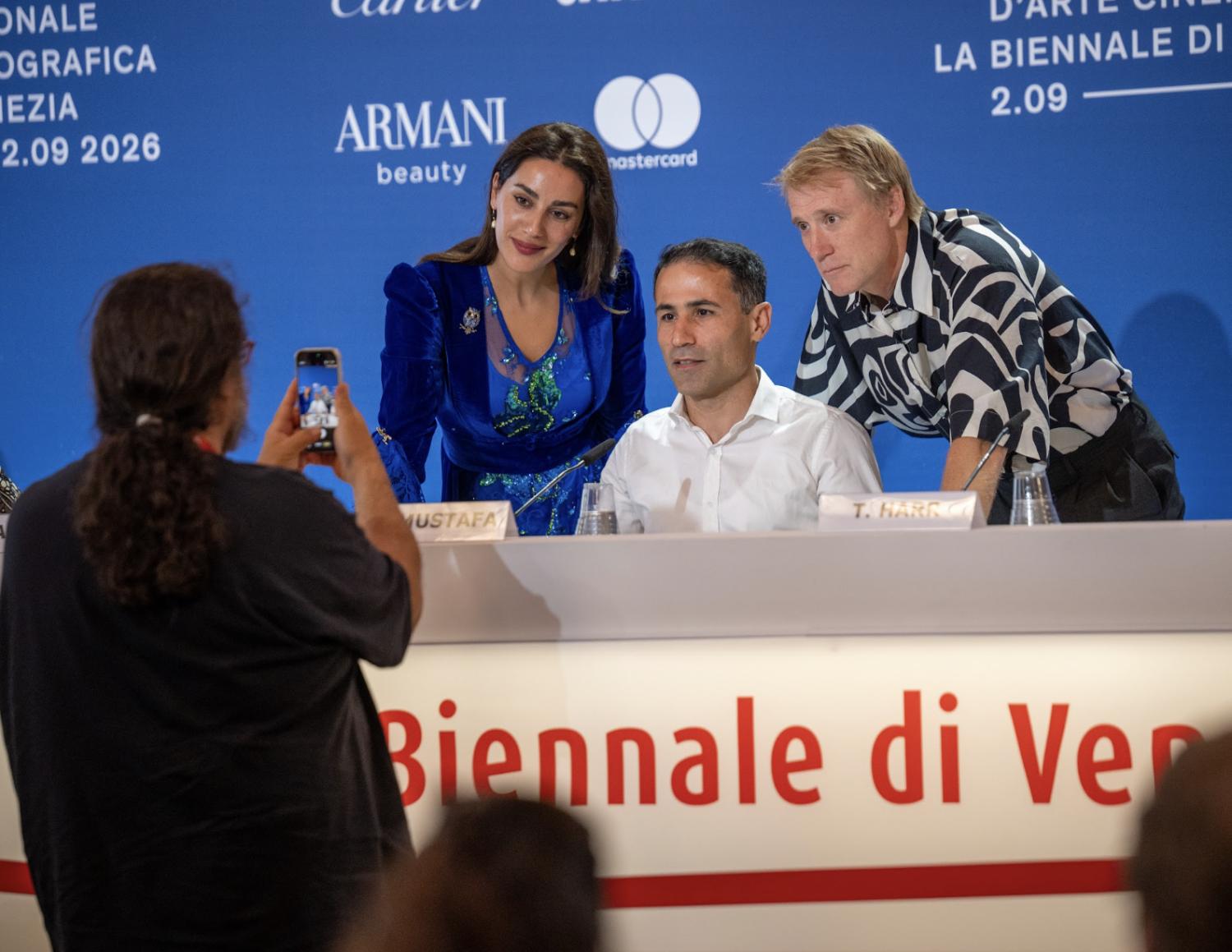
The Setting
Above all, Mustafa was committed to authenticity, which led to one of the production’s most difficult decisions: shooting in Mosul.
When production began nine years ago, Mosul had only recently been liberated from ISIS. Bodies remained trapped under huge piles of rubble, security had yet to be fully restored, and normal daily life had barely resumed. Despite these conditions, Mustafa insisted on shooting in Mosul because he wanted the city to become a character in the film, not just a backdrop.
“I couldn’t lie to myself by filming somewhere else,” the director said flatly, acknowledging that the decision created a logistical nightmare.
One of the greatest challenges was bringing world-class technical staff into a city devastated by three years of war. For this, Mustafa credits the governments of the Kurdistan Region and Iraq with facilitating the production and making the shoot possible.
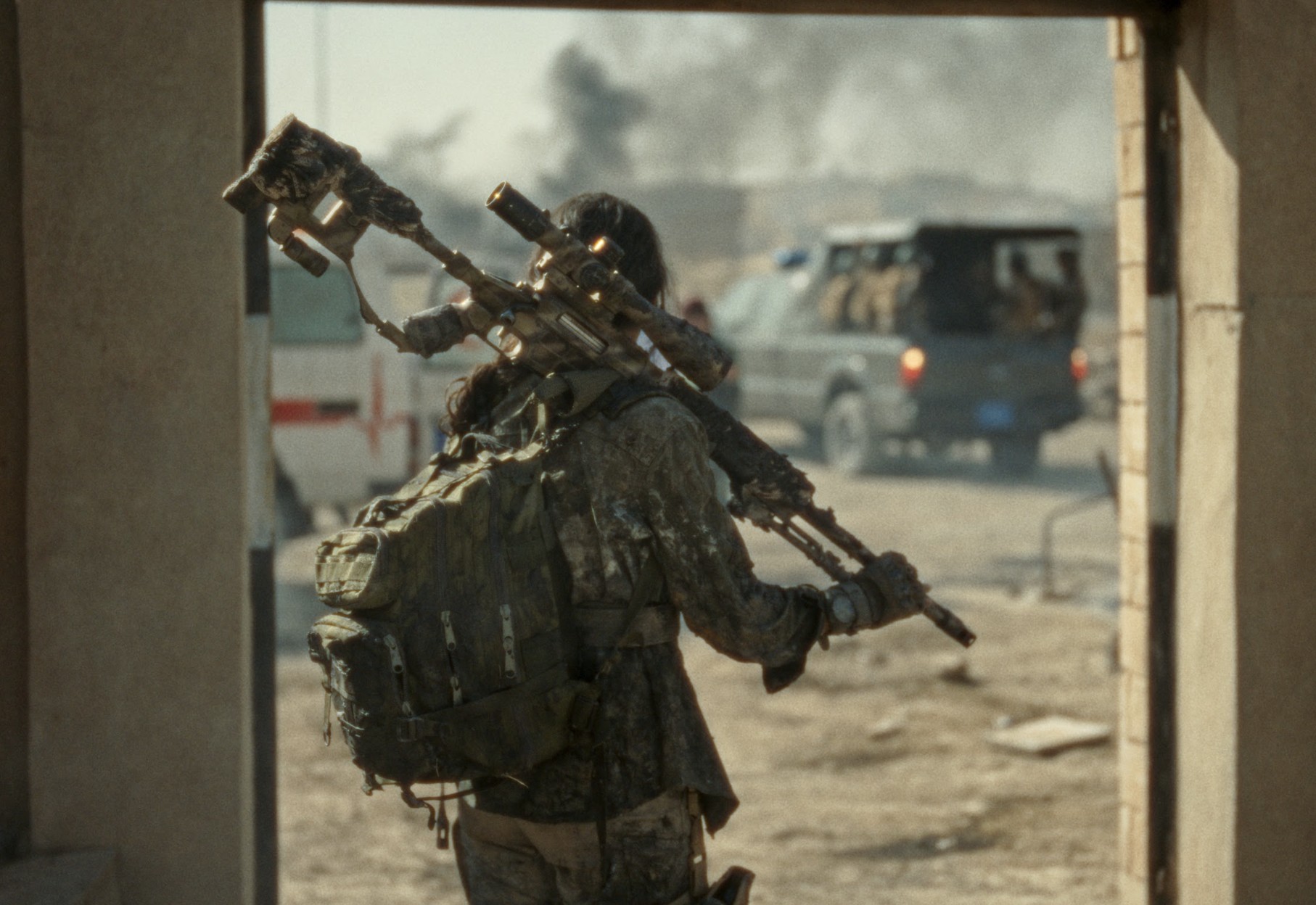
Watching the final cut, he believes the difficulties were ultimately worth it. Mosul’s collapsed buildings, rubble-filled streets, and bullet-scarred walls give the film an authenticity that a soundstage could never replicate. The city’s physical scars became part of the film’s tense atmosphere, particularly during its sniper sequences.
The Lead
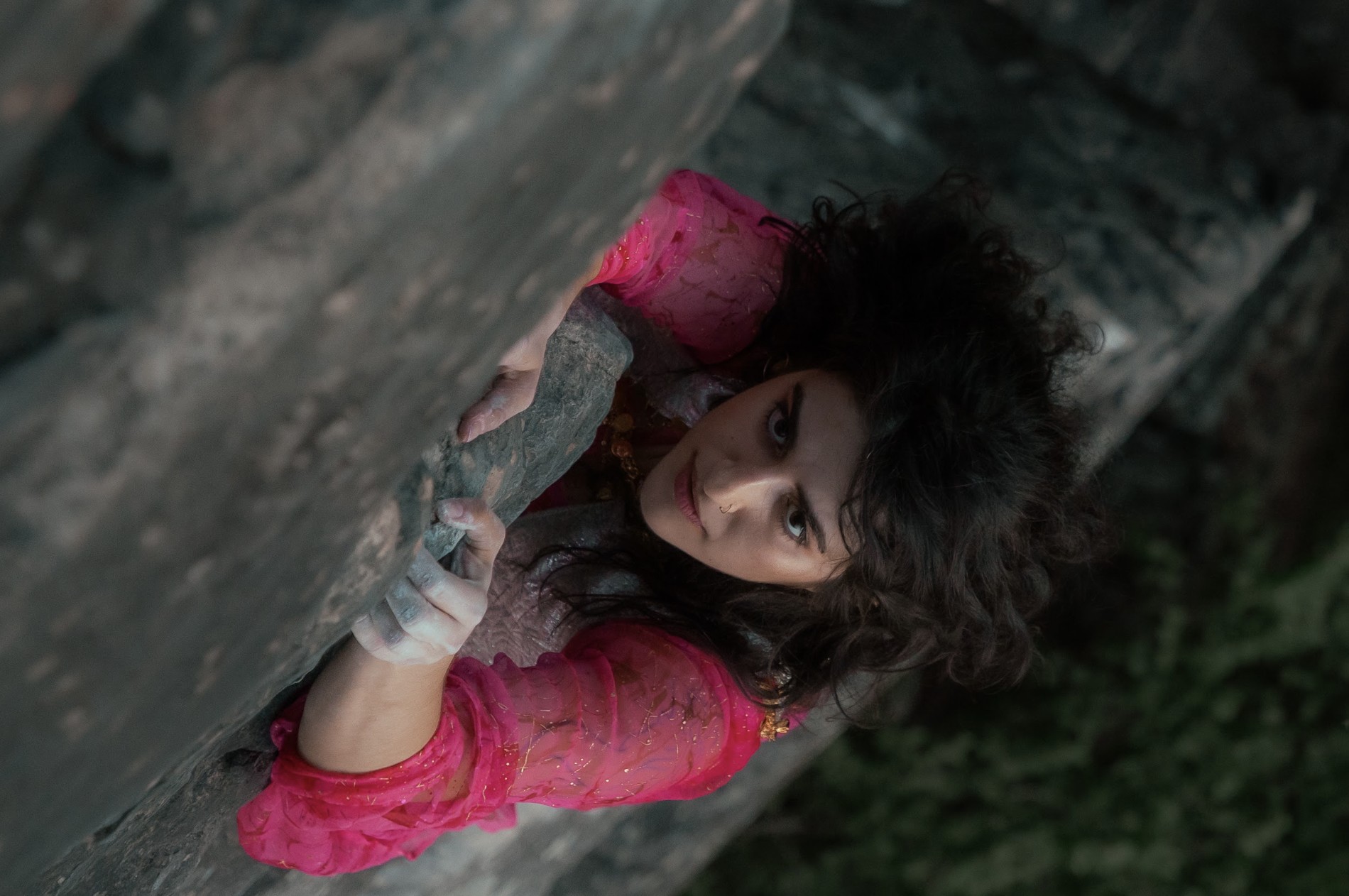
Finding the right actress to play Vyan presented another challenge. The character had to be convincing not only as a sniper operating amid the rubble of Mosul, but also as a woman carrying the physical and emotional weight of war. Mustafa spent two years searching for the right actress.
“The actress playing Vyan first needed a face that the audience would willingly spend two intense hours with without growing tired of it. Second, she had to be incredibly strong, both physically and emotionally,” Mustafa said.
The physical demands were considerable. The role required the actress to carry, maneuver, and operate a .50-caliber sniper rifle throughout the shoot. Mustafa eventually chose Kurdish actress Avan Jamal and, determined to make her performance convincing, sent her to a military training camp for three months. There, Jamal learned military etiquette, tactical movements, and how to handle weapons, focusing particularly on the massive sniper rifle she used during the film.
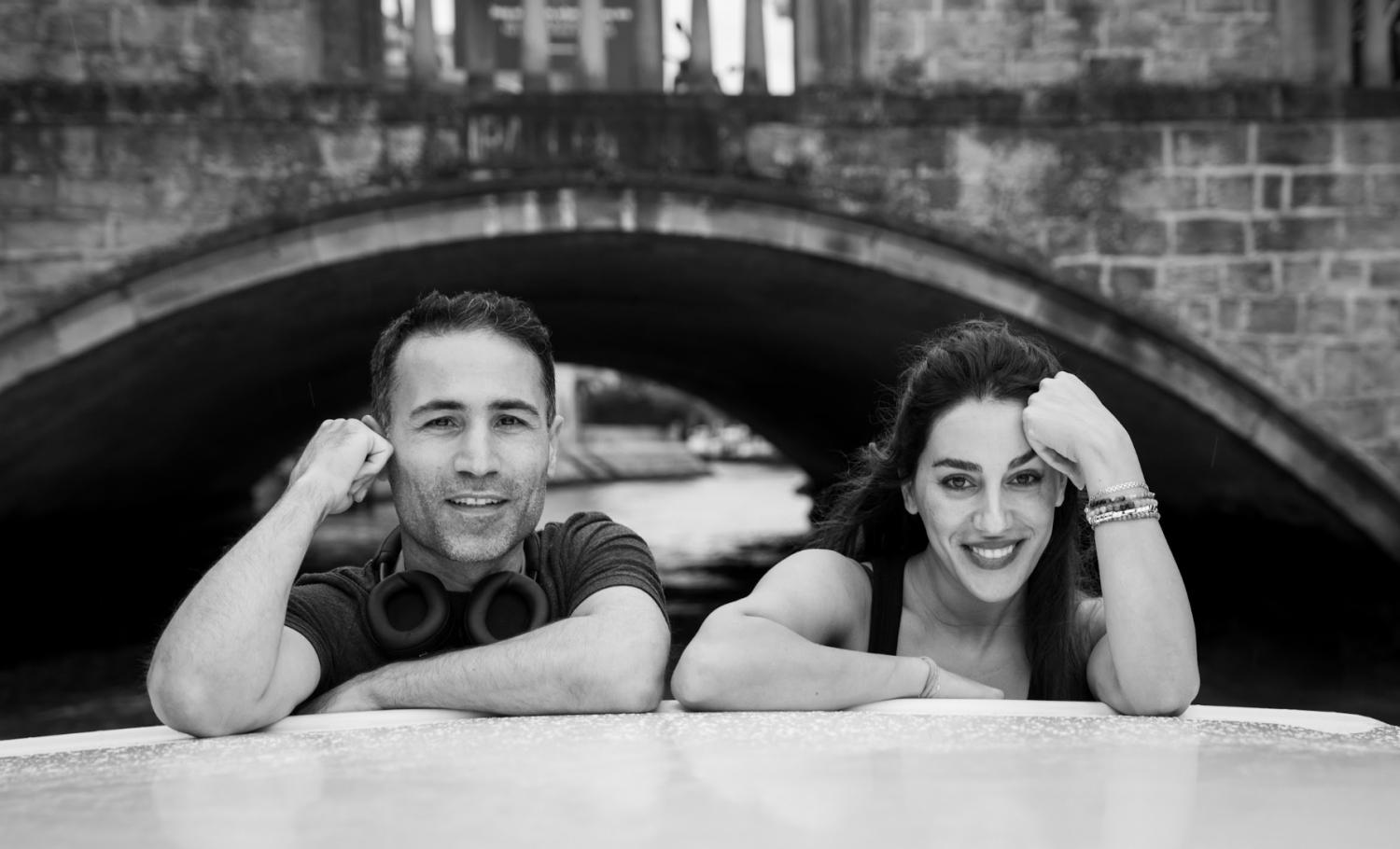
“These are the reasons why when you watch her in the film, you connect and you can believe that this is actually a sniper, not a role-play,” Mustafa noted.
As the film moves toward wider screening and awards season, Mustafa said he does not measure its success simply in box-office numbers and Oscar nominations. His hope is that it will be remembered as one of the year’s most impactful films.
For the Kurdish filmmaker, the larger purpose is to document a piece of history on his own terms, in the streets where much of that story unfolded. He also hopes the film brings international attention to the courage of the Kurdish women who confronted ISIS, the same women whose bravery first inspired him more than a decade ago.
Kurdish journalist and translator besed in Erbil, Kurdistan Region.