As rock climbing grows in the Kurdistan Region, new opportunities are opening for Kurdish women and girls
When I lowered myself from setting up ropes in Sulaymaniyah’s new climbing gym, I noticed a cluster of little girls in frilly socks and climbing shoes staring at me, eyes wide. I could never have imagined this moment six years earlier, when I first hooked myself onto a climbing rope while at university in the United States.
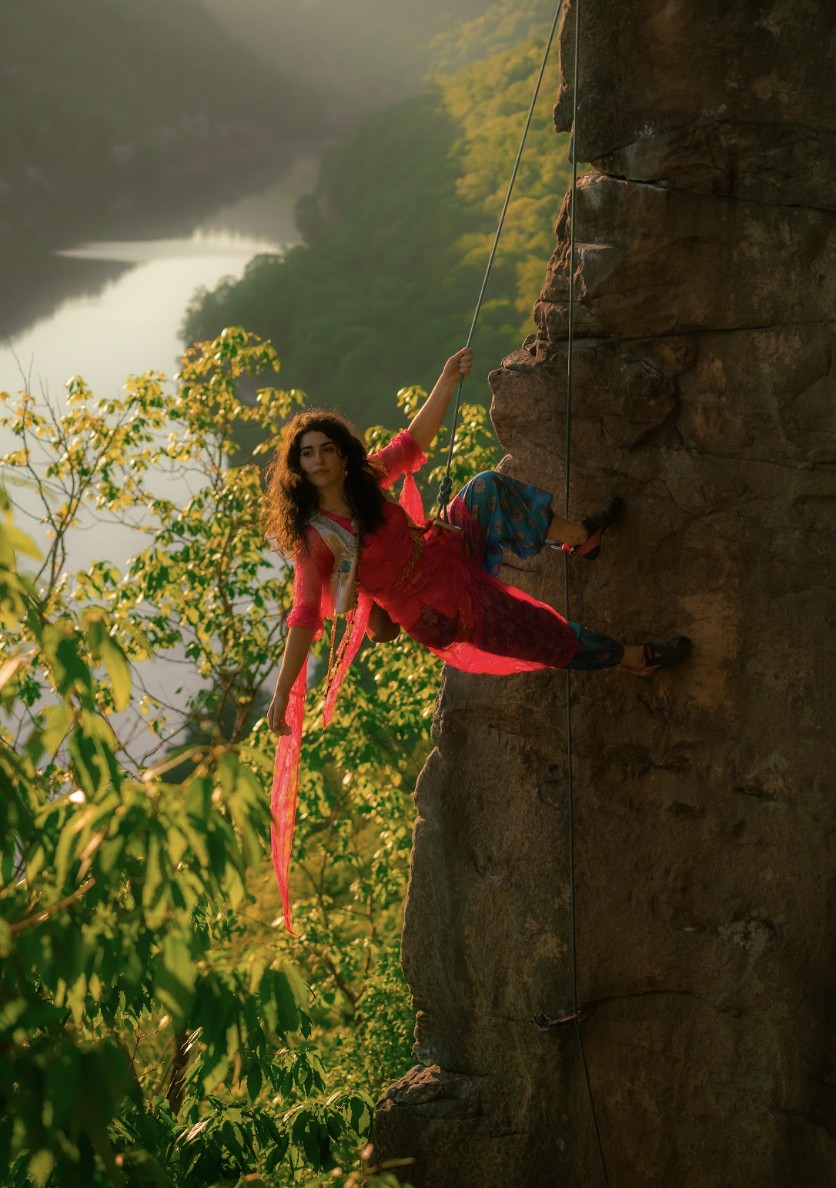
From my first climb, I was hooked. In 2021, I returned to Kurdistan for the first time as a climber. I hadn’t heard of any climbing community there yet, but just in case, I took my shoes, harness, and chalk bag. My mom is from Erbil, and my dad is from Sulaymaniyah, so my time in Kurdistan is mostly split between the two cities. By then, adventure tourism had become increasingly popular, so I started looking for climbers.
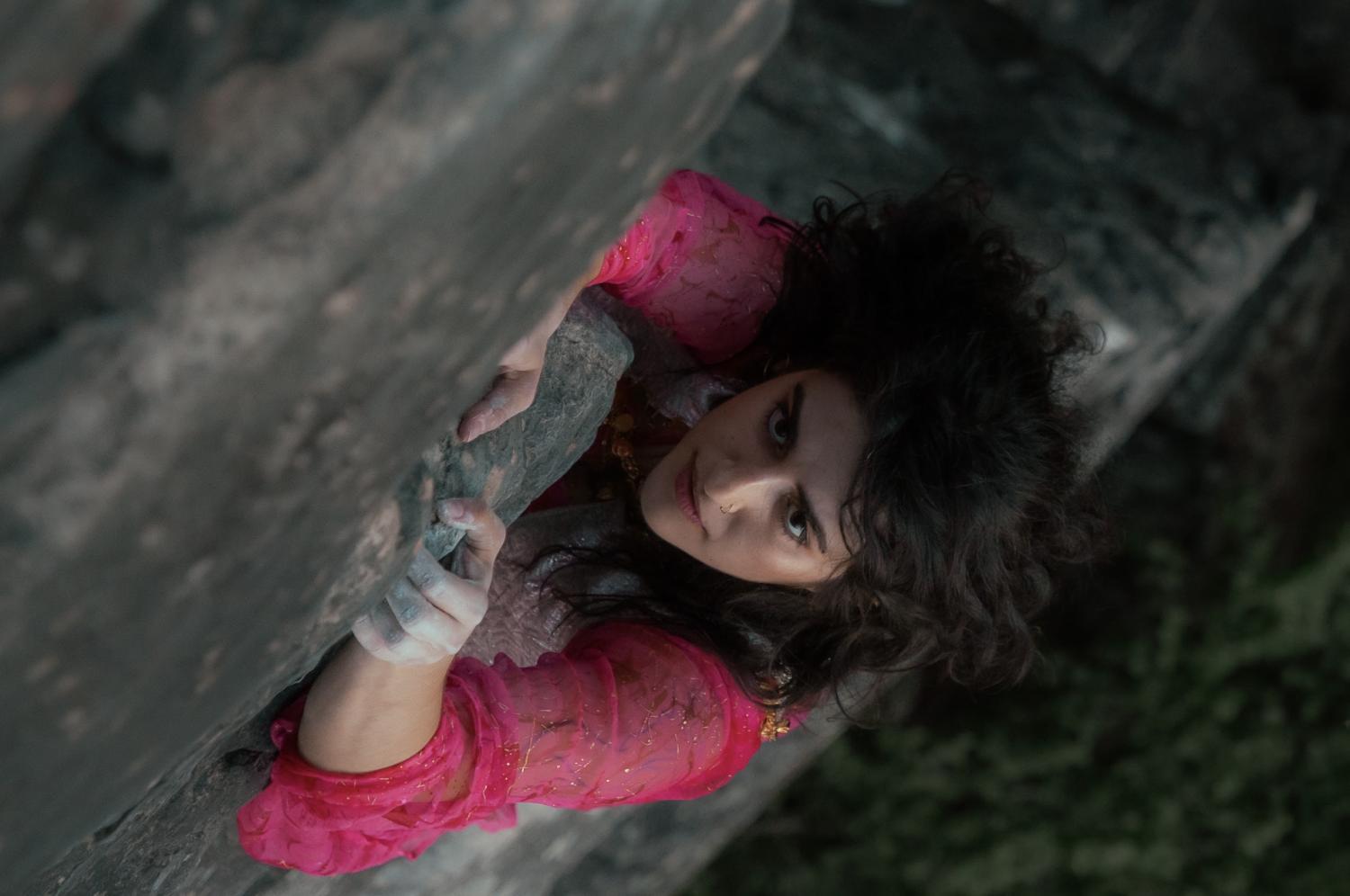
I finally found a mountaineering group on Instagram named Chiyawani Sulaymaniyah. I reached out, and they kindly organized a climbing day for me. That day, I was the only woman in a group of ten. Climbing was still new in the Kurdistan Region of Iraq, and the community was very small. Though I still felt new to the sport, I was among the strongest climbers in the group. After I finished leading my first climb, the men told me they thought I was the first Kurdish woman to climb for sport in the Kurdistan Region. At the time, I remember wishing I could stay and get more women climbing. But with one month left before medical school, I returned to the United States and left that thought behind.
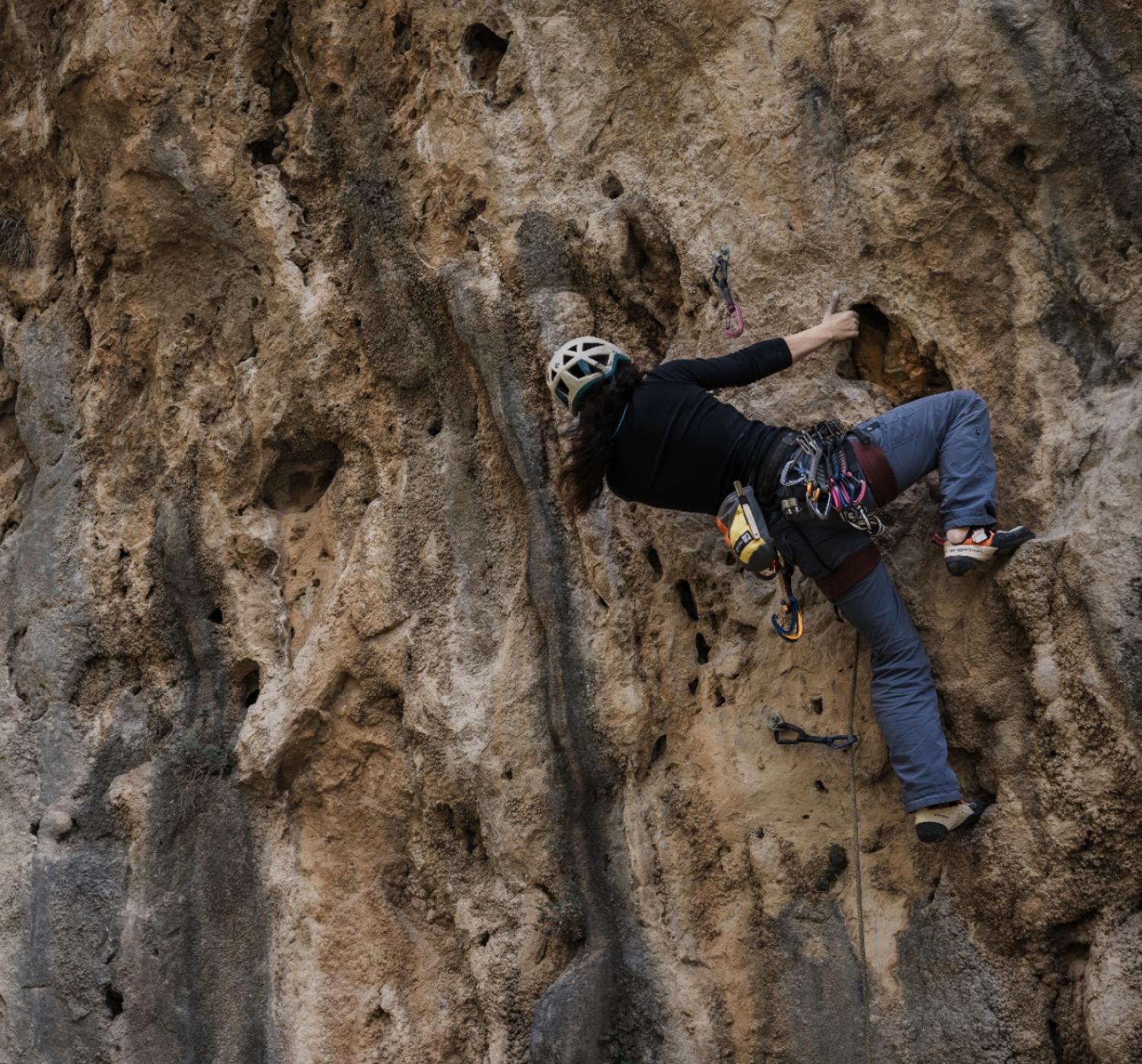
It didn’t take long for my passion to catch up to me. After my first year of medical school, I decided to take a year off to pursue rock climbing more seriously. I spent the first five months of 2023 working a teaching job in Erbil so I could climb in the area. Erbil’s climbing community was not as developed as Sulaymaniyah’s at the time, and I didn’t know any climbers. Within a few weeks, however, I had assembled a small group of foreigners and locals, ranging from experienced climbers to complete beginners. Together, we started our own climbing community.
Finding a Place on the Wall
That was also my first time climbing with another Kurdish woman: my friend Meena Ayad. Meena was among the first women to climb in Kurdistan, although she had stopped climbing for a time before we met. When I asked why, she said she didn’t feel like she belonged as the only woman in an all-male group. I understood; I was just as happy to have another woman to climb with. Together, we supported other women entering the sport. When I reluctantly returned to school in May, I felt proud that I had helped other women find their place in Kurdistan’s climbing scene.
When the Sulaymaniyah climbers later started building the Kurdistan Region’s first indoor climbing gym, I decided to harness my U.S. connections to host a gear drive. In a couple months, I collected four large suitcases’ worth of climbing gear. Friends helped deliver some of it, and I returned to the Kurdistan Region in 2025 with the remaining ones. My Sulaymaniyah climbing friends organized a small training night and ceremony. They had been especially limited on children’s gear, so I couldn’t help but tear up when I saw little kids rushing excitedly to find shoes in their size.
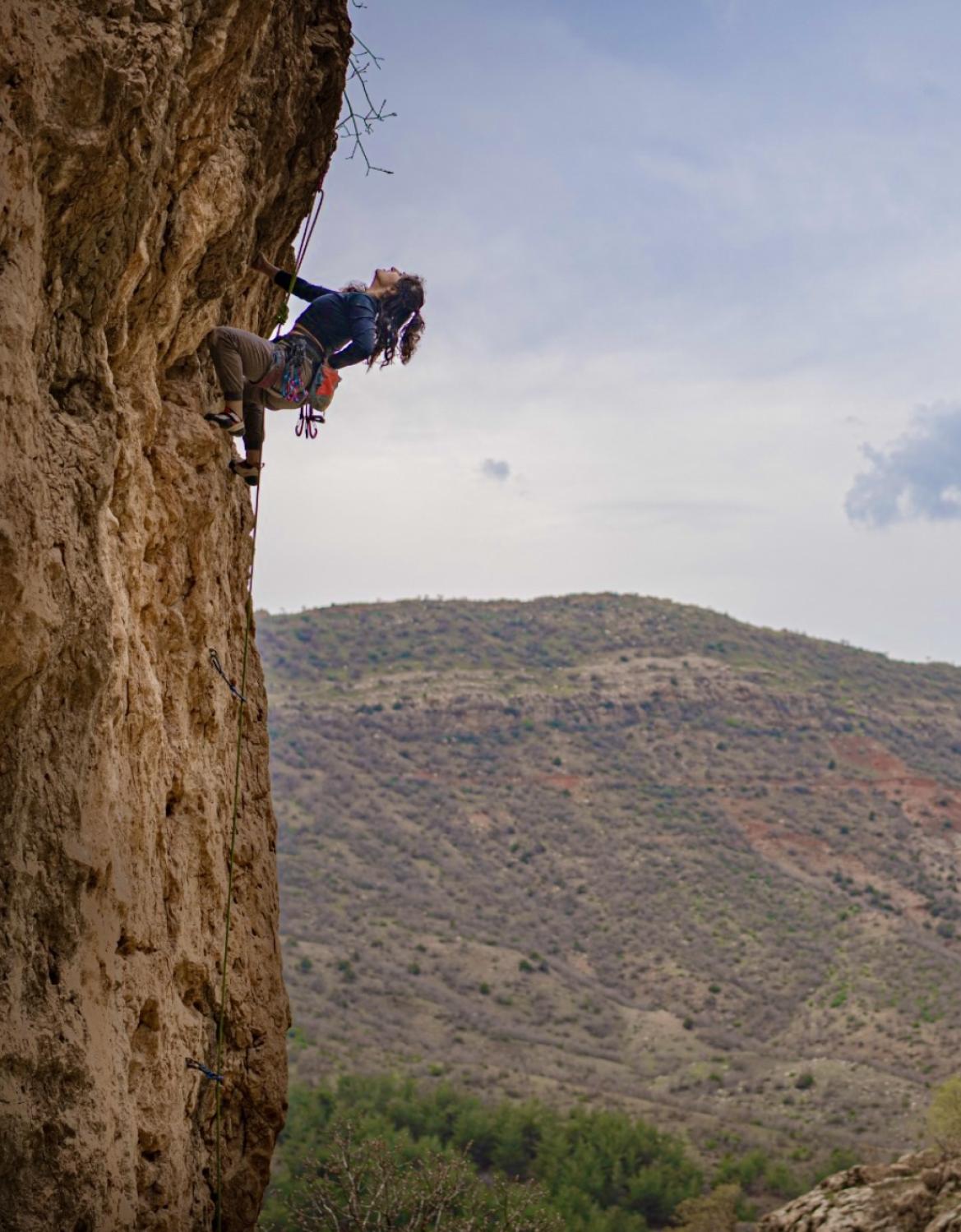
While helping at the gym that night, I noticed the way the little girls looked at me. There weren’t many female climbers in the Kurdistan Region at the time, and almost none as advanced as the men. Having those girls see a Kurdish woman climbing just as well as the men meant the world to me. The entire evening, I was surrounded by little girls excitedly showing me how they climb and rushing to stand next to me for photos. I felt just as inspired by them as they seemed to be by me.
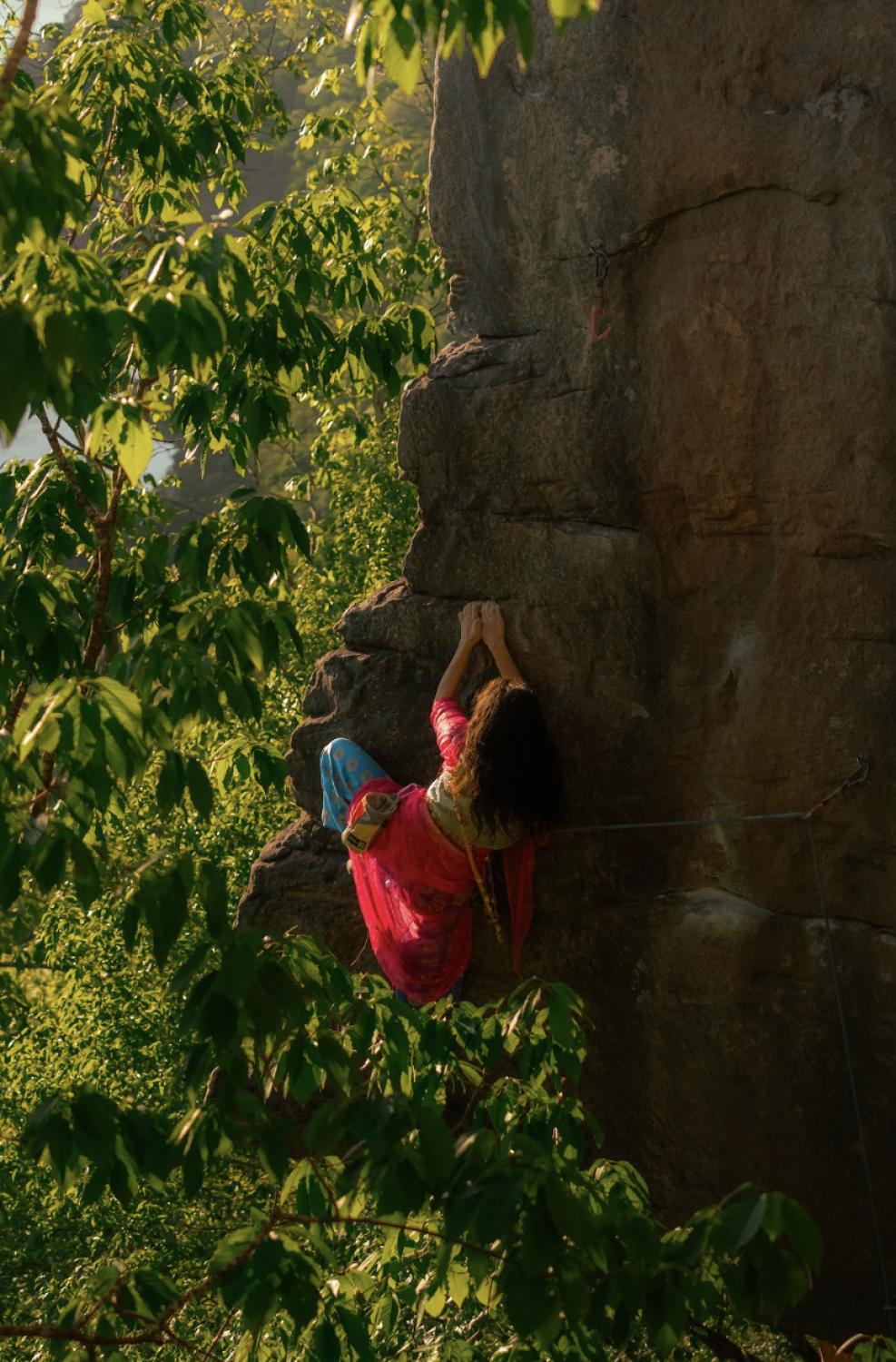
Supporting my community as a female athlete mattered more than any of my personal climbing achievements. As a young Kurdish girl, I wasn’t given many athletic opportunities and hadn’t known a single female athlete, Kurdish or otherwise. This has changed over my lifetime, but we still need more Kurdish women in sports. I may never be among the strongest female climbers in the world, but I have reached a level that few Kurdish women have yet had the opportunity to pursue. I hope that being a role model for those little girls — an experienced Kurdish rock climber who looks like them — can make it easier for them to one day represent us on the international climbing stage.
Why Representation Matters
My friend Hidaya Azad, a climbing instructor and co-founder of the Kurdistan Climbing Club, expressed it this way: “Seeing the progress of a woman my size and from my city who has been in the sport for eight years is infinitely more inspiring than seeing a man from any background doing the same thing. I can see the milestones I hope to achieve looking at your journey more than I could from the achievements of any man.”
Kurdish women have long been warriors, scientists, educators, and leaders. But like women everywhere, we still navigate a patriarchal world. In climbing, that shows up in who leads: most of our climbing community leaders are men. Many of them actively promote women’s advancement in the sport, but their guidance cannot replace that of someone who has experienced the sport as a woman. Meena, Hidaya, and I have all experienced this firsthand, and it is why female Kurdish representation matters so much in outdoor climbing.
Climbing also offers women opportunities to excel because success depends on far more than physical strength alone. Technique, balance, flexibility, endurance, and problem-solving all play important roles. As the sport becomes more popular in Kurdistan, my goal is to make sure women have the same opportunities to develop within our climbing community.
Beyond Survival
I am not alone in this work. Across disciplines, we Kurds have expanded our athletic representation over the past few years, and this shift is larger than any single sport. For a society whose recent history has so often been defined by conflict and survival, the growing place of athletics can also represent something else: the space to pursue achievement and community. Climbing and other sports are a celebration of Kurdish joy.
For the children of the mountains, few activities feel as fitting as scaling cliff faces. As rock climbing becomes a leading global sport, Kurdistan is ready to join the movement. And we Kurdish women plan to be at its center.
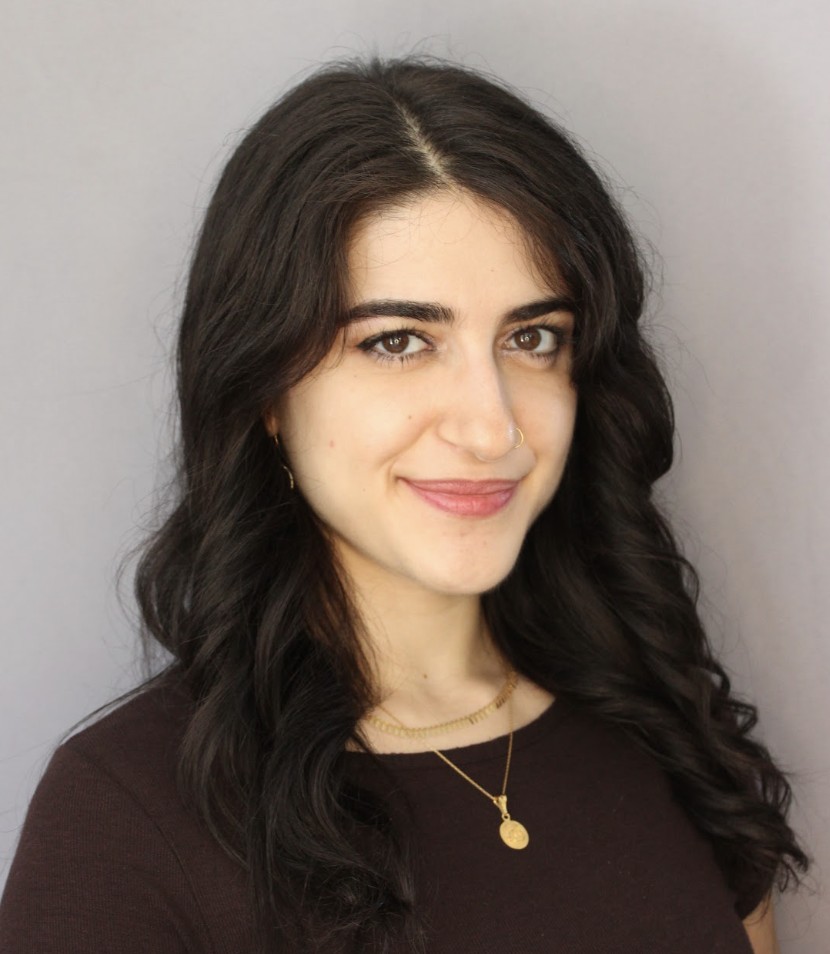
Is a professional rock climber, published writer, and medical researcher both locally and internationally.