How a restoration program is preserving Akre’s religious landmarks—and creating jobs in the process.
High above the old town of Akre, in the Duhok Governorate, a small church clings to a narrow ledge beneath the mountains. Workers are repairing its damaged sections, carefully restoring a building that has stood here for generations. From the church, the old town stretches down the mountainside in a maze of stone houses and narrow paths.
Elsewhere in Akre, another team has completed the restoration of a historic mosque. And in the historic quarter, a stone bridge is being restored—one of the last physical reminders of a Jewish neighborhood that has almost completely disappeared.
Three sites. Three religious histories. One town.
Together, they offer a glimpse into Akre’s long history of coexistence—and into an official program to preserve that history while creating work for the people who live there today.
A Town Shaped by Many Faiths
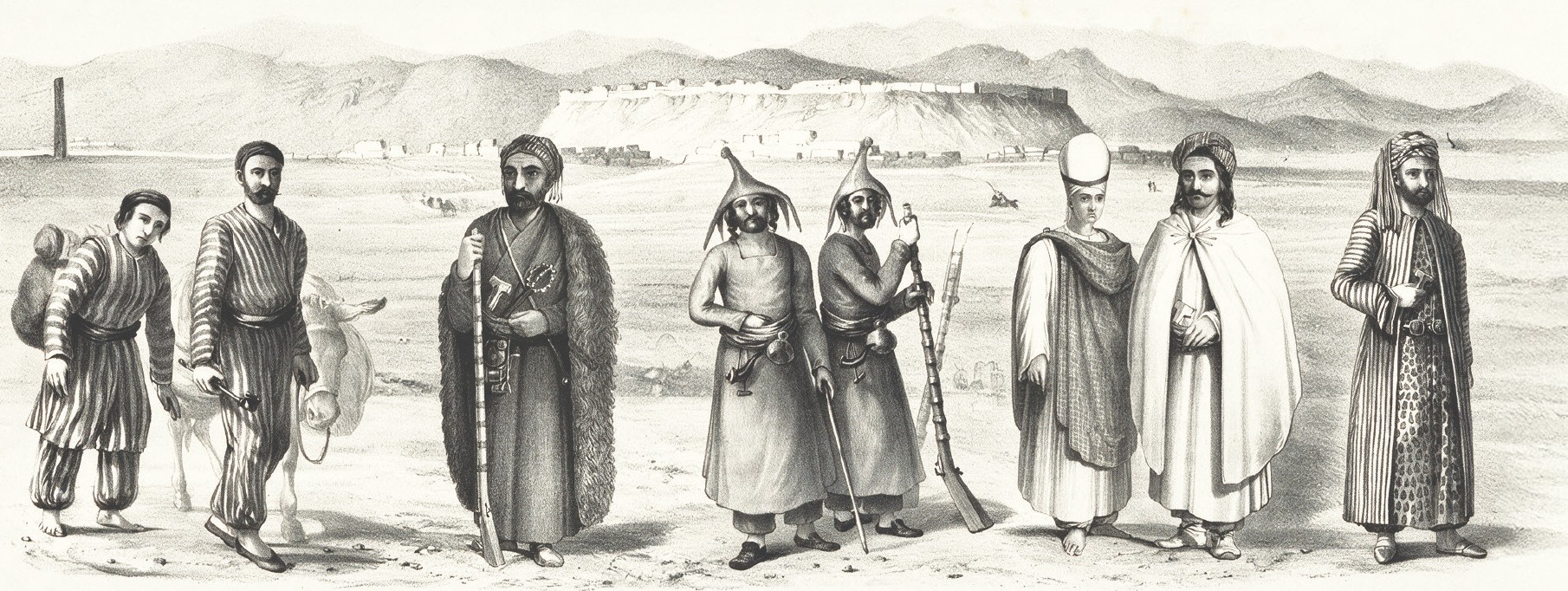
Akre has long been a place where different religious communities lived alongside one another. Muslims, Christians, Jews, and Zoroastrians have all formed part of the town’s history.
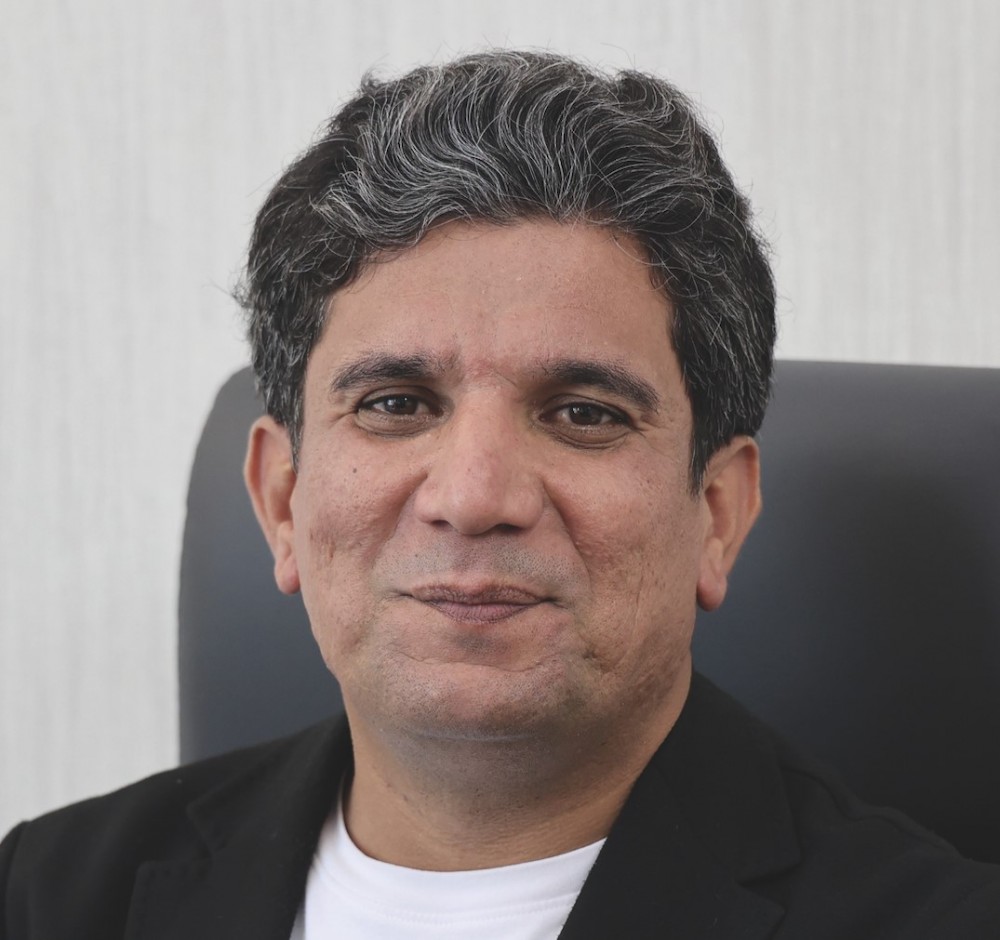
For Hiwa Shamal Ahmed, director of the Akre Directorate of Antiquities and Heritage, that history remains visible in the town’s religious landmarks. “Having a church, a synagogue, and a mosque side by side in Akre gives a beautiful picture of religious coexistence,” he told Kurdistan Chronicle.
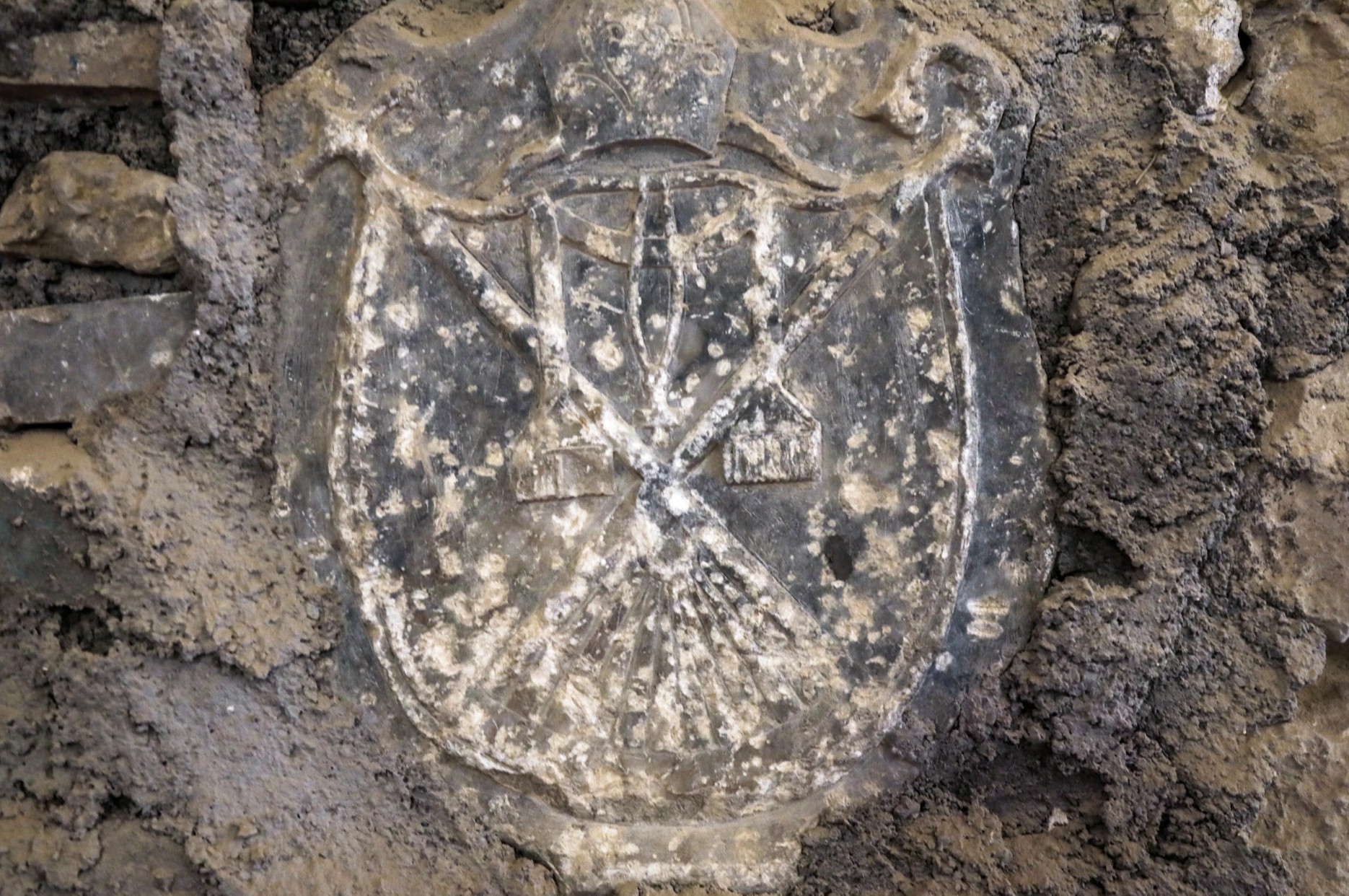
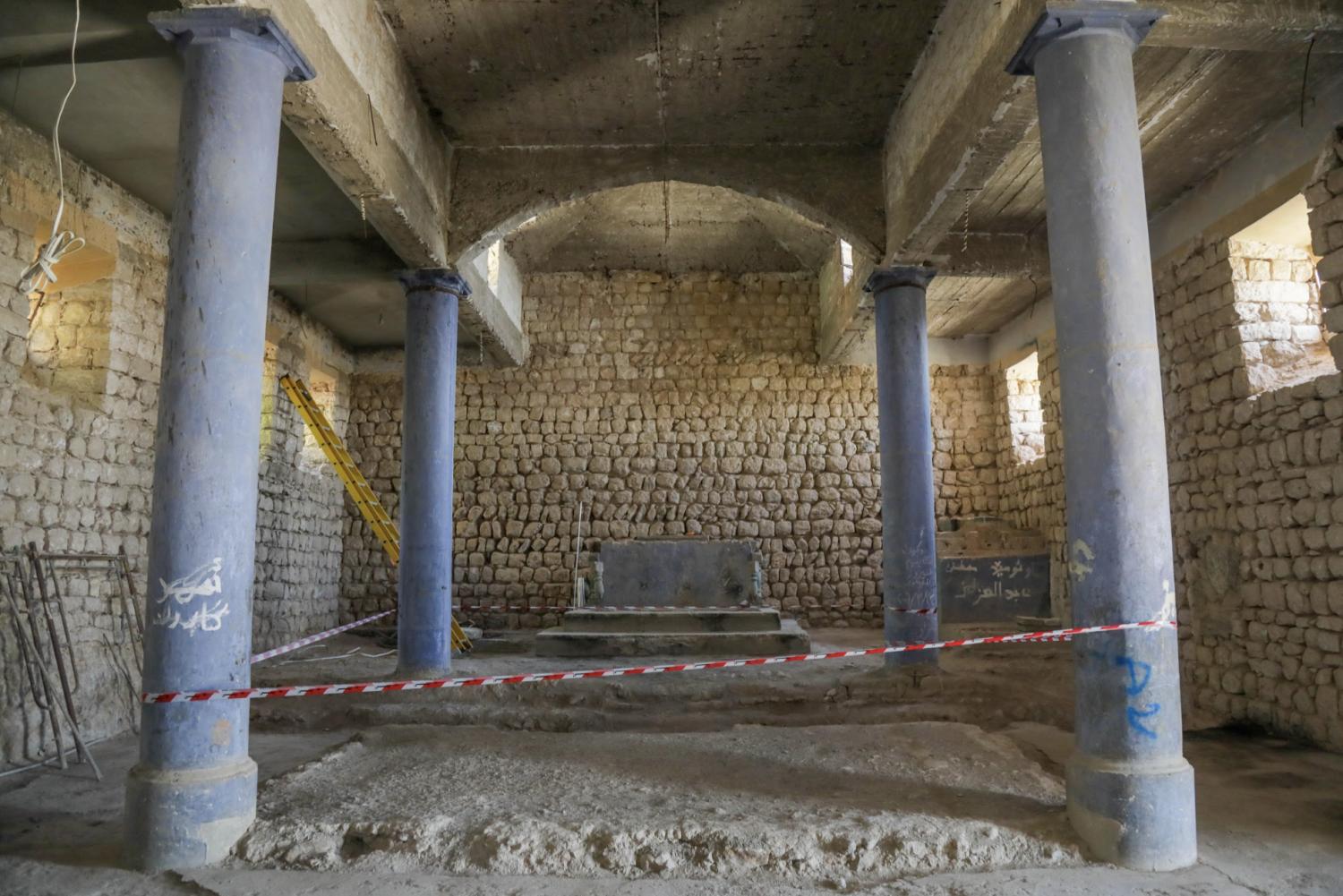
The Virgin Mary Church, or Mariam al-Adra Cathedral, is one of Akre’s most important Christian landmarks. Perched on a natural ledge in the upper part of the old town, the church covers about 100 square meters. It is built as a three-nave basilica, with cylindrical pillars supporting the interior and Syriac inscriptions on the entrance porch.
The earliest surviving written record referring to the church is a Syriac manuscript from 1695. According to local heritage authorities, the building was reconstructed in 1955 after the earlier structure had fallen into ruin.
For Ahmed, restoring the church is about preserving more than its architecture. “Our churches are houses of God, just like our mosques,” he says. “We are very keen to protect and sustain the religious sites in Akre.”
He hopes that when the restoration is complete, Christians will return to the church to visit and worship. The building is already one of Akre’s tourist attractions, but its restoration could give it a renewed role in the town’s cultural life.
A Vanished Community
Down in the old quarter, the story is different.
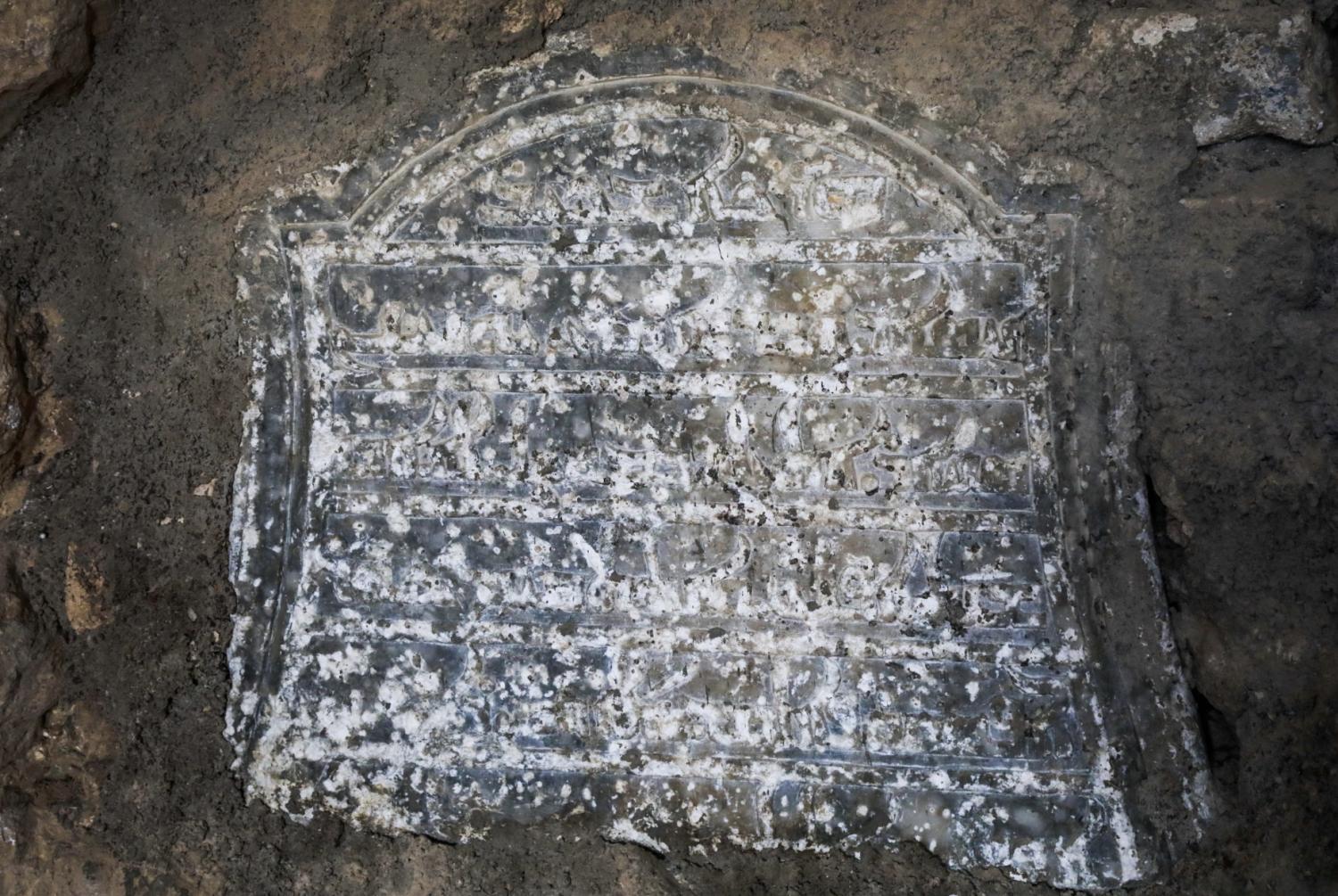
There is no longer a Jewish neighborhood in Akre. Much of it has disappeared, leaving only traces of the community that once lived there.
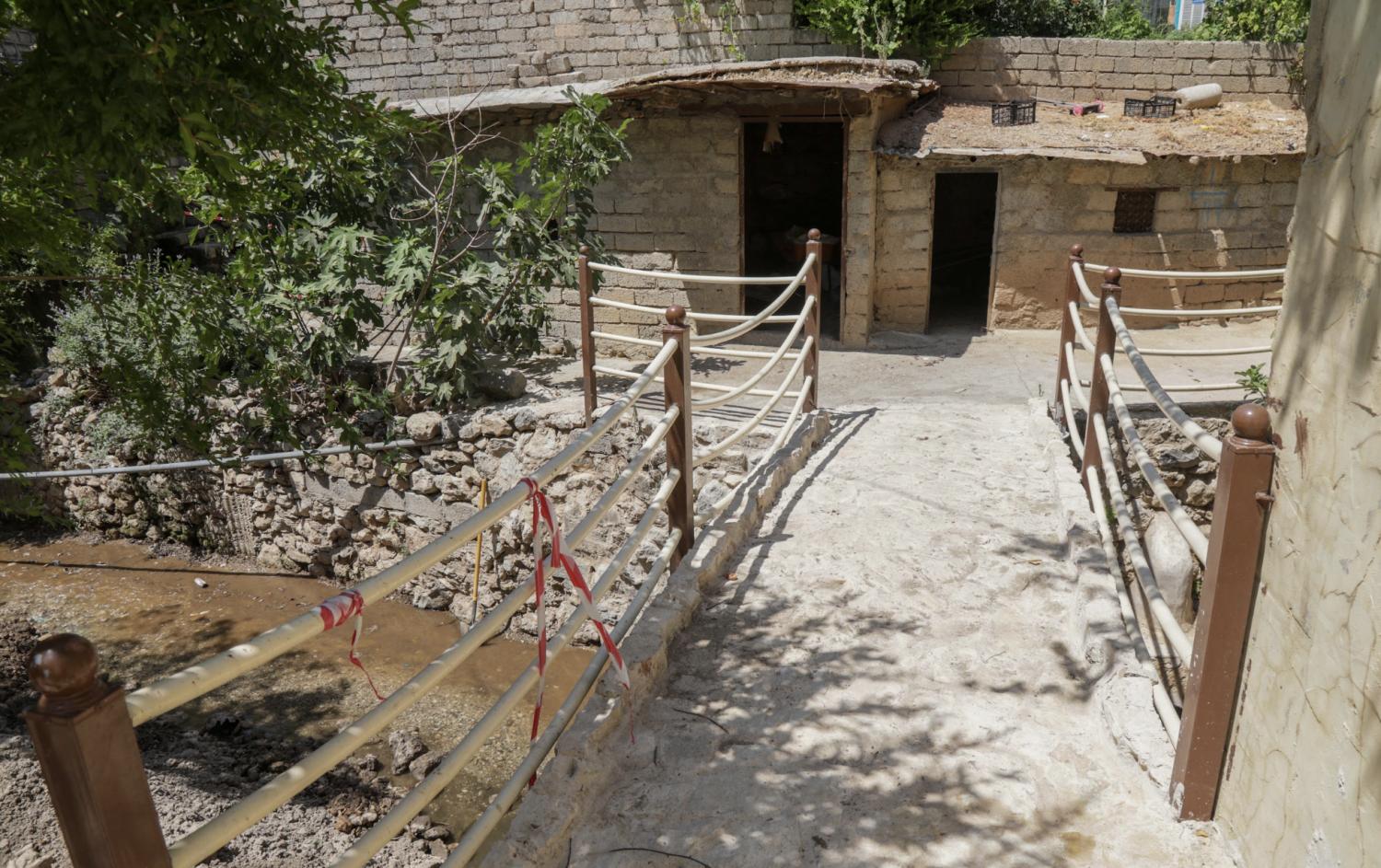
One of those traces is the Knishk Bridge, or Pira Kanişki. The stone pedestrian bridge crosses the stream running through the old town and stands close to what was once the center of Akre’s Jewish quarter. Its name is derived from the regional Aramaic and Kurdish terms for synagogue, reflecting the connection between the bridge and the neighborhood around it.
Before the emigration of Iraq’s Jewish population in the early 1950s, Akre’s Jewish community was part of the town’s commercial and social fabric. Today, the bridge is among the few visible reminders of that history.
“Unfortunately, the Jewish quarter has completely vanished now,” Ahmed says. “The only thing that remains is this pedestrian bridge.”
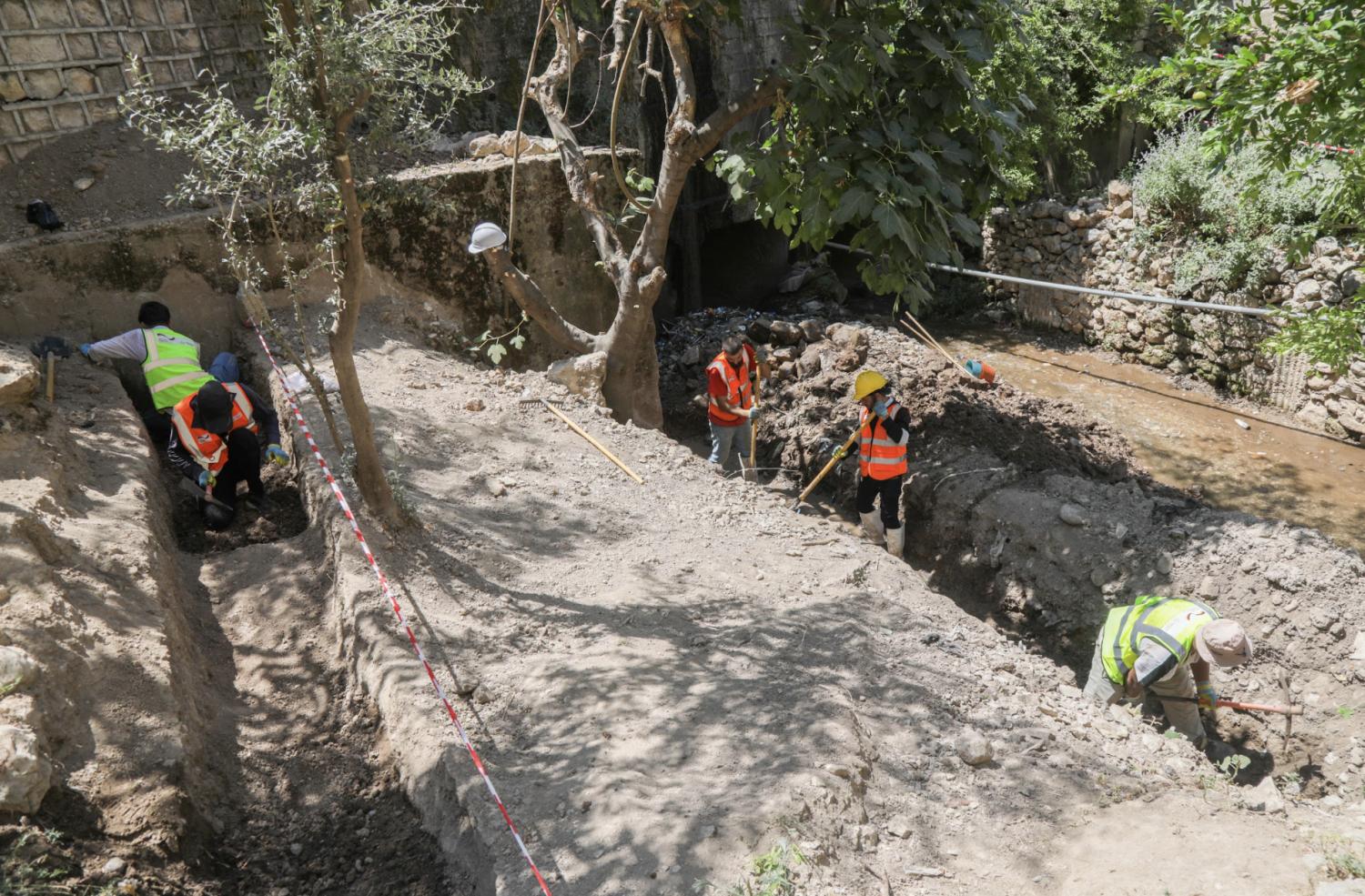
The restoration team is cleaning and repairing the bridge. A public park will also be developed in front of it, giving residents and visitors a place to sit and look at the historic structure. The intention is simple: preserve what remains and allow people to encounter a part of Akre’s history that might otherwise disappear.
For Ahmed, that matters because coexistence remains central to Akre’s contemporary identity, not merely a relic of its past. “Akre has always been a city of religious coexistence,” he says. “Zoroastrians, Jews, Christians, and Muslims lived here.”
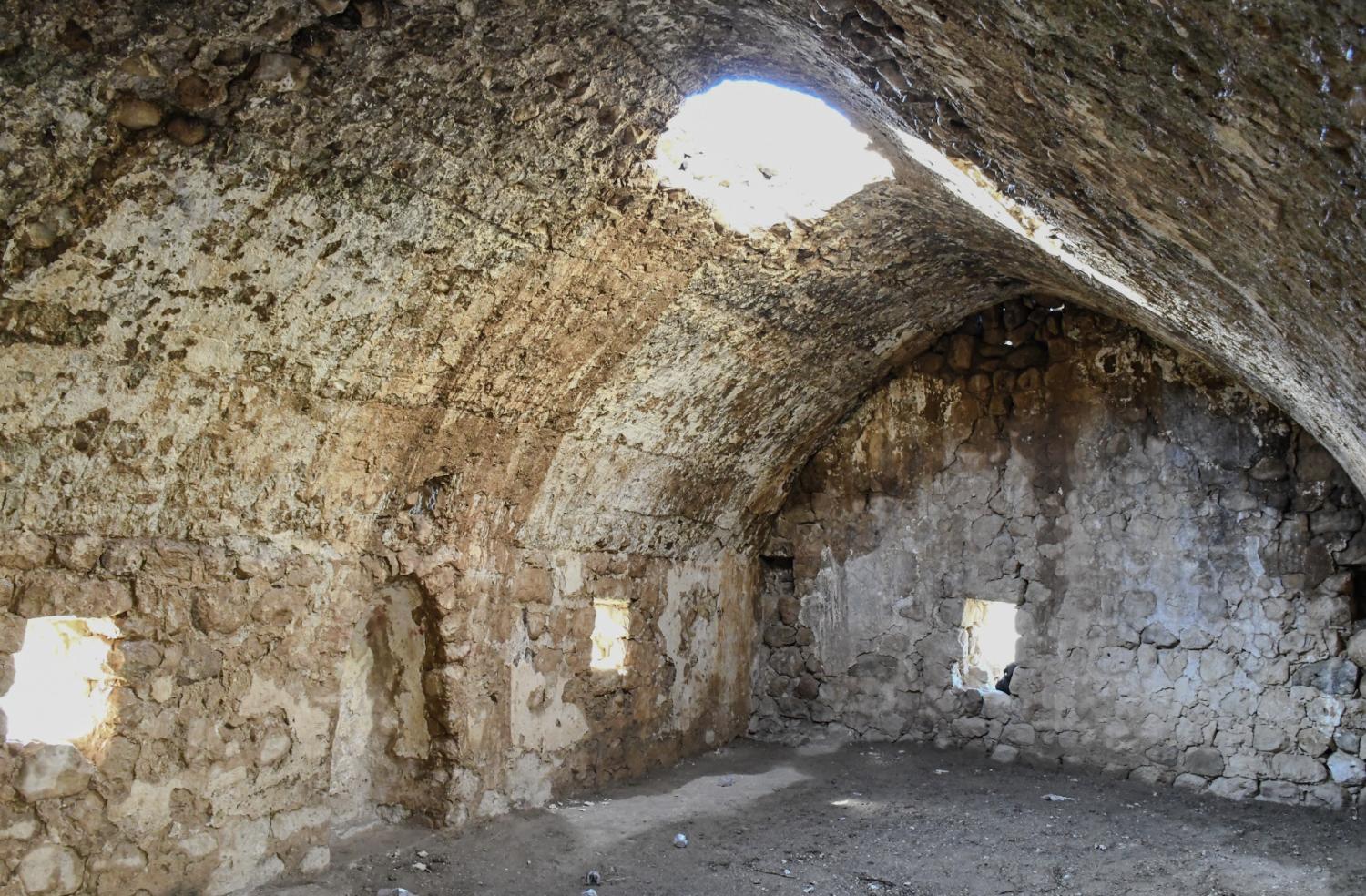
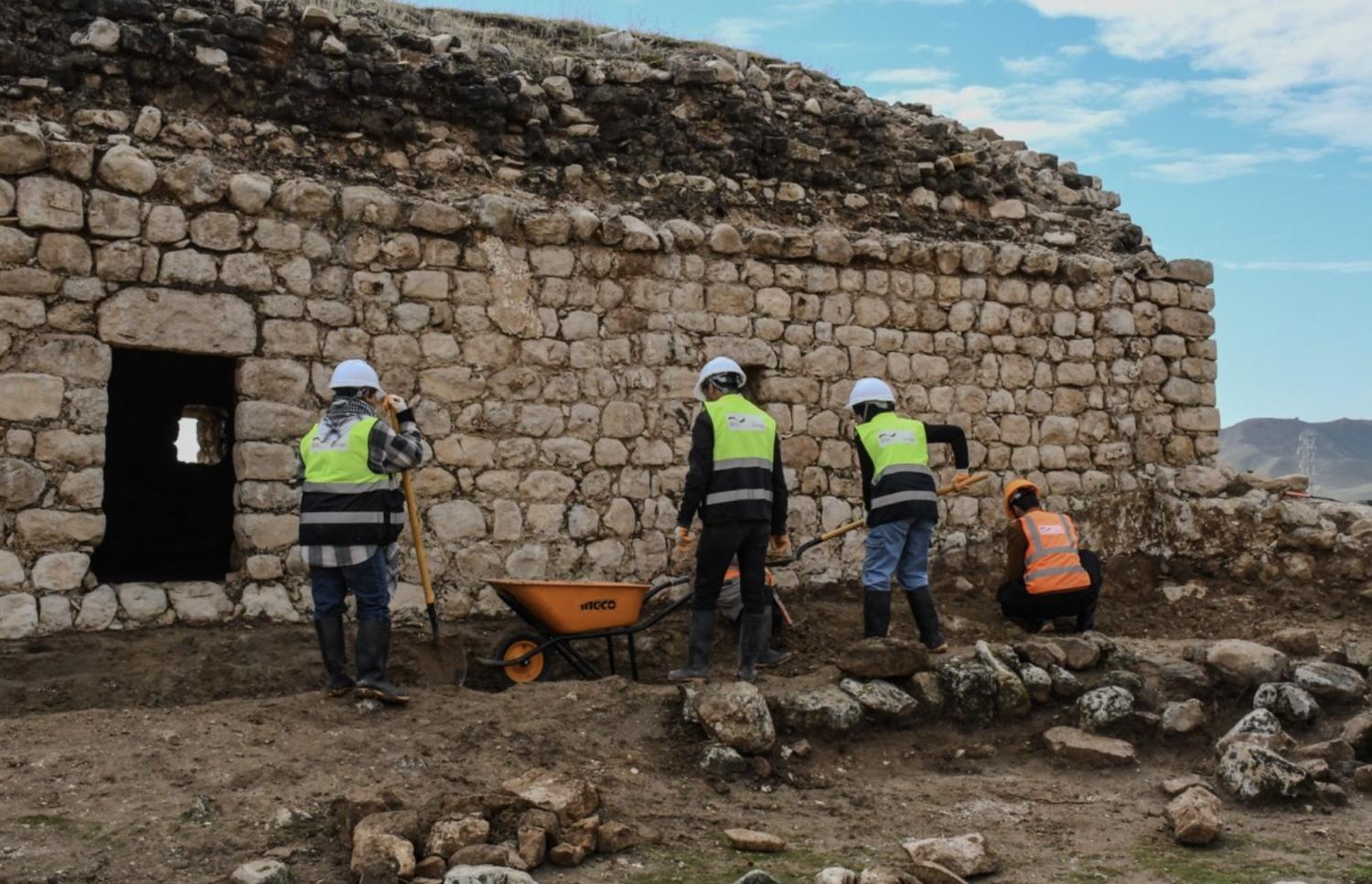
The third site in the program represents Akre’s Muslim heritage. The As-Sahabah Mosque, a historic stone structure in the Bijil area of Akre District, was restored last year as part of the heritage program.
The mosque stands on a hill framed by Akre’s rugged landscape. Historical accounts differ over its origins, with some associating the site with the early spread of Islam in the region and others dating the existing structure to the late 12th or early 13th centuries. The restoration work included clearing the site and repairing the historic structure.
Restoring Heritage, Creating Employment
The three sites belong to different religious traditions, but together they tell a common story about Akre.
The program behind these restorations is funded by the Federal Republic of Germany through The Deutsche Gesellschaft für Internationale Zusammenarbeit (GIZ) GmbH, and implemented by the local nongovernmental organization Lotus Flower, in coordination with the Akre Directorate of Antiquities and Heritage.
But the project has another dimension: it is creating employment.
Lotus Flower, founded in 2016 in response to the humanitarian crisis and displacement caused by ISIS attacks on the Yezidi community, is employing locals through its Cash for Work program.
Workers are employed for 40 days. Each project includes both skilled and unskilled workers. Skilled workers can include archaeologists and engineers, while other participants gain practical experience through the restoration work.
Akre was selected in part because of its shortage of employment opportunities. The program also has a strong focus on inclusion. Some 60% of the beneficiaries are women and 40% are men, while 10% must be people with disabilities.
More than 100 people have taken part in the restoration work, according to GIZ. Half of the participants are from host communities and half are displaced people, including internally displaced persons (IDPs) from Mosul and refugees from Syria.
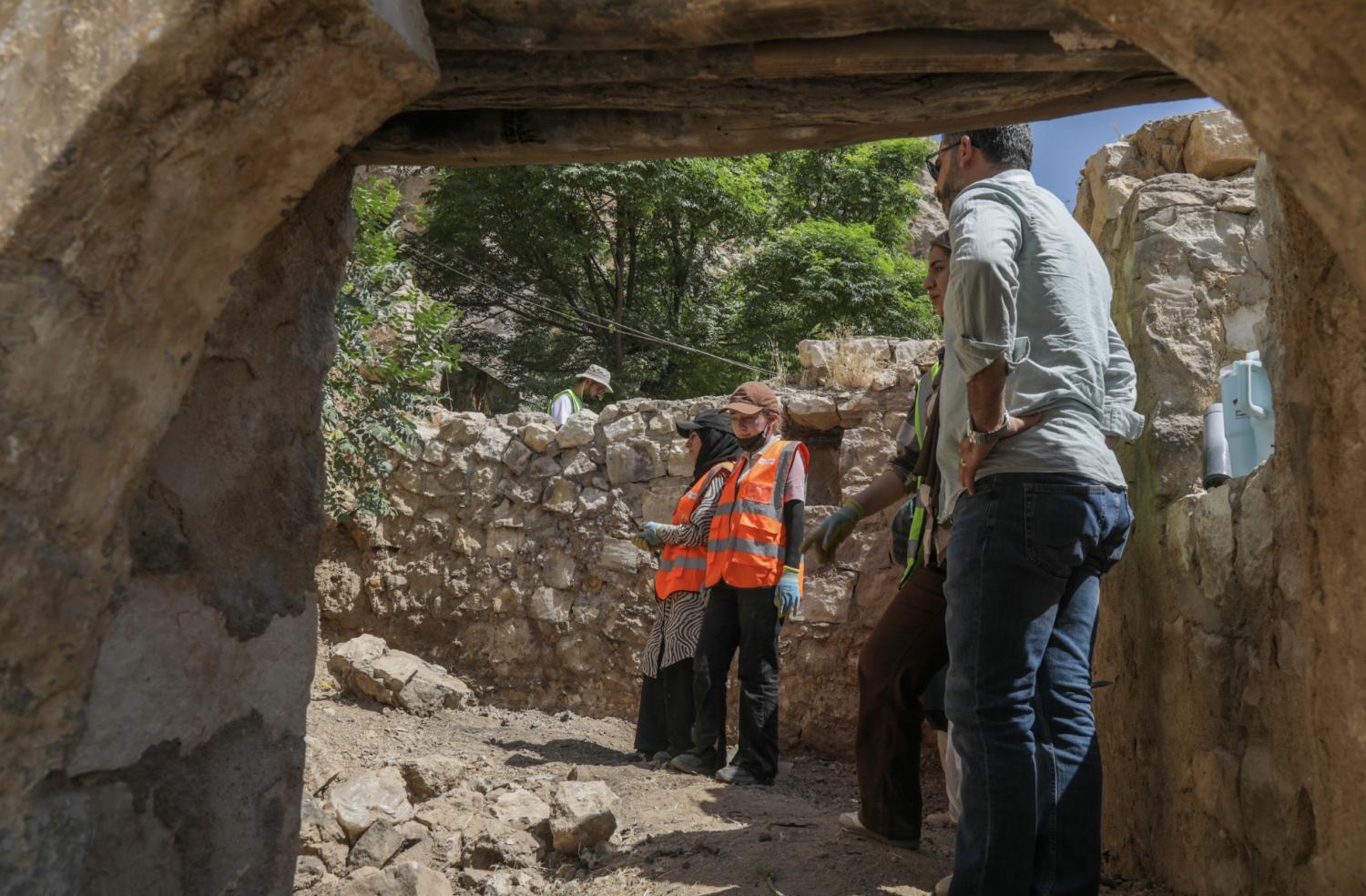
The idea is to provide immediate income while giving participants practical skills that could help them find work beyond the project.
For 23-year-old Dalal Ibrahim, the opportunity came after she had struggled to find work despite studying history at university. Dalal’s family is originally from Akre, but she was born and raised in Mosul. She left the city in 2005 as the security situation deteriorated and returned to her family’s home in Akre. Now, she is helping with the cleaning and restoration of the Virgin Mary Church. She started the job just eight days before we met.
“I really like archaeology, and after I graduated, I could not find a job,” she says. “Finding this job is a great opportunity for me.”
For Dalal, the work offers more than a temporary wage. “It is a good income, and I will be able to support my family a little bit,” she says.
She is also learning directly from the archaeologists working at the site, something she sees as an important part of the experience. “They are teaching us how to dig and restore archaeological sites without affecting the site,” she says.
There is another reason the work matters to her. Dalal is Muslim, but she says she feels proud working at the Virgin Mary Church. “I am proud to be working at a religious site in Akre, even though it is not my religion,” she says. “It is important for the history of Akre. We need to preserve this history so that people can visit us and learn about it.”
What Remains
For GIZ, the value of the project lies in bringing these two objectives together: protecting cultural heritage and creating economic opportunities. Beyond immediate income, participants gain hands-on experience in heritage restoration—skills that could lead to future employment.
The restored sites could also contribute to Akre’s economy as tourist destinations. GIZ hopes that preparing heritage sites to receive visitors can support cultural and ecotourism, strengthen local businesses and livelihoods, and encourage greater community engagement.
The people carrying out some of that work are themselves part of Akre’s more recent history—local residents, refugees, and IDPs working together on the physical remains of communities that came before them.
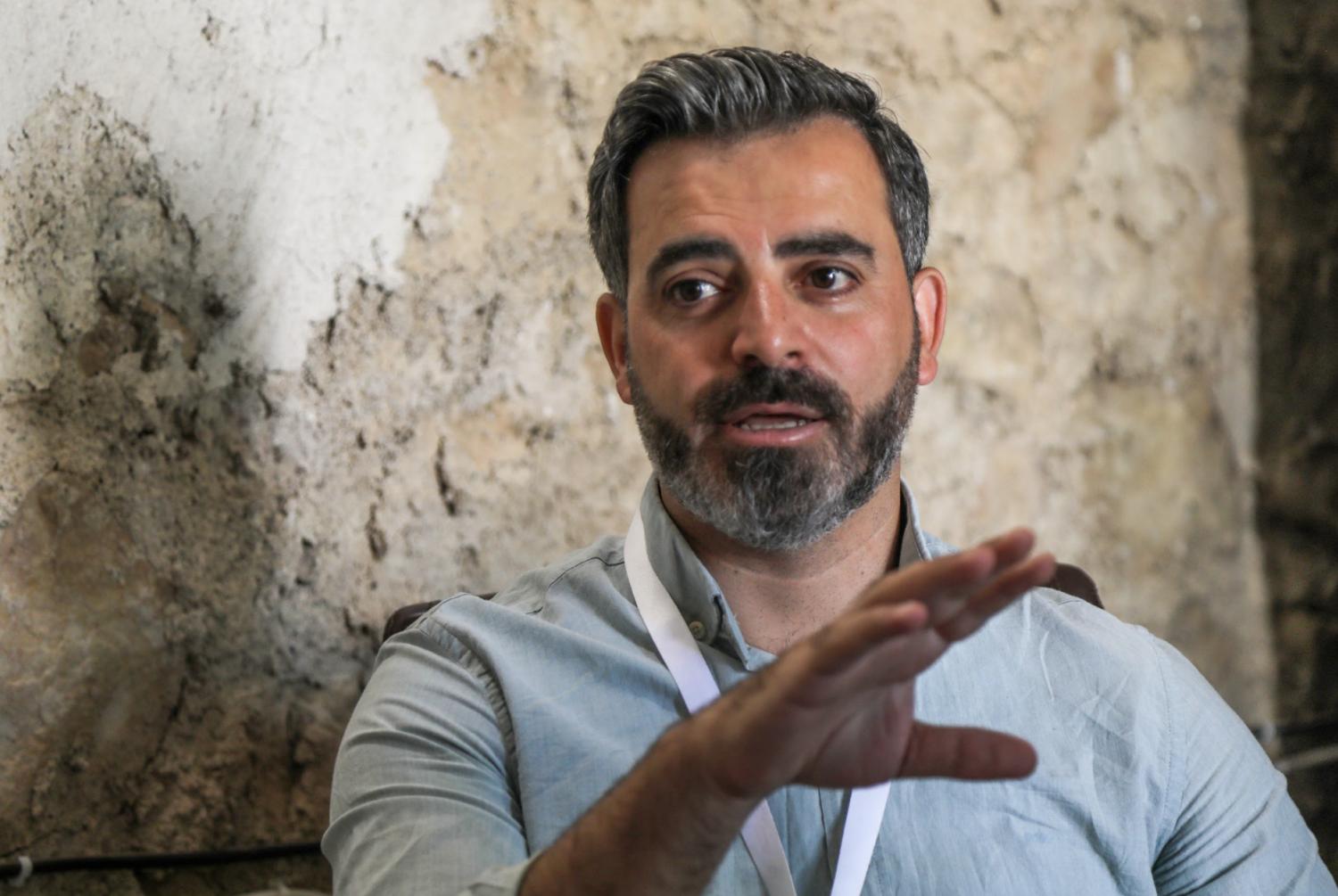
Ahmed, director of the Akre Directorate of Antiquities and Heritage, sees the project as an opportunity to attract more support for Akre’s heritage. “We highly appreciate this project,” he says. “It not only preserves our historical and religious sites, but also gives work opportunities to many people in Akre, as well as IDPs and refugees who are living here.”
He hopes the project will attract other organizations and investors to the town.
Akre’s history cannot be restored in the same way as an old building. The Jewish community that once lived in the old quarter is gone. Much of its neighborhood has disappeared. Christian worship at the Virgin Mary Church has changed over the decades. The town itself has grown and changed.
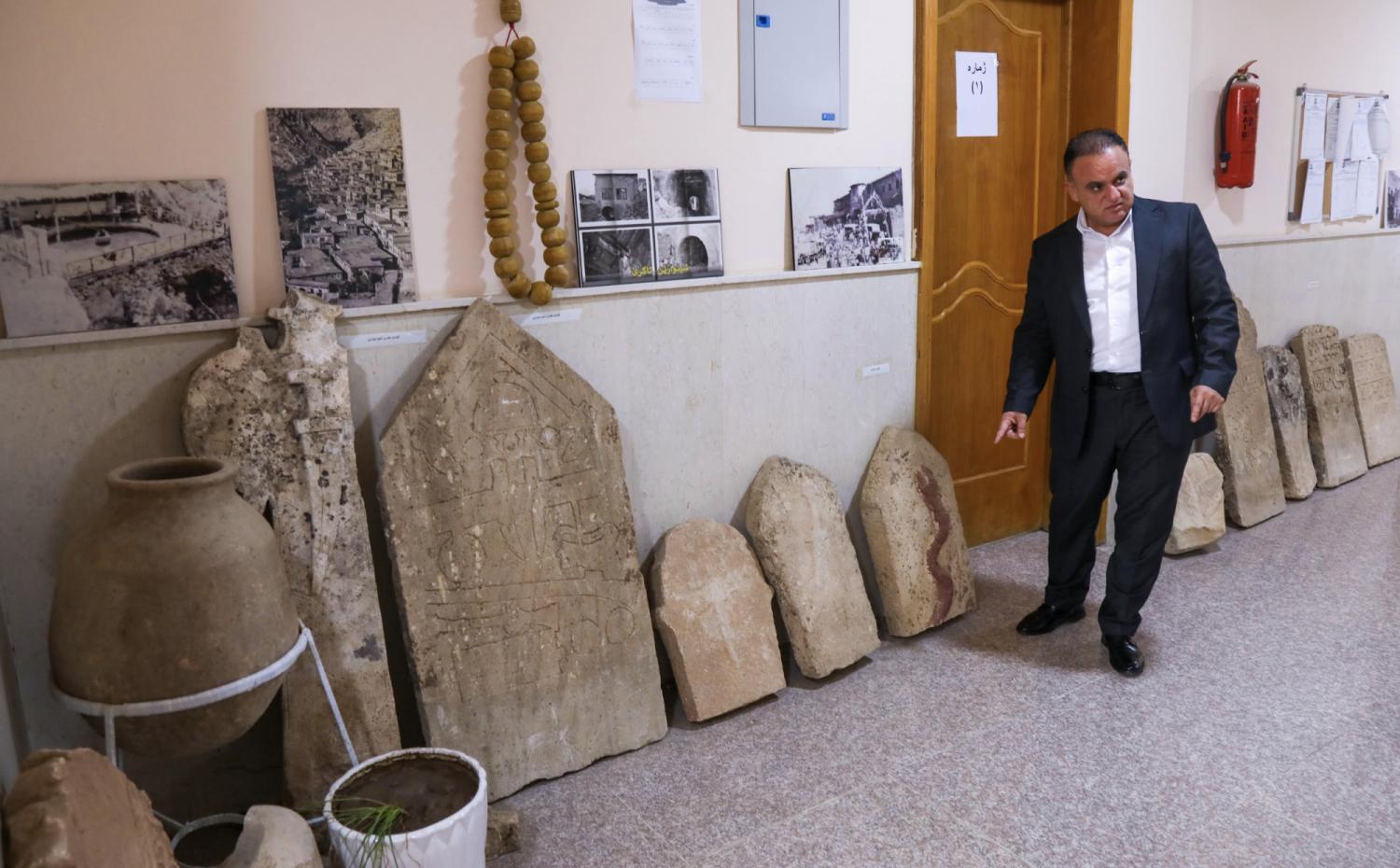
But the physical landmarks remain. A bridge. A church. A mosque.
Each represents a different part of Akre’s history. Together, they tell a larger story—one in which different communities once shared the same town.
Today, restoring those places is also creating opportunities for people living in Akre now.
That may be the most striking thing about the project. The work looks backward, toward buildings and communities from another time. But the people doing the work are looking forward—toward employment, tourism, new skills, and a future in which Akre’s history remains visible.
A Kurdish journalist with 15 years of experience in media development in Iraq. He has contributed to both local and international media outlets.