High above Duhok, ancient Assyrian reliefs celebrate monumental engineering while facing modern battles for preservation
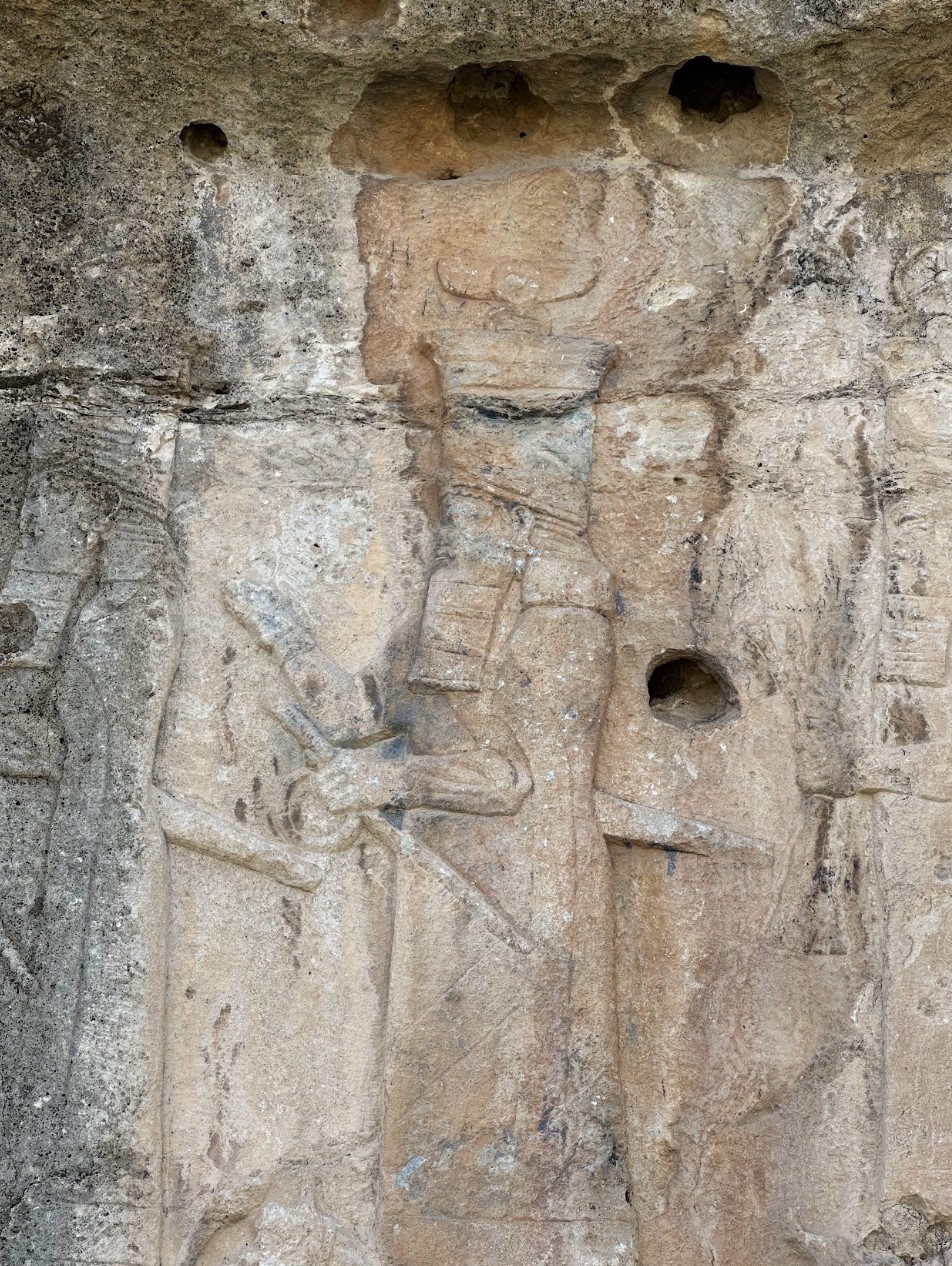
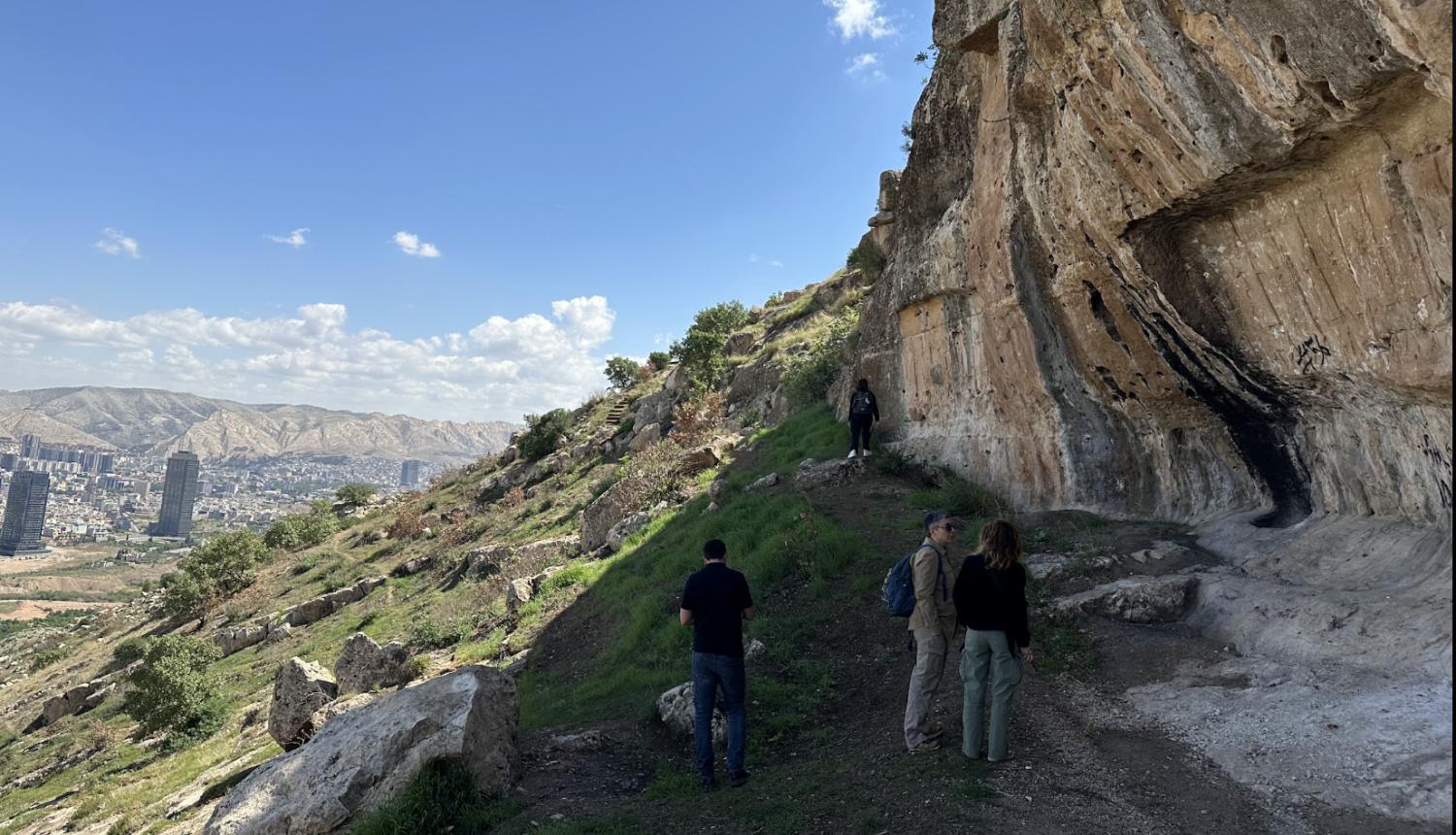
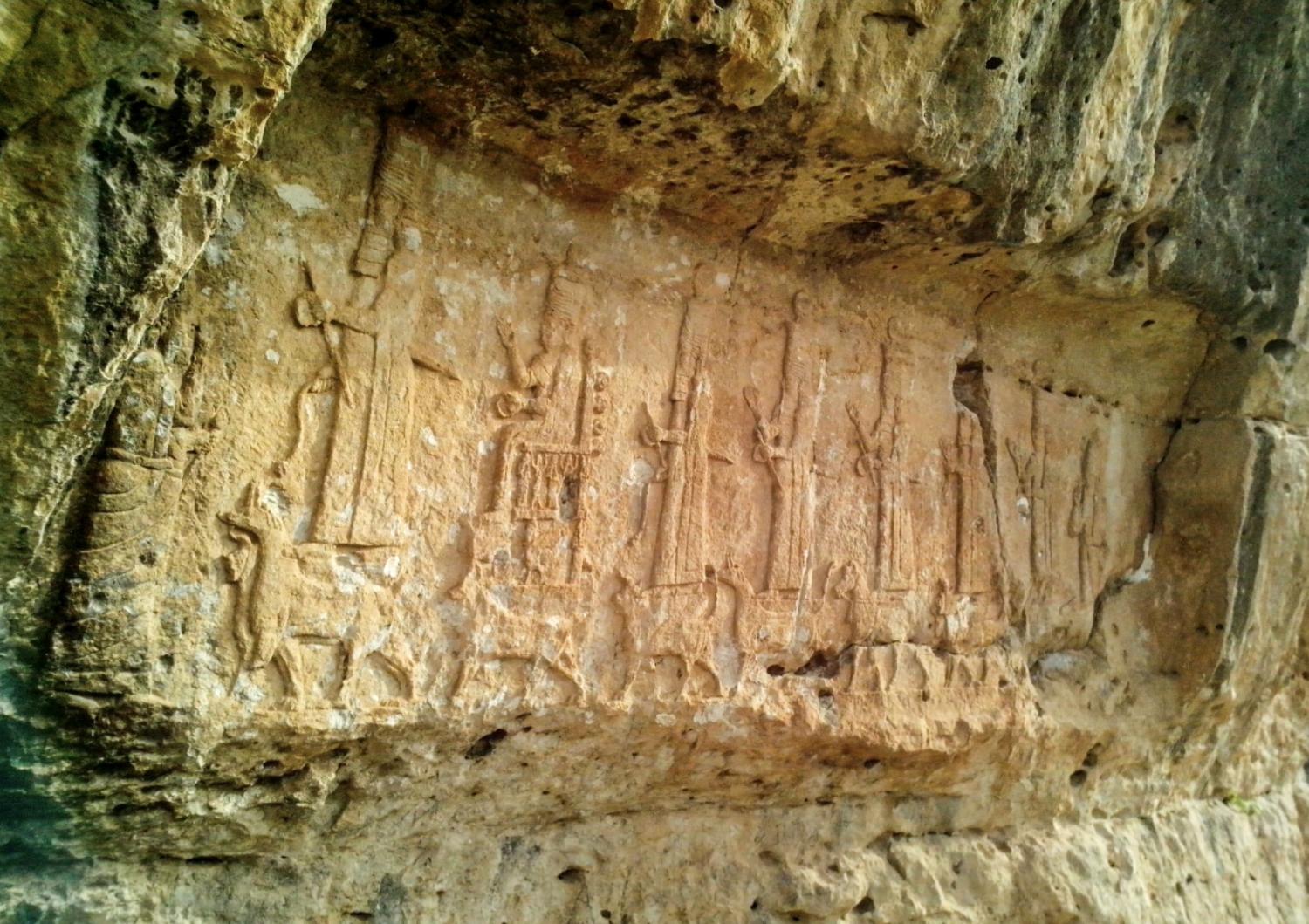
High above the valley floor on the northern slopes of Zawa Mountain, overlooking the city of Duhok in Iraqi Kurdistan, lies Halamata Cave, known for the Maltai Reliefs. Carved into the limestone cliff face, this monumental Neo-Assyrian rock art dates to the reign of King Sennacherib (704-681 BC), who constructed one of the ancient world’s first large-scale irrigation systems. Recent scholarship, however, suggests that some elements of the monument may have been completed during the reigns of the king’s son Esarhaddon or grandson Ashurbanipal, who continued expanding the imperial irrigation network.
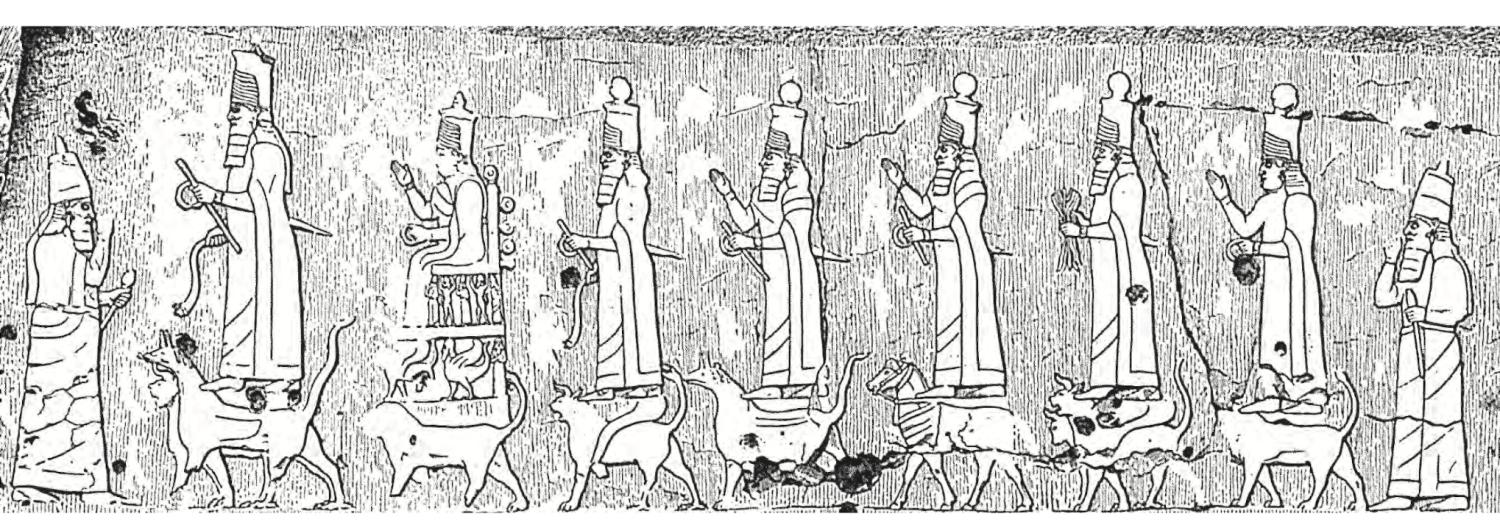
Located about 200 meters above the valley floor, the site was part of a vast irrigation system that supplied Nineveh and its surrounding lands. Its elevated position was deliberately chosen to consecrate both divine authority and human achievement. The monument contains four large rectangular relief panels, each roughly 6 meters wide and 2 meters high. Each depicts a nearly identical scene, with the king in a devotional pose at both ends of a procession of seven Assyrian deities. Leading the sequence is Ashur, the supreme god, standing atop a horned lion and the mushhushshu dragon, symbols associated with Babylonian power that subtly assert Assyrian supremacy following the conquest of Babylon in 689 BC. He is followed by his consort Mullissu (Ninlil), as well as Sin, Nabu, Shamash, Adad, and Ishtar, each accompanied by sacred animals and divine emblems. Together, the reliefs combine religion, royal authority, and engineering in a visual celebration of the king’s transformation of the landscape.
Engineering an Empire
The Maltai Reliefs were never intended as isolated works of art. They formed part of Sennacherib’s ambitious transformation of northern Mesopotamia through canals, aqueducts, and irrigation works that supplied water to Nineveh, then among the world’s largest cities. By placing monumental images of the king and the Assyrian gods along this engineered landscape, the empire projected the message that reshaping nature itself was an act carried out under divine authority.
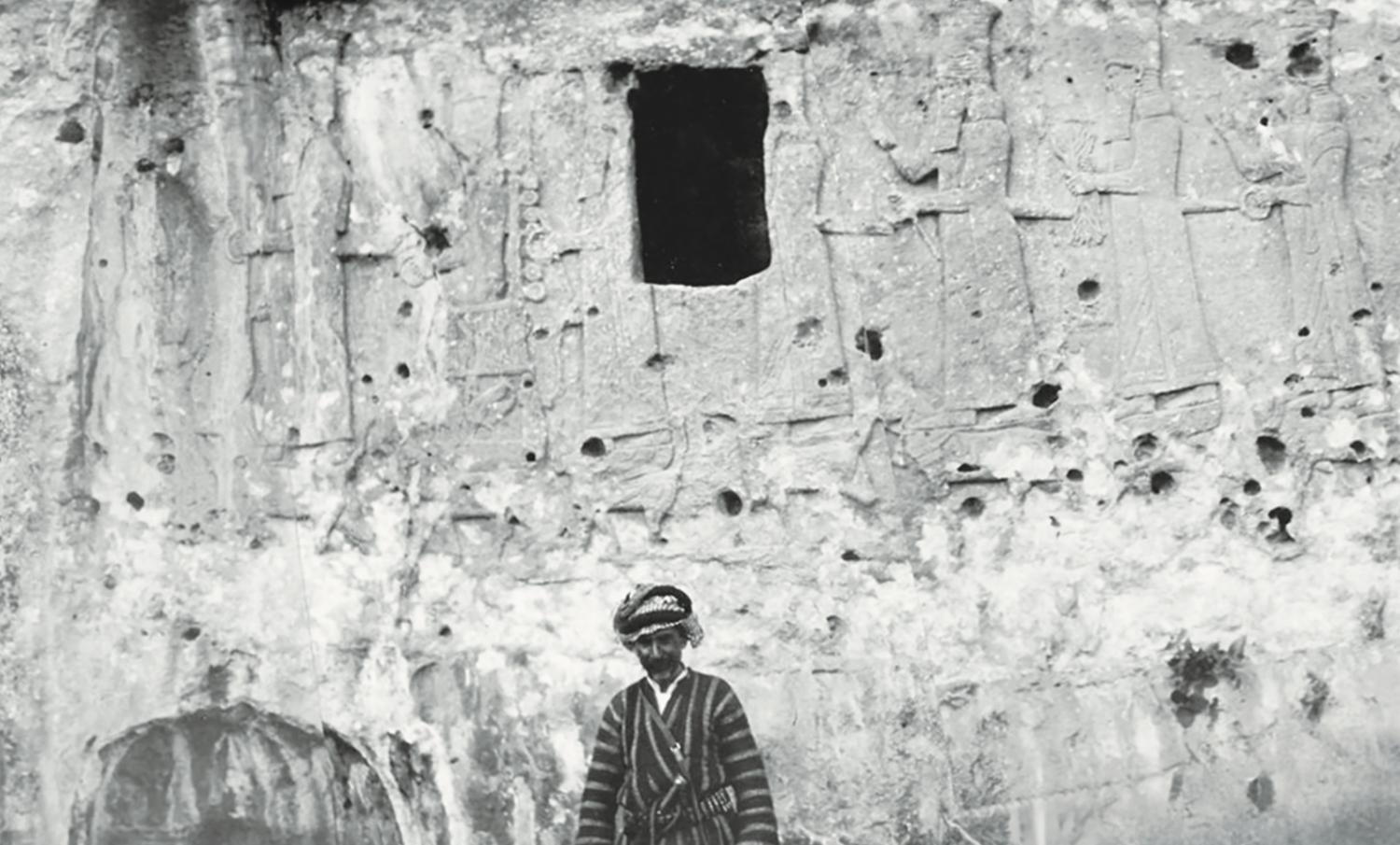
The reliefs first came to European attention in 1845, when French diplomat Simon Rouet was guided to the site by a local Chaldean peasant. His brief report drew sustained scholarly attention from 19th and 20th-century explorers. Austen Henry Layard, famed for his work at Nimrud and Nineveh, mentioned the reliefs during his travels, while Gertrude Bell captured them in photographs during her 1909 visit. More comprehensive documentation came in 1914 from Walter Bachmann, who surveyed the site along with other Neo-Assyrian locations like Khinnis and Gunduk. In 1924, French Assyriologist François Thureau-Dangin produced a landmark study of the reliefs, including photographs and detailed illustrations that remain crucial references today. Local academic interest was later renewed by Akram Shukri’s 1954 Arabic-language report in Sumer Journal, published by Iraq’s Directorate-General of Antiquities.
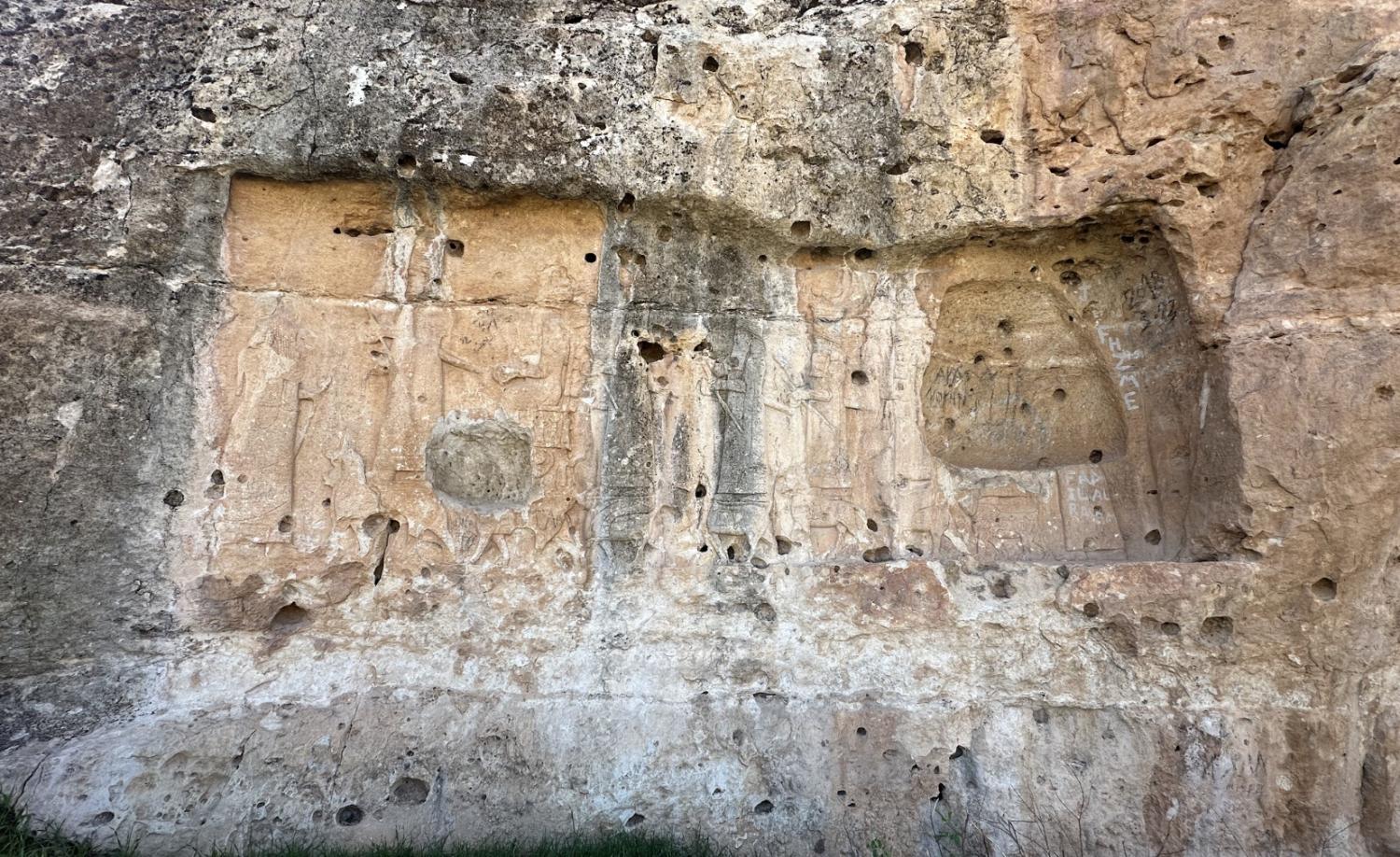
Despite its historical significance, the Maltai Reliefs have long suffered from neglect, vandalism, and environmental damage. Once protected by their remote location, the reliefs are now increasingly vulnerable. Over the centuries, the reliefs have sustained damage, from large holes carved between the 1st and 3rd centuries CE to thefts in the 1920s. One looted piece was later recovered and is now housed in the Iraq Museum in Baghdad, but damage persists. Vandalism has surged in recent years. Though the site was cleaned and conserved in 2017, it was defaced again in March 2023. Previous theft attempts in 2017 and 2018 underscore the ongoing risks of limited oversight.
More Than Ancient Art
While famous Assyrian sites such as Nineveh, Nimrud, and Khorsabad have long attracted international attention, Maltai remains comparatively little known despite being one of the finest surviving examples of Neo-Assyrian rock relief. Its importance lies not only in the quality of its carvings, but also in their original setting within the landscape they were designed to commemorate.
The site is more than a historical monument; it is a source of cultural identity for local residents. Duhok native Niwar Kestay recalls hiking to the reliefs with his friends as a youngster, captivated by their scale and mystery even before fully understanding their history. Now an advocate for preservation, he hopes they will be protected and made accessible through public education.
Protecting a Fragile Legacy
Since 2012, the site has been part of a collaborative project between the Duhok Directorate of Antiquities and Heritage and the University of Udine’s Land of Nineveh Archaeological Project. It lies within the proposed Duhok Ancient Irrigation Network Archaeological Park, which aims to preserve and promote the region’s Assyrian engineering legacy. A key milestone was reached in June 2024 with the installation of protective fencing. New stairways have been installed to improve access while limiting damage to the surrounding landscape. Planned improvements include restoring the panels, developing visitor facilities, and adding night lighting to make Maltai a visible landmark from the city, helping establish it as one of Duhok’s premier cultural landmarks.
Project co-director and ancient history and archaeology professor at the University of Udine, Daniele Morandi Bonacossi, emphasizes the importance of the site: “The site of Maltai, with its extraordinary Assyrian rock reliefs, is one of the hidden gems of Iraqi Kurdistan’s rich and largely unknown cultural heritage. The archaeological park, implemented by the University of Udine in collaboration with the Duhok Directorate of Antiquities and Heritage and funded by the Italian Agency for Development Cooperation, includes the sites of Maltai, Faida, Jerwan, and Khinis. It will, for the first time, allow the people of Kurdistan, of all Iraq, and the international public to enjoy the most impressive complexes of Assyrian rock art known in all of Southwest Asia. It will also enable local communities to reconnect with their cultural heritage, which has deep roots in ancient history, and boost tourism in a region where sustainable cultural tourism is still an underexploited means of fostering economic, cultural, and social growth.”
As efforts to preserve Halamata Cave continue, the site remains a powerful reminder that safeguarding cultural heritage extends beyond protecting stone monuments. It also means preserving the histories, identities, and shared memories embedded in them.
As Alesia Koush, expert in illicit trafficking in cultural property and human rights and doctoral researcher at the University of Reading, underlines: “Cultural heritage is increasingly being recognized as an issue of human rights, which encompasses not only the right of local communities to access and enjoy their cultural heritage, but also their shared responsibility in preserving and safeguarding it from vandalism, looting, illicit trafficking, destruction, and any other inappropriate use. Most importantly, it is our task as heritage experts and archaeologists to inculcate such awareness into the minds and hearts of people.”
is a researcher in heritage and an advocate for cultural heritage. She holds an MA in Management of Arts and Culture, with her thesis representing pioneering work in Museum and Heritage Studies in Iraqi Kurdistan.