A pioneering factory is helping preserve local harvests and promote exports of Kurdistan Region products
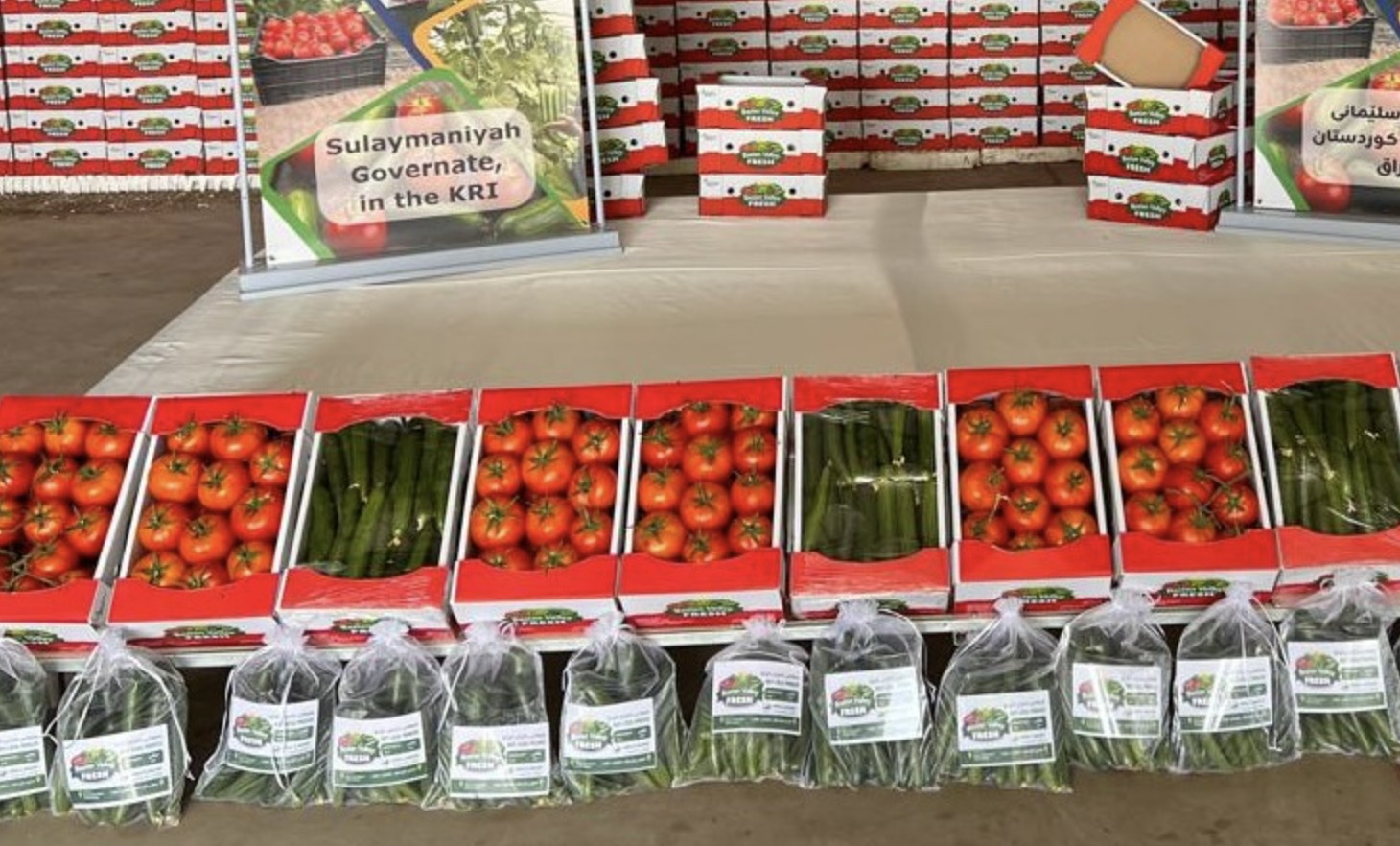
For years, tomato season often brought losses for farmers in the Kurdistan Region as surplus produce went unsold or spoiled. One local initiative is helping to change that.
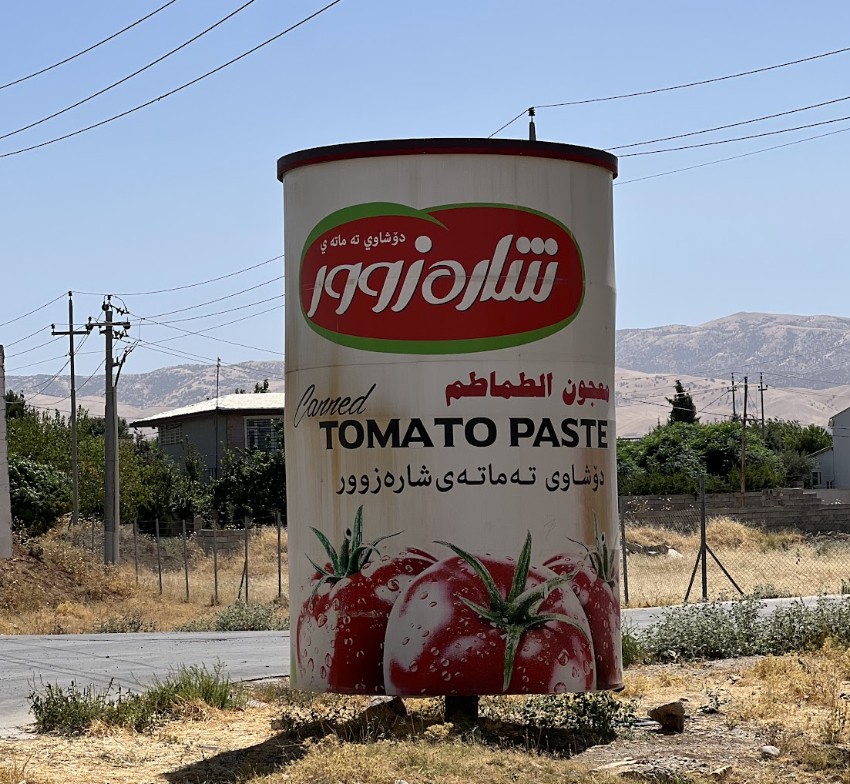
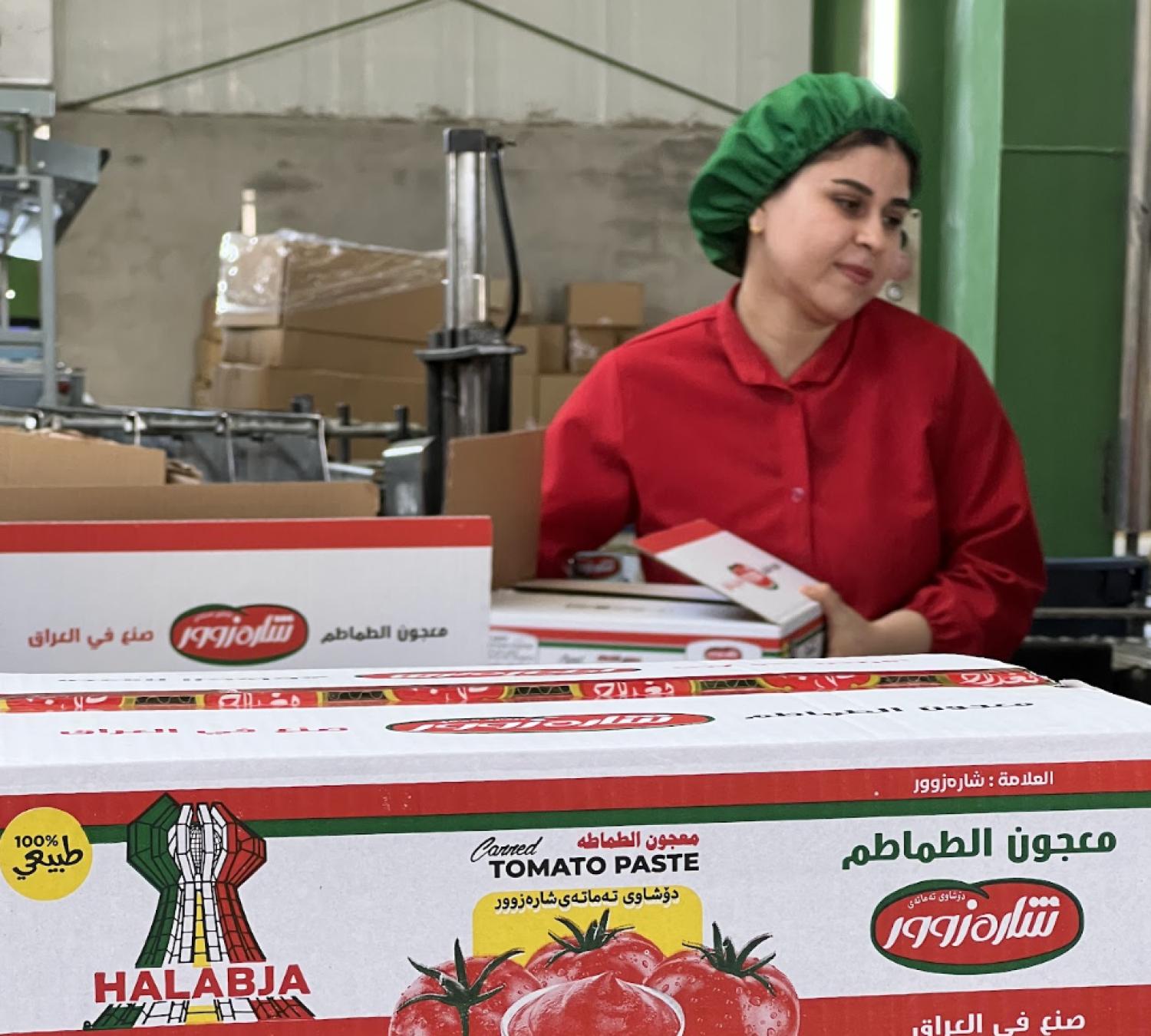
The Sharazur Tomato Paste factory is now transforming the market for locally grown produce, processing naturally grown tomatoes from the Kurdistan Region into tomato paste for both local and international markets.
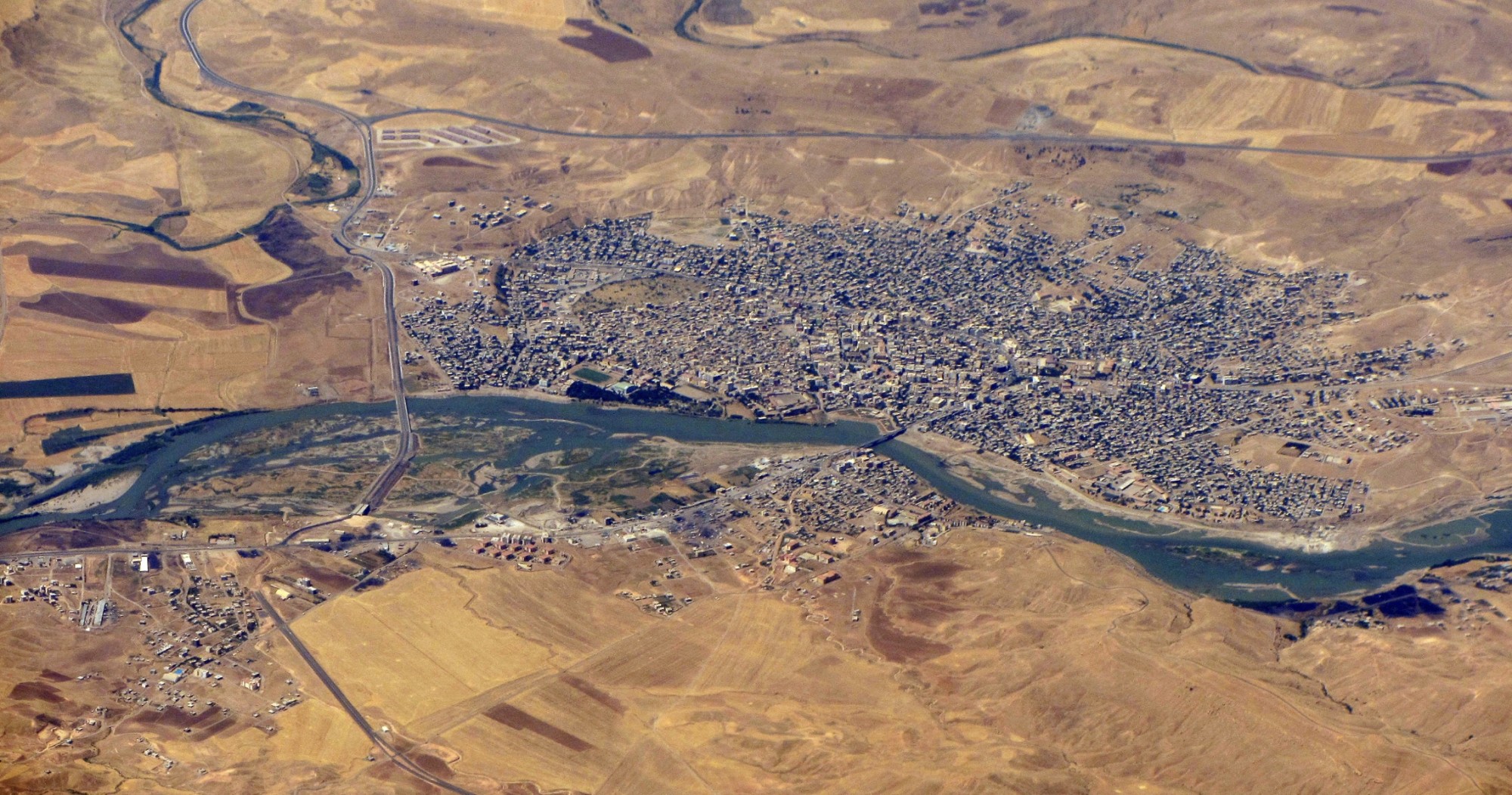
The factory is located in Halabja Governorate, with tomatoes brought from across the Kurdistan Region, including Erbil, Penjwen, Kalar, and the Sharazur Plain. The factory supplies local markets in the Kurdistan Region and other parts of Iraq, and exports its high-quality products to the Netherlands, the UK, and Sweden.
Zidan Tareq, the factory’s finance director, told Kurdistan Chronicle that the quality of its paste begins with local tomatoes, which are grown without artificial fertilizers or chemical pesticides. Tareq added that, apart from water and natural salt, no other ingredients are used to make the tomato paste.
The factory coordinates with farmers across the Kurdistan Region to bring their produce to the plant, helping create a local market for tomatoes that might otherwise spoil or go unused.
Growing Production
Thanks to the demand for Sharazur Tomato Paste, the factory has become a benchmark for the agricultural sector in the Kurdistan Region. The factory has also increased its intake capacity from nine tons of tomatoes per hour to more than 15 tons per hour.
The factory also has a strict quality control process to maintain its high standards. Tareq said the factory primarily uses a local variety known as the apple tomato, which he described as particularly well suited for producing tomato paste.
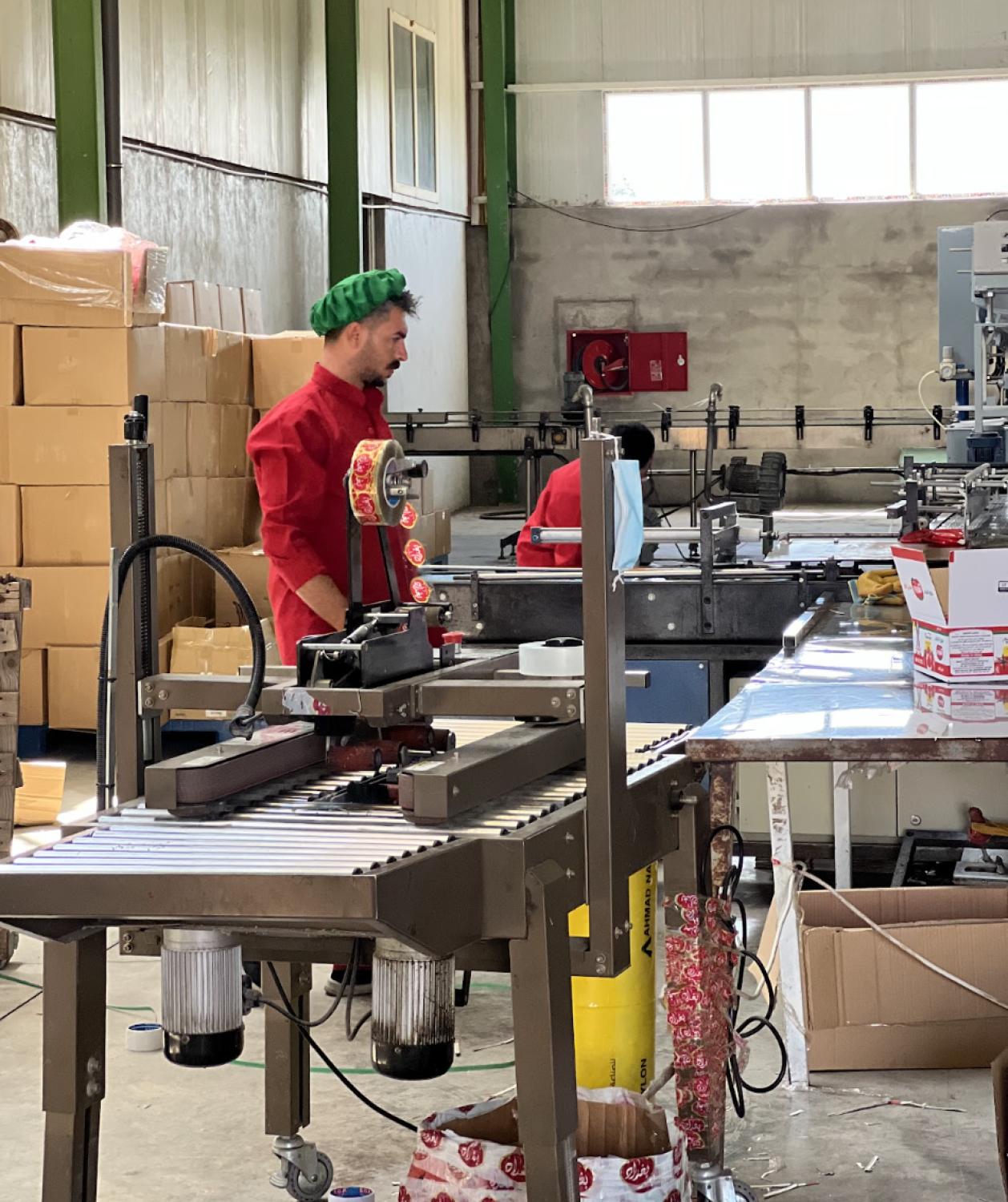
Efficiency gains have helped the factory scale up production significantly. The factory says its output has increased from one can per minute to 120, giving it the capacity to produce over 17 million cans annually.
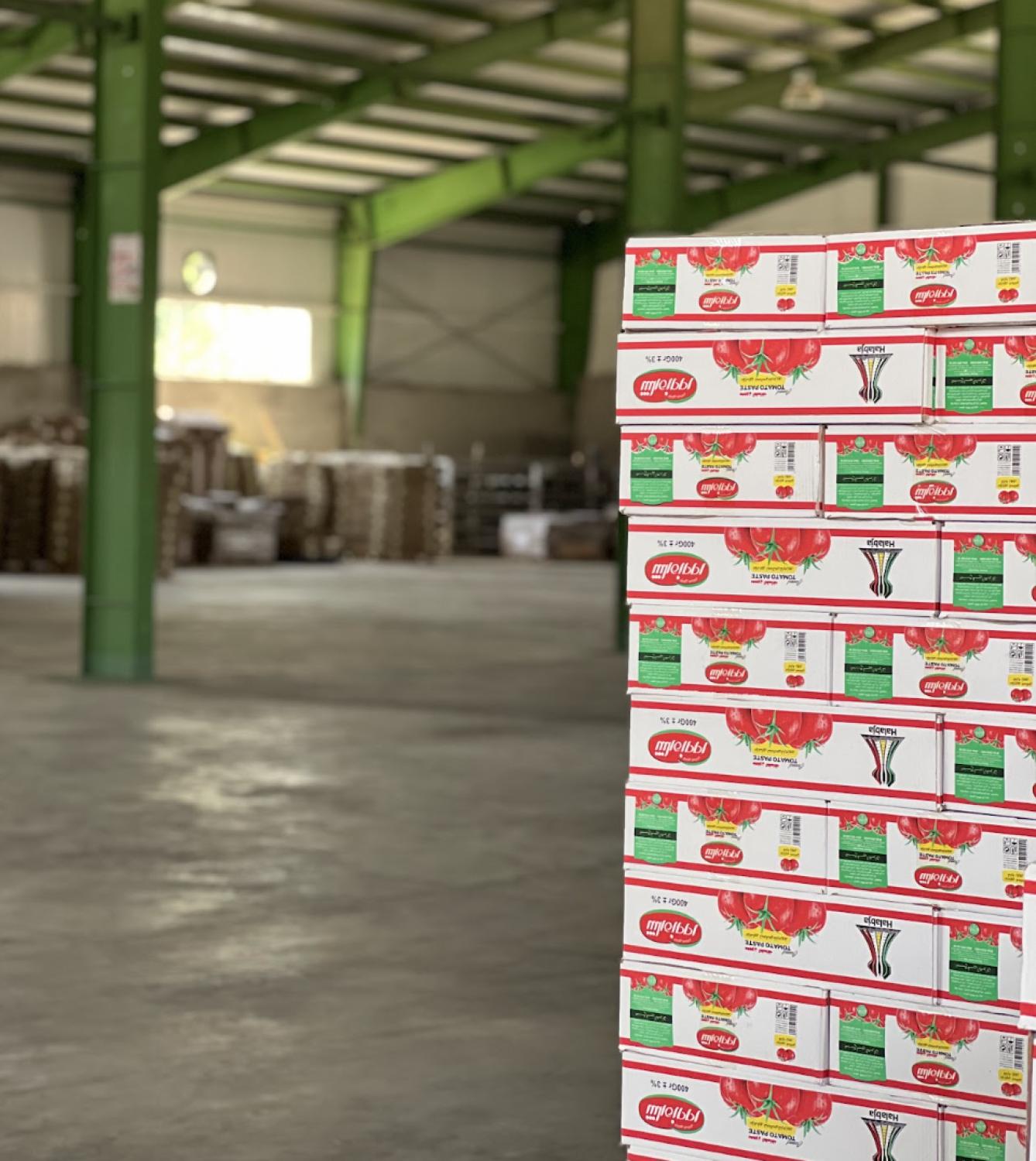
The Sharazur Tomato Paste factory was established in 2014 and produced its first can of paste from local tomatoes in 2017. Its infrastructure and equipment cost about $10 million, with most of the equipment and machinery sourced from Italy.
The plant employs 30 people. While the factory currently produces only tomato paste, the company plans to expand its product range and exports and introduce glass packaging alongside metal cans.
For farmers, that growth offers another outlet for local harvests; for the Sharazur Tomato Paste factory, it represents an opportunity to take a Kurdistan Region agricultural product to markets abroad.
is a Kurdish ethnomusicologist and journalist.