How a Dutch-Kurdish pilot project is reducing losses, raising food safety standards, and opening new opportunities for local growers.
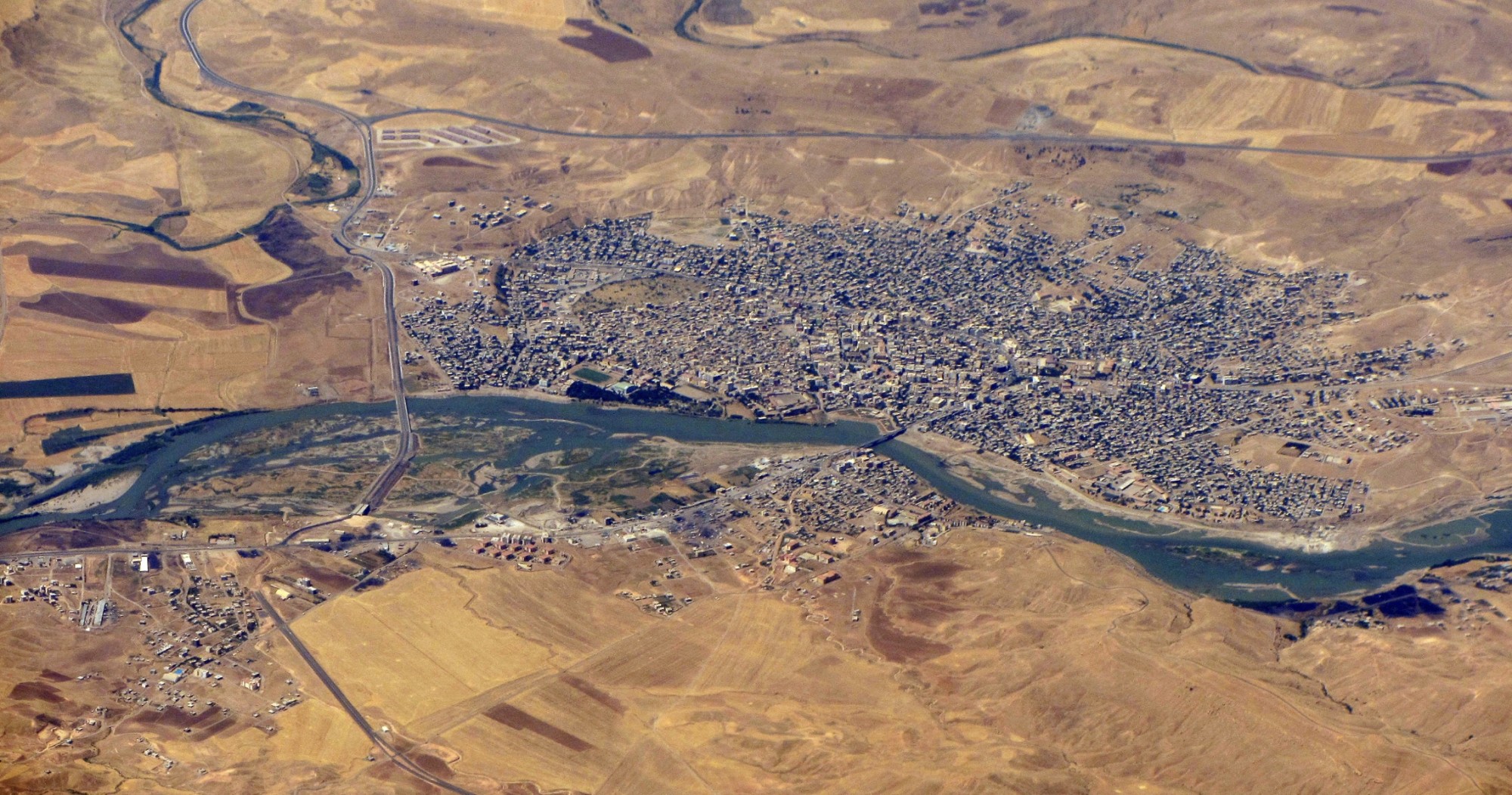
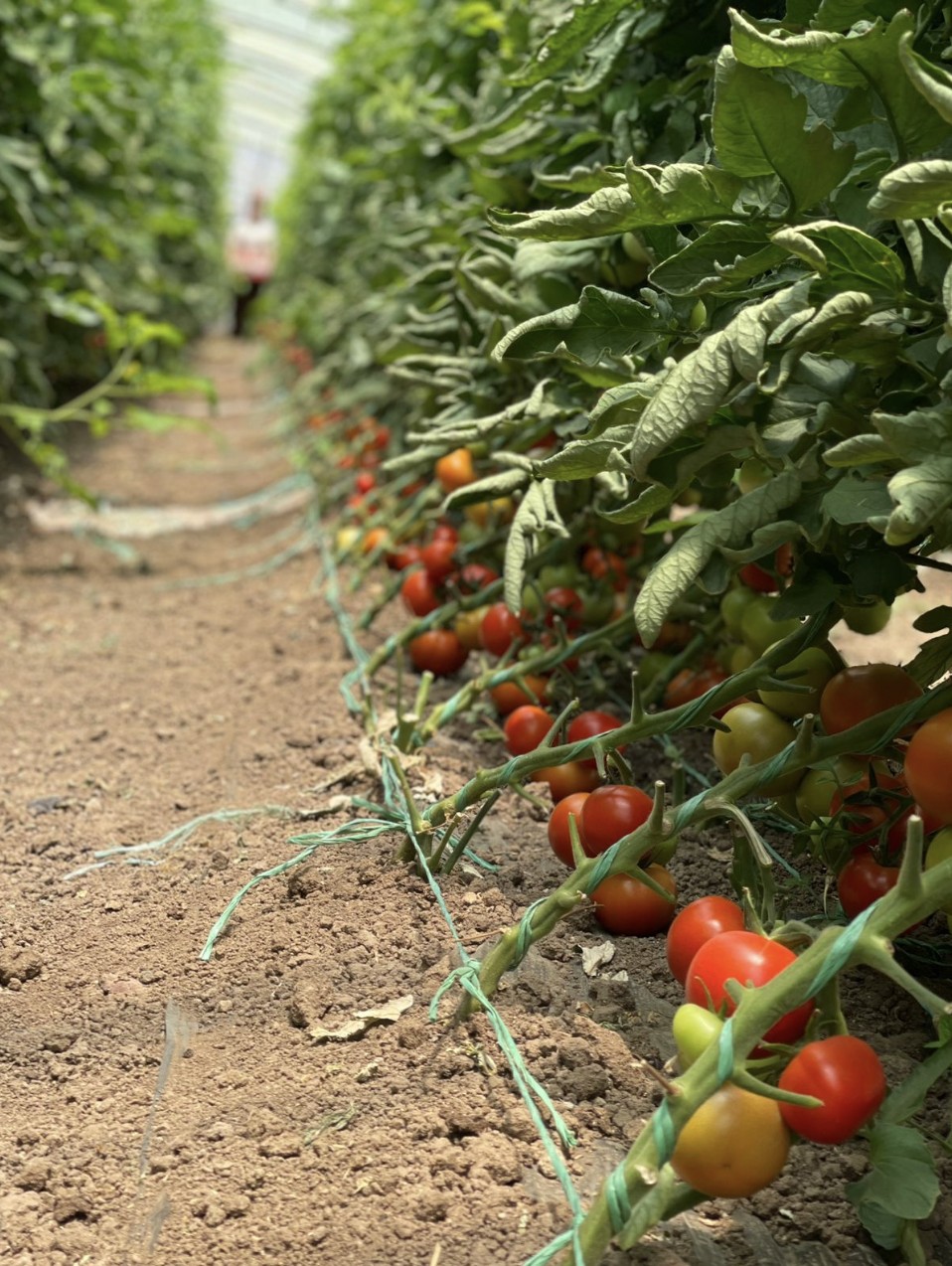
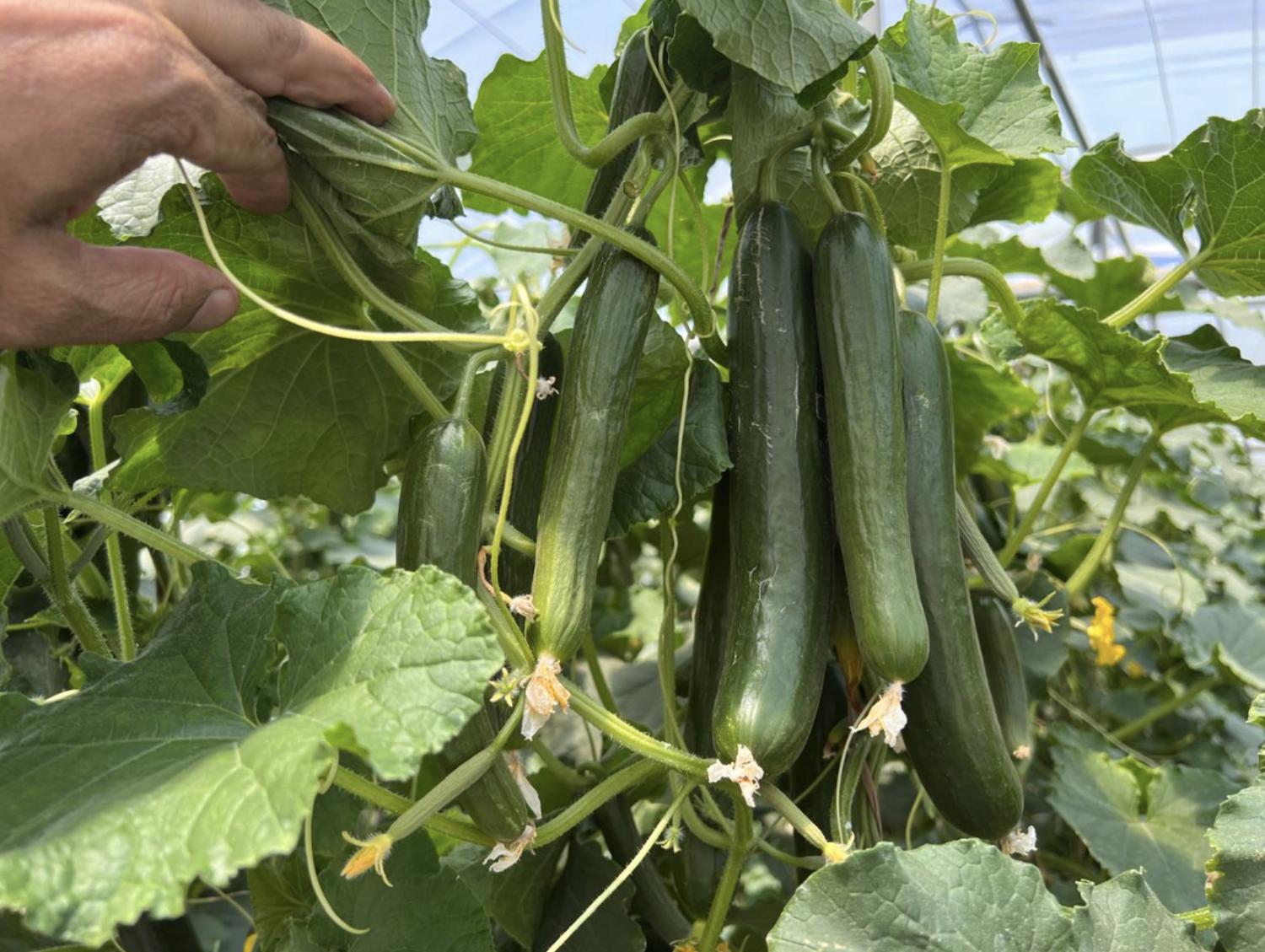
A Dutch-Kurdish pilot project in the Bazian Valley near Sulaymaniyah is introducing new approaches to tomato and cucumber production, packaging, and marketing in the Kurdistan Region.
The project builds on a 2024 study by HollandDoor Cooperative and Snoxell Agribusiness Consulting of the tomato and cucumber value chains in Sulaymaniyah Governorate, which identified weak cooperation among producers and other market participants, inconsistent adherence to market standards, and limited uptake of innovation as the main barriers to growth, according to the Netherlands’ Ministry of Agriculture, Fisheries, Food Security, and Nature.
By strengthening cooperation between growers, packers, traders, and buyers, the project has reduced post-harvest losses, conserving the water, land, and other inputs that would otherwise be wasted along with the produce.
Reducing Losses
“Reducing food losses isn’t just good economics; it also supports better water and resource management, which are very important matters in this region. We’re now engaging with the government, the private sector, and farmers to explore how this approach can be expanded to a larger scale,” Adriaan IJsselstein, consul general of the Netherlands in Erbil, told Kurdistan Chronicle.
The Consulate General of the Netherlands in Erbil has supported sustainable agriculture in the Kurdistan Region and helped connect Dutch and Kurdish companies, leading to several small- to medium-sized collaborative projects.
Such efforts align with the goals of the Kurdistan Regional Government (KRG) to diversify the economy beyond oil and develop sectors including tourism, agriculture, and manufacturing.
One example of this cooperation is the Kurdistan-Holland Company, established in 2009, which increased its potato production from 2,000 tons to 650,000 tons with the help of Dutch expertise and seed potatoes. The Dutch Consulate General has also facilitated agricultural knowledge exchanges, including between farmers from Halabja and Duhok in 2024.
Purpose-Built Packing
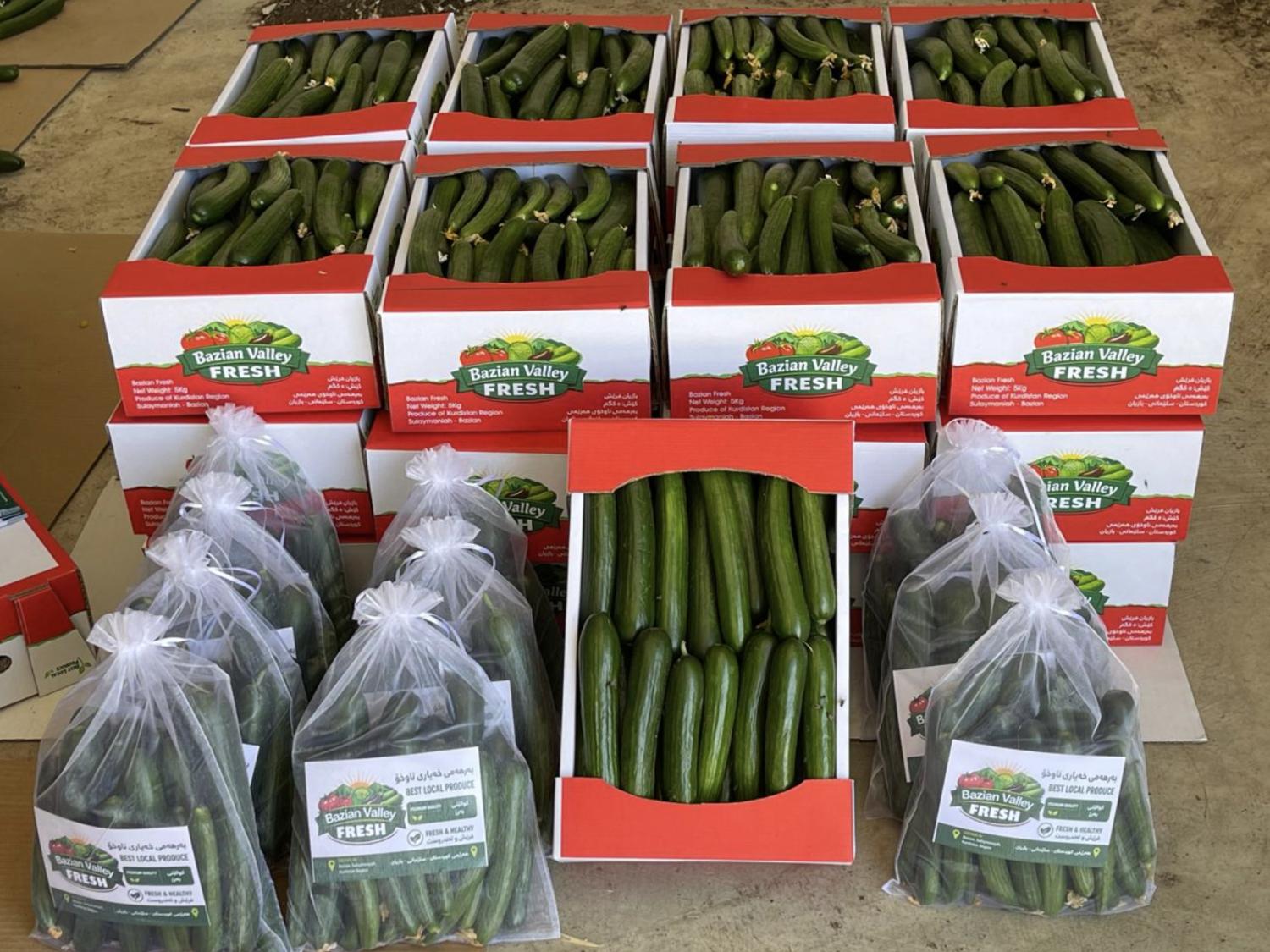
Farmers in the Bazian Valley have also received training in grading, sorting, and packing and now work with a purpose-built packing facility near their farms. Traditional packaging methods that caused significant losses during transportation have been replaced, according to the Dutch Ministry.
HollandDoor Cooperative provided technical support for the project, while local Iraqi company Green Solutions helped carry it out on the ground.
“The project was funded by the Netherlands Enterprise Agency and initiated through the Netherlands Agricultural Network in Iraq. The Consulate General in Erbil has also played an important role in supporting Dutch-Kurdish cooperation and providing Dutch expertise,” said Dr. Sulaiman Ahmed Ali, national project consultant.
“The Dutch contribution was not simply financial. The project brought Dutch knowledge, technical expertise, and international connections into the local horticultural value chain, while working closely with Kurdish farmers, government institutions, universities, laboratories, traders, retailers, and private-sector partners,” he told Kurdistan Chronicle.
International Safety Standards
Recent laboratory testing found that the produce from the pilot met EU pesticide residue standards, according to the Ministry. To independently confirm the results provided by a local company, samples from the pilot harvest were also sent to Normec Groen Agro Control, an accredited laboratory in the Netherlands, for residue analysis.
“The outcome was reassuring: across five samples of pilot tomatoes and cucumbers, pesticide residues were either not detected at all or found at only a small fraction of the EU maximum residue limit. In other words, the crop management practices introduced through the project are already producing vegetables that meet EU food safety standards,” the Ministry said.
The results also point to the potential for a more market-oriented approach to horticulture in the Bazian region, with improved quality standards opening new opportunities for local growers and contributing to broader economic development, according to the Ministry.
“New market opportunities are opening up for local growers, farmers stand to earn more, and the packing and grading work is already creating jobs — including for women,” the Ministry added.
A New Local Brand
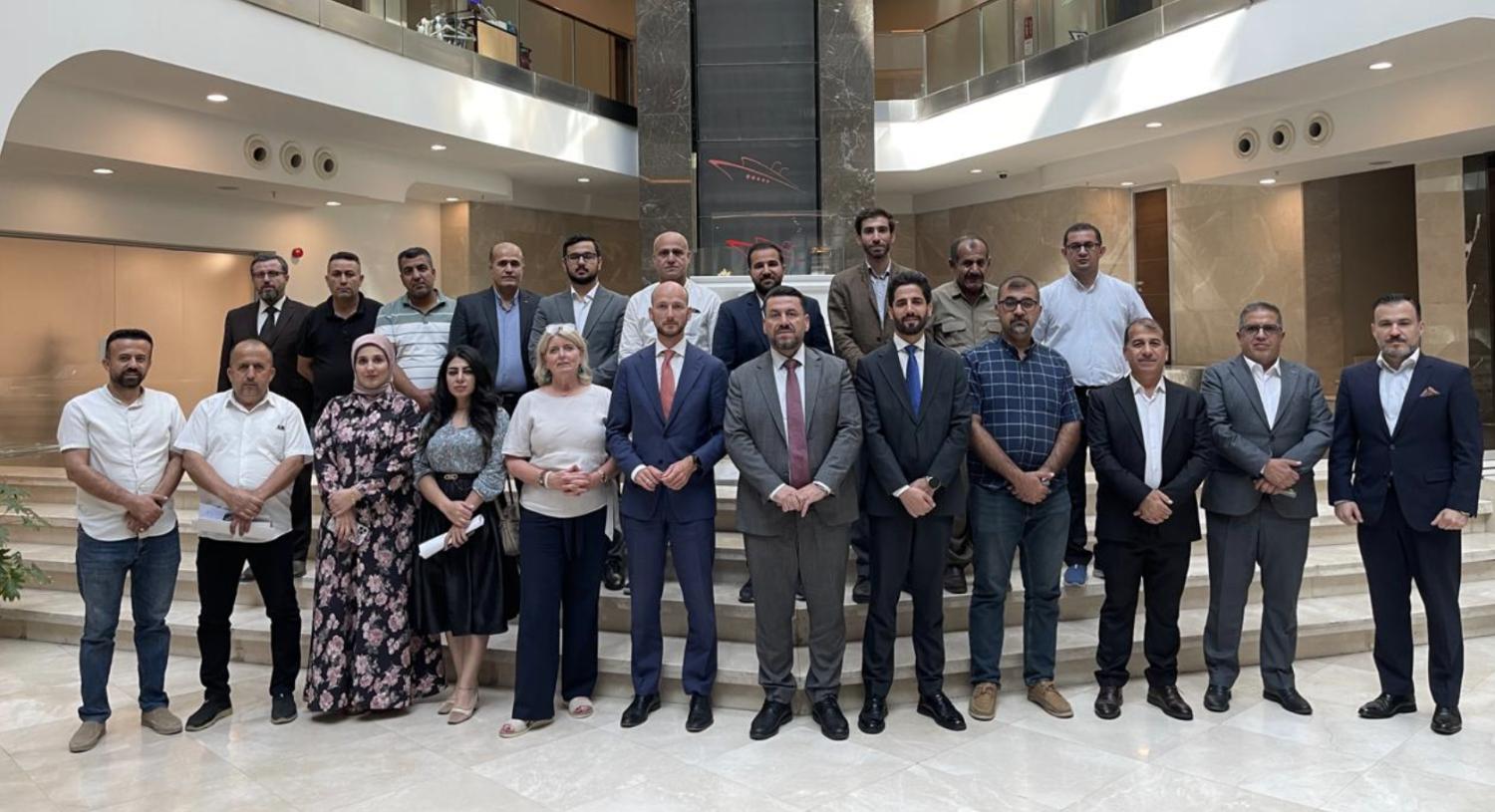
The Bazian Valley Fresh brand was officially launched on July 6, 2026, during a media and stakeholder event attended by more than 45 representatives from the KRG, the Dutch Consulate General in Erbil, the private sector, academia, and the farming community.
“The Bazian Valley Fresh brand was created to bring these improvements together under a recognizable local identity and to help position locally produced tomatoes and cucumbers as safe, high-quality, and professionally presented products,” Ali said.
“At this stage, I would describe Bazian Valley Fresh as a successful pilot and an important foundation for further exploration, rather than as a finished commercial model. One of the important next questions is how the lessons from the pilot can be built upon and whether successful elements can contribute to broader horticultural development in the Kurdistan Region,” Ali said.
A seasoned reporter and analyst who specializes in Kurdish affairs.