A new WHO-backed framework aims to unify the Kurdistan Region’s response to overlapping health threats.
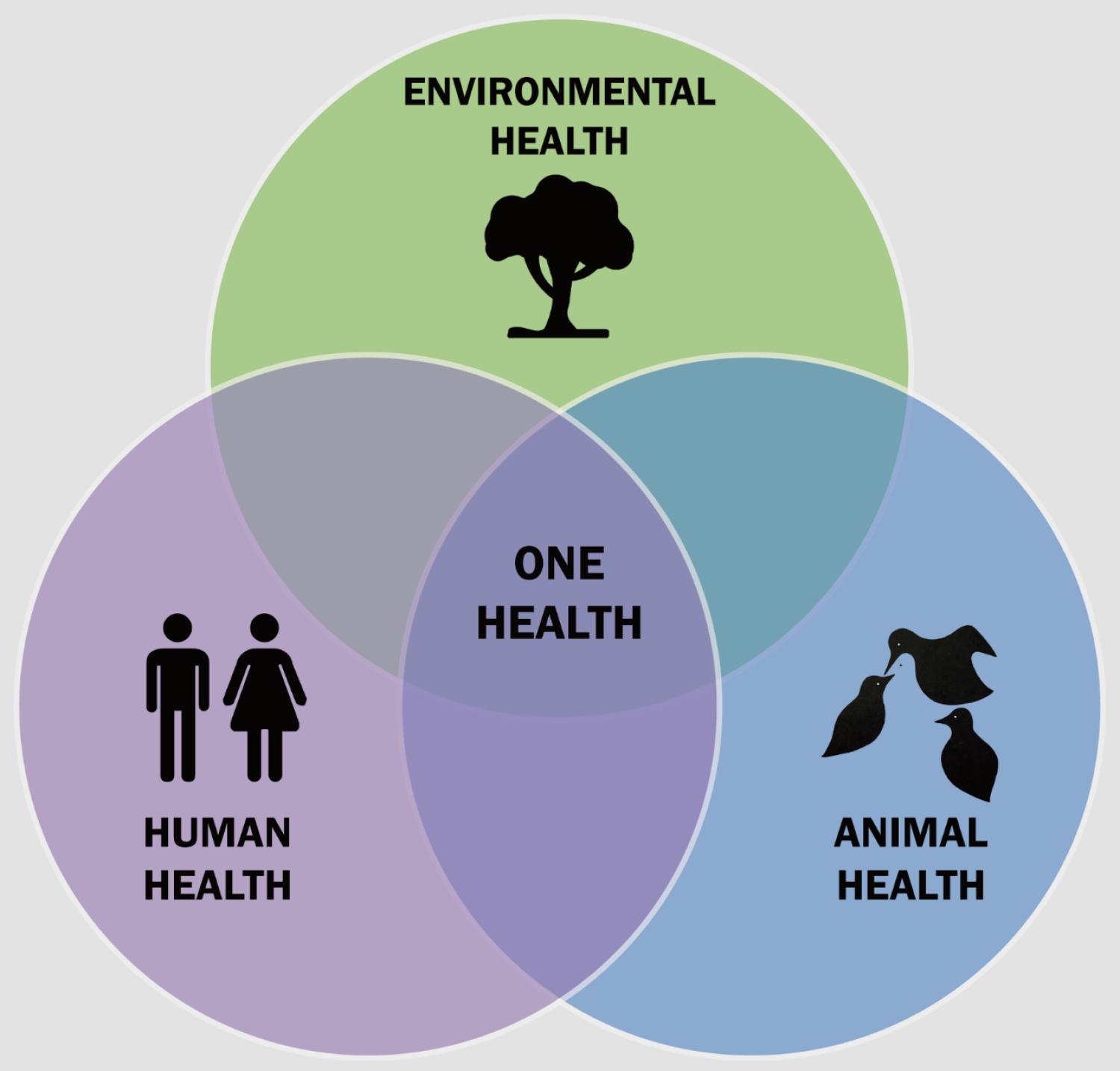
In December 2025, the Kurdistan Regional Government (KRG) launched its first One Health Strategy, joining a growing international effort to redefine the scope of public health. Developed by the KRG Ministry of Health in partnership with the World Health Organization (WHO), the strategy reflects a deceptively simple idea: the health of people cannot be separated from the health of animals, plants, and the environment.
For the Kurdistan Region, where environmental and public health pressures increasingly overlap, that approach is particularly relevant. Rather than addressing these challenges independently, One Health seeks to bring medical professionals, veterinarians, environmental scientists, agricultural experts, and policymakers into a common framework.
Why One Health Matters
The case for One Health has become difficult to ignore. More than 60% of known infectious diseases in humans originate in animals, according to the U.S. Centers for Disease Control and Prevention, while approximately three-quarters of new or emerging infectious diseases come from animal sources. Research published in Nature has similarly found that 60.3% of emerging infectious diseases are zoonotic, with wildlife accounting for 71.8% of those cases.
But the concept extends well beyond preventing the next pandemic. Plant health, for example, sits at the foundation of food security and ecosystem stability. The UN Food and Agriculture Organization estimates that plants provide 80% of the food humans consume and produce 98% of the oxygen we breathe. Crop diseases, invasive pests, pesticide misuse, and fungal contamination can therefore generate food-safety, economic, environmental, and ultimately human-health problems.
Climate change makes these relationships more apparent. Changing temperatures and rainfall patterns can expand the ranges of disease-carrying insects, while drought, dust storms, deteriorating water quality, and declining biodiversity create additional pressures on respiratory and cardiovascular health. These challenges are particularly relevant across the Middle East, where water scarcity and extreme heat are becoming increasingly persistent concerns.
Antimicrobial resistance adds another dimension. The misuse of antibiotics across human medicine, livestock, and agriculture accelerates resistance, making once-treatable infections increasingly difficult to cure. Resistant pathogens can move between populations and environments, meaning that addressing the problem requires coordination among doctors, veterinarians, farmers, regulators, and researchers rather than action by the health sector alone.
This is ultimately what distinguishes One Health: it aims to replace separate responses to food safety, infectious disease, environmental degradation, and antimicrobial resistance with a system focused on prevention, surveillance, and coordinated action.

Building One Health in the Kurdistan Region
These interconnected pressures are already visible in the Kurdistan Region. Over the past decade, conflict-driven displacement, rapid urbanization, drought, environmental degradation, and antibiotic misuse have placed new demands on public institutions. Agriculture and livestock remain economically important, while the movement of food, animals, and people across borders creates additional challenges for disease surveillance and food safety.
Led by Minister Saman Barzinji, the KRG Ministry of Health developed the strategy with the WHO, seeking to improve coordination across areas that have traditionally been governed separately.
Pandemic preparedness and zoonotic disease surveillance are central to that effort. The strategy calls for stronger laboratory capacity, earlier detection, and better coordination among government bodies when diseases threaten to cross between animal and human populations.
Antimicrobial resistance is another priority, described by the KRG Ministry of Health as a “silent danger.” Antibiotics are widely available without prescription, and misuse is common in both human and veterinary settings. The strategy introduces stronger regulation, surveillance, and public-awareness campaigns.
The strategy also addresses environmental health and climate resilience amid severe environmental stress in the region, integrating environmental data into health planning with a focus on air-quality monitoring, water safety, waste management, and climate-related disease forecasting.
Food safety and agricultural health represent another priority. The strategy calls for stronger veterinary oversight, food-safety inspections, and training for farmers and veterinarians, reflecting the continuing importance of livestock and agriculture to the Kurdish economy.
Health misinformation is also addressed. The KRG Ministry of Health has repeatedly warned about the dangers of unverified online health advice, and the new framework includes public-education campaigns aimed at promoting evidence-based information.

From Strategy to Implementation
The launch of the strategy places the Kurdistan Region within a much broader international shift toward integrated public health. Its significance, however, will ultimately be determined by implementation. One Health requires more than cooperation during emergencies; it depends on ministries and institutions sharing data, coordinating surveillance, developing laboratory capacity, regulating antibiotic use, and incorporating environmental risks into routine health planning.
For the Kurdistan Region, that will require sustained cooperation across the health, agriculture, veterinary, and environmental sectors. The challenges confronting the region increasingly cut across institutional boundaries. The new One Health Strategy is an acknowledgment that the solutions must do the same.
a Kurdish-British microbiologist, educator, and founder whose work bridges scientific research, public health, and ethical innovation.