The Kurdistan Region’s first accreditation eligibility decisions mark a new stage in building quality, accountability, and confidence in education.
Some milestones are historic because they are firsts. Others are remembered because of their significance. For education in the Kurdistan Region, this milestone is both.
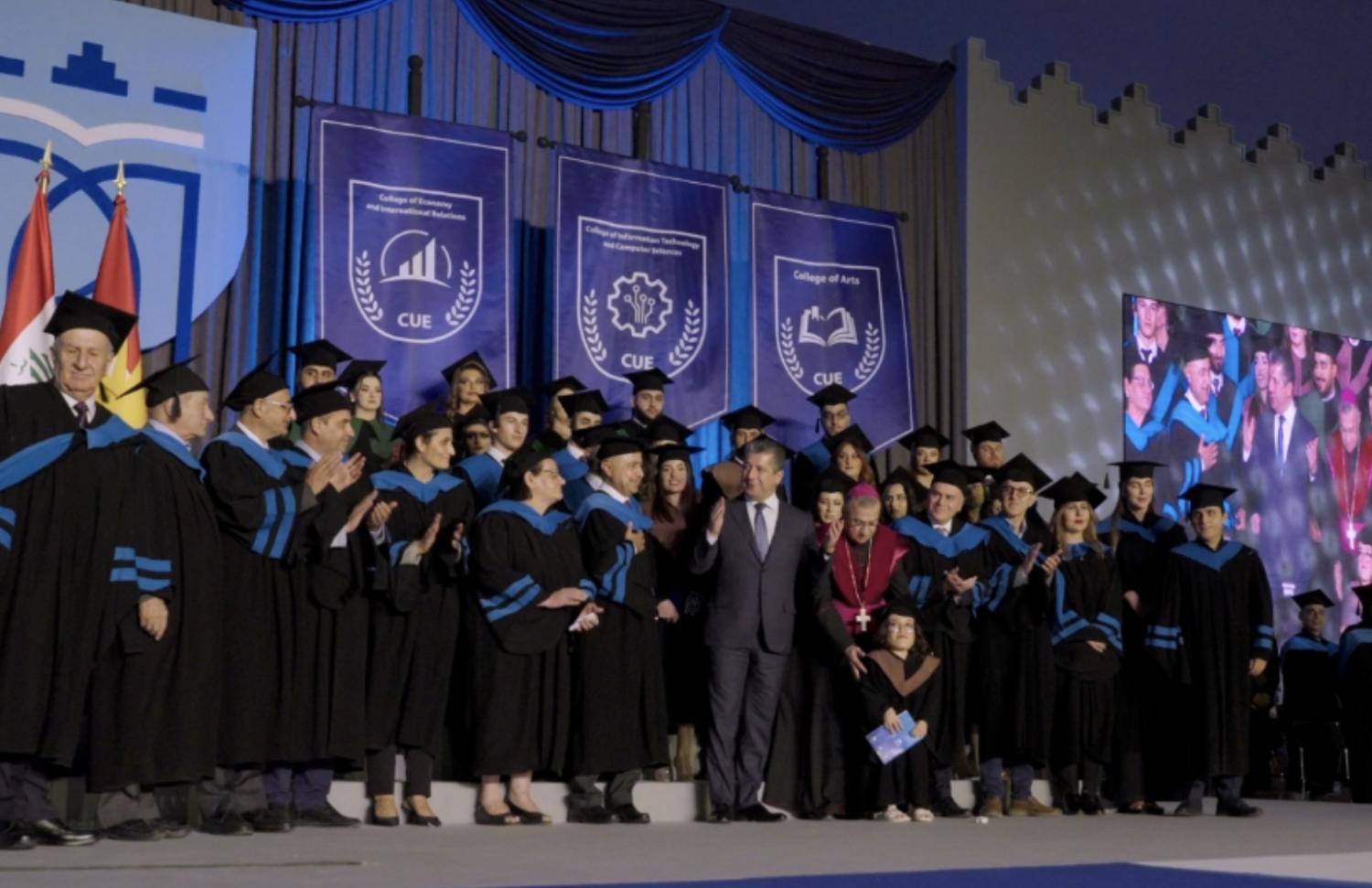
On July 7, 2026, the American University of Kurdistan (AUK) and the Catholic University in Erbil (CUE) became the first higher education institutions in the region to receive Eligibility Status from the Kurdistan Accrediting Association for Education (KAAE).
The decision followed an extensive process involving the submission of KAAE’s Foundational Criteria for Eligibility and supporting evidence, independent peer evaluation and site visits, review by KAAE’s Commission on Higher Education, and final action by its Board of Trustees. The process involved 24 international experts serving as peer evaluators, commissioners, and Board of Trustees members, all with extensive leadership experience in education, accreditation, governance, finance, and quality assurance.
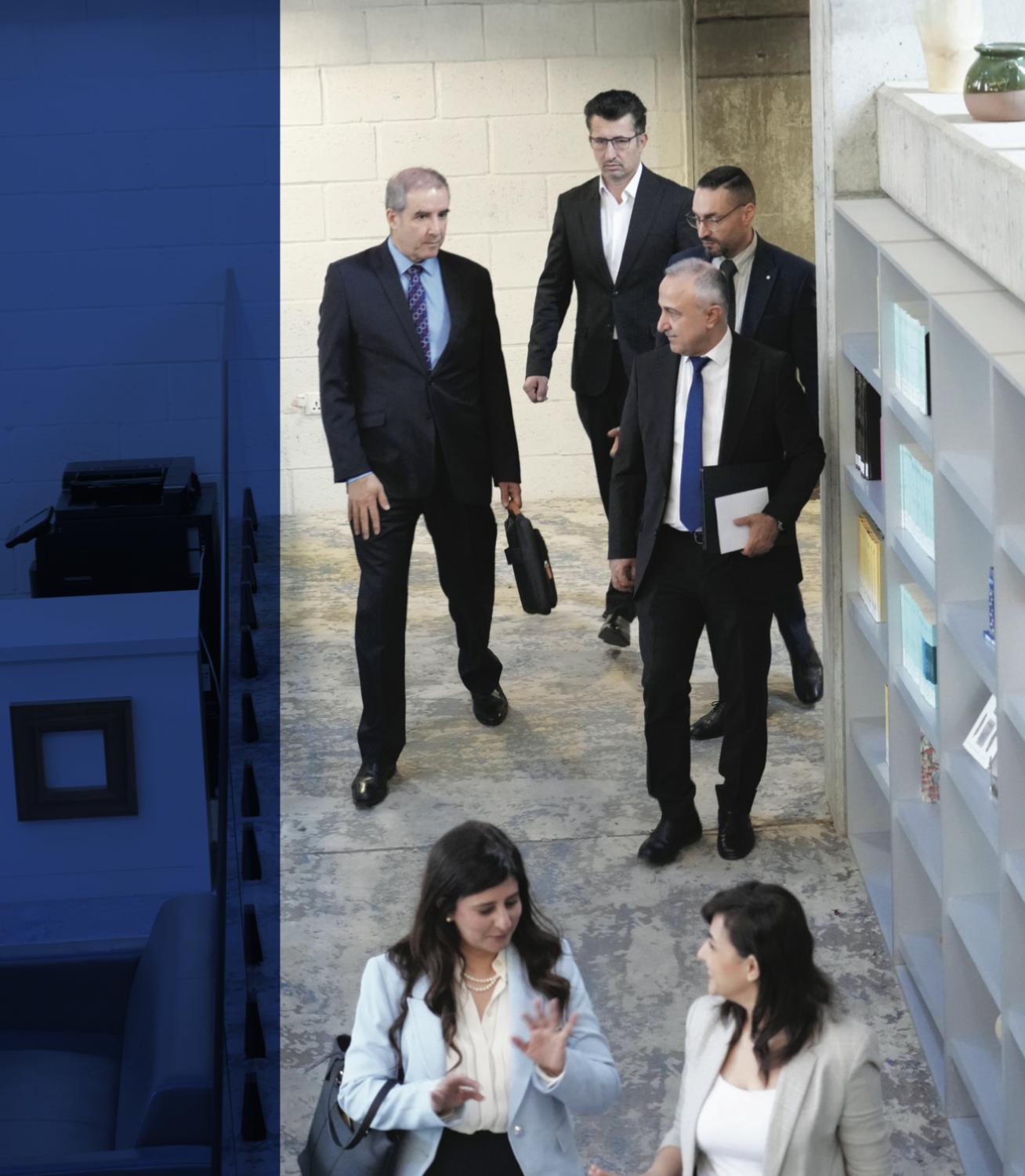
What happened that day was a significant milestone not only because of the status awarded to AUK and CUE, but also because it moved accreditation in the Kurdistan Region from framework development into implementation for the first time.
The Kurdistan Region’s Knowledge Nation strategic vision places education, research, innovation, digital transformation, human-capital development, and workforce readiness at the center of the region’s future. For those ambitions to be realized, they must be reflected in the daily work of schools and universities — in how they govern, teach, support students, assess learning, allocate resources, use evidence, and respond to changing social and economic needs.
In a region that has experienced conflict, displacement, and economic uncertainty, educational institutions are key contributors to community resilience. They should prepare students for success and create pathways to opportunity. As such, accreditation plays a pivotal role in shaping education, creating confidence, and connecting academic institutions to established international academic and professional communities.
Building a Framework for Kurdistan
Earlier in my career, I had the privilege of being part of the core team that launched the American University of Beirut’s first international campus, contributing to its establishment, legislation, registration, and recognition. I experienced firsthand what such a first entailed and what it meant for the institution, its community, and the region in which it operates. The challenge was not simply to establish a campus in a new location. It was to carry the values and ethos of a legacy institution into another national and cultural context while preserving and reconciling its principles and academic expectations with those of the new environment, allowing those principles to take root and flourish locally.
Today, as President of KAAE, I see a similar responsibility.
In developing the region’s accreditation framework, we did not want to simply copy any other country’s model. We learned from numerous international quality assurance practices and utilized the expertise of experienced partners. At the same time, we spent time listening to institutions in the Kurdistan Region, designing and piloting the accreditation standards to see how they worked in practice.
KAAE conducted readiness assessments, extensive institutional engagements, evidence reviews, and pilot implementations. These helped us understand where the standards worked well and where they needed to be refined. That process informed the standards, tools, and procedures in use today.
Our aim has been to build an accreditation framework that reflects the realities of the Kurdistan Region while meeting recognized expectations for quality, integrity, accountability, and continuous improvement. Accreditation gives institutions a structured opportunity to examine their mission and goals, assess their effectiveness, identify areas for improvement, and benefit from independent external peer review.
From Framework to Practice
Ultimately, the real work of educational quality takes place within each institution. It depends on the commitment of its community to understand where the institution stands, determine its goals, and map a path to achieving them. KAAE’s role is to guide institutions throughout this journey through a clear accreditation process, established standards, and independent external reviews. By operating fairly, consistently, and independently, accreditation can strengthen confidence among institutional communities, stakeholders, and the public.
The July 7 decisions marked the formal beginning of KAAE’s higher education accreditation process and the transition of the region’s accreditation framework into operation. We now invite institutions across the region to approach KAAE’s Commissions on Higher Education and K–12 Education and begin their accreditation journey.
This is a first for the Kurdistan Region and a foundation for the future.
President, Kurdistan Accrediting Association for Education