A Kurdish Journey Through China’s Culture and Education
I traveled to China expecting an academic program focused on rail transit and operation management, but the most lasting part of the journey went far beyond the classroom. The lectures were important, yet the deeper experience emerged through conversations, shared meals, university visits, cultural sites, and the simple act of introducing ourselves as Kurdish participants. In those moments, the trip became a two-way exchange. We had gone to learn about China, but we were also carrying Kurdistan with us, its language, landscapes, traditions, and values.
Before the journey, I had followed China’s economic, industrial, and technological development through my work as a business researcher. I knew the statistics, the infrastructure projects, and many of the ideas behind China’s growth. Seeing the country closely, however, added a human dimension that reports and academic papers could not provide. I began to understand development not only through trains, laboratories, and factories, but also through education, discipline, cultural confidence, public organization, and respect for heritage.
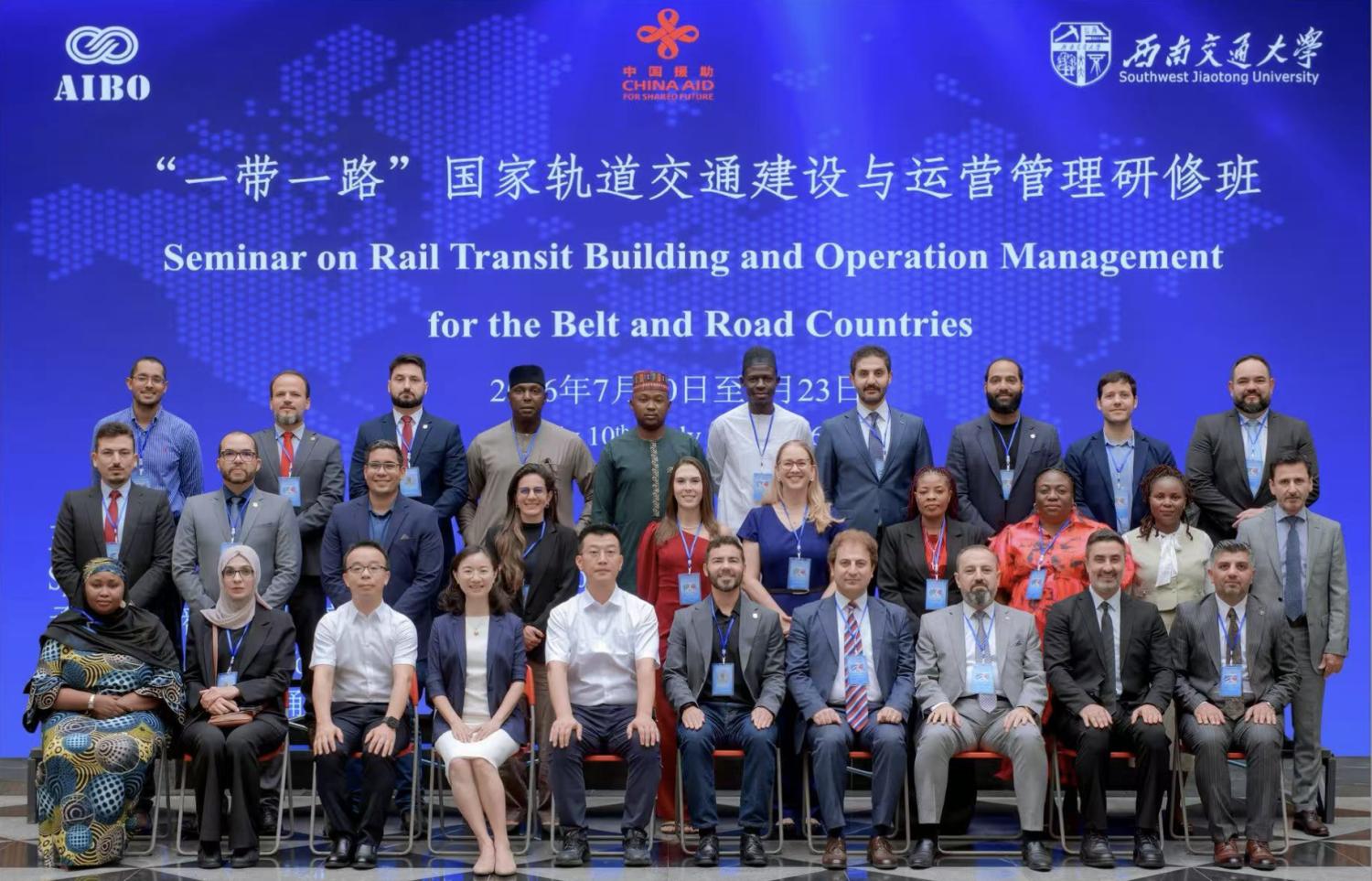
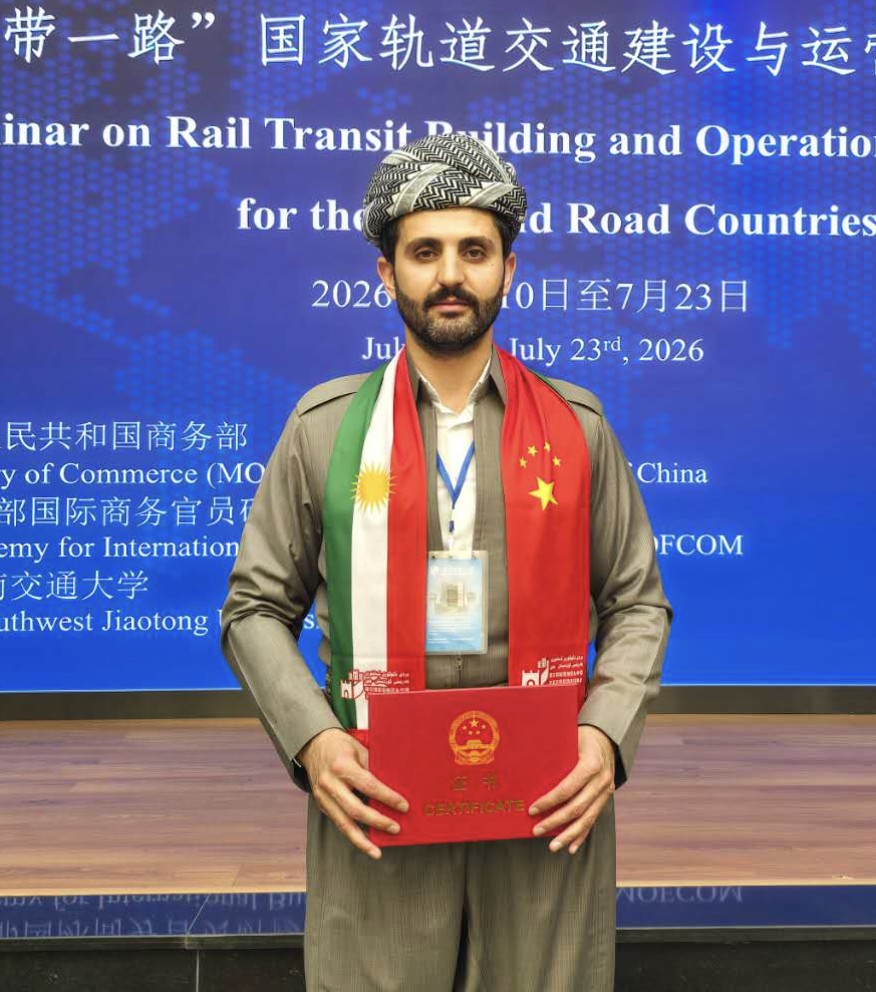
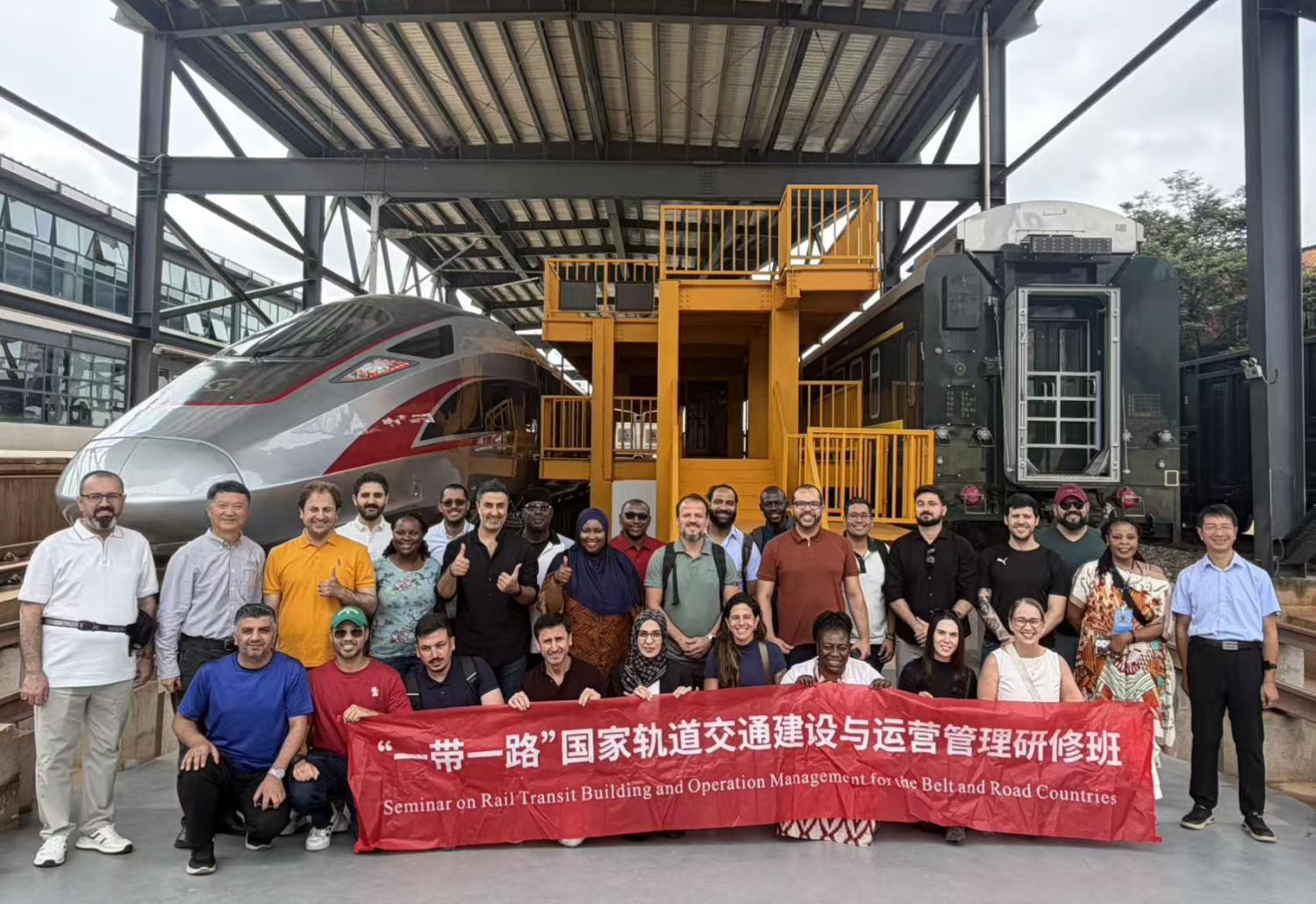
Our official purpose was to attend the seminar on Rail Transit Building and Operation Management for the Belt and Road Countries, hosted by Southwest Jiaotong University. The program brought together participants from different countries and combined lectures with field visits, professional exchange, and cultural activities. Although the subject was specialized, the values behind the program were wider: learning from one another, building professional relationships, and understanding how education can respond to national needs.
As Kurdish participants, our identity naturally became part of the experience. Among the people I met, my impression was that there was curiosity rather than a single fixed image of Kurds. Whenever we introduced where we came from, the conversation created an opportunity to speak about the Kurdish language, the Kurdistan Region, our mountainous geography, and our cultural traditions. We were not only trainees introducing our professions; we were also informal representatives of a people and a place that some of those we met knew only partly.
The educational institutions we visited were among the most impressive parts of the trip. At Kunming Railway Vocational and Technical College, a professor explained how technical education prepares students for practical responsibilities. What attracted my attention was the connection between study and work. Students were not being educated only to receive certificates; they were being trained to operate, inspect, maintain, and improve real systems.
This experience made me reflect on the role of vocational education in Kurdistan. Universities are essential, but societies also need well-prepared technicians and professionals whose skills match the needs of transportation, industry, energy, technology, and public services. A strong education system should not separate theory from practice. It should help students understand why their knowledge matters and where it can be applied.
The same idea appeared during our visit to the State Key Laboratory at Southwest Jiaotong University in Chengdu city. The laboratory showed how research, education, and practical development can support one another. The most important lesson was not a particular machine or technical formula, but the institutional relationship between the university and the wider needs of society. Research was connected to real challenges, and education was linked to innovation. The laboratory materials themselves describe applied research and the training of scientific and technical talent as central parts of railway modernization.
The lectures supported this general understanding. Railway development was presented as an integrated system involving planning, operation, maintenance, safety, passenger service, and skilled personnel. For me, the broader message was that large national projects succeed when institutions cooperate and when people are trained to manage them over time. Infrastructure is not sustainable through construction alone; it requires knowledge, responsibility, and continuous care.
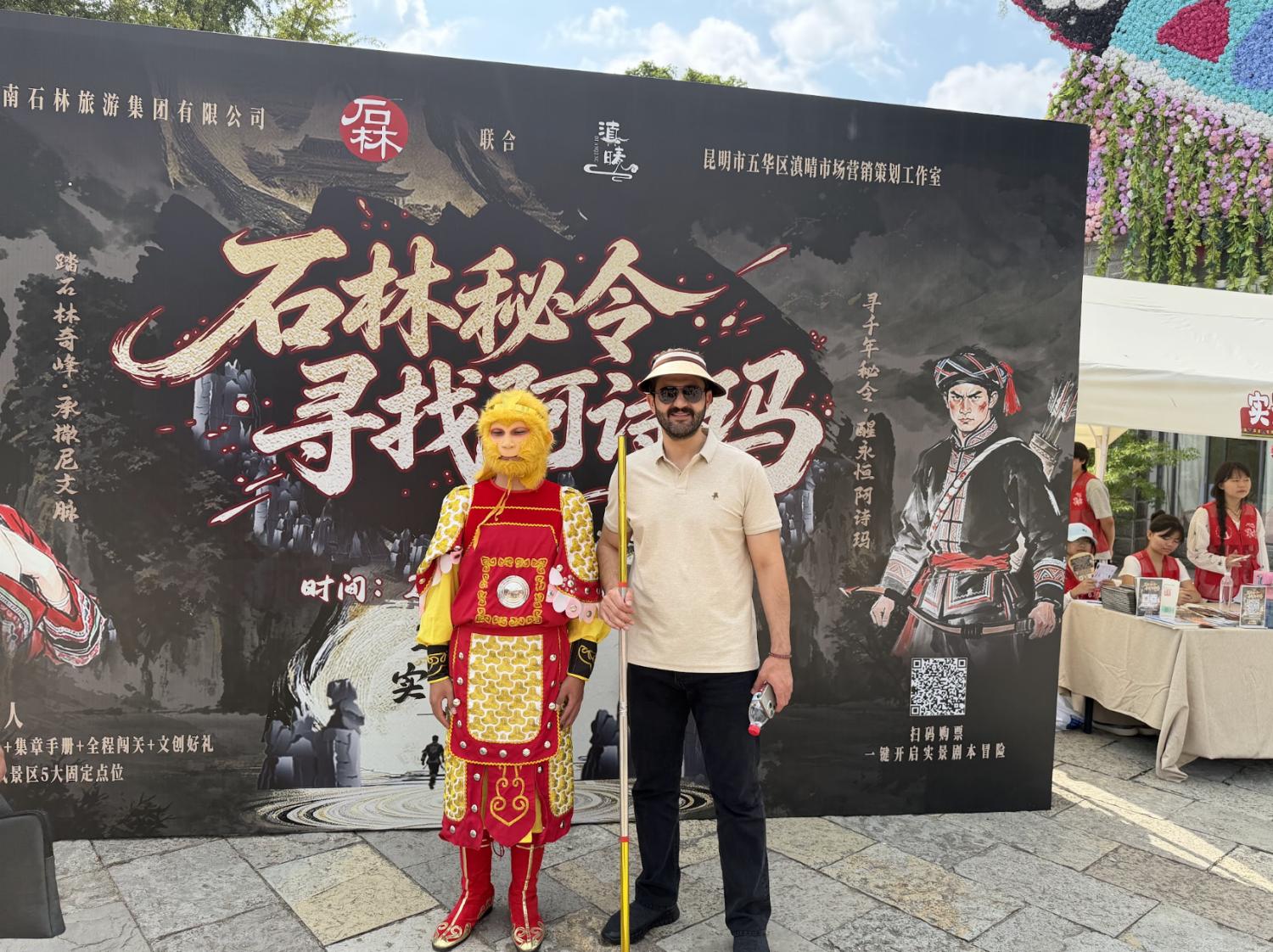
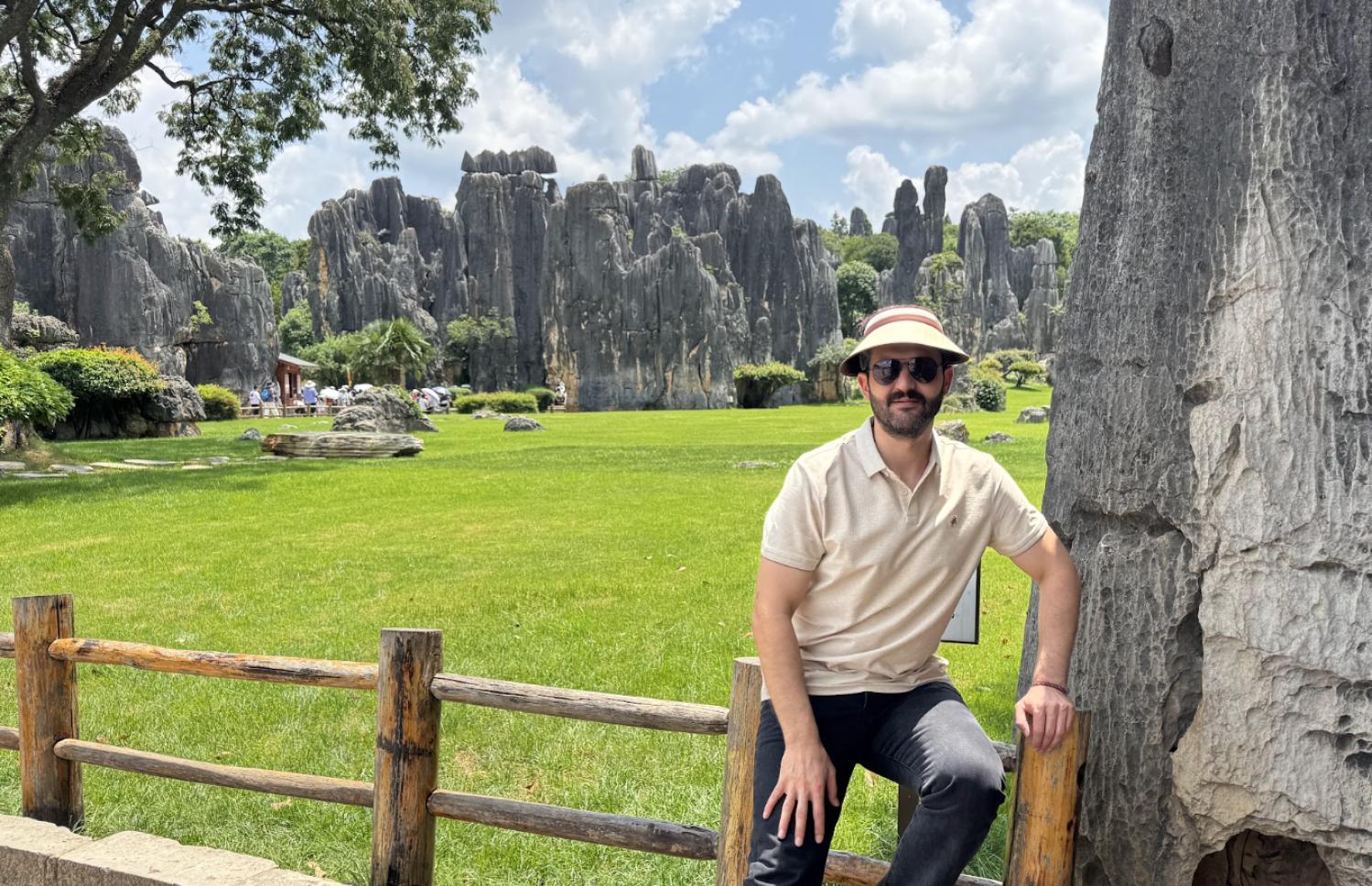
Yet China was not only laboratories and modern transportation. During the same journey, we visited the Stone Forest Scenic Global Geopark in Yunnan, Baoguo Temple and the Mount Emei area, Kuanzhai Alley in Chengdu, and the Chengdu Research Base of Giant Panda Breeding. We also visited the Nongfu Spring Emeishan Production Base, where modern industrial organization stood beside the region’s natural and cultural attractions.
Moving between these places revealed something important: modernization and heritage were not treated as opposites. Advanced research institutions, industrial facilities, ancient temples, traditional streets, and protected landscapes all appeared within the same national story. Development had not erased the past; instead, heritage was organized, protected, and presented as part of public life.
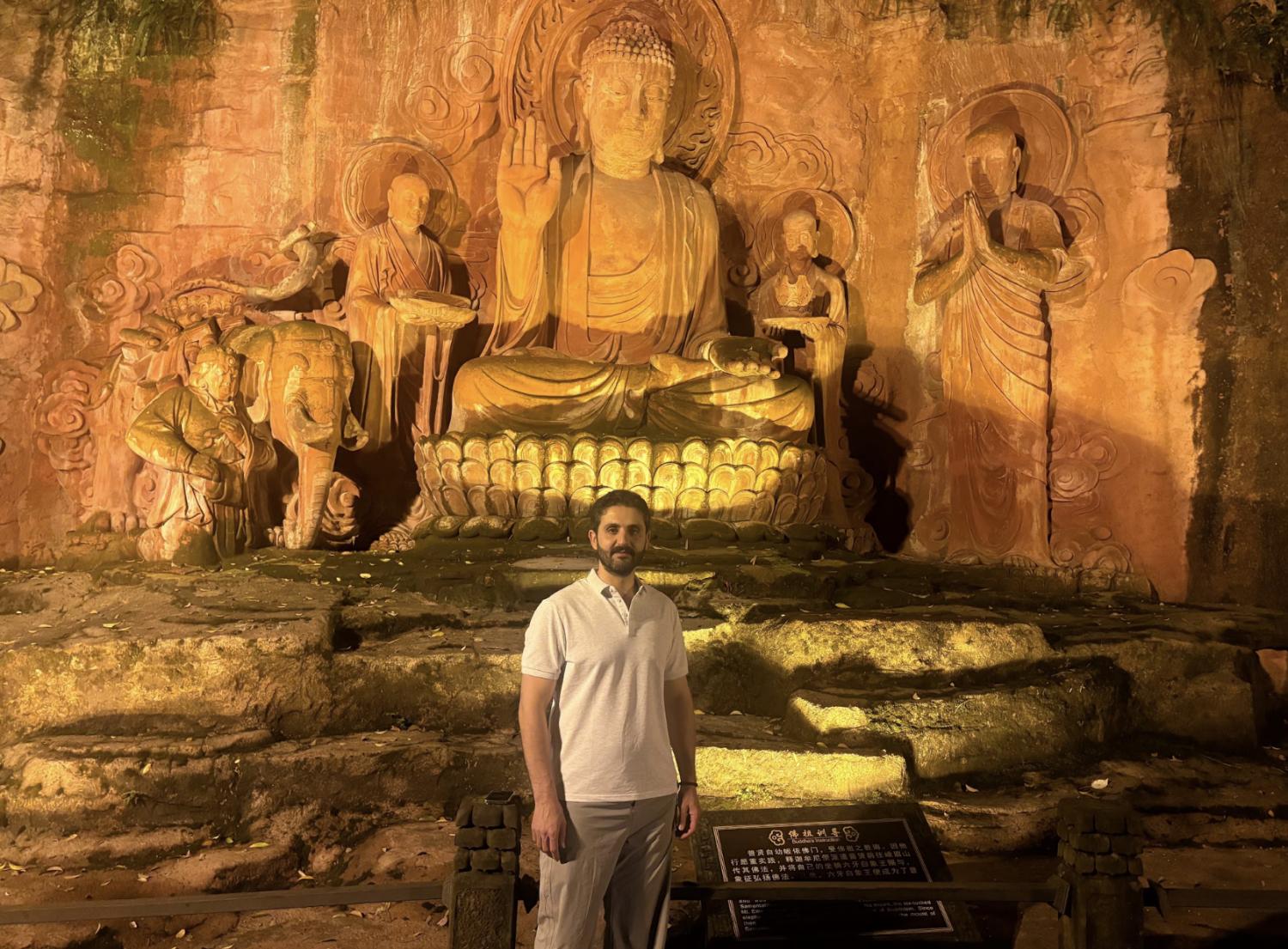
This is especially meaningful from a Kurdish perspective. Kurdistan also has mountains, archaeological sites, sacred places, traditional architecture, music, clothing, and a powerful cultural memory. Our challenge is not simply to preserve these things as symbols, but to connect them thoughtfully with education, tourism, research, and sustainable local development. A historic site can be a place of memory, but it can also be a classroom, a source of employment, and a bridge between generations.
There were also human similarities that made the distance between China and Kurdistan feel smaller. In my interactions, I noticed respect for guests, pride in cultural identity, and a serious attitude toward education and work. Kurdish and Chinese societies are different in language, history, and scale, but hospitality, family, and respect for tradition can create immediate points of understanding. Cultural exchange becomes meaningful when people recognize both difference and familiarity.
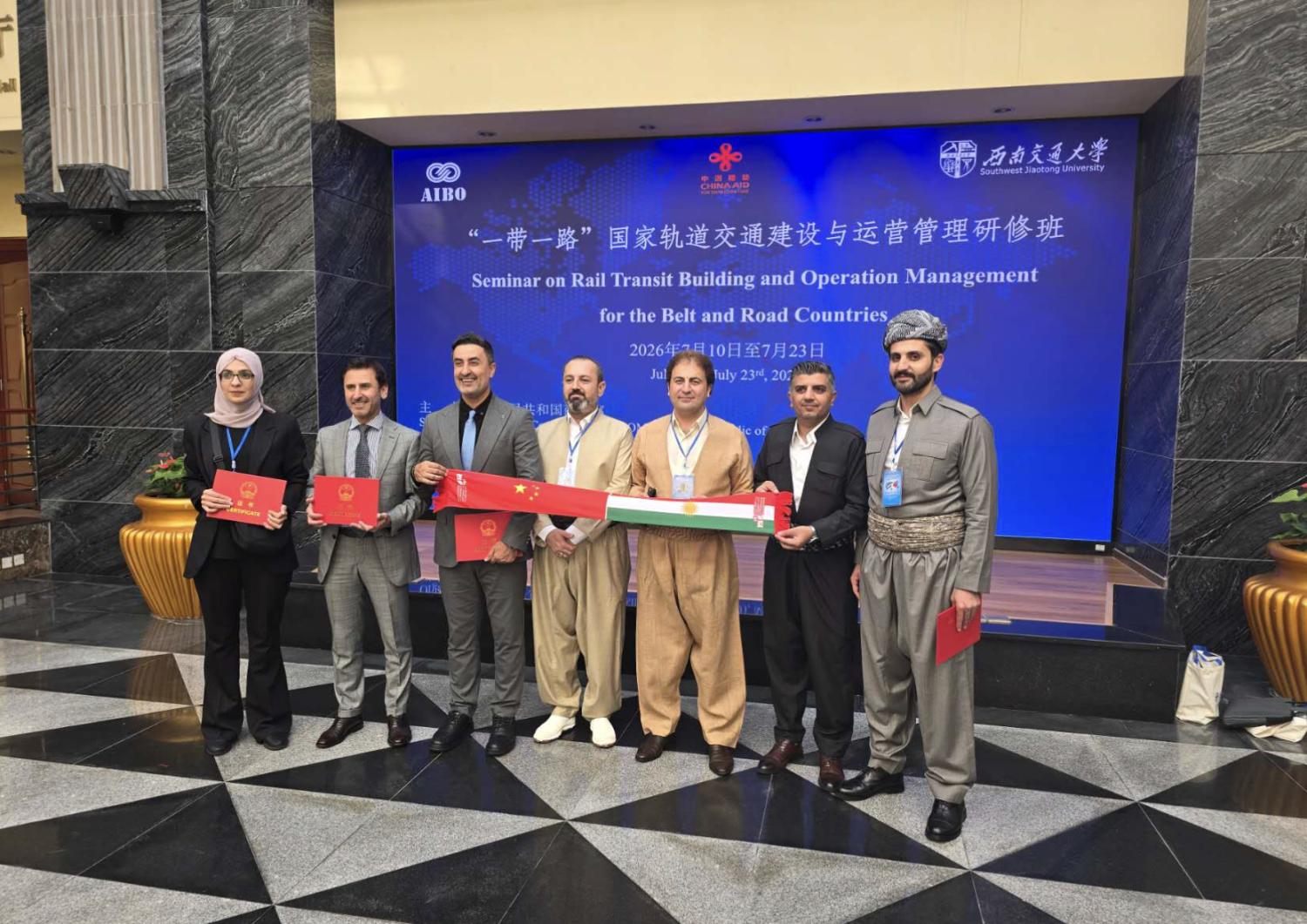
The trip also showed the value of international group learning. Participants arrived with different professional backgrounds and national experiences, but shared travel and discussion created relationships beyond formal sessions. A lecture may provide information, while a journey allows people to understand how others think, live, and describe their homes. This human dimension is one of the most valuable goals of educational exchange.
I returned from China with greater knowledge of railway management and education, but the journey also changed how I thought about culture and representation. We went as participants in an academic program, yet every conversation about our origin became an opportunity to introduce Kurdistan. At the same time, every university, temple, laboratory, and landscape helped us see China beyond headlines and statistics.
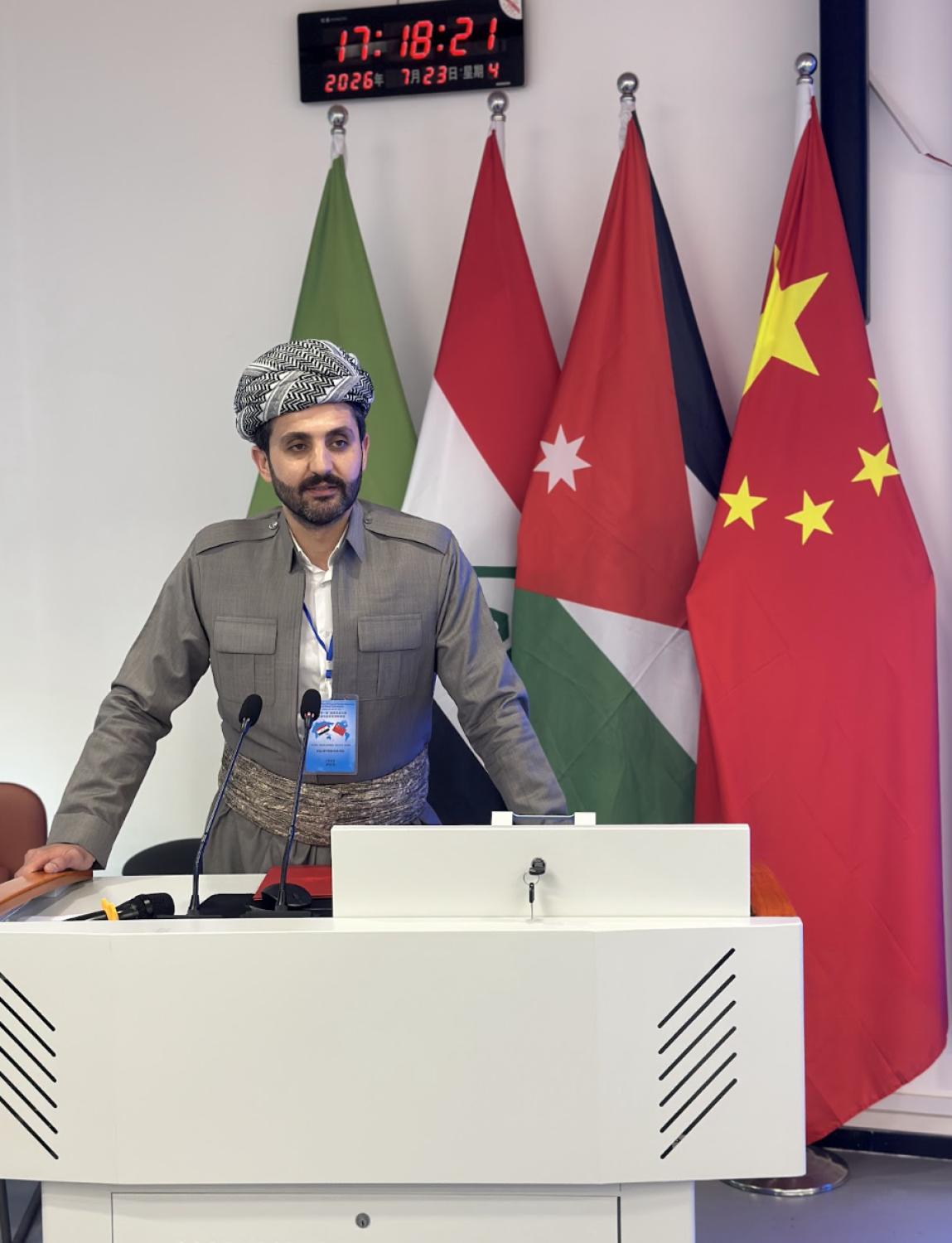
The greatest value of the trip was therefore not limited to what was taught. It was the realization that education can connect institutions, cultures, and people. We traveled to learn about a modern railway system and operation management, but we returned with a broader lesson: development becomes more meaningful when it preserves identity, invests in knowledge, and creates space for people to understand one another.
References
Khidhir, Q. (2023, June 7). Kurds learn Chinese for better job prospects. Kurdistan Chronicle. https://www.kurdistanchronicle.com/babat/2628
Khidhir, Q. (2024, April 5). Teaching Kurdish language in China. Kurdistan Chronicle. https://www.kurdistanchronicle.com/babat/3003
MBA, is a business researcher and Head of the Business Department at Cihan Institute in Erbil, Kurdistan Region of Iraq.