Ed Kashi’s journey through Kurdistan’s defining stories
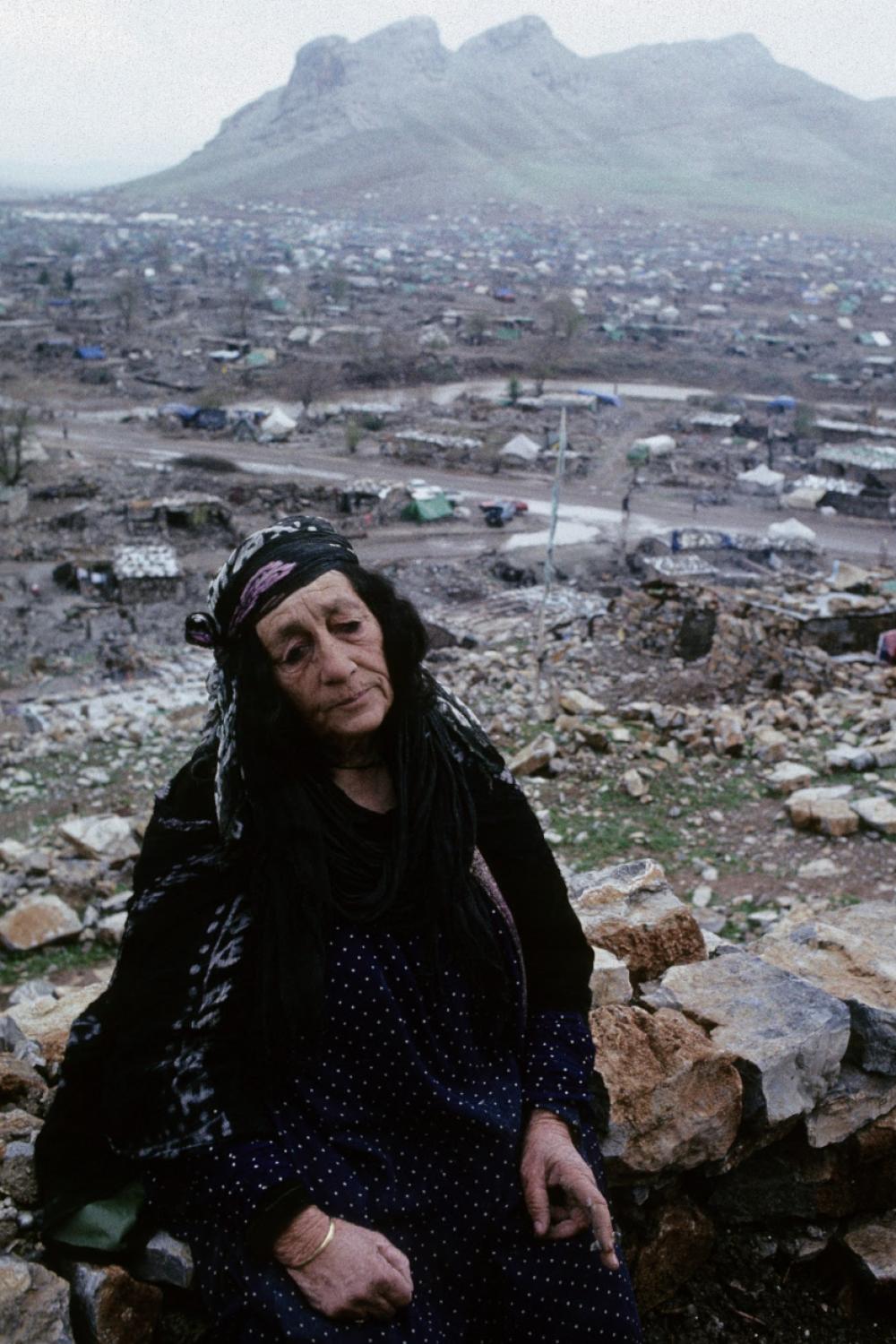
While working on a long-term project in Northern Ireland in the early 1990s, Ed Kashi first encountered the story of the Kurds. What began as professional curiosity about the world’s largest stateless nation — for a photographer who had spent four decades documenting social and political issues across the globe — would grow into a three-decade commitment to documenting Kurdish life across the Middle East and eventually lead him back to his own family’s history as Iraqi Jews.
The Three-Decade Journey
Over the years, Kashi came to see the Kurds as one of the Middle East’s most important, and most overlooked, peoples. He was particularly struck by the contrast between their treatment by regional states and the hospitality he encountered during his travels. “I’ve seen how they continually are mistreated and discriminated against by the Arabs and Turks, used and then discarded by foreign powers,” he said. Yet his experiences across Kurdistan and among Kurdish diaspora communities left a different impression: “The Kurds are one of the most welcoming and tolerant peoples in the region.”
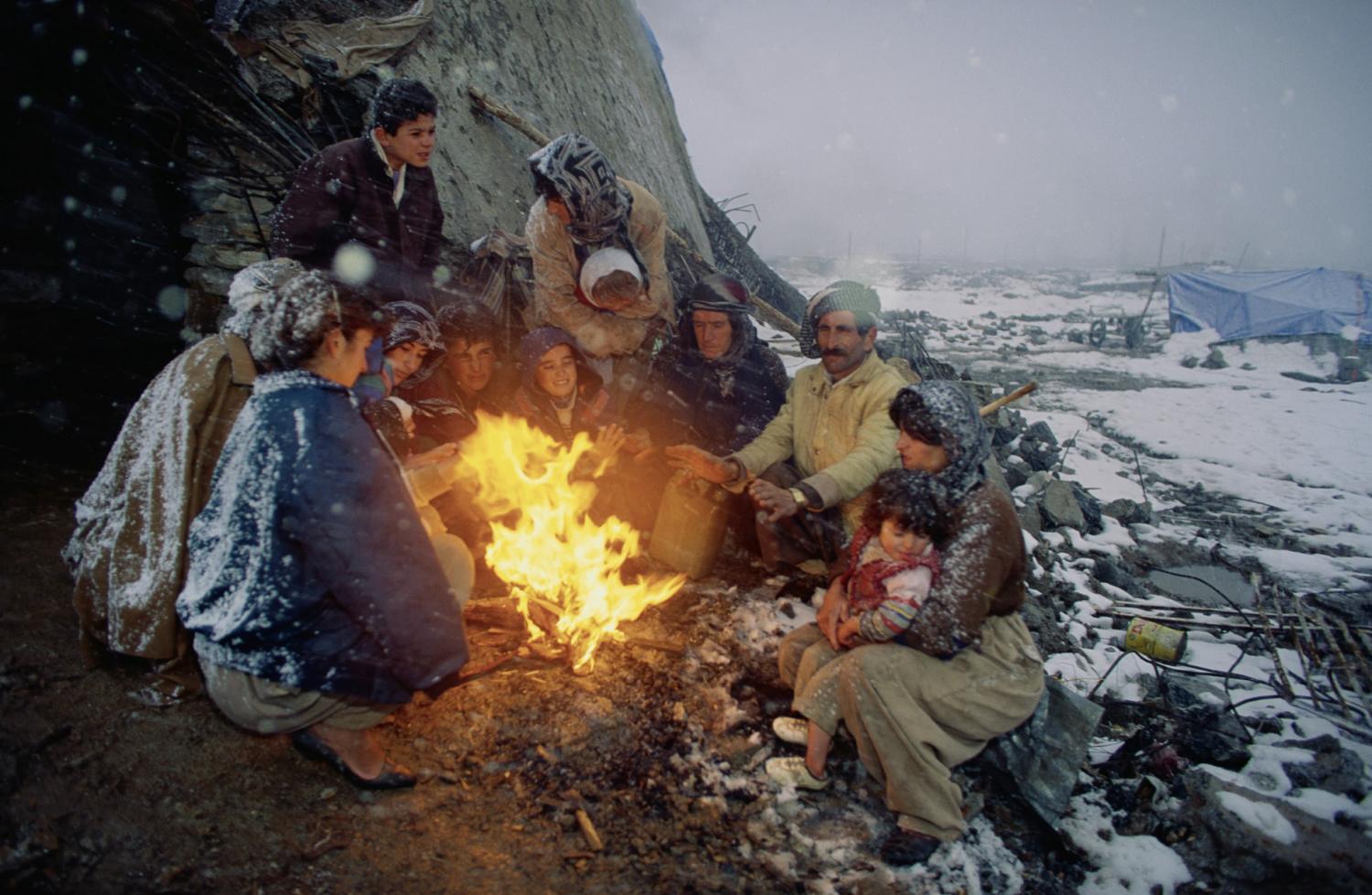
Kashi attributes these qualities to the depth of Kurdish history and culture. He describes the Kurds as a “vital part of the history of Western civilization” and of the Middle East more broadly, while noting that they have often been victims of both history and modern geopolitics.
Despite the region’s challenges, Kashi sees reasons for optimism in the Kurdistan Region’s relative stability, economic development, and social openness. In particular, he points to the role of women in public life as a sign of progress. “I see more freedom for women, which is critical to building a strong society,” he said.
Discovering the Past
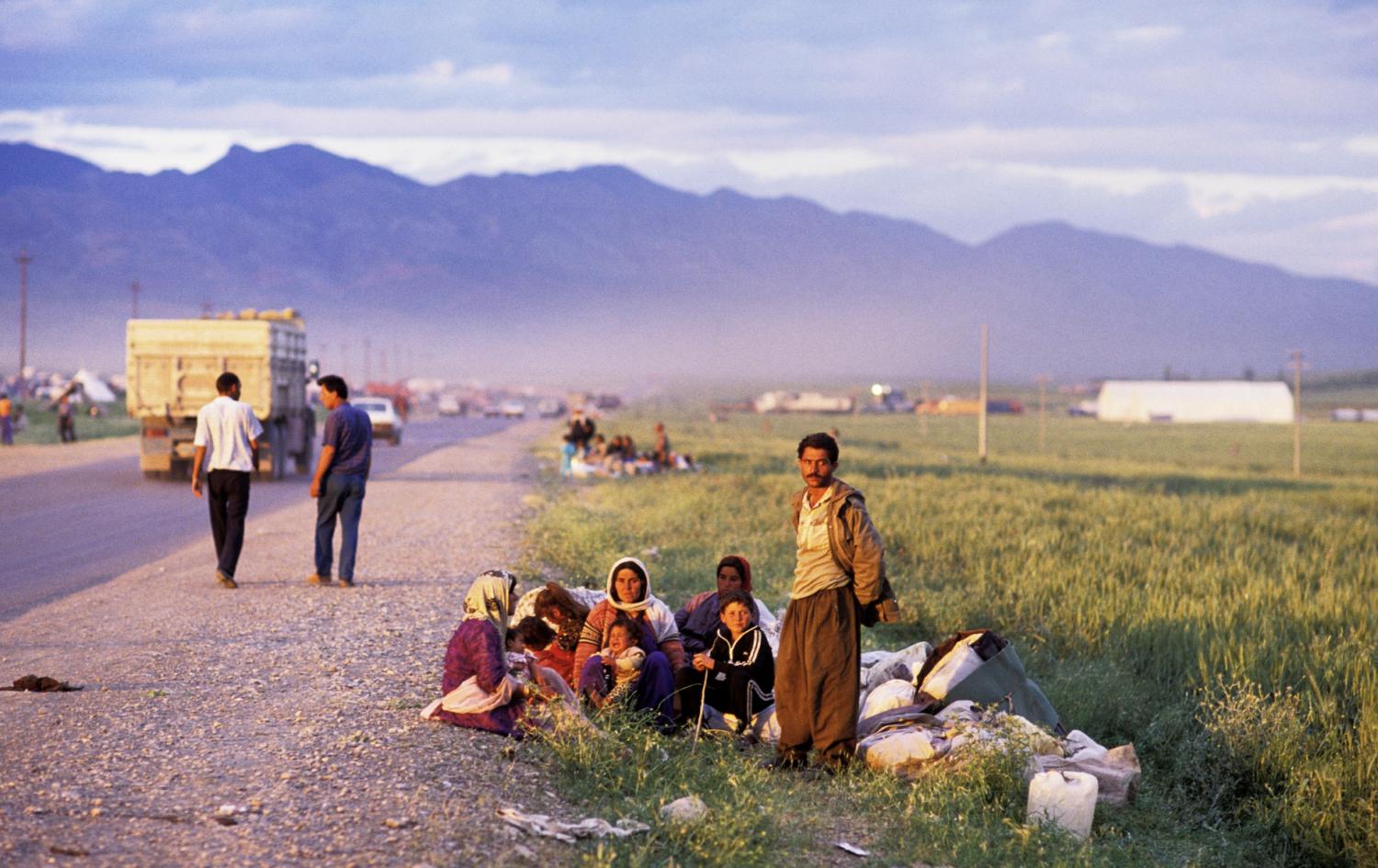
Kashi’s work among the Kurds became more than a professional project. In many ways, it also became a journey into his own past.
His father died when he was only 10 years old, leaving much of the family’s history untold. As the son of Iraqi Jews who had been forced to leave their homeland, Kashi grew up in the United States largely disconnected from that part of his heritage. It was only through his travels in Kurdistan and the wider region that he began to understand what had been lost.
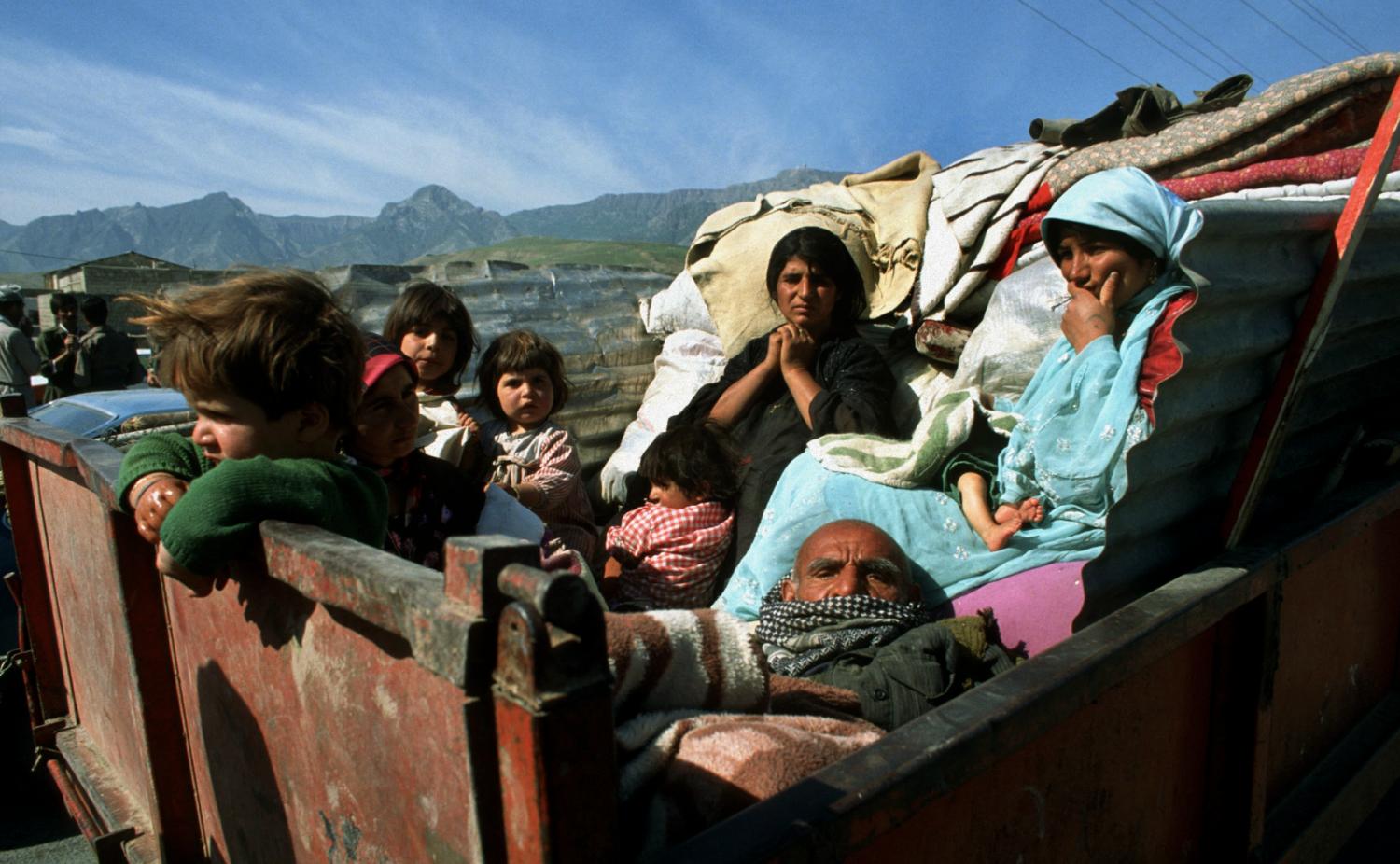
“We were forced out of Iraq due to political and religious discrimination and violence,” he recalled. “Growing up in America, I was far removed from that reality until I traveled to the region for my work on the Kurds in my early 30s. That is where my education of my past started.”
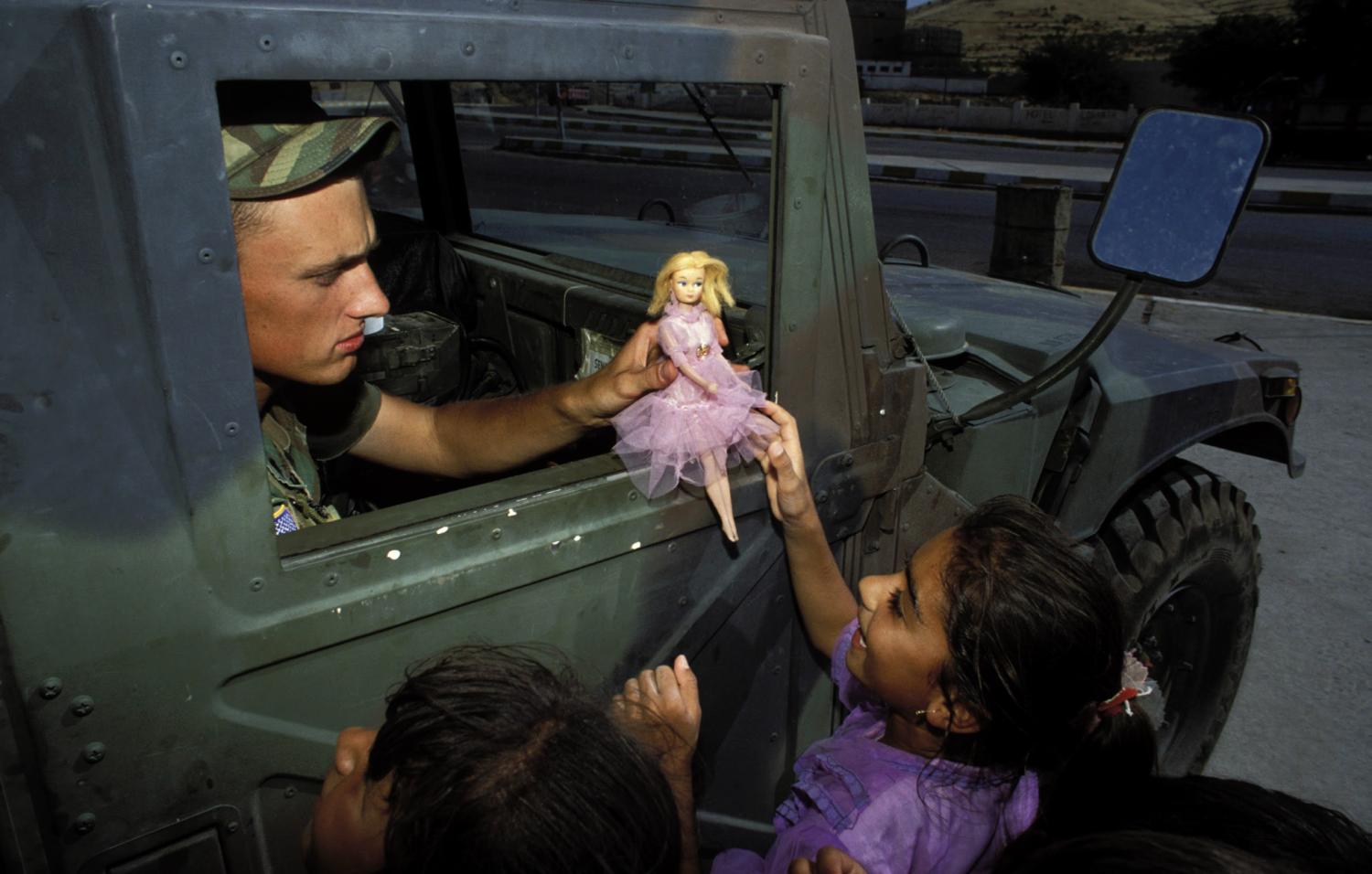
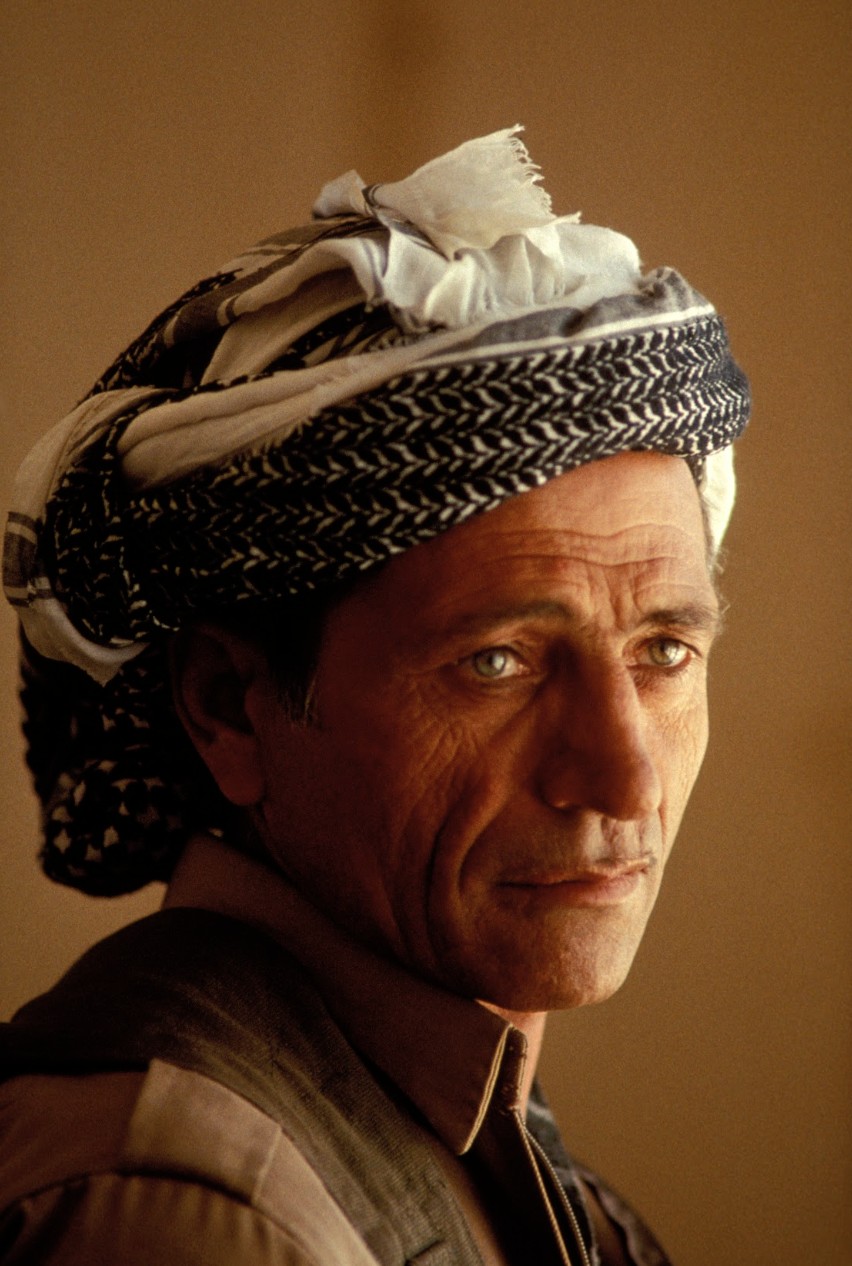
Some of Kashi’s most enduring memories of Kurdistan are tied to that process of discovery. He recalls crossing into Iraq from Turkey through the Zagros Mountains with a Kurdish guide for the first time, an experience he describes as both moving and profound. His work in the region produced some of his most important images, including a photograph of a Kurdish woman on trial in Diyarbakir, which he considers one of the defining images from his decades of work on Kurdish issues.
When The Borders Bleed
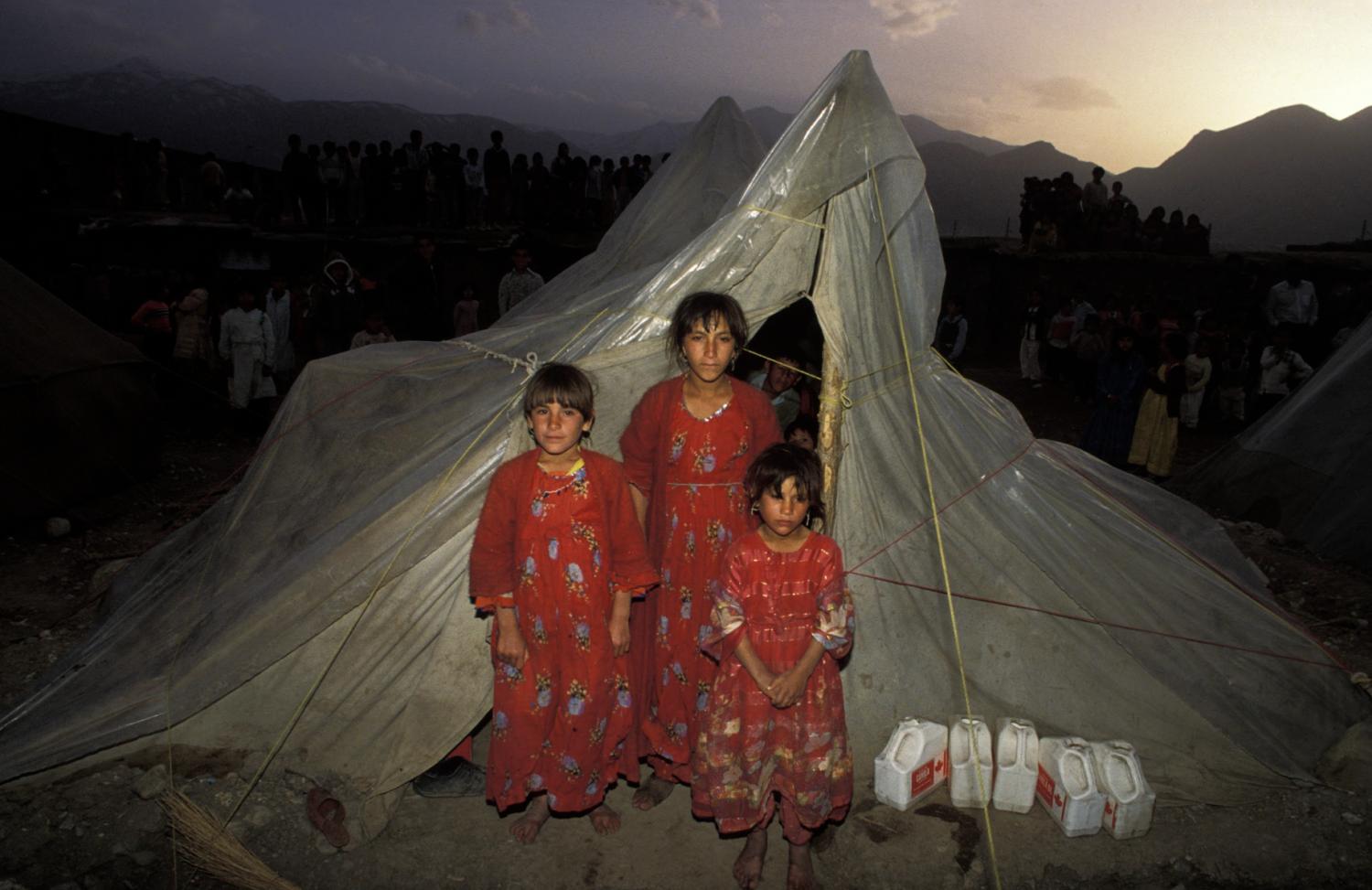
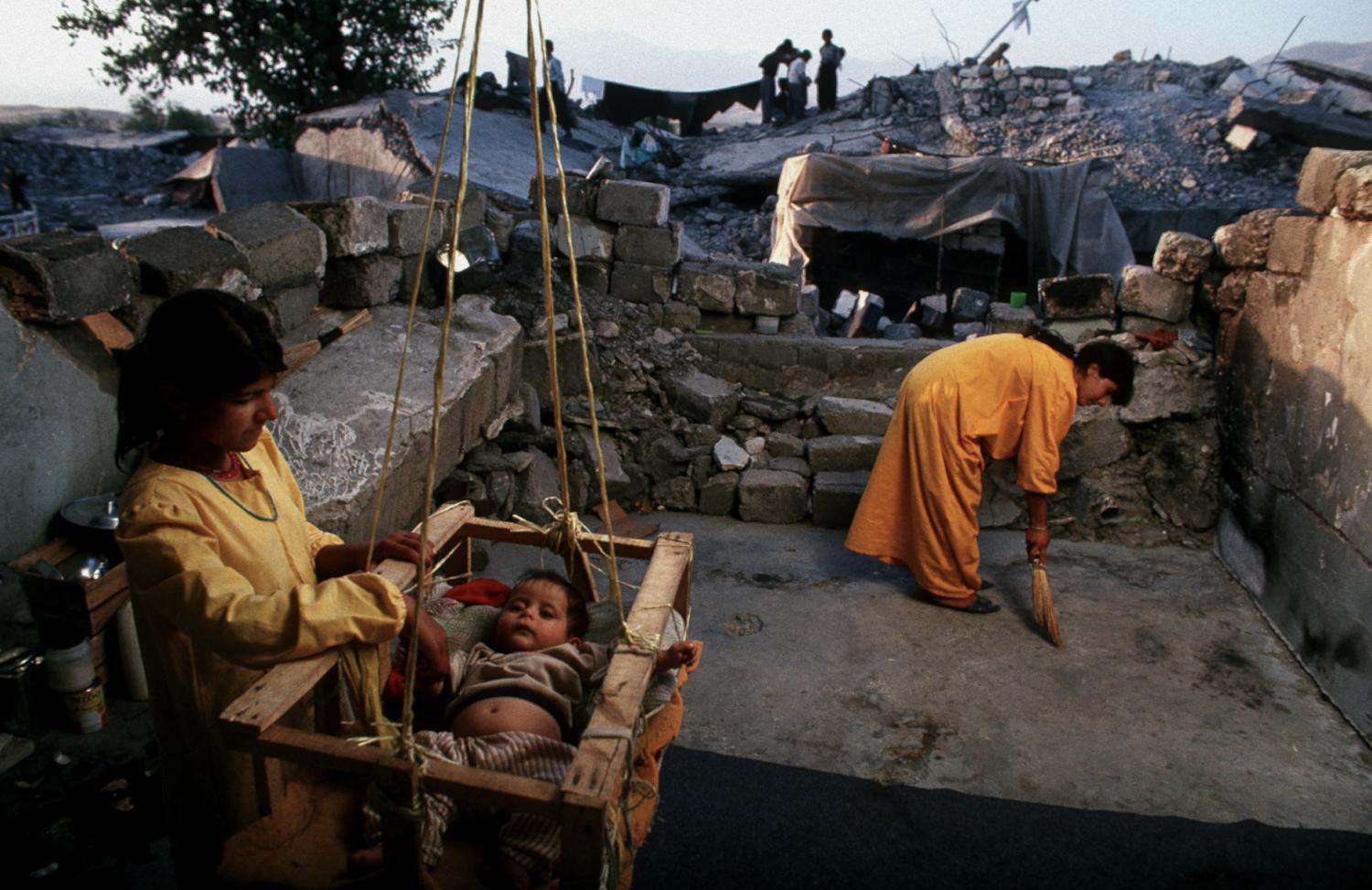
Kashi’s 1994 book, When the Borders Bleed, has become a resource for Kurds seeking to understand their own history — a fact he finds meaningful. “I am honored to have been able to contribute to the story of the Kurds,” he said. He also notes, with some irony, that relatively few Kurdish photographers have been able to document that story themselves, many having lived in exile or worked under severe political constraints.
For Kashi, the camera has been more than a tool for recording events. It has served as a means of understanding people, places, and ultimately himself. He believes photography and storytelling can help illuminate unfamiliar realities, spark curiosity, and foster empathy toward the “other.”
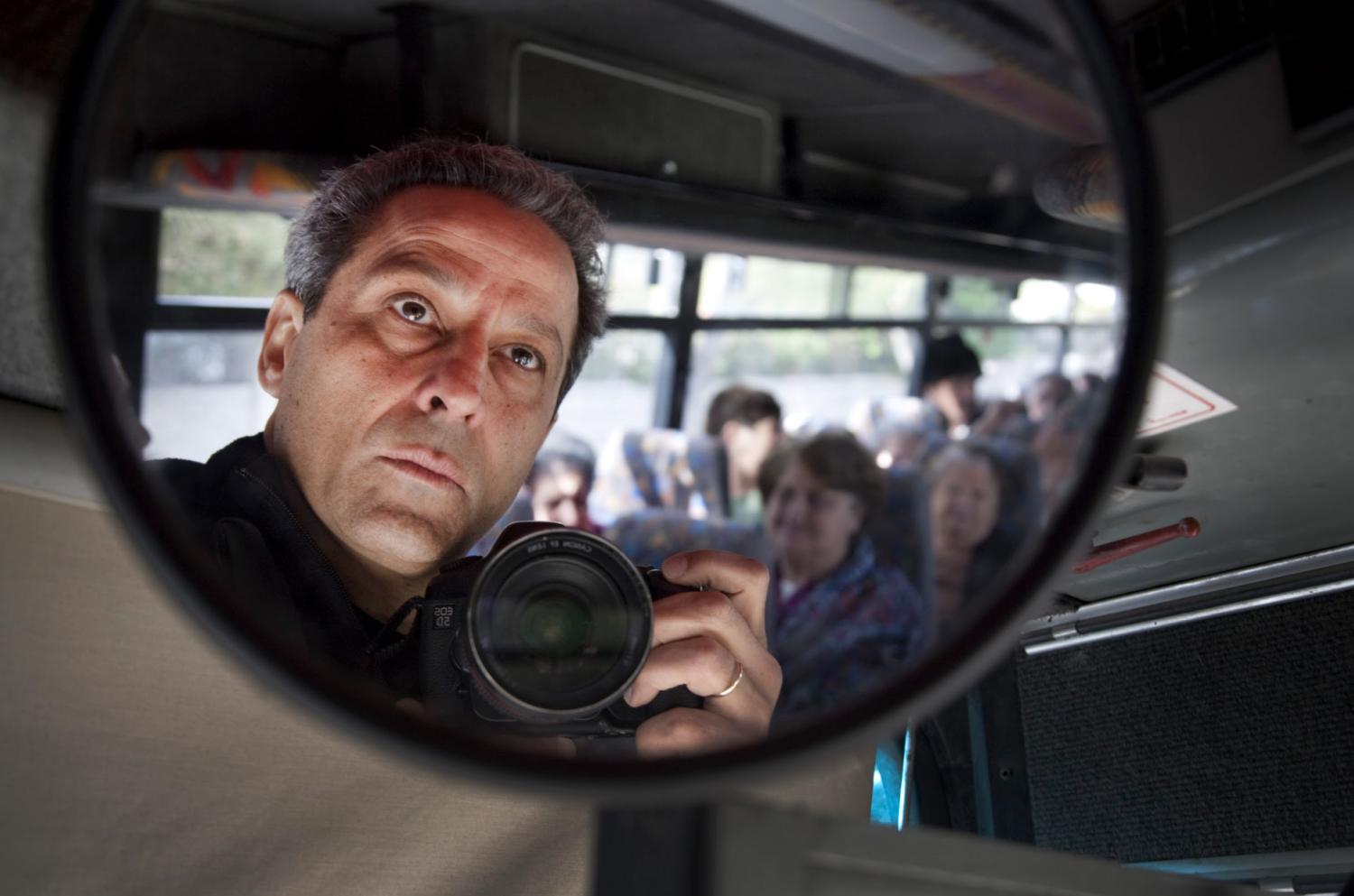
His attention has increasingly turned to global challenges such as climate change — but he continues to regard his work on the Kurds as one of the defining chapters of a four-decade career. “The camera has made me much richer, more enlightened, and experienced in the ways of the world,” he said, “but in some ways saturated with other people’s trauma and histories.”
A Kurdish journalist who has worked for a number of local and international media institutions.