Reading the wall carvings in the notorious Nugra Salman Prison
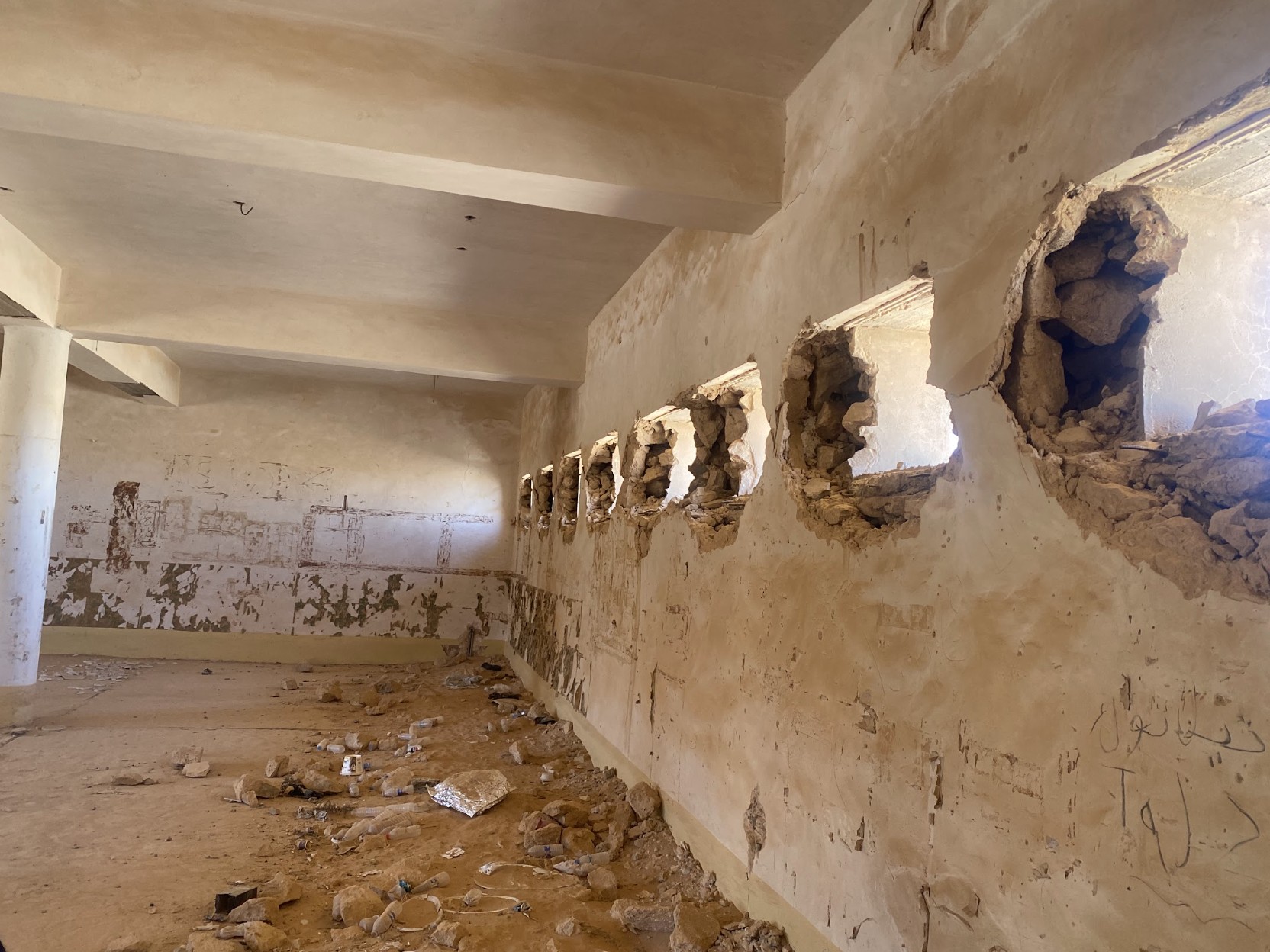
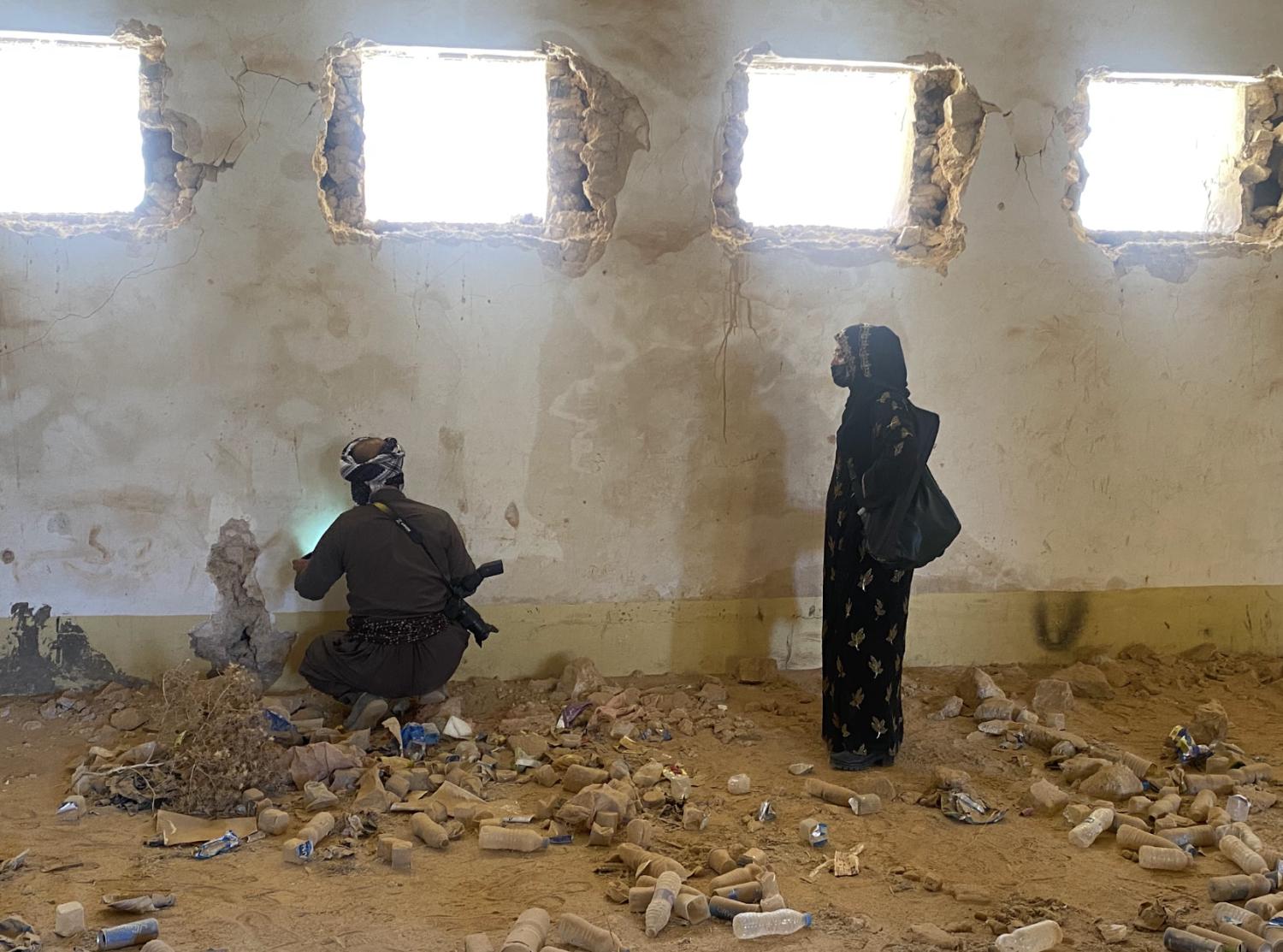
Throughout history, tyranny has sought to silence its victims through numbers, statistics, and institutionalized violence. Yet the walls of one of the most infamous prisons in contemporary Iraqi history — Nugra Salman — became silent witnesses to the unimaginable. In the late 1980s, when the Ba’ath regime’s Anfal campaign subjected Kurds to genocidal violence, a different arena of resistance emerged. There, inside the death-laden halls, two children, Zarê and Dara, carved a testament of survival using the most primitive of tools: the handle of a spoon.
This article provides a psychological and semiotic reading of the lines and drawings the children left behind on the walls of Nugra Salman — lines that became enduring records of suffering, memory, and survival.
An Affirmation of Existence
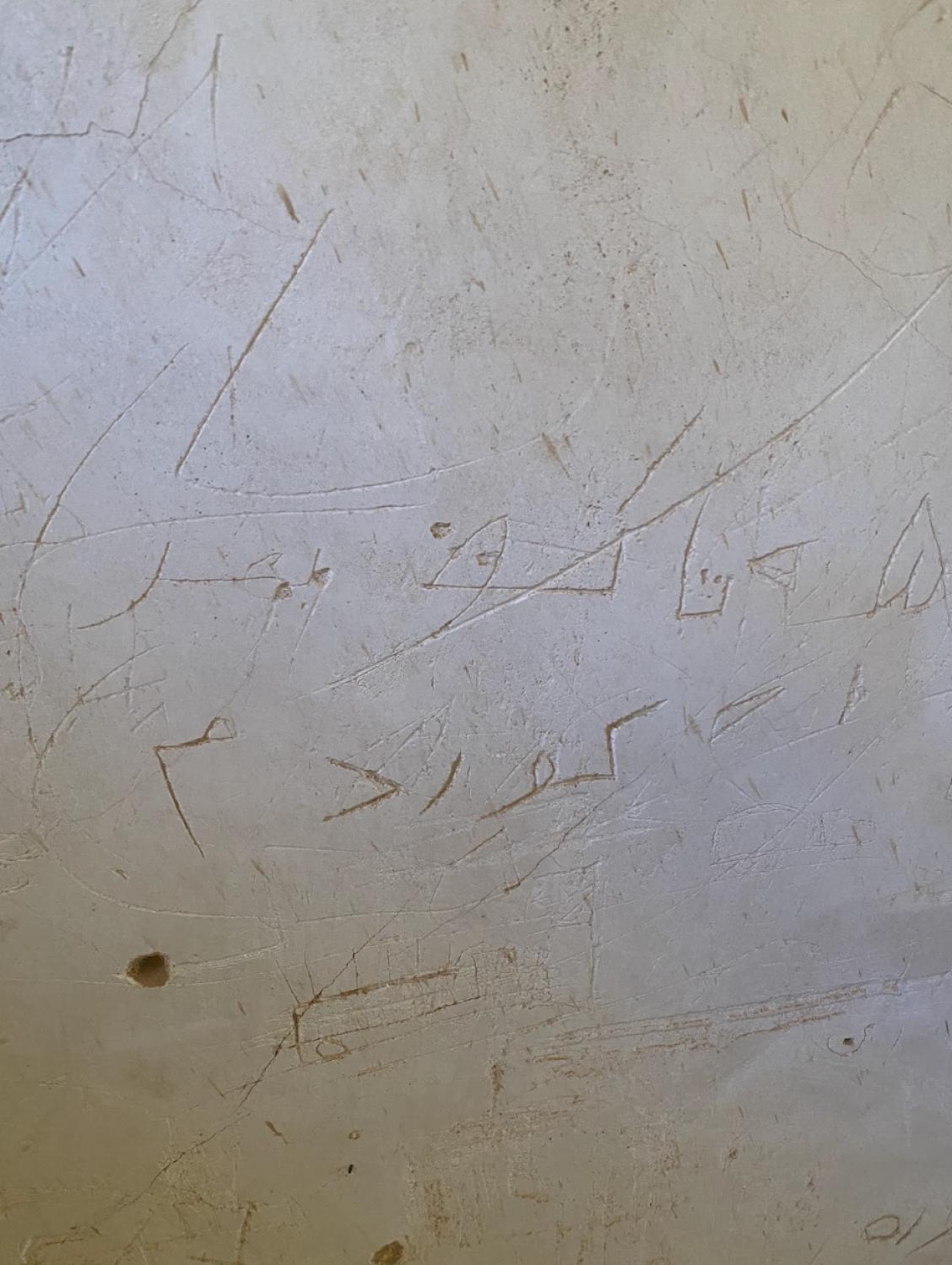
When a human being is cast into an environment of total confinement and erasure — an environment stripped of all fundamental rights — the act of “leaving a mark” becomes a profound psychological defense mechanism. By carving into the prison wall with the handle of a spoon, Zarê and Dara were, in essence, screaming: “We are here; we are not yet dead!”
The carving of their names alongside words like “Kurdistan” or “Nugra Salman Prison” in trembling yet deeply meaningful letters represents a fierce psychological struggle to preserve identity. In a place where human beings were reduced to mere numbers destined for annihilation, these two children returned to the most fundamental human instinct: evoking their names and identity as a defense against the void of erasure.
Terrified Eyes and Merciless Guards
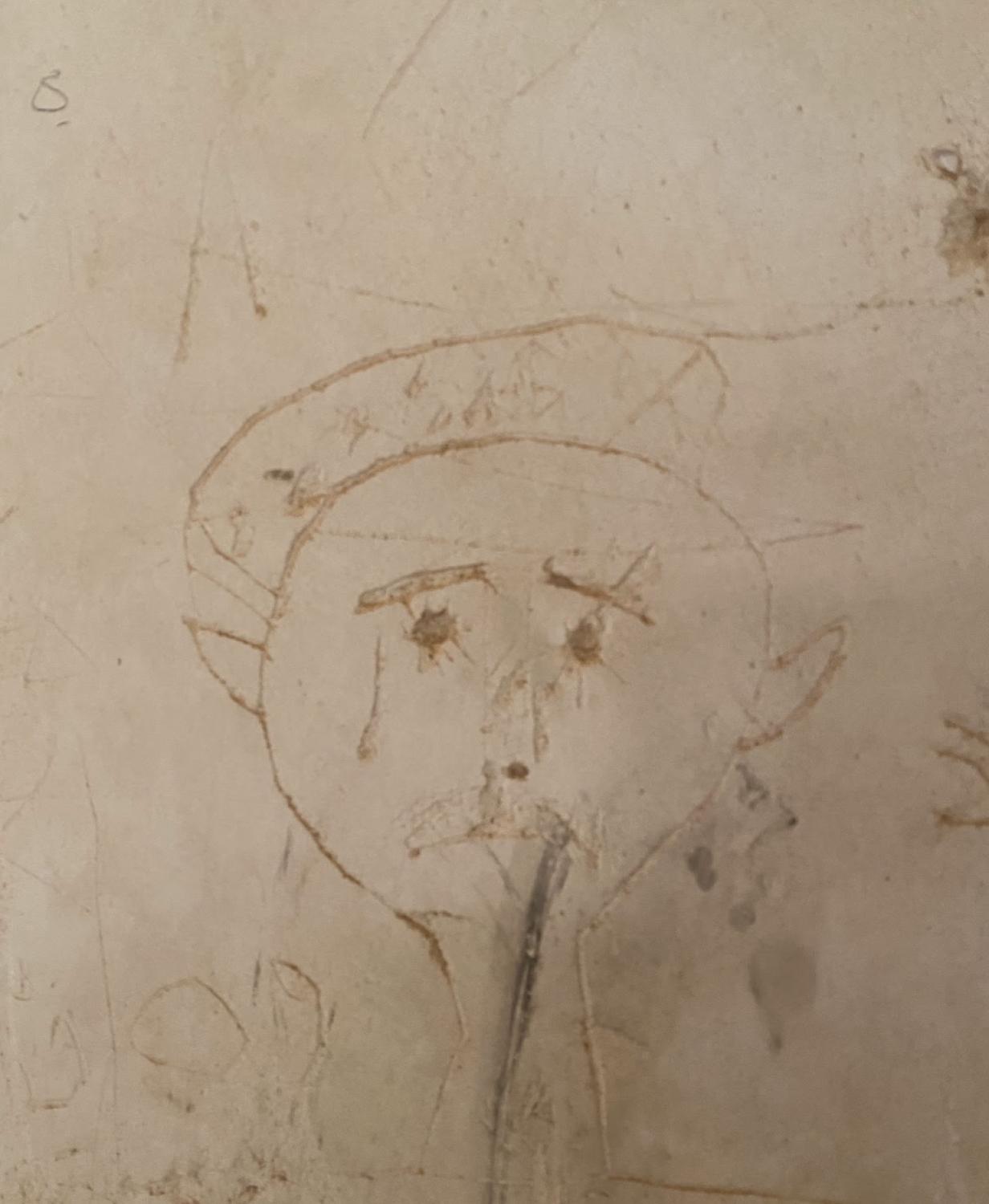
Among the documented drawings, a helmeted figure appears: the image of a guard or a soldier of the regime. What strikes the viewer is the manner in which the eyes are drawn. They have been carved with a distinct violence, with lines resembling tears or blood.
This reflects a psychological state known as hypervigilance — a chronic terror born of continuous, predatory surveillance. The child felt, intimately, that they were perpetually under the glare of a cruel and merciless eye. By defacing the eyes on the wall, the children enacted a form of symbolic retaliation, a purge of that internalized terror. Consequently, the bodies in the other drawings are rendered weak, thin, and devoid of detail, manifesting psychological shock and a sense of physical helplessness when measured against the monolithic power of the prison.
The Anfal Bus: A Mobile Cage
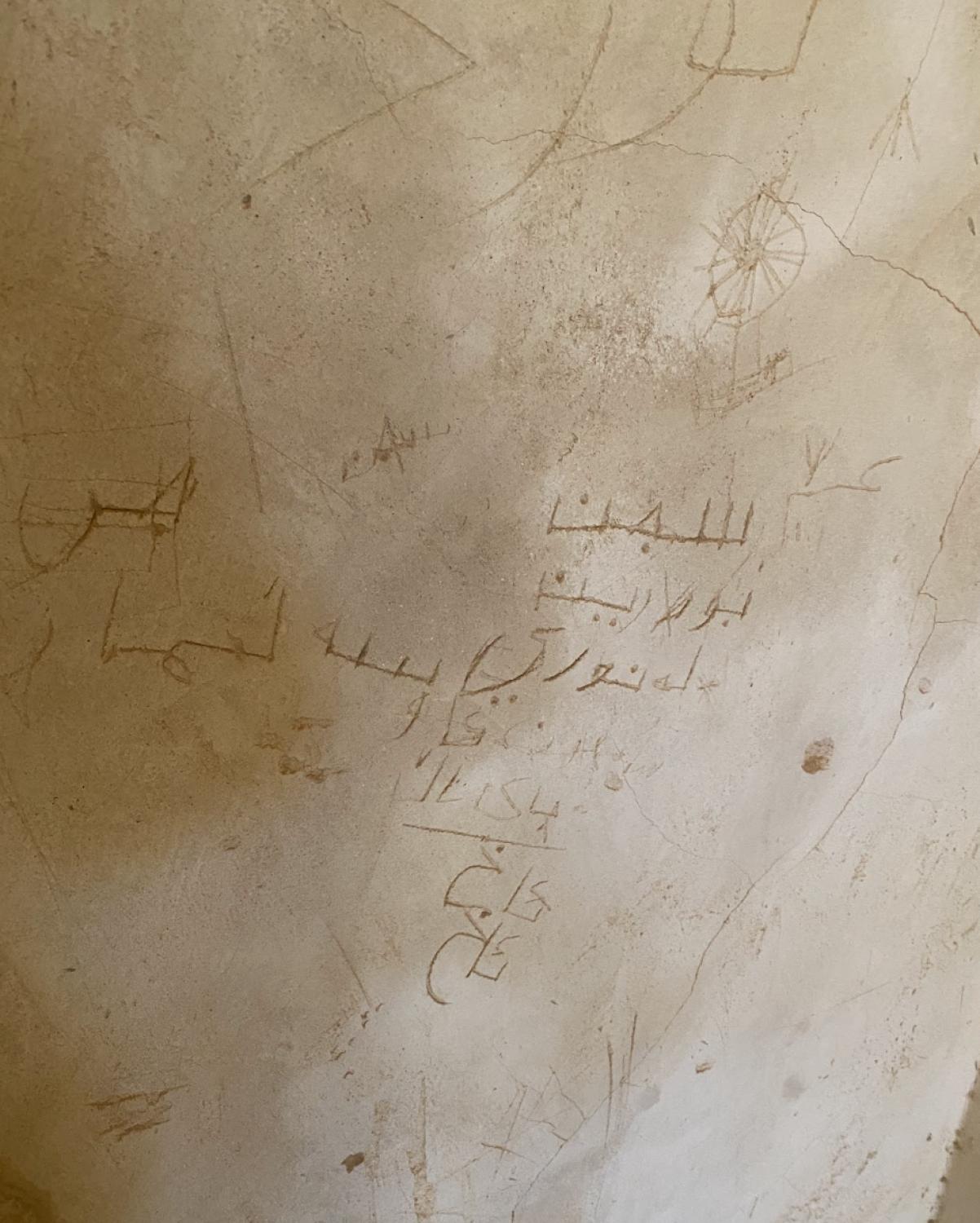
While a child in a safe environment draws cars and buses to evoke adventure, school, and play, for Zarê and Dara, the bus became a profoundly tragic symbol. The rendering of a massive bus with numerous windows and dense, tangled lines depicts the actual vehicles that transported them to the prison.
In their minds, these buses became “mobile cages” — apparatuses that marked the violent separation from their villages, homes, and orchards, and the beginning of their descent into this hell of no return. The bus here is not a means of transportation; it is an omen of forced displacement and death.
The Ferris Wheel: Flight into Memory
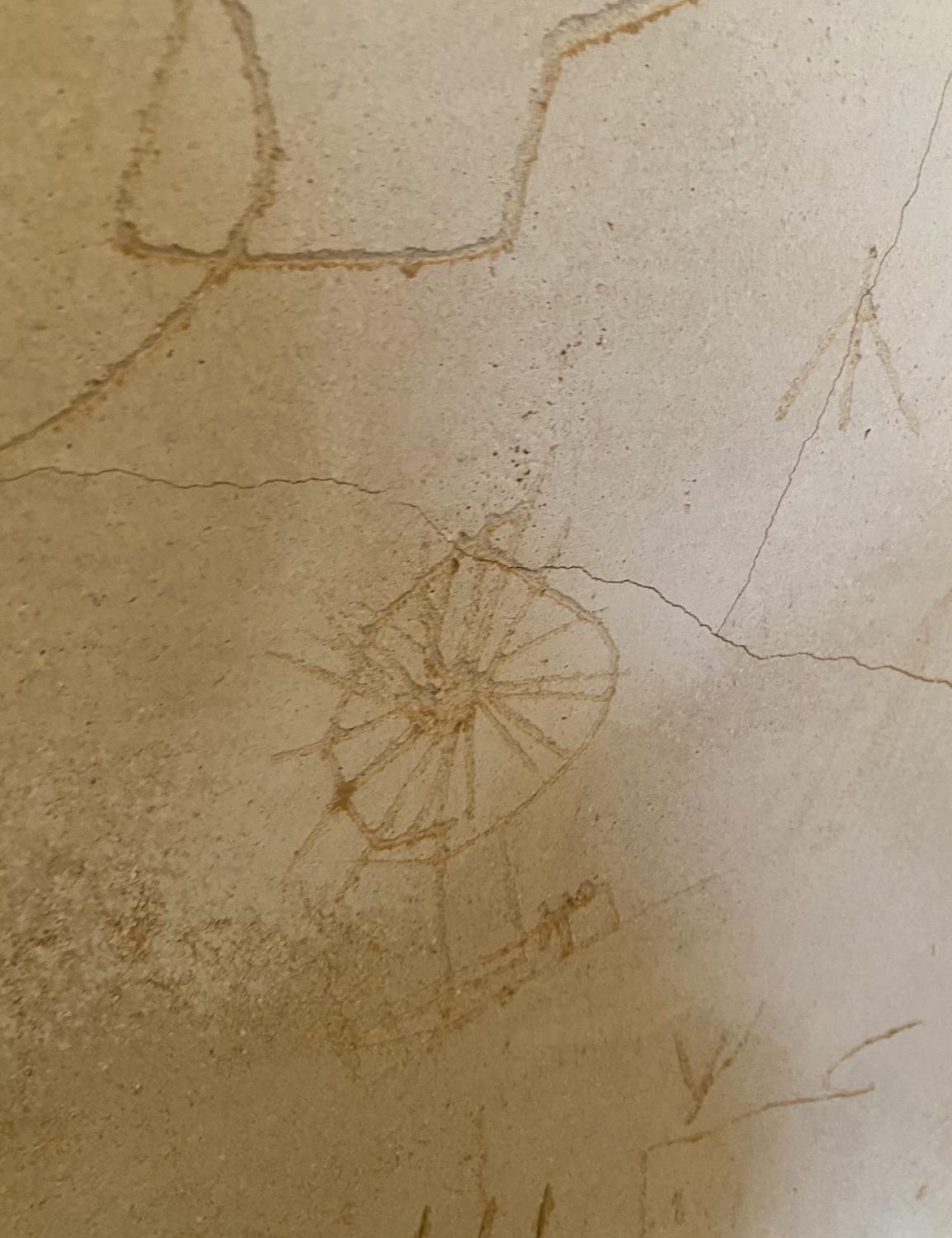
The most painful, yet beautiful, drawing on this wall is the depiction of a Ferris wheel. How does a child, amid the thirst, starvation, and mortal terror of Nugra Salman, bring themselves to draw a Ferris wheel?
This suggests that the child’s mind took refuge in another psychological defense mechanism known as regression — a retreat to safer, happier times. Amid the darkness of the dungeon, the child’s imagination escaped back to the amusement park, to play, to the very freedom that had been violently stolen from them. The Ferris wheel represents a yearning that no prison or guard could ever extinguish.
Lines of Hope
The lines that Zarê and Dara carved with the handle of a spoon into the walls of Nugra Salman are no mere scratches. They are a profound expression of the human spirit, testifying to an immeasurable human cost. This wall represents an outburst of imagination and a child’s defiance when faced with the concrete indifference of the prison.
It is our duty as writers, artists, and human beings to preserve these remnants. We must protect them not only as forensic evidence of a crime, but as testimony to its heavy historical and psychological toll. These lines remain one of the most intimate expressions of Anfal’s human tragedy within the consciousness of the Kurdish child.
A Kurdish artist and writer based in Erbil, Kurdistan Region.