A contemplation of the silent architecture of survival and memory
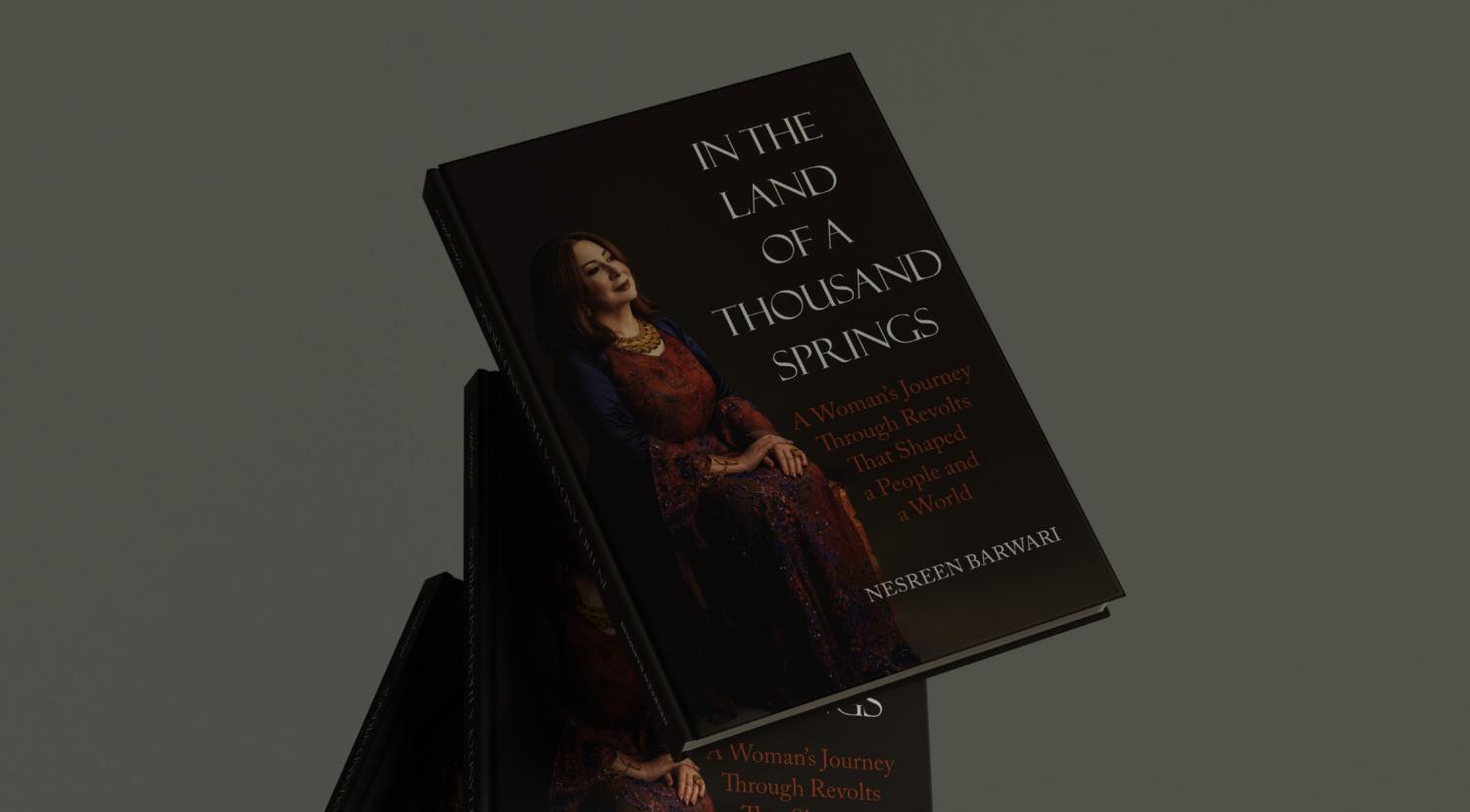
Nesreen Barwari’s memoir, In the Land of a Thousand Springs, is the story of a Kurdish woman whose life became inseparable from the major upheavals of modern Iraq. Born in Baghdad in 1967, Barwari came of age amid the Iran-Iraq War, the Anfal Campaign, and the displacement of the Gulf War years — a backdrop of loss and survival that shaped not only her identity but her sense of purpose. Education carried her from Baghdad to Harvard, and when she returned to Kurdistan, she channeled her experiences into advocacy and community building on both local and international stages.
The book interweaves personal memoir with political and social history to tell a tale of collective and individual resilience. It stands as a testament to the power of storytelling, the ongoing Kurdish quest for identity and recognition, and the shaping force of culture and identity in Barwari’s life.
In the Land of a Thousand Springs is not solely concerned with the events it recounts. It also explores the challenging task of preserving one’s identity within landscapes altered by violence, displacement, and return.
Central to the memoir is the understanding of memory as inheritance rather than mere recollection. Through stories handed down from mother to child, the endurance of family bonds under extraordinary strain, and the pursuit of education as a form of agency, the narrative portrays survival as both intimate and profoundly collective. The journey — from Baghdad through war and exile to international activism — reveals a life shaped by history yet guided by a refusal to be defined by it.
Written over several years of reflection, this book underwent a progressive transformation until the urgency of documenting these experiences became undeniable. Even now, as it reaches readers, the author’s relationship with these memories continues to evolve.
Barwari’s memoir emerged from the necessity to confront complex questions of power, identity, and belonging. Through this work, the author seeks to create a space where private experience can be thoughtfully woven into a broader human dialogue, and where ambiguity can be tolerated rather than resolved.
The book is available on Amazon in English, Kurdish, and Arabic. All proceeds go toward supporting children with special needs in Iraq and the Kurdistan Region.
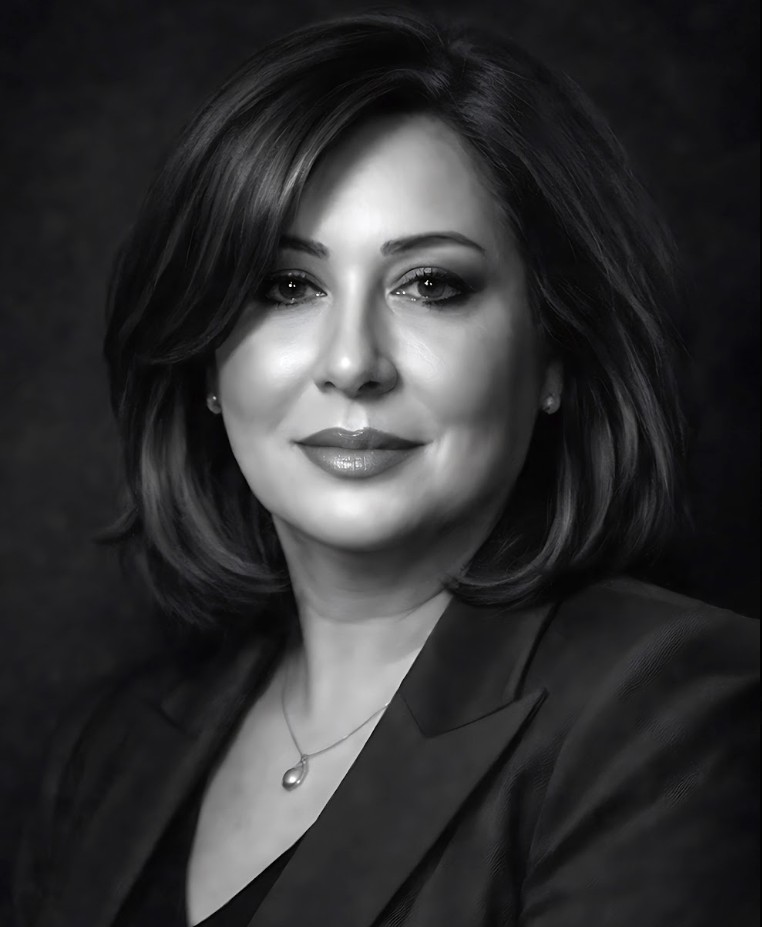
About the Author
Barwari, a Kurdish leader from Iraq, has served in various roles in the Iraqi federal government, the Kurdistan Regional Government, the UN, and a variety of academic institutions and non-profit organizations over the past three decades.
Her work has significantly influenced the private, public, non-profit, and academic sectors in Iraq, particularly in the fields of conflict resolution, peacebuilding, good governance, humanitarian relief, trauma recovery, and education. She has been recognized as one of ten Outstanding Women in the Arab World by The Arab League, named a Global Young Leader by the World Economic Forum, and honored by the UN for her service to vulnerable groups in Iraq.
In addition to her public service, she is a painter whose work draws inspiration from themes of renewal rooted in her homeland of Kurdistan, where flowers bloom and waters flow from thousands of springs. She also has a passion for music and nature.
Kurdistan Chronicle is a monthly English-language magazine based in the Kurdistan Region of Iraq