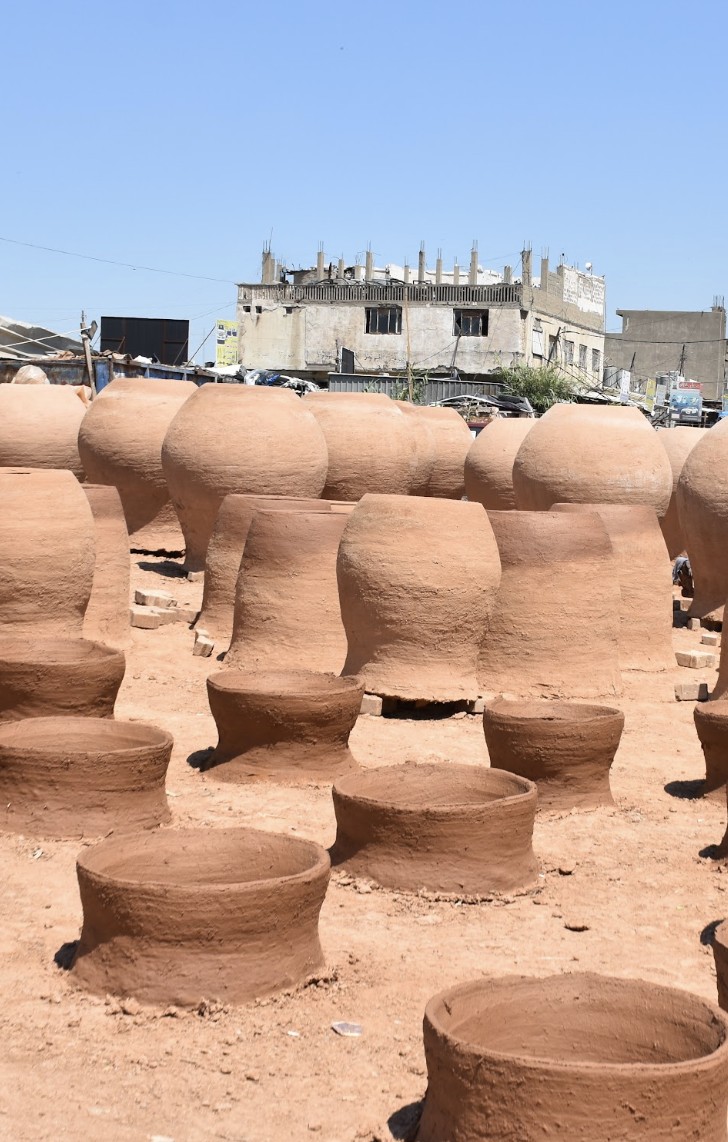
The ancient clay tandoor not only preserves the traditional flavors of
Kurdish baking but also passes down generations-old craftsmanship and
cultural heritage
From Kirkuk, clay ovens, also known as tandoors, continue a tradition stretching back thousands of years — one that also reflects a quiet shift in who carries it forward.
At a time when electric and automatic ovens dominate markets, homes, and kitchens, Kirkuk still preserves its ancient tradition of baking bread in clay ovens. This tradition carries the taste of history and a deeply rooted cultural identity. In Kirkuk, clay ovens are not merely objects for daily use — they are symbols of cultural heritage, representing a legacy preserved by generations of locals from a civilization that may even predate the Sumerians and Babylonians.
From Babylon to Kirkuk
The history of clay ovens dates back thousands of years. Their use expanded significantly during the Ottoman period, spreading from households into bazaars and shops. This tradition has been passed down through generations, with its original techniques largely intact.
One of the most notable recent transformations is a shift in who practices the craft. Historically, oven-making was considered “women’s work,” but that has changed in the past 25 years. Today, men in Kirkuk undertake this detailed and physically demanding trade. The survival of this tradition now rests on the shoulders of fathers and sons — even though it was preserved for centuries by mothers and daughters.
A Living Tradition, From Kirkuk to Europe
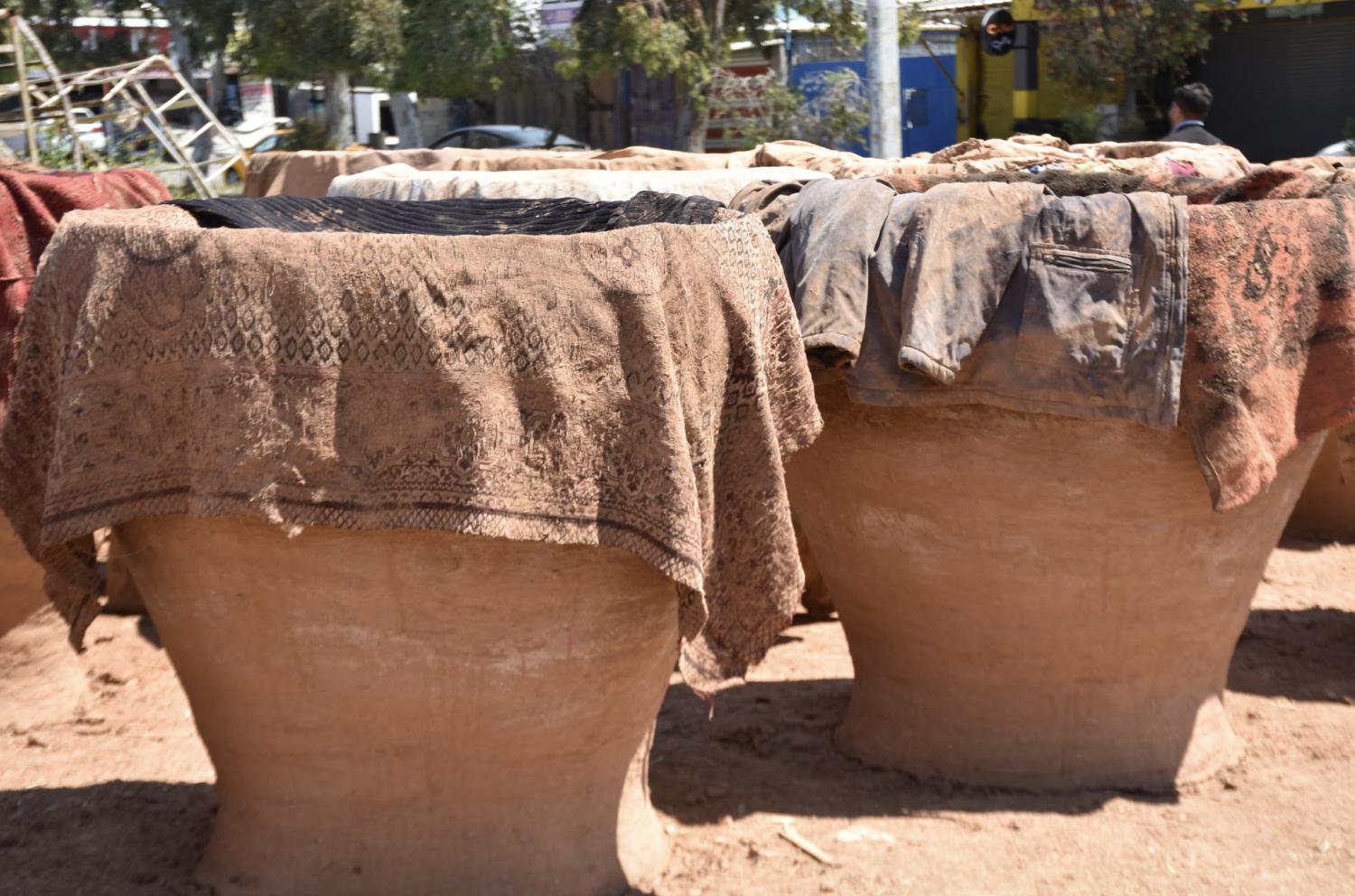
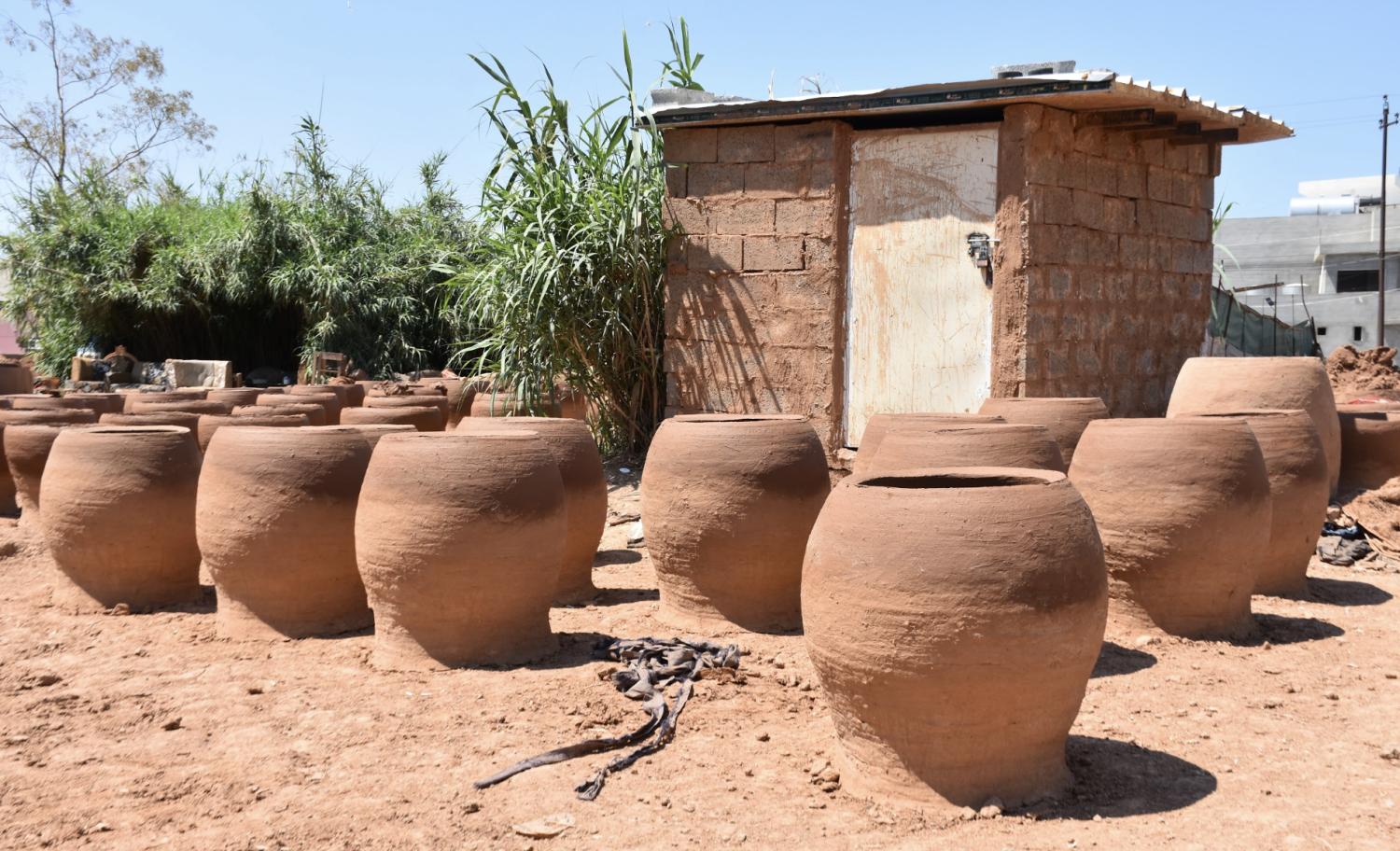
The clay oven’s staying power lies in its simplicity and natural materials. Clay and hay — the main components — are readily available locally. Additionally, the bread traditionally made in clay ovens, known as naan, contains no additives: only flour, water, and salt. The quick baking process and the distinctive aroma, often described as the “smell of the old house,” set naan apart from mass-produced bread. Many also believe it is more nutritious, owing to the natural heat of the clay.
Though not captured in official trade statistics, Kirkuk’s tandoors have quietly crossed borders. They are now exported to Kurdish and Iraqi diaspora communities across Europe — a reflection of the deep cultural attachment people maintain to their roots regardless of where they live.
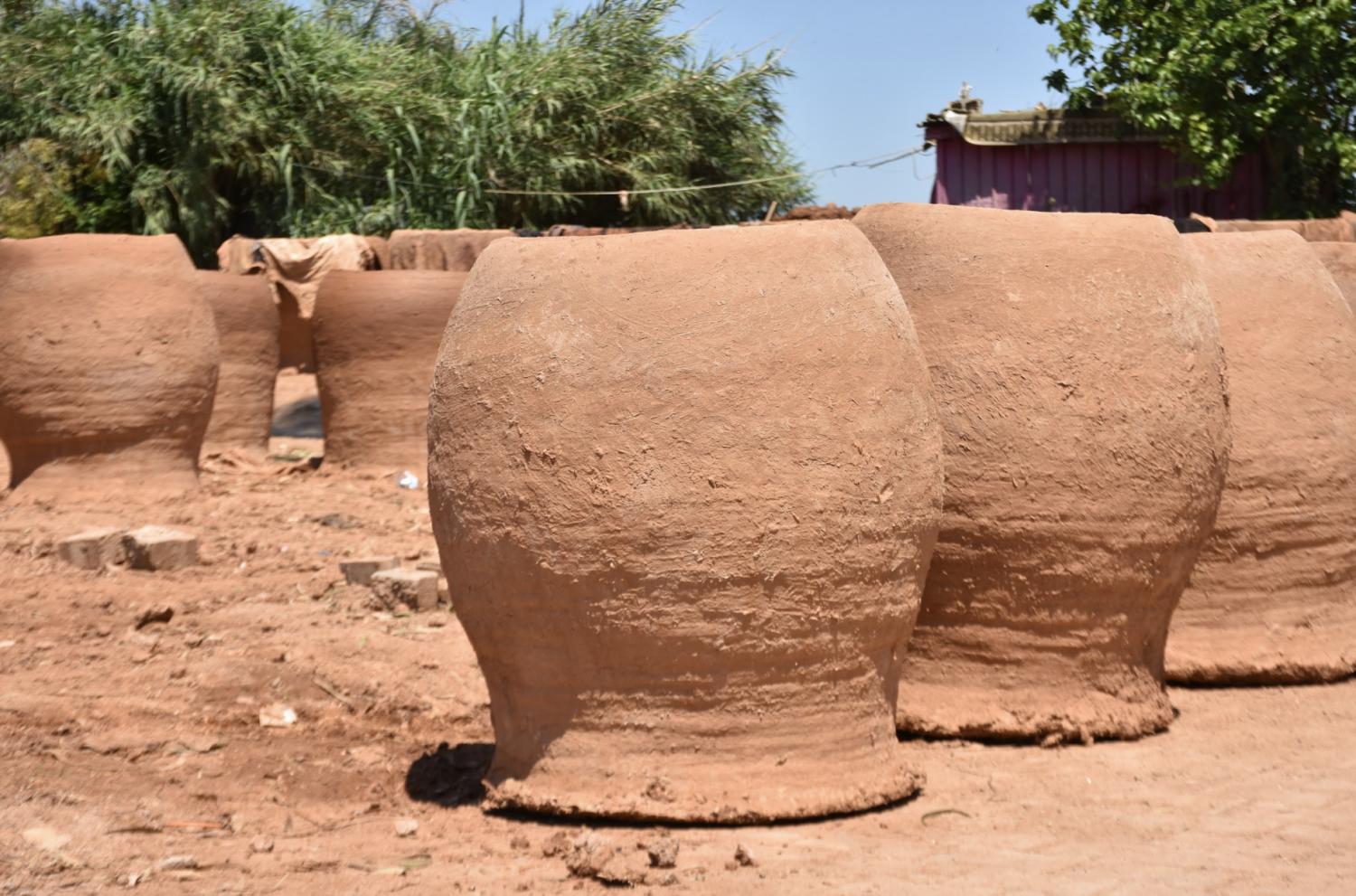
In old villages and towns alike, the clay oven remains a center of warmth and gathering, a symbol of togetherness that modern appliances have not displaced. For the people of Kirkuk, it continues to hold its full cultural and historical weight.
is a Kurdish journalist from Kirkuk.