For the Kurds, the bilûl is a profound symbol of history, religion, and
tradition
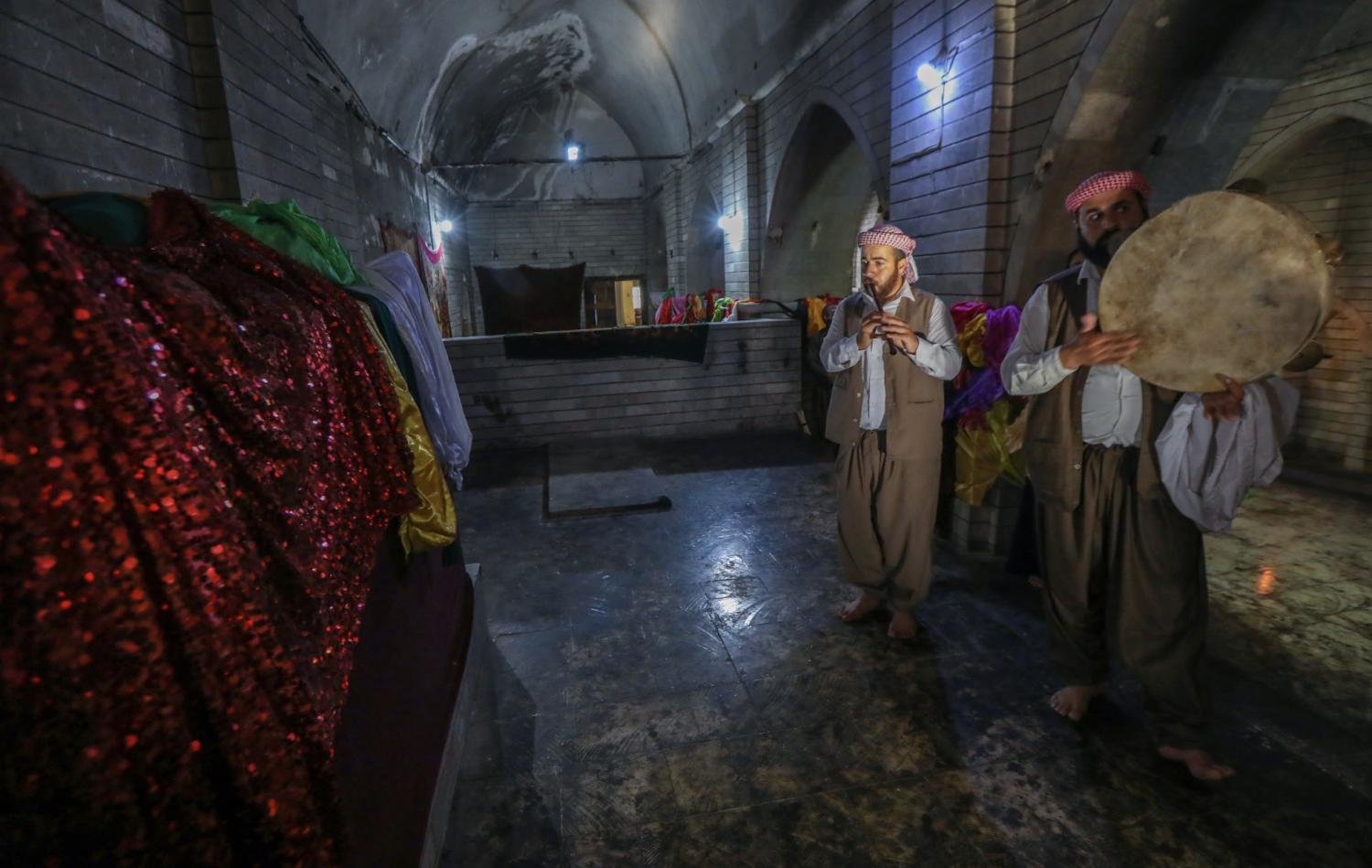
The air inside the valley of Lalish is filled with the scent of burning olive oil as a qawwal — a hereditary Yezidi religious musician dressed in white — enters a stone courtyard carrying a wooden flute.
Before the qawwal plays a single note, a young boy approaches, lowers his head, and gently kisses the polished wood.
To many visitors, this may look like a simple act of respect toward a musical instrument. But for the Yezidis, the flute carries a much deeper significance. It is connected to one of the oldest stories of creation and to the relationship between the human soul and the divine.
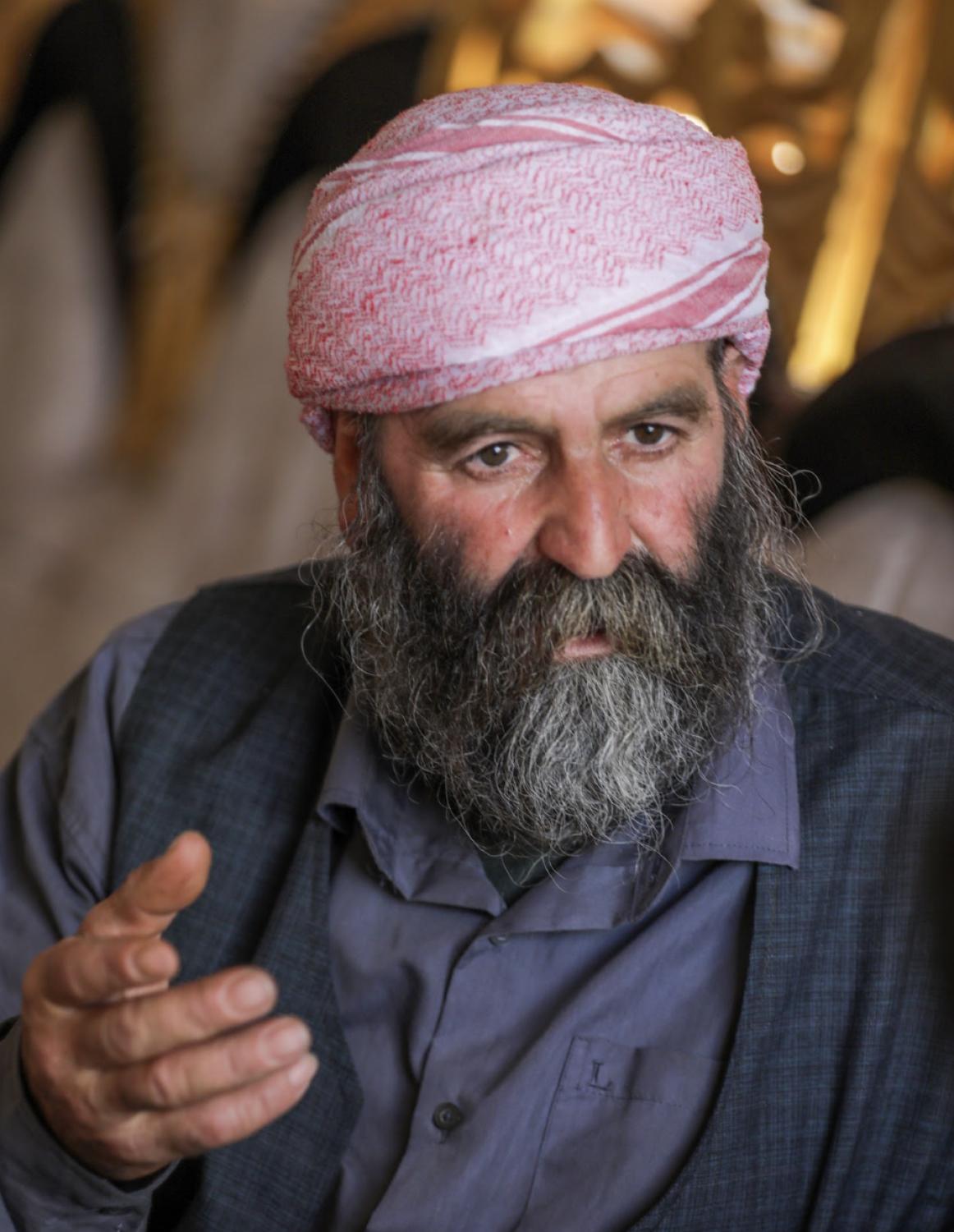
“Before the creation of man, the flute existed,” says Marwan Hussein Alo, a Yezidi religious figure from Khatare, the largest Yezidi village in Iraq, located in Duhok Governorate.
According to Yezidi belief, after God created Adam’s body from the four elements — earth, water, air, and fire — the human soul refused to enter the body. It was only when the sound of the flute spread through creation that the soul accepted its place.
“For us, the flute was the first food for the human soul,” Alo explains. “It is the bridge between our physical existence and the spiritual world.”
For the Yezidis, the flute represents the connection between life, faith, and the unseen world.
But this connection is much older and wider than one community. Across Kurdistan, the flute has existed for generations in different forms and under different names, including bilûl, shimshal, and shabab.
For many Kurds, the flute belongs to the mountains. It is the sound of shepherds, open landscapes, loneliness, and memory. Its long, emotional notes often carry a sense of longing that has become part of Kurdish musical identity.
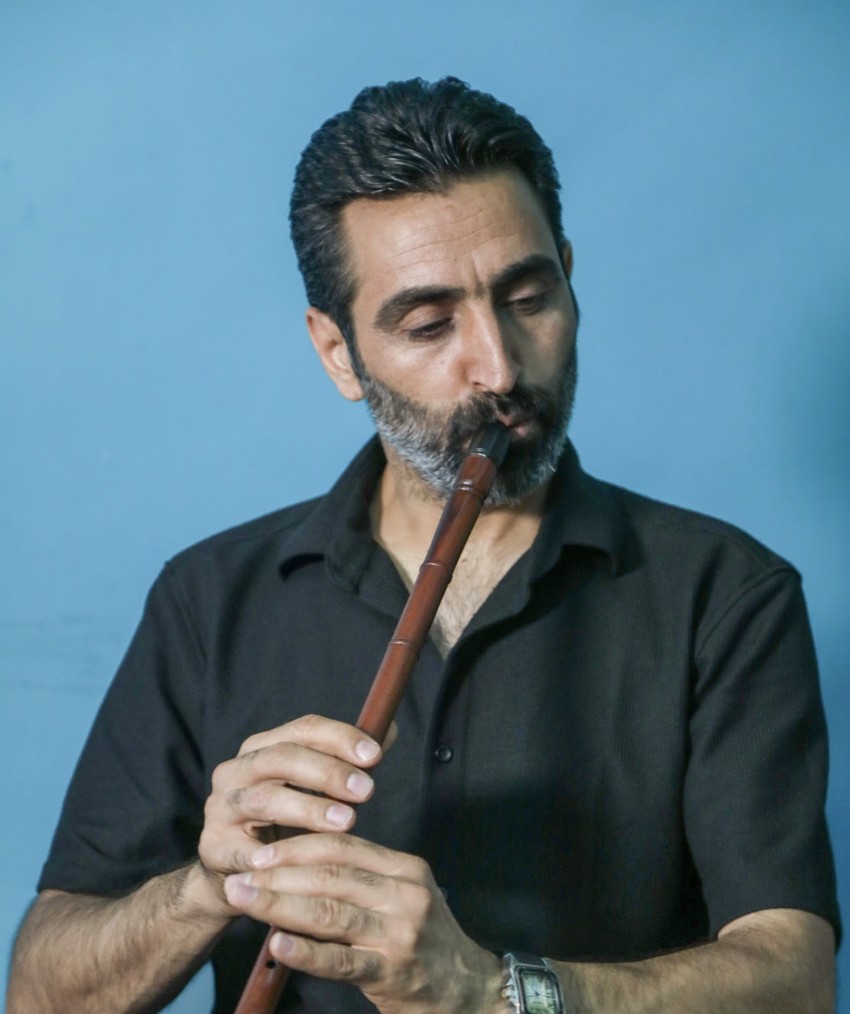
Ridwan Khalil, a Kurdish Syrian musician and flute maker now living in Erbil, says tracing the exact history of the flute is difficult.
“It is not easy to say exactly when and where the flute first appeared,” he explains. “There is no clear evidence that tells us the exact date or the original place of the instrument.”
The earliest forms of the Kurdish bilûl were created from natural materials.
“The original name of the instrument is bilûl,” Khalil says. “In Kurdish, bilûl refers to a pipe made from bone or natural reed.”
According to Khalil, early versions were often made from the bones of large birds. Over time, musicians began using other materials, including different types of wood and metal.
Today, he makes bilûl mainly from apricot wood and iron, continuing a craft that has been passed down for generations.
Archaeological discoveries suggest that flute traditions have existed in this region for centuries. In 2021, researchers discovered a bone flute at Zerzevan Castle in Diyarbakır, in Northern Kurdistan (southeastern Turkey). The instrument was dated to around 1,600 years ago, showing that people in the region were making and playing flutes during the late Roman period.
The Kurdish bilûl also carries its own symbolism. Traditionally, the flute has seven holes.
“Many people believe the seven holes are connected to the seven heavens and the seven days of the week,” Khalil says.
But beyond its design, he says the true power of the instrument comes from its sound.
“Most Kurdish melodies played on the bilûl are melancholic,” he says with a smile. “Sometimes when I play it, I feel like it makes me older.”
The melancholy of the music reflects a deeper relationship between the instrument and Kurdish life — one shaped by mountains, migration, hardship, and memory.
For Khalil, this connection began at home. His father was also a flute player and believed the instrument had a special power.
“My father used to say that when he played the flute, the sheep would sit around him and not move,” Khalil recalls.
Stories like this are common among Kurdish musicians, who often describe the flute as an almost magical instrument. Among many communities, especially the Yezidis, it is treated with deep respect.
One of the most famous bilûl players was Qala Mara, a Kurdish musician from Iran who died in 2009. He was known for his extraordinary breath control and the long melodies he could create.
“He could play for hours without stopping,” Khalil says.
Qala Mara learned the flute as a child while working as a shepherd, becoming part of a tradition where music was passed down through everyday life rather than formal institutions.
Sacred Music
Among the Yezidis, this instrument takes on an especially spiritual role.
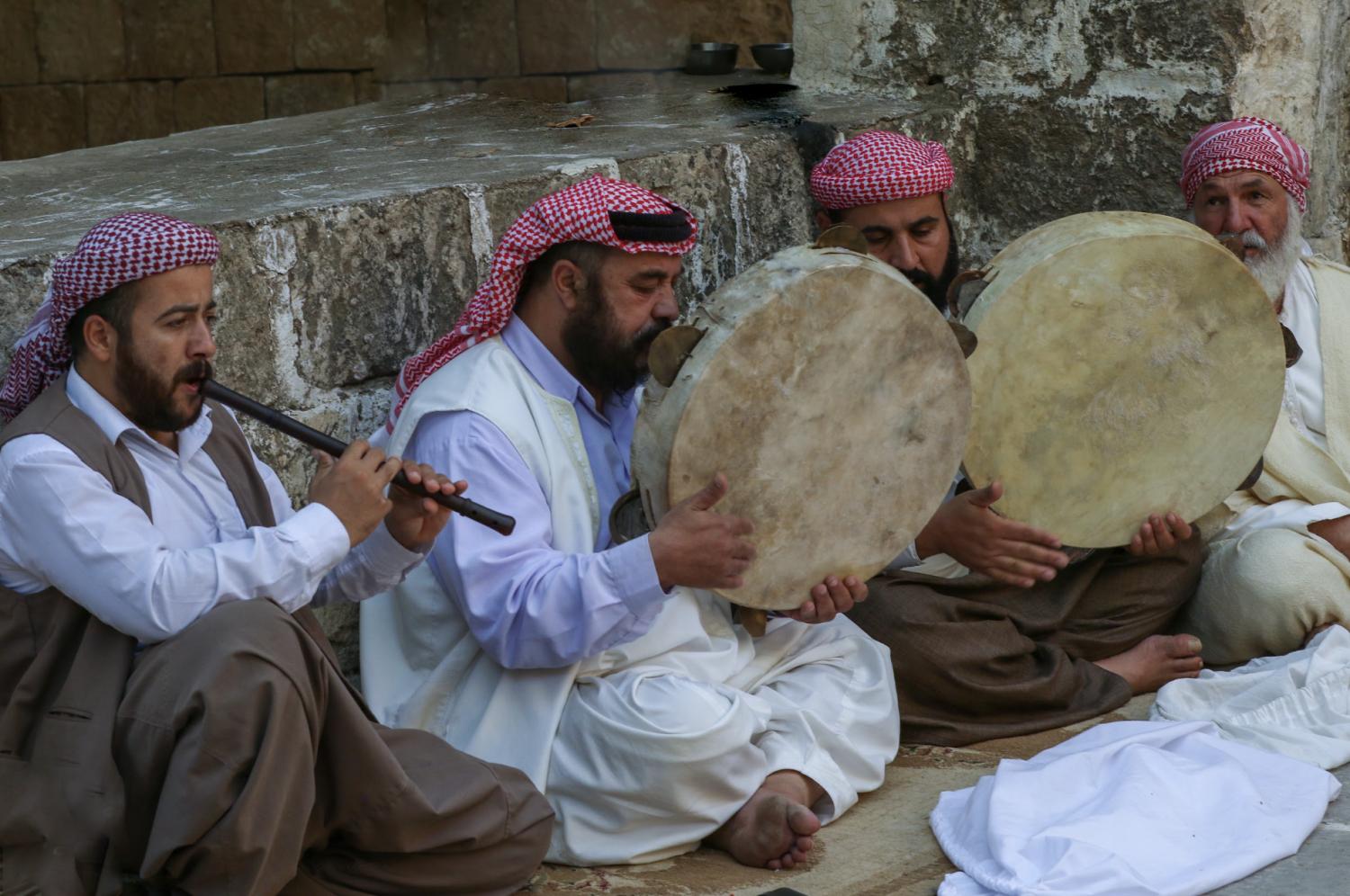
The men who preserve the religious flute tradition are the qawwals, a hereditary group of religious reciters and musicians.
According to Dawoud Murad Khatari, a renowned Yezidi researcher, the word qawwal is commonly thought to mean “reciter” or “one who speaks eloquently.” However, he believes the term may have much older roots.
“I believe it is an ancient term connected to the Sumerian word qalo,” Khatari says.
Becoming a qawwal requires years of study. Although the role is passed through family lines, young men must learn religious traditions, oral histories, and musical practices before they can perform.
The importance of the flute is evident in how it is treated.
Qawwals cannot play the instrument at ordinary gatherings. When kept in a Yezidi home, the flute is wrapped in clean cloth and placed in a respected location.
Before ceremonies, it is prepared through ritual washing.
“It is dipped into the waters of Kaniya Spi, the White Spring, in Lalish,” Khatari explains. “Just as a person is purified, the flute is prepared before it is played.”
The flute accompanies Yezidis through some of life’s most important moments. It is heard during religious celebrations but also during mourning.
When someone dies, the sound of the flute follows the funeral procession to the cemetery. Its sad melody continues to accompany families as they remember those they have lost.
In a rapidly changing world, the Kurdish flute remains a connection between past and present. It carries the voices of shepherds, musicians, believers, and generations who found meaning in its sound.
Back in Lalish, as the qawwal raises the flute to his lips, the courtyard falls silent. The melody drifts through the stone paths of the valley and into the surrounding mountains.
For those gathered there, every note carries memory. Within its sound are stories of faith, shepherds, ancestors, and an ancient tradition that continues to endure.
A Kurdish journalist with 15 years of experience in media development in Iraq. He has contributed to both local and international media outlets.