Kamaran Badrkhan and the enduring grief of two loves that never faded
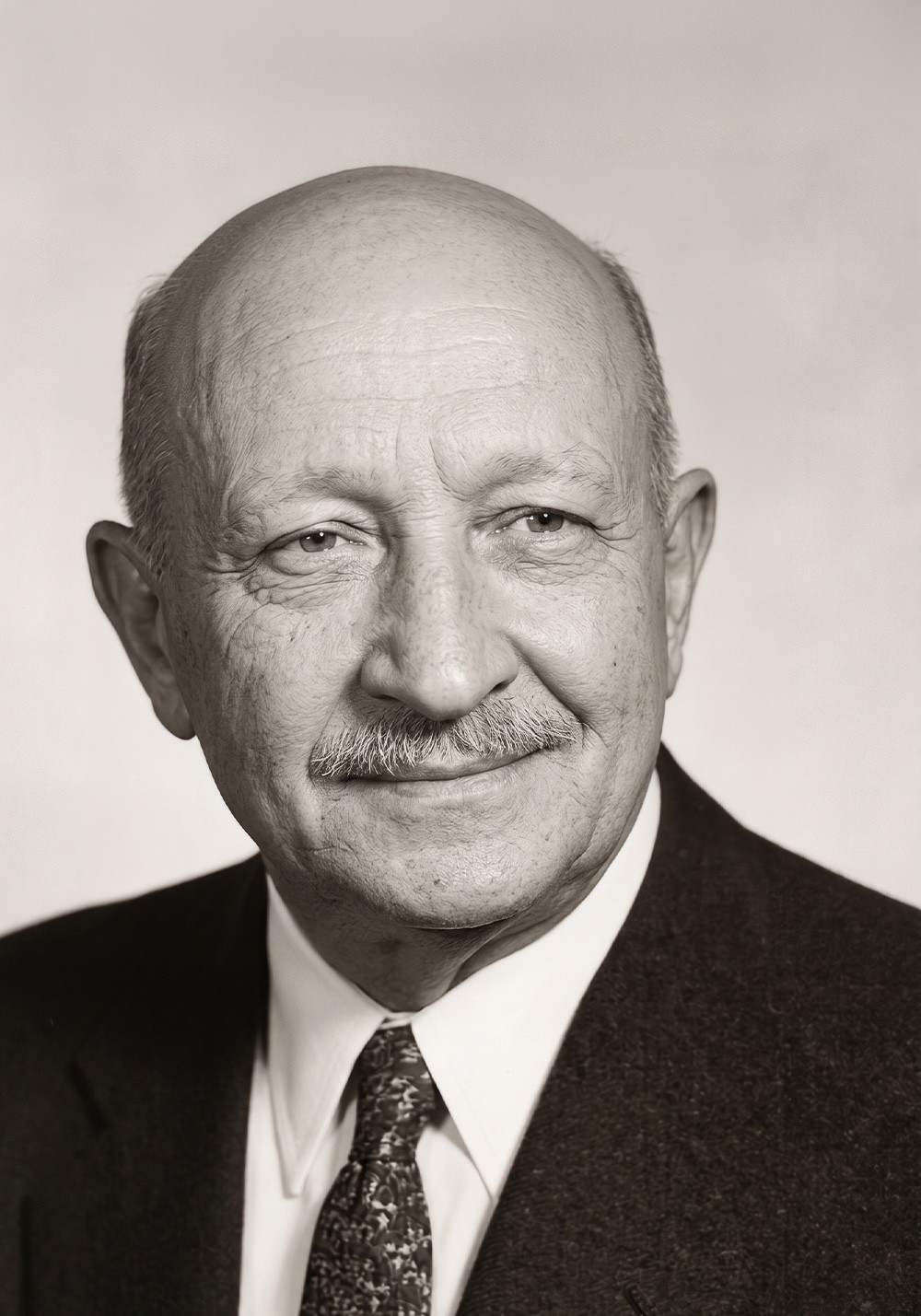
In 1975, Kurdish politician Dara Attar visited Kamaran Badrkhan in his modest apartment in Paris’s Saint-Germain district. The aging intellectual, nearing 80, was struggling to contain his grief.
After several moments of silence, Badrkhan spoke words that would remain with Attar forever: “I have lost two lovers, wife and Kurdistan, and I have lost them both in a single week.”
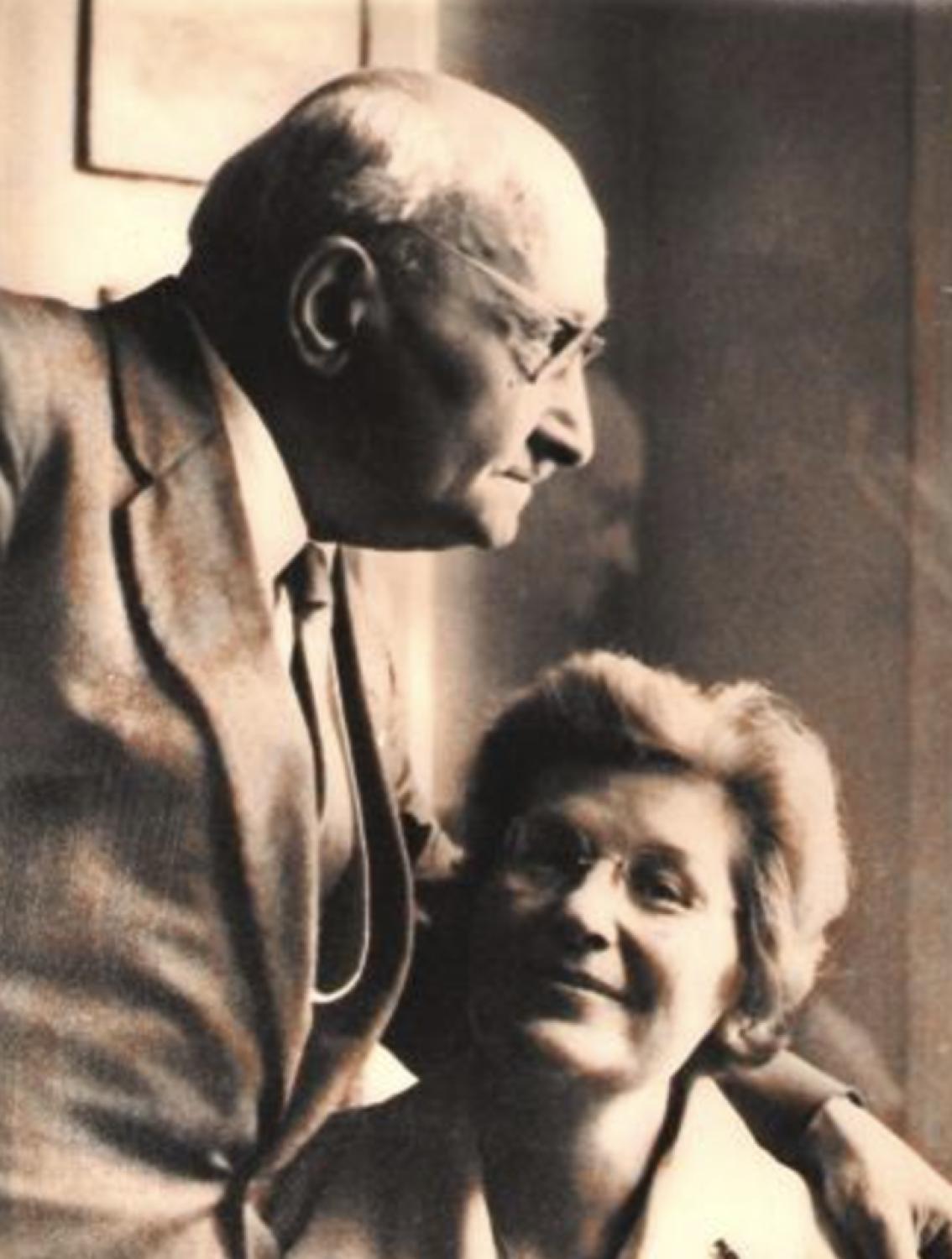
Attar’s visit came shortly after the March 1975 signing of the Algiers Agreement between Iraq and Iran. For much of the previous decade, Iran had supported Mustafa Barzani’s Kurdish movement, providing a vital lifeline in its struggle against Baghdad. The agreement abruptly ended that support in exchange for Iraqi concessions on the Shatt al-Arab waterway, helping bring the Kurdish revolt to collapse. For many Kurds, it was remembered as a profound betrayal. At the time, Badrkhan was also mourning the death of his wife, Natalia.
Natalia had been his companion through decades of exile, welcoming visitors and supporting his intellectual and political work. Her death compounded the despair he felt following the collapse of Kurdish hopes after the Algiers Agreement.
“I knocked for a long time before Kamaran finally opened the door,” Attar later recalled of the encounter. “He looked pale.” Attar remembered Badrkhan as a man carrying two inseparable wounds: the loss of his life partner and what he saw as the betrayal of a nation. In his final years, he lived in deep sorrow, struggling to reconcile either loss.
A Life Devoted to Kurdistan
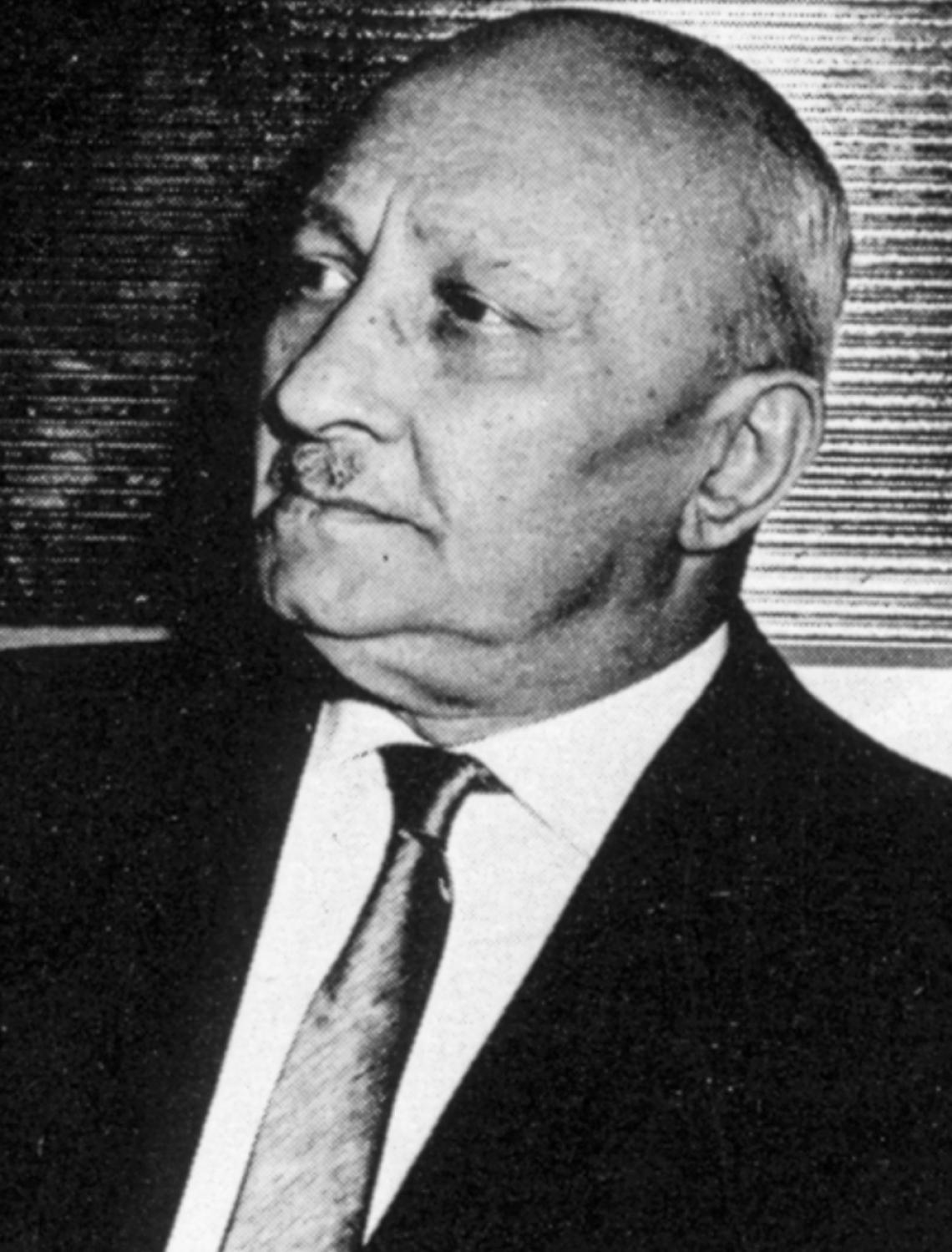
Badrkhan was born in Istanbul in 1895 into the Badrkhan family, one of the most influential families in modern Kurdish political history. The family had been forcibly moved to the city in 1879 due to their efforts to free Kurdistan from oppression under the Ottoman Empire.
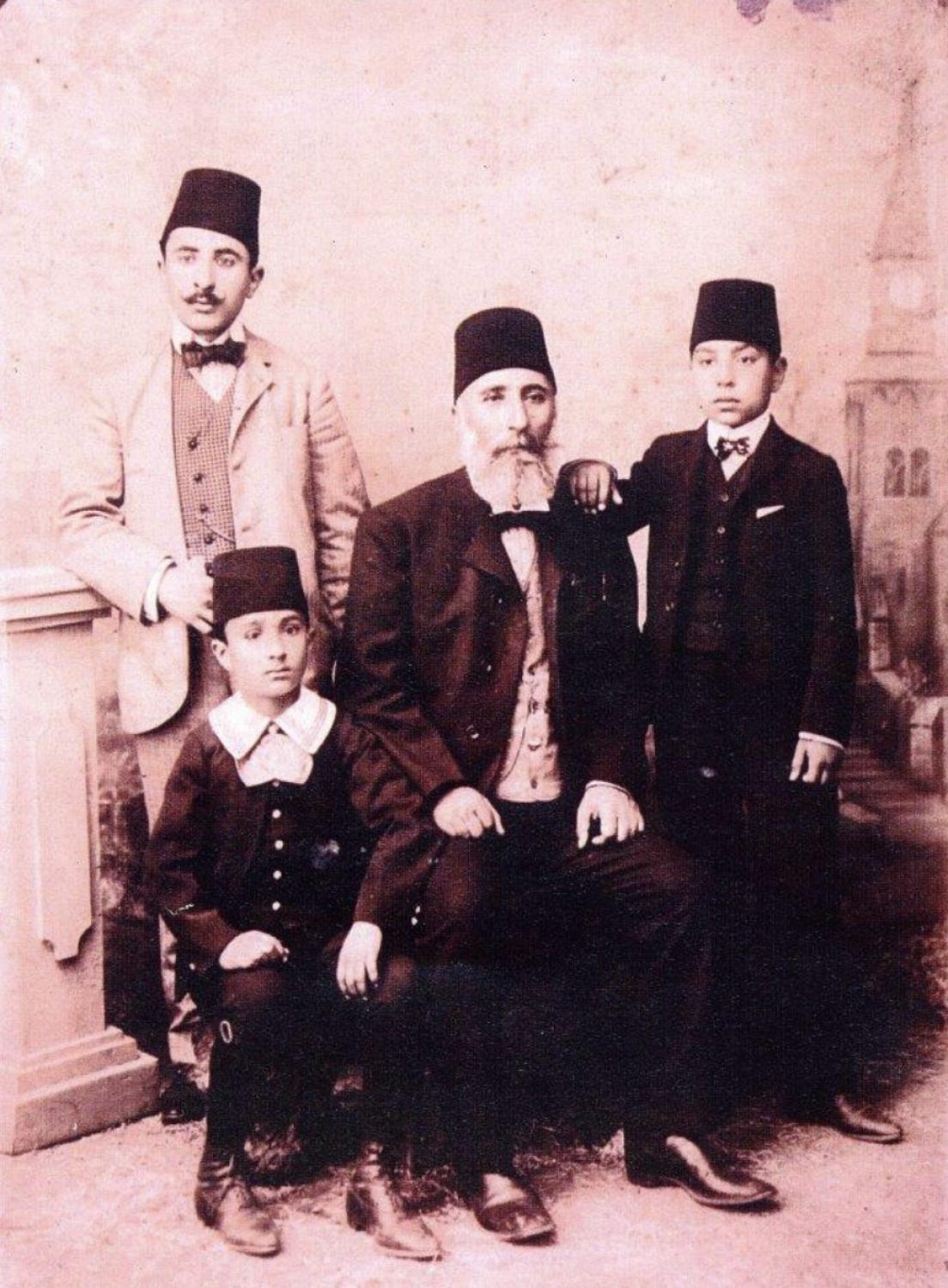
He began his studies in law, but the rise of Mustafa Kemal Atatürk forced him and his brothers into exile in Europe, where he earned a doctorate from the University of Leipzig. The Badrkhan family was not allowed back into modern-day Turkey until 1967.
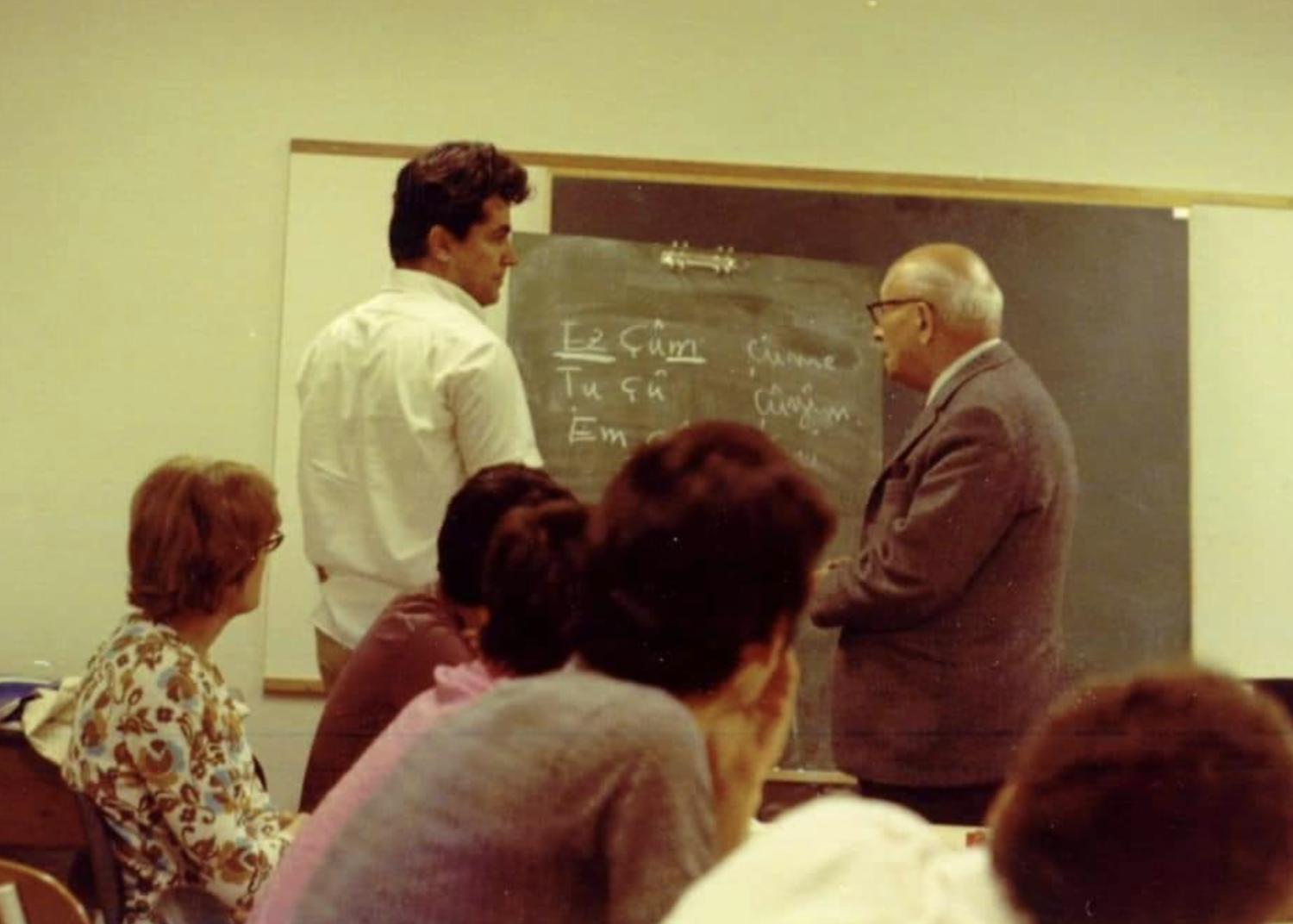
Badrkhan remained closely engaged with Kurdish affairs throughout his years in exile. During the Ağrı Uprising in 1930, he secretly returned to Kurdish regions of Turkey before later settling in Beirut, where he practiced law and founded a Kurdish school.
He was also active in Khoyibun (Selfhood), which was a Kurdish nationalist organization established in 1927. It is best known for leading the Ararat Revolt against Turkey, with Ihsan Nuri Pasha serving as the rebellion's military commander. The organization cooperated closely with Armenian nationalists and drew support from both Kurdish and Armenian activists. Khoybûn operated throughout Kurdistan and among Kurdish communities abroad until it was dissolved in 1946.
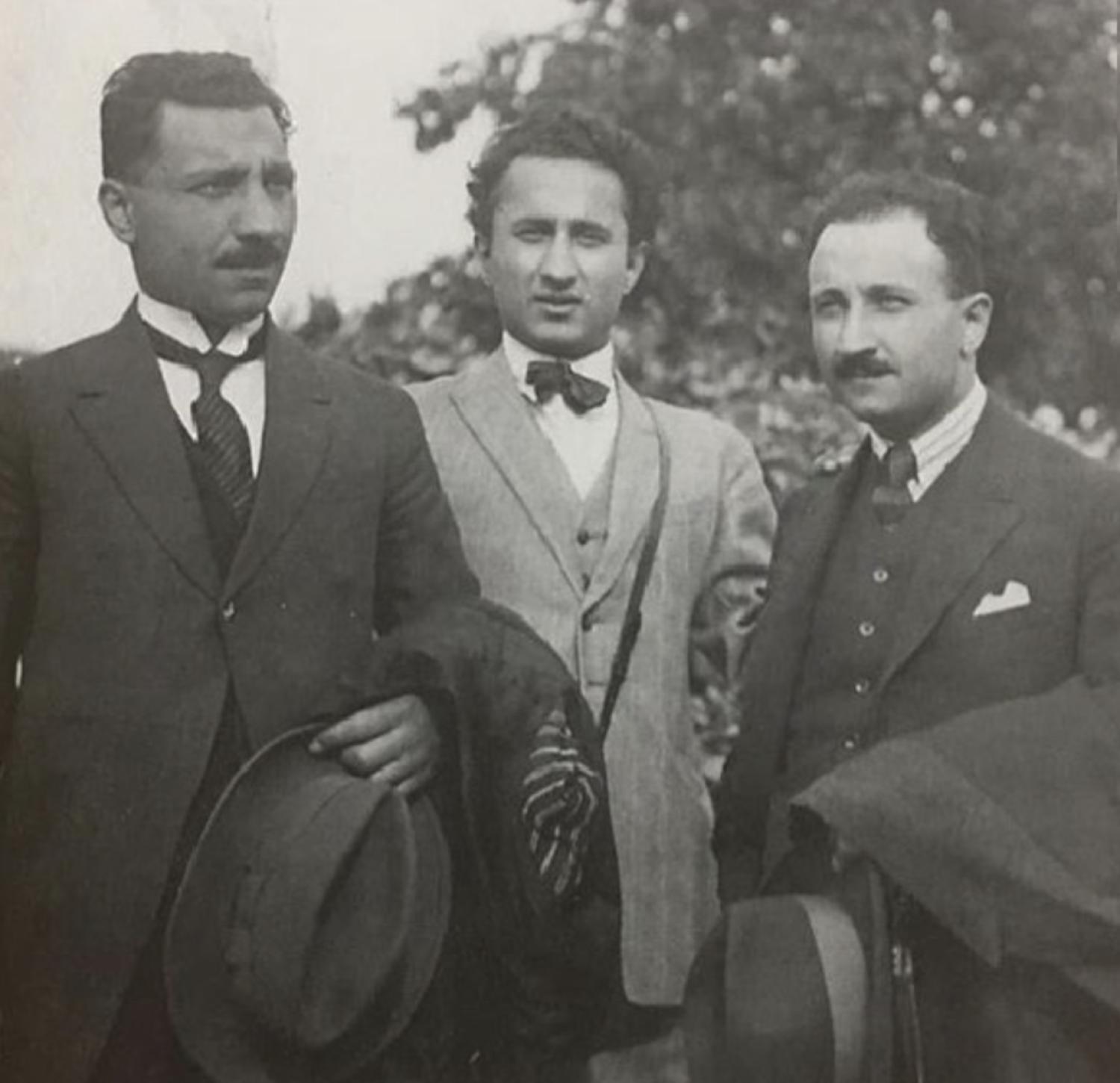
Moreover, he published newspapers in Kurdish and French, Roja Nu and Ster, and broadcast Kurdish news from the Lebanese national radio station.
In Paris, while teaching at the Sorbonne, Badrkhan became an important intermediary between Kurdish intellectual life and European scholarship. He spoke Kurdish, Turkish, Arabic, German, and French and published numerous essays, articles, and poems, as well as literary and political research. His Kurdish-French dictionary became one of the most important linguistic resources produced by the Kurdish diaspora and reflected his belief that preserving language was inseparable from preserving national identity.
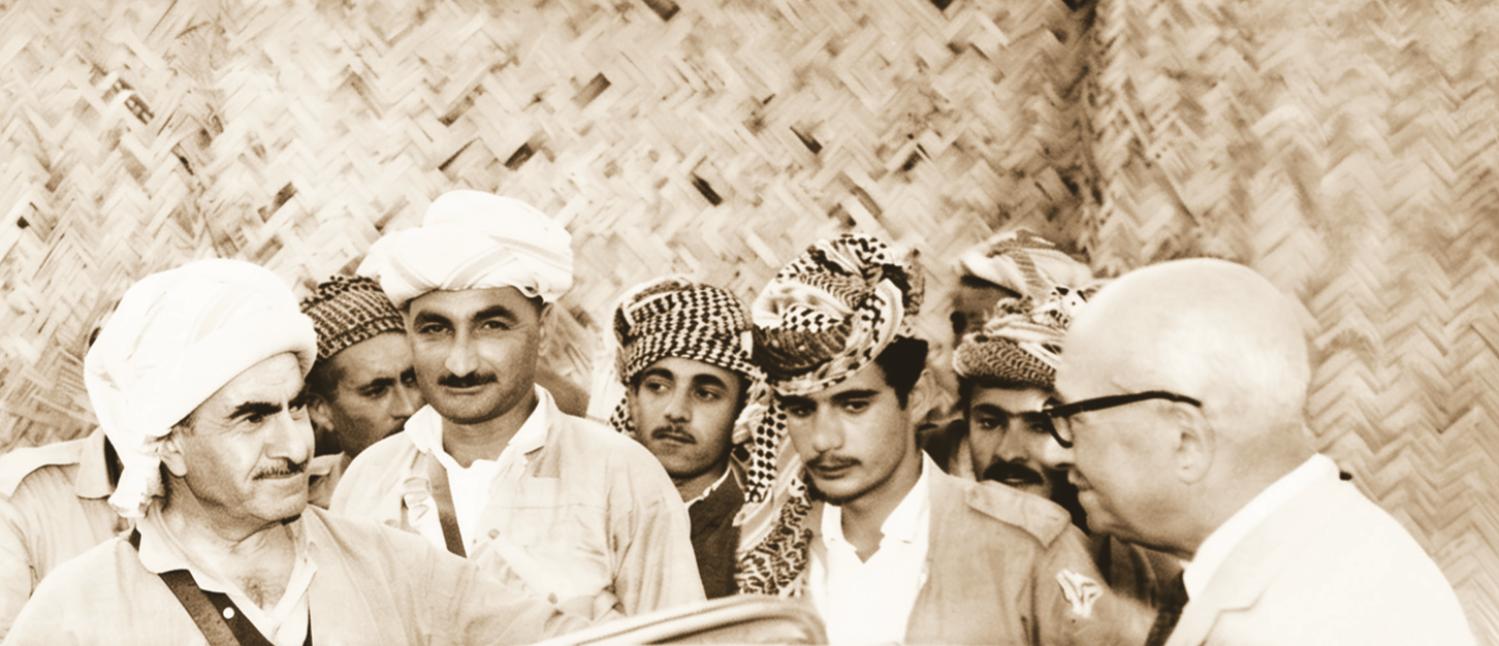
In 1970, Badrkhan and his wife visited Iraqi Kurdistan following the autonomy agreement between the Iraqi government and the Kurdish movement. For a man who had spent much of his life in exile, the visit carried deep symbolic significance. Mustafa Barzani welcomed him as both a prince and a representative of one of the families most closely associated with the Kurdish national movement.
Before his death in December 1978, Badrkhan arranged to have his body donated to medical science in France. The exiled prince had lived a life shaped by intellectual work, political activism, and decades spent advocating for Kurdish rights far from his homeland.
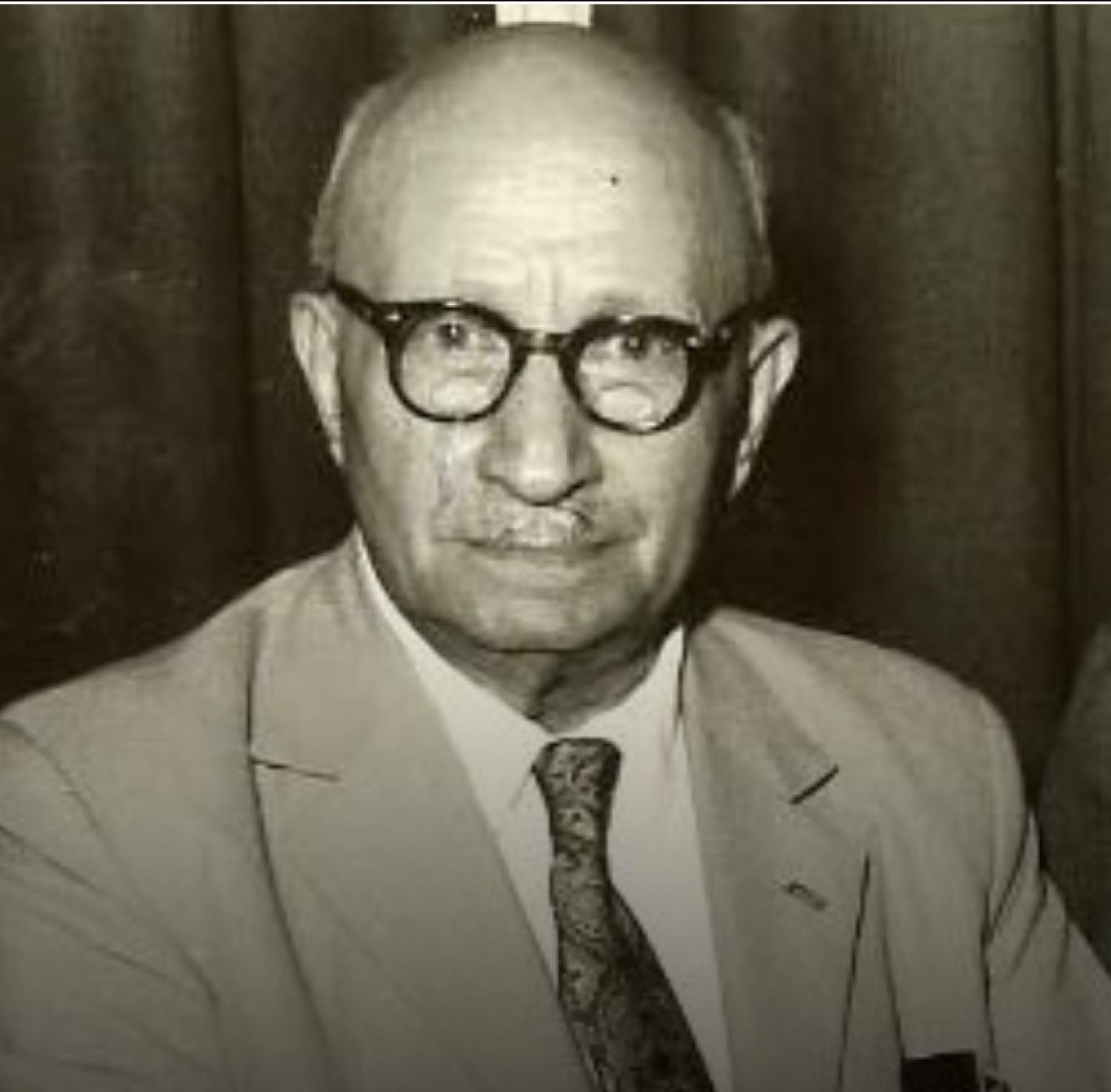
His legacy represents a generation of Kurdish intellectuals who carried their national aspirations into exile. With his tears that day in Paris, Badrkhan was mourning more than the loss of his wife and homeland. He was giving voice to a lifetime of exile, struggle, and deferred hope shared by generations of Kurdish intellectuals and activists.
is a Kurdish journalist based in Erbil.