A vision for coexistence in a region where embracing one another is the
path forward
In a world increasingly marked by division and uncertainty, the principle that human values stand above all differences remains not only relevant but essential. This vision calls for building societies grounded in dignity, mutual respect, and genuine coexistence — principles that must move beyond rhetoric and become a daily practice.
Coexistence is not a ready-made formula or a declaration that can simply be signed and filed away. It is a continuous process that requires a genuine will, honesty in dialogue, and a readiness to cooperate. It is a daily practice, an ongoing conversation, and a commitment we must renew each morning. True coexistence demands that we look past superficial grievances and engage with the genuine will to understand and respect one another. It requires honesty in dialogue to discuss difficult truths without dissolving into conflict, and the readiness to cooperate on shared goals, proving that our common interests are stronger than our separate identities.
This continuous nature demands a shift in how we approach these efforts. We must recognize that initiatives must be long-term, not just “seasonal actions” — because building trust requires time, sustainability, and resources. A sudden surge of activity before an election or a holiday, followed by silence, is not a strategy for peace. Trust is built incrementally, through consistent and sustained engagement. It requires sufficient resources — not only financial, but intellectual and human — and a commitment to sustainability so programs outlive their initial funding cycles. We are laying a foundation, and a solid foundation is built slowly, brick by patient brick.
Cultivating the Garden of Diversity
To build a better future, we must cultivate the minds of the next generation. That is why education and raising awareness about the value of diversity and pluralism are essential. Schools, universities, and media play an important role in shaping a generation that respects differences. The classroom is the first diverse society a child encounters, and it must be a mirror of the world we wish to build. We must actively counter the isolation and prejudice that can take root early on.
The responsibility of education extends beyond the mere recognition of differences; it must move toward the celebration of pluralism and multiculturalism.
To this end, curricula should promote coexistence and respect for others, so that students learn from an early age to see pluralism as a positive reality. We must teach our children not to just tolerate differences — as if they were a burden — but to recognize that diversity is a vital strength, an enrichment of our shared cultural, economic, and intellectual life. Curricula that embed these principles ensure that the next generation views the mosaic of their society with pride, not suspicion.
This message must also resonate throughout the wider community, ensuring that society recognizes that differences in religion and ethnicity do not justify discrimination. Access to justice, employment, education, and security cannot be conditional on one’s background. Discrimination is an attack on the foundational contract of society and weakens the collective for the sake of an exclusionary few. Every single member of this society has an inalienable right to human dignity granted by God our Creator, and that right must be upheld without exception.
To put this principle into action, we must empower the structures of dialogue and partnership. I urge us to support civil society organizations that include representatives of different ethnicities and religions, so they can serve as platforms for continuous dialogue, cooperation, and shared development initiatives. These organizations serve as engines of grassroots change. They translate high-level policy into local action, creating spaces where neighbors and co-citizens — not just officials — can sit down together to build trust and to cooperate in practical projects that better our communities in various spheres of human society and life. They prove that we are capable of working together for mutual benefit.
Furthermore, we must universally strengthen the principle of shared social responsibility: every individual, regardless of background, should feel like a partner in building society, protecting the rights of others, and contributing to collective development. When individuals feel that their voice is heard and that their contribution is valued, they invest themselves in the fate of the collective. This sense of partnership is the antidote to alienation and radicalization. When we protect the rights of others, we are, in fact, protecting the very principle that guarantees our own rights. In other words, we are all accountable for the well-being of the whole.
The Power of Collective Memory and Media
The sense of partnership we seek to build is inextricably linked to our understanding of the past. To move forward together, we must acknowledge a history that is often complex, sometimes painful, but always shared.
This leads us to the critical need for documenting the shared history of different components of society, through books, research, archives, exhibitions, and documentaries, to remind everyone that they are part of a common history. History is often taught through a single, selective lens. We must open the archives and commission research on the moments of collaboration, the shared cultural threads, and the collective struggles that have involved all our communities. When we realize that our ancestors fought side-by-side, worked side-by-side, and built the nation together, the manufactured divisions of the present begin to crumble.
The same principle of a shared narrative must be embraced by our contemporary communicators. We should actively encourage local media to produce programs and documentary films about coexistence, community histories, and social diversity to promote understanding and empathy. Media has the power to either divide or unite. It can feed prejudice through sensationalism, or it can build bridges through storytelling. Let us support journalists and producers who choose the latter — who tell the stories of everyday cooperation, who showcase the richness of different cultural practices, and who create empathy by showing the human being behind the ethnic or religious label.
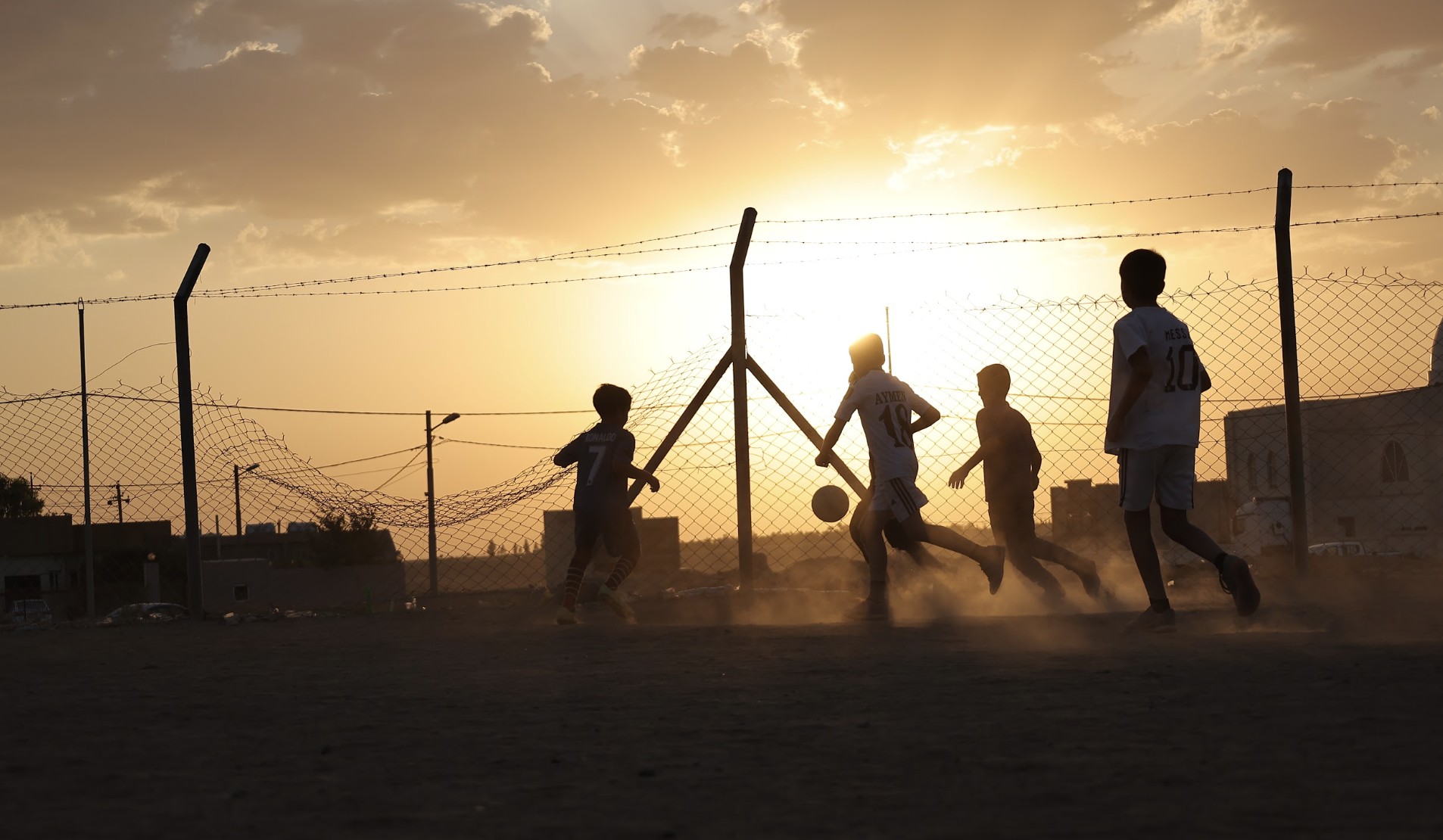
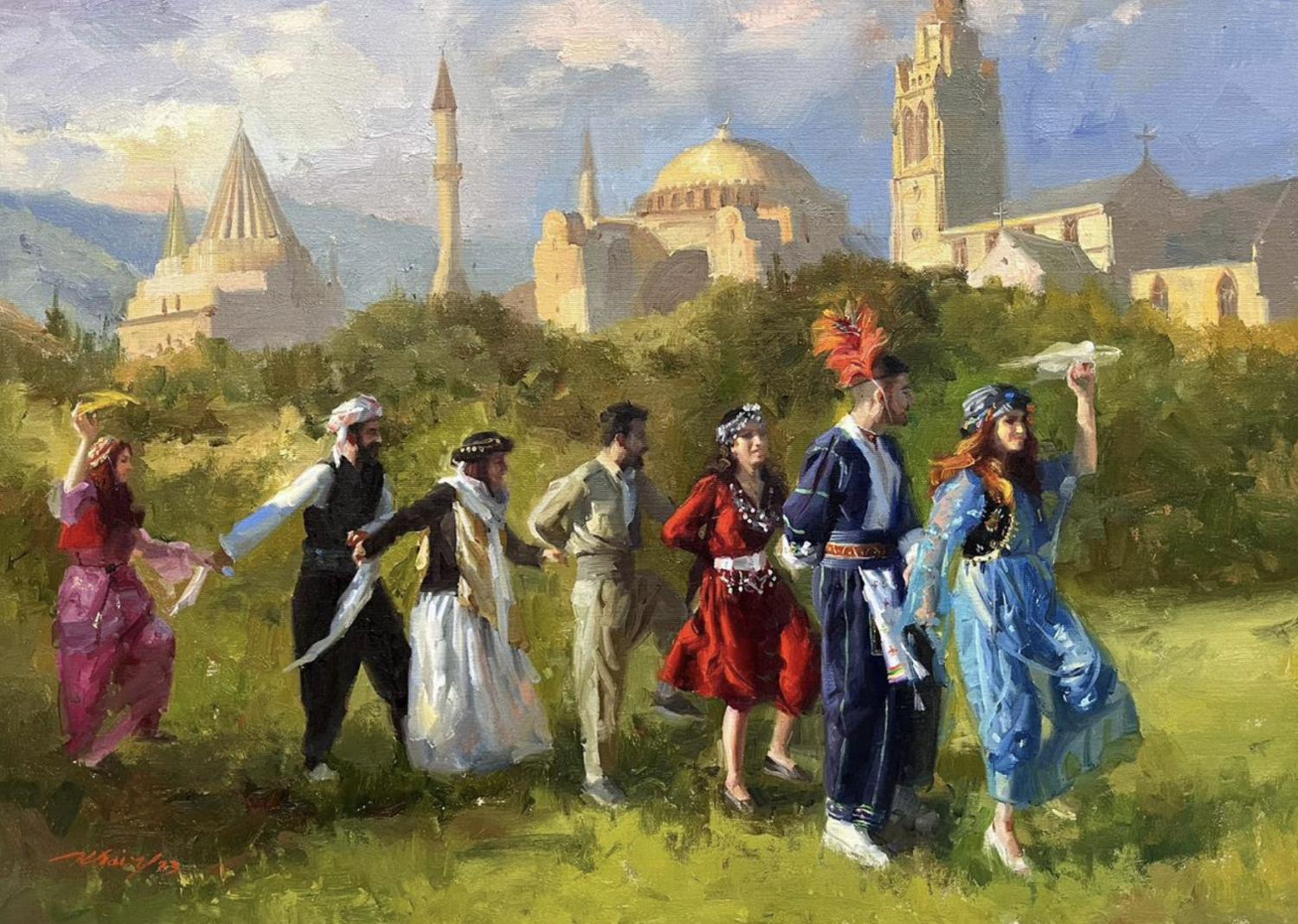
To reinforce this, we must also encourage educational or cultural initiatives that reflect this shared heritage, reinforcing a collective identity and reducing cultural isolation. Festivals, joint art projects, co-curated museum exhibits, and cross-community sports events can all serve this purpose. These initiatives are not passive history lessons; they are active, joyful experiences that demonstrate our common humanity and create a collective identity that is inclusive and stronger than any single component alone. They allow us to celebrate our differences while acknowledging our fundamental unity.
The creation of a culture of coexistence requires an all-of-society approach — that is, a grand alliance of institutions, leaders, and citizens.
A Collective Commitment to the Future
The final necessary step is the institutionalization of our commitment. We must move beyond good intentions and establish concrete mechanisms for action and policy development.
Specifically, we must strengthen cooperation between authorities, institutions, civil society, and religious components to develop policies that promote coexistence and combat discrimination. When all sectors of society are aligned on a common vision, then progress is inevitable. This means collaborative policy-making that ensures laws are not only free from discrimination, but actively promote equity and inclusion in every sphere of society.
Furthermore, representation matters profoundly. It is vital that we enhance the participation of representatives from all components in local governments and decision-making positions. When diverse voices are present at the decision-making table, policies are more just, more effective, and more representative of the society they are designed to serve. Inclusion in governance is not a courtesy; it is a necessity for legitimate and stable rule.
We do recognize the immense influence of moral authority. We must involve religious and academic leaders in awareness efforts, as they have a strong influence on society and can promote a culture of respect and coexistence. These leaders hold the deepest trust of their communities. Their clear, consistent messages condemning hate, promoting mutual respect, and underscoring the universal human values shared by all our major faiths and ethical systems are indispensable in forming hearts and minds.
In the end, the measure of any society is not in its differences, but in how it rises above them. The true test of our humanity lies in our ability to uphold the dignity of every person, without exception. If we are to build a future worthy of the generations to come, we must move beyond words and transform our principles into lasting action. A just and peaceful society is not given; it is built, day by day, through courage, responsibility, and unwavering commitment. Only when human values stand above all differences can we build a future that is not merely shared but truly united, resilient, and enduring.
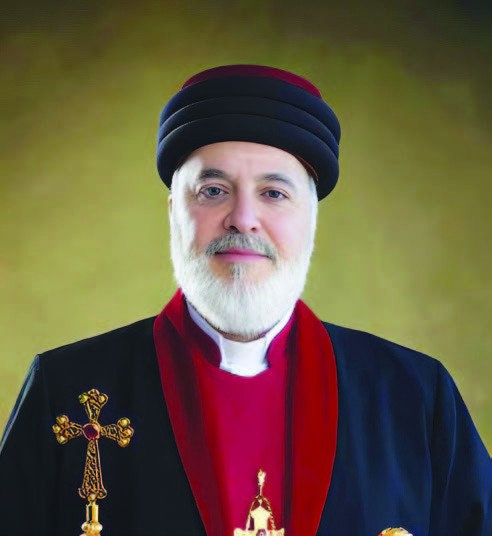
Catholicos-Patriarch of the Assyrian Church of the East