Inside the Kurdistan Region’s drive to transform education
Since taking office in 2019, the Ninth Cabinet of the Kurdistan Regional Government (KRG) has prioritized education as a cornerstone of its long-term development strategy, investing in educational services across the region.
To align with contemporary international standards, the KRG Ministry of Education has digitalized its systems and updated the educational framework. According to KRG’s official data, 2,114 schools have been renovated, 629 additional classrooms have been constructed, and 214 new schools have been built, with 43 schools and kindergartens currently under construction. Furthermore, two universities and 21 colleges have been established, including the opening of 143 different science departments across Kurdistan’s universities. More importantly, returns to schooling have increased, and thousands of previously out-of-school children have been brought back into the education system.
The Kurdistan Region Parliament has also played an active institutional role by enacting the Law on the Council for the Trust of Education, Higher Education Institutions and Programs, and Law No. 13 of 2022 on Education and Training, which was enacted to regulate and elevate educational standards across the region. In addition, the government has introduced tuition fee waivers for eligible students in higher education, as well as fee reductions at private universities and institutions to promote greater development opportunities for citizens.

The Kurdistan Accrediting Association for Education
In June 2022, the Kurdistan Region Parliament approved the establishment of the Kurdistan Accrediting Association for Education (KAAE) as a national body reflecting the government’s efforts to modernize and strengthen the education system in the Kurdistan Region. Since then, the KAAE has worked in collaboration with the KRG Ministry of Education and the KRG Ministry of Higher Education and Scientific Research to achieve the government’s objectives of enhancing educational quality and accountability. It constitutes a pragmatic institutional initiative aimed at fostering a culture of continuous development and transparency within the education sector.
The KAAE consists of a High Council, Board of Trustees, Advisory Board, and a professional staff dedicated to advancing institutional excellence. The organization brings together distinguished members from government, education, and the academic community to serve on its governing bodies, providing strategic oversight and practical guidance on accreditation effectiveness. These governing bodies provide expertise in quality assurance and help guide the ongoing development of KAAE’s programs and services. KRG Prime Minister Masrour Barzani serves as chair of both the High Council and the Board of Trustees, bringing a broader vision to the core values of the KAAE: transparency, continuous improvement, academic excellence, and accountability.

Implementing Accreditation Standards
To strengthen oversight, the KAAE operates through two distinct bodies: the Commission on Higher Education (CHE), which ensures universities meet established quality standards; and the Commission on K-12, which oversees excellence in schools from early childhood through grade 12.
In October 2025, the KAAE issued CHE standards covering key domains, including institutional mission and objectives, governance, academic programs, student services, teaching and learning capacity, institutional resources, integrity, and transparency. The K-12 standards framework has been developed in collaboration with the Middle States Association Commission on Elementary and Secondary Schools. This partnership allows schools to implement appropriate plans to enhance student performance, strengthen institutional capacity, and prepare students for future academic and professional success. The KAAE is conducting K–12 Readiness and Needs Assessment field visits in the Erbil, Duhok, Sulaymaniyah, and Halabja governorates.
The KAAE also conducts workshops and seminars to introduce accreditation standards and strategic planning to universities and institutions. This reflects the KRG’s strategy to strengthen human capital through educational development.
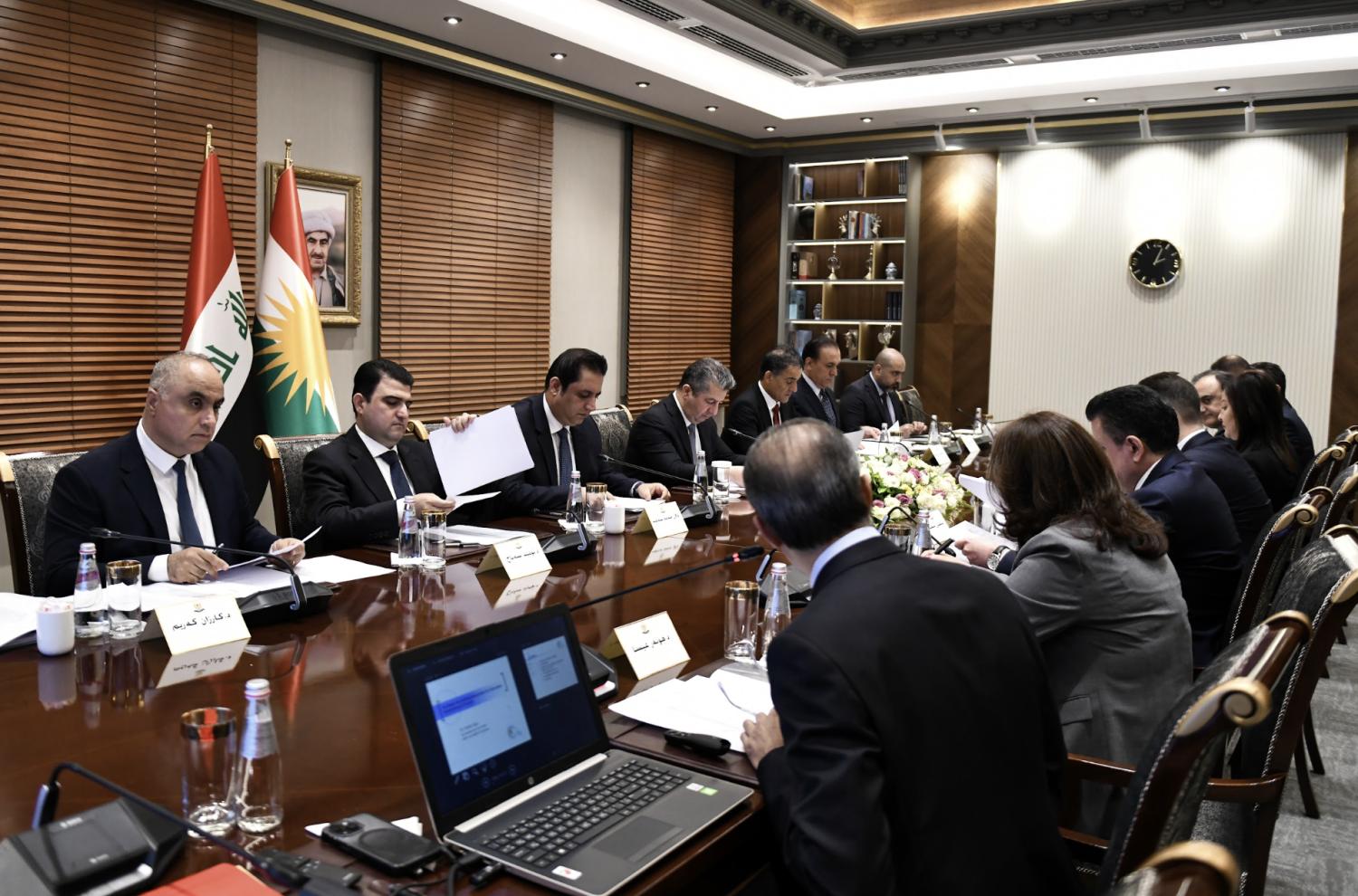
In pursuit of its long-term strategy, the KAAE collaborates with national and international bodies, academic networks, and development organizations to ensure that its initiatives align with international best practices while strengthening institutional capacity.
Furthermore, the KAAE welcomes partnerships with organizations that align with its vision of fostering a transparent, high-quality, and impactful education system. In collaboration with the Middle States Commission on Higher Education (MSCHE), the KAAE delivered a series of webinars focused on program learning outcomes and institutional strategic planning and accountability, highlighting the role of accreditation liaison officers and peer evaluators.
In January 2026, the KAAE presented a joint session with the MSCHE at the Council for Higher Education Accreditation Conference titled: Global Partners, Local Impact. As education continues to generate significant economic and social returns worldwide, strategic international partnerships remain essential to advancing educational development in the Kurdistan Region.
These efforts reflect a broader recognition that education is among the most productive investments a government can make. Together, they position the Kurdistan Region as an increasingly attractive destination for institutions and partners seeking to contribute to the development of its human capital.
is a Master’s student in Economics of Global Risk at Justus Liebig University Giessen, Germany.