On a cool day in Diyarbakir, people slowly gather outside a new space. Some of them already know the streets, while others search for the exact location. Along the way, conversations begin to form.
Excited, cheerful faces greet the guests as the building’s grand stone walls stand quietly in welcome. There is a flurry of activity in the kitchen as refreshments are prepared. Mischievous children run from one corner to another. Many of the faces you encounter have been working for months, preparing for one crucial moment: the return of Avesta Publishing to its home in Diyarbakir.
On December 20, 2025, the opening ceremony of avesta introduced the public to the new home of Avesta Publishing, a bookstore, a Kurdology library, an art gallery, and the official center of the Avesta Cultural Foundation. After nearly ten years, Avesta announced its return to the historic and symbolic city of Kurdistan, Diyarbakir, on the longest night of the year.
Avesta Publishing was founded in Istanbul in 1995 through the efforts of a group of committed individuals, despite the strict political atmosphere in Turkey. Four years after its founding, a bookstore was opened in Diyarbakir, which served as Avesta’s symbolic voice in Kurdistan. Following an act of arson that destroyed Avesta’s book depot, the publishing house decided to close its operations in Diyarbakir for a period. The ten-year break became unavoidable amid the urban conflicts that affected cities across Kurdistan in 2015 and 2016.
Following the Covid-19 pandemic, the Avesta team began exploring ways to return to Diyarbakir. After almost five years of searching, the team found a suitable space in early summer 2025. This new place had the potential to inspire the team – which includes authors, translators, editors, and consultants – since the building could host multiple events simultaneously. For this reason, the space was named avesta, reflecting its broad potential and multifunctional character.
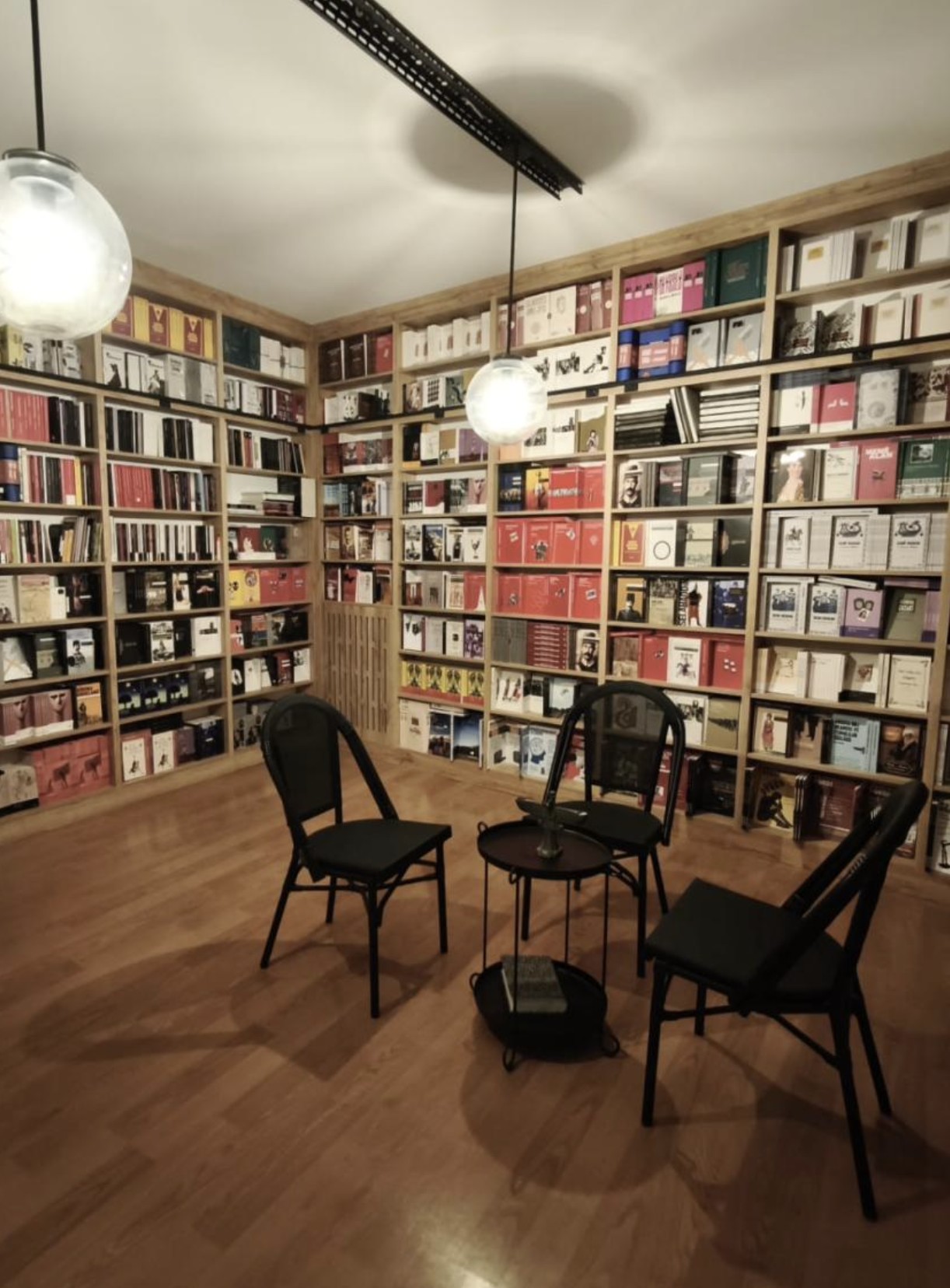
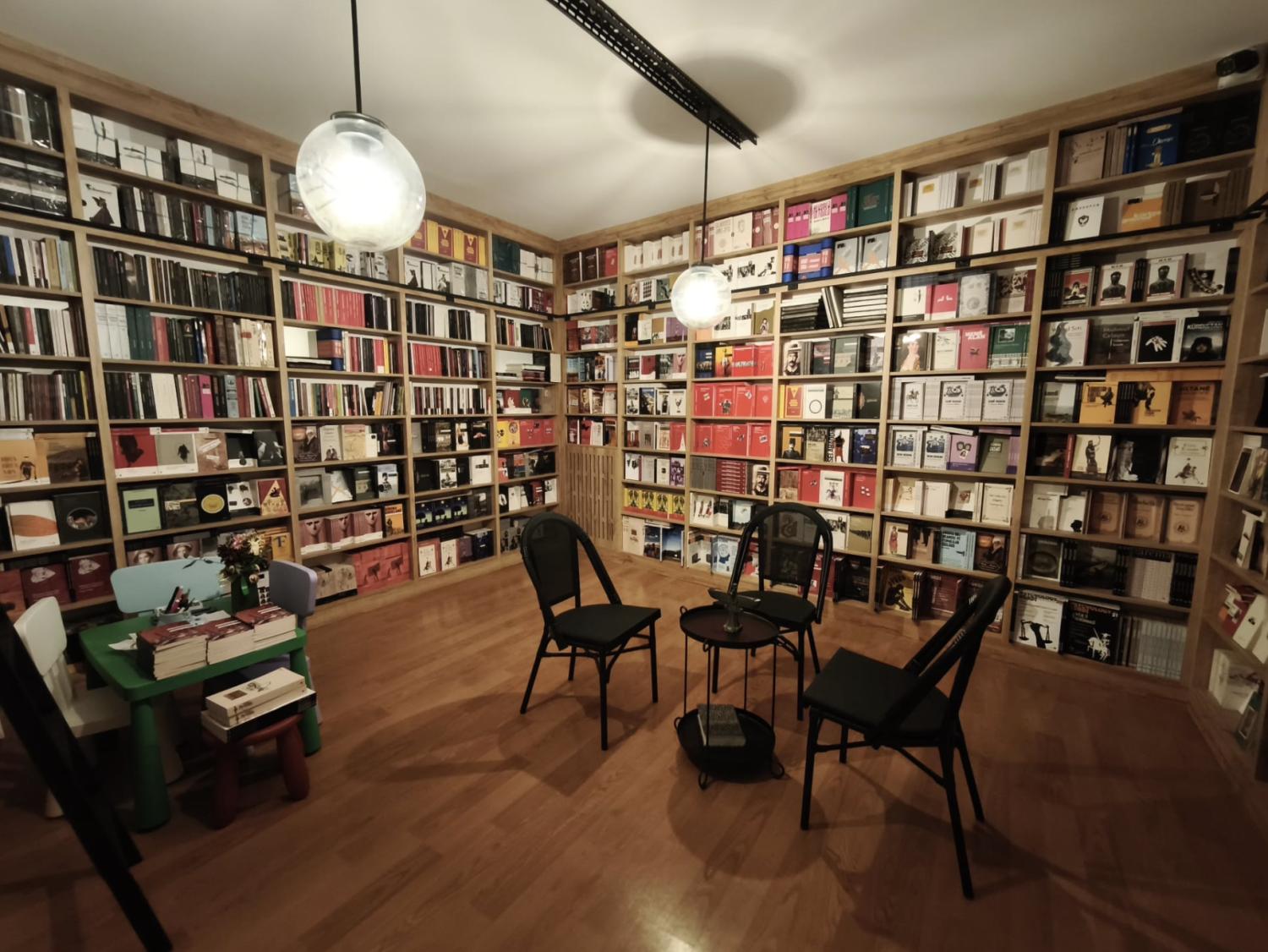
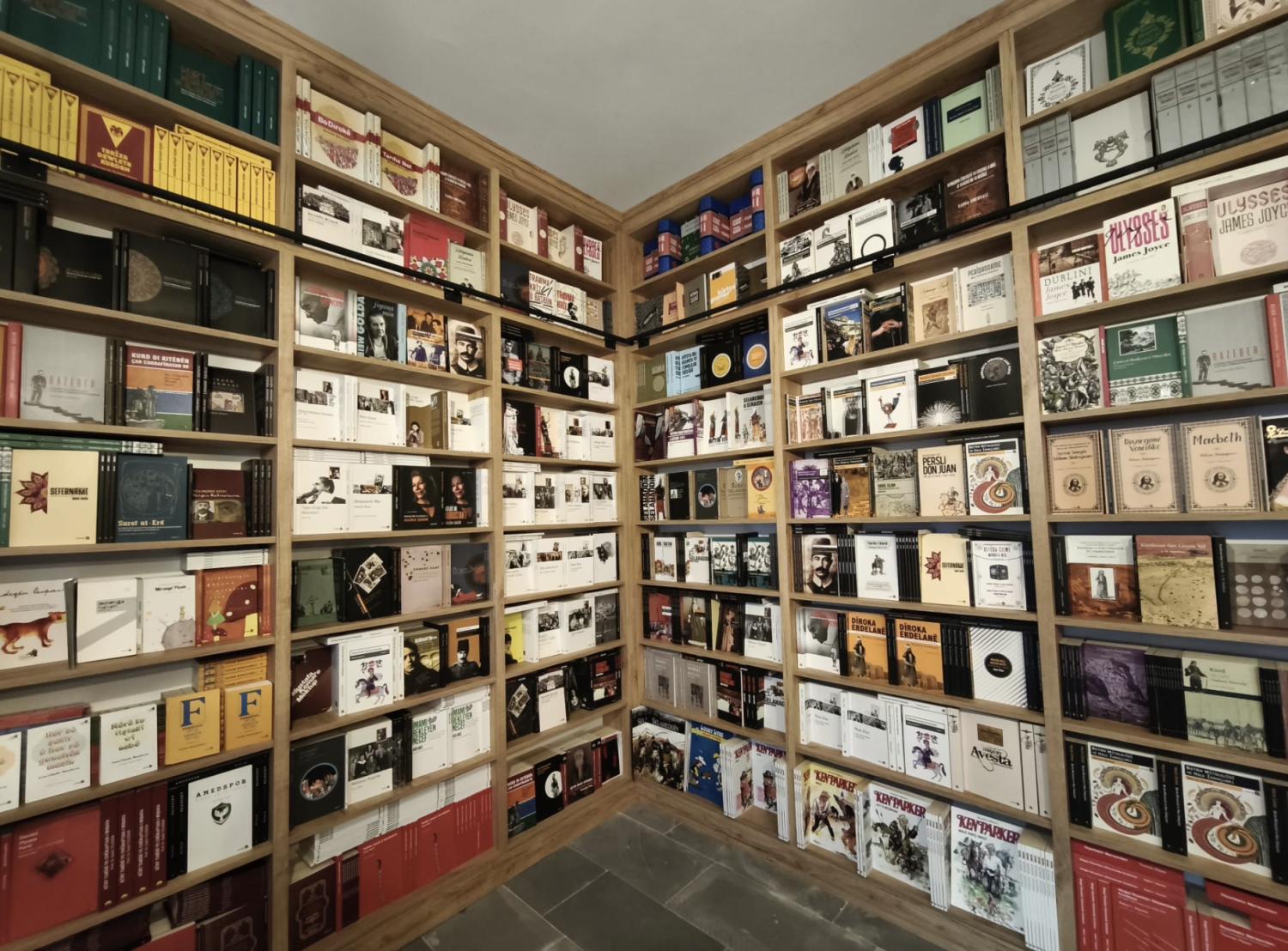
At Avesta’s Bookstore, visitors can find nearly 1,000 titles published by Avesta, covering a wide range of topics, with a focus on Kurdish and Middle Eastern studies. For more than 30 years, Avesta Publishing has addressed its readers under the motto “In Search of Lost Cultures,” publishing books that engage with marginalized, overlooked, and often contentious subjects. In recent years, Avesta Publishing has continued to pursue this motto through an expanding and innovative publishing line, with books ranging from Kurdish literature and art writing to historical research and even football culture.
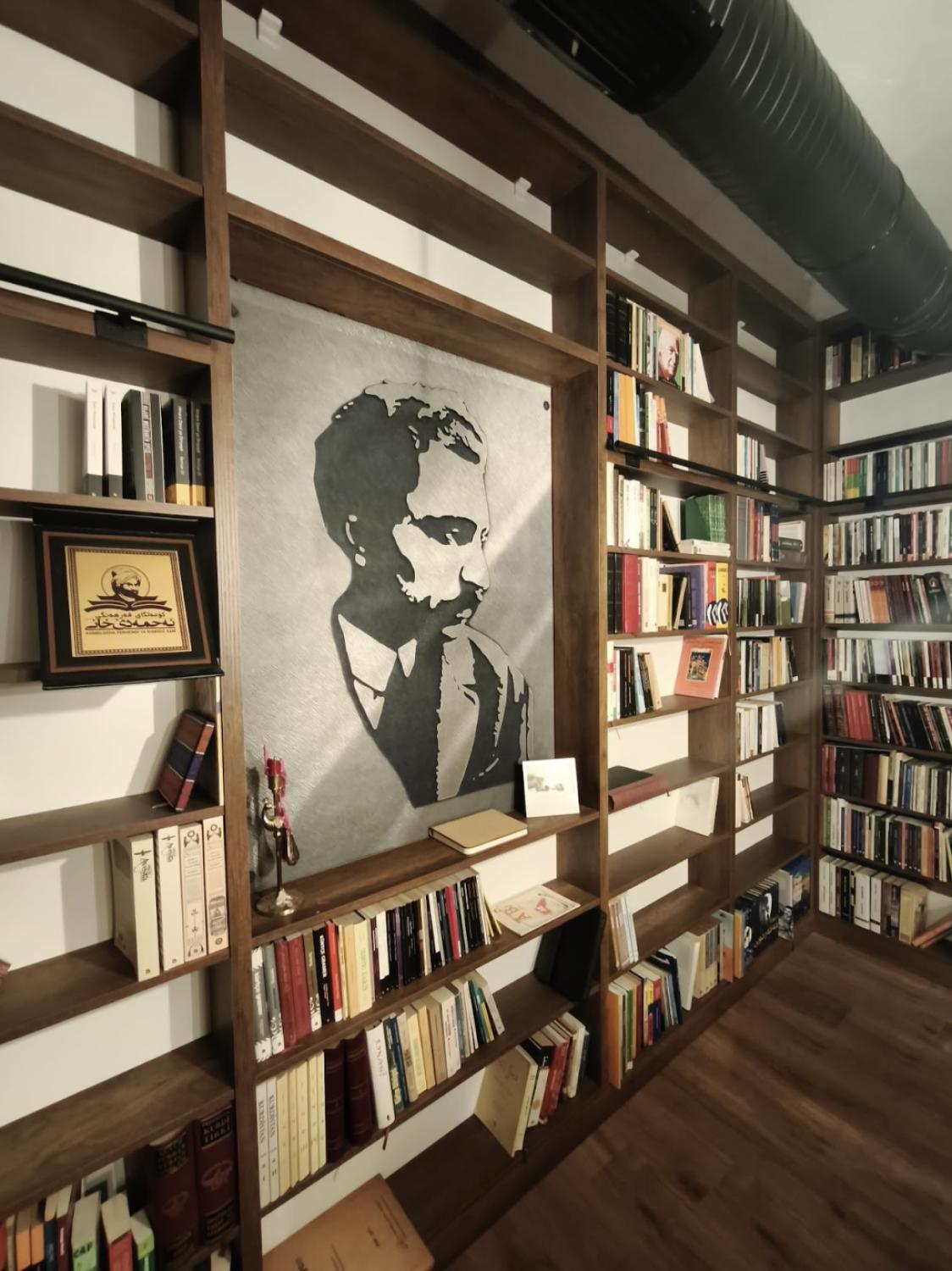
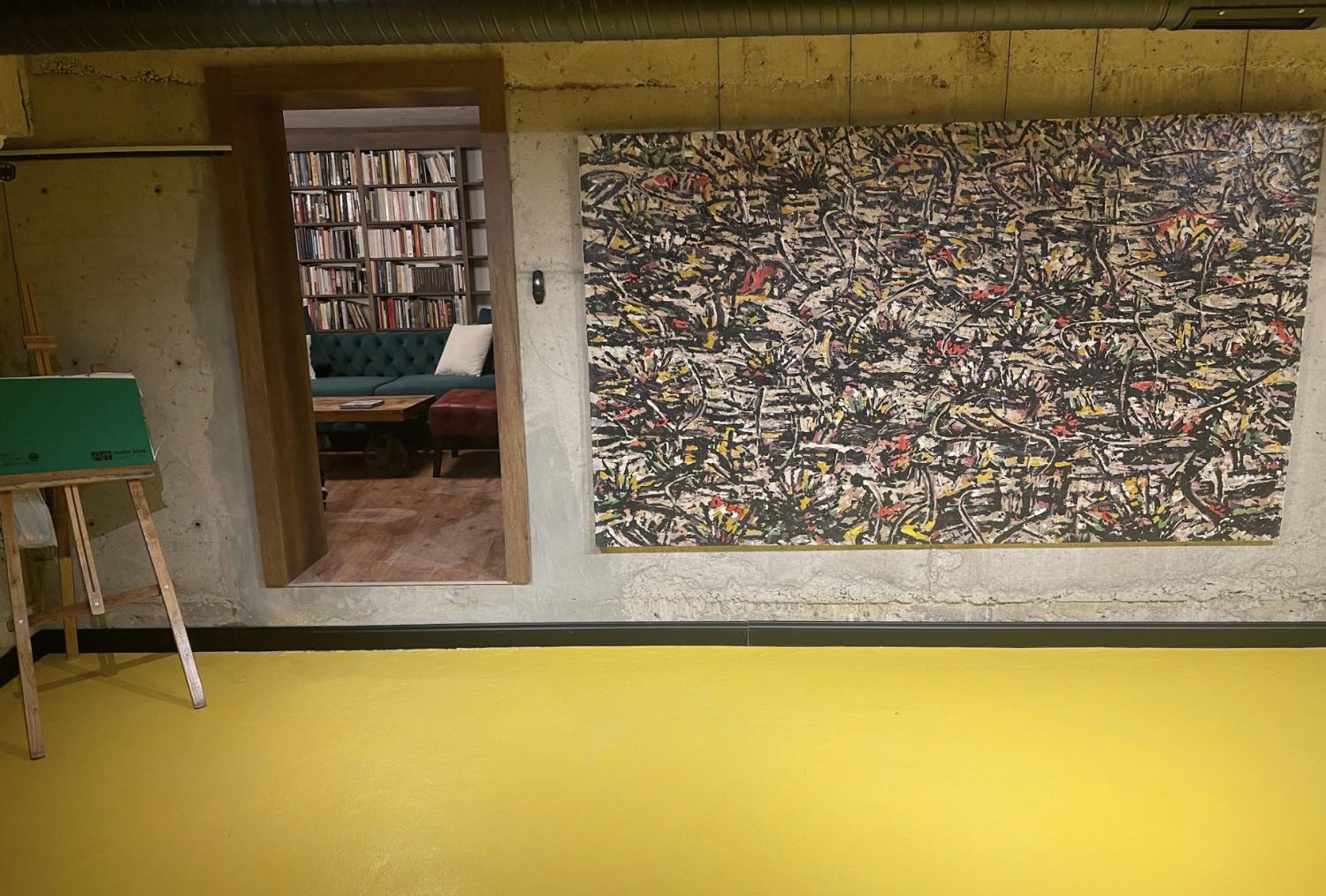
One floor down, visitors will find both an art gallery and a library. The Celadet Ali Bedirxan Library offers a substantial collection dedicated to Kurdish studies in different languages. The library can be used by academics, journalists, or researchers who wish to conduct research on a particular topic. The collection consists of books published in different dialects of Kurdish, ranging from literature to history, culture, and politics. It also contains many works in European languages and Turkish. The library is named after Kurdish diplomat, writer, and linguist Celadet Ali Bedirxan, one of the most influential intellectual figures in the history of Kurdistan, in recognition of his invaluable contributions to the Kurdish language and culture.
One of the most exciting rooms in avesta is subSPACE, located right next to the library. subSPACE was designed as an art gallery with a close connection to the library and bookstore, and to the space as a whole. During the opening, paintings by Rostam Aghala and Mahmut Celayir were presented in the gallery by Kurdistan Region President Nechirvan Barzani. A work of calligraphy gifted by Kurdistan Chronicle for the opening was also displayed in the gallery.
subSPACE is conceived as a place where artistic production can be observed, discussed, and shared. In addition to presenting finished works, the gallery is also intended to host art workshops, enabling experimentation, dialogue, and new encounters between artists.
Finally, the activities of the newly announced Avesta Cultural Foundation will also be carried out at avesta. The foundation is planning to extend the perspective of Avesta with a range of activities, from organizing special receptions marking important dates and historical figures in Kurdish history, to presenting awards to prominent living figures in Kurdish art, science, and cultural life. The foundation also aims to develop the content and visibility of the Celadet Ali Bedirxan Library and Kurdish-language journal publication, with Psychology Kurdi as one prominent example. This broader cultural vision also echoes a longer debate about where Kurdish cultural production takes shape.
In the early 2000s, for instance, contemporary art critics were discussing the existence of a newly emerging generation of artists in Istanbul who became crucial actors from the “periphery.” The periphery referred to the cities of Kurdistan, particularly Diyarbakir during those years. The increasing visibility of Kurdish artists was interpreted as “arts flowing toward the center” by well-known curators in the Turkish art scene, such as Vasif Kortun.
The center-periphery tension became a heated subject of debate. However, 25 years after this controversial debate, thanks to the work of leading Kurdish contemporary artists including Sener Ozmen, Halil Altindere, Jujin, Cengiz Tekin, and Erkan Ozgen, Diyarbakir is no longer the subject of such debates. Rather, Diyarbakir continues to show both local and international audiences that the city itself functions as the center.
The cultural and historical importance of Diyarbakir makes new cultural endeavors possible. The proliferation of institutions such as avesta marks a symbolic threshold. This new age is challenging the long-standing assumption that Kurdish societies must migrate to the “Western” part of the world to make their work visible. With the opening of avesta, we see once again that Kurdistan has its own potential for cultural initiatives and artistic visibility.
The faces greeting the guests grow brighter. The crowd, many of whom have been connected with Avesta for years, and who have arrived from different parts of Kurdistan, know that the opening marks a symbolic moment for cultural life in Kurdistan. Both individuals – readers, writers, and researchers – and institutions in Diyarbakir are well aware that this new era once again demonstrates the importance of standing together and coexisting. Kurdish songs fill the space, celebrating this new step.
is a writer and editor whose work engages with Kurdish studies, history, literature, and contemporary art. She holds an MA in History from Istanbul Bilgi University.