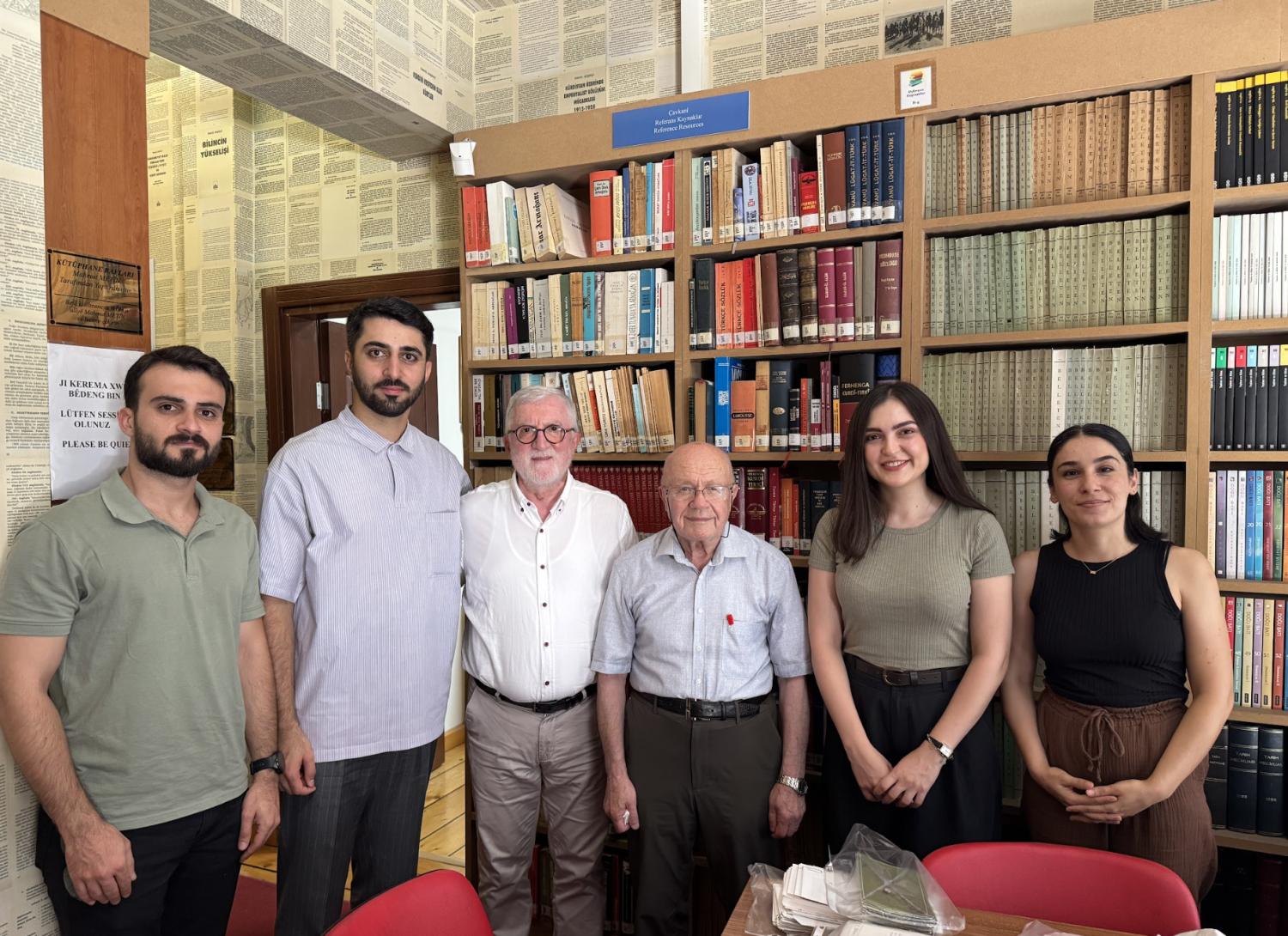
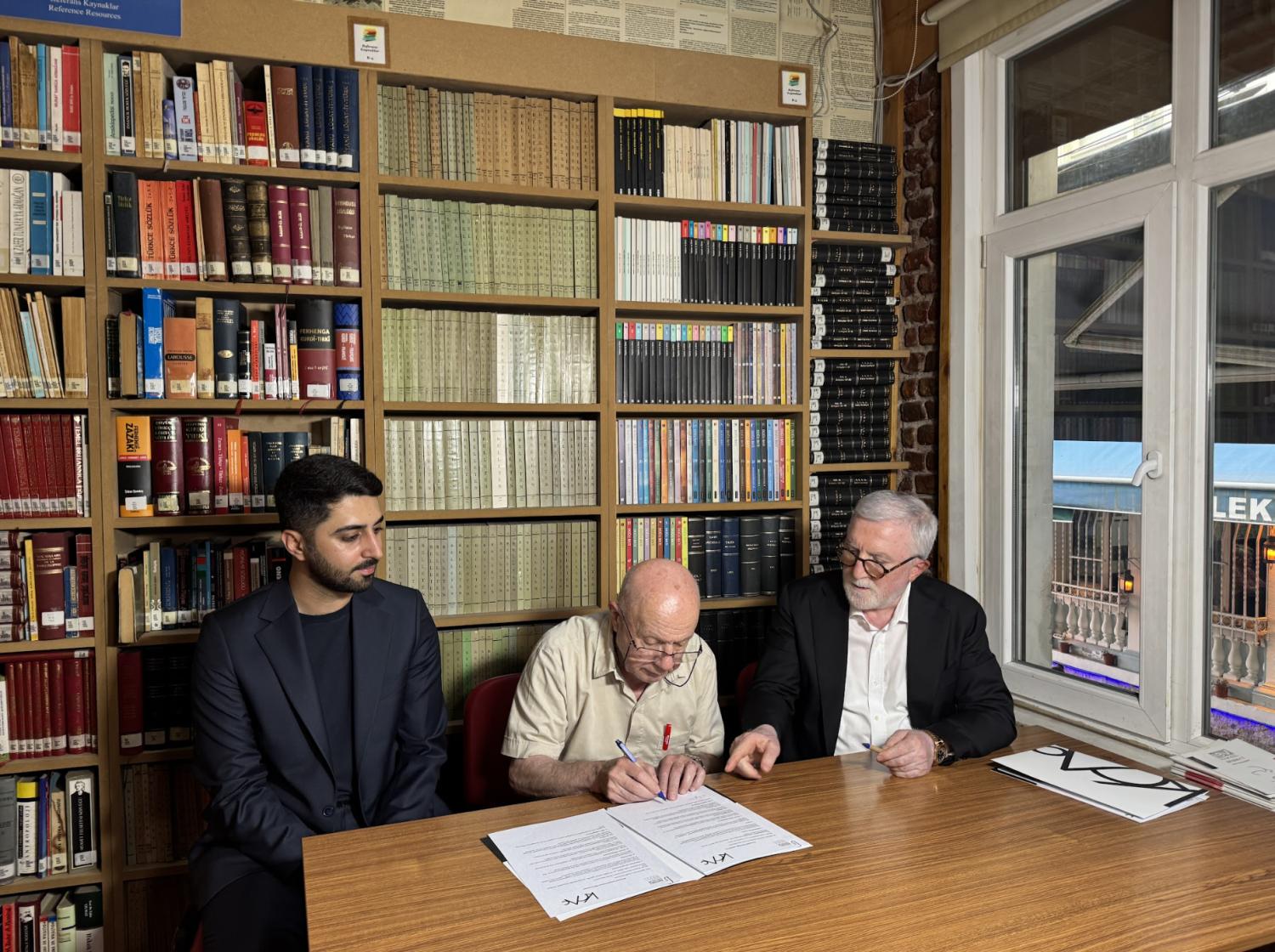
A significant protocol has been signed between the Kurdistan Center for Art and Culture (KCAC), and the Ismail Besikci Foundation (IBF) regarding the digital archiving of the Ismail Besikci Library.
This step is of utmost importance for the preservation of the Kurdish people’s intellectual heritage and historical memory. More than a technical collaboration, it is a gesture of historical responsibility and cultural restoration. The Kurdish people have been erased from maps, their language banished, their books banned, and ideas exiled. Thus, the archive becomes an assertion to existence for a people long denied recognition. In this context, each act of digitization safeguards not merely documents, but a suppressed historical consciousness.
Amid this process, I am preparing my doctoral dissertation in Paris within the framework of Ismail Besikci’s approach to “scientific nationhood.” Guided by my thesis supervisors, Alexandre Timorkine and Timur Muhiddine, I decided that this research should extend beyond theoretical analysis to incorporate direct engagement with Besikci through observation, interviews, and sustained intellectual dialogue.
Accordingly, I came to the IBF in Istanbul, where I am currently working as an intern. This experience has allowed me to understand Besikci both as a scholar and as an individual.
A profound bond with a people
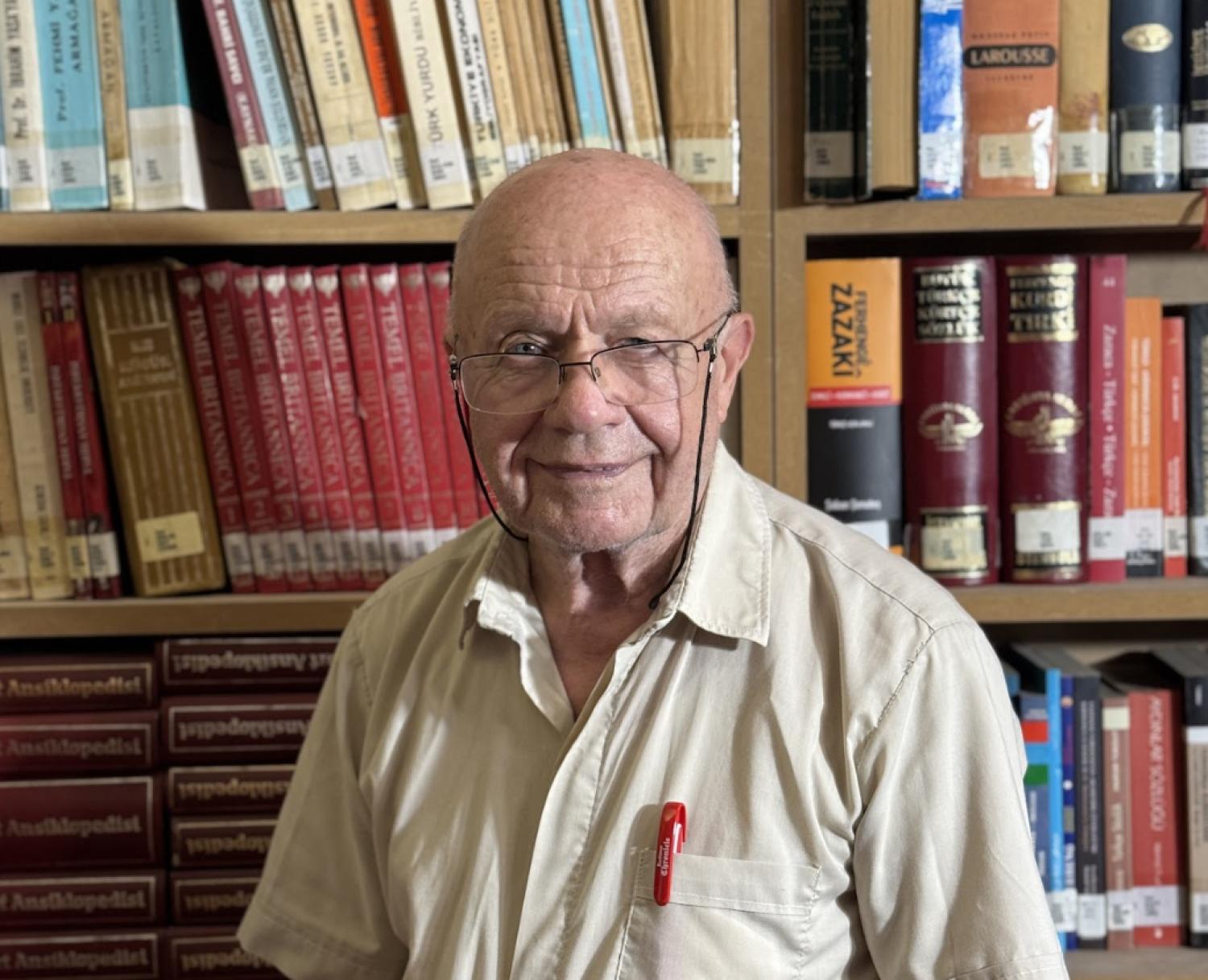
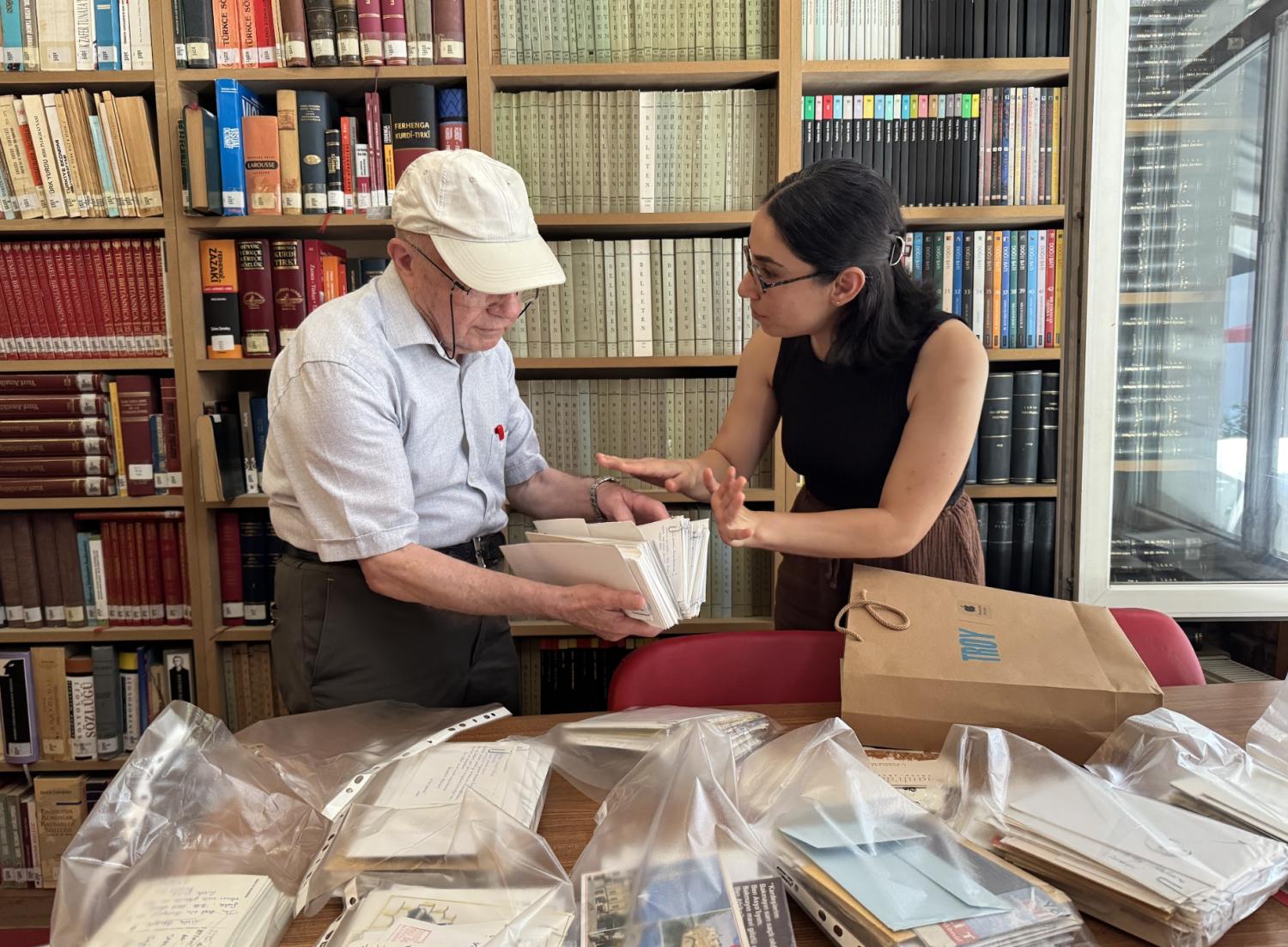
Ismail Besikci stands as one of the most courageous intellectual witnesses of modern Kurdish history. Confronting the official ideology of the Turkish state, he spent nearly 18 years in prison. However, he never put down his pen and never renounced his ideas. In fact, he was never truly alone in prison, as the Kurdish people never left him. While examining his archive, I have encountered thousands of letters and postcards sent from Western Kurdistan (northeastern Syria) and European metropolises, from refugee camps in Lebanon and the mountains of Sinjar, filled with the words of Kurds and their allies around the world. Within these letters, one finds the colorful drawings of children, the prayers of mothers, and the efforts of exiled youth to cling to their language and identity.
Besikci never discarded a single letter, preserving each carefully, sometimes with the envelopes, sometimes with the stamps still affixed. This represents not merely archival diligence, but the material expression of a profound bond with a people. For countless Kurds, Besikci is the threshold through which they first encountered their Kurdishness, first heard of Kurdistan, first found a name for their existence. His writings gave voice to a silenced history, a mirror to a denied identity, a map to a fragmented homeland.
Archiving as institutionalization
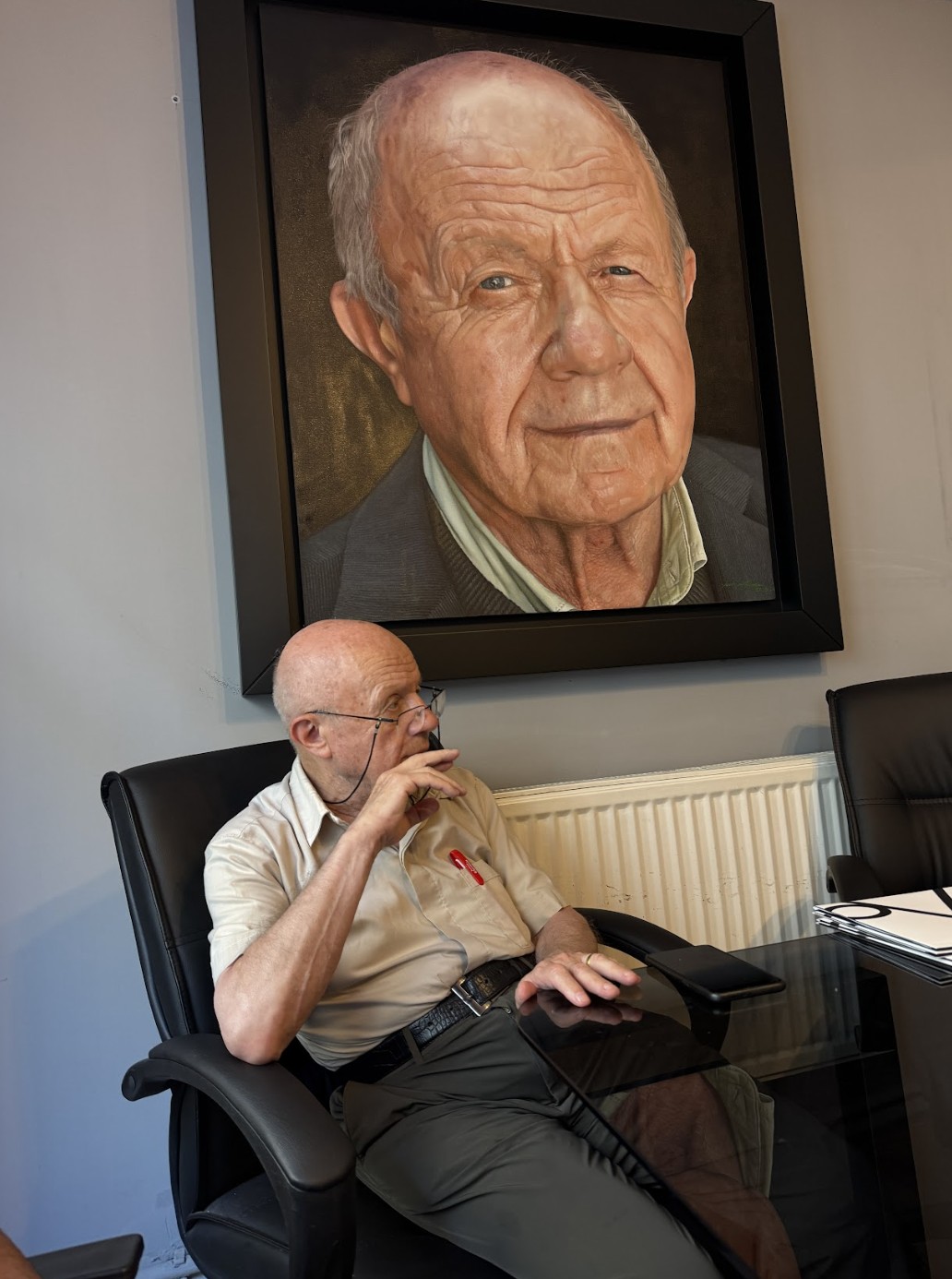
Through my observations in both his personal home library and the collections of the foundation, it has become clear that Besikci is not only a thinker, but also an extraordinary archivist. He has meticulously collected and preserved all things related to Kurds and Kurdistan. What is especially notable is that, despite not speaking Kurdish, he systematically archived materials in Kurdish without exclusion. For example, all issues of Rewsen, a magazine published in the 1990s by the Mesopotamian Cultural Center, can now be found in Besikci’s library. For us Kurds, this magazine is often only partially accessible and remains a difficult-to-access, fragmented source.
The main reason Besikci seeks to leave his half-century-old collection as a legacy to the Kurdish youth is his desire to instill in Kurds not only a sense of homeland and statehood, but also an intellectual corpus, a scientific heritage, and an archival consciousness. An archive not only preserves the past; it asserts a claim on the future. In contrast to its use in the state apparatus, institutionalization here begins with the safeguarding of memory and represents the continuity of a culture, knowledge, and aesthetic spirit. Archives are the gardens of that continuity.
A similar awareness is evident in the person of Ibrahim Gurbuz, who has devoted nearly 40 years to Kurdish culture and Kurdish studies. His home now serves as a site of memory, a living Lalish, the holiest sanctuary in Yezidi belief. The books that fill the house keep the spirit of history alive. From the pages of a dusty magazine, the memory of political leader Seyid Riza resurfaces; from the corner of a yellowed postcard, the gaze of General Mustafa Barzani beckons. The house is not only home to the spirituality of the past, but also embraces the contemporary traces of Kurdish intellectual heritage. The portraits of countless valuable Kurdish thinkers, writers, poets, and philosophers – from Ehmede Xani to Yilmaz Guney – adorn the walls. Each visual is a reminder as well as an act of ownership, preservation, and transmission. This space, built through Gurbuz’s 40 years of labor, is more than just an archive. It is a cultural sanctuary and a center of aesthetic consciousness.
Preserving collective memory
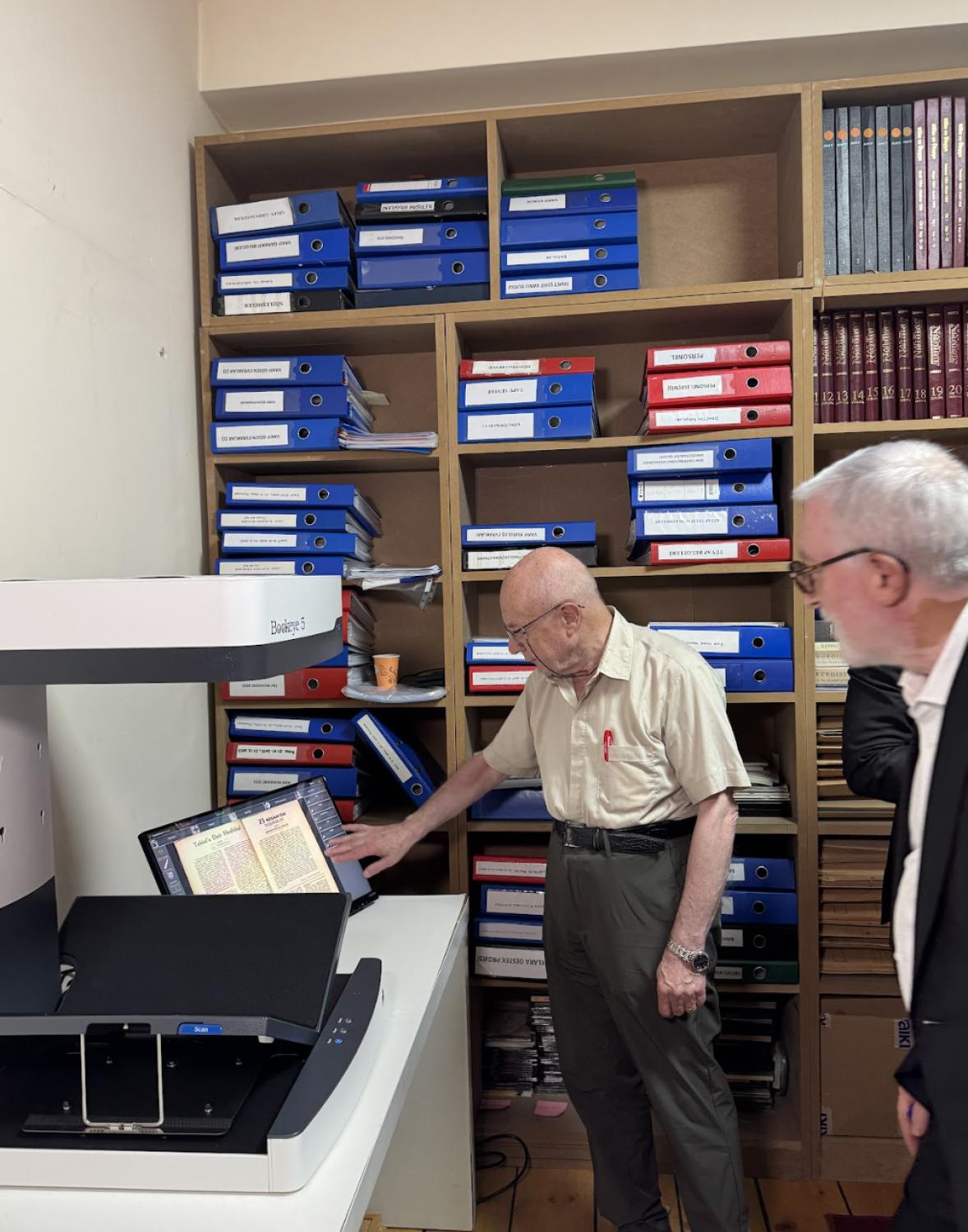
Today, Besikci’s vast archive is being digitized through the cooperation between the IBF and KCAC. This effort ensures not only the preservation of a physical collection, but also the transmission of Kurdish historical consciousness, aesthetic reflection, and cultural memory to the future.
The Kurdistan Center for Arts and Culture (KCAC) is committed to the scientific documentation and digital preservation of Kurdistan’s heritage. Through advanced technologies, KCAC systematically archives books, manuscripts, photographs, periodicals, and other historical materials—safeguarding them as accessible resources for research and future generations.
These developments, including the collaboration between the IBF and KCAC, demonstrate that, although Kurdish archiving has been long neglected, concrete steps toward institutionalization are now under way. This delayed but vital step represents a strategic turning point for Kurdish society and future generations. Archival work secures not only the memory of individuals, but also the continuity of a people’s collective memory, intellectual heritage, and identity.
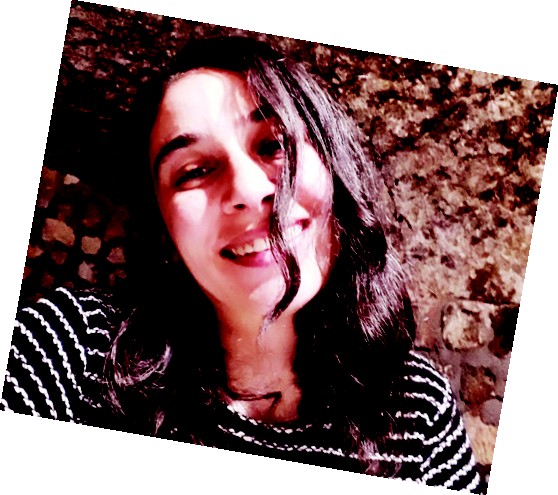
is a doctoral student at the Institut National des Langues et Civilisations Orientales (INALCO) in Paris. She is currently researching and interning at the Ismail Besikci Foundation in Istanbul.