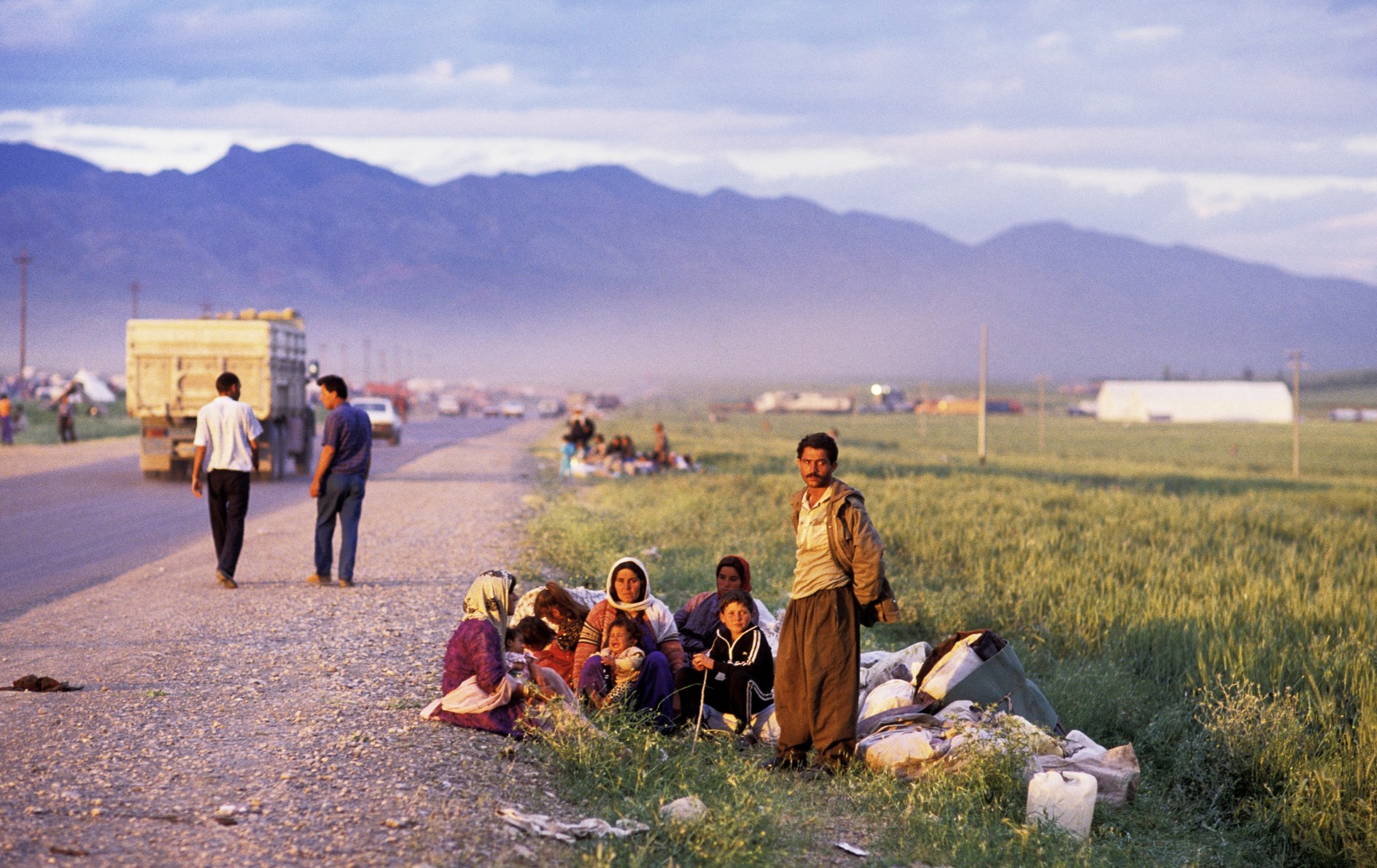
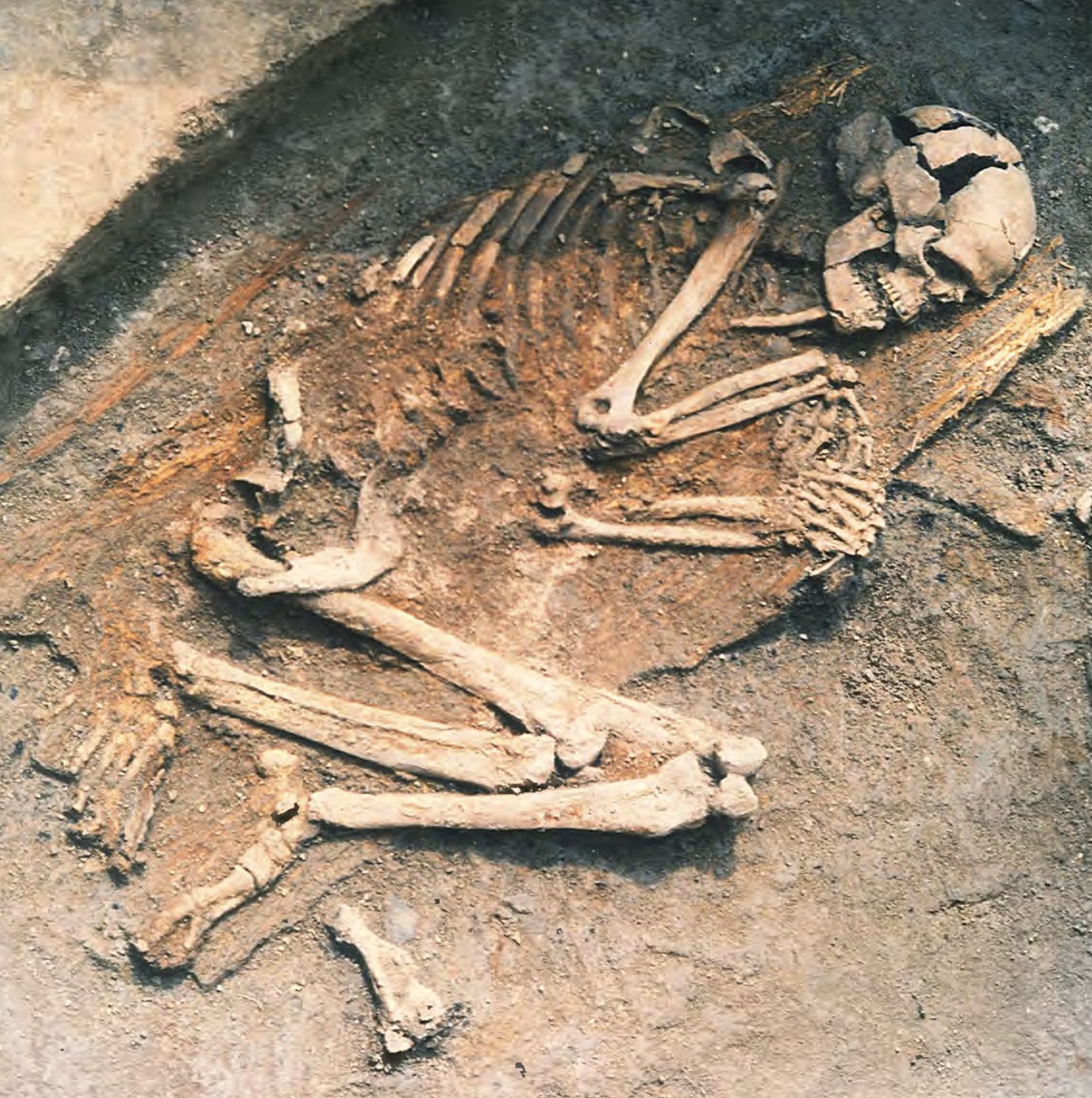
Agriculture was nothing short of revolutionary. It began in Mesopotamia with the domestication of grains such as wheat and barley, and with people learning to raise animals such as sheep and pigs. But agriculture is far more than a way to put food on the table. Its development marked a profound social transformation – one that made population growth possible, gave birth to the idea of property, and paved the way for permanent cities.

The Neolithic turning point
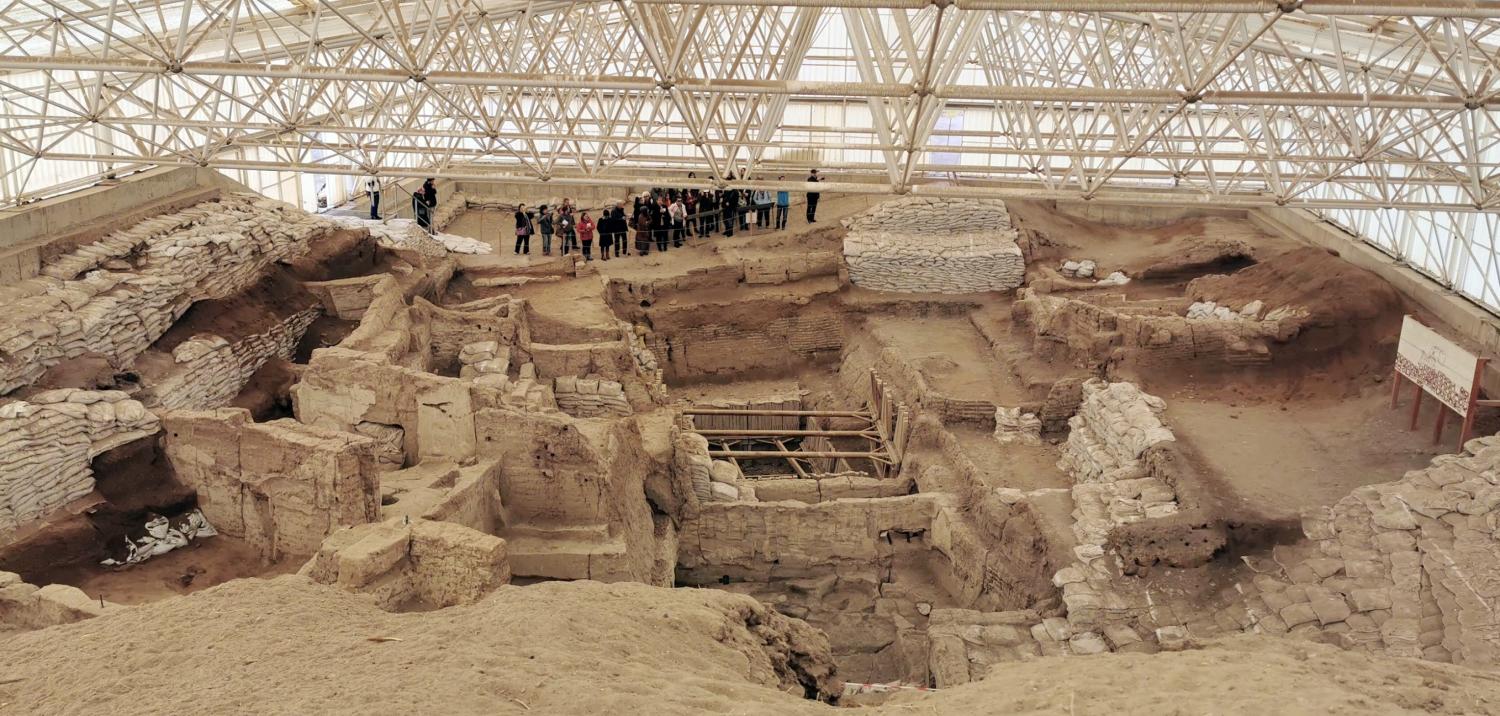
The story of agriculture stretches back nearly 12,000 years, to the Neolithic Age (around 9,000-10,000 BCE), when nomadic hunter-gatherers gradually began to settle down. As the last Ice Age came to an end, communities started cultivating wild grains such as wheat, barley, rice, and millet, turning nature’s offerings into planned production. With this shift, the first settled societies began to take shape in Northern Mesopotamia. This region encompasses the upper reaches of the Tigris and Euphrates rivers and today includes the Southeastern Anatolia Region of Turkey, northeastern Syria, and northern Iraq, all parts of the broader Kurdish geography.
Research by the American geneticist and physician David Emil Reich – a Harvard University geneticist and a pioneer in ancient DNA analysis and population genetics – and by the Greek geneticist Iosif Lazaridis – who has studied the origins of European and Near Eastern populations as well as the genetic structure of Bronze Age communities – has demonstrated that the first farmers emerged from these regions. The research team, led by Reich and Lazaridis, worked for nearly four years alongside archaeologists and linguists, analyzing skeletal remains and DNA samples from 700 individuals who had lived roughly 10,000 years ago.
Migration and the making of the first farmers
Their findings revealed that agriculture around Diyarbakır was not initiated solely by the local inhabitants of the region. People arriving from elsewhere also played a significant role in this transformation. In other words, not all the people who experimented with sowing wheat and domesticating sheep and goats 10,000 years ago in Karacadag were descendants of the earlier hunter-gatherers who had long lived in the area. The research indicates that during the early phases of the Neolithic Age – the era in which the agricultural revolution reshaped human lifestyles, dietary habits, and patterns of interaction – two major waves of migration reached Anatolia.
The first of these migration waves took place between 11,000 and 9,000 years ago, when people moved from Northern Mesopotamia – what is today often described as the Kurdish geography. As Reich explained, “The genetic contribution from Mesopotamia is present in all of the Pre-Pottery Neolithic Anatolian samples we studied.”
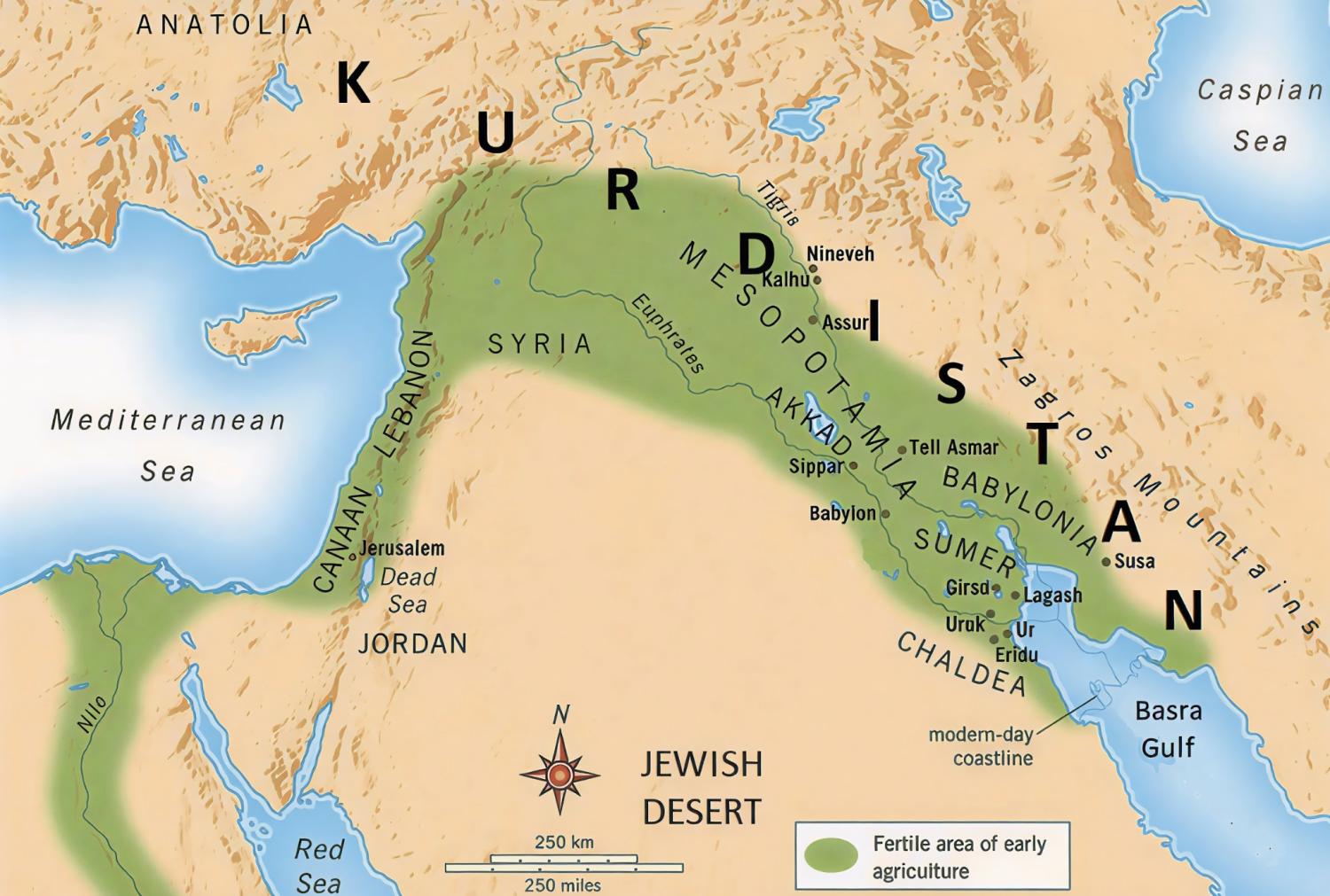
The second wave likely came from the Levant. Although the exact boundaries of this region have never been clearly defined and today span several countries, the research team argues that the primary movement came from what is now northeastern Syria and northern Iraq.
In light of these findings, the researchers concluded that Anatolia’s first farmers descended from different hunter-gatherer ancestries. The hunter-gatherers who initiated and shaped agriculture in Anatolia were not isolated local groups but ancient communities who had migrated from Northern Mesopotamia and the Levant, carrying with them knowledge, practices, and lifeways that would permanently transform the region.
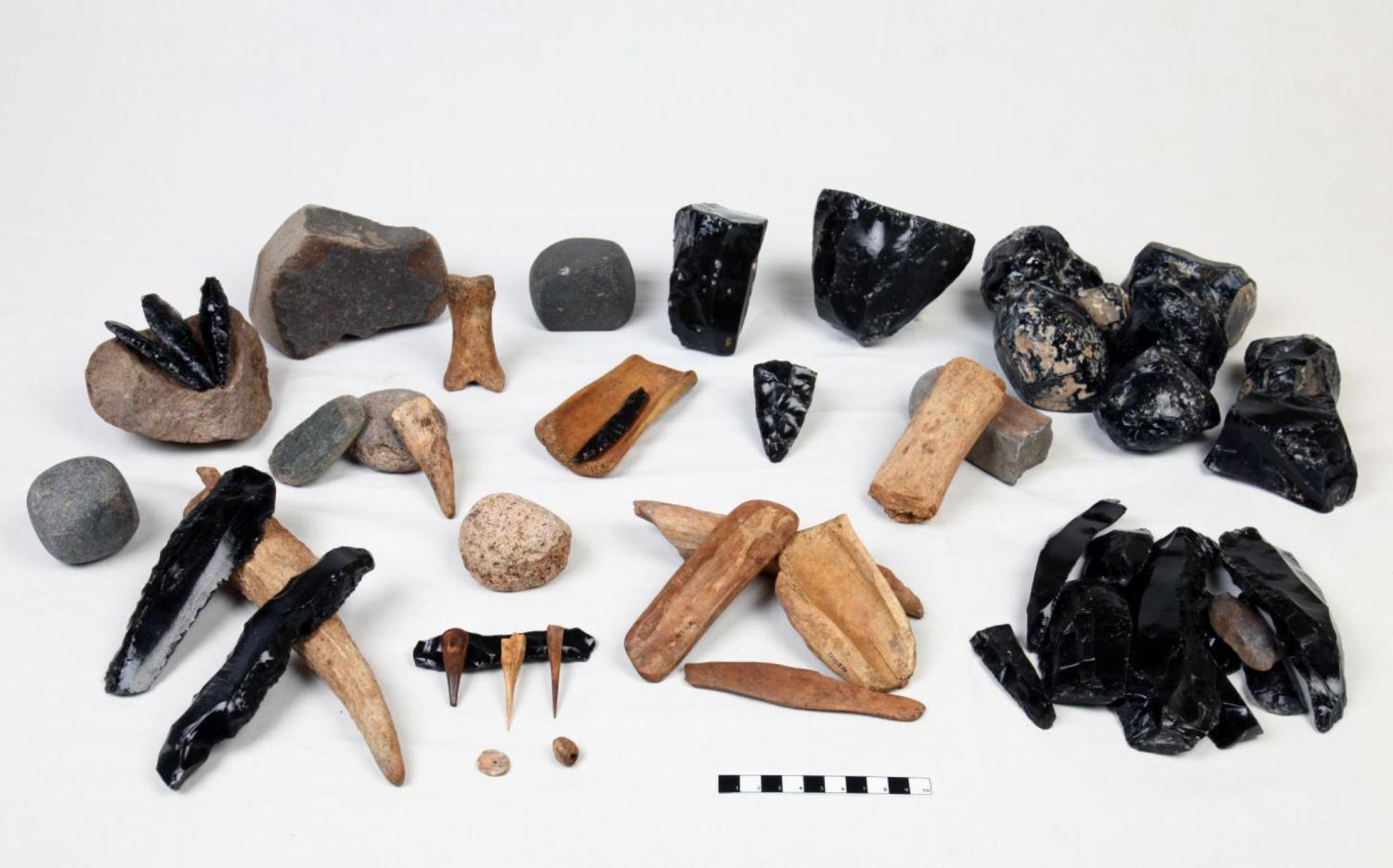
If we consider that agriculture was not merely a mode of production but also a catalyst for economic, social, scientific, and cultural transformation, then this history takes on an even deeper meaning: the peoples of this geography stand as the custodians of a legacy that helped spark and sustain the rise of Anatolian civilization.
is an agricultural engineer specializing in climate change and carbon footprint.