In a historic event that feels more like the scene of a fantasy film, a group of warriors decided, following the death of their commander, to end their own lives. By mounting the horse that had carried the commander, the warriors aimed to ride with him into another world, where their lives would find purpose in death – a burial tradition similar to that practiced in the Nordic world, but about a millennium older.
Unearthing the tomb
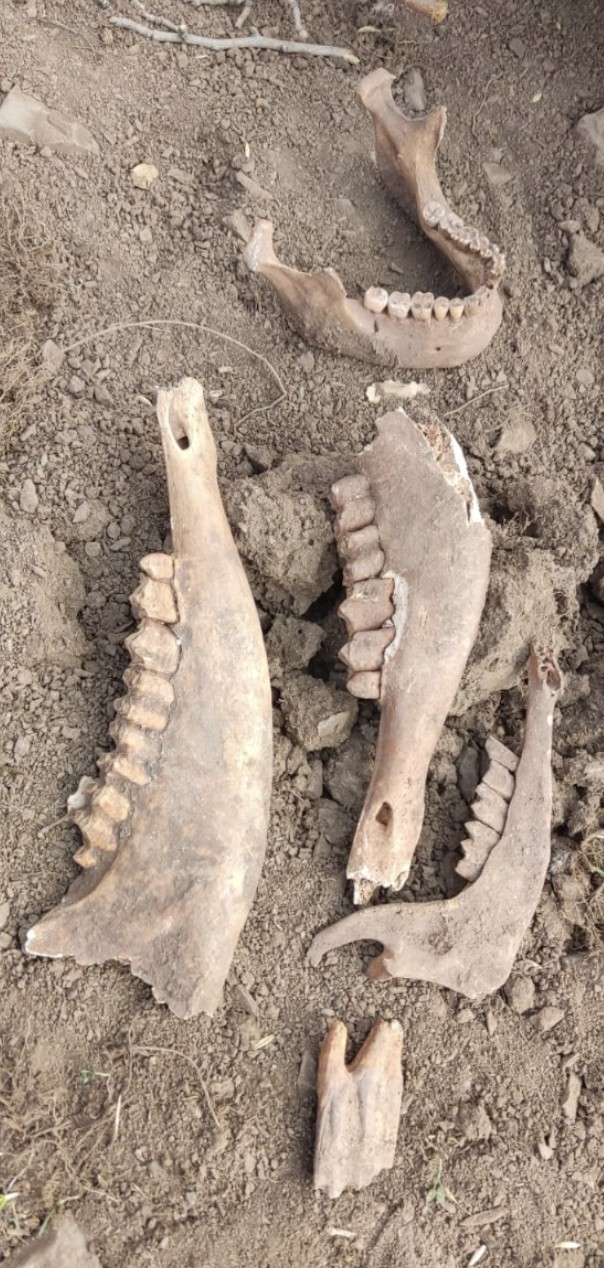
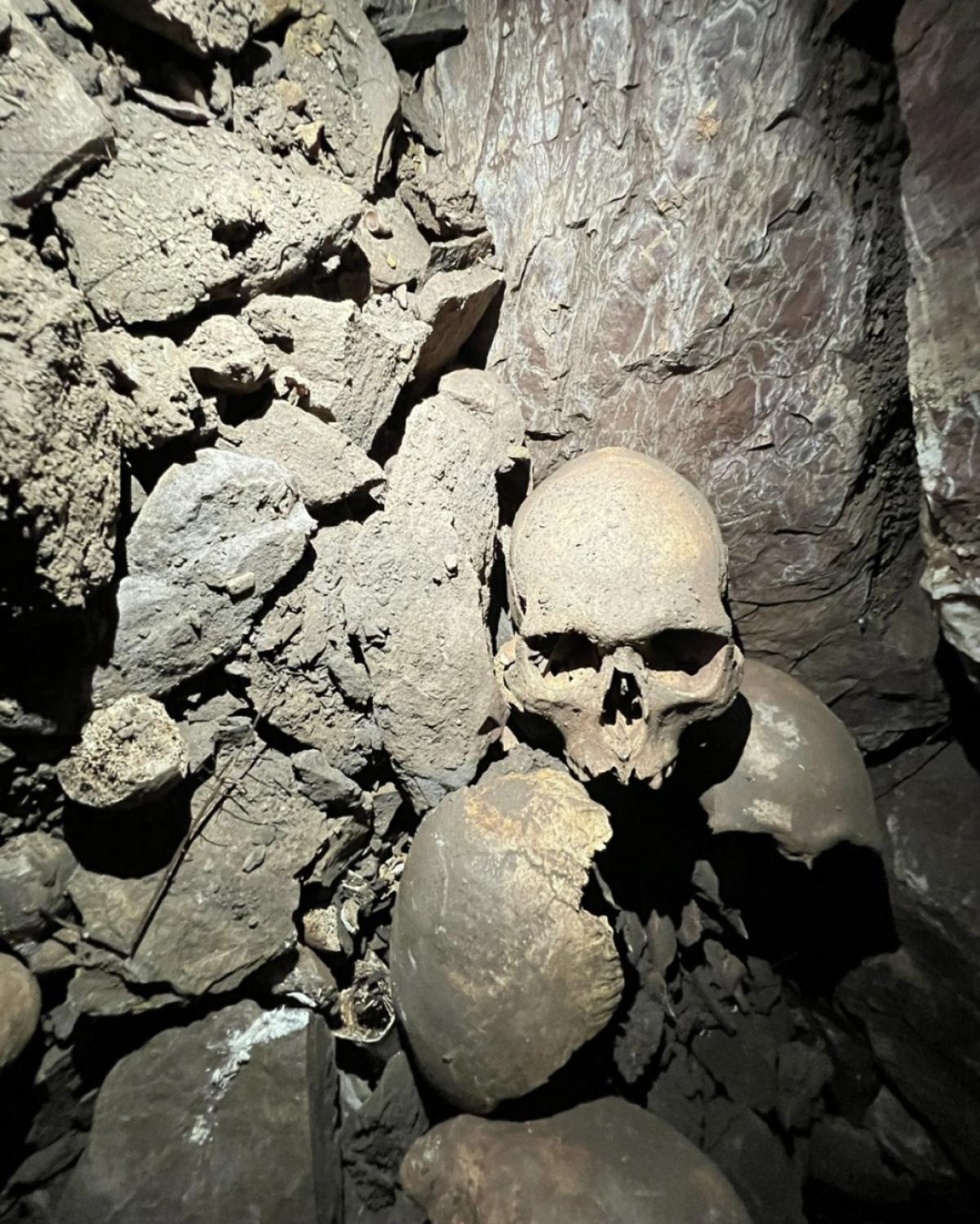
At the end of October this year, in the Bradost area of the Erbil Governorate, a tomb was discovered that has a history stretching back over 2,500 years. It contains the skull of a king or commander, along with the skeleton of a horse and several guards, other bones, and a terracotta jar.
Preservation challenges
One afternoon, a farmer from the village of Khalifan in the east of the Sidakan District noticed an opening. The hole, about a meter and a half wide and half a meter deep, widened as he investigated. The skull of a human appeared on one side, and animal bones on the other.
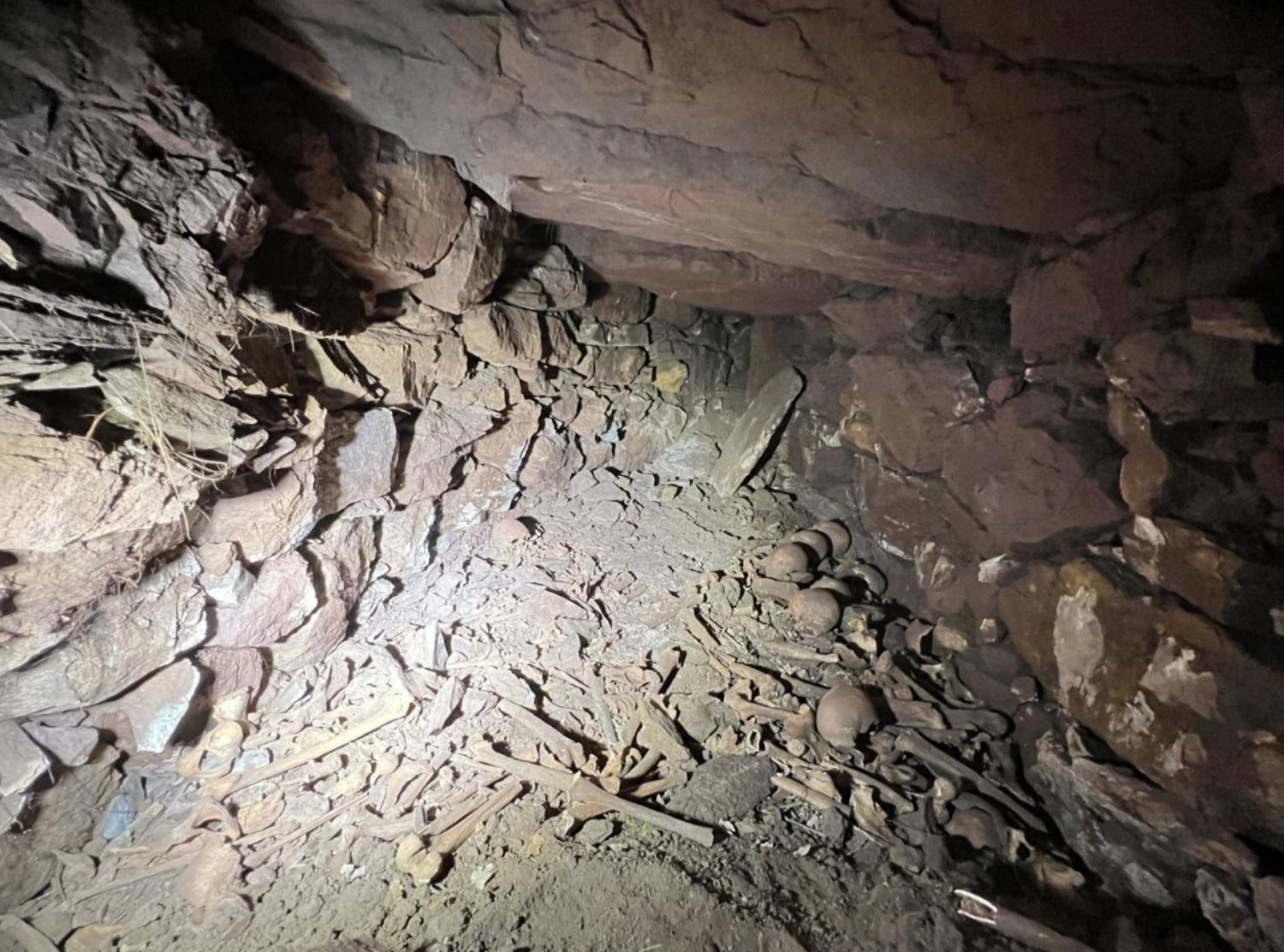
As soon as the farmer noticed the human bones, he notified officials. Abdulwahab Suleiman, the Director of the Soran Department of Antiquities, who had himself visited the pit, told Kurdistan Chronicle that the tomb is rectangular and constructed with mud bricks. The walls are 135 centimeters tall; the tomb is 420 centimeters long and 160 centimeters wide. Several skeletons were found inside. Suleiman expressed his disappointment that the tomb was visited by locals, who disrupted the archaeological evidence and made it more challenging for specialists to analyze the remains.
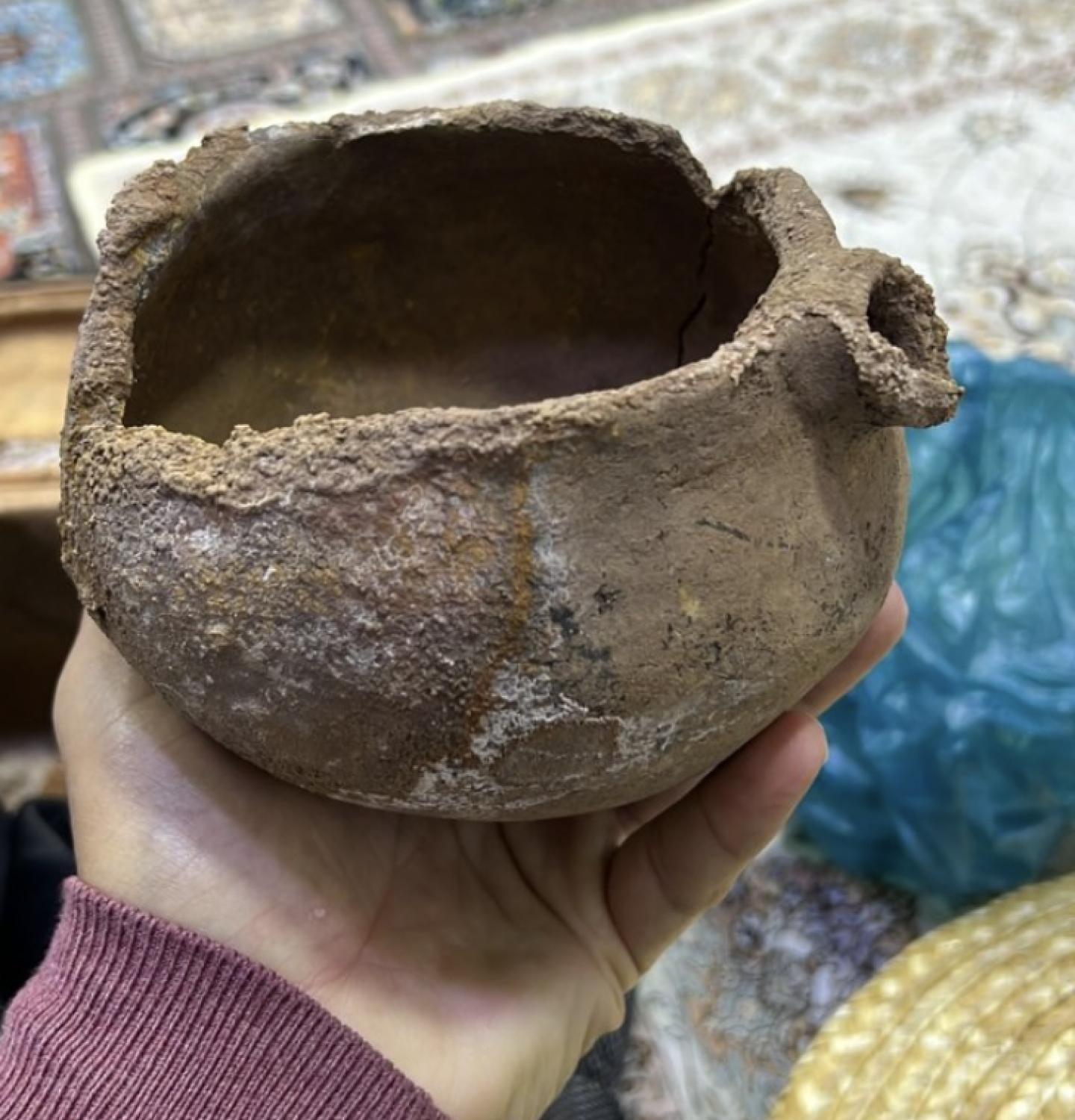
Suleiman added that the grave was remarkably intact for its age and that no adhesives were used in its construction; the walls and roof were built with dry stones, while wide, loosely placed stones covered the top. A terracotta jar used to hold water, food, or perfume was placed inside the tomb. This demonstrates that the people who built the tomb were skilled in construction and pottery alike.
What remains now is to study the objects buried within the tomb to fully understand their practices and daily life, as well as to analyze the bones.
Rituals, death, and loyalty
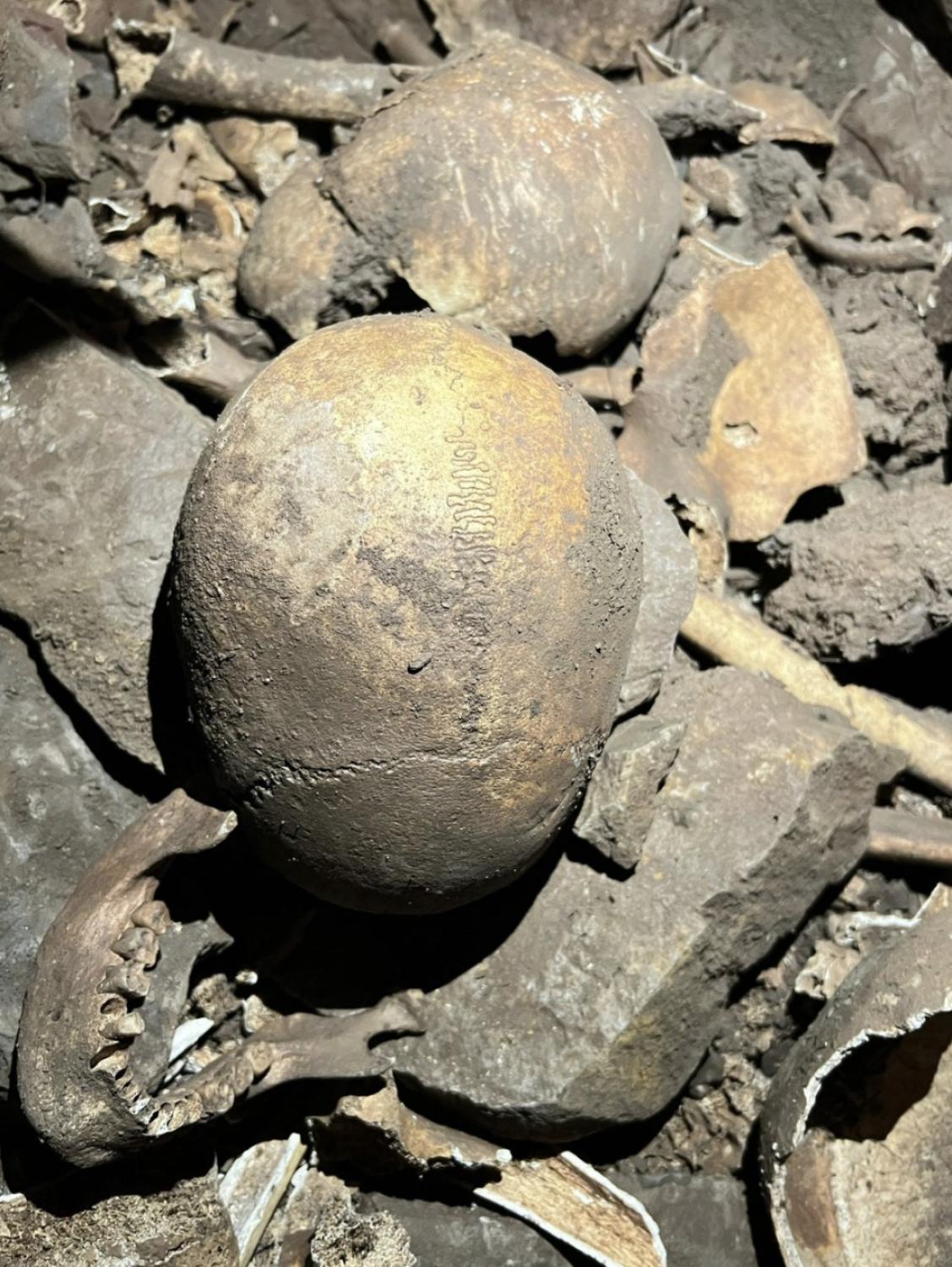
The grave speaks to the beliefs of its builders, although the disturbance of the bones has erased much of the story. Still, the remains tell a compelling tale: horse bones lie alongside 11 male skulls, suggesting that those interred were not a single family. Instead, they seem to have been a military leader and his followers, or perhaps a regional king and his warriors or guards. Perhaps they were brought back from a heroic campaign, falling together in battle. Perhaps the guards chose the same fate as their master to continue serving him in the afterlife, a shared destiny that echoes through history.
In the Zagros Mountains during the first millennium BCE – around the time when the tomb was built – the horse was sacred, a symbol of status and authority. From afar, a single horseman could be recognized even among a group of riders by those who followed him. The arrangement of pots, horse bones, and human remains shows that multiple individuals were buried together. The leader had died, and the pots may have contained poison so that his followers could drink and join him in death, following a belief that such sacrifice would secure prosperity in the afterlife.
Ethnicity and historical context
Suleiman revealed that the buried individuals are likely of the Urartian, Mannaean, or Median ethnic groups, with radiocarbon placing them around 500 BCE. Terracotta jars and pottery have been found similar to the one in the tomb and linked to the aforementioned ethnic groups. The careful placement of remains and vessels reflects both ritual and social hierarchy, suggesting that death here was not merely an end, but a deliberate, shared journey. Those who followed their leader in death upheld a code of loyalty and honor, a testament to the beliefs and values of their time.
Remarkably, the tomb was reopened or re-capped some 2,500 years later. Today, experts from several U.S. universities are expected to arrive in the Kurdistan Region to work with local experts to study the site to reveal the secrets of human history preserved within. The discovery stands as a bridge across millennia, linking the courage, devotion, and ritual of ancient warriors to the scholars and observers of today, a silent story of loyalty and sacrifice waiting to be told. Within the coming months, these studies aim to uncover the hidden history of human life, sacrifice, and the bravery of those warriors, revealing a chapter of history marked by blood, loyalty, and devotion to a fallen commander.
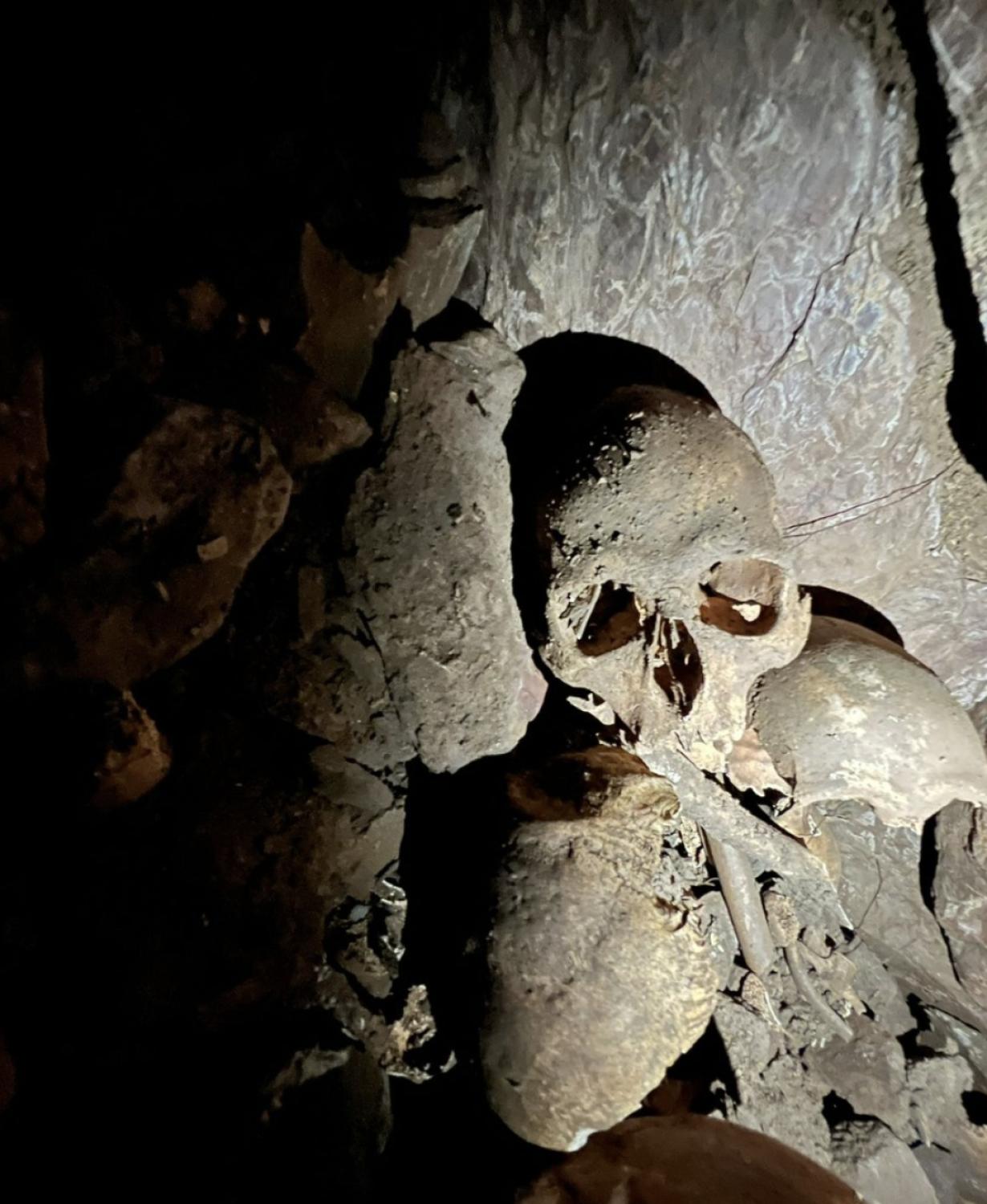
The discoveries in the Bradost area of tombs of unimaginable age, holding commanders, their horses, and companions, stand alongside the burial traditions of the ancient peoples of the region and reflect a profound understanding of power, ritual, and the afterlife. The act of interring warriors, animals, and attendants together transforms death into a ceremonial passage, a journey into an afterlife that might resemble the Viking Valhalla. These tombs are not only monuments to the leaders and their retinues, but also enduring symbols linking the heroic codes of the ancient civilizations of the Zagros mountains to the identity and cultural memory of modern Kurds.
Through bones, stone, and the silent testimony of these graves, we see a civilization’s last vow of honor, a promise that resonates across millennia, binding past loyalty to the living heritage of today.
is Kurdish journalist and university professor.