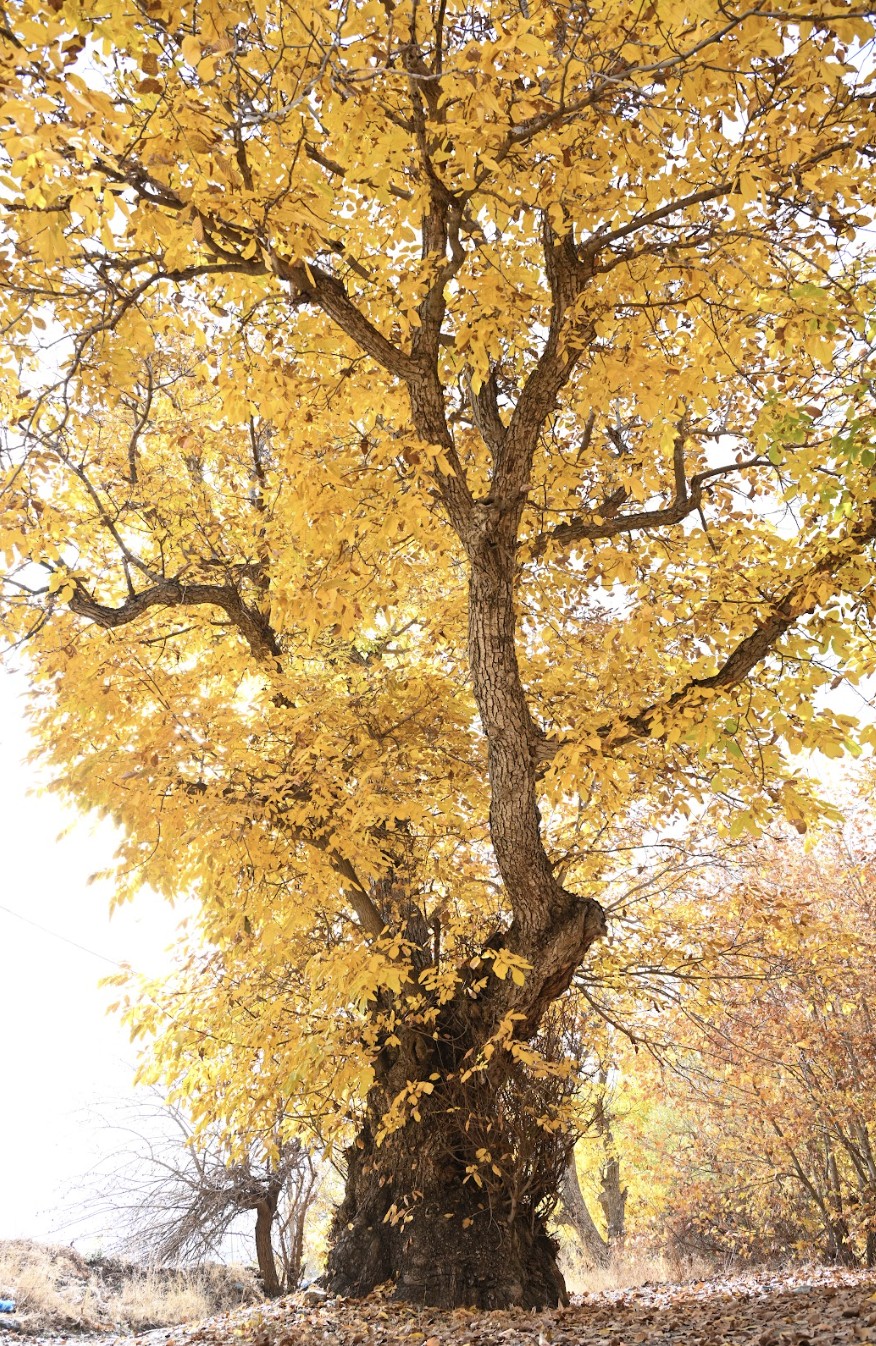
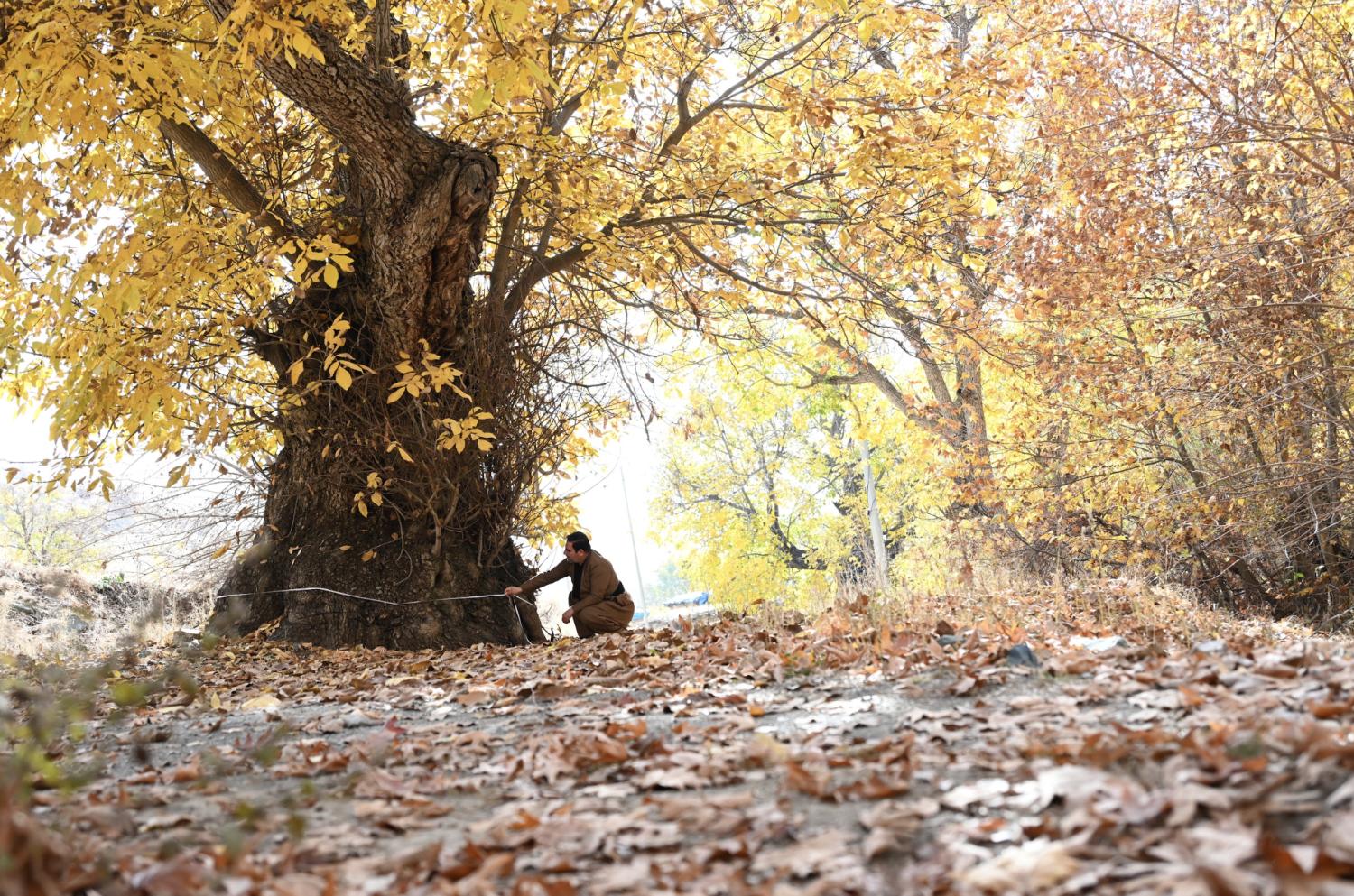
High in the chill, misty hills of Penjwen, in the Kurdistan Region’s Sulaymaniyah Governorate, a single walnut tree burns with autumn color.
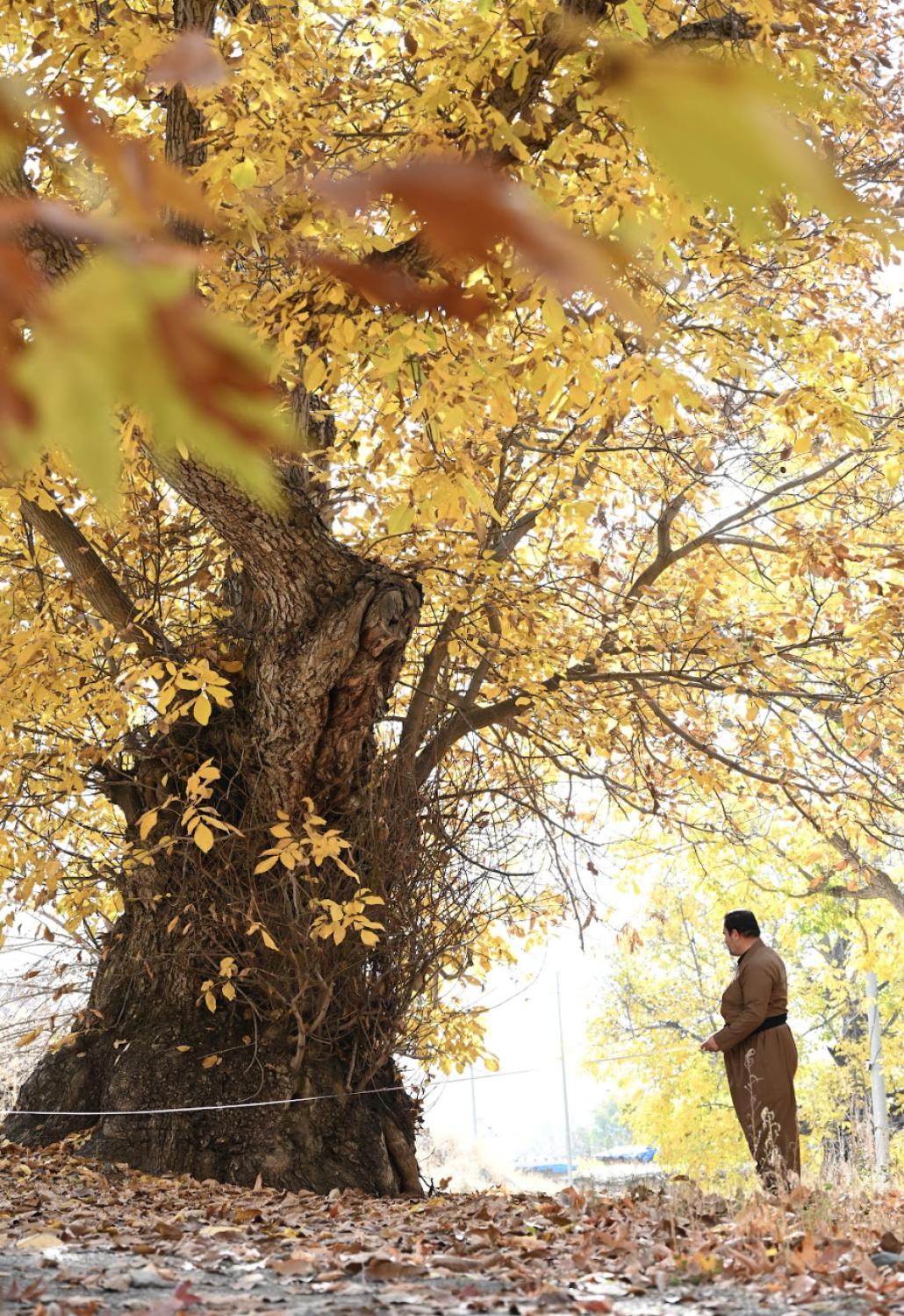
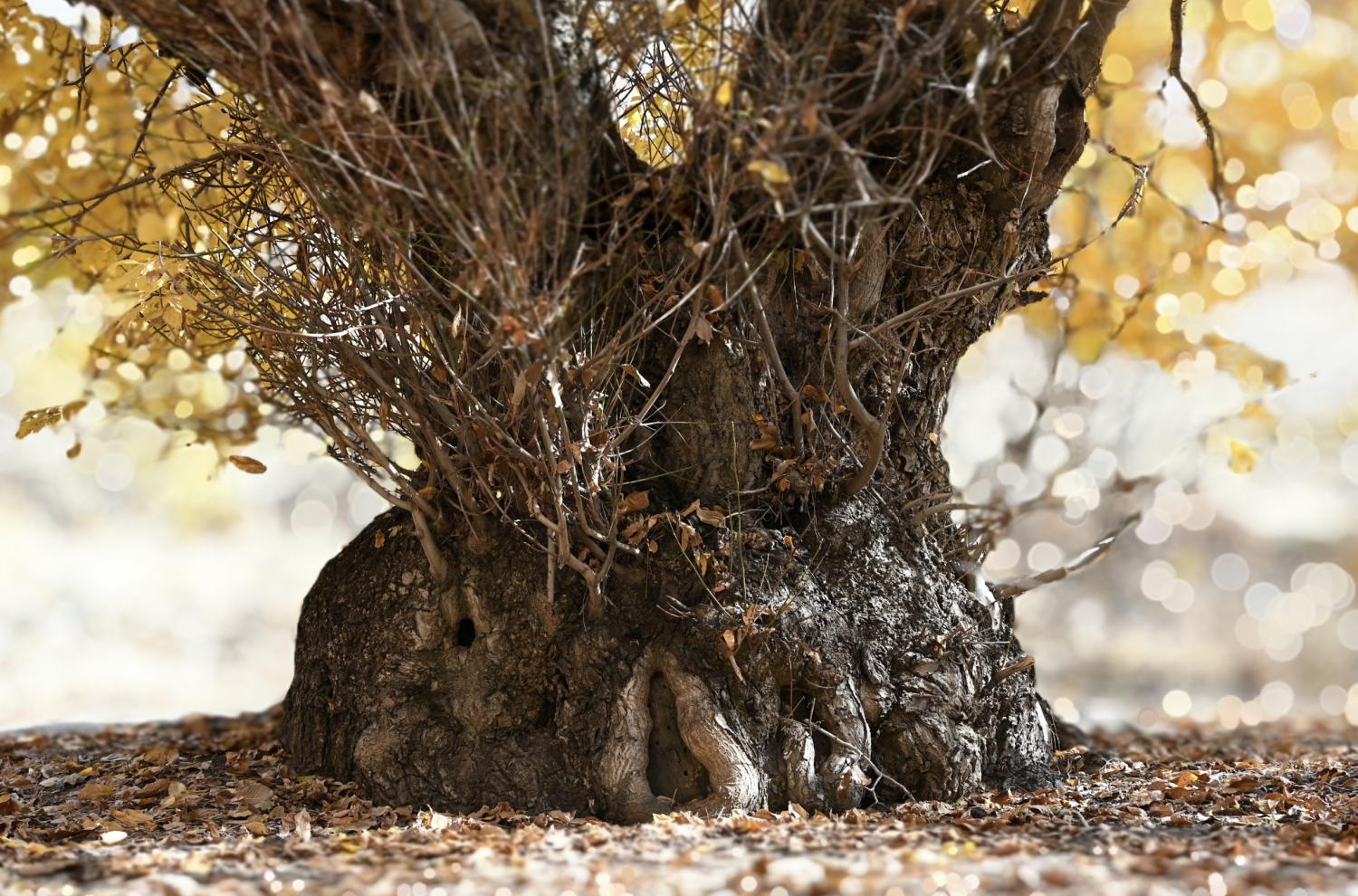
Its vast trunk still requires a ring of adults, hand in hand, to encircle it, while branches heavy with copper and gold leaves spill over the steep valley below, cloaking the ground in a rustling carpet.
In Awalan, the village below, people simply call it the walnut tree.
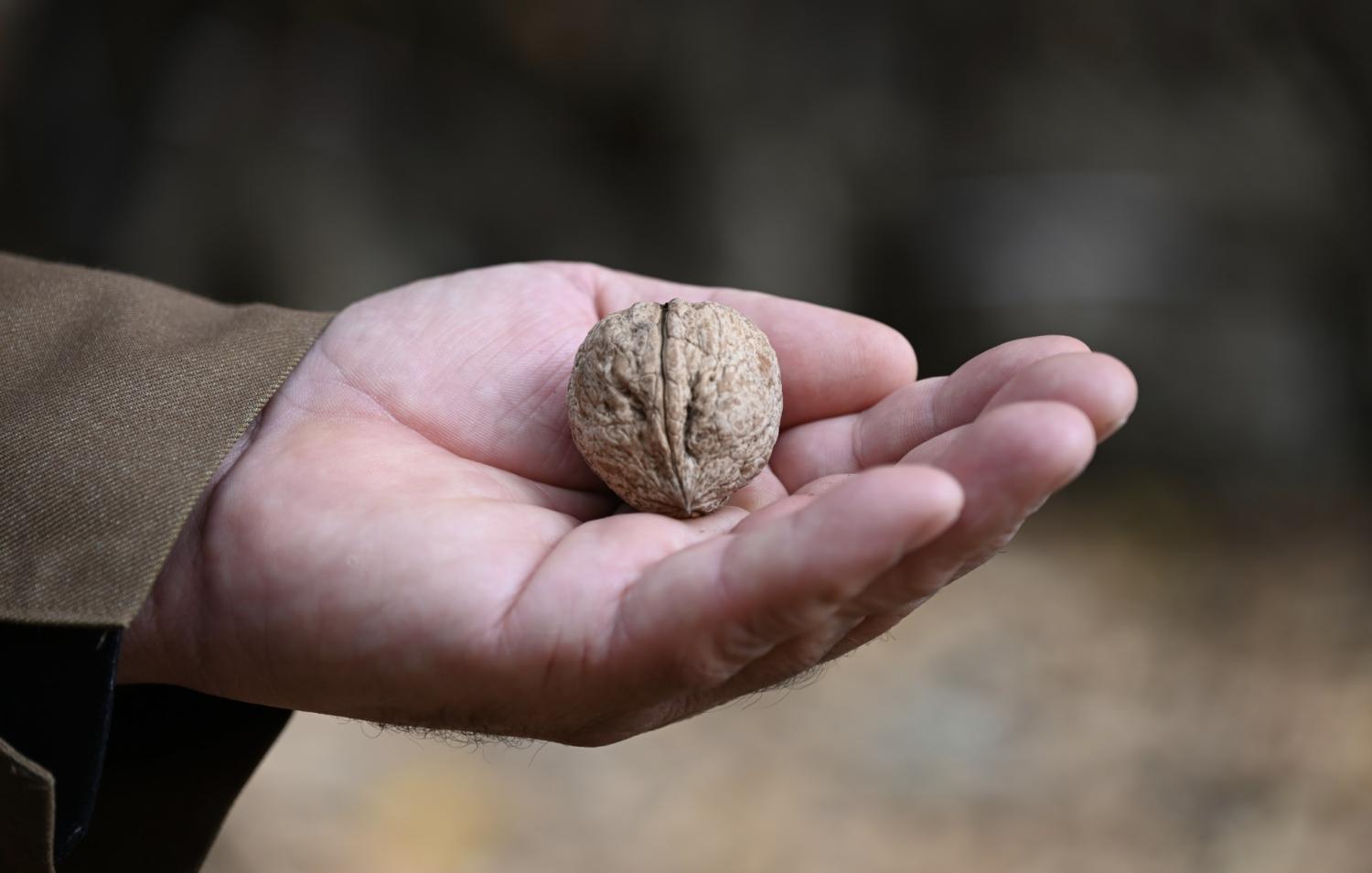
“This walnut is from the Juglans regia family – the English or Persian walnut,” explains Nariman Shleri, a local resident who has been telling the story of the tree to visitors for the past two years. “For us, it is one of the oldest walnut trees in the world. It is still alive, and it still gives us walnuts.”
The wider Penjwen area is famous for its walnut orchards. Winters are cold, the air is damp, and snowmelt trickles down through the soil for months, creating ideal conditions for the trees to thrive. Many trees here grow wild. Squirrels have done much of the planting, burying nuts they later forget. Only a handful of trees have been deliberately farmed by humans.
But even among this forest of elders, the Awalan walnut stands apart.
“Even our grandfathers, and their grandfathers before them, say they remember this tree as big and thick as it is now,” Shleri says. “It has always been like this.”
The Awalan giant
From years spent growing up among walnut groves, he believes the tree could be around a thousand years old. “When we compare it with trees we know are about 100 years old, they look very small next to this one,” he says. “And with age, trees grow more slowly. That tells us how old it must be.”
No formal scientific study has yet been done to confirm the age. For now, the people of Awalan are the tree’s archive.
Agricultural engineer Omed Ahmed has spent years studying walnut trees across the region. Even he admits he has never seen anything quite like the Awalan giant.
“I have travelled to Eastern Kurdistan (northwestern Iran) as well, because there are very old walnuts there,” he says. “But I have never seen a walnut in the region with a trunk nine meters wide.”
Ageing a tree usually means drilling a narrow core and counting the rings, but for Ahmed – and many local environmentalists – harming such a rare specimen is not an option.
“We can estimate the age from the trunk circles,” he explains. “Penjwen is well known for walnuts, and we know the growth patterns. But it is difficult to know exactly how old this tree is, because we don’t know its full history – whether it was ever sick or affected by disease. All of these things change how a tree grows.”
Even with those uncertainties, Ahmed is comfortable giving a lower bound. “I don’t think this tree is less than 600 years old,” he says. “At least that old – maybe older.”
A changing climate, a shrinking forest
The tree’s annual yield offers another clue. Each year, villagers say, it produces fewer walnuts. Some suspect this is simply the fatigue of age; Ahmed believes a changing climate is playing a bigger role.
“In the last few years, we have lost some of the trees in this area,” Shleri says, looking up at the canopy. “Because of climate change, because of drought, the weather is getting hotter here.”
Where snow once blanketed the slopes for months, winter now comes later and leaves earlier, reducing the moisture that walnut trees depend on. Streams that used to run well into summer are also drying up. Walnut trees that stood for centuries are suddenly failing.
The Awalan walnut, too, appears to be feeling the strain. “Every year this tree gives us fewer and fewer walnuts,” Shleri says. “We think that is related more to the climate change than to its age.”
For villagers whose lives have long been tied to the trees – eating their nuts, selling their harvest, resting in their shade – the changes are unsettling. But they are determined that this particular tree will not be one of the casualties.
Protected through war and peace
Awalan sits close to the Iranian border, in a region that was heavily bombarded during the Iran-Iraq war in the 1980s. Many families fled. Few structures survived intact, but the walnut tree did.
“People here love nature and trees,” Shleri says. “Even during the war, when the area was badly affected and many villagers had to leave, they always protected the trees. They protected this one especially.”
Today, the tree is informally guarded by the community. Children are taught not to carve their names into its bark; visitors are asked not to break branches or strip leaves.
“This tree is protected by the people,” Shleri says. “It belongs to all of us.”
Role of oral history
For environmental campaigners, the Awalan walnut is part of a much wider, largely undocumented heritage of ancient trees across Kurdistan.
Hazhar Abdullah, who holds a master’s degree in agricultural science, has spent seven years working with the nongovernmental organization Friends of Environment. One of their projects focuses on identifying and protecting the 100 oldest trees in Kurdistan.
“In Kurdistan, until now, we haven’t done scientific experiments to know the ages of the old trees,” he explains. “We don’t want to damage them by drilling into them. So, we rely on people’s stories – and on the width and the length of the tree.”
To some scientists, oral history may seem imprecise; to Abdullah, it is essential data.
“The human stories about these old trees in Kurdistan are very important,” he says. “We can use these stories as scientific references.”
He points to other venerable specimens: mulberries, oaks, and walnuts scattered across mountains and villages. One of the most famous stands inside the Great Khurmal Mosque, often described as the first mosque in Kurdistan. The mosque dates back around 1,400 years, to the arrival of Islam in the region; the plane tree in its courtyard is thought to be about 600 years old.
“These trees are witnesses,” Hazhar says. “They have seen empires, wars, and droughts. They connect us with our past.”
Back under the canopy in Awalan, the afternoon light filters through leaves that have opened and fallen hundreds of times over.
For the people here, it matters less whether the walnut is 600 years old or a thousand. What matters is that, for as long as anyone can remember, it has been there.
A Kurdish journalist with 15 years of experience in media development in Iraq. He has contributed to both local and international media outlets.