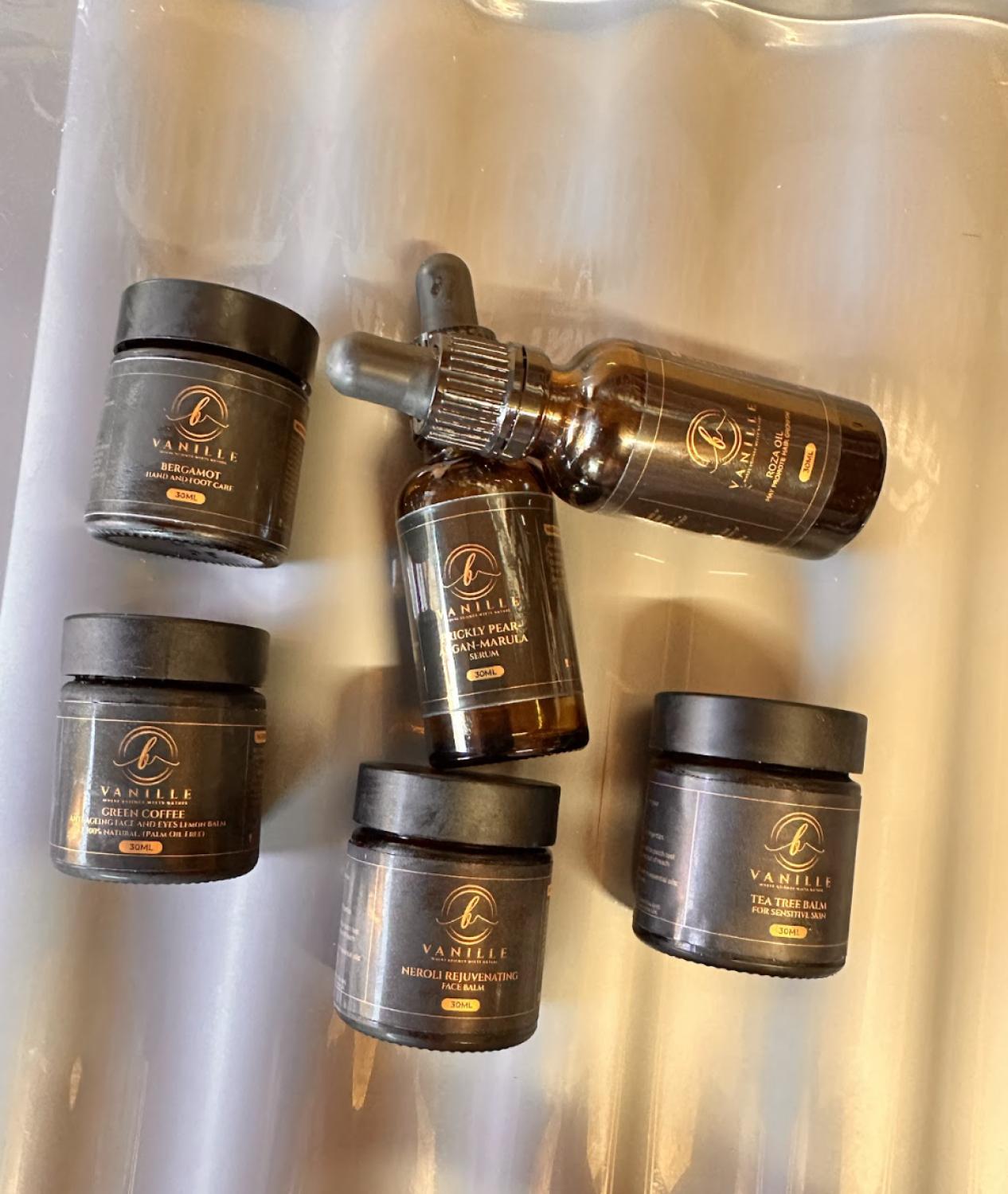
In June, B Vanille was named Best Natural Vegan Skin Care Company 2025 London by the Global Excellence Awards, recognizing its commitment to purity, innovation, and ethical transparency. Founded by Kurdish-British microbiologist Dr. Banaz Star-Shirko, the brand continues to connect science with cultural heritage.
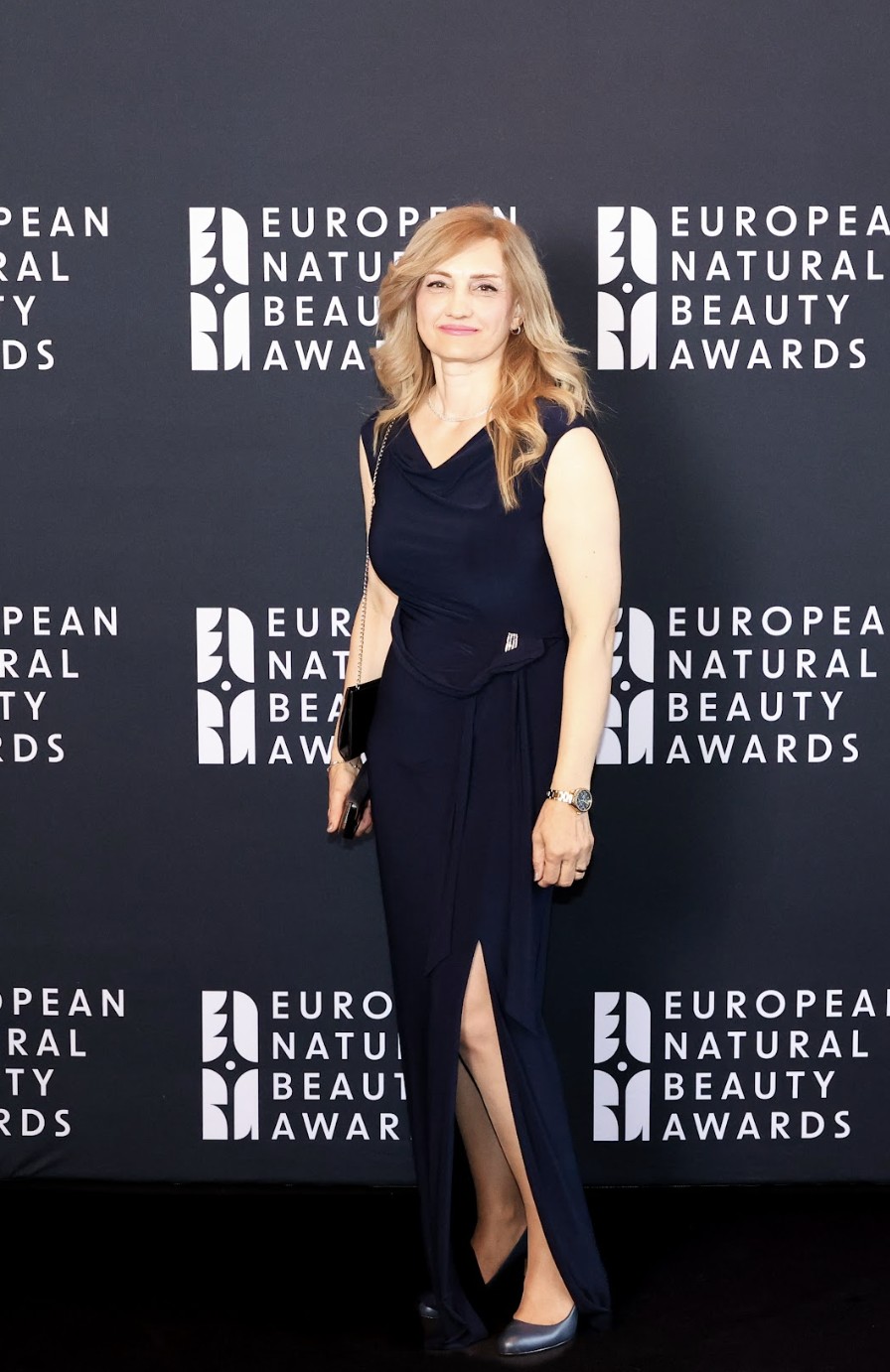
On September 29, B Vanille also attended the European Natural Beauty Awards (ENBA) ceremony in Paris. The ENBAs are among the most respected honors in the clean beauty industry, and the brand’s leading product, Roza Oil, was selected as the winner from over 1,200 entries across Europe. Formulated with antioxidant-rich botanicals and certified by Oxford Biosciences, Roza Oil reflects B Vanille’s dedication to scientific integrity and ethical transparency. The ENBA jury, comprising 100 experts from 36 countries, recognized Roza Oil for its purity, efficacy, and commitment to sustainability.
I have had the pleasure of knowing Star-Shirko for some time, having met her twice in London. She is a dedicated individual and a proud advocate of Kurdish heritage and culture. A former researcher at the London School of Hygiene & Tropical Medicine (LSHTM), her work has focused on food safety and foodborne diseases, and her research explores novel intervention strategies, including the use of prebiotics to inhibit enteric pathogens, a pursuit that blends molecular precision with public health urgency.
Academic science, ethical entrepreneurship, and sustainable product development.
Star-Shirko’s belief in environmental sustainability and ethical innovation led her to found B Vanille Ltd, a skincare company that formulates natural products rooted in transparency and care. Her ability to navigate the worlds of academic science, ethical entrepreneurship, and sustainable product development reflects a growing movement toward evidence-based, planet-conscious beauty.
Kurdish communities have long used oils from plants like sage and sea lavender to soothe inflammation, calm the mind, and care for the skin. “These oils were part of everyday rituals – teas and spiritual practices passed down through generations. B Vanille continues this tradition with a modern touch. Essential oils like those in Roza Oil and Prickly Pear Serum carry the same spirit of care and connection,” she explained.
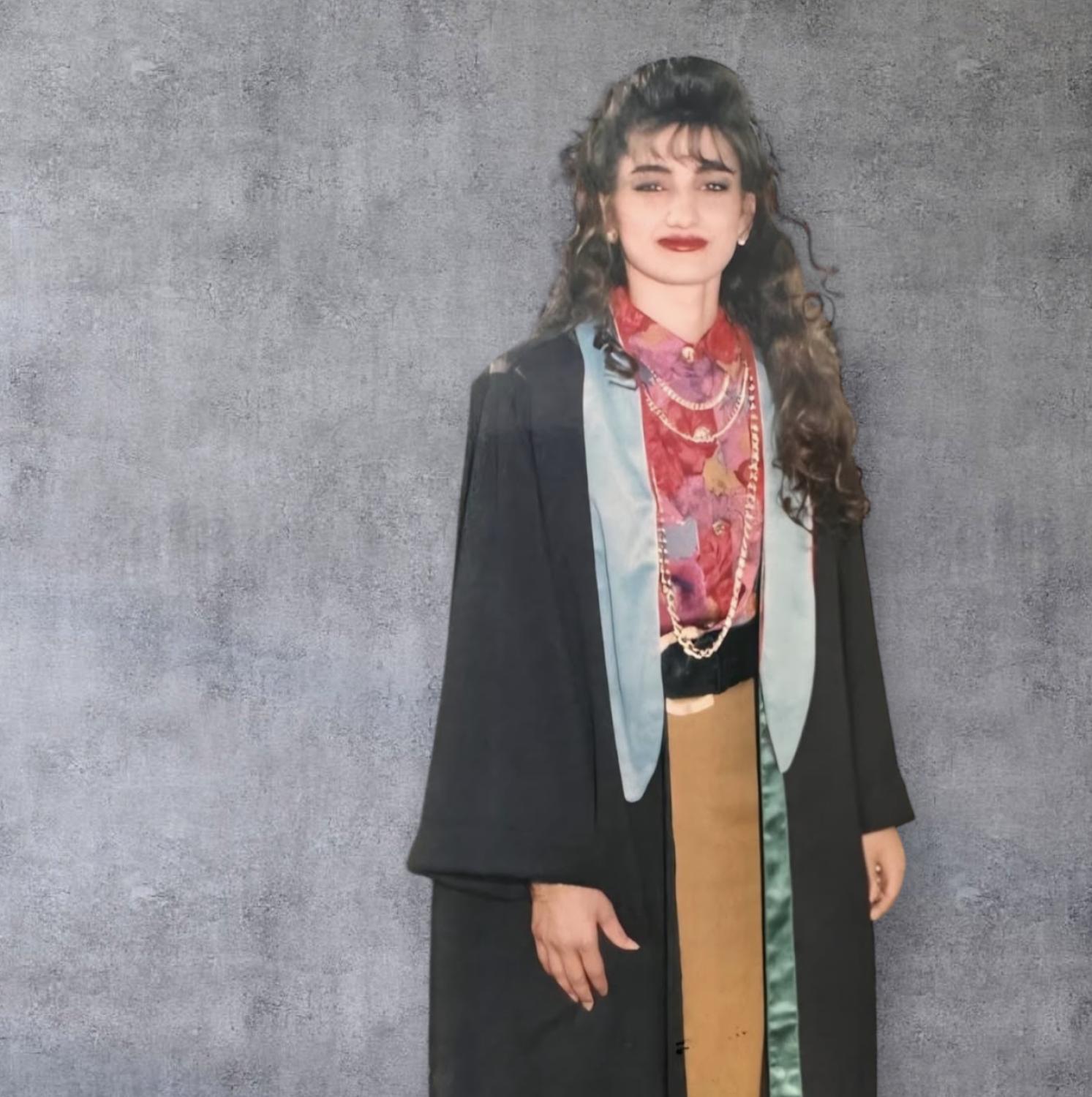
Star-Shirko’s academic journey began in Erbil, where she graduated at the top of her department and ranked second in her college with a bachelor’s degree in biology from the College of Science. She then pursued a master’s in genetics, was awarded distinction, and continued to deepen her expertise with a PhD in microbiology, also with distinction.
Upon completing her studies, she served at Salahaddin University-Erbil as a microbiologist and lecturer, contributing to scientific education and research in the region. In 2004, she relocated to London, where she began a new chapter, balancing family life with continued professional growth. In 2012, she further advanced her expertise by earning a second master’s degree in medical microbiology from the London School of Hygiene & Tropical Medicine, deepening her focus on infectious disease research and public health.
Personal history is political history
This time my conversation with Star-Shirko took a different turn. Beyond her impressive academic career and skincare company, we delved into the rich history of her Kurdish family. What distinguished the Kurdish experience was a deeply rooted tradition of service and sacrifice, with most families carrying a thread of resistance, woven through the lives of a Peshmerga fighter or an undercover agent. This quiet heroism, exhibited by men or women, lays the foundation of Kurdish upbringing. In this culture, love for Kurdistan is not just taught, it is absorbed, much like the very act of breathing.
For Star-Shirko, this devotion was engraved into her by two extraordinary figures: her maternal grandmother, Shafiqa Ali Abdullah (known as Shafiqa Khan), and her father, Abdul Satar Mohammad Rasul. Both embodied an unwavering love for Kurdistan. Through them, she inherited not only pride, but purpose, a commitment to truth, dignity, and the enduring spirit of a people who refuse to be erased.
In the Kurdish narrative, personal history is political history. In families like Star-Shirko’s, the line between the two dissolves, leaving behind a legacy that is both intimate and collective, both tender and strong.
As Star-Shirko took a moment to reflect, she began to share the story of her maternal grandmother, Shafiqa Khan. Born in 1918 in Sulaymaniyah, Khan was married to Mohammed Khider Mouloud al-Asadi, known as Hama Khairafani, a man of dual heritage: half Hawleri from the esteemed al-Asadi family, and half Sulaymaniyah from the Hamay Awrahman Agha line. In 1955, Khairafani’s work as the manager of the telegraph and mail took the family to Kirkuk, but it was Khan’s courage that would leave a lasting imprint on the Kurdish movement.
By 1958, she had joined the Khabat camp in Tapa Mullah Abdullah, marking the beginning of her political journey. The camp served as an official base for members of the Kurdistan Democratic Party (KDP) and a meeting ground for Kurdish activists envisioning a more inclusive, multiethnic Iraq. Following the execution of Iraq’s first president, Abdul Karim Qasim, in 1963, the Khabat camp was closed. Without hesitation, Khan transformed her own home into a secret meeting ground for the KDP Central Committee. With unwavering support from her husband, their household became a sanctuary for Kurdish strategists, where love for Kurdistan was not merely professed, but practiced.
Operating within a secret network, Khan facilitated the transfer of letters, weapons, and Peshmerga fighters. Among those who passed through her doors was the late Abdulrahman Zabihi, a prominent figure in Kurdish intellectual and political life, born in 1920 in Mahabad. He had served as chief editor of Nishtiman, a Kurdish magazine published from 1943 to 1944. After the fall of Mahabad, Zabihi fled to Southern Kurdistan (Northern Iraq), continuing his activism and playing a pivotal role in organizing the party’s operations in Baghdad and Kirkuk.
In 1960, Khan attended the Eighth KDP Congress in Baghdad alongside Widad Khalis. Their presence was not ceremonial; it was strategic, dignified, and deeply rooted in the belief that Kurdish women were not merely witnesses to history, but its architects.
Listening to Star-Shirko, I understand how Kurdish women like her grandmother played a crucial role during a time when many women in other countries were still fighting for their rights to vote and to be treated as equals to men. For Star-Shirko, Khan’s legacy is one of quiet courage and unwavering commitment. “Her story reminds us that the Kurdish struggle has always been carried by women whose names may not fill textbooks, but whose homes, hands, and hearts shaped the course of a nation,” she reflected.
“Her story reminds us that the Kurdish struggle has always been carried by women whose names may not fill textbooks, but whose homes, hands, and hearts shaped the course of a nation.”
Sulaf Sports Club and Kurdish patriotism
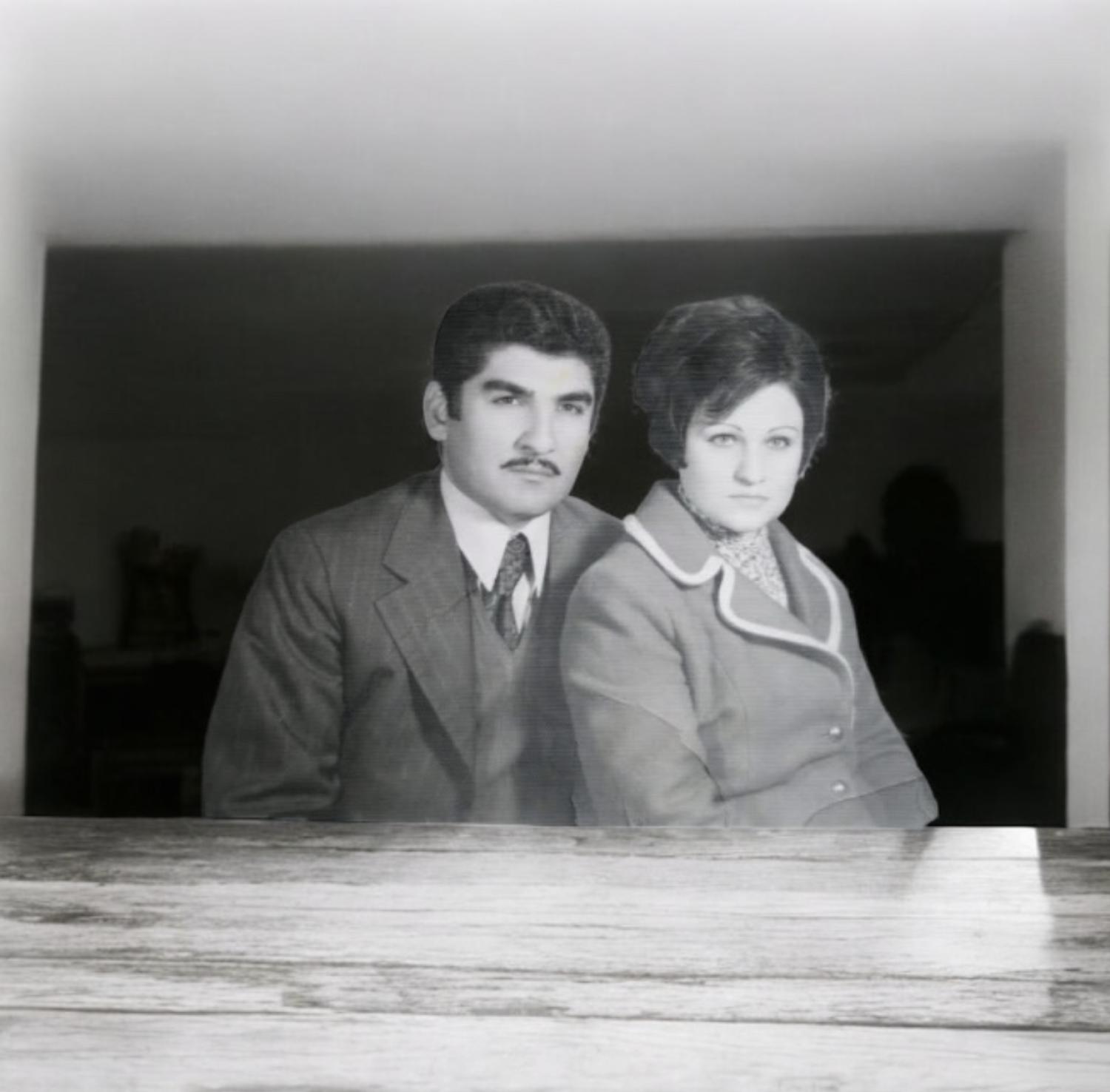
After sharing the story of her maternal grandmother, Star-Shirko briefly turned to her father, Abdul Satar Mohammed. “He was a man of unwavering principle and quiet heroism. A devoted primary school teacher by profession, he also served as Peshmerga and later operated as an undercover Peshmerga under the codename Awat. Known among his peers for his bravery and commitment to justice, he earned the nickname ‘Fighter Jet,’ a tribute to his speed, precision, and fearless spirit in the face of adversity,” she described.
As Star-Shirko narrated her father’s story, I understood that his life was a testament to resilience, educating young minds by day, defending his people by night, and always standing firm in the pursuit of truth. “He understood that the future of Kurdish values lay not only in political struggle, but in nurturing the next generation. Together with like-minded colleagues, he proposed obtaining a license for a sports club (Sulaf) not as a recreational outlet, but as a strategic act of cultural preservation,” Star-Shirko said.
In 1969, when Sulaf Sports Club was officially licensed in Kirkuk, securing an official license (Order No. 1979) was a way to assert Kurdish presence and values within a system that often denied them. “At a time when Kurdish identity was often suppressed or politicized, the establishment of a sports club offered something radical: a space for movement, unity, and cultural pride,” Star-Shirko shared.
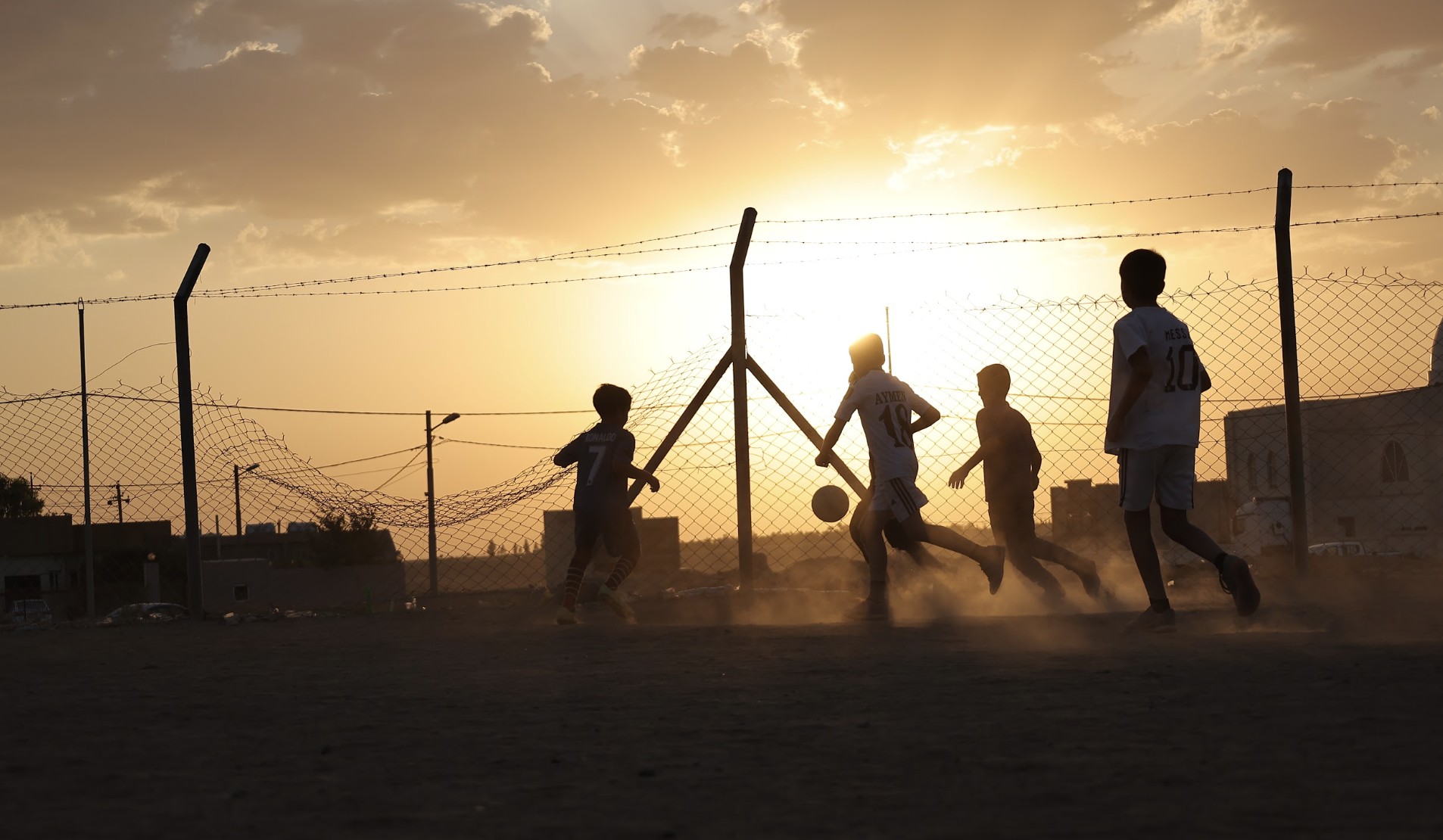
Sulaf Club became a place where Kurdish youth could run, train, and dream without apology. The Kurdish founders had to navigate ministries, submit proposals, and justify their existence in systems that rarely reflected their stories.
“The fact that the license was issued in my father’s name adds a deeply personal layer, suggesting a family legacy of courage, vision, and service to the Kurdish cause,” Star-Shirko noted.
Every stamp of approval was a small victory against invisibility for Star-Shirko’s family. “The act of getting licensed was a form of resistance; it said: We will not be informal. We will not be erased. We will build institutions that reflect our values, our bodies, and our dreams.”
Success without a state
Star-Shirko’s journey through science, advocacy, and ethical entrepreneurship has been marked not just by achievement, but by the quiet labor of naming what is often left unnamed. “Being Kurdish shaped how I see the world. It taught me to read systems critically, to handle complexity with care, and to speak clearly but with feeling,” she says.
Many Kurds in the diaspora have found their paths and achieved success in their respective fields. For Star-Shirko, success in the UK has not only opened doors, but also deepened her commitment to integrity. “I carry Kurdistan in my work, not as a place on a map, but as a philosophy of admiration, of resistance, of radical care,” she expressed.
Star-Shirko’s impact extends far beyond the lab. She has worked in scientific and medical writing, served as scientific coordinator at the UK Thalassemia Society, and contributed to LSHTM’s enteric disease teams. Today, she bridges science and sustainability as Director of B Vanille while also serving as Review Editor at Frontiers in Microbiology.
As the Scientific Coordinator for the UK Thalassemia Society, Star-Shirko noticed that Kurdish individuals and families dealing with thalassemia were underrepresented, and the Kurdish language was entirely absent from the platform. “I could not ignore it. So, I acted. I sourced Kurdish language medical resources, reviewed the scientific content, and reshaped the platform to reflect our community. I introduced Kurdish ambassadors like Simko Ahmed and added success stories for Kurdish individuals dealing with thalassemia, such as Dr. Soma Bilal and others whose journeys embody both excellence and resilience. Representation isn’t symbolic; it’s structural,” she says.
Her activism is not limited to her career. In collaboration with the Kurdistan Regional Government Representation in the UK, Star-Shirko helped organize a fundraising initiative through the 2022 London Marathon, where runners Hawre Sadeq and Shang Rasheed carried the Kurdish cause forward, literally and metaphorically.
Alongside her love for music and commitment to Kurdish movements, Star-Shirko felt an immediate and heartfelt responsibility to accept the request to translate the Kurdish song “Bo Azadi” (“For Freedom”) by singer Dilniya Rezazi into English. This powerful song resonates deeply with the soul of Kurdish resistance. “Music is a vessel for truth. The aim was to ensure that non-Kurdish speakers could feel its pulse – its sorrow, its hope,” she said.
Additionally, through B Vanille, Star-Shirko had the privilege of sponsoring the first Hojan Science Forum, held in August 2025 at the University of Ottawa, a milestone event that brought Kurdish scientific voices to the forefront of international dialogue.
She is currently collaborating with Shilan Amjadi, a gifted Kurdish architect and makeup artist based in Sweden, and continues to seek meaningful collaboration with Kurdish scientists, thinkers, and creatives, especially those based in Kurdistan. Her aim is to foster a space where science, sustainability, and cultural heritage converge, where Kurdish minds are celebrated and connected across borders.
Currently, she is also working on two projects with Councilor Bakhtiar Mohammed, a Labour Party councilor representing the Colville Ward in the Royal Borough of Kensington and Chelsea. “These projects aim to deepen Kurdish cultural presence in the UK: a proposal to establish Kurdish History Month every March, honoring our heritage, resistance, and contributions across generations, and a proposal to launch ‘BBC Kurdish’ within the BBC World Service, ensuring Kurdish language and perspectives are part of global discourse, not just regional margins,” she concluded.
A Kurdish-American journalist overseeing the US Desk at Kurdistan Chronicle.