Three fashion models swept onto the runway draped in the colors of the Kurdistan flag. It was the final image of Milan Enchanted, the new collection by rising Kurdish designer Lara Dizeyee, and the point, she says, when many in the room “were moved to tears of joy.”
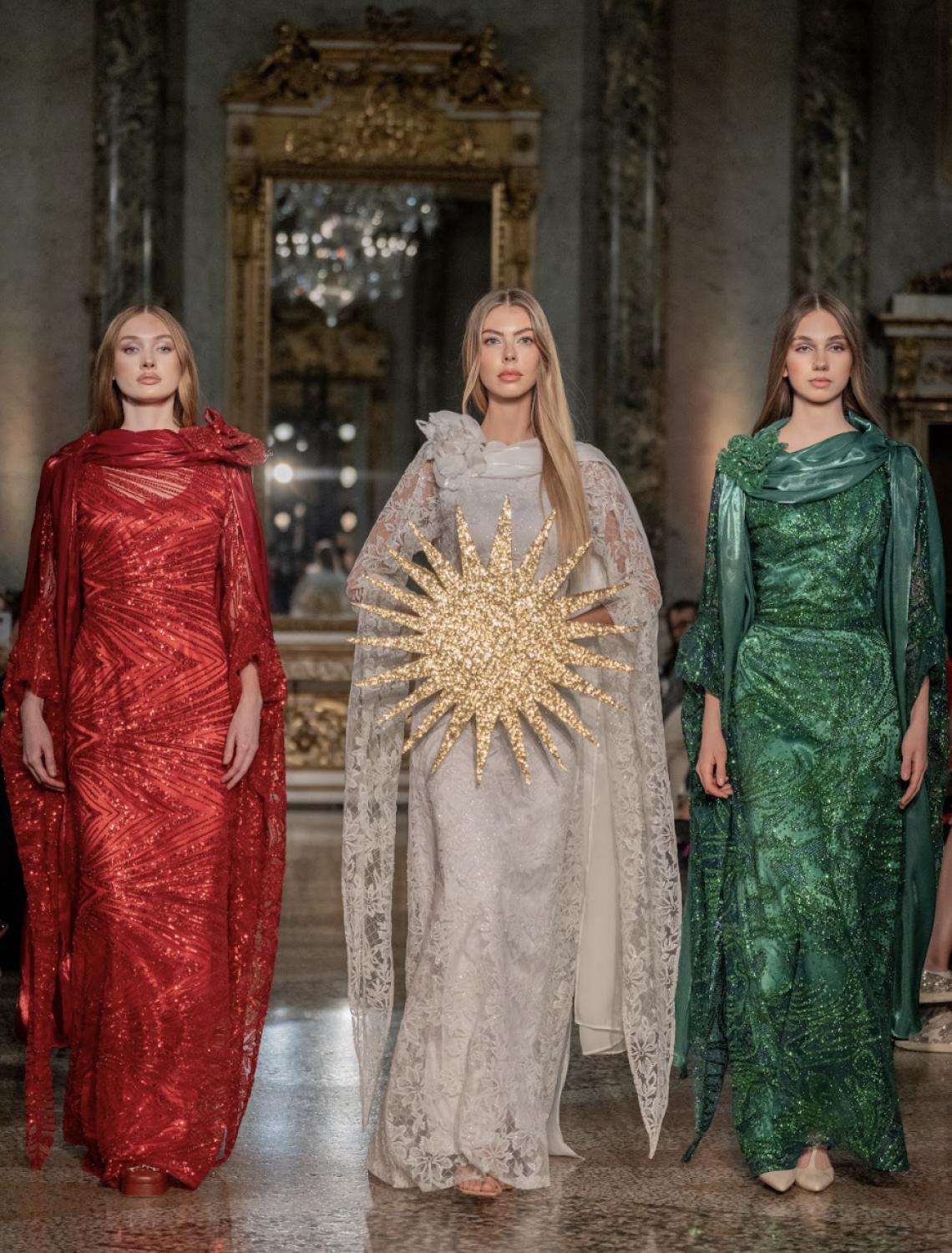
“I always end with something powerful and meaningful,” Dizeyee tells Kurdistan Chronicle. “I started with the Erbil Citadel, and I sealed it with the Kurdistan flag.”
For Dizeyee, who was born in Vienna to a Kurdish family in exile and raised in the United States, couture is not simply clothing. It is testimony. “Each design tells a story,” she says. “I wanted to retell the history of the Kurdish people through my designs.”
Dizeyee has swiftly carved out a place on fashion’s biggest stages. In 2023, she became the first Kurdish designer to present a heritage-inspired collection at Paris Fashion Week. This year, at Milan Fashion Week in September, she unveiled Milan Enchanted alongside industry pillars like Armani and Prada.
Gladys, a fashion and lifestyle magazine chose Dizeyee as one of the 25 most inspiring people of 2025. Meanwhile the University of Sulaymaniyah recently named her Cultural Ambassador of Kurdistan, a recognition she views as a mandate. “We don’t always need politics to tell our story to the world,” she says. “We can serve Kurdistan without weapons. We can serve it with art.”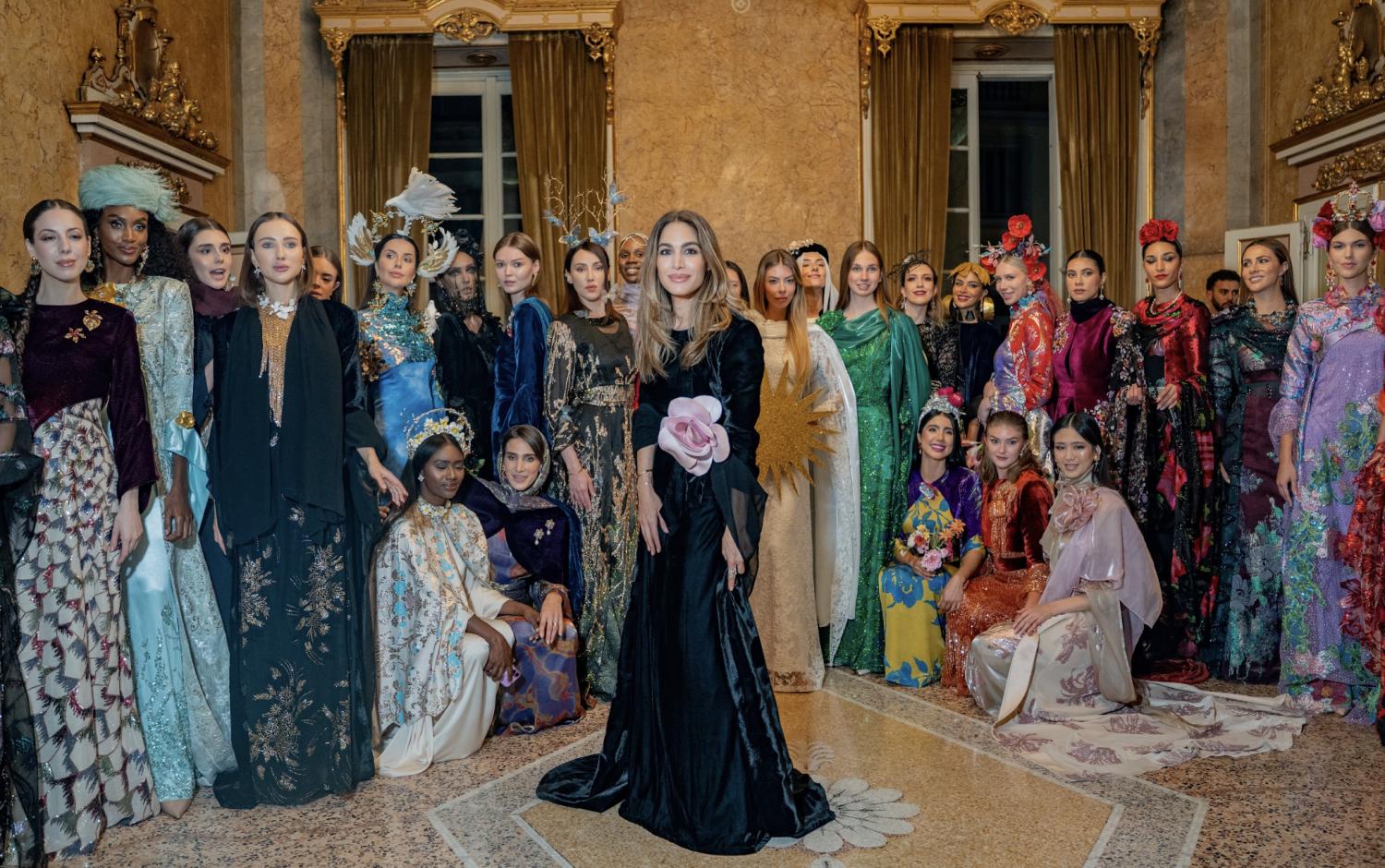
Thirty looks, thirty stories
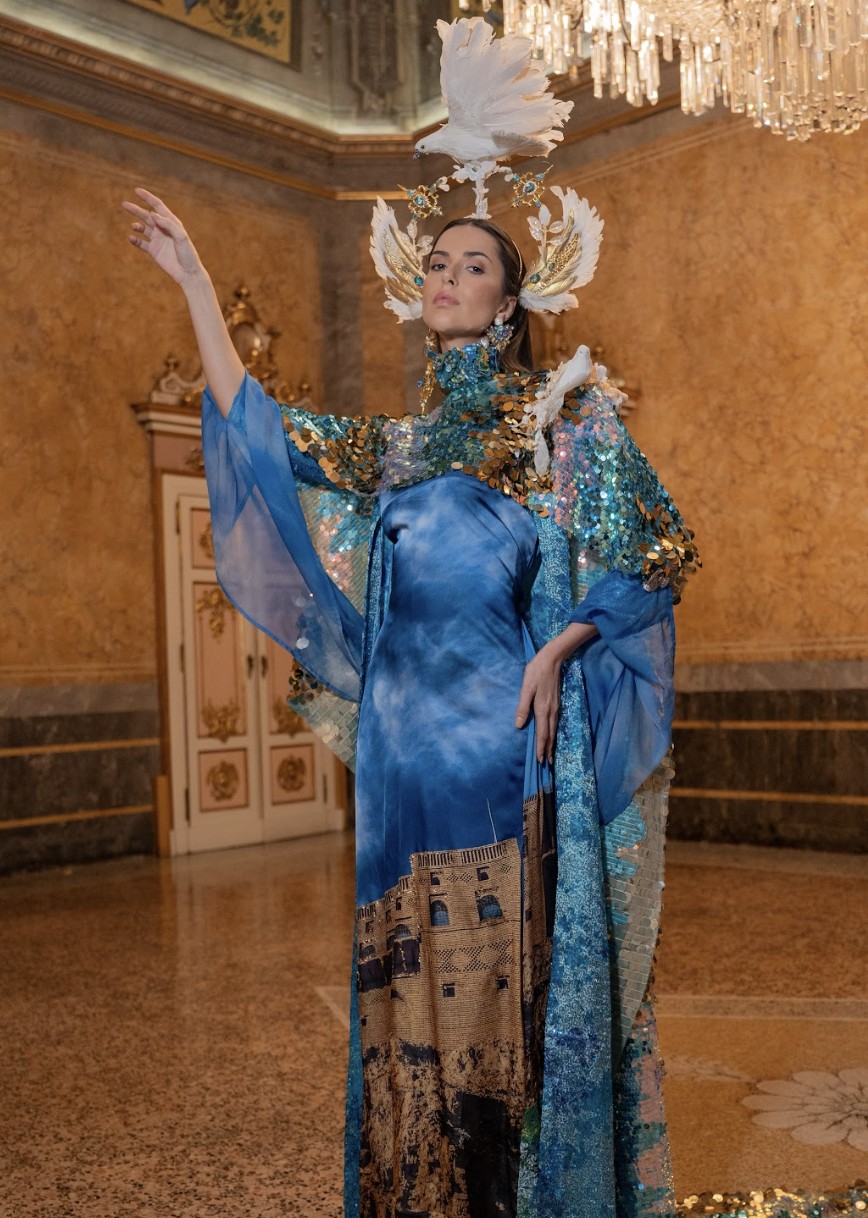
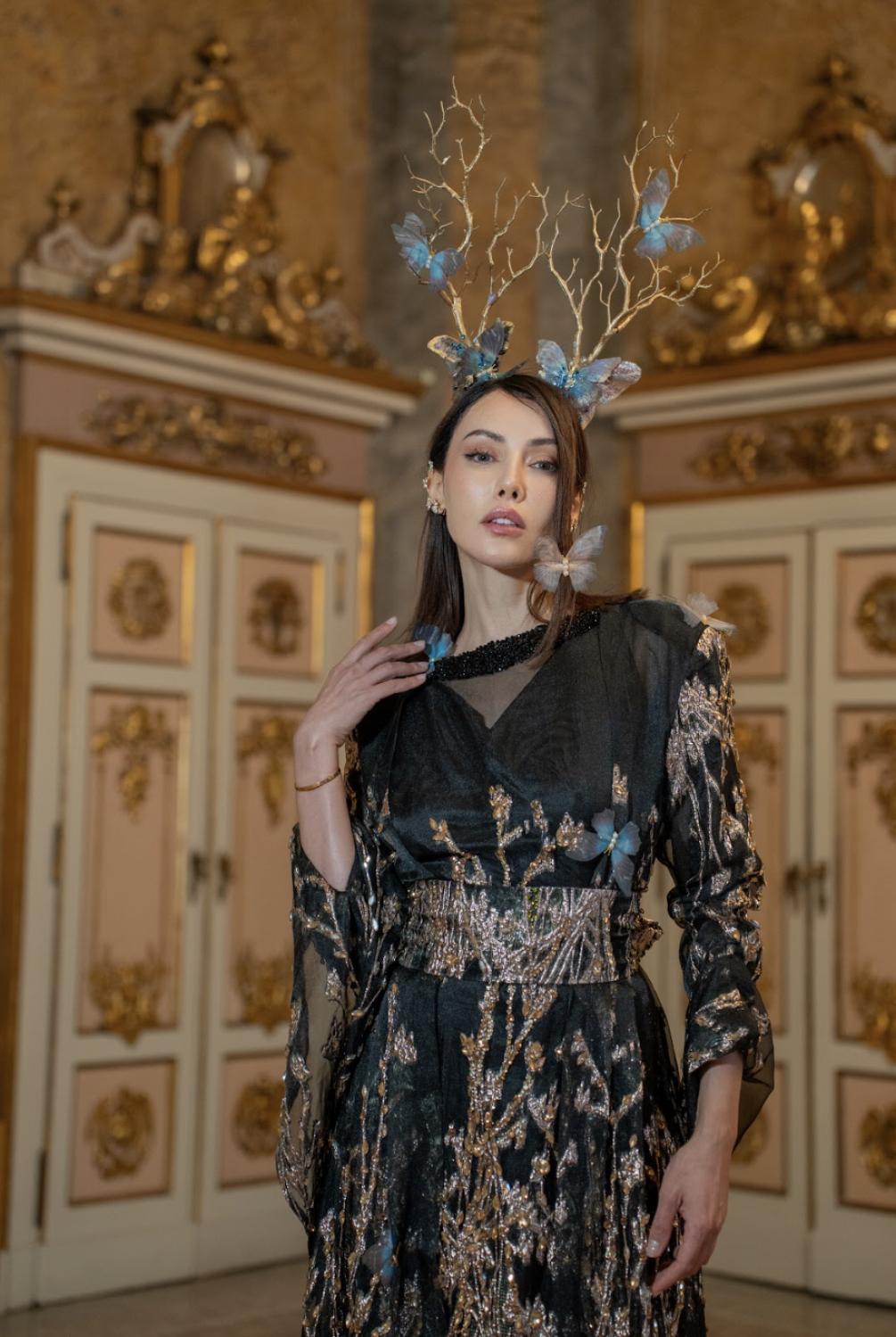
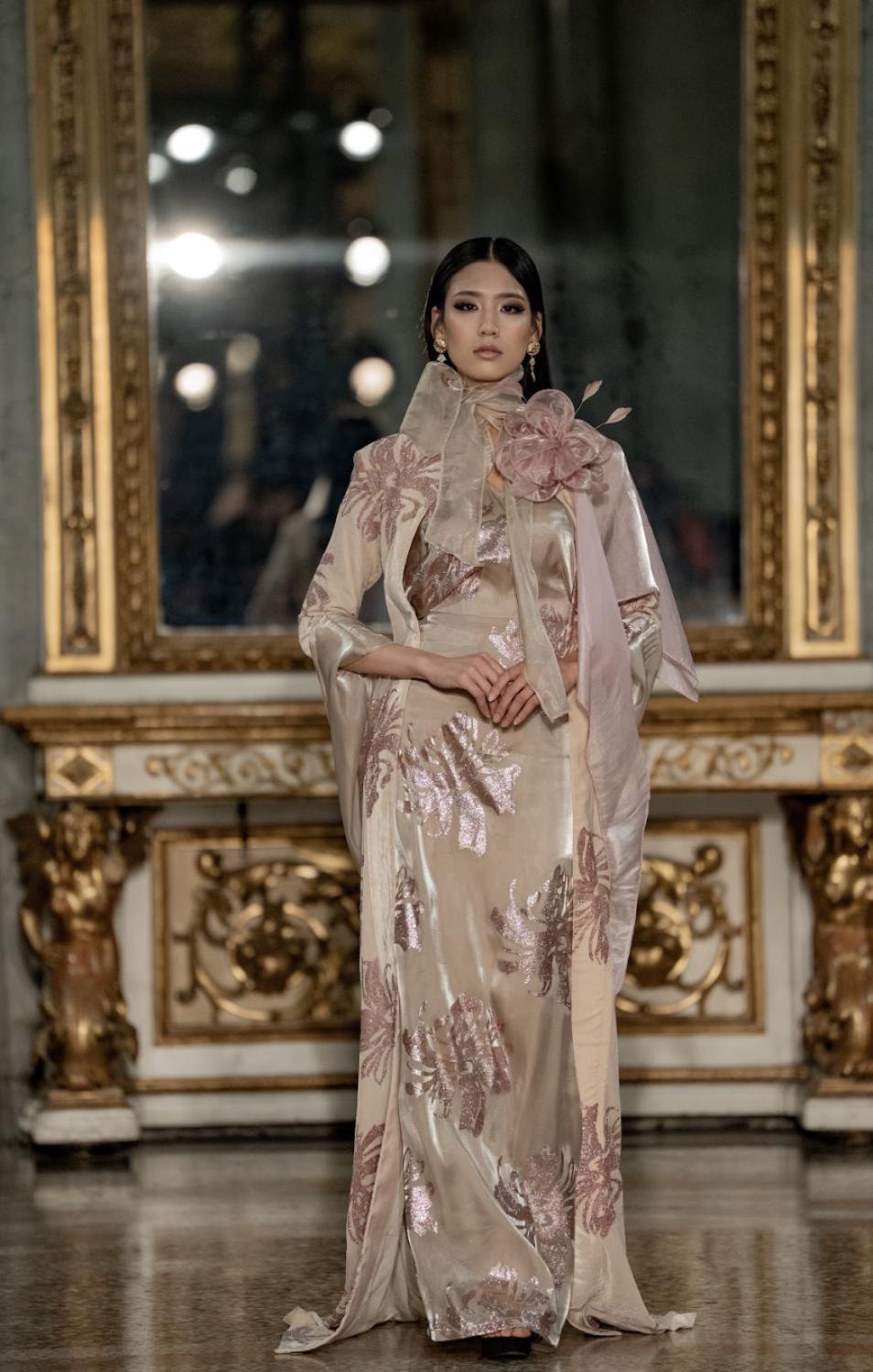
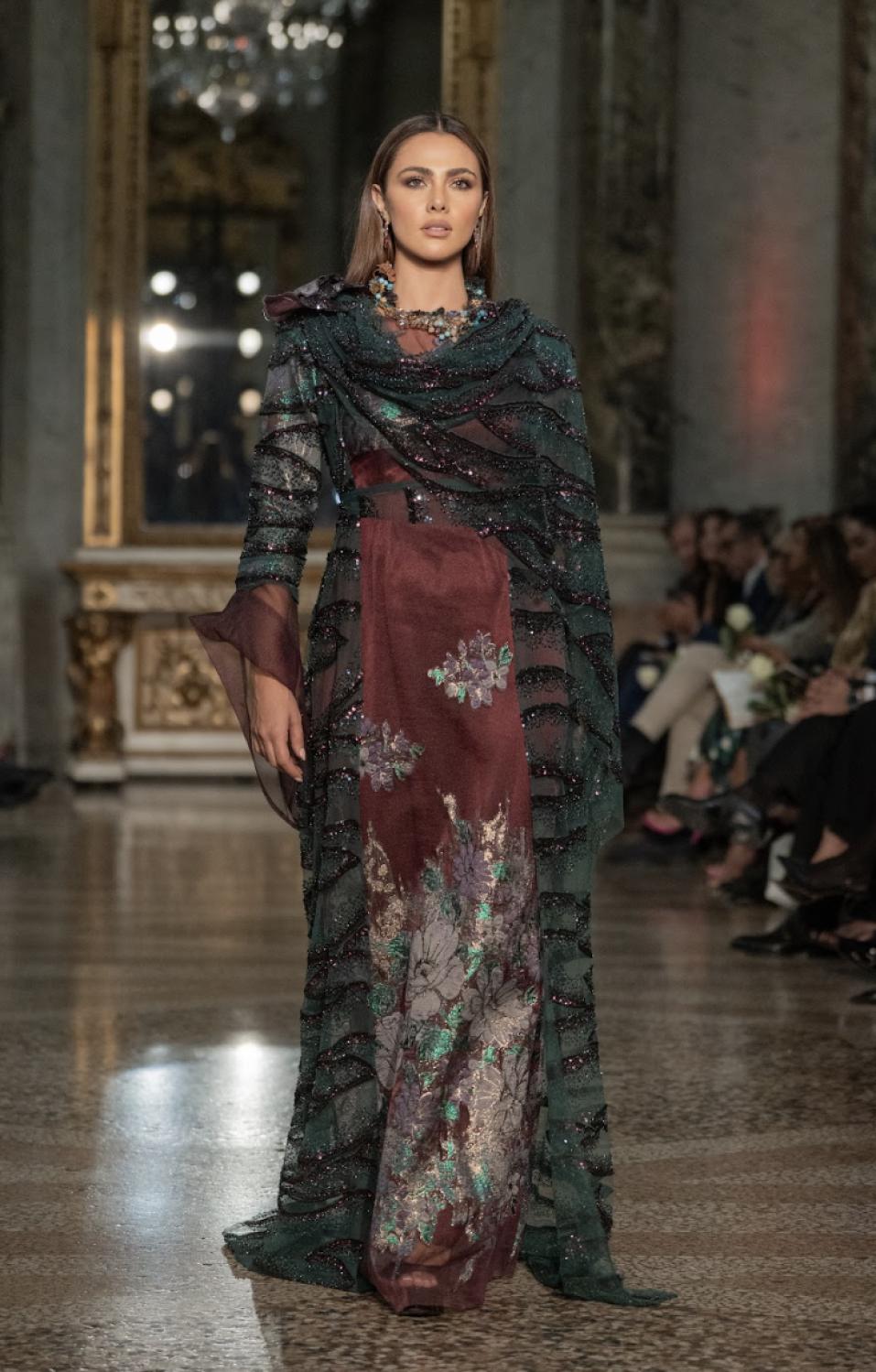
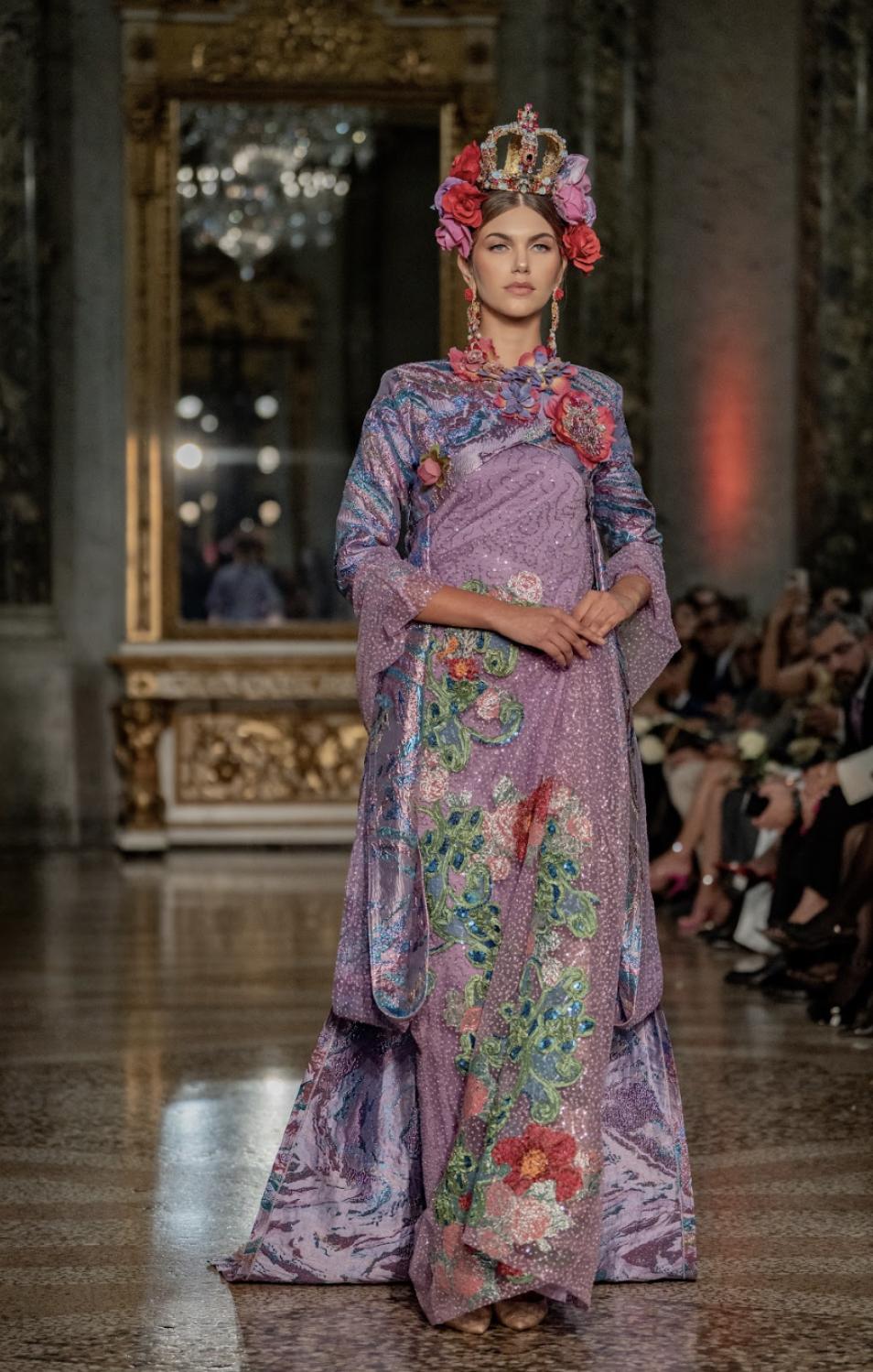
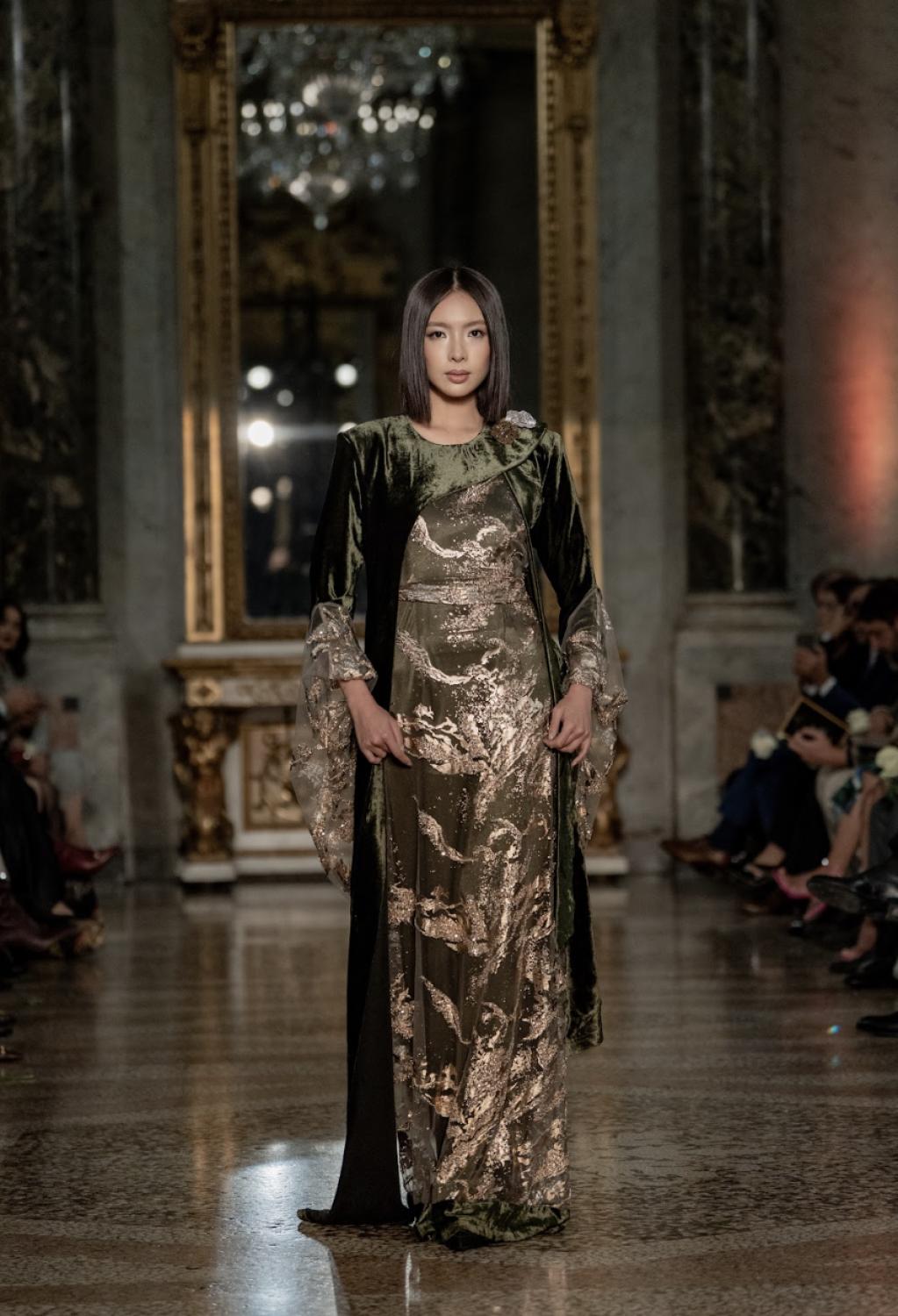
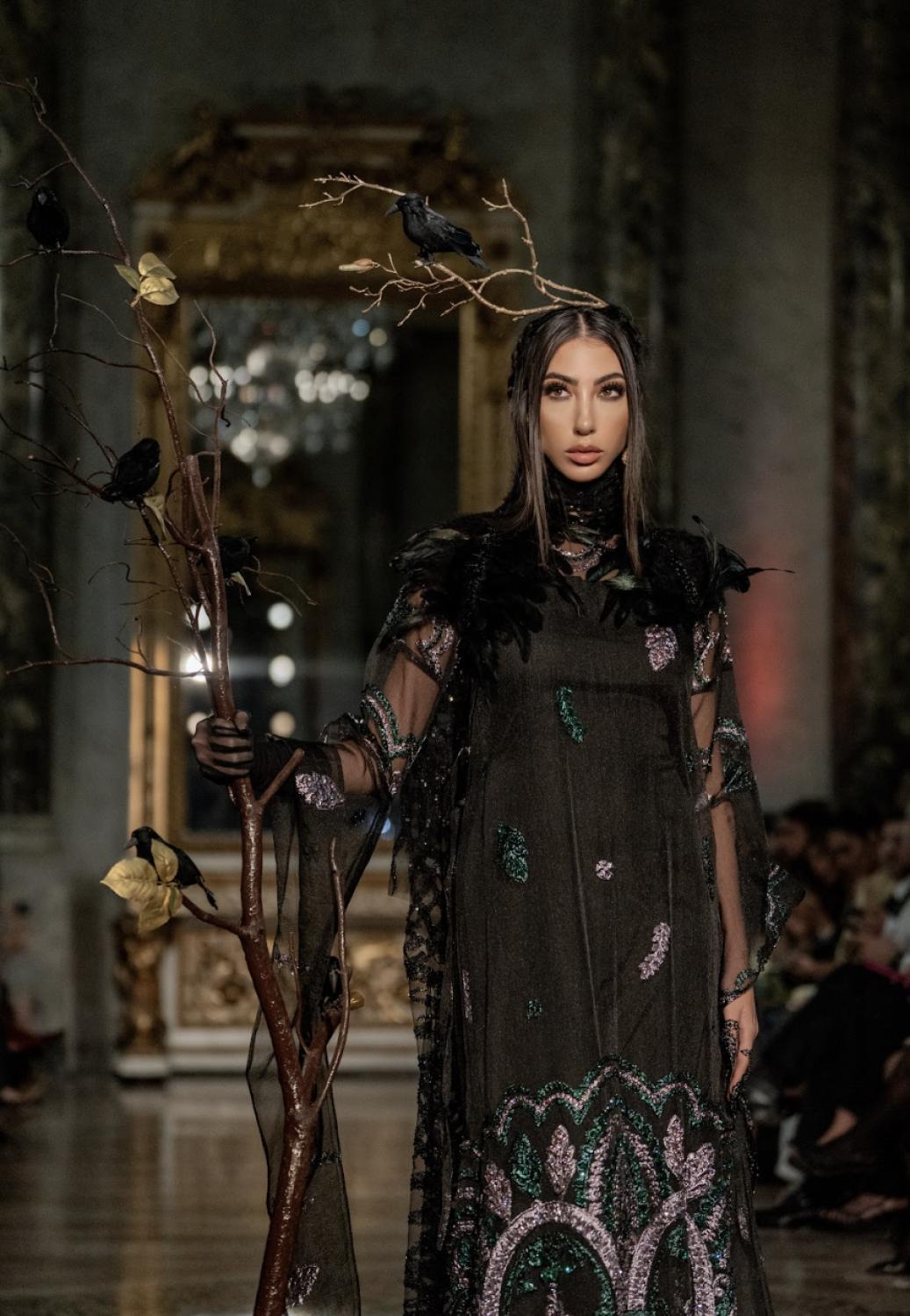
The Milan show comprised 30 designs, each anchored in Kurdish history and symbolism. The opening look paid homage to the Erbil Citadel, while another radiated Newroz, the Kurdish New Year, its fire rendered in a staff, crown, earrings, and a design that seemed to move toward the flame. There was also a regal interpretation of Ishtar, the Mesopotamian goddess, and pieces reflecting Yezidi culture and Eastern Kurdistan (northwestern Iran). On every seat lay a small booklet describing the story behind each design, an old-world touch in a hypermodern moment.
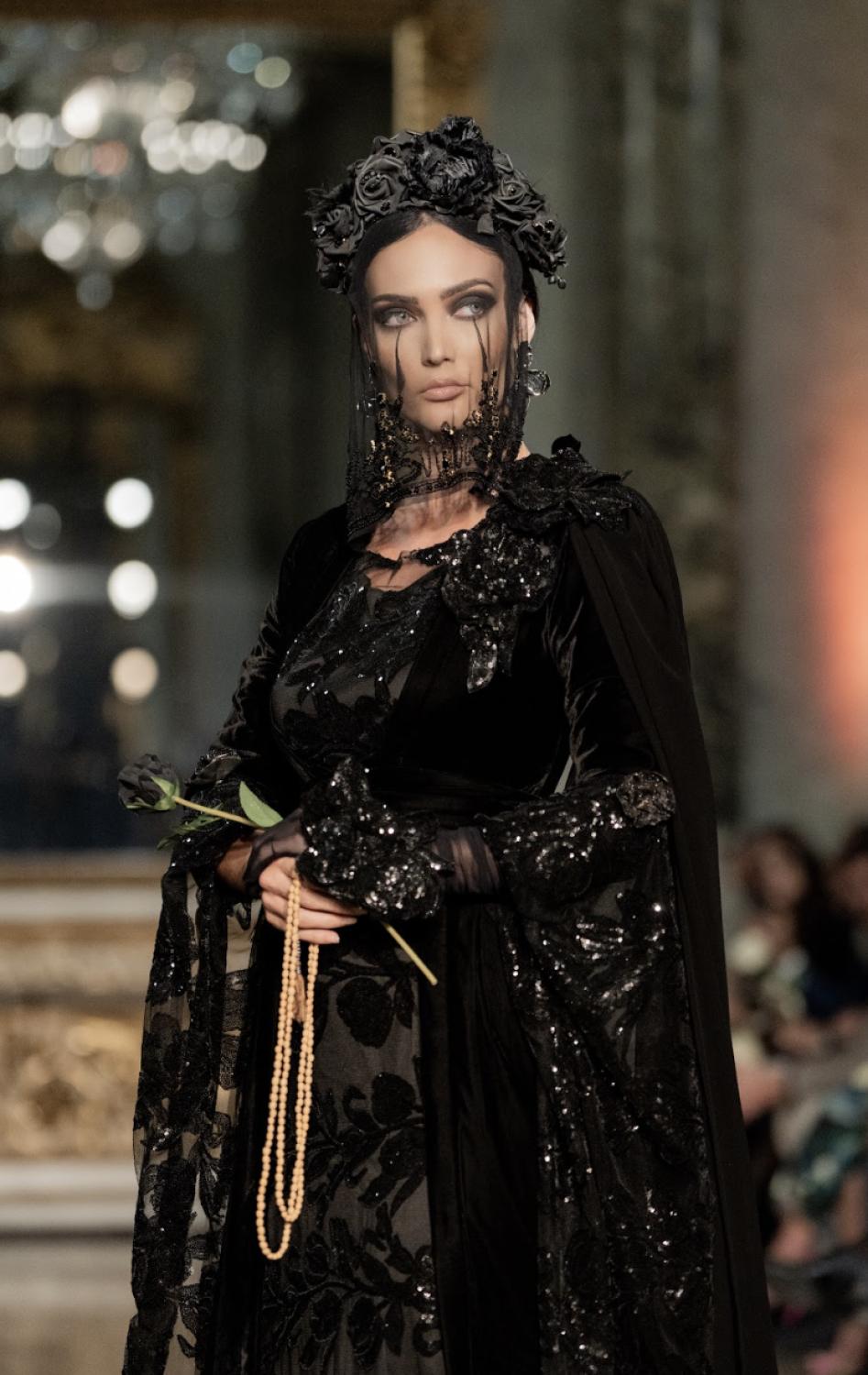
One of the most arresting looks was “The Widow,” Dizeyee’s tribute to Kurdish women who have lost husbands to war and martyrdom. “I chose a model with a strong, fearless face,” she recalls. “She wore black and raised her hand to the sky with a rosary and a black flower. Everything was black, but it was majestic, powerful.” The gesture, she adds, was deliberate: a plea to God, and a reminder of resilience.
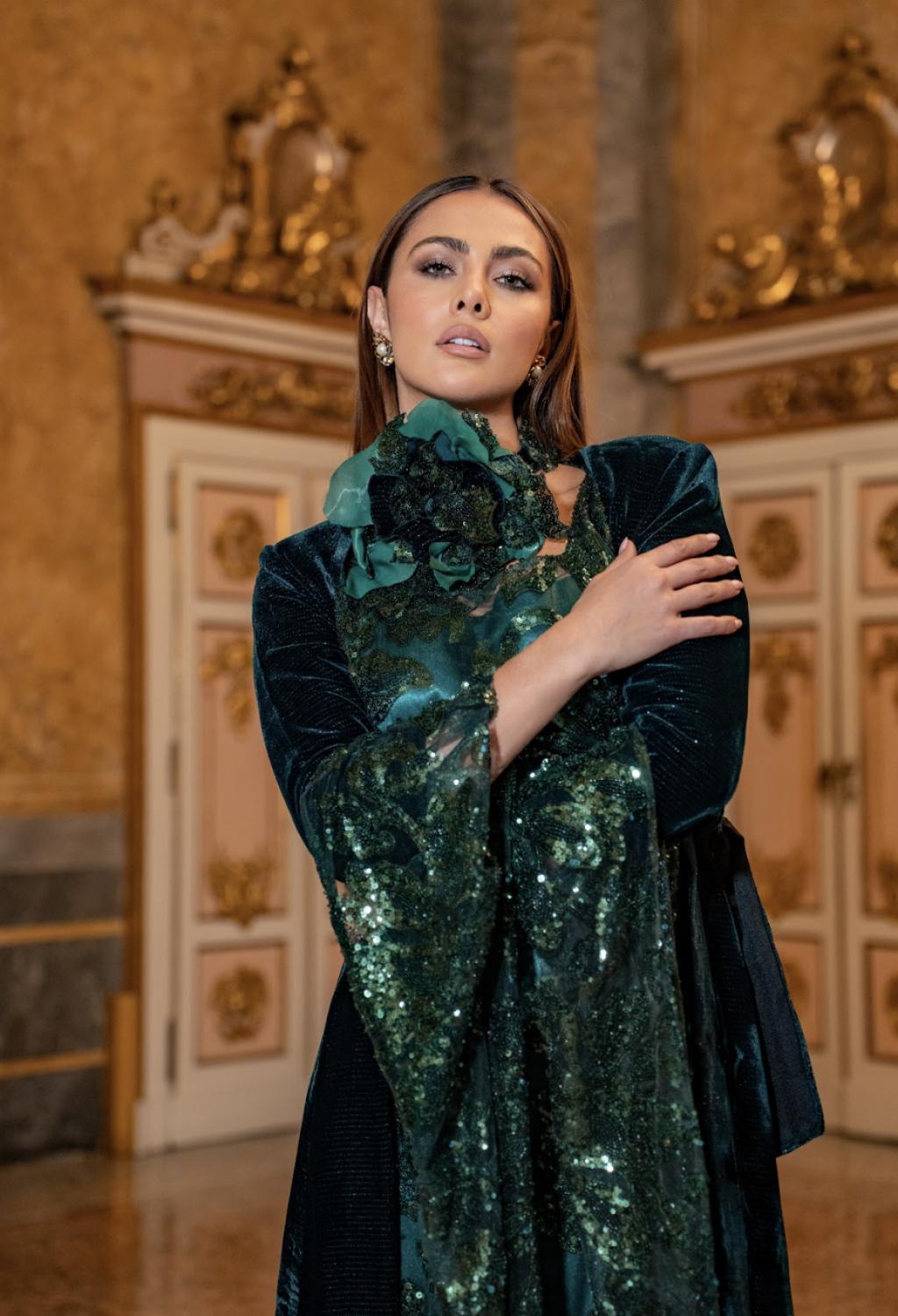
“Empowering women is very, very important to me,” Dizeyee says. “I always want to show the world how strong Kurdish women are.” In Milan, she threaded that conviction through her references to figures such as Hapsa Khani Naqib, an early Kurdish feminist and nationalist leader who founded the first women’s school in Iraq; a woman who shaped Kurdish society without taking up arms. “Now we can serve Kurdistan with beauty and love,” she says. “That night in Milan, people told me they felt we were all one – politics forgotten.”
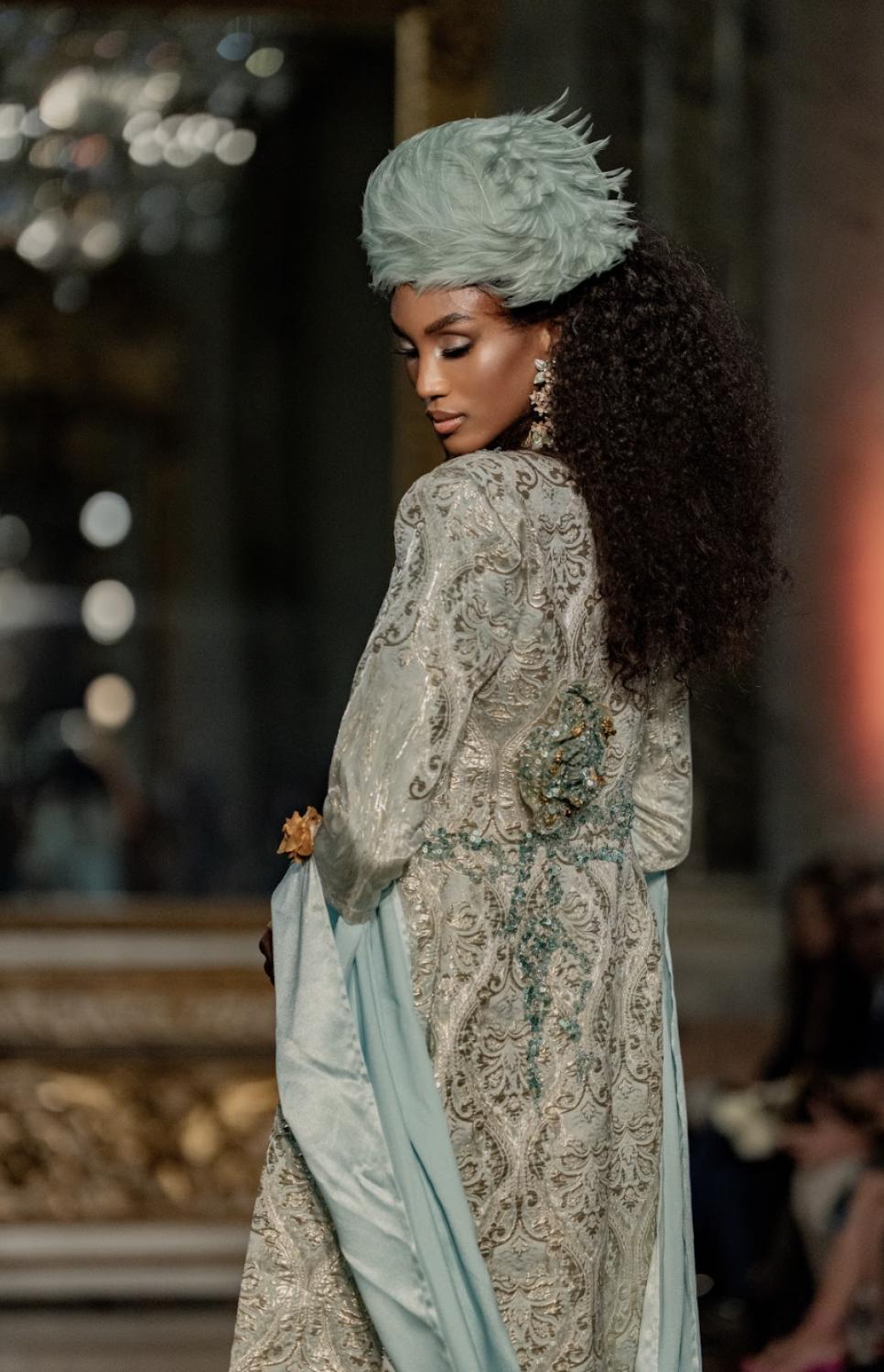
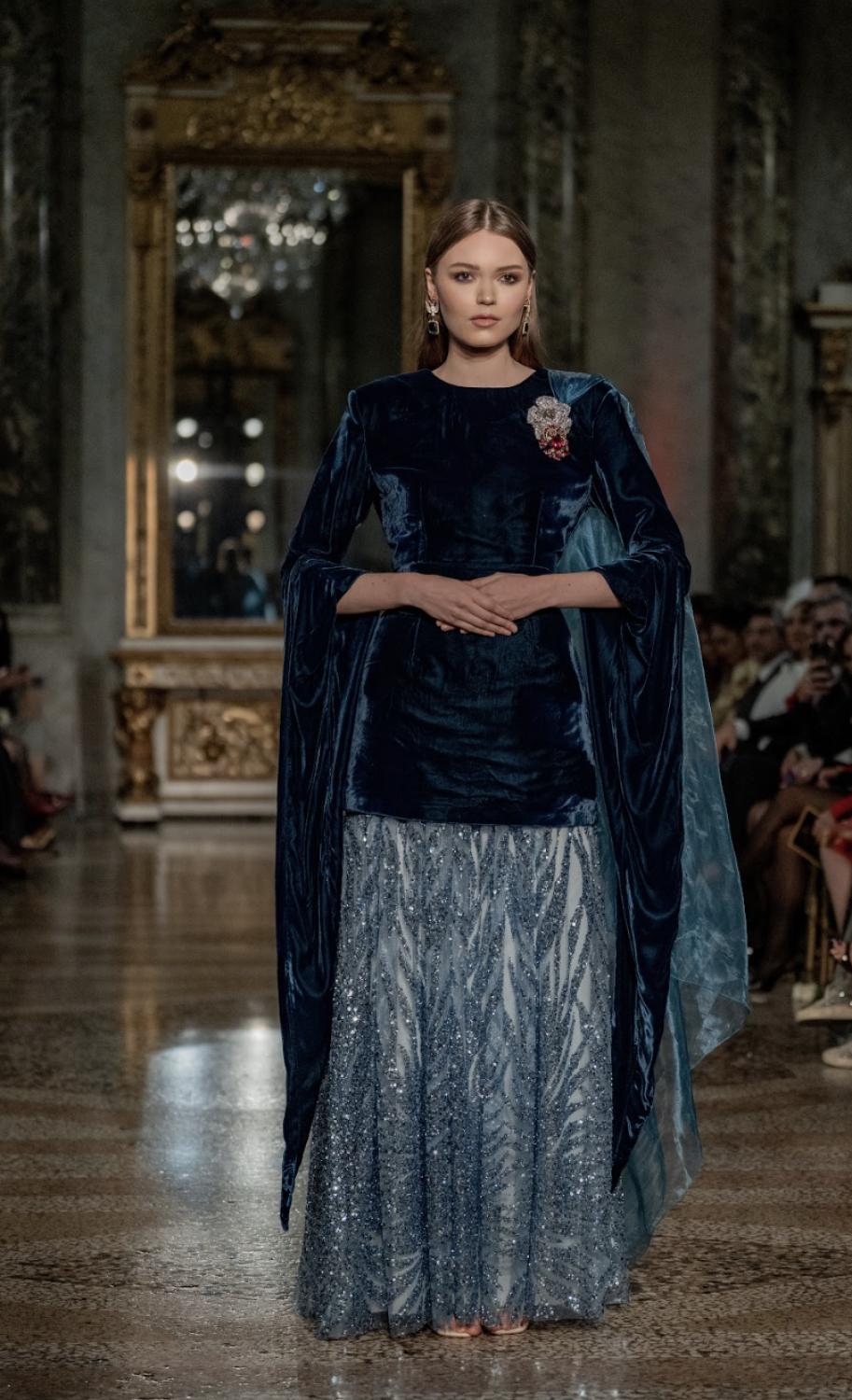
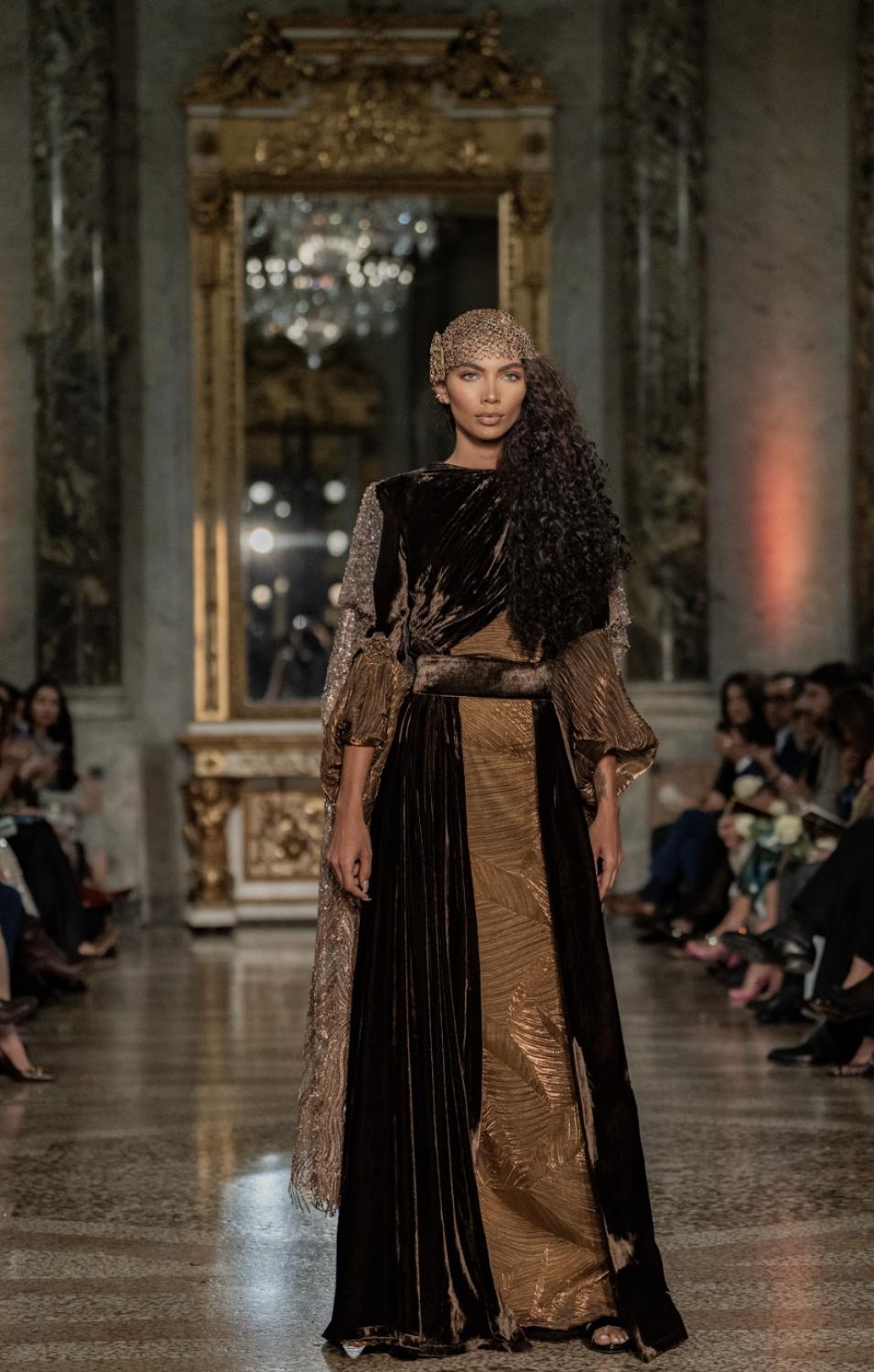
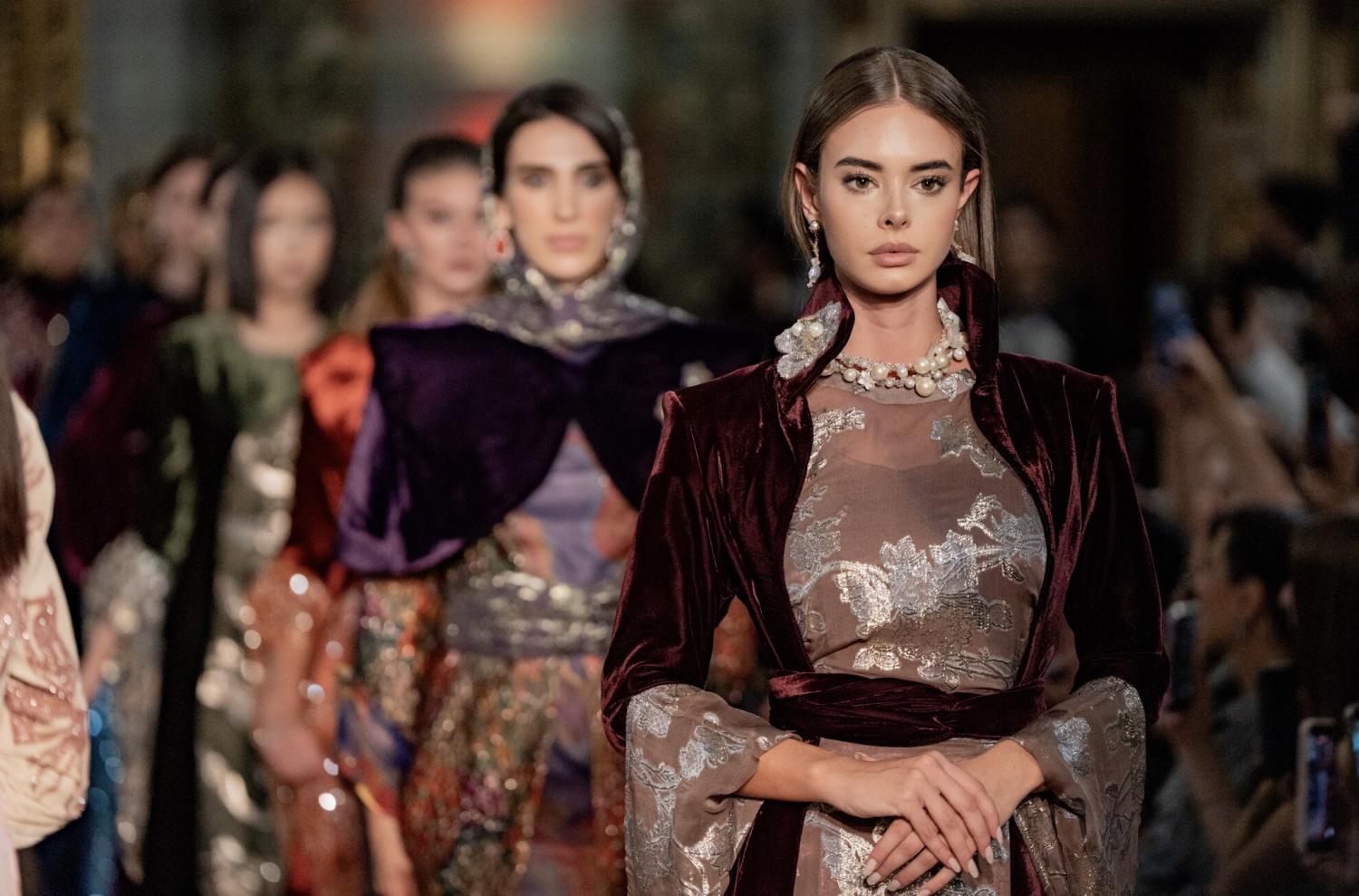
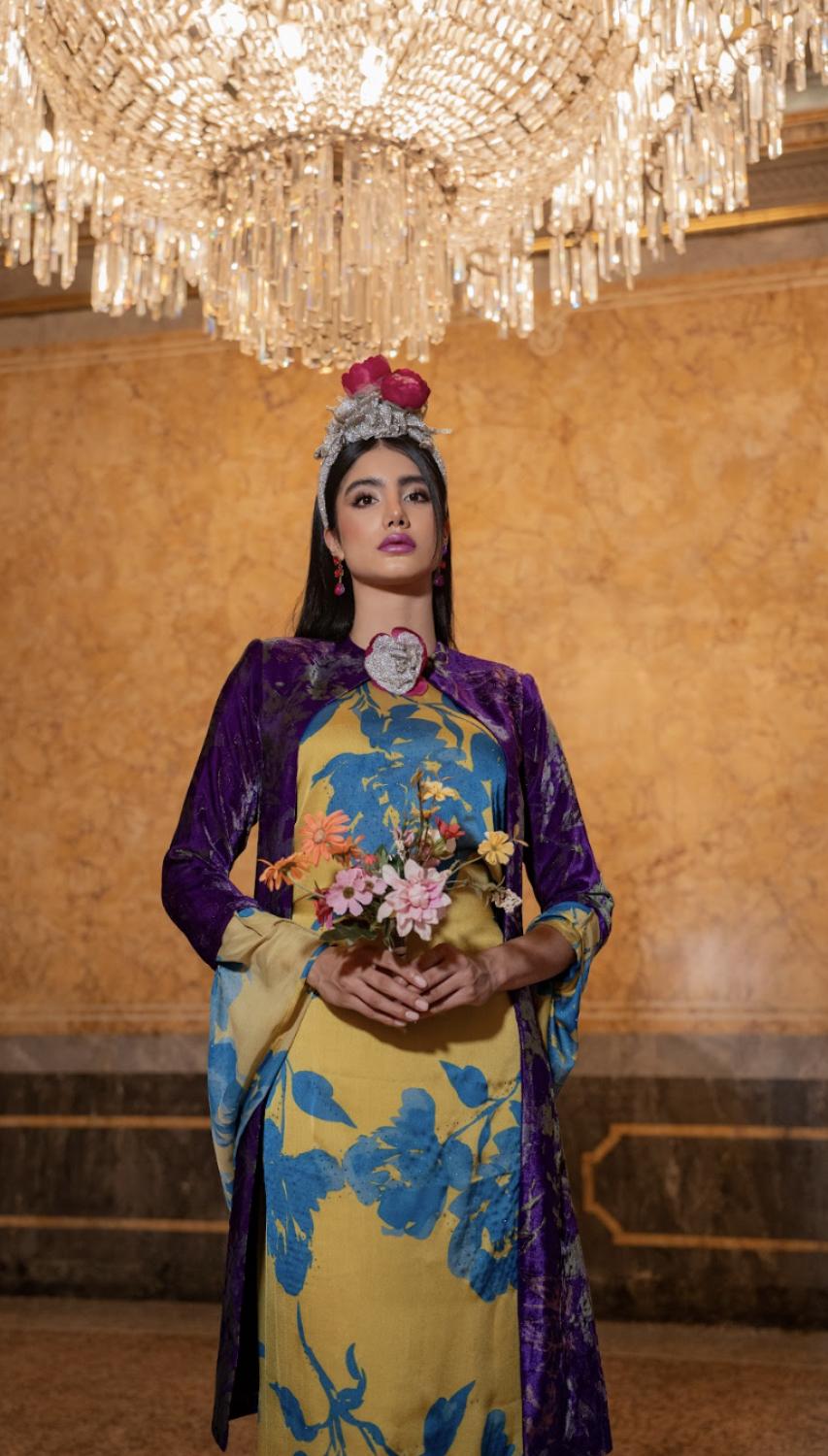
Dizeyee’s couture is distinguished by a careful balance: modern silhouettes built on the bones of tradition. She worries that Kurdish dress is too often “modernized” past recognition. “I want to bring back our authenticity,” she says, “and authenticity, for me, includes modesty. Modesty carries dignity. I add modernity, yes – because you must progress – but always with our culture at the core.”
That philosophy shone through in the show’s “peace look,” a shimmering gown whose headpiece carried a dove. “The dove of peace,” she says simply. “Kurds have always been peace-loving. I wanted the world to see the peace of Kurdistan.”
Building a global brand, carefully
Since Milan, invitations have poured in from New York, London, Qatar, Japan, and Saudi Arabia. Dizeyee is grateful but cautious. She prefers time and distance between shows. “If I do them one after another, nothing will be savored,” she says.
Her plan is to make her third major showcase in an Arab country in the near future. The choice is strategic. “Europe knows the Kurds well enough. In the Arab world, there are still negative images from the past. I don’t want us to remain in the victim mentality of ‘poor us.’ Yes, we have suffered, but I want them to look at us with respect.”
The respect is coming. She notes that international magazines now cover her work and the culture it represents, and that her recent collections have reached tens of millions online within weeks. “It opens doors for the Kurdish cause and Kurdish culture,” she says. “That was my dream: to design our culture so beautifully that foreigners are amazed – and it won’t be lost.”
In a field where novelty can eclipse meaning, Dizeyee is staking a different claim: that fashion can be a living archive, a form of cultural diplomacy, and a vocabulary of pride. “I’m building a brand from my culture,” she says. “I want the world to know that Kurdish women have been resilient fighters and caretakers; they have lived in mountains and valleys; they have always been part of everything.”
And so the show in Milan closed the way it began – with a symbol. “You have to end with a powerful design that seals it,” she says. “We sealed it with the flag.”
As the audience rose to applaud, the message was unmistakable: in Lara Dizeyee’s hands, Kurdish history is not a relic. It is something you can wear – something that moves.
A Kurdish journalist with 15 years of experience in media development in Iraq. He has contributed to both local and international media outlets.