Kurdish society in the Middle East has long been characterized by diversity and tolerance. For centuries, different ethnic and religious communities of Kurdistan have coexisted peacefully, and this spirit of coexistence is reflected in the region’s music and cultural heritage. Moreover, Kurdish songs and music have been preserved, enriched, and transmitted across borders, often with the help of unexpected ambassadors, three of whom are highlighted below.
Komitas: Preserver of Kurdish melodies
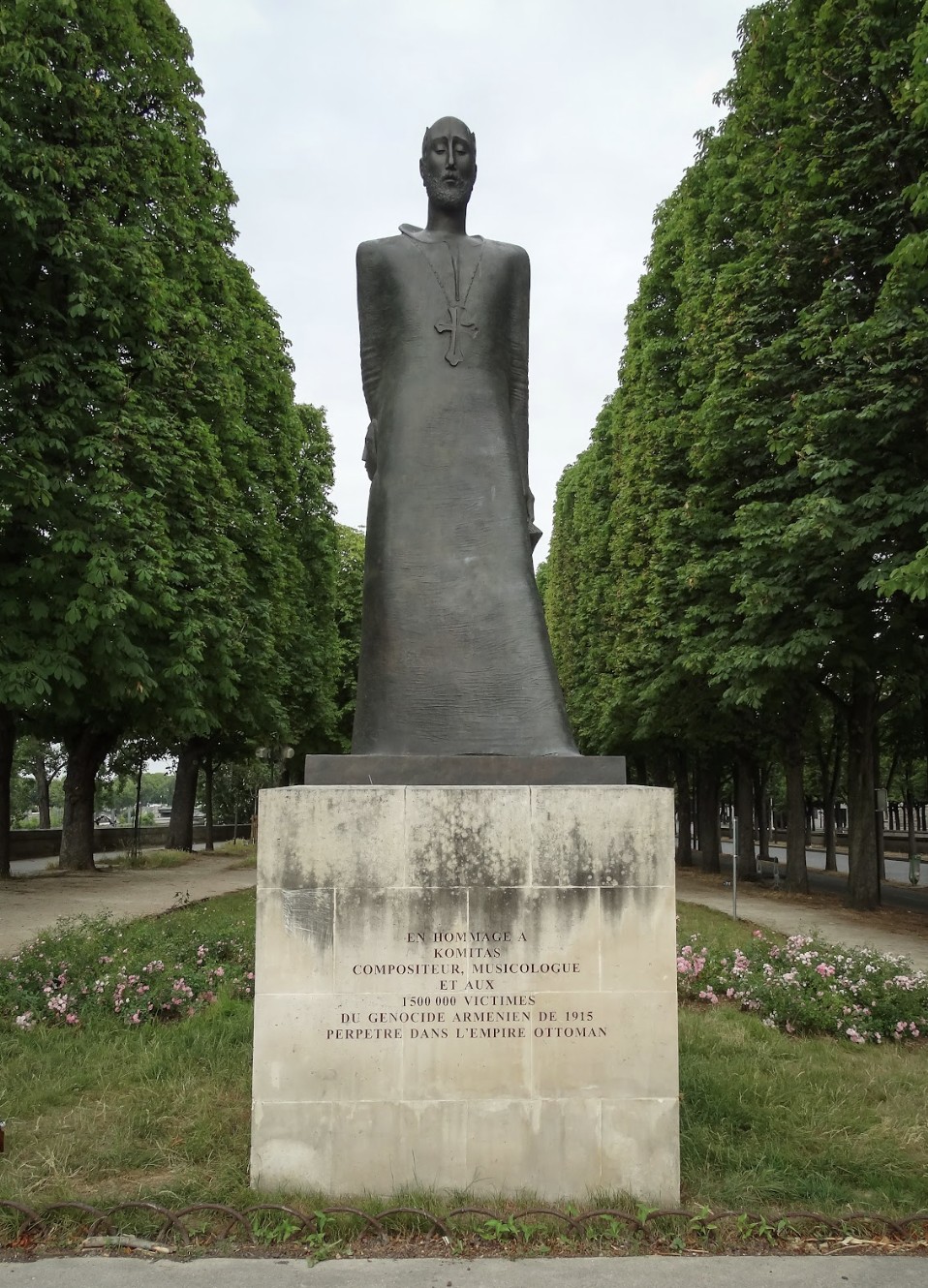
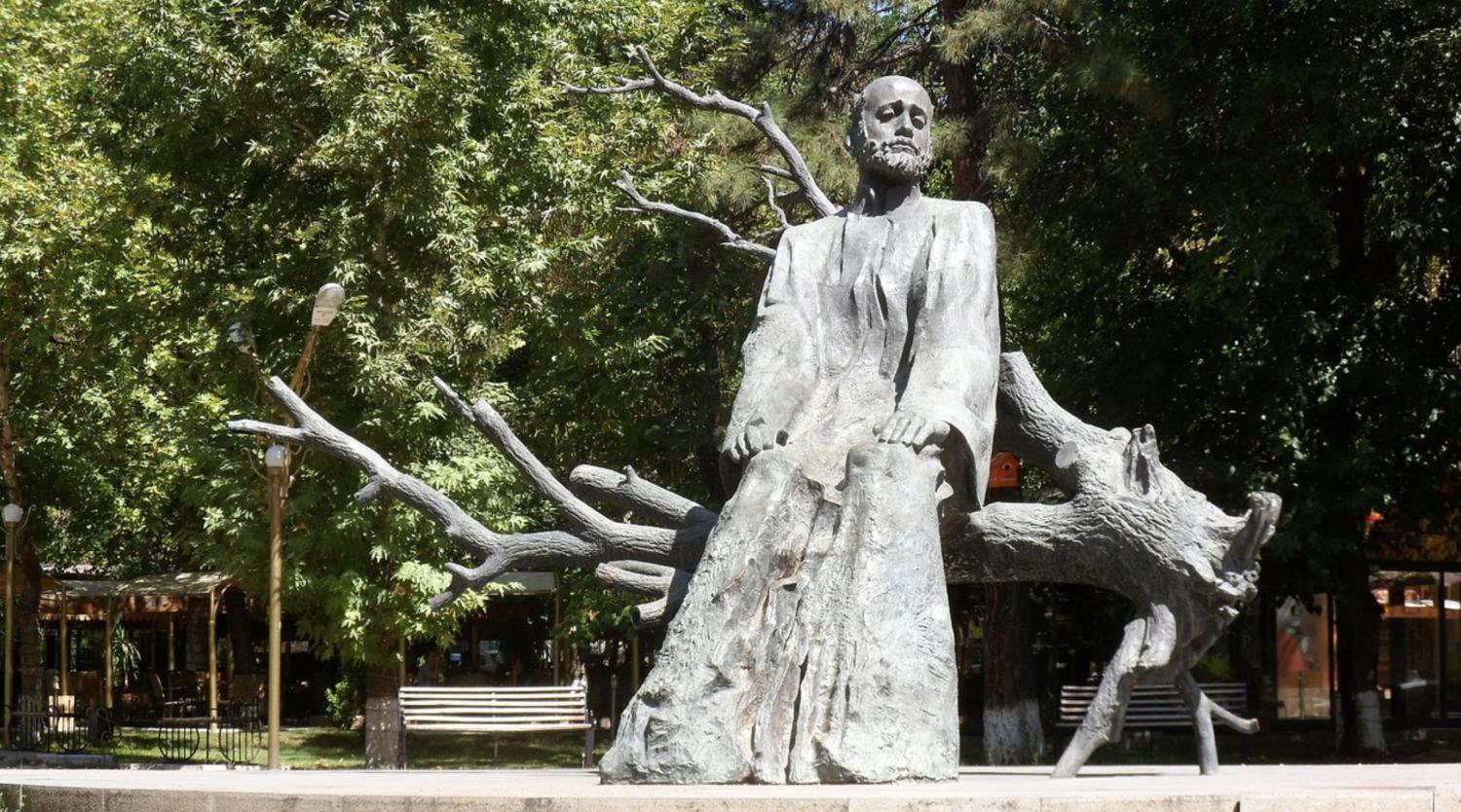
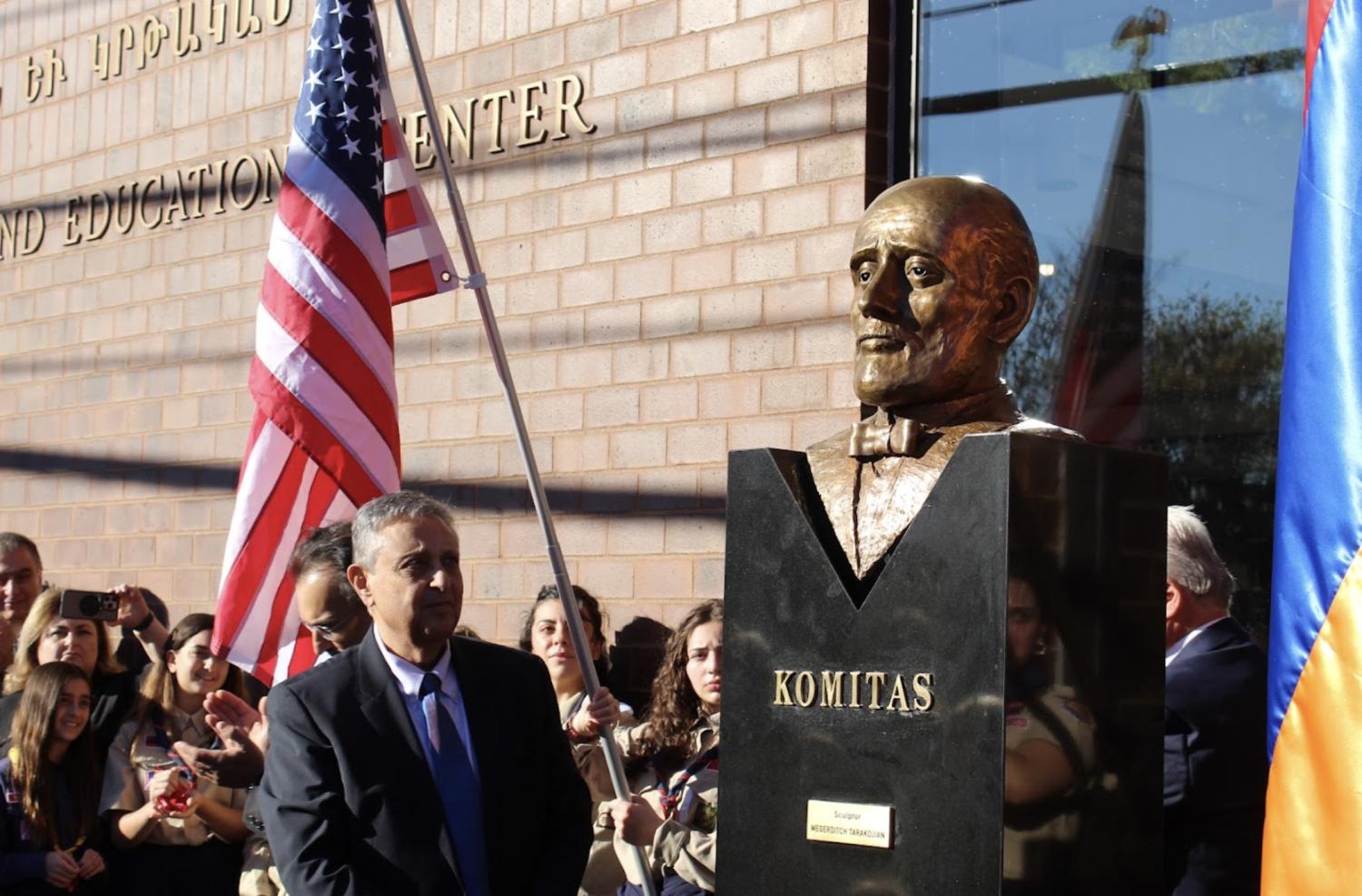
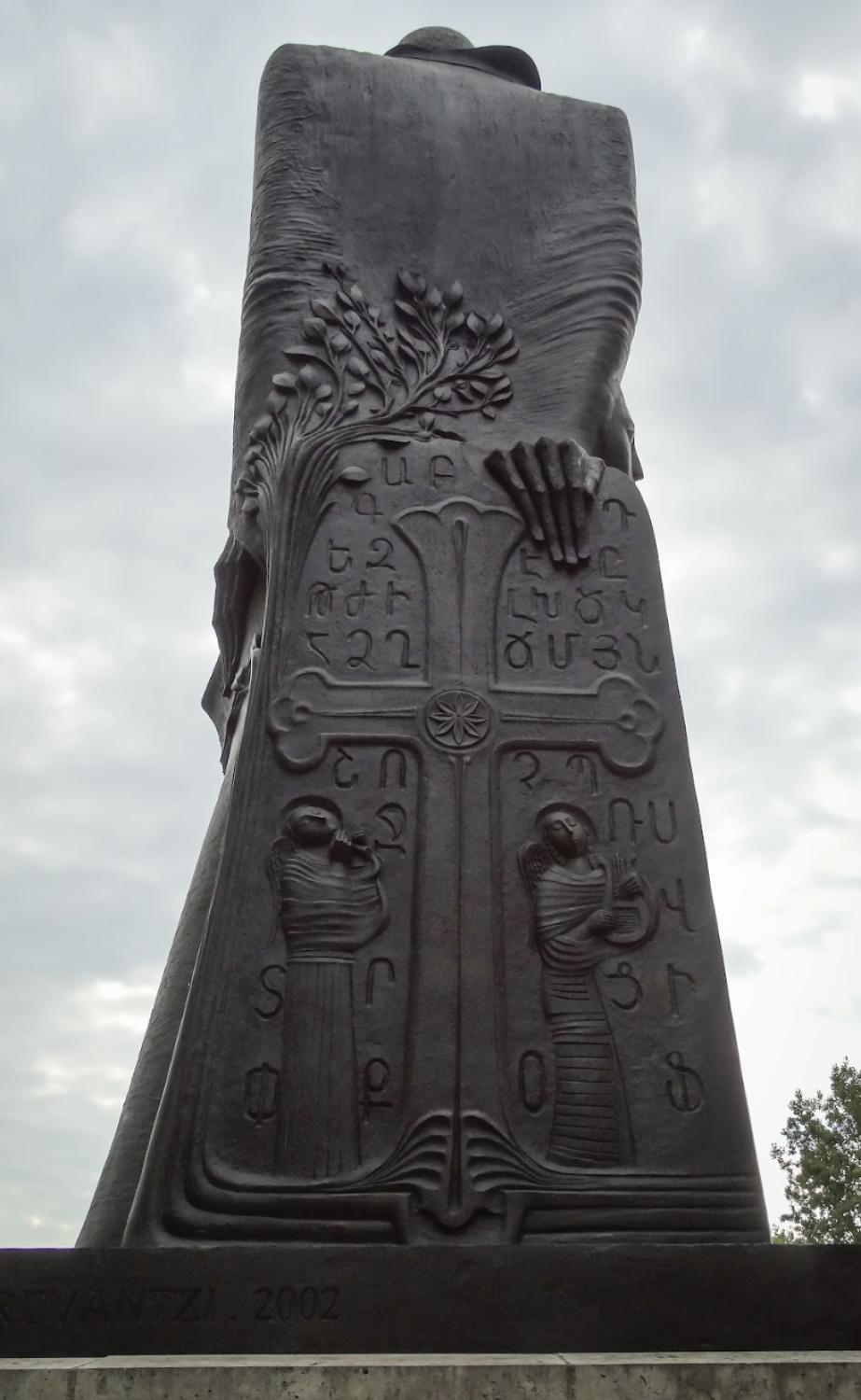
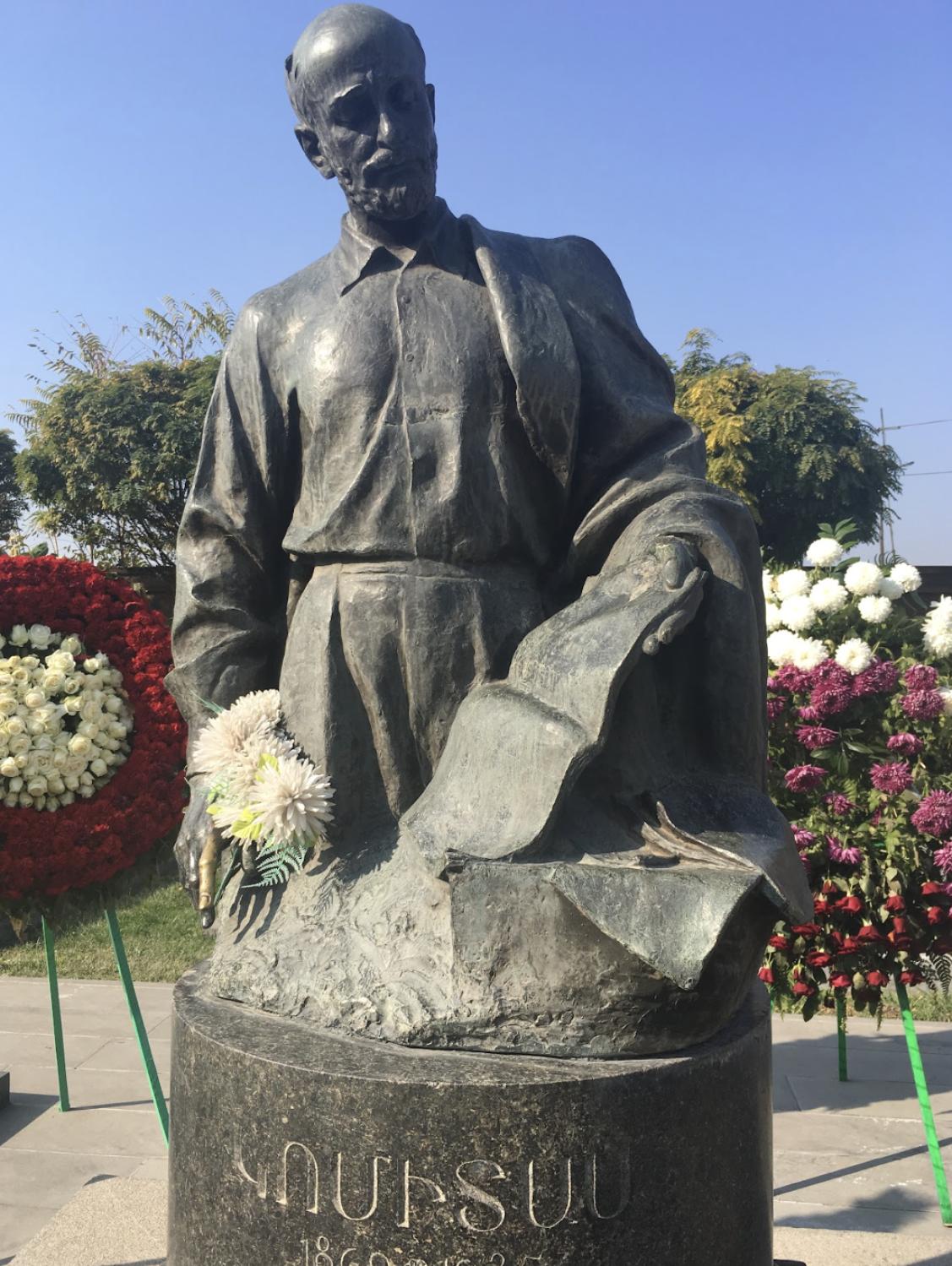
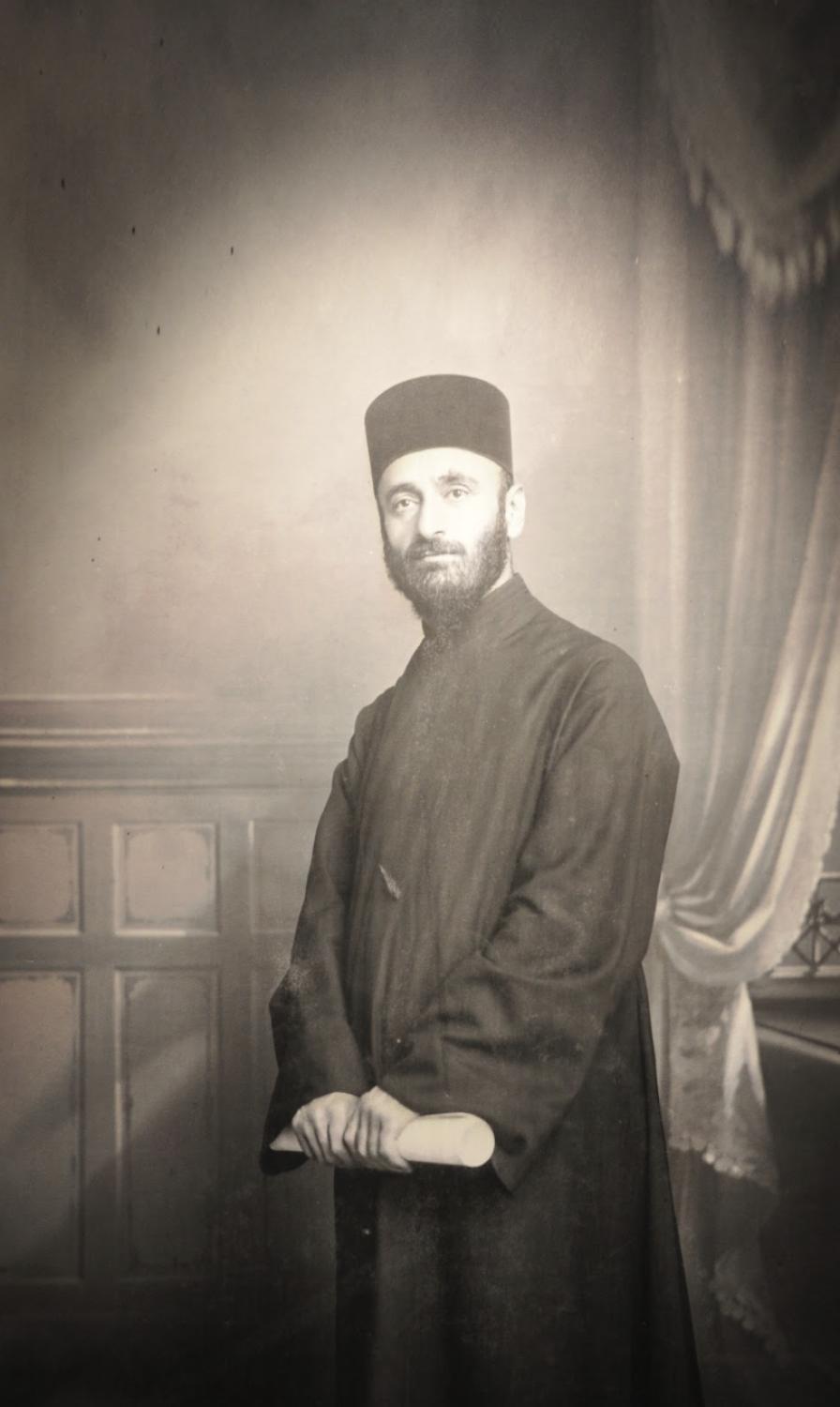
Soghomon Soghomonian, better known as Komitas, was an Armenian priest, musician, composer, choirmaster, and singer. He is celebrated as the founder of the Armenian School of National Music and as a pioneer of ethnomusicology.
Komitas studied music at the Friedrich-Wilhelms University of Berlin in 1895 before returning to Istanbul after graduation. His passion for music led him to collect and transcribe a vast repertoire of songs.
His work, however, extended beyond Armenian tradition. In 1903, he published Kurdish Melodies of Istanbul, preserving the lyrics and melodies of 13 Kurdish songs that might otherwise have been lost. Komitas not only transcribed but also performed these songs, his melodious voice ensuring they lived on in both written and sung form. Some of these rare recordings can still be found on YouTube, bearing witness to his role in safeguarding Kurdish musical heritage.
Khosrow Malul: A Kurdish voice in the new world
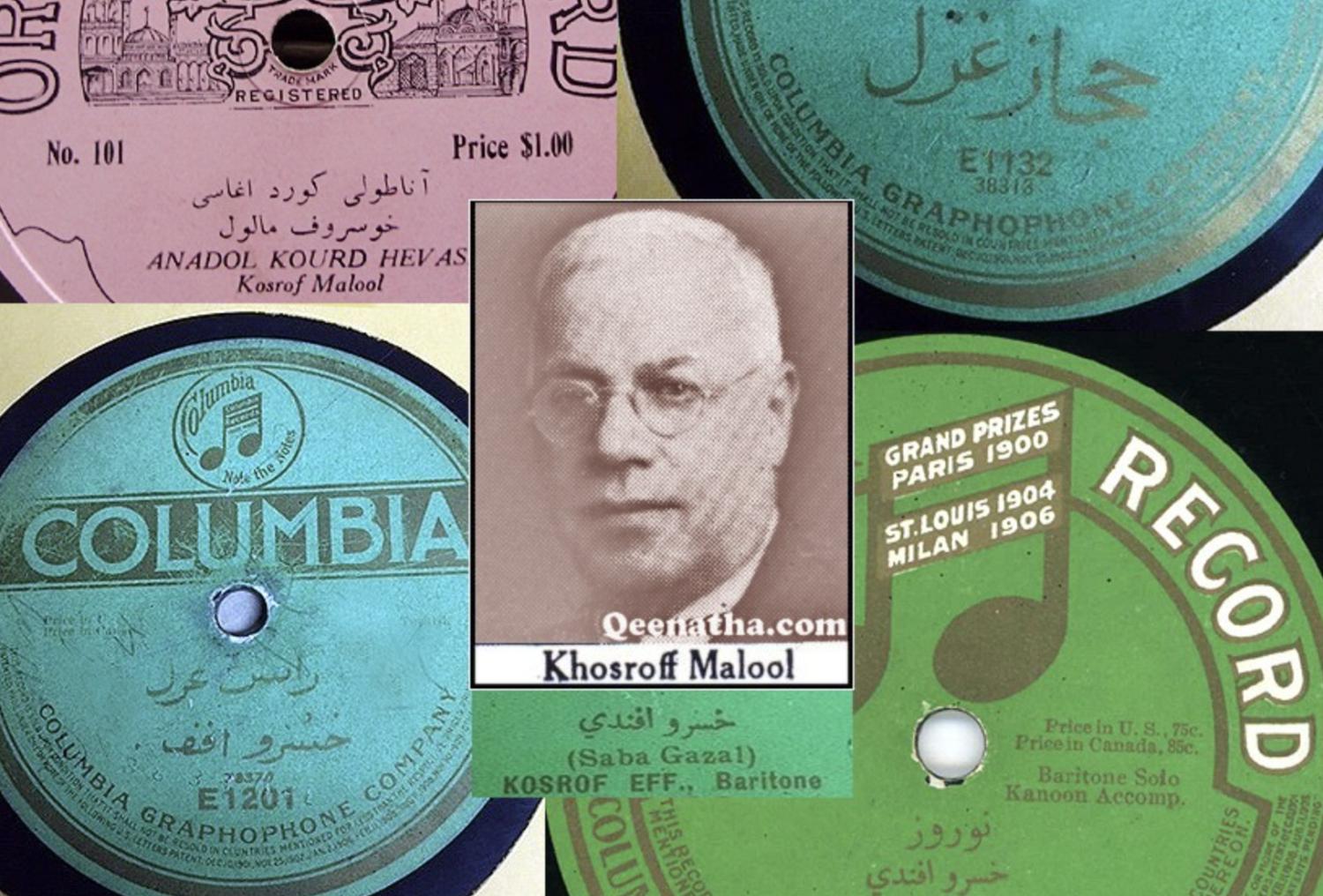
Khosrow Malul, also known as Khosrow Efendi, was born in 1881 in Amed (Diyarbakir) in Northern Kurdistan (southeastern Turkey). In 1904, he emigrated to the United States, where his passion for Kurdish music found a new stage.
Though little is known about his life, Malul made a lasting impression in 1912 when he recorded several Kurdish songs for Columbia Records in New York, accompanied by the renowned violinist Naim Karakand. His performances, some of which are available online, represent a valuable treasure of Kurdish cultural history.
Malul also performed at community events such as the Newroz festival, where he became known as the “Kurdish Anatolian Singer” of New York. His recordings stand as early examples of Kurdish music entering the global sound archive.
A Kurdish song in German literature
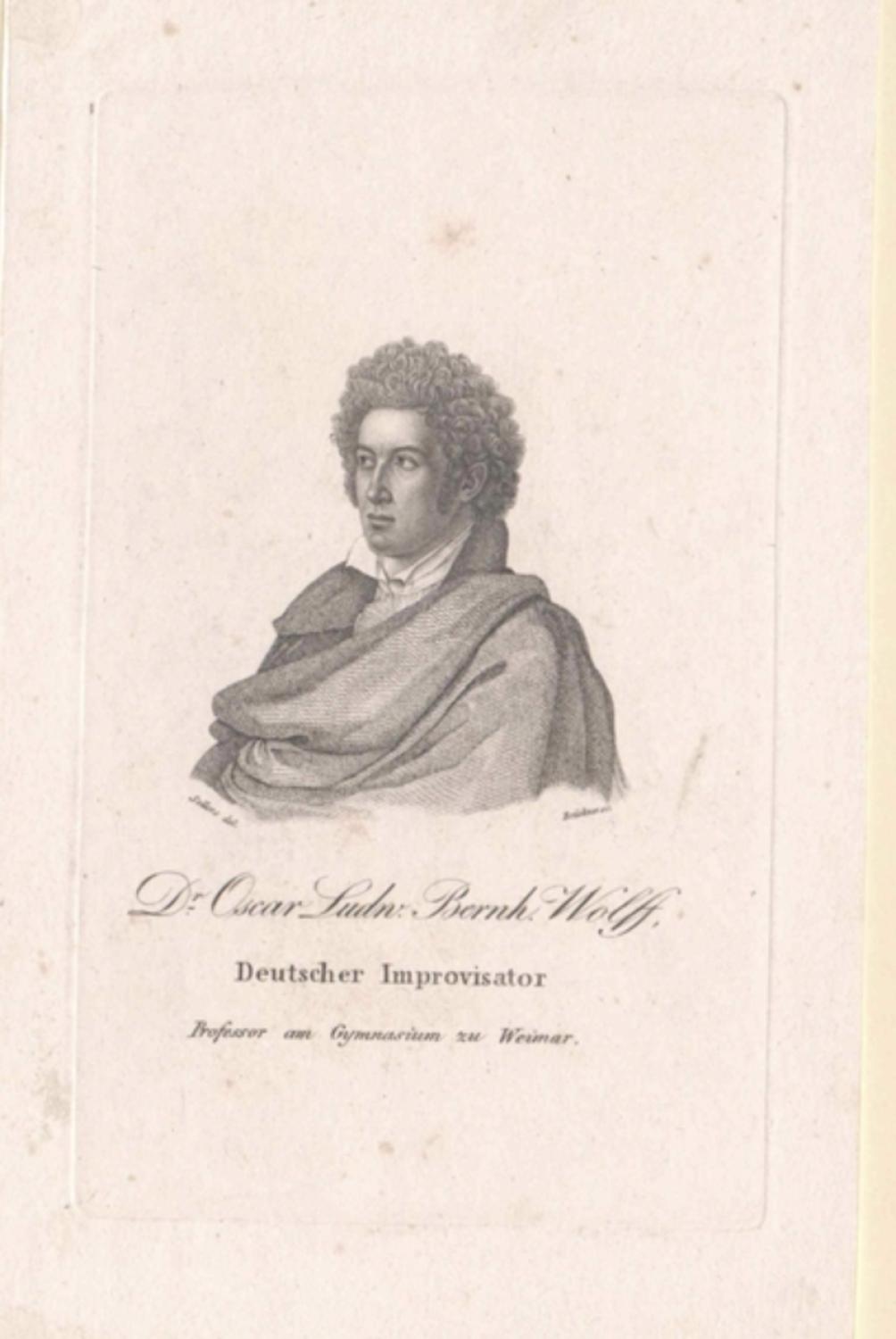
The influence of Kurdish music even reached European literary circles. Born to a German-Jewish family, writer Oskar Ludwig Bernhard Wolf was a polyglot, translating from English, French, Italian, Spanish, Latin, and Greek, and working as an editor for several literary projects. In the last 25 years of his life, he wrote or translated more than 100 books.
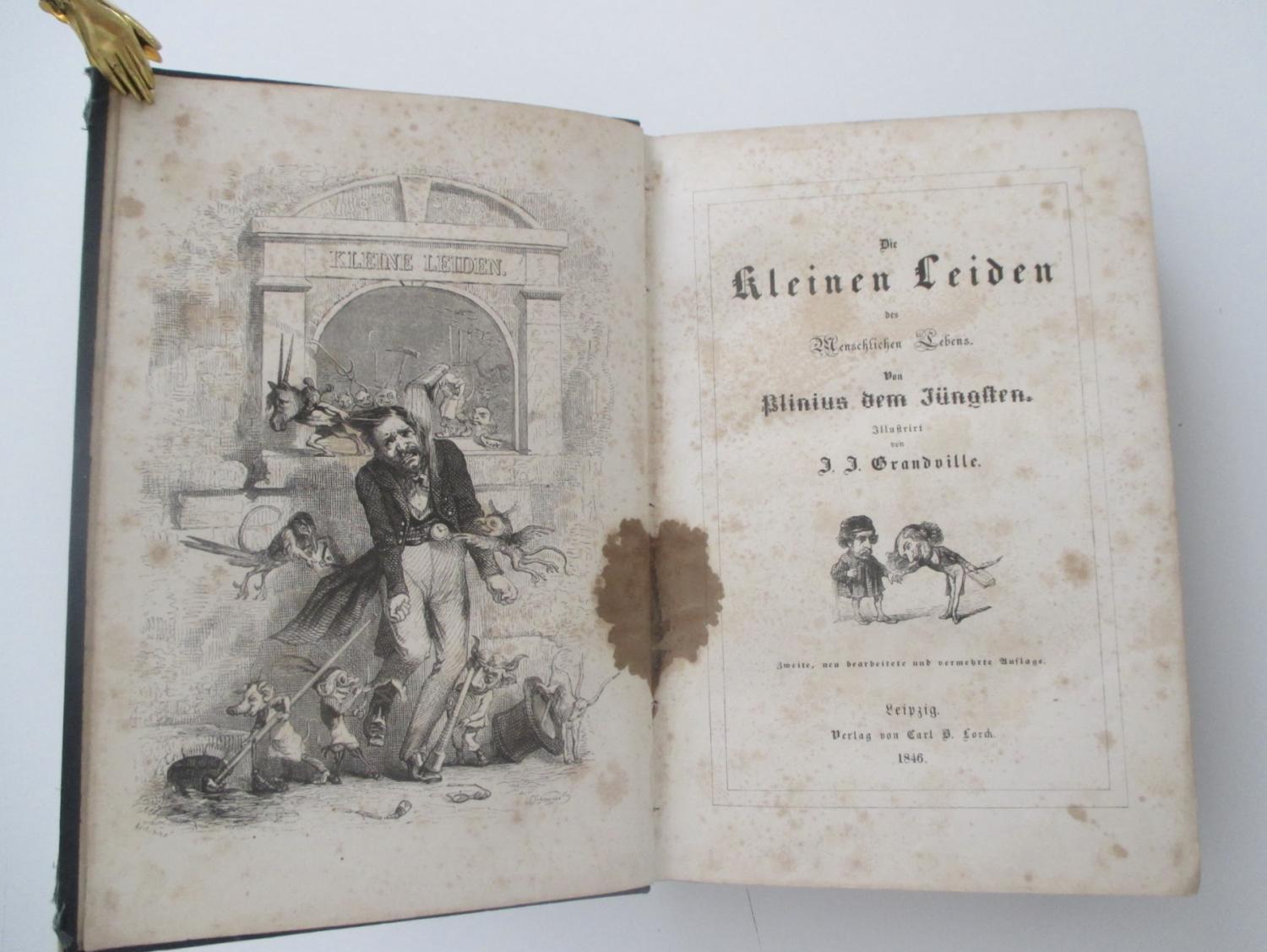
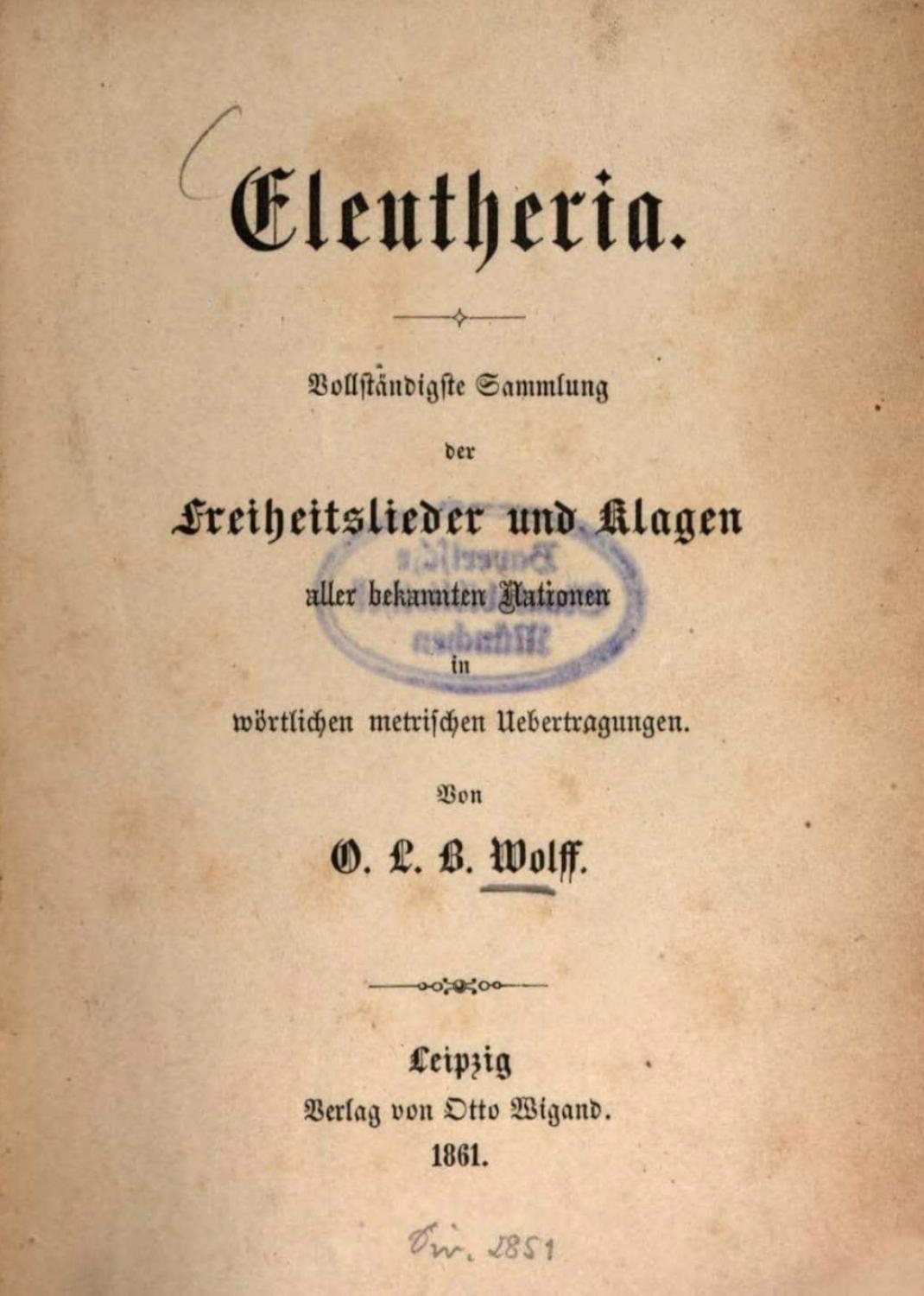
A versatile author, poet, translator, and humorist, Wolf included the text of a Kurdish song in one of his anthologies. The song, titled “Freiheitslieder und Klagen” (“The Kurdish Song of Spring”), appeared in his 1861 book Goranyakani u Azady w Newakan (Songs of Freedom and the Nawa Maqams), which was published in Leipzig.
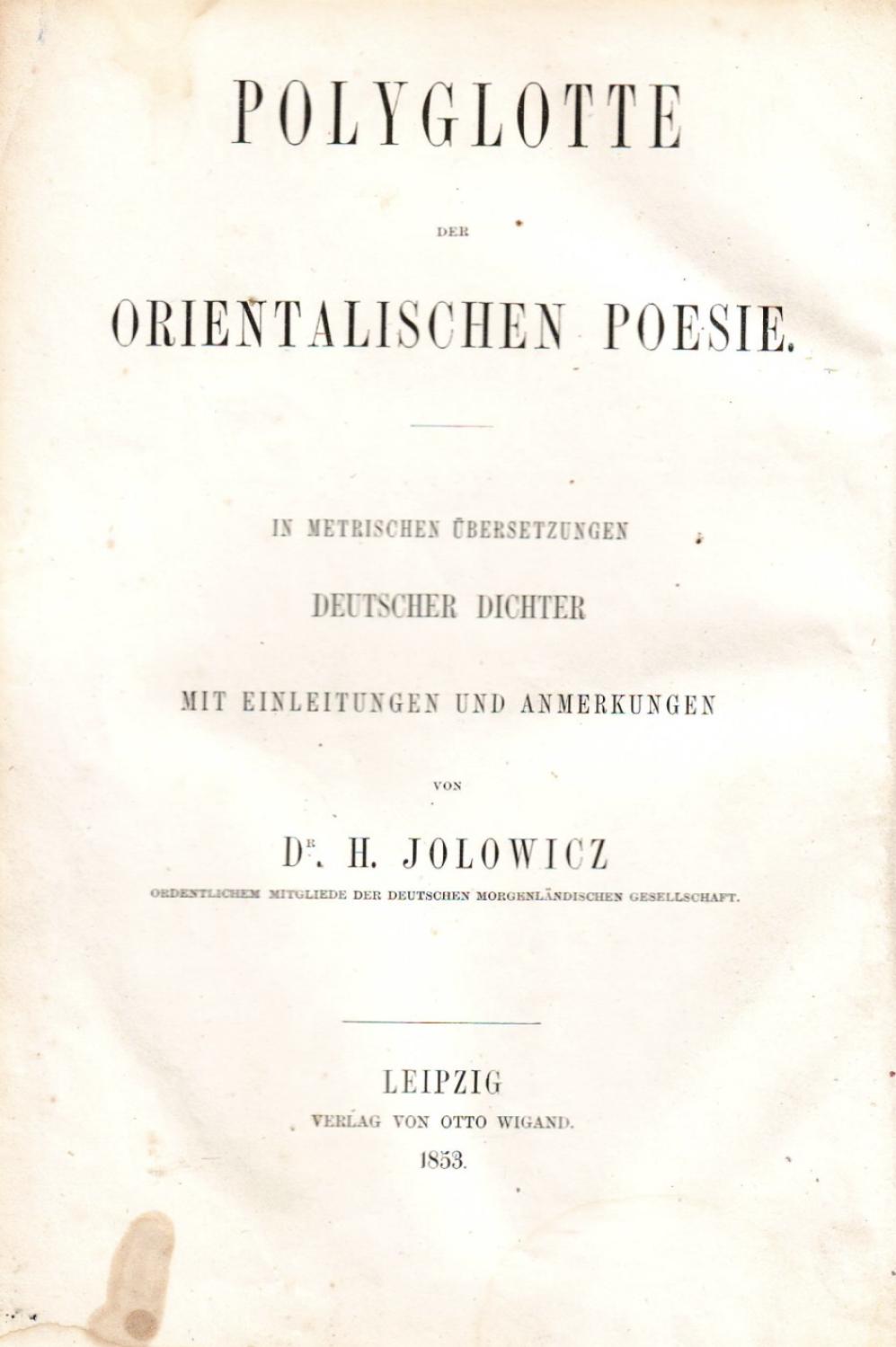
Wolf cited his source as Dr. H. Gulovich, whose Polyglotte der Orientalischen Poesie (Polyglot of Oriental Poetry) contained the Kurdish text. Gulovich was born in 1816 in Poland, and after earning a doctorate from Kiel University in Germany, he served as a rabbi in several Polish cities and in London. He retired early and devoted the rest of his life to writing on theology, history, and literature.
Some lyrics from “The Kurdish Song of Spring” are below:
High above everything,
Beautiful above everything,
And from the mouths of people, it will be praised,
They are the green spots on the mountain heights,
The grass fragrant of the nomads.
Where snow whitens the mountains,
Where the black tents of the Kurds,
Where the shepherd grazes fattened sheep,
Where boys carry daggers in their belts,
And beautiful girls sing and laugh,
High above everything,
Beautiful above everything,
And from the mouths of people, it will be praised,
They are the green spots on the mountain heights,
The grass fragrant of the nomads.
Wolf’s and Gulovich’s inclusion of Kurdish verse highlights how deeply Kurdish oral traditions resonated beyond their homeland. These fragments introduced European readers to the beauty and vitality of Kurdish cultural expression.
A longstanding legacy
From Komitas’s ethnographic preservation to Khosrow Malul’s early recordings in the United States, to Wolf’s literary documentation, Kurdish music has found ambassadors in unexpected places. These efforts – whether by Armenian, Kurdish, or German-Jewish figures – have played an invaluable role in ensuring that the voices of Kurdish songs continue to echo across generations and borders.
Is a Kurdish writer and translator based in Germany.