When archaeologists at the University of Sulaymaniyah began their excavation in February 2025, they expected to discover fragments, perhaps pottery fragments or sections of old foundations. What they uncovered instead was a story buried for more than two centuries: the Fatima Khan Bathhouse, the first of its kind in the city and a forgotten jewel of the Baban era.
Dating back to the 1820s, the bathhouse was built during the reign of Abdurrahman Pasha Baban. It was named after Fatima Khan, a woman of the Baban family, and stood as a symbol of refinement in a city just beginning to rise in prominence.
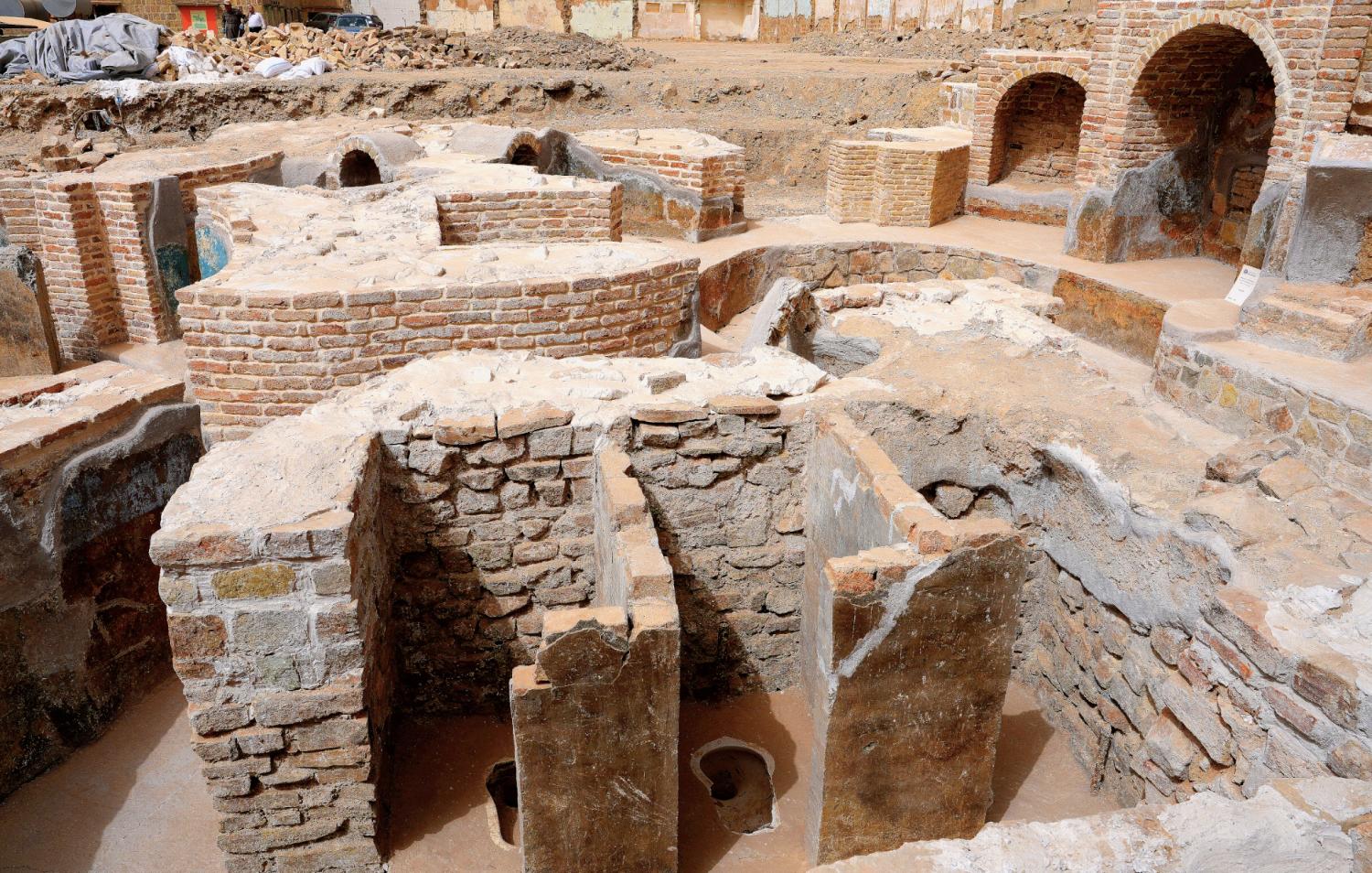
“This bathhouse is more than bricks and walls. It is memory, heritage, and identity resurfacing from under the earth,” said one of the archaeologists working at the dig.
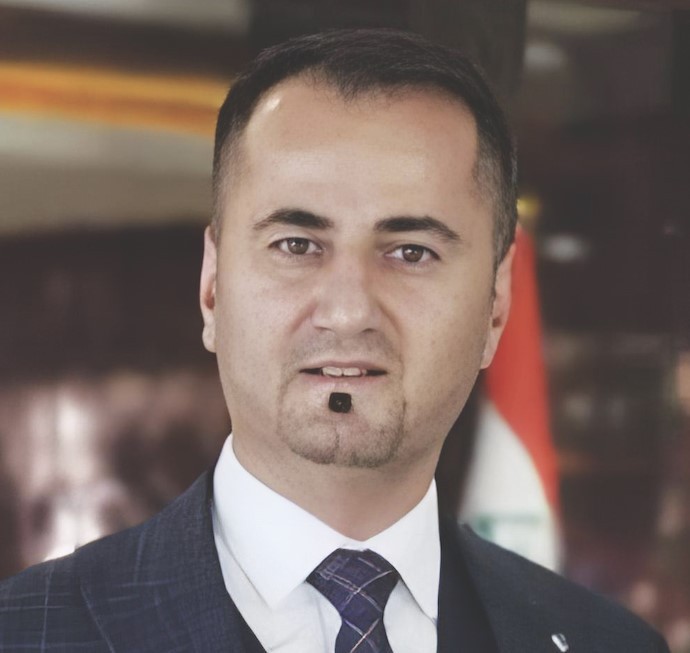
The excavations are being led by Zryan Haji, the Head of the Archaeology Department the University of Sulaymaniyah, and Ali Hijran, who is the team leader of the excavators. The project is also receiving support from Shanaz Ibrahim Ahmed, the first lady of Iraq, and the Sulaymaniyah University College of Humanities.
Sacred streams
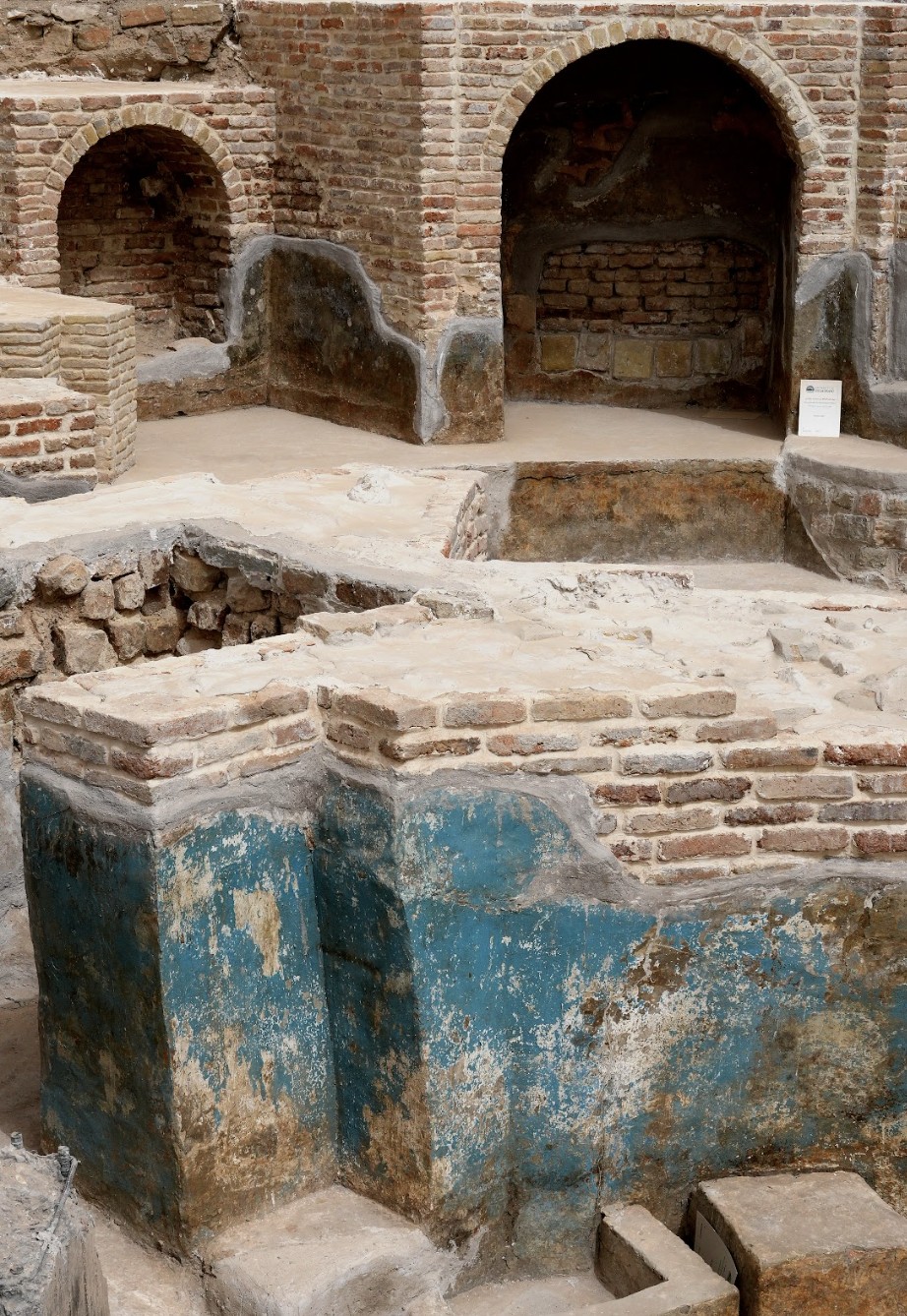
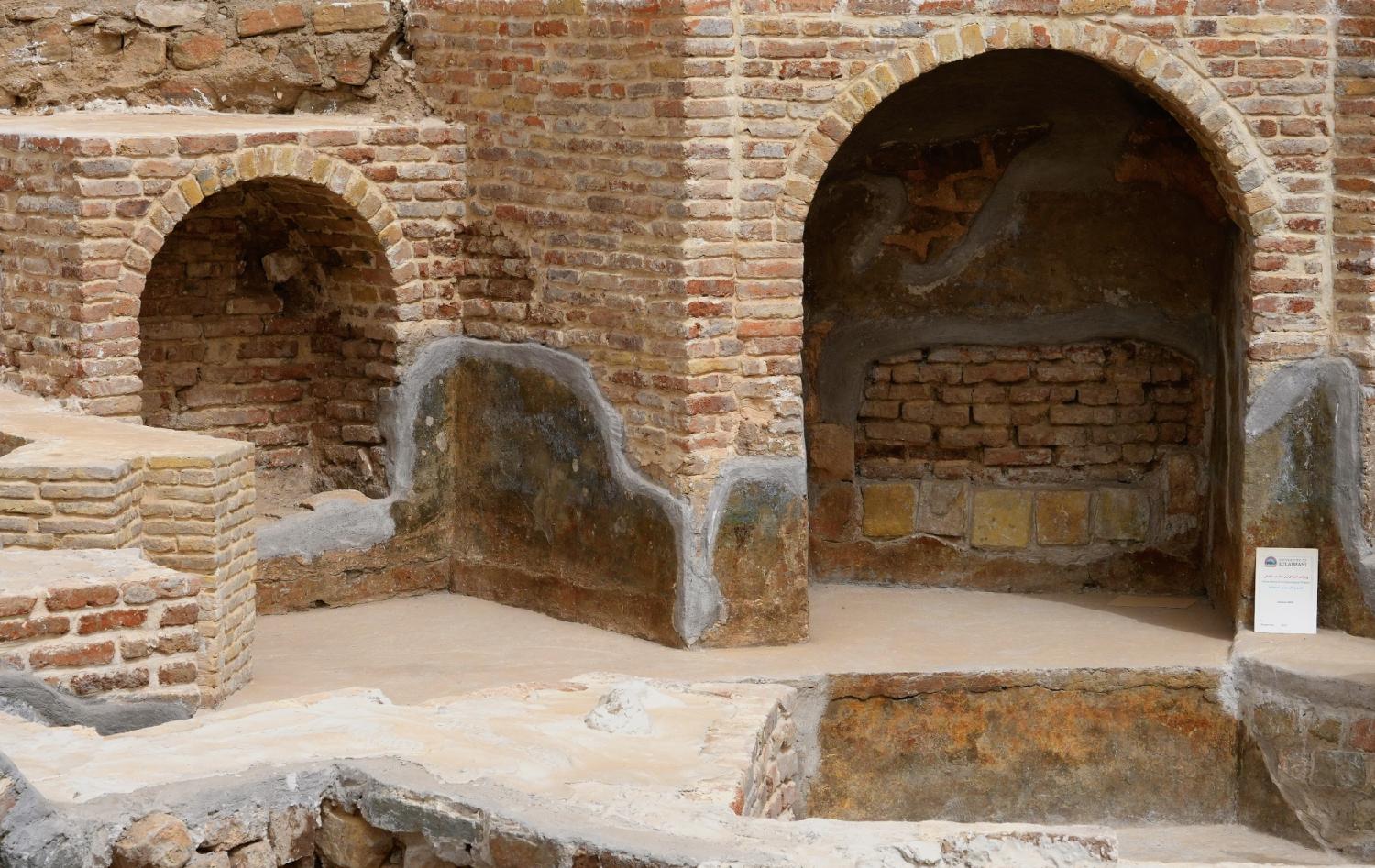
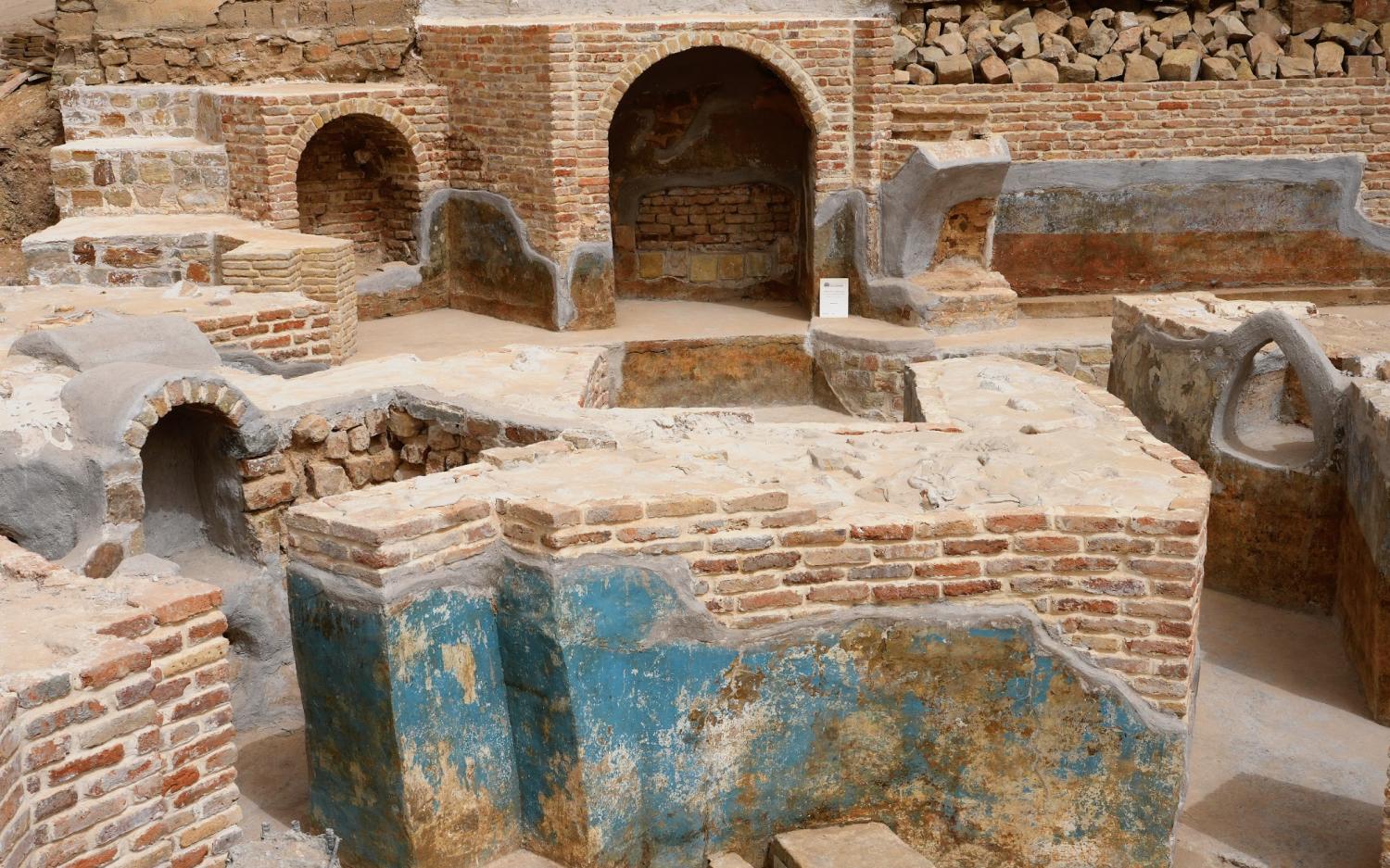
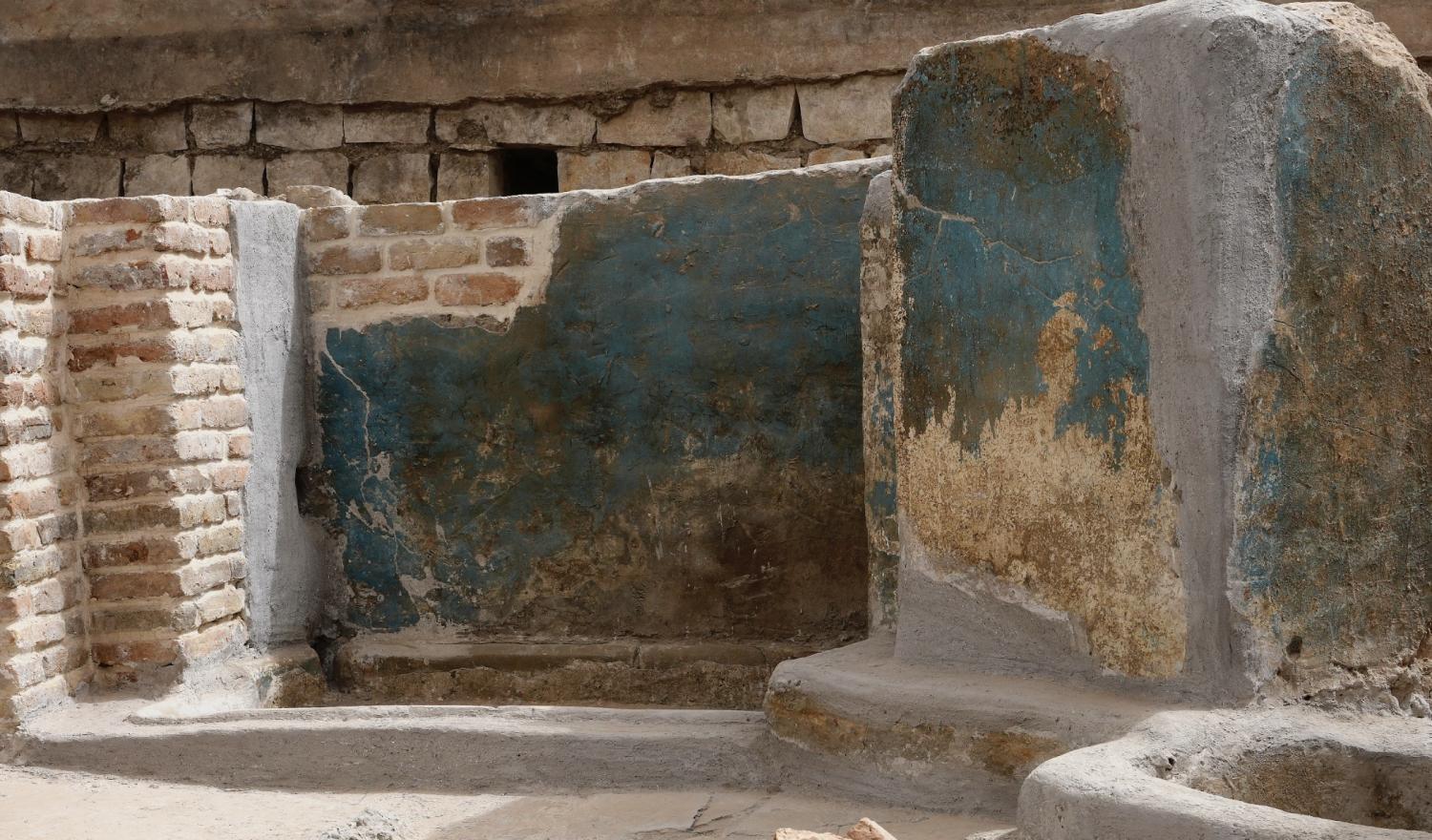
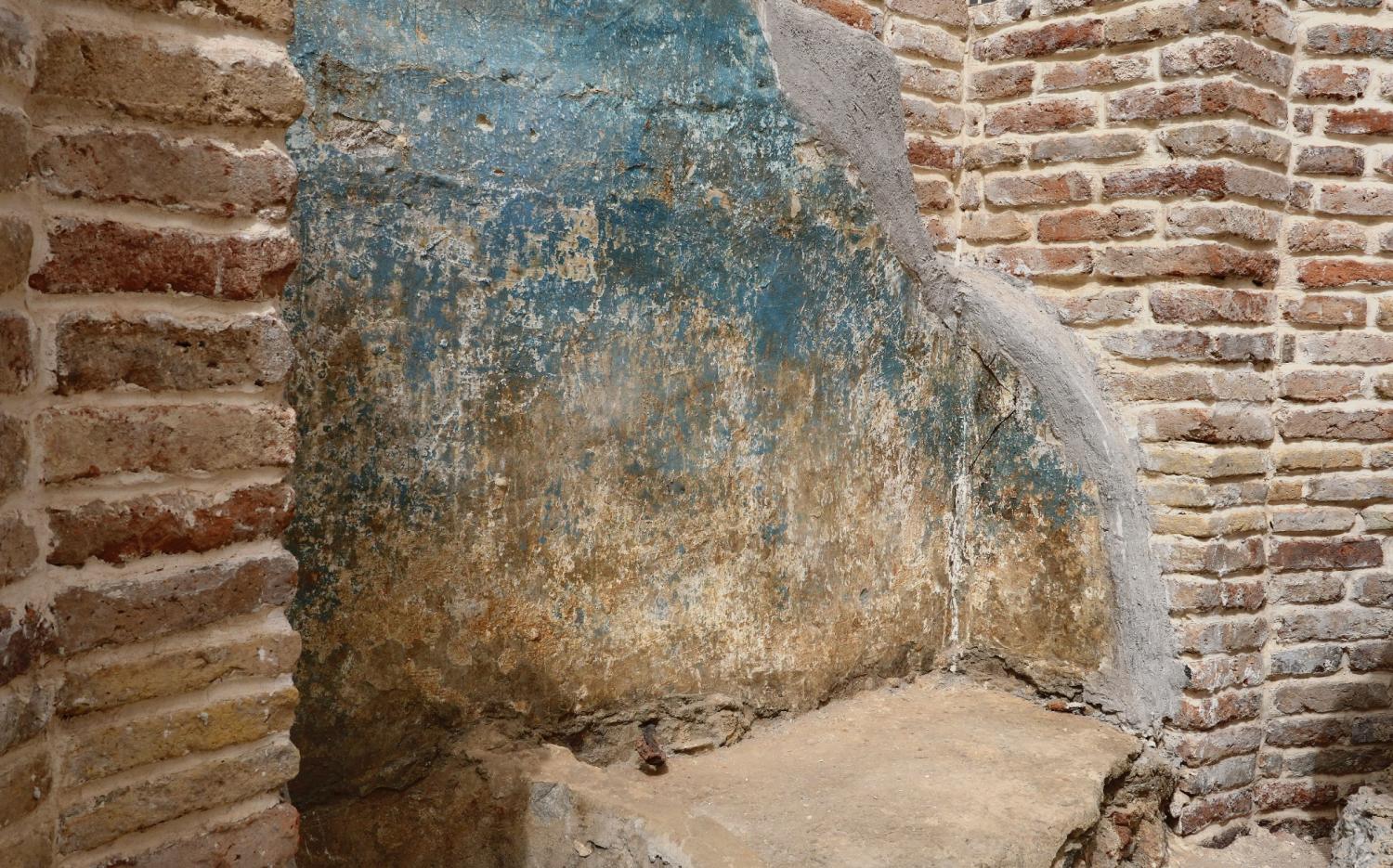
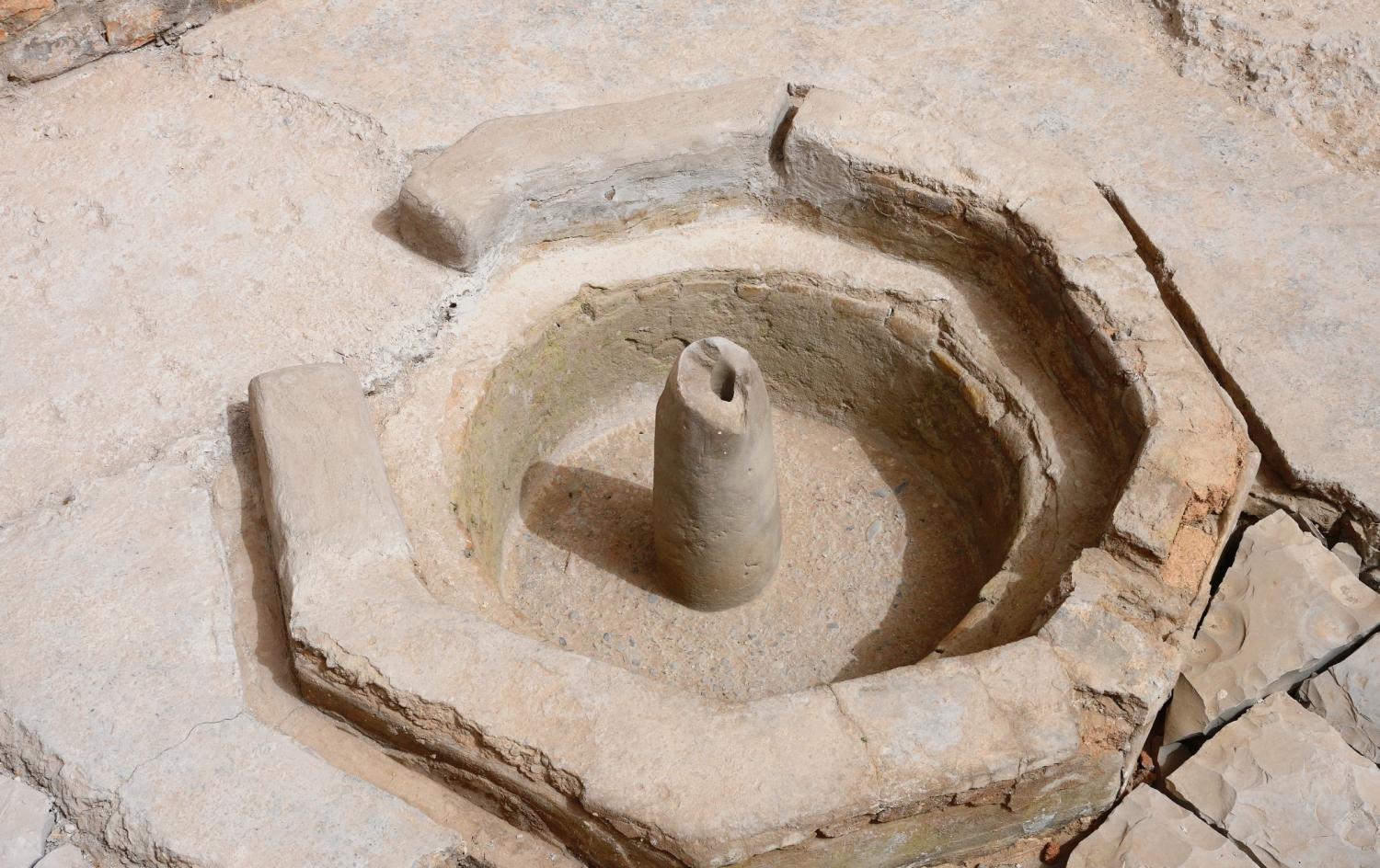
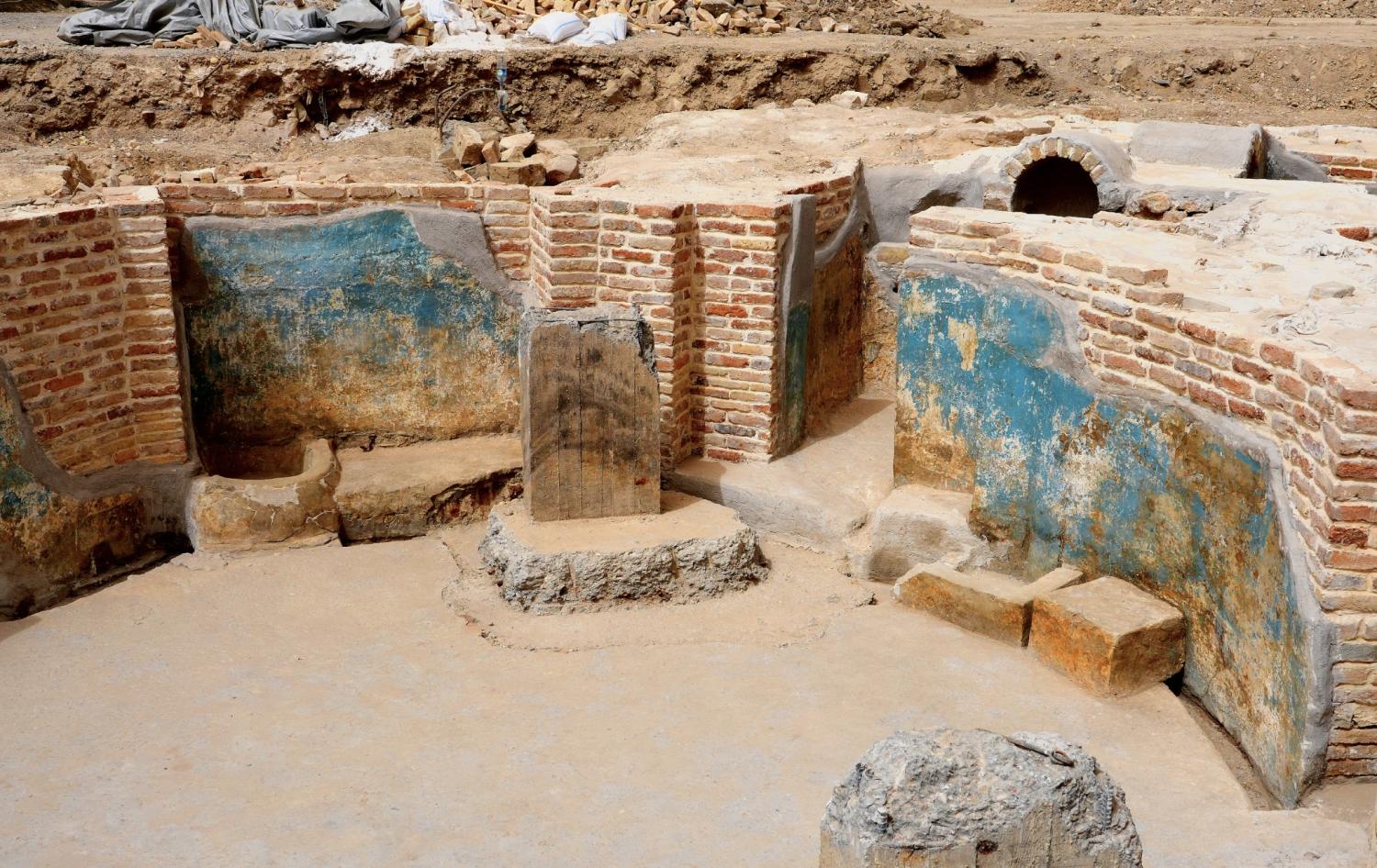
In its early stages, the excavations revolved around the structure and composition of the site. Key features of the site include the use of locally made bricks designed for baths and the fascinating heating and cooling system.
What makes this site especially remarkable is the natural stream beneath the structure. Historical records describe its water as “pure, cool, and refreshing in the summer, warm and healing in the winter.” Even now, archaeologists say traces of the water system remain visible.
The bathhouse was designed with three changing rooms, two hot water rooms, and one cold chamber. Each detail reflects the Baban architects’ taste for both practicality and beauty. Public bathhouses were not merely places to wash; they were social hubs where news was exchanged, friendships formed, and the rhythm of daily life played out.
Silent survival
The history of the Fatima Khan Bathhouse is one of creation and destruction. In 1954, during the British military presence in Kurdistan, the bathhouse was converted into a military headquarters. Omar Said Ali, the first governor of Sulaymaniyah, gave the order to bury the site completely.
For decades, its memory survived only in fragments, in books, in oral history, and in the recollections of residents who grew up in the 1950s and still remembered the old structure. One resident recalled that they “used to hear the elders speak of a beautiful bathhouse where water sang beneath the floors.”
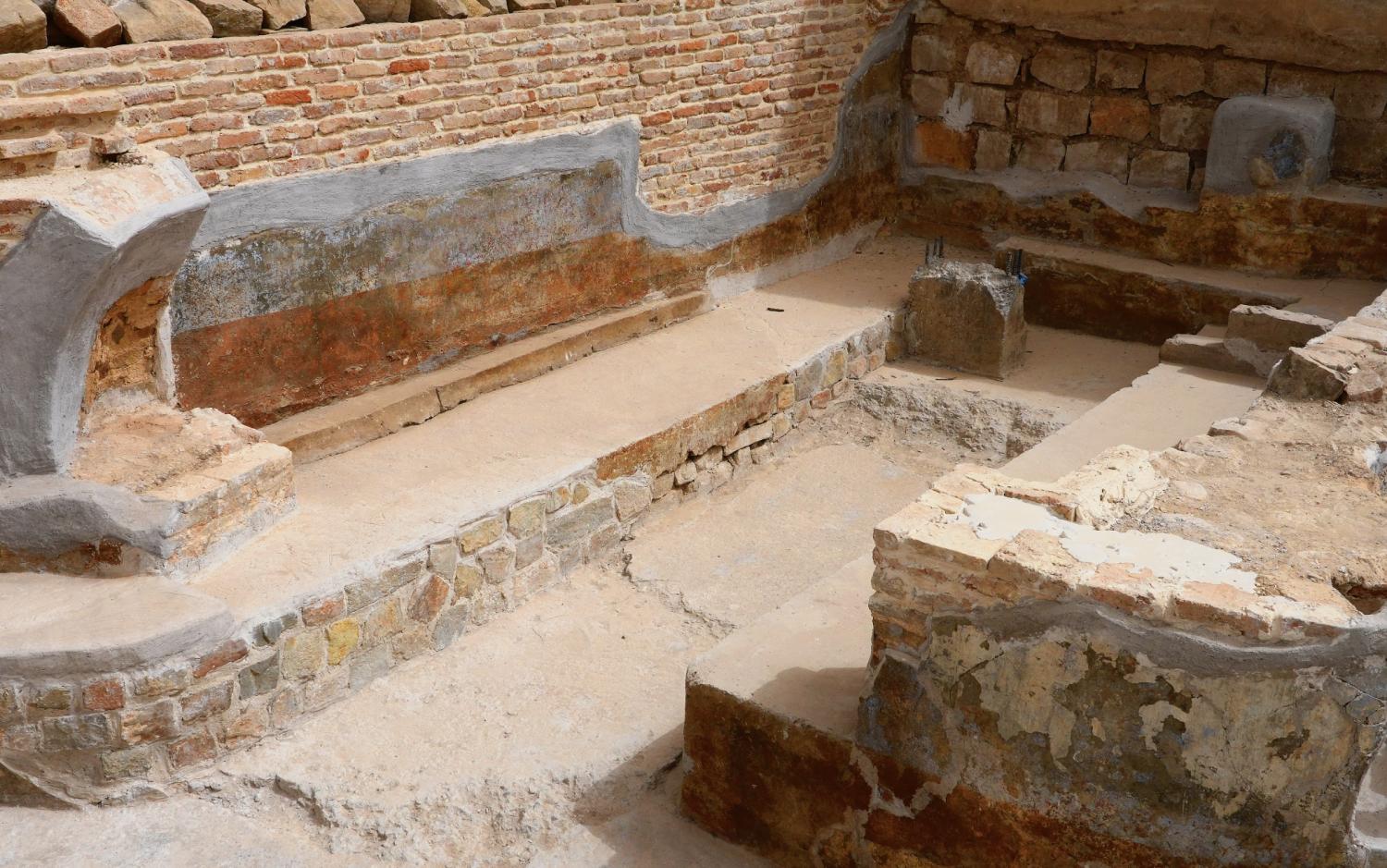
Despite its destruction, the bathhouse remained buried beneath Sulaymaniyah Palace, hidden but not vanished. When the palace underwent restoration this year, archaeologists followed a hunch, supported by historical sources, and began digging behind the building.
After nearly three months of excavation, walls, bricks, and components of the water system came into view. Pottery shards, gold pieces, and traces of a heating and cooling system offered a vivid glimpse into the sophistication of early 19th-century urban design.
Zryan Haji described the discovery as “an achievement that restores dignity to Sulaymaniyah’s forgotten history.”
Family footprints
The Fatima Khan Bathhouse was a grand physical space and part of everyday family rituals. Imagine mothers with children in groups, carrying baskets of towels and oils; fathers meeting friends to discuss trade, history, or politics; the laughter of young boys echoing in the cold chamber.
Bathhouses, in Baban times, were where the city met itself. Weddings, celebrations, and even political conversations unfolded in the steam-filled rooms. Every stone in Fatima Khan’s structure absorbed the rhythm of life in the young city.
One archaeologist noted, “This discovery lets us hear the whispers of those families again. They may have been forgotten, but their voices return in the stones.”
Heritage and hope
For archaeologists and Sulaymaniyah residents, the discovery is not only academic, but also deeply emotional. The call now is for preservation, not neglect. Professors from the University of Sulaymaniyah are urging the Kurdistan Regional Government to protect the site and to develop it into a historical attraction.
The discovery has already sparked a surge of public interest. Citizens of Sulaymaniyah see in it not just a monument, but also a mirror of their own endurance, a place once destroyed by colonial power now reclaiming its place in history.
The Fatima Khan Bathhouse shows that heritage cannot be permanently erased. Even when buried, history has ways of returning. This rediscovery prompts a new question: how much of Kurdistan’s past lies still hidden beneath the ground, waiting for careful hands to bring it back?
Shared steam
The Fatima Khan Bathhouse was named after Fatma Khan, daughter of Ahmed Pasha I and wife of Abdurrahman Pasha, Emir of Baban Dominion. The bathhouse is a quintessential example of classical Kurdish architecture, but it also tells the story of the people who built it, destroyed it, and excavated it. The Baban family who built it; the Sulaymaniyah residents who used it; the British who destroyed it; Omar Ali, the city’s mayor; and the archaeologists who revived it all share a place in this unfolding narrative.
The story of the Fatima Khan Bathhouse is a story of buried beauty, sacred streams, colonial collapse, silent survival, family footprints, heritage and hope, and lessons and legacy. Each layer tells us that history, no matter how deeply hidden, will one day find its way back to the surface.
When visitors walk through the restored bathhouse in years to come, perhaps they will feel the same warmth in the stones that the Baban people once felt in its waters, a reminder that memory, like water, cannot be held down forever.
A Kurdish photographer and journalist.